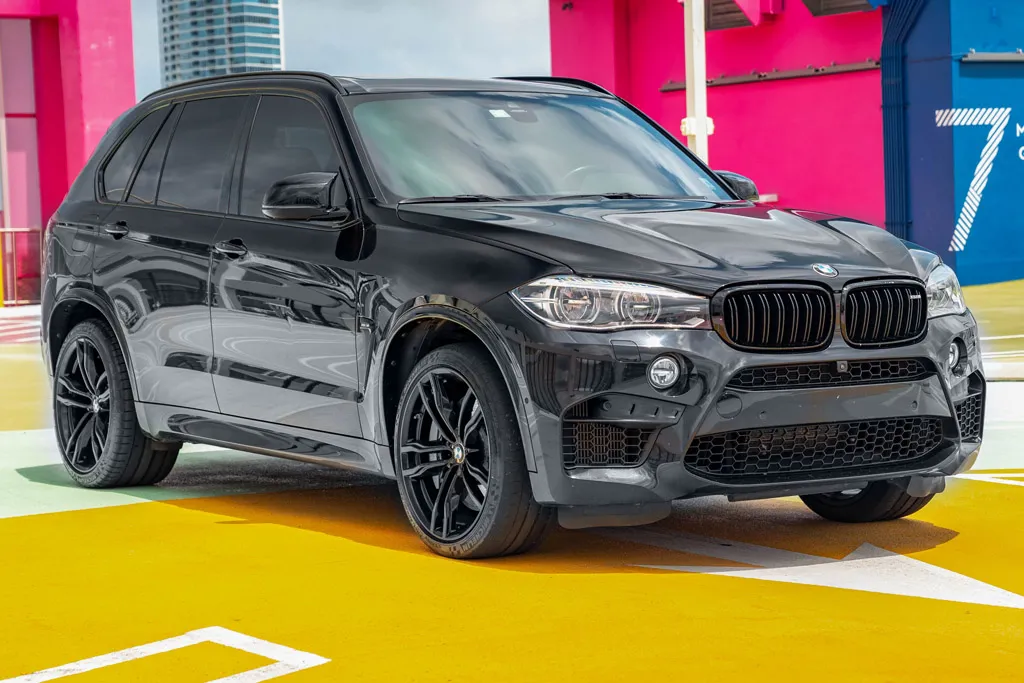
The BMW X5 has long been a benchmark in the midsize luxury SUV segment, blending performance, refinement, and practicality into a single compelling package. Since its debut in 1999, the X5 has evolved across generations, continually improving its driving dynamics, comfort, and technology.
While some model years have struggled with reliability issues, others stand out as particularly dependable choices for used buyers seeking a balance of luxury, utility, and long-term durability.
From powertrain performance to cabin quality and safety features, these reliable X5 models continue to impress with their combination of sportiness and family-friendly versatility.
Whether you’re looking for a plug-in hybrid for efficiency, a V8 for exhilarating acceleration, or a well-rounded six-cylinder for everyday use, certain years of the X5 lineup offer buyers peace of mind alongside the signature BMW driving experience.
In this article, we highlight five BMW X5 model years that consistently deliver reliability and performance without major headaches.
5 BMW X5 Years You Can Trust
1. 2016 BMW X5
The 2016 BMW X5 remains a standout in the midsize luxury crossover SUV segment, earning a reliability rating of 4 out of 5 and appealing to buyers seeking a well-rounded, performance-oriented vehicle. The model’s refined drive quality, precise handling, and top-tier amenities make it a strong choice for luxury SUV shoppers.
While some owners report minor issues like excessive tire noise, these are generally not significant concerns. The 2016 lineup also introduced the xDrive40e plug-in hybrid model, which pairs a turbocharged four-cylinder engine with a lithium-ion battery pack.
This hybrid offers improved fuel efficiency without sacrificing power, making it a notable addition to the X5 range. The 2016 BMW X5 continues the legacy of the brand’s first utility vehicle, providing a luxurious, spacious, and capable driving experience suitable for everyday family use or challenging weather conditions.
Performance is a key strength of the 2016 X5, with multiple engine options catering to diverse driving preferences. The sDrive35i and xDrive35i models feature a turbocharged 3.0-liter inline-six producing 300 horsepower, paired with an eight-speed automatic transmission, achieving a 0-60 mph time of 6.1 seconds.
Diesel enthusiasts can opt for the xDrive35d with 255 hp and 413 lb-ft of torque, while the xDrive50i’s 4.4-liter V8 delivers a powerful 445 hp and 480 lb-ft of torque for rapid acceleration in just 4.9 seconds.
The xDrive40e plug-in hybrid combines a turbocharged 2.0-liter engine with an electric motor for 308 hp and 332 lb-ft of torque, offering an all-electric range of 13 miles.
Fuel economy ranges from 17 mpg for the V8 to more efficient numbers in the six-cylinder and diesel variants. Non-hybrid X5s can tow up to 6,000 pounds, enhancing utility for recreational or work purposes.
Safety and driving dynamics are equally impressive, with every 2016 X5 equipped with stability and traction control, antilock brakes, airbags, and BMW Assist emergency services.
Optional Driver Assistance packages add advanced features such as blind-spot monitoring, lane-departure warning, top-down camera systems, and collision mitigation technology.
The X5 earned top “Good” ratings in Insurance Institute for Highway Safety crash tests, with its optional collision mitigation system rated “Superior.” On the road, the X5 feels secure and agile, with a suspension and steering setup that balances comfort with athletic performance.
Wind and tire noise are muted, and the ride remains composed even on longer drives, though optional 20-inch wheels may slightly reduce ride comfort.
Inside, the X5 offers a luxurious, well-crafted cabin with high-quality materials and intuitive technology. Standard front seats provide excellent support, while available multicontour seats deliver exceptional comfort.
The iDrive infotainment system features a large display, crisp graphics, and a touchpad for input, though some functions may require multiple steps compared with competitors.
Utility is decent but not class-leading; second-row legroom is adequate, the optional third row is cramped, and cargo space totals 66 cubic feet with both rows folded.
Notable interior touches include a split two-section liftgate, which adds practicality for loading and tailgating. The 2016 BMW X5 blends performance, luxury, and versatility, making it a benchmark midsize luxury SUV that satisfies driving enthusiasts and comfort-focused buyers alike.
2. 2017 BMW X5
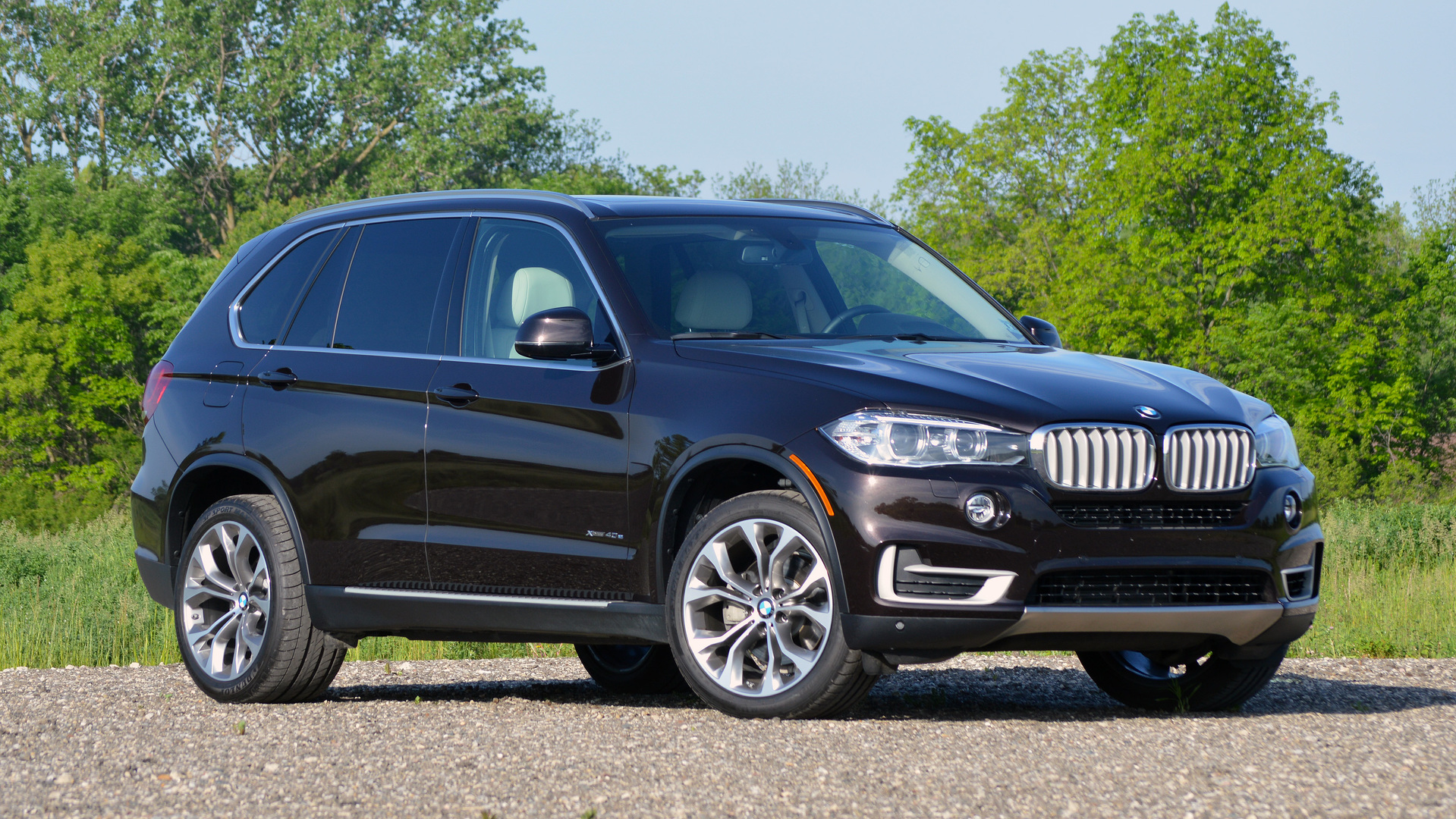
The 2017 BMW X5 earns a reliability rating of 5 out of 5 from Consumer Reports, making it one of the most dependable midsize luxury SUVs available as a used vehicle. Reported issues are minimal, limited mostly to minor brake squeaks and occasional climate system glitches.
For 2017, BMW made subtle updates, adding a Wi-Fi hotspot and wireless charging while discontinuing the Active Steering (four-wheel) option.
Though the X5’s base price starts above $56,000 and its third-row seating remains optional and cramped, the SUV’s strong performance, luxurious cabin, and comprehensive amenities secure its position as a top-tier choice in the class.
Competing models like the Audi Q7, Porsche Cayenne, Mercedes-Benz GLE-Class, and Volvo XC90 offer alternatives, but the X5 continues to impress with its blend of refinement, capability, and engaging driving experience.
Performance is a defining strength of the 2017 X5, with engine options catering to a wide range of drivers. The base xDrive35i six-cylinder provides ample power for daily driving, while the xDrive50i’s turbocharged V8 delivers 445 horsepower for those seeking high-performance thrills.
Diesel enthusiasts can opt for the xDrive35d, which pairs strong torque with improved fuel efficiency. Handling is precise and confident, inspiring driver assurance on highways, back roads, and in challenging conditions.
Ride quality is slightly firmer than some competitors, which enhances cornering and stability, though smaller wheel and tire combinations are recommended for smoother pavement. Road and wind noise are more noticeable than in some rivals, but remain within acceptable limits for the class.
Safety is comprehensive across the 2017 X5 lineup. Standard features include stability and traction control, antilock brakes, front and side airbags, side curtain airbags, active head restraints, and BMW Assist emergency telematics. xDrive models also include hill descent control.
Optional Driver Assistance and Driver Assistance Plus packages add advanced systems such as rearview cameras, head-up displays, blind-spot monitoring, lane-departure warnings, top-down camera views, and forward collision mitigation with pedestrian detection.
The X5 performed well in safety testing, receiving five-star ratings in government crash tests for frontal and side impacts, and “Good” ratings from the Insurance Institute for Highway Safety, with the optional collision mitigation system earning a “Superior” rating.
Inside, the 2017 X5 combines luxury materials with thoughtful design and intuitive functionality. Standard seats are supportive, while available 16-way multicontour options rank among the most comfortable in any SUV.
Second-row seating is comfortable but slightly less spacious than some competitors, and the optional third row is best suited for children. The iDrive infotainment system, complemented by a touchpad controller, provides easy navigation of vehicle functions after a short learning curve.
Cargo capacity measures 35.8 cubic feet behind the second row and 76.7 cubic feet with seats folded, slightly reduced in the xDrive40e hybrid model due to its battery pack. The two-section power liftgate adds convenience for loading bulky items and tailgating, reinforcing the X5’s balance of luxury, utility, and practicality.
3. 2021 BMW X5
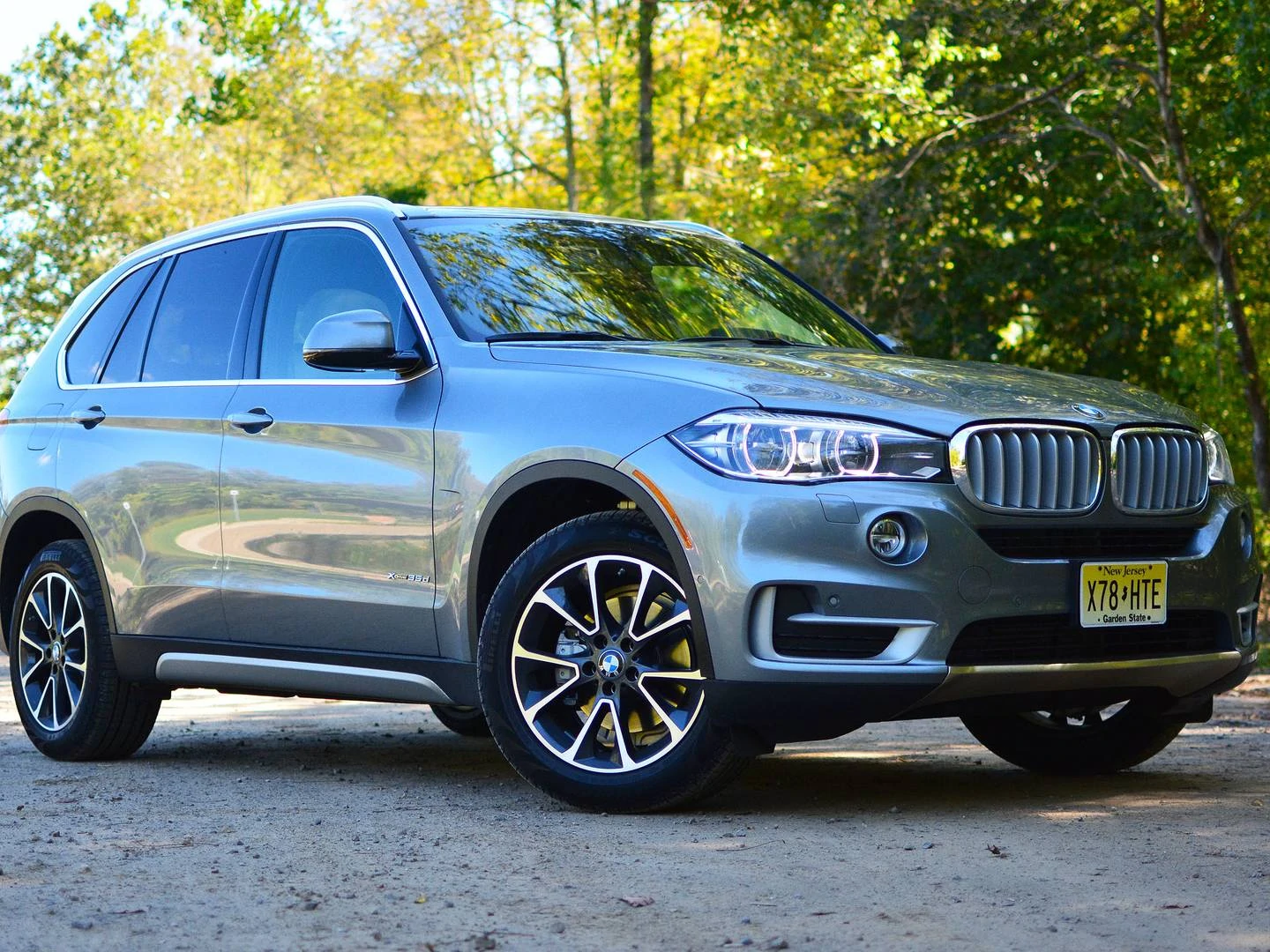
The 2021 BMW X5 continues to uphold the model’s reputation as a leading midsize luxury SUV. With a perfect reliability rating from Consumer Reports and a 77 out of 100 Quality and Reliability score from J.D. Power, it represents a highly dependable choice for buyers seeking a fairly new used luxury SUV.
This year builds on the fourth generation introduced in 2019 and incorporates lessons from customer feedback to refine comfort, performance, and technology. Key updates include the debut of the xDrive45e plug-in hybrid, the discontinuation of the xDrive50i, standard Android Auto, and several minor feature adjustments.
BMW’s X5 formula remains intact: a luxurious interior, strong performance, and versatile technology make it a standout in a highly competitive segment alongside rivals such as the Mercedes-Benz GLE, Porsche Cayenne, and the larger BMW X7.
Performance remains a strong suit for the 2021 X5, with the xDrive40i six-cylinder engine delivering responsive acceleration suitable for everyday driving. V8 and hybrid options provide additional power for those seeking greater performance.
Handling and steering, while competent, feel slightly soft and disconnected unless Sport mode is engaged, giving the SUV a more planted feel in dynamic driving.
The optional off-road package enhances capability on unpaved roads, while the eight-speed automatic transmission delivers smooth and quick shifts. Despite some softness in casual driving, the X5’s blend of acceleration, stability, and precision continues to distinguish it among non-performance-oriented luxury SUVs.
The interior of the 2021 X5 is both spacious and technologically advanced. Front seats are supportive and highly adjustable, while rear seats offer ample headroom and knee room, although bolstering is limited for extended comfort.
The cabin integrates high-quality materials, durable leather, and tight panel gaps for a solid, upscale feel. BMW’s iDrive system incorporates voice, gesture, and handwriting recognition, though it has a steep learning curve.
Visibility is generally good, but side mirrors and door frames can obscure nearby pedestrians, making the optional surround-view camera a valuable addition. Storage is versatile, with a roomy cargo area, power tailgate, and practical compartments, while towing capacity ranges from 6,603 to 7,200 pounds depending on configuration.
Comfort, fuel economy, and value all reinforce the X5’s appeal. Optional air suspension smooths the ride over most surfaces, and road and wind noise remain minimal at highway speeds.
The EPA-estimated fuel economy for the xDrive40i is 22 mpg combined, aligning with segment expectations, while real-world testing yielded 21.3 mpg. Pricing is on the higher side, but the combination of build quality, luxury features, towing capacity, and long-term durability makes the X5 a compelling option.
Standard coverage includes a four-year/50,000-mile warranty and four years of unlimited roadside assistance, underscoring BMW’s commitment to reliability and owner support.
4. 2023 BMW X5
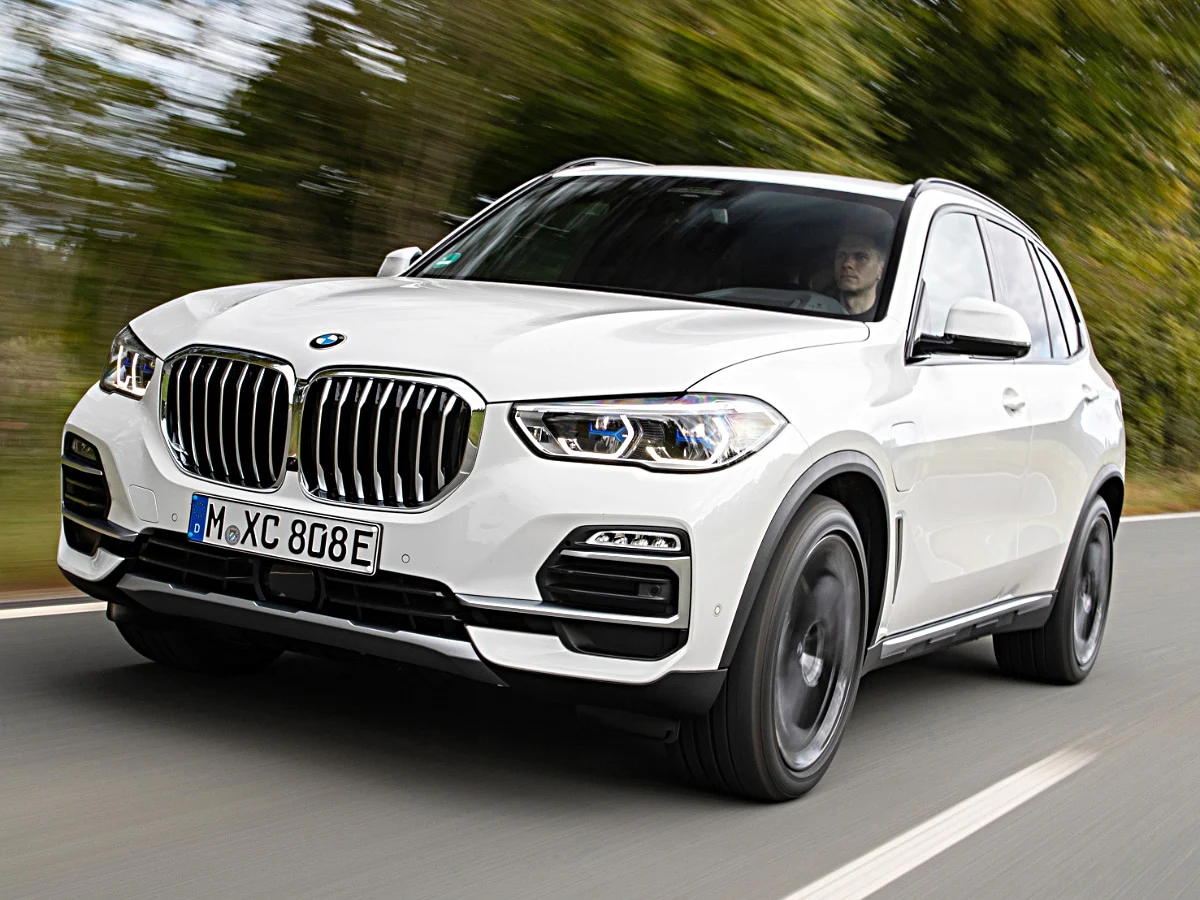
The 2023 BMW X5 continues the fourth-generation legacy introduced in 2019, representing a polished and capable midsize luxury SUV.
While Gesture Control has been removed, BMW added a wireless smartphone charging pad and made minor adjustments to feature availability, including a stand-alone head-up display for select models. The X5 remains a central figure in BMW’s expanded SUV lineup, bridging the gap between the compact X1 and the large three-row X7.
Its longstanding reputation as a versatile luxury SUV is reinforced by a range of powertrains, including a fuel-efficient plug-in hybrid, a strong V8, and the popular six-cylinder xDrive40i.
With the option of a small third-row seat, it can accommodate seven passengers when necessary, making it practical for families while maintaining its signature performance and refinement.
Performance in the 2023 X5 is dynamic yet approachable. The tested xDrive40i six-cylinder engine provides responsive power for daily driving, while the V8 offers high-performance capability for enthusiasts. BMW’s optional off-road package adds versatility for light trail and dirt-road driving.
Handling is competent but feels slightly soft, with limited road feedback unless Sport mode is engaged. The eight-speed automatic transmission delivers smooth and quick shifts, and the optional air suspension ensures a balanced ride.
Road and wind noise are minimal at highway speeds, though casual driving can feel floaty, emphasizing the need for careful wheel and tire selection for optimal comfort and control.
Inside, the X5 delivers a luxurious and technologically advanced cabin. Front seats are firm, supportive, and highly adjustable, while rear seats offer sufficient headroom and knee space, though bolstering is limited for extended trips.
Visibility is generally good but can be partially blocked by the door frame and side mirrors, making the optional surround-view camera system a helpful addition. BMW’s iDrive system integrates menus, voice commands, and handwriting recognition, but comes with a learning curve.
Apple CarPlay and Android Auto are standard, and the cabin benefits from high-quality materials, soft-touch surfaces, and precise panel fit, reinforcing the sense of solidity and refinement expected from a premium SUV.
Practicality and value remain strong points for the 2023 X5. The cargo area is spacious, enhanced by a two-section power liftgate for easy loading, and towing capability ranges from 6,603 to 7,200 pounds depending on configuration.
Fuel economy for the xDrive40i is average for the segment, with an EPA rating of 22 mpg combined and real-world testing achieving 21.3 mpg. Pricing sits at the upper end of the midsize luxury SUV class, but build quality, performance, and capability justify the investment.
Standard coverage includes a four-year/50,000-mile warranty and four years of roadside assistance with no mileage limit, supporting the X5’s long-term reliability and owner satisfaction.
5. 2024 BMW X5
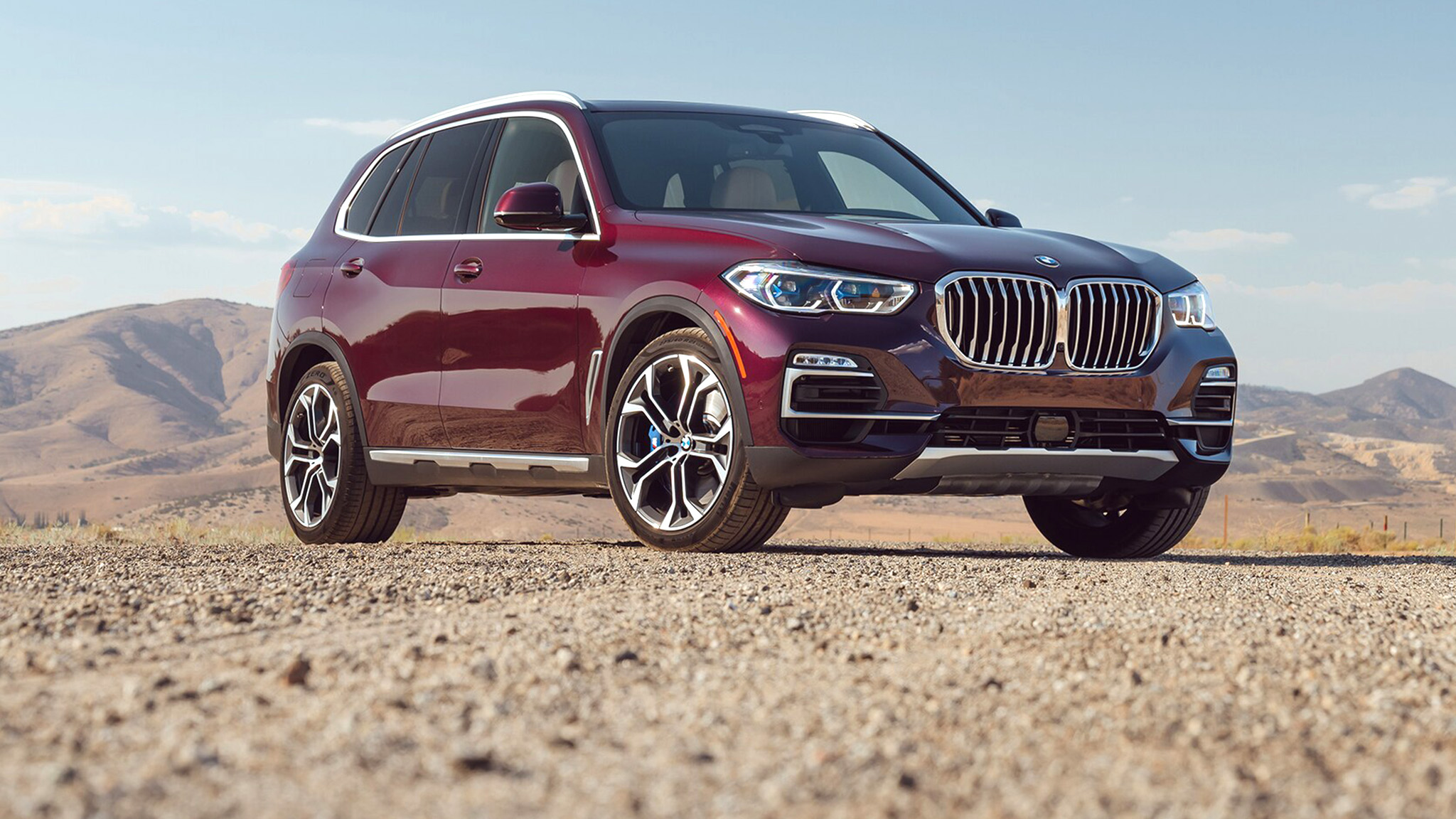
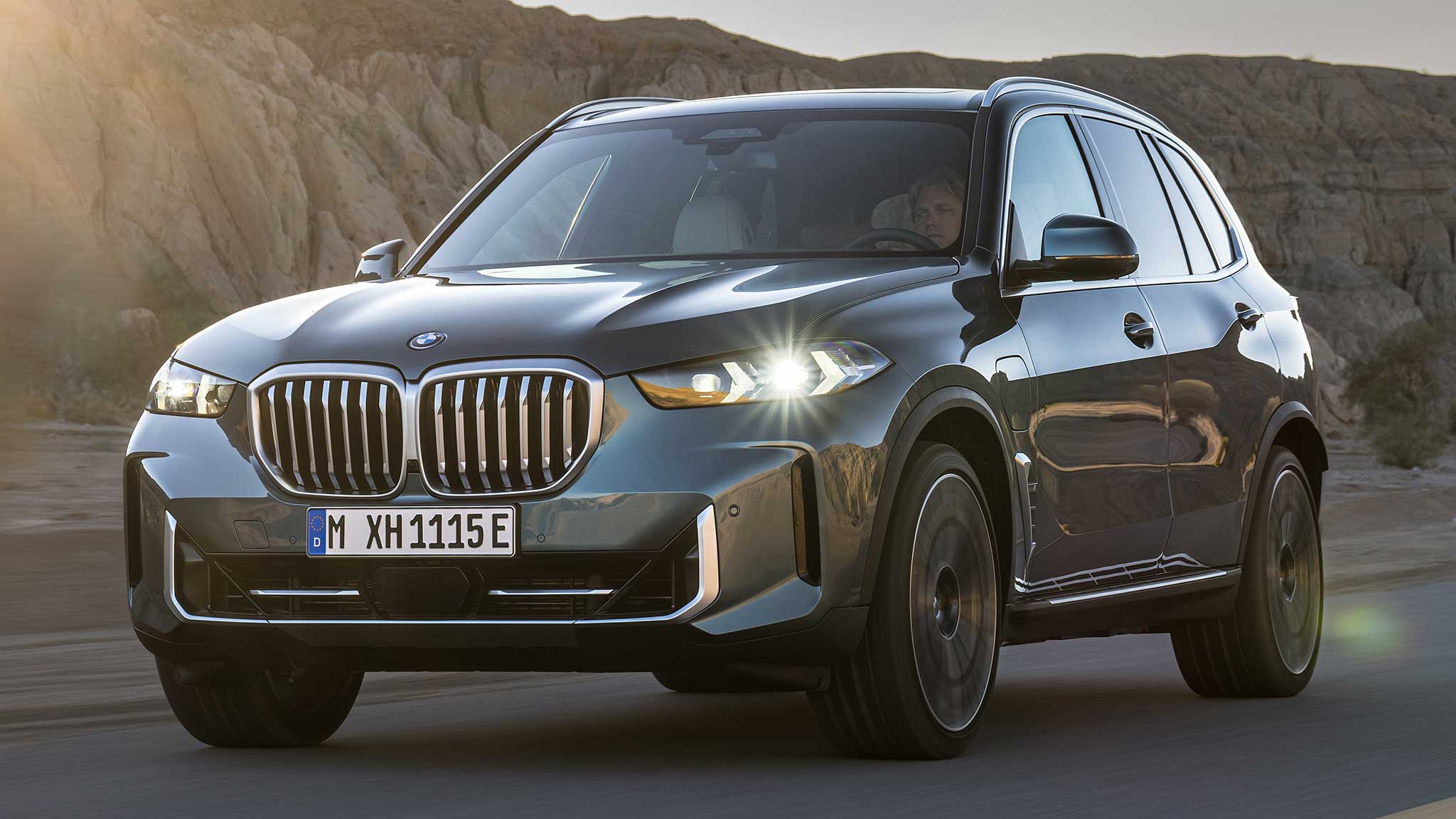
The 2024 BMW X5 remains a standout in the crowded midsize luxury SUV segment, part of the fourth generation introduced in 2019. This model introduces refreshed styling with revised front and rear elements, fiber-optic taillights, and an optional illuminated kidney grille, giving it a modern and striking presence.
BMW also improved the engine lineup, boosting power for the 40i six-cylinder and the xDrive50e plug-in hybrid, while increasing EV range for the latter.
While the optional third row has been removed, the X5 continues to offer a comfortable five-passenger layout, wireless charging as standard, and a wide selection of personal customization options, from blue brake calipers to heated armrests, underscoring its blend of performance, luxury, and utility.
Performance is a major highlight of the 2024 X5, particularly with the xDrive50e plug-in hybrid, which combines smooth inline-six engine power with electric torque to accelerate from 0 to 60 mph in just 4.6 seconds.
Handling is impressive for a vehicle of its size, with quiet, composed torque delivery enhancing the luxurious driving experience. Braking performance is strong, and the engine is smooth and refined under full load, without rattling or clunky feedback.
Even with large wheels that transmit some road imperfections into the cabin, the optional air suspension keeps the ride composed. BMW’s optional off-road package adds versatility for dirt roads and trails, maintaining the X5’s reputation for capable all-around performance.
Inside, the 2024 X5 impresses with a modern and high-quality cabin. A large glass panel integrates the digital instrument cluster and the 15-inch infotainment screen, running BMW’s latest iDrive 8 system with advanced voice controls.
Seats are highly adjustable and comfortable, offering ample headroom and legroom for front and rear passengers. Visibility is generally good, while LED ambient lighting and premium materials enhance the cabin’s luxury feel.
Despite its advanced tech, some controls remain buried in menus, requiring a learning curve. The X5 also provides wireless Apple CarPlay and Android Auto, with excellent voice control for features such as sunroof operation and climate adjustments.
Practicality and value are also strong points. The cargo area is spacious, aided by a clamshell trunk opening, and the xDrive50e’s battery minimally affects storage. Towing capability remains robust, while fuel economy is competitive for the segment, with the hybrid achieving 23 mpg combined and 39 miles of EV-only range.
BMW’s warranty and coverage remain competitive, including four years/50,000 miles of basic and drivetrain coverage, four years of roadside assistance, and three years/36,000 miles of complimentary maintenance.
With these improvements in power, technology, comfort, and styling, the 2024 X5 continues to be an attractive option for buyers seeking a refined, capable, and versatile luxury SUV.
Also Read: 5 Cars That Stay Safe and 5 That Have Serious Crash Concerns
5 BMW X5 Years That Had Major Problems
1. 2008 BMW X5: Minor Issues but Manageable
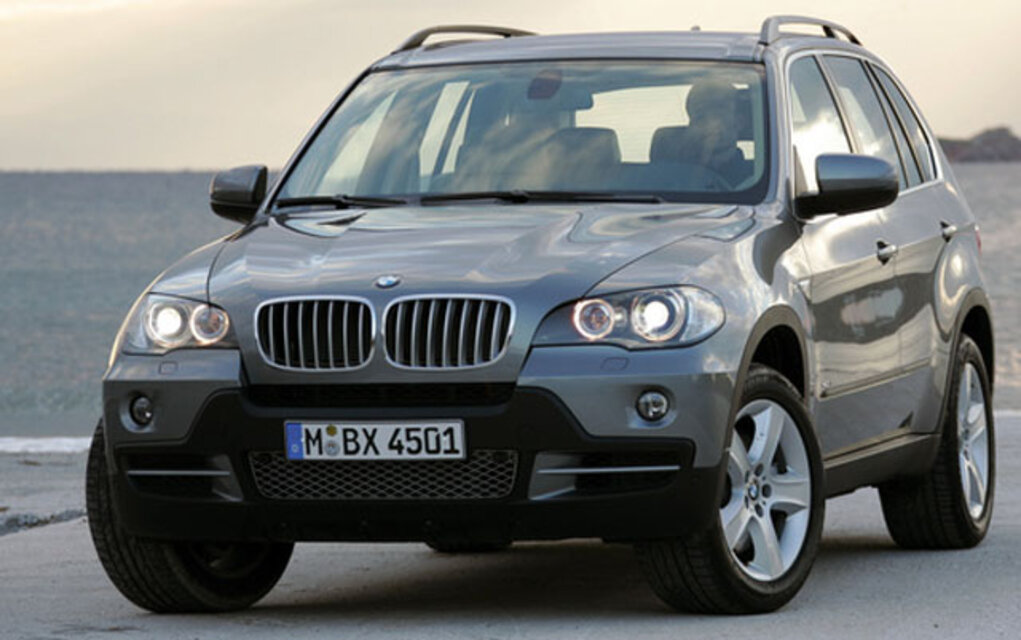
The 2008 BMW X5 is generally considered a reliable luxury SUV, with relatively few complaints reported. According to CarComplaints, the most notable issues include water leaking into the interior, coolant pump failure, and occasional loss of power while driving.
The water leakage problem occurs when drain tubes fail to direct water away from the cabin, potentially flooding electrical components. Although this issue could be costly to repair, with estimates around $10,000, it appears to stem from a single documented case.
The coolant pump failure is another concern, which can affect the vehicle’s ability to regulate engine temperature efficiently. Additionally, loss of power while driving has been reported, usually resolved by replacing the battery and alternator at a cost of roughly $2,000.
The 2008 X5 demonstrates solid reliability for its era, with its few known problems being manageable with proper maintenance. Owners seeking a used model from this year can feel relatively confident, but should still inspect the electrical system and powertrain thoroughly before purchasing.
2. 2009 BMW X5: Emerging Trouble Spots
The 2009 BMW X5 is another relatively dependable year, with just over 200 complaints recorded by the National Highway Traffic Safety Administration (NHTSA). While it is far from being a problematic SUV, certain issues warrant attention, particularly oil leaks and melting brake lights.
Oil leaks, often tied to faulty alternator brackets or timing covers, can result in costly repairs, sometimes exceeding $5,000. These leaks can be exacerbated over time, especially in older or high-mileage models.
Melting taillights also emerged as a concern, creating a safety hazard by triggering warning lights on the dashboard and potentially reducing visibility to other drivers. Despite these issues, the 2009 X5 remains a dependable choice, with most problems affecting only a small number of vehicles.
Owners benefit from robust performance, comfort, and luxury features, making this year a reasonable choice for those seeking a used X5. Prospective buyers should carefully inspect the brake light assemblies and engine components to avoid unexpected maintenance costs.
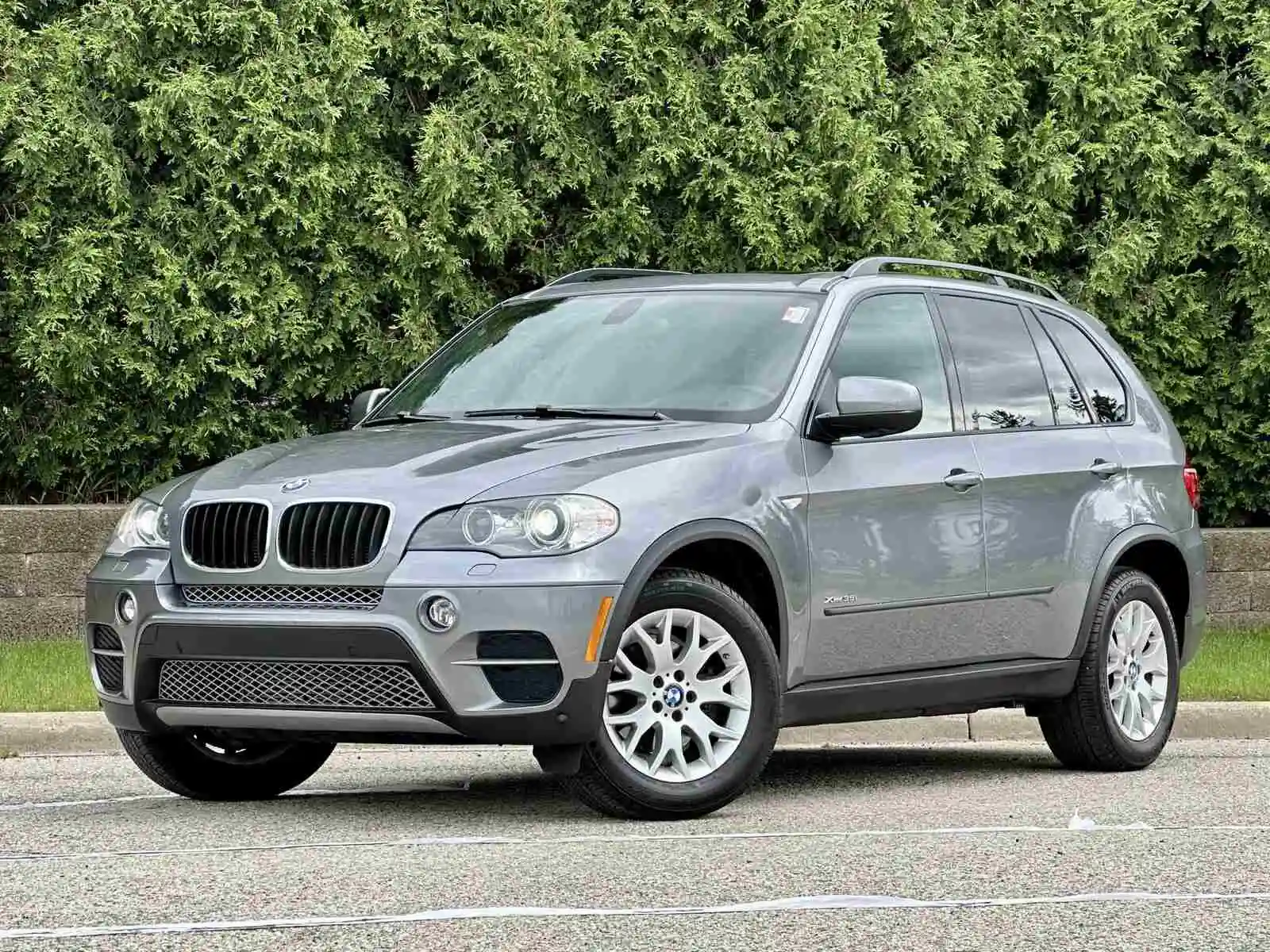
3. 2012 BMW X5: Mixed Reliability
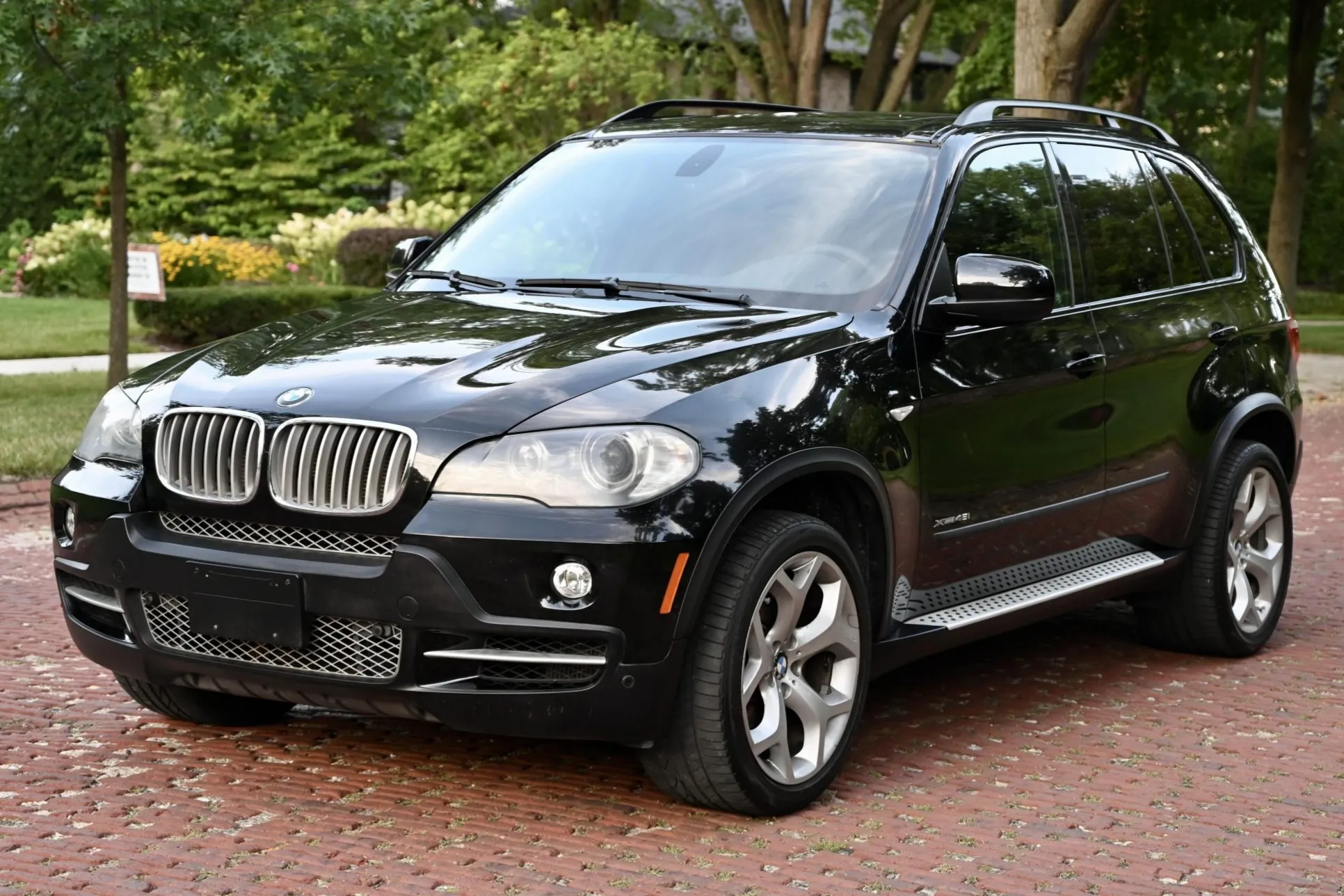
The 2012 BMW X5 represents a middle ground in reliability, with over 300 complaints submitted to the NHTSA and a total of 12 recalls. While these numbers may seem high, the issues are mostly isolated and not indicative of widespread failures.
One frequently reported problem involves vibrations during turns, likely related to the transmission or transfer case, with repair costs reaching around $4,000 even after dealer coverage. Brake light failures remain a recurring issue, as water intrusion can corrode the LED contacts within the rear inner brake light assembly.
Despite these concerns, the 2012 X5 still performs well in daily driving, offering strong handling, comfort, and luxury appointments. Maintenance of the transmission and careful attention to brake components can mitigate most known issues.
Buyers seeking this model should review the recall history and ensure that all necessary repairs or preventative measures have been completed. While some repairs may be expensive, the 2012 X5 retains solid usability and remains a competitive midsize luxury SUV.
4. 2013 BMW X5: Reliability Declines
The 2013 BMW X5 marks a significant decline in reliability, receiving a 1 out of 5 rating from Consumer Reports. This model year is widely regarded as one of the least dependable in the X5 lineup, with numerous reported issues spanning critical systems.
Fuel system problems are particularly concerning, including failing fuel pumps and disintegration that leaves debris in the fuel system, leading to stalling and potential loss of power.
Oil leaks also recur, with many owners reporting excessive consumption or leaks affecting engine performance. These problems collectively result in frequent and costly repairs, reducing the value and appeal of the 2013 X5 as a used purchase.
Owners may experience frustration with both performance reliability and the financial burden of repairs. While the SUV still offers luxury features and strong driving dynamics, the high incidence of mechanical failures and maintenance costs makes this model year one to avoid for buyers seeking dependable transportation.
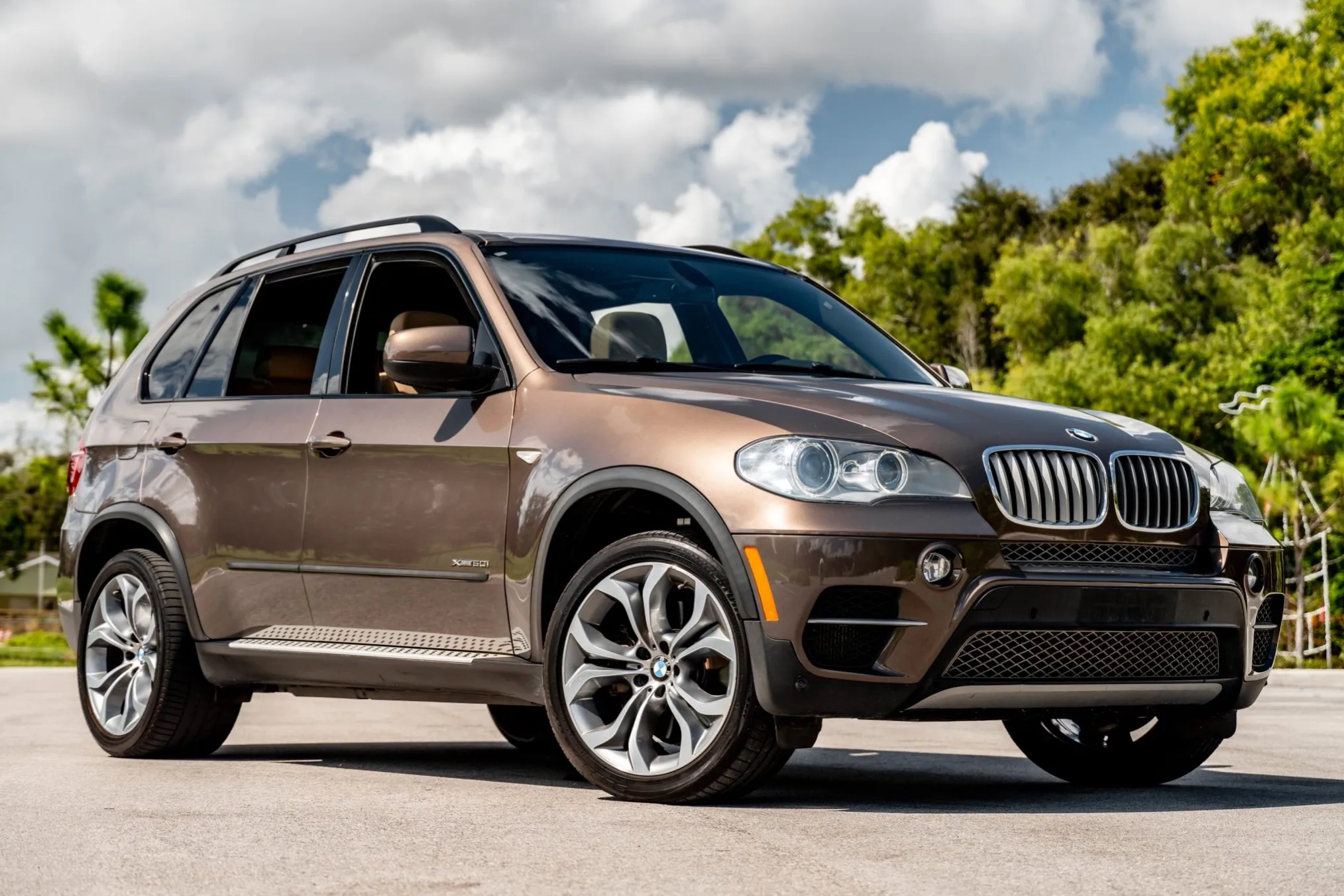
5. 2014 BMW X5: Continued Reliability Challenges
The 2014 BMW X5 continues the trend of poor reliability, also receiving a 1 out of 5 rating from Consumer Reports. Owner complaints largely focus on body integrity and interior quality issues, including water leaks from the roof leading to wet floors, as well as squeaks and rattles throughout the cabin, which are unusual for a luxury vehicle.
Mechanically, this model year struggles across multiple systems, including the suspension, fuel system, engine, and electrical components, all of which earned low reliability scores.
These widespread issues suggest that the 2014 X5 is susceptible to frequent and costly repairs, diminishing its value as a used SUV. While it retains a comfortable and luxurious interior and strong driving performance, the pervasive problems make it a risky option for potential buyers.
Prospective owners should thoroughly inspect any used 2014 X5, paying particular attention to water damage, engine health, and suspension integrity before purchase.
Selecting a used BMW X5 can be a daunting task, given the variety of model years and trim options available. By focusing on the most dependable years, buyers can enjoy the luxury, technology, and driving enjoyment that define the X5, while minimizing the risk of costly repairs and reliability issues.
The model years featured in this guide, ranging from 2016 to 2024, demonstrate BMW’s commitment to improving performance, cabin refinement, and advanced features over time.
Each of these years offers a balance of strong engine options, comfortable interiors, and modern safety systems, ensuring a driving experience that remains engaging and secure.
By choosing one of these trusted model years, prospective owners can enjoy the X5’s versatility for daily commuting, family trips, and even towing or light off-road adventures. Ultimately, these reliable X5s provide the perfect combination of luxury, capability, and peace of mind, making them worthy investments for discerning buyers.
Also Read: 10 Best-Selling Cars in the U.S. and What Makes Them Stand Out