
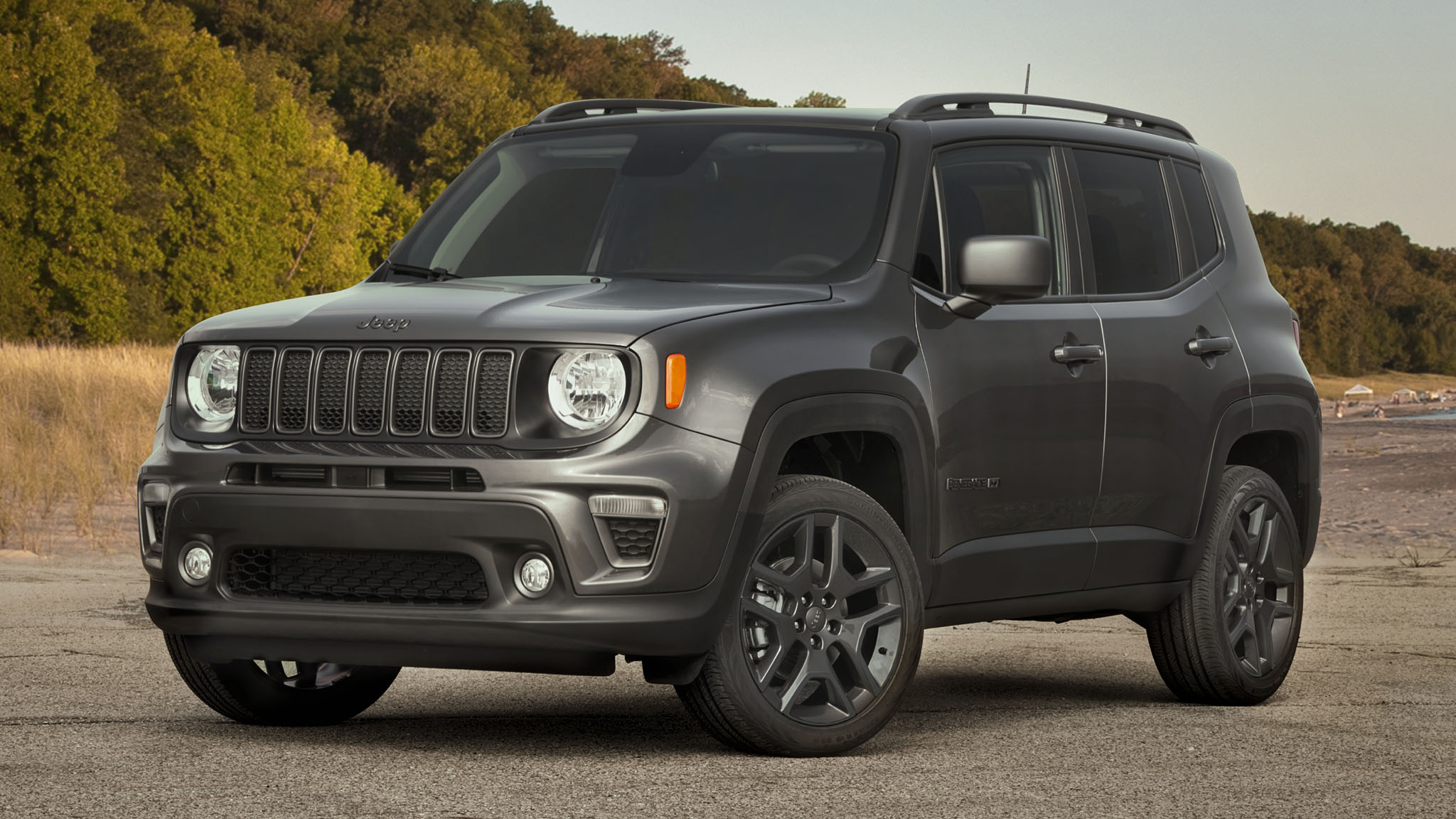
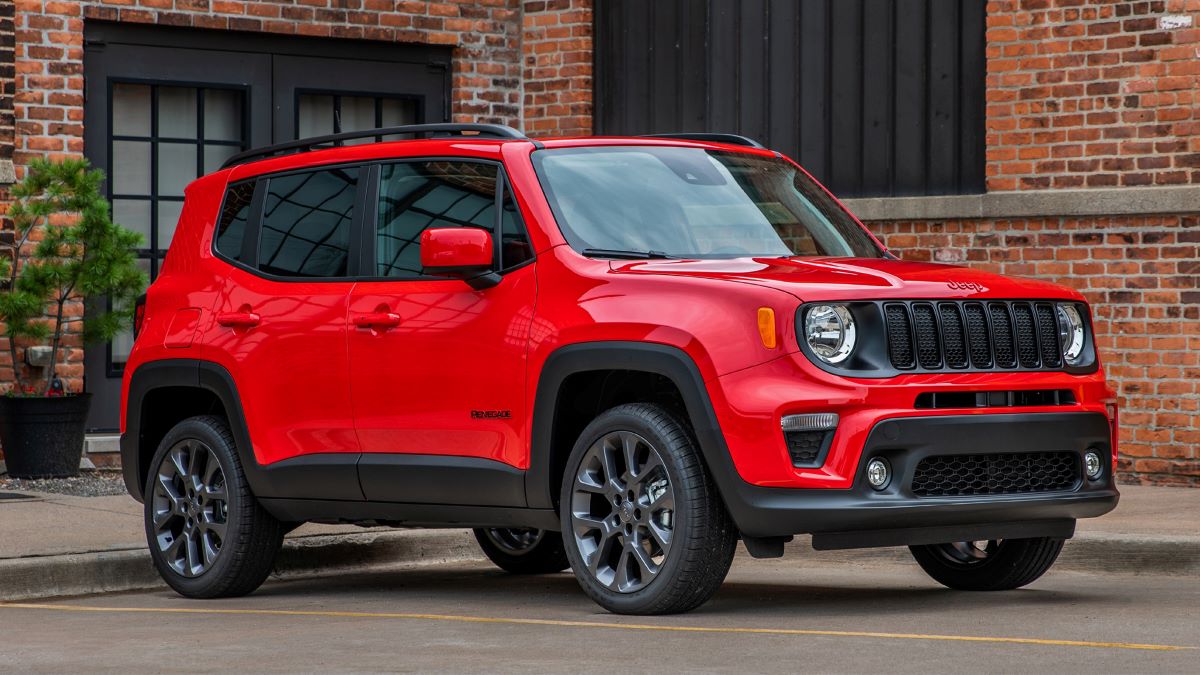
The Jeep Renegade has quickly become a popular choice for Americans seeking a compact SUV that combines rugged styling with urban practicality.
Its small footprint makes it ideal for city driving, while its off-road capabilities give adventure seekers the flexibility to explore trails and rough terrain.
Despite its appeal, many Renegade owners inadvertently take actions or neglect essential maintenance that can drastically reduce the vehicle’s lifespan.
Understanding these common oversights is crucial for preserving the performance, reliability, and resale value of your Jeep.
1. Skipping Regular Oil Changes
One of the most critical yet often overlooked maintenance tasks is changing the engine oil on schedule. The Jeep Renegade, like many modern vehicles, relies on synthetic oil to keep its engine components lubricated and functioning optimally.
Skipping oil changes or extending intervals beyond the manufacturer’s recommendation can lead to sludge buildup, increased friction, and eventual engine wear.
In a Renegade, where the 1.3L turbocharged engine is common, ignoring oil maintenance can quickly result in costly repairs or even a complete engine failure.
Many owners in the US, tempted by DIY savings or the convenience of longer intervals, underestimate how quickly oil degradation can affect turbo engines.
2. Neglecting Transmission Fluid Checks
The Renegade’s automatic transmissions, whether the 6-speed or the 9-speed, are sensitive to fluid quality and levels. Failure to check or replace transmission fluid can lead to harsh shifting, overheating, and premature transmission wear.
Unlike some larger SUVs, the compact design of the Renegade means transmission issues can manifest rapidly, particularly in stop-and-go traffic or during towing.
American drivers who frequently navigate urban environments or highway commutes should ensure their transmission fluid is inspected at regular intervals, as recommended in the owner’s manual, to avoid expensive repairs.
If you don’t stay on top of transmission fluid changes, your car can run into serious trouble. Transmission fluid isn’t just another liquid—it’s what makes smooth gear shifts possible while keeping the system cool.
Unfortunately, many drivers neglect this crucial maintenance task, often unaware of the costly consequences. Transmission fluid lubricates and cools the moving parts within the gearbox, ensuring everything runs smoothly. But like all fluids, it degrades over time, becoming dirty and far less effective at doing its job.
When transmission fluid is left unchanged, problems start to pile up. Overheating, gear slippage, and even complete transmission failure can result from worn-out fluid. These issues not only compromise your vehicle’s performance but also put your safety and finances at risk. That’s why understanding the importance of regular transmission fluid changes is essential for avoiding costly repairs and keeping your car reliable on the road.
Transmission fluid plays multiple roles that are key to your car’s performance. Beyond ensuring smooth gear shifts, clean fluid helps maintain fuel efficiency and prevents those uncomfortable jerks or delays while driving.
It also acts as a lubricant for the moving parts, reducing friction and wear. Just as importantly, it cools the transmission, protecting it from overheating. When the fluid is dirty or worn, these protections break down, putting your transmission at risk of premature failure. Regular fluid changes keep everything working as it should and extend your car’s lifespan.
One of the clearest warnings of transmission fluid trouble comes from the way your car sounds and feels. Grinding, clunking, or other unusual noises often mean the fluid is either low or dirty. Without clean fluid, the transmission can’t operate smoothly, and the result is added strain on the system. Slipping gears are another red flag.
When your car struggles to stay in the right gear, jerks forward unexpectedly, or hesitates during acceleration, it usually signals that the fluid has aged to the point of losing its effectiveness. This makes driving unsafe, but a fluid change can often resolve the issue before permanent damage sets in.
The immediate effects of neglecting transmission fluid can be severe. Old, degraded fluid doesn’t cool the transmission effectively, which means the system overheats more easily.
Overheating damages internal components and can even affect the engine. On top of that, dirty fluid makes parts grind against each other, increasing wear and shortening their lifespan. These problems don’t take long to appear, making regular changes all the more important.
Over time, failing to change transmission fluid will almost certainly lead to serious, long-term damage. Once the fluid loses its ability to lubricate and cool properly, internal components begin to wear out at an accelerated pace.
Left unchecked, this can result in complete transmission failure. At that point, repair costs skyrocket, often reaching into the thousands. By contrast, replacing the fluid at regular intervals is inexpensive and prevents this spiral of damage before it starts.
The financial impact of ignoring this simple task is no small matter. Transmission repairs are some of the most expensive fixes a car owner can face, and what begins as a small issue can quickly snowball into a major expense.
Regular transmission fluid changes cost a fraction of what repairs or replacements do, making it one of the smartest preventive measures you can take. Ultimately, keeping up with this maintenance saves you money, keeps your car performing at its best, and helps you avoid being blindsided by a massive repair bill.
Also Read: 5 EVs With Affordable Maintenance and 5 That Cost a Fortune
3. Ignoring Tire Maintenance
Tires are the only contact point between the vehicle and the road, yet many Jeep Renegade owners underestimate their importance.
Uneven tire wear, improper inflation, and neglected rotations can compromise handling, reduce fuel efficiency, and strain suspension components.
Because the Renegade is marketed for both city and light off-road use, some drivers take their vehicles off pavement without adjusting tire pressure or inspecting tread depth afterward.
Over time, these oversights accelerate wear on the drivetrain, shock absorbers, and even the all-wheel-drive system, potentially leading to costly mechanical problems.
4. Overlooking Brake Inspections
Brakes are critical for safety and longevity, but neglecting them is a surprisingly common mistake among Renegade owners.
The compact SUV’s braking system, particularly on models equipped with all-wheel drive, is subject to significant wear if driving habits involve frequent city stops or off-road excursions.
Failing to replace worn pads or rotors can damage calipers and increase the likelihood of uneven brake performance. For US drivers, especially in regions with hilly terrain or harsh winters, timely brake inspections are essential to ensure both vehicle longevity and passenger safety.
One of the most critical safety features in any vehicle is its braking system, and this is especially true for heavy-duty trucks. Trucks are the backbone of the transportation industry, often carrying massive loads over long distances.
Because of their size and weight, reliable braking systems are essential to protect not only the driver but also other road users. Unfortunately, regular brake system inspections are sometimes overlooked, which can have catastrophic consequences.
Truck owners and fleet managers must prioritize routine inspections and maintenance to prevent accidents and ensure safety on the road. Understanding the importance of braking systems and the risks associated with neglect is the first step in making maintenance a top priority.
Heavy-duty trucks rely on braking systems that are built to handle significant stress. These systems are responsible for slowing and stopping vehicles carrying thousands of pounds of cargo.
A typical truck braking system consists of several vital components, including brake pads, drums or rotors, calipers, brake lines, and brake fluid. Each part plays a critical role in stopping the truck, and failure in even one component can compromise the entire system.
Routine brake system inspections are necessary to catch issues early and ensure every component is functioning properly. Over time, parts wear down due to constant use and exposure to harsh road conditions.
By conducting regular inspections, technicians can detect and address problems such as worn brake pads, damaged brake lines, or leaking fluid before they escalate. This preventative approach can stop minor issues from snowballing into dangerous, costly failures.
Skipping brake inspections exposes truck drivers and others on the road to serious risks. Worn-out pads and faulty parts reduce braking performance, extending stopping distances and making it harder to avoid collisions.
Brake fade, a condition where brakes lose effectiveness due to overheating, can occur without warning, especially during heavy braking or downhill driving. In the worst-case scenario, neglected brakes can lead to complete system failure, making it impossible to stop the vehicle and potentially causing deadly accidents.
Beyond the physical dangers, poor brake maintenance also increases the likelihood of accidents such as rollovers, rear-end collisions, or crashes involving pedestrians and other vehicles.
In addition, commercial trucks are subject to strict safety regulations that mandate regular inspections. Failing to comply can result in fines, legal consequences, or even suspension of operating licenses, putting businesses and drivers at risk.
Preventative brake maintenance is the best way to ensure safety and reliability. Fleet managers and truck owners should establish a consistent maintenance program that includes thorough inspections by trained technicians. Key steps include checking pad thickness, examining calipers and rotors for wear, inspecting brake lines for leaks or damage, and testing brake fluid for contamination.
When parts reach their wear limits, immediate replacement is crucial. Brake pads, in particular, experience heavy use and should be swapped out promptly to maintain peak performance. Using high-quality, OEM-approved replacement parts is also essential, as cheaper, low-grade components may fail prematurely and compromise safety.
In short, the braking system is the lifeline of a truck, and its condition directly impacts road safety. Regular inspections, preventative maintenance, and the use of quality parts are not just good practices; they are essential steps in protecting drivers, fleets, and everyone who shares the road.
5. Letting Rust Go Unchecked
Although compact SUVs like the Jeep Renegade are designed for versatility, their smaller frames can be vulnerable to corrosion if not properly maintained.
In northern states, where winter road salt is prevalent, rust can quickly affect wheel wells, undercarriage components, and even suspension mounts. Ignoring rust prevention, such as regular washing, undercoating, or prompt touch-ups to paint chips, can compromise structural integrity.
Rust-related damage is particularly costly because it often spreads beyond visible areas, leading to expensive repairs that could have been prevented with proactive maintenance.
Rust is one of those silent enemies that can creep up on your car when you least expect it. What might begin as a small brown speck on the paint can eventually eat away at the body and compromise the very structure of the vehicle.
Left untreated, rust will spread quickly and cause damage that is both costly and difficult to repair. The good news is that with the right care and preventive steps, you can stop rust before it becomes a problem or deal with it effectively if it has already started.
To understand how to fight rust, it’s important to know what causes it in the first place. Rust forms when iron or steel reacts with oxygen and moisture, which is why cars are particularly vulnerable.
Exposure to rain, snow, and humid environments creates the perfect conditions for corrosion, while winter road salt accelerates the process. Even something as small as a scratch or chip in the paint can expose bare metal, opening the door for rust to take hold.
One of the simplest yet most effective defenses against rust is washing your car regularly. Dirt, grime, and salt trap moisture against the paint, speeding up corrosion.
During winter, weekly washes are ideal, while every couple of weeks is generally fine in other seasons. Paying attention to hidden areas like the undercarriage, wheel wells, and seams is especially important, as these places often collect debris and salt that go unnoticed.
Adding an extra layer of protection is another smart move. Rust-proofing treatments, whether done at a professional shop or with DIY sprays, can create a barrier that prevents oxygen and moisture from reaching the metal.
Oil-based inhibitors are great for older cars that may already have spots of rust, wax-based sealants provide a temporary shield, and electronic rust control systems are an option for those who want long-term prevention.
Keeping your car dry also goes a long way in the fight against rust. Whenever possible, park in a garage or under a carport. If you must park outside, using a waterproof cover can help shield the vehicle from rain and snow. Avoid parking on grass, dirt, or any surface that retains moisture, since this keeps humidity in contact with the underside of the car and increases the chance of corrosion.
Regular inspections are equally important. Small scratches, dents, or chips in the paint may not seem like a big deal, but they expose bare metal and make your car vulnerable.
Checking for these issues and fixing them promptly with touch-up paint or repairs can stop rust before it has a chance to spread. If rust has already started, dealing with it quickly is key. Sanding away the affected area, applying a rust-resistant primer, repainting with the matching color, and sealing with a clear coat can stop the problem from worsening.
Protective coatings and wax can also make a noticeable difference. Many modern cars already come with factory-applied rust-resistant finishes, but adding an extra clear coat, ceramic coating, or high-quality wax provides additional peace of mind. Waxing your car not only improves its appearance but also creates a smooth, protective barrier that keeps water and dirt from sticking to the surface.
The undercarriage is one of the most vulnerable spots for rust since it takes the brunt of road salt, water, and debris. Applying an undercoating treatment and washing the underside of the car regularly can help minimize corrosion. It’s also a good habit to inspect the undercarriage from time to time to catch early signs of rust before they turn into bigger problems.
Accessories like mud flaps and fender liners can provide another layer of protection by keeping debris, salt, and water from hitting sensitive areas directly. Combined with other preventive steps, these small additions can make a big difference in extending your vehicle’s lifespan.
Ultimately, rust doesn’t have to be the downfall of your car. By keeping your vehicle clean, dry, and protected, and by addressing issues the moment you spot them, you can keep rust from spreading and maintain both the value and the appearance of your car.
Preventive care is always easier and cheaper than dealing with the aftermath of corrosion, and the earlier you take action, the better your results will be. With consistent effort, your car can remain rust-free, reliable, and looking its best for many years to come.
Also Read: 5 SUVs That Rarely See Warning Lights and 5 That Light Up Like a Christmas Tree
6. Disregarding Warning Lights and Codes
Modern vehicles like the Renegade are equipped with an array of sensors and diagnostic systems. Many owners, however, dismiss warning lights or delay addressing error codes, assuming minor issues will resolve themselves.
Ignoring alerts related to the engine, transmission, or emissions systems can exacerbate underlying problems, resulting in cascading failures. In the US, where state inspections may include emissions testing, unresolved codes can also prevent registration renewal.
Prompt attention to dashboard warnings is not just about vehicle longevity; it’s also about avoiding legal or financial complications.
You’re not the only one. Many drivers are left scratching their heads at the variety of symbols and signs that appear, unsure whether it’s something minor or a warning of a much larger issue.
These dashboard lights are far more than decorative icons; they serve as an essential communication tool between your vehicle and you, signaling anything from small glitches to major faults that demand immediate attention. Understanding what these signs mean can help prevent problems from snowballing into costly repairs or, worse, a serious safety hazard on the road.
It’s important to remember that ignoring these alerts can cause lasting damage to your vehicle and, in some cases, even put lives at risk. Each light has a specific purpose, and learning to recognize them not only keeps your vehicle in good shape but also makes you a safer, more responsible driver.
This discussion is meant to help unravel the mystery behind these dashboard symbols, offering straightforward explanations and guidance on how to respond when they appear. For those managing fleets or even enhancing the presentation of personal vehicles, professional livery and vehicle wrap solutions can also play a role in maintenance and brand visibility, showing that care for vehicles extends beyond just mechanical upkeep.
They are triggered when the vehicle’s sensors detect something unusual in its systems, whether that’s low oil, insufficient coolant, reduced tyre pressure, or a more complex malfunction. The purpose is always the same: to alert the driver before a small issue becomes a larger, more damaging one.
A flashing engine light, for instance, might signal anything from something as minor as a loose fuel cap to something as severe as a failing catalytic converter. A tyre pressure light is another common example, warning that one or more tyres have dropped below the recommended level, which can affect not only fuel efficiency but also driving stability and safety.
What all of this comes down to is that ignoring these alerts is never a wise decision. Disregarding them might not only reduce your car’s performance but also result in costly repairs and dangerous driving conditions.
By learning what each dashboard sign means and responding appropriately, you can extend the life of your car, protect your passengers, and make the roads safer for everyone. In the end, these lights are not there to confuse you, they are there to give you the information you need, right when you need it most.
7. Using Low-Quality Fuel or Fluids
The Jeep Renegade’s turbocharged engine is designed to run on higher-octane fuel, and using lower-quality gasoline can lead to knocking, reduced efficiency, and long-term engine damage.
Similarly, low-quality or incompatible fluids for cooling, braking, or power steering can accelerate wear and corrosion. While cost-cutting may seem tempting, the cumulative effect of substandard fuel and fluids often outweighs any immediate savings.
Owners in the US, where gas station quality varies widely across regions, should be vigilant about fuel selection and strictly adhere to manufacturer specifications for all fluids.

The Jeep Renegade is a versatile, stylish, and capable vehicle, but like any SUV, it requires consistent attention to thrive. From routine oil changes to careful monitoring of brakes, tires, and fluids, every small oversight can compound into significant mechanical or structural issues.
American drivers who prioritize preventive maintenance and respond quickly to warning signs not only preserve the vehicle’s performance but also enhance safety, reliability, and resale value.
