
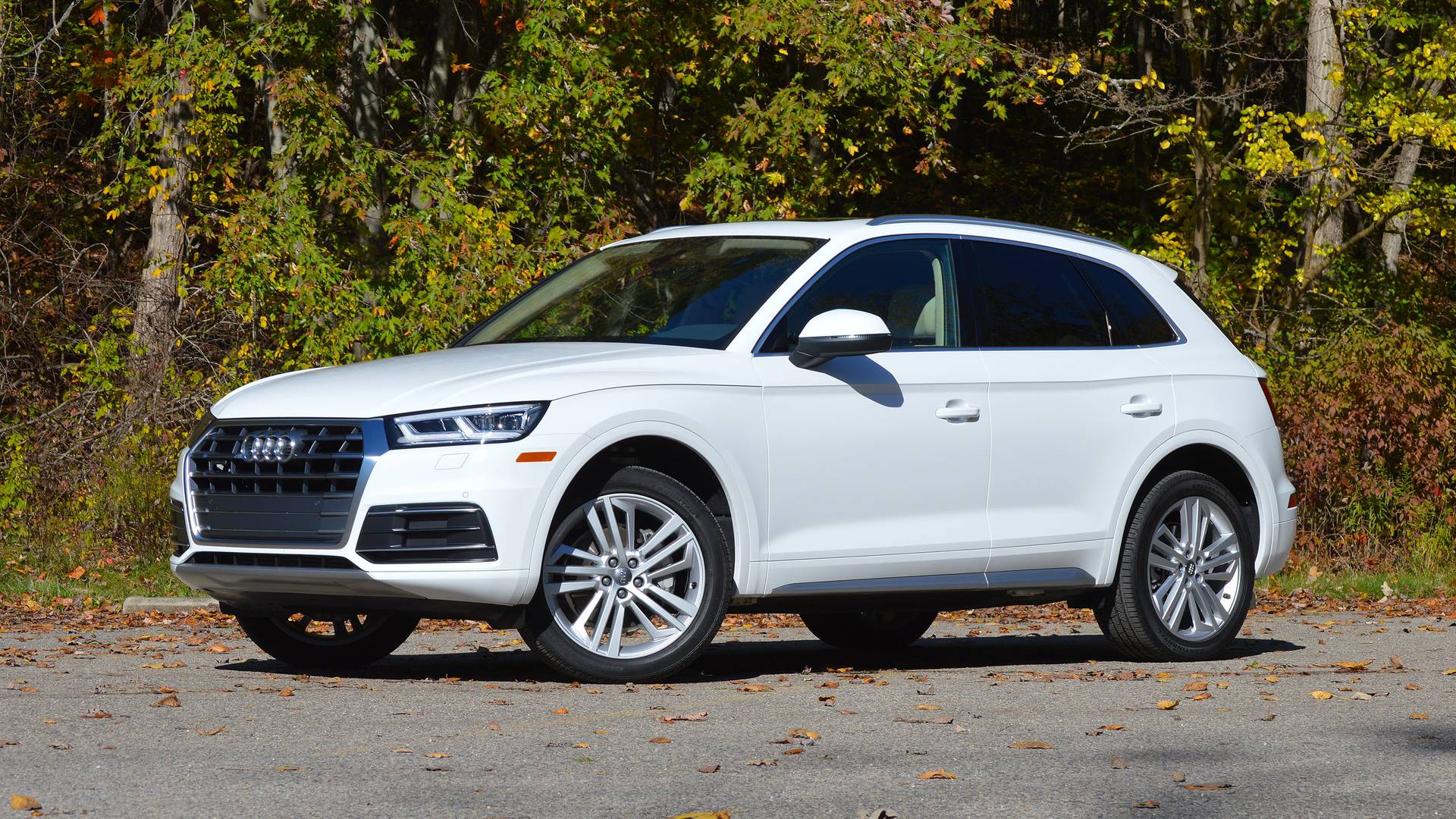
The Audi Q5 has long been a standout in the compact luxury SUV segment, blending performance, comfort, and style in a versatile package. Since its debut in 2009, the Q5 has attracted buyers seeking a premium driving experience without the bulk of a larger SUV.
Over the years, certain model years have distinguished themselves for reliability, offering refined engineering, capable powertrains, and well-crafted interiors.
From the solid debut of the 2009 model to the modern sophistication of the 2018 redesign, these select Q5 years demonstrate Audi’s commitment to balancing luxury, safety, and driving enjoyment.
While some model years experienced mechanical or electrical issues, the five highlighted here stand out as solid choices for used-car buyers.
Each delivers a combination of dependable performance, comfort, and safety features, making them a smart investment for those looking to enjoy Audi’s signature driving dynamics without facing excessive repair costs or reliability concerns.
5 Audi Q5 Years Worth Owning
1. 2009 Audi Q5
The 2009 Audi Q5 marked Audi’s first foray into the luxury compact SUV segment, combining the brand’s Quattro all-wheel-drive system with styling cues from the larger Q7.
Despite being a debut model, it achieved a solid reliability record, with only 38 complaints and six recalls reported by CarComplaints.com, most of which involved the airbag and seatbelt system.
With fewer than 14,000 units sold in its first year, the Q5 was relatively untested in real-world conditions, yet early reports showed minimal significant issues. Positioned between Audi’s sedan and full-size SUV offerings, the Q5 appeals to buyers who want the versatility of an SUV without the bulk of a three-row model.
Its compact footprint, upscale design, and well-appointed interior make it an attractive option for those seeking style, comfort, and capable handling in a smaller luxury SUV package.
Under the hood, the 2009 Q5 is powered by a 3.2-liter V6 engine producing 270 horsepower and 243 lb-ft of torque, paired exclusively with a six-speed automatic transmission. All models come standard with Audi’s Quattro all-wheel-drive system, offering confident traction and stability in a variety of driving conditions.
Acceleration from 0 to 60 mph occurs in 7.2 seconds, keeping pace with other luxury compact crossovers of the era. Fuel economy is rated at 18 mpg city, 23 mpg highway, and 20 mpg combined, slightly above average for the class. Tow capacity reaches 4,400 pounds when properly equipped.
The Q5 delivers a balanced and secure driving experience, with precise steering, though the variable-ratio rack can feel slightly artificial. While it doesn’t fully replicate the sport-sedan feel of the A4, its underpinnings provide smooth, refined performance suitable for most drivers.
The 2009 Q5 shares much of its interior design with the Audi A4, featuring high-quality materials, intuitive ergonomics, and driver-focused controls.
The center stack tilts toward the driver, and the MMI (Multi Media Interface) system, particularly when paired with navigation, provides convenient control over audio, navigation, and optional iPod integration.
Despite its compact exterior, the cabin feels spacious, with rear seats that slide and recline to improve passenger comfort. Cargo space totals 55 cubic feet with the rear seats folded, slightly below average for the segment but still versatile for everyday needs.
Optional upgrades enhance convenience and luxury, while the attention to detail in materials and finishes reinforces the Q5’s premium feel. It blends functionality with refinement, offering a compelling interior for both drivers and passengers.
Safety is a standout feature for the 2009 Q5, with standard stability and traction control, front side airbags, and side curtain airbags, while rear side airbags are optional.
In government crash tests, the Q5 earned five-star ratings in frontal and side categories, and the Insurance Institute for Highway Safety gave “Good” ratings in frontal-offset and side-impact tests.
Braking performance measures 123 feet to stop, matching competitors in the class. With rivals such as the BMW X3, Mercedes-Benz GLK350, Volvo XC60, Acura RDX, Infiniti EX35, and Cadillac SRX, the Q5 balances performance, comfort, and style.
Its combination of smooth driving dynamics, a well-built interior, and strong safety credentials makes it a strong contender for buyers seeking a versatile and refined luxury compact crossover.
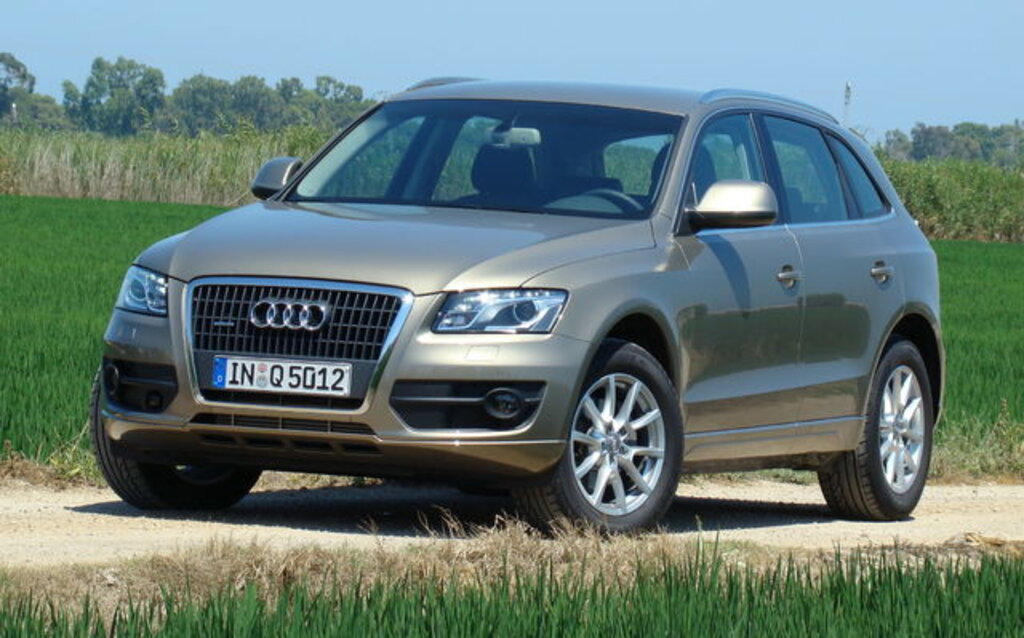
2. 2010 Audi Q5
The 2010 Audi Q5 built on the success of its debut year, offering a solid choice for buyers seeking a compact luxury crossover. Despite being a second-year model, it maintained a good reliability record with 120 NHTSA complaints and four recalls reported by CarComplaints.com.
The most notable concern is excessive oil consumption, a trait that becomes more pronounced in later models. Aside from this, the 2010 Q5 demonstrates dependable performance, making it a strong used vehicle candidate if properly maintained.
Audi introduced minor trim adjustments and the Luxury Package for the Prestige model, enhancing comfort and appeal. The Q5’s combination of carlike handling, elevated seating position, and rear-seat comfort creates a balance of practicality and driving enjoyment.
Its compact footprint allows it to navigate city streets with ease while still offering enough space for passengers and cargo, a key consideration for families or those needing a versatile daily driver.
Under the hood, every 2010 Audi Q5 features a 3.2-liter V6 engine producing 270 horsepower and 243 lb-ft of torque, paired with a six-speed automatic transmission and standard Quattro all-wheel drive. Acceleration from 0 to 60 mph takes 7.2 seconds, on par with most rivals like the BMW X3, Mercedes-Benz GLK350, and Volvo XC60.
Fuel economy is rated at 18 mpg city, 23 mpg highway, and 20 mpg combined, offering competitive efficiency for its class. Tow capacity reaches 4,400 pounds when properly equipped, placing the Q5 above average for compact luxury crossovers.
The optional Audi Drive Select system allows drivers to customize ride, steering, and transmission settings, though the standard setup is already well-balanced.
Handling is one of the Q5’s strongest points, providing a sporty yet composed ride, while the electric power steering can feel slightly artificial at low speeds, a minor drawback in an otherwise dynamic driving experience.
The 2010 Q5 shares much of its interior with the A4 sedan, featuring high-quality materials, driver-focused ergonomics, and thoughtful design. Center stack controls are angled toward the driver, and models equipped with the third-generation MMI system with navigation offer improved menus and an intuitive joystick controller.
Despite its compact size, the cabin feels spacious, with rear seats that slide and recline for added passenger comfort. Cargo capacity reaches 57 cubic feet with the rear seats folded, slightly below segment leaders but still practical for everyday use.
Optional features such as the iPod interface, upgraded trim, and Luxury Package enhance both functionality and luxury, making the Q5’s interior competitive in a crowded segment of compact luxury SUVs.
Safety remains a strong point for the 2010 Q5. Standard equipment includes stability and traction control, front side airbags, and side curtain airbags, with rear side airbags optional.
Government crash tests awarded five-star ratings in frontal and side impacts, while the Insurance Institute for Highway Safety rated the Q5 as “Good” in both frontal-offset and side crash tests.
Braking performance is competitive, with a stopping distance of 123 feet. In a crowded segment, the Q5 holds its own against rivals such as the Acura RDX, Infiniti EX35, and Volvo XC60, offering a winning combination of performance, handling, comfort, and safety. Its blend of practicality and driving enjoyment makes it a compelling choice for buyers seeking a refined compact luxury crossover.
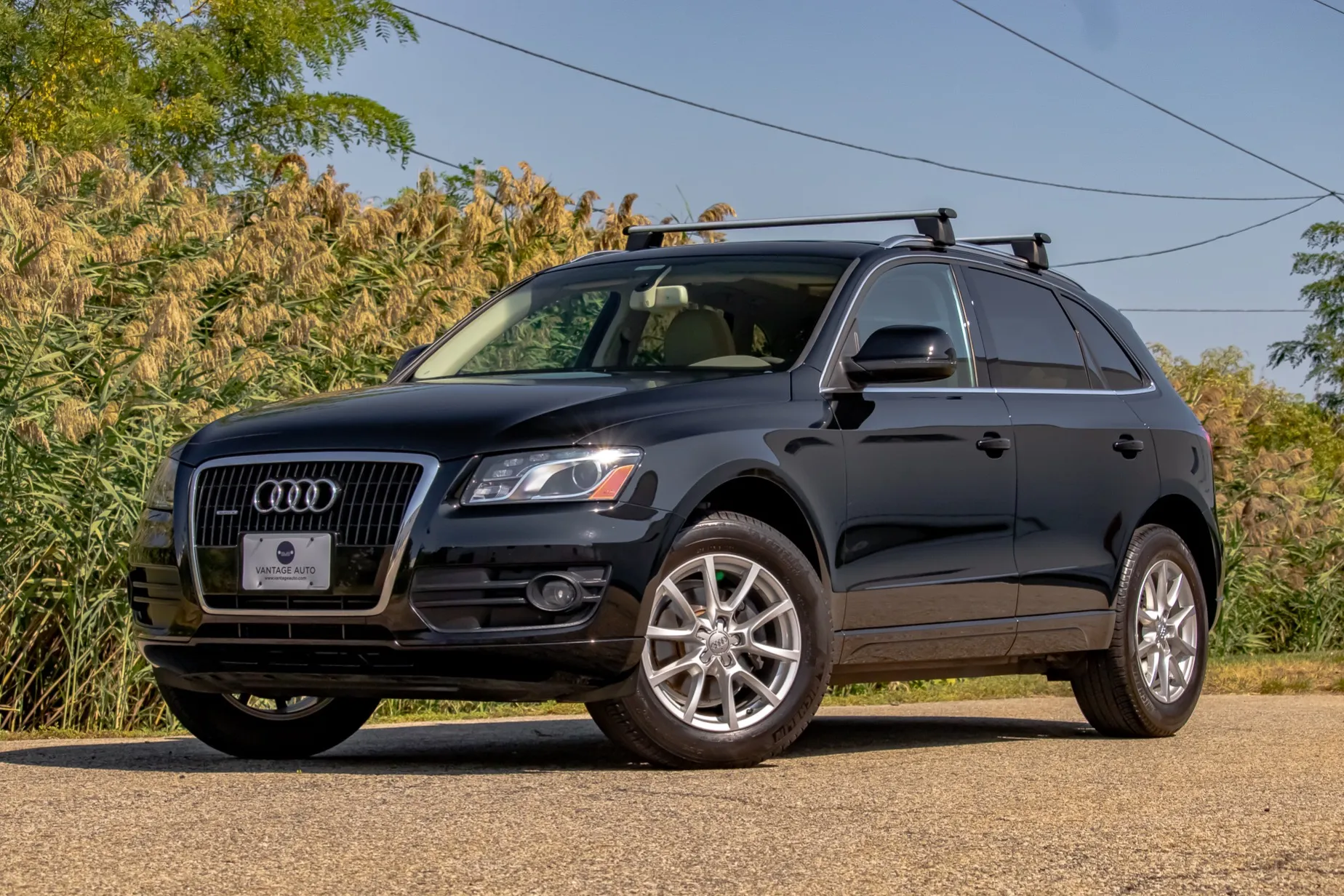
3. 2013 Audi Q5
The 2013 Audi Q5 emerged as a standout in the compact luxury crossover segment and was the brand’s best-selling model at the time. Recognized as the first-generation Q5’s most reliable year, it garnered a “Pretty Good” rating from CarComplaints due to fewer complaints and mostly minor recalls.
One notable concern remains excessive oil consumption, which even prompted a class-action lawsuit, but aside from that, the model maintained a solid reputation for long-term dependability.
Audi introduced a mild exterior refresh for 2013, including updated front and rear lights and a more angular grille, along with simplified climate and MMI interface controls. The Q5 combines stylish design, strong reliability, and practicality, making it appealing to small families, active singles, and anyone seeking a versatile yet enjoyable luxury SUV.
Performance is one of the 2013 Q5’s defining strengths, with three engine options catering to a range of buyers. The base 2.0T features a turbocharged four-cylinder producing 211 horsepower and 258 lb-ft of torque, achieving 0-60 mph in 6.8 seconds and an EPA-estimated 23 mpg combined.
The new supercharged 3.0T V6 generates 272 hp and 295 lb-ft, accelerating from 0-60 mph in just 5.8 seconds with fuel economy rated at 21 mpg combined.
Audi also introduced its first hybrid model, combining the 2.0T engine with an electric motor for a total of 245 hp and 354 lb-ft of torque, delivering both spirited acceleration and fuel efficiency of 26 mpg combined.
Standard Quattro all-wheel drive and an eight-speed automatic transmission ensure confident handling and smooth power delivery across all trims, while the 3.0T maintains a towing capacity of 4,400 pounds.
The 2013 Q5 delivers a balanced blend of sporty handling and composed ride quality. Steering is precise and responsive, though slightly artificial in feel, while the optional Audi Drive Select system offers customizable ride, steering, and transmission settings, though it provides minimal advantage for most drivers.
Ride quality is firmer than average for the segment but never harsh, and the vehicle’s athletic chassis makes it one of the sportiest crossovers available. Safety is a strong suit, with standard stability and traction control, front side airbags, and side curtain airbags, plus optional rear side airbags and blind-spot monitoring.
It earned top ratings from both government crash tests and the Insurance Institute for Highway Safety, and braking distances measured from 109 to 119 feet, reflecting competitive stopping performance.
Inside, the Q5 showcases Audi’s signature craftsmanship with high-quality materials and thoughtful design. Center stack controls are angled toward the driver, with improved placement for navigation-equipped models.
The third-generation MMI system offers refined menus, a joystick controller, and enhanced mapping features. Despite being a compact crossover, the cabin feels spacious, with rear seats that slide and recline for added comfort.
Cargo capacity reaches 57 cubic feet with the rear seats folded, slightly below some rivals but still practical for everyday use.
The combination of luxurious materials, versatile seating, and user-friendly technology makes the 2013 Q5 a compelling choice for buyers seeking a small luxury crossover that balances performance, comfort, and utility.
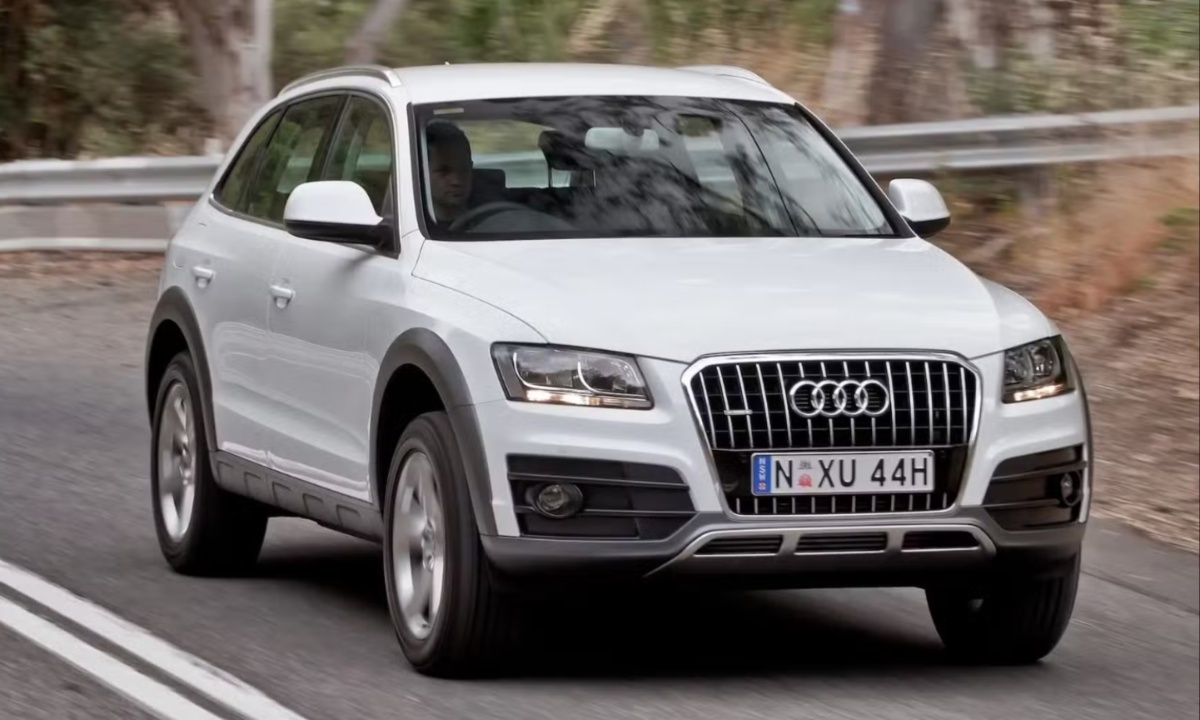
4. 2017 Audi Q5
The 2017 Audi Q5 stands out as one of the most reliable model years in the first-generation lineup, successfully addressing many of the issues that plagued earlier versions, including the excessive oil consumption problem.
Consumer complaints for this model were notably low, with the most significant recall related to a blocked or short-circuited fuel pump that could potentially cause a fire. Trim updates include standard adaptive cruise control and Audi Drive Select on the 3.0T Prestige and 19-inch wheels on the 2.0T Premium Plus.
Despite being on sale for several years without a major redesign, the 2017 Q5 remains appealing due to its classic styling, well-crafted interior, and abundant features.
Optional amenities, such as a panoramic sunroof, 14-speaker Bang & Olufsen sound system, and navigation, provide a premium experience, while its refined engines and spacious cabin make it a compelling choice among compact luxury SUVs.
Performance is a highlight of the 2017 Q5, with both the 2.0-liter turbocharged four-cylinder and supercharged 3.0-liter V6 delivering strong acceleration. The 2.0T surprises with its responsive and energetic performance, while the 3.0T offers the expected six-cylinder sound and feel for enthusiasts.
All models come equipped with a smooth automatic transmission and a responsive Quattro all-wheel-drive system. Ride quality is taut yet comfortable, with optional adaptive dampers allowing customization for a softer “Comfort” mode.
Steering is quick and precise, and the controlled body motions provide confident handling in a variety of driving situations. The Q5’s driving dynamics strike a balance between sporty performance and everyday usability, making it one of the more engaging vehicles in its class.
Safety equipment in the 2017 Q5 includes standard stability and traction control, front side airbags, and side curtain airbags, with rear side airbags optional. The Technology package adds parking sensors, a rearview camera, and blind-spot monitoring.
In government crash tests, the Q5 earned four out of five stars, receiving four stars for frontal protection and five stars for side impacts.
The Insurance Institute for Highway Safety awarded the Q5 “Good” ratings in frontal-offset, side-impact, and roof strength tests, and the seat and head restraint design earned “Good” for rear-impact whiplash protection.
Braking performance is competitive, with a 2.0T model stopping from 60 mph in 114 feet and the 3.0T Prestige achieving 109 feet, reflecting solid control and responsiveness.
The 2017 Q5’s cabin exemplifies Audi’s commitment to premium materials and refined design. Unlike many contemporary SUVs, it avoids overly complex touchscreens and touch-sensitive control pads, relying on intuitive knobs and buttons for audio and navigation functions.
Despite its compact footprint, the interior feels spacious, with rear seats that slide and recline, offering comfort rarely found in this class. Cargo space measures 29.1 cubic feet behind the rear seats and expands to 57.3 cubic feet with seats folded.
The combination of a sophisticated cabin, user-friendly controls, ample seating and cargo room, and high-quality materials makes the 2017 Q5 a well-rounded, practical luxury SUV that continues to hold its appeal among discerning buyers.
5. 2018 Audi Q5
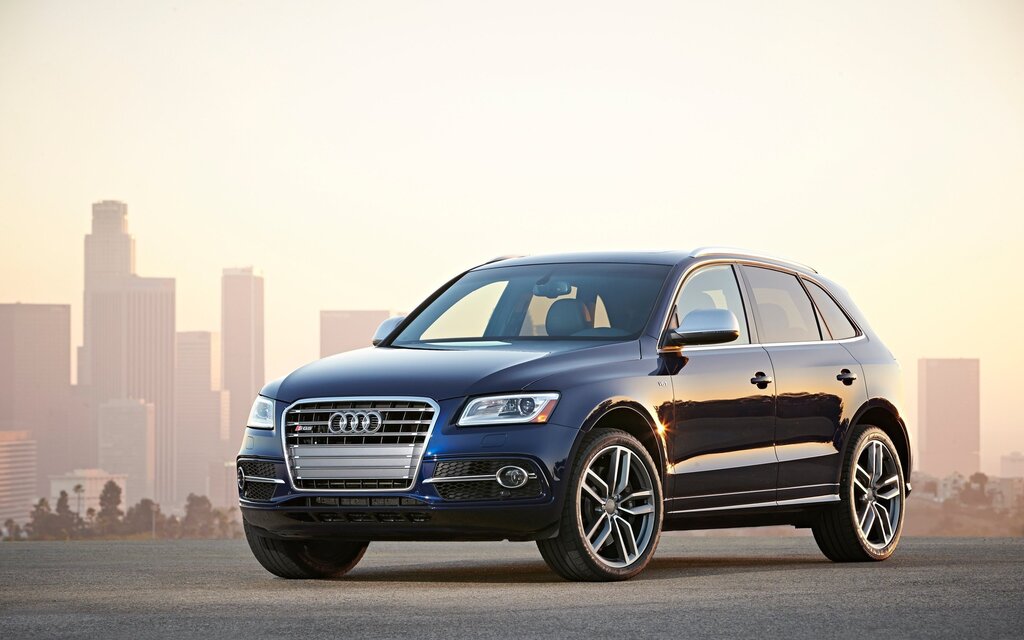
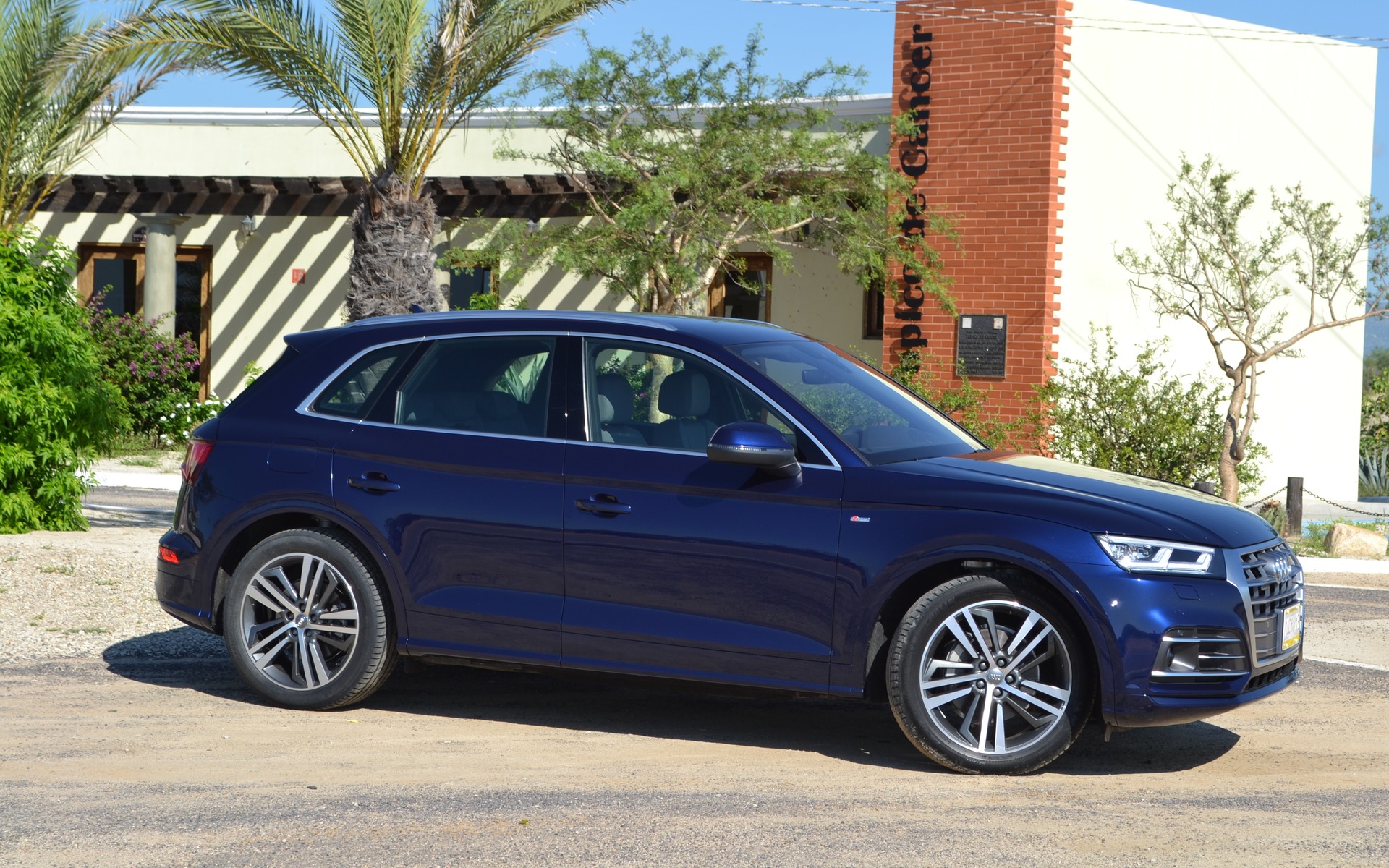
The 2018 Audi Q5 marks a major redesign and the start of the second-generation model, addressing many long-standing issues from earlier versions. This model earned positive reliability feedback, with only 122 complaints and six recalls reported, none of which were significant.
Consumer Reports gave it decent reliability and customer satisfaction scores of 3.0 out of 5.0. The Q5’s redesign introduced a longer, wider, and taller body built on a new A4-based chassis, improving cabin and cargo space and delivering a smoother ride.
Subtle styling updates align it more closely with the larger Q7, giving the SUV a modern, sharper look without losing the classic Q5 design language.
Audi also enhanced safety and driver-assistance features, including blind-spot monitoring, rear cross-traffic alert, and city-oriented automatic emergency braking, filling gaps that were common criticisms of previous models.
The 2018 Q5 offers balanced handling and capable powertrains, making it a fun and practical choice among compact luxury SUVs. The turbocharged 2.0-liter four-cylinder delivers 261 horsepower, propelling the SUV from zero to 60 mph in 6.2 seconds.
Acceleration is smooth, and the seven-speed dual-clutch automatic shifts quickly and responsively. Audi’s updated Quattro all-wheel-drive system operates primarily in front-wheel drive and can engage the rear wheels in less than half a second when needed, improving traction in slippery conditions.
The ride is taut but comfortable, and optional adaptive dampers allow customization for a softer or firmer experience. Handling is precise, although the stability control system can intervene aggressively during spirited driving.
The Q5 combines confident performance, precise steering, and composed suspension, making it competitive with rivals such as the BMW X3, Lexus NX, and Mercedes-Benz GLC.
The cabin of the 2018 Q5 reflects Audi’s reputation for high-quality materials and thoughtful design. Controls are logically placed, with MMI infotainment dials and buttons minimizing clutter, while Apple CarPlay and Android Auto enhance smartphone integration.
Seating is comfortable and supportive for long drives, with rear seats that slide and recline, providing ample headroom and legroom for passengers. Cargo space measures 26.8 cubic feet behind the rear seats and 60.4 cubic feet with the seats folded.
Ride comfort is smooth and absorbing, with minimal road noise and engine intrusion. The dual-zone automatic climate control performs efficiently, and the cabin layout thoughtfully balances luxury, usability, and elegance, making daily driving a pleasant experience.
Safety is a strong suit for the 2018 Q5, with standard stability and traction control, front side airbags, and side curtain airbags. Additional driver aids such as blind-spot monitoring, rear cross-traffic alert, and city-oriented automatic emergency braking enhance security.
Brake performance is strong, with a 60 mph stop achieved in 114 feet. The MMI infotainment system remains among the best in its class, offering intuitive menus, voice control, and quick access to navigation and media functions.
The cabin’s smart integration of technology, coupled with responsive driver aids and top-tier materials, ensures a premium driving experience while keeping both convenience and safety in focus.
Also Read: 5 Cars That Rarely Need Brake Pad Replacements vs. 5 That Burn Through Them
5 Audi Q5 years With High Repair Costs
1. 2012 Audi Q5: Reliability Concerns
The 2012 Audi Q5 represents one of the more problematic model years in the first generation of this compact luxury SUV. Consumer Reports assigned it a reliability score of 44 out of 100, reflecting numerous complaints from owners, though this was the first year enough feedback was collected to generate a meaningful rating.
On CarComplaints, the 2012 Q5 ranks as the second most reported model year for problems, with engine issues being the most common. Excessive oil consumption has plagued owners, often resulting in costly repairs exceeding $900.
Additionally, the National Highway Traffic Safety Administration (NHTSA) received over 150 individual complaints, and the model has been subject to six recalls over the years. Airbag-related problems, including failures to deploy in crashes or faulty sensors, account for more than half of the reported issues.
While the Q5 offers Audi’s renowned driving dynamics and luxury features, these mechanical and safety concerns make it a risky purchase for potential used-car buyers.
Prospective owners should research repair history and remaining warranty coverage, as the cost and frequency of fixes can be substantial. For those prioritizing reliability, the 2012 Q5 may be better left on the lot.
2. 2014 Audi Q5: Engine Troubles Intensify
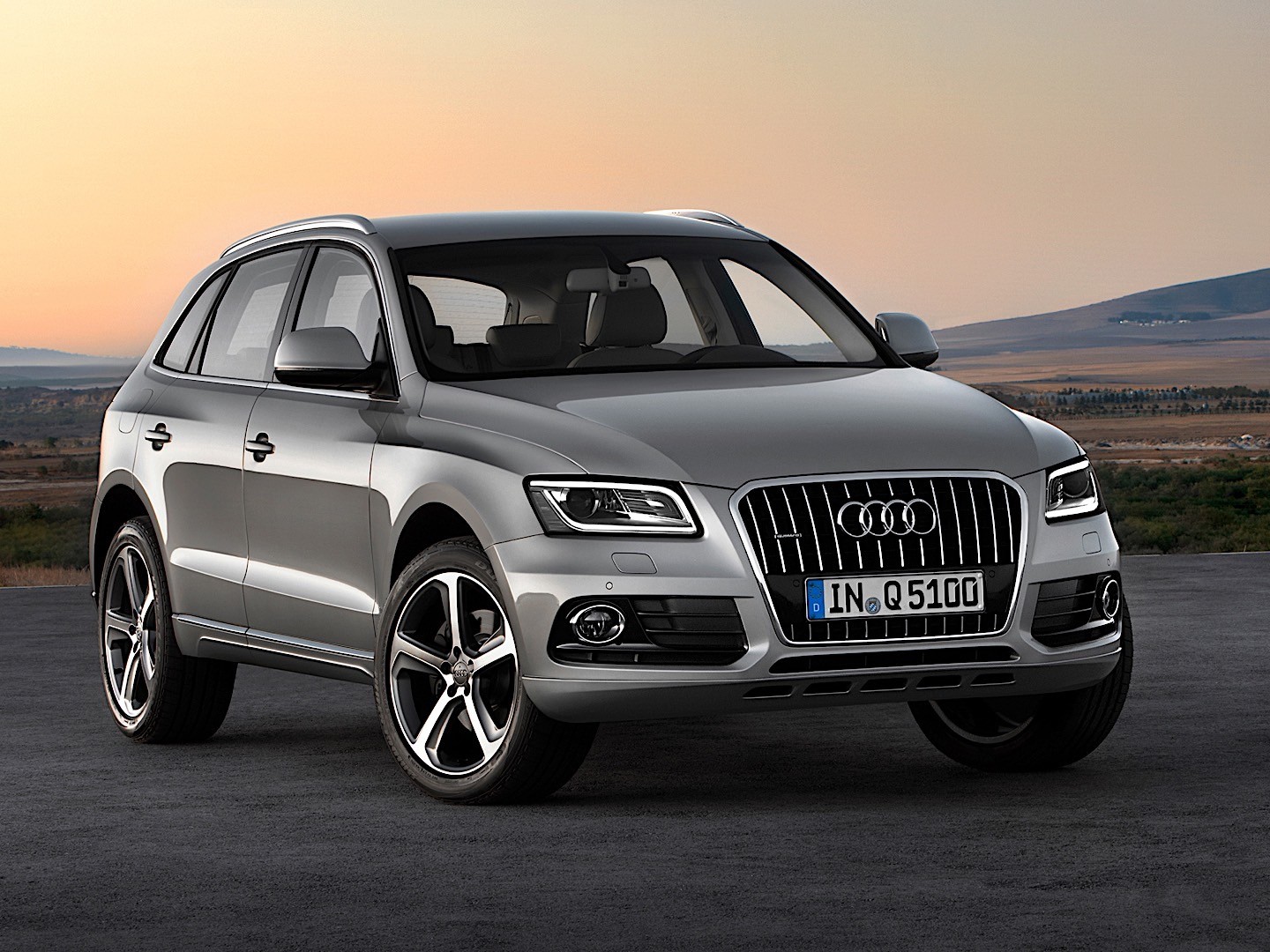
The 2014 Audi Q5 is widely regarded as one of the worst model years for this SUV, despite a slight improvement in the Consumer Reports reliability score to 46 out of 100. Owner satisfaction, however, declined to a 2 out of 5, reflecting a growing dissatisfaction among buyers.
CarComplaints data shows the 2014 Q5 has the highest number of reported issues of any model year, with excessive oil consumption again being the predominant problem. Repair costs for the engine can reach over $3,200, which represents a significant portion of the vehicle’s resale value.
NHTSA received 84 complaints, slightly fewer than in prior years, yet the engine continues to dominate the reports, often including complete engine failures. Recalls for this year include two related to faulty coolant pumps, further highlighting potential safety risks.
While the 2014 Q5 maintains Audi’s luxury cabin and driving experience, its mechanical reliability issues make it a poor choice for used-car shoppers. Potential buyers must weigh the high repair costs and frequent engine-related problems against the vehicle’s comfort, technology, and driving performance before making a purchase decision.
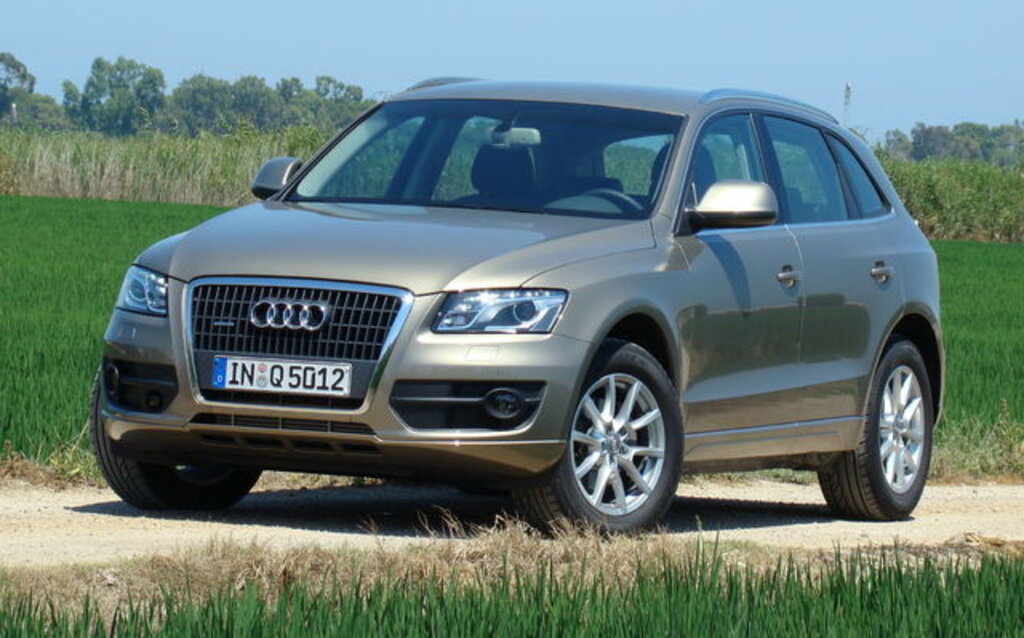
3. 2009 Audi Q5: First-Year Cautions
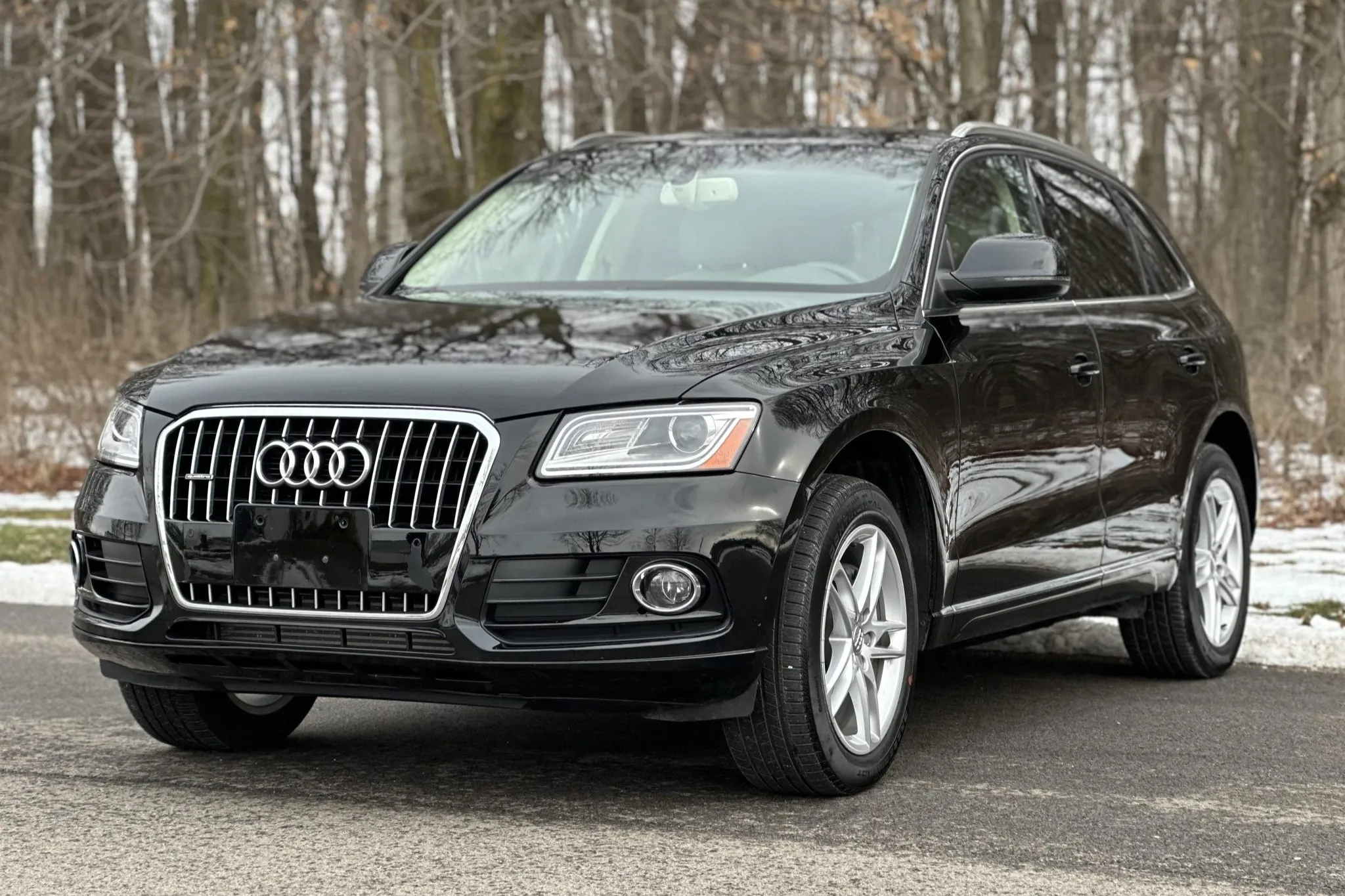
The 2009 Audi Q5 marked the debut of the compact luxury crossover and came with typical first-year concerns. Although only 32 consumer complaints were registered, the low sales volume of fewer than 14,000 units in the U.S. likely contributed to this small sample.
Owners reported various problems, particularly with airbags, seatbelts, and fuel systems, reflecting the common first-year teething issues for a new platform. All six recalls for the 2009 Q5 addressed these areas, emphasizing safety concerns. Technical Service Bulletins (TSBs) numbered 606 cover multiple minor and major issues.
While the vehicle’s engine and drivetrain were generally sound, first-year buyers often encountered electronics and interior-related problems. As with many debut models, early adopters might have faced unforeseen repair costs and frequent service visits.
Despite these drawbacks, the 2009 Q5 established Audi’s reputation for combining performance, luxury, and compact utility.
For potential used-car buyers today, examining the repair history and addressing all outstanding TSBs is critical to ensure a reliable purchase, making it a cautious but potentially rewarding option if well-maintained.
4. 2011 Audi Q5: Rising Engine Complaints
The 2011 Audi Q5 continued to experience reliability issues, particularly with engine performance and oil consumption. Owner complaints increased by 60% compared to earlier years, totaling 191 submissions to CarComplaints and 895 TSBs.
Engine problems became increasingly prevalent, signaling that Audi’s ongoing challenges with oil consumption and minor mechanical failures persisted across multiple model years.
Recalls from prior models, including issues with airbags and seatbelts, were still relevant for the 2011 Q5. While the SUV retained its upscale interior and enjoyable driving dynamics, these mechanical and electrical concerns make the 2011 model less desirable on the used market.
Buyers seeking a dependable Q5 are advised to consider later model years with fewer reported problems or thoroughly inspect service records and repair histories. This year highlights the transitional period of the first-generation Q5, where Audi began addressing reliability concerns but had not yet fully resolved widespread complaints.
5. 2018 Audi Q5: Electrical Issues in a New Generation
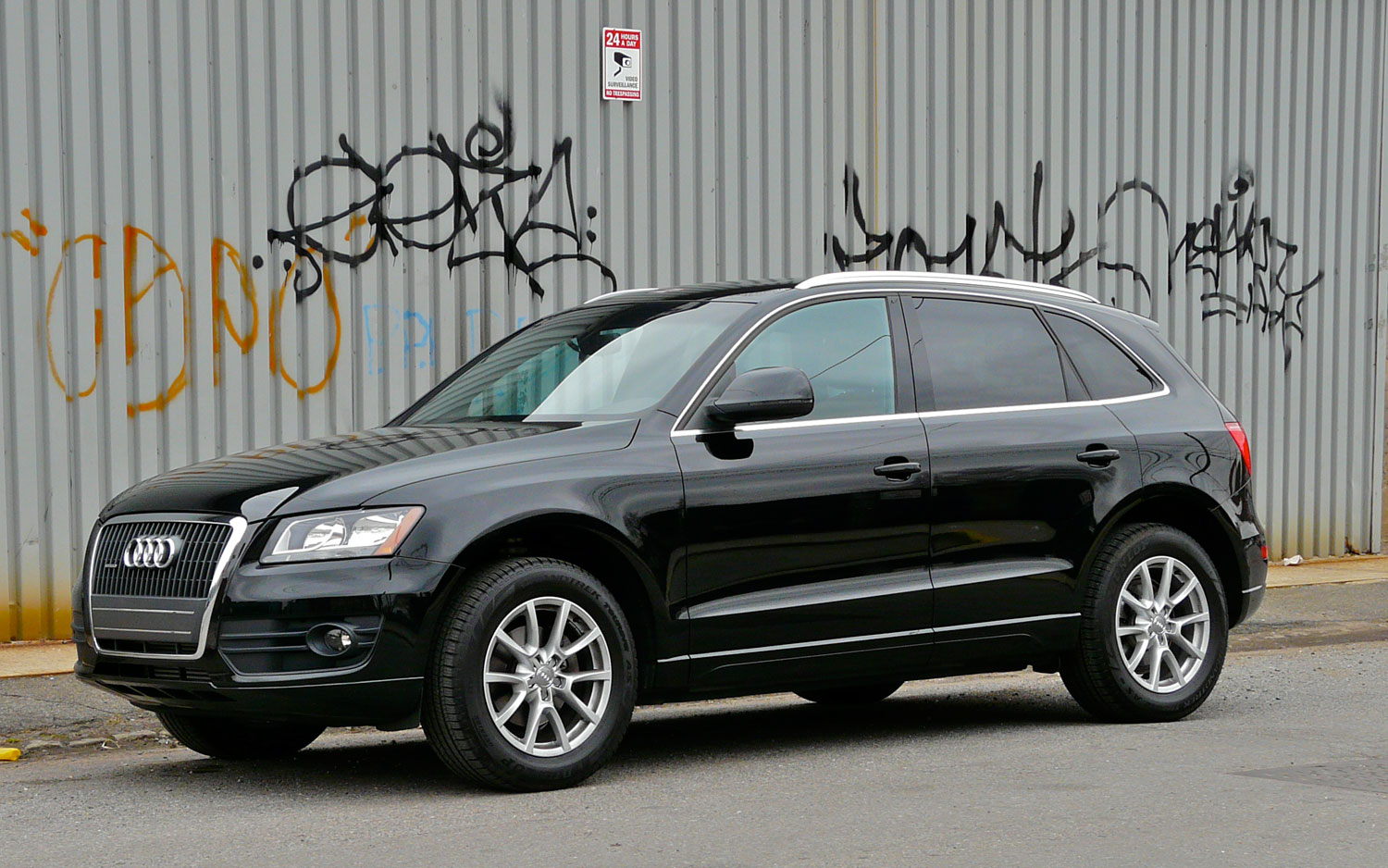
The 2018 Audi Q5, the first model of the second generation, showed significant growing pains despite positive initial reviews. While the previous generation’s last models were reliable, the 2018 Q5 saw a sharp increase in complaints to 150, nearly tripling compared to the 2017 Q5.
Electrical system issues were the most common, ranging from inoperable turn signals and warning lights to complete engine startup failures. This model year experienced six recalls, with some serious enough to prompt urgent warnings from the NHTSA.
The transition to a new chassis, updated powertrains, and advanced technology features contributed to these teething problems. While the 2018 Q5 introduced a more spacious cabin, smoother ride, and modern driver-assistance systems, these benefits were offset by the widespread electrical and safety concerns.
For buyers seeking reliability, the 2018 Q5 remains a high-risk option on the used market. Careful inspection of recall history, repairs, and the complete functionality of all systems is crucial before considering this vehicle.
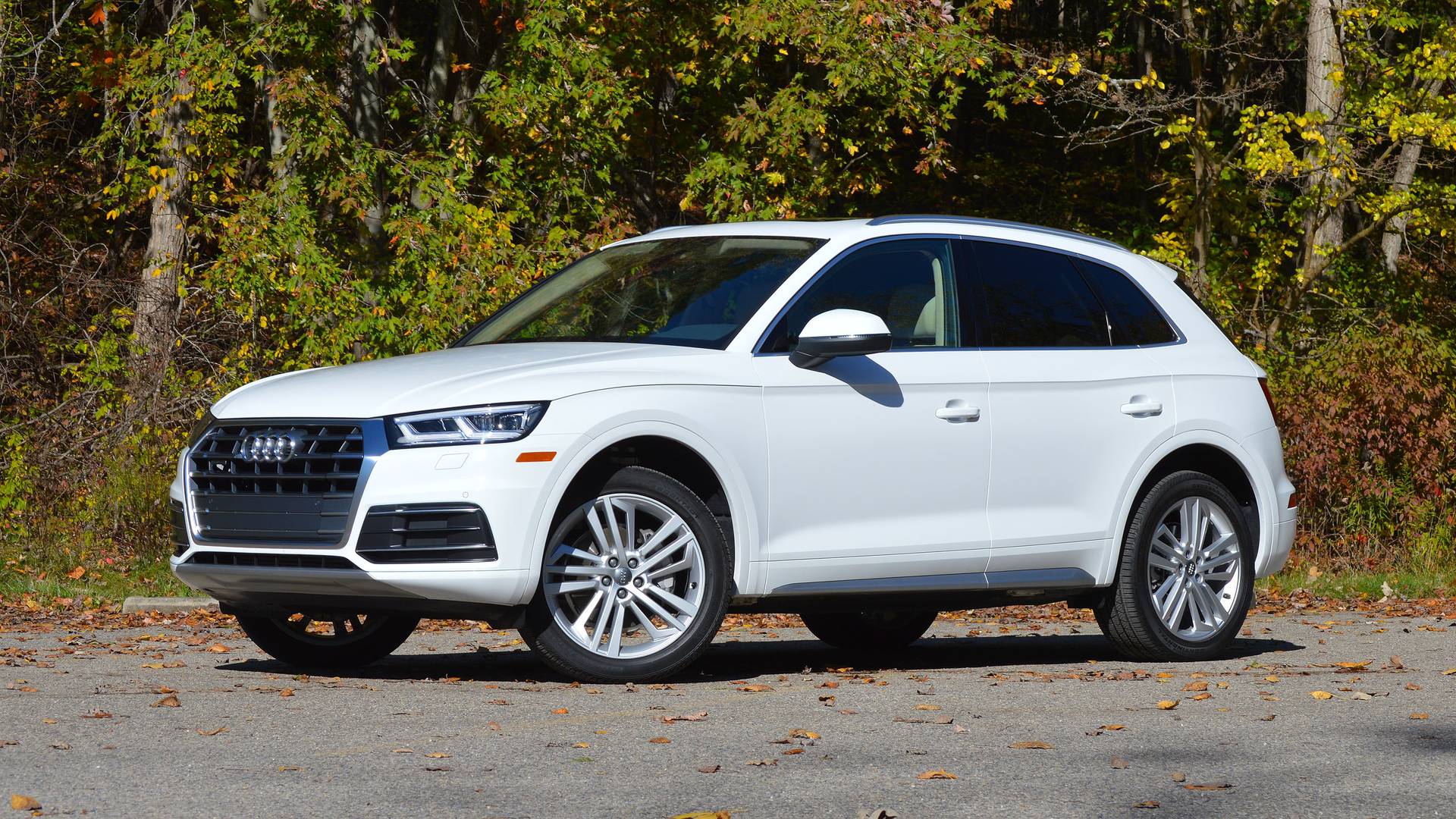
Choosing the right Audi Q5 can greatly influence ownership satisfaction, maintenance costs, and the driving experience as a whole. Certain models stand out for offering the ideal combination of reliability, performance, and comfort, making them smart choices for used-car buyers.
These well-rounded Q5s deliver a compelling mix of luxury, practicality, and modern features, from smooth handling and capable engines to spacious interiors and thoughtful technology.
Focusing on models known for their dependability helps minimize the risk of costly repairs or recurring mechanical issues that have affected other versions.
Ultimately, a carefully selected Q5 provides a premium driving experience, solid build quality, and the confidence that comes with owning one of the most versatile and refined compact luxury SUVs available today.
Also Read: 10 Cars With Tricky Seatbelt Buckles for Elderly Passengers
