
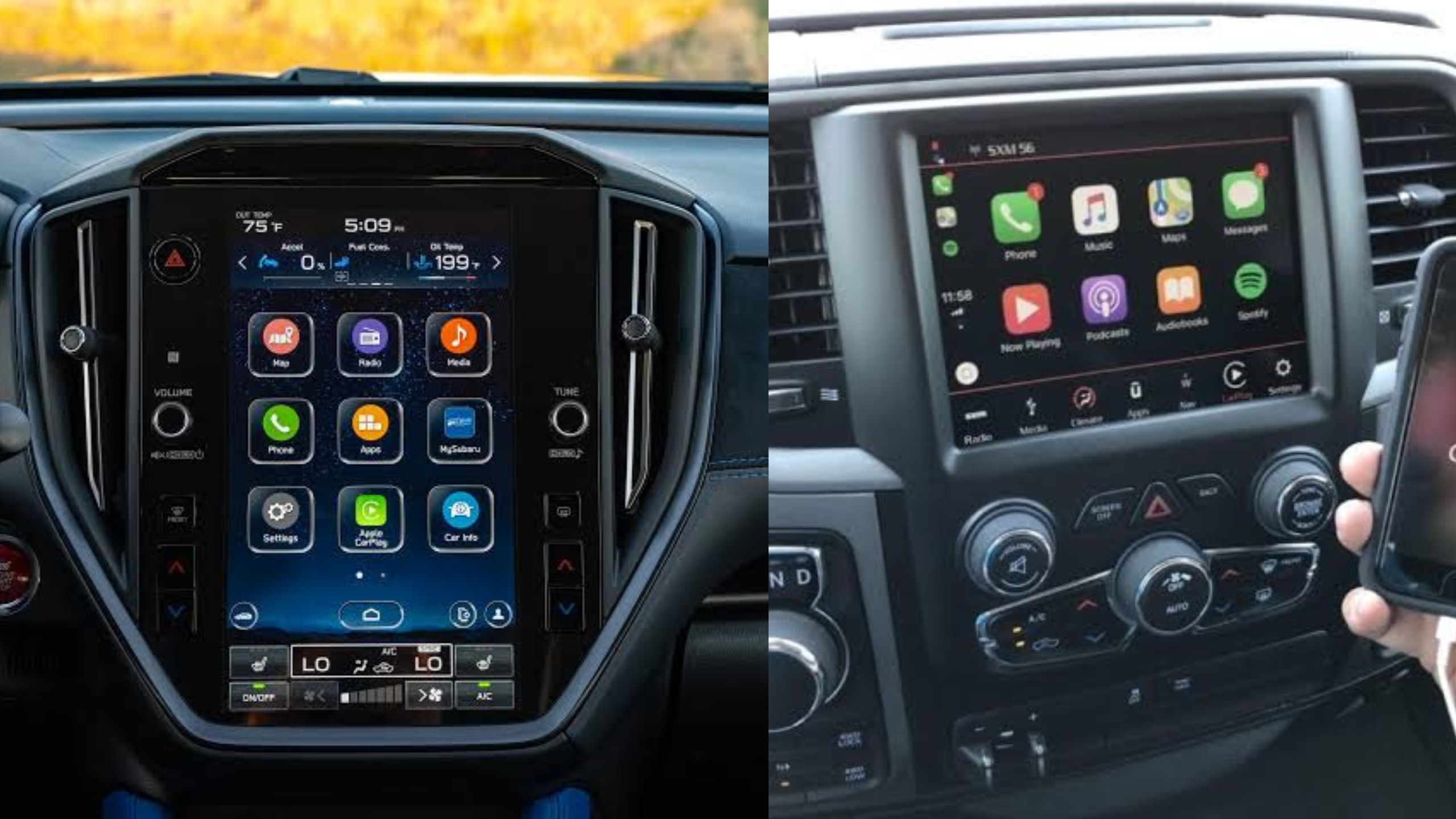
Modern vehicles have transformed from simple transportation devices into sophisticated digital ecosystems, with infotainment systems serving as the central nervous system of today’s automotive experience.
These multimedia hubs control everything from navigation and entertainment to climate control and vehicle diagnostics, making their reliability crucial for both safety and user satisfaction.
The distinction between reliable and unreliable infotainment systems has become increasingly important as consumers spend more time in their vehicles and rely heavily on integrated technology.
A well-functioning system enhances the driving experience through seamless connectivity, intuitive controls, and consistent performance. Conversely, glitchy systems can create frustration, safety hazards, and significant ownership costs through frequent repairs and software updates.
This comprehensive analysis examines ten prominent infotainment systems across the automotive world, categorizing them based on their real-world reliability, user feedback, and technical performance.
We’ll explore five systems renowned for their stability and dependable operation, followed by five that have gained notoriety for frequent crashes, software bugs, and inconsistent performance.
Understanding these differences helps consumers make informed purchasing decisions and provides insight into the varying approaches manufacturers take toward automotive technology integration.
The stakes are high; a reliable infotainment system can enhance safety and enjoyment, while an unreliable one can turn every drive into a technological nightmare.
5 infotainment units with reliable software
These exceptionally engineered infotainment systems feature high-performance processors paired with meticulously optimized software that maintains lightning-fast response times and seamless operation through years of daily use.
Their robust architecture includes generous RAM allocation, efficient thermal management, and carefully tuned operating systems that prevent the memory leaks and background processes that typically cause system slowdowns.
From complex navigation calculations to simultaneous Bluetooth streaming and climate control integration, these remarkable units handle multiple demanding tasks without experiencing the stuttering, freezing, or complete system crashes that plague lesser systems.
Advanced error handling routines and automatic recovery protocols ensure that even when stressed by extreme multitasking scenarios, these systems maintain stable operation and quick recovery times, providing drivers with the consistent, reliable digital experience they expect from premium automotive technology.
1. Toyota Entune 3.0
Toyota’s Entune 3.0 system exemplifies the Japanese automaker’s philosophy of prioritizing reliability over cutting-edge features. This infotainment platform has earned widespread praise from both automotive journalists and everyday drivers for its exceptional stability and consistent performance across Toyota’s entire vehicle lineup.
The system’s reliability stems from Toyota’s conservative approach to software development, where extensive testing and gradual feature rollouts take precedence over rushing new capabilities to market.
The architecture of Entune 3.0 is built on a solid foundation of proven software components, utilizing a Linux-based operating system that has been refined through multiple generations.
Toyota’s engineers have focused on creating a system that rarely crashes or freezes, understanding that drivers depend on these systems for critical functions like navigation and hands-free calling.
The interface, while perhaps not as visually striking as some competitors, offers intuitive menu structures that remain responsive even during demanding multitasking scenarios.
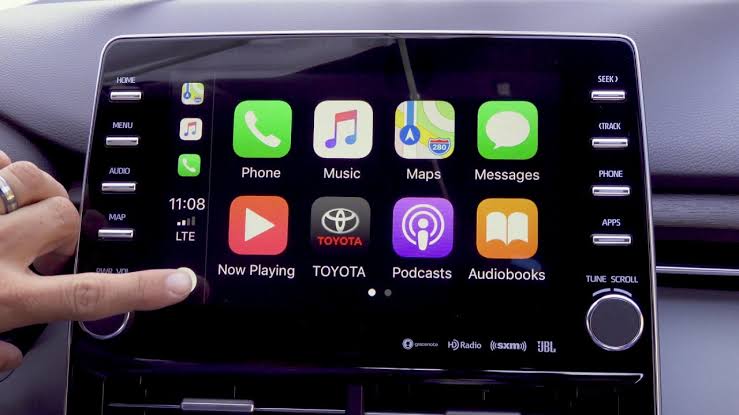
One of Entune 3.0’s strongest attributes is its seamless smartphone integration. Both Apple CarPlay and Android Auto function reliably, with quick connection times and stable performance throughout extended drives.
The system’s Bluetooth connectivity is particularly robust, maintaining strong connections even in areas with electronic interference. Voice recognition, powered by both onboard processing and cloud-based services, demonstrates impressive accuracy rates that remain consistent over time.
The system’s reliability extends to its hardware components, with Toyota selecting high-quality processors and memory modules that can withstand the harsh automotive environment.
Temperature extremes, vibration, and electrical fluctuations that commonly plague automotive electronics have minimal impact on Entune 3.0’s performance. Regular software updates are delivered seamlessly, often addressing minor issues before users them.
This proactive approach to maintenance ensures that the system improves over time rather than degrading. Toyota’s commitment to long-term support means that even older vehicles continue receiving updates, maintaining functionality and security standards years after purchase.
2. Mazda Connect (MZD Connect)
Mazda Connect represents a masterclass in balancing functionality with reliability, earning recognition as one of the most stable infotainment systems in the automotive industry.
Mazda’s approach to software development emphasizes thorough testing and optimization, resulting in a system that consistently performs without the crashes and glitches that plague many competitors.
The Japanese automaker’s dedication to the “Jinba Ittai” philosophy, the harmony between horse and rider, extends to their technology, creating an infotainment system that feels like a natural extension of the driving experience.
The system’s stability is rooted in its streamlined architecture, which prioritizes essential functions over flashy features. Mazda’s engineers have carefully optimized every aspect of the user interface, ensuring that menu transitions are smooth, touch responses are immediate, and system startup times are minimal.
This attention to detail extends to the system’s multitasking capabilities, where users can seamlessly switch between navigation, audio, and communication functions without experiencing the lag or freezing common in other systems.
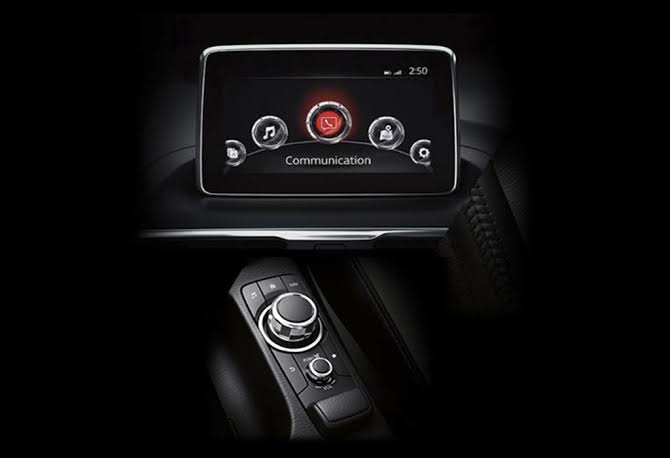
Hardware reliability is another cornerstone of Mazda Connect’s success. The company invests heavily in component selection, choosing processors and memory modules that offer consistent performance across extreme temperature ranges.
The system’s solid-state storage eliminates the mechanical failure points associated with traditional hard drives, while robust electrical shielding protects against electromagnetic interference that can disrupt other infotainment systems.
Mazda’s commitment to software stability is evident in their update process, which involves extensive real-world testing before any changes are released to consumers.
The company maintains a conservative approach to feature additions, preferring to perfect existing functionality rather than constantly adding new capabilities that might introduce instability. This philosophy has resulted in a system where users can depend on consistent performance day after day, year after year.
The integration with smartphones is particularly reliable, with both Apple CarPlay and Android Auto maintaining stable connections and responsive performance. Voice commands work consistently, and the system’s learning algorithms improve recognition accuracy over time without sacrificing stability.
3. Honda SENSING Display Audio
Honda’s Display Audio system, integrated with the Honda SENSING suite, demonstrates the automaker’s commitment to creating reliable, user-focused infotainment technology.
This system has gained a reputation for exceptional stability and intuitive operation across Honda’s diverse vehicle lineup, from the compact Civic to the family-oriented Pilot.
Honda’s engineering philosophy emphasizes practical reliability over technological showmanship, resulting in a system that consistently delivers core functionality without the complexity-induced failures that affect many modern infotainment platforms.
The foundation of Display Audio’s reliability lies in Honda’s methodical approach to software development and testing. The company employs extensive real-world testing protocols that simulate years of typical usage patterns, identifying potential failure points before they reach consumers.
This comprehensive testing includes extreme weather conditions, electromagnetic interference scenarios, and intensive multitasking situations that might overwhelm less robust systems. The result is an infotainment platform that maintains consistent performance regardless of external conditions or usage intensity.
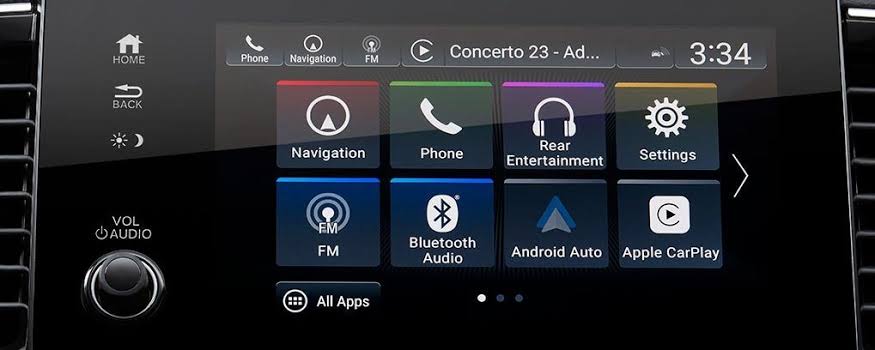
Honda’s hardware selection process prioritizes longevity and stability over cutting-edge specifications. The company chooses processors and memory components with proven track records in automotive applications, often selecting slightly less powerful but significantly more reliable components than competitors.
This conservative approach extends to the system’s electrical design, which incorporates multiple layers of protection against power fluctuations and electromagnetic interference that commonly affect vehicle electronics.
The integration between Display Audio and Honda SENSING creates a cohesive ecosystem where safety and infotainment functions work together seamlessly.
This integration is particularly evident in the system’s ability to display safety alerts and warnings without interrupting ongoing infotainment functions.
Honda’s commitment to long-term support means that vehicles continue receiving updates and improvements years after purchase, maintaining system reliability and functionality throughout the vehicle’s operational life.
4. Subaru STARLINK
Subaru’s STARLINK infotainment system exemplifies the brand’s commitment to safety, reliability, and practical functionality. Known for building vehicles that last decades, Subaru has applied the same engineering philosophy to their infotainment technology, creating a system that prioritizes consistent performance over flashy features.
STARLINK has earned praise from automotive reviewers and owners alike for its rock-solid stability and intuitive interface that rarely experiences the crashes or freezing issues common in more complex systems.
The reliability of STARLINK stems from Subaru’s conservative approach to technology integration, where every feature undergoes extensive testing before implementation.
The company’s engineers focus on perfecting core functionality rather than rushing to market with untested features. This methodology has resulted in an infotainment system that consistently starts up quickly, responds immediately to inputs, and maintains stable performance throughout extended driving sessions.
The system’s multitasking capabilities are particularly impressive, allowing users to go through, stream music, and make phone calls simultaneously without experiencing performance degradation.
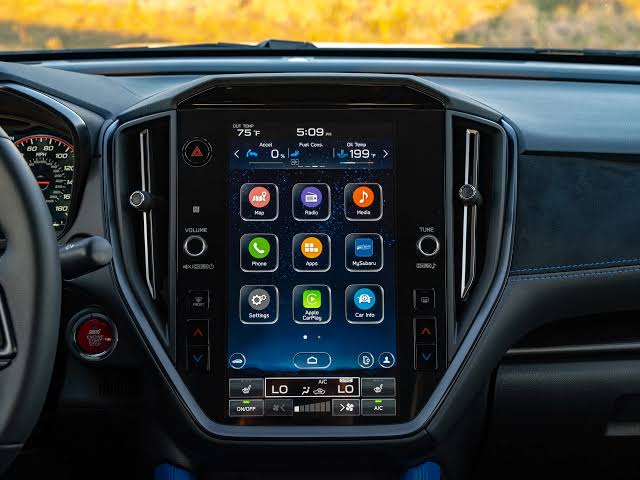
Hardware durability is another key strength of the STARLINK system. Subaru’s reputation for building vehicles that withstand harsh conditions extends to their infotainment components, which are selected and tested for extreme temperature tolerance, vibration resistance, and electromagnetic immunity.
The system’s solid-state storage and high-quality processors ensure consistent performance even after years of use in challenging environments. This hardware reliability is complemented by robust software architecture that includes comprehensive error handling and recovery mechanisms.
The integration capabilities of STARLINK are designed with reliability as the primary concern. Apple CarPlay and Android Auto connections are established quickly and maintained consistently, even during long trips with multiple device connections and disconnections.
The system’s Bluetooth implementation is particularly stable, maintaining clear audio connections and reliable hands-free calling functionality. Voice recognition systems work accurately and consistently, learning user preferences while maintaining stable operation.
Subaru’s approach to software updates emphasizes stability improvements over new features, ensuring that system reliability improves over time.
The company’s commitment to long-term support means that even older STARLINK systems continue receiving stability improvements and security updates, maintaining their reliable operation throughout the vehicle’s lifespan.
Also Read: 5 Hybrids With Under-Hood Durability Vs 5 With Electrical Fire Risks
5. Genesis GV70/GV80 Infotainment System
Genesis has established itself as a premium luxury brand with an infotainment system that matches its sophisticated vehicle lineup in terms of reliability and performance.
The infotainment systems in the GV70 and GV80 represent Genesis’s commitment to combining luxury features with rock-solid dependability, creating a technological experience that enhances rather than complicates the driving experience.
This system has garnered praise from automotive journalists and luxury car buyers for its consistent performance and intuitive operation. The Genesis infotainment system’s reliability is built upon a foundation of high-quality components and meticulous software engineering.
Unlike many luxury brands that prioritize cutting-edge features over stability, Genesis has chosen to perfect essential functionality while gradually introducing advanced capabilities.
This approach has resulted in a system that rarely crashes, freezes, or experiences the glitches that plague many high-end infotainment platforms. The system’s startup time is consistently fast, and menu navigation remains smooth and responsive even when multiple applications are running simultaneously.
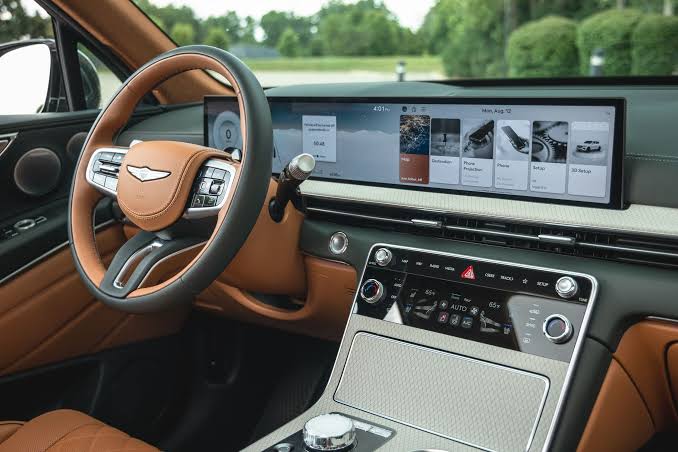
Hardware quality is a distinguishing characteristic of the Genesis system, with the company investing in premium processors, memory modules, and display components that deliver consistent performance over time.
The system’s electrical architecture is designed to handle the complex electromagnetic environment of modern luxury vehicles, where multiple electronic systems operate simultaneously.
Robust shielding and filtering ensure that the infotainment system maintains stable operation regardless of external interference or power fluctuations.
The integration capabilities of the Genesis system are particularly impressive, seamlessly connecting with smartphones, smart home devices, and other connected services without the stability issues common in many luxury vehicle systems.
Genesis’s commitment to customer satisfaction extends to providing comprehensive technical support and regular system improvements that maintain the infotainment system’s reliable operation throughout the vehicle’s ownership period.
5 That’re Glitchy And Crashy
These problematic infotainment systems suffer from fundamental engineering compromises including underpowered processors, insufficient RAM, and hastily developed software that creates a perfect storm of digital dysfunction in the vehicle cabin.
Their cheaply sourced components struggle with basic multitasking, causing the entire system to freeze when attempting simple operations like switching between radio and navigation while a phone call is active.
Poor thermal design leads to processor overheating during the summer months, triggering protective shutdowns that leave drivers without critical functions like backup cameras or climate controls.
The rushed software development shows in frequent compatibility issues with smartphone integration, random crashes during firmware updates, and interface lag so severe that touchscreen inputs often register seconds after being pressed, creating dangerous distractions while driving.
1. Tesla Model S/X MCU1 (Media Control Unit 1)
Tesla’s first-generation Media Control Unit (MCU1), found in early Model S and Model X vehicles, has become infamous in the automotive world for its reliability issues and frequent failures.
While Tesla revolutionized the automotive industry with its approach to electric vehicles and over-the-air updates, the MCU1 system represents a cautionary tale about the challenges of implementing cutting-edge technology in automotive applications.
The system’s problems have been so widespread that they’ve resulted in class-action lawsuits, NHTSA investigations, and a significant recall affecting approximately 135,000 vehicles.
The primary issue with MCU1 stems from its use of eMMC flash memory storage, which has a limited number of write cycles before failure. Tesla’s software continuously writes log files and other data to this storage, causing it to wear out prematurely, typically within 5-6 years of ownership.
When the memory fails, the entire infotainment system becomes unresponsive, leaving drivers without access to critical functions, including climate control, navigation, rear-view camera display, and even basic vehicle settings.
The failure is so common that Tesla service centers became overwhelmed with repair requests, and replacement units often failed again within a few years.
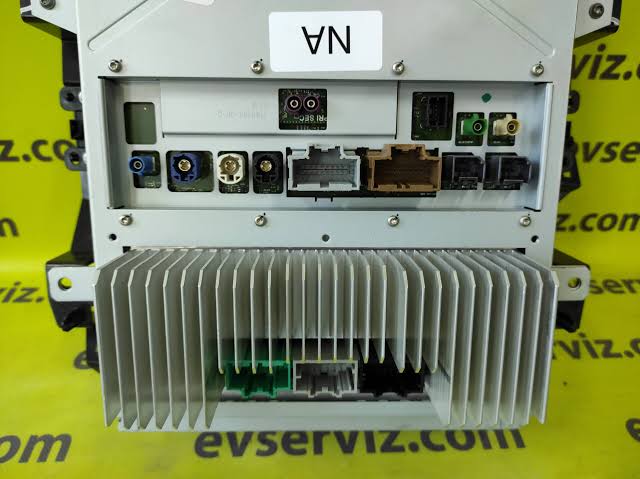
Beyond the memory failure issue, MCU1 suffers from numerous software glitches and performance problems. The system frequently freezes or becomes unresponsive during normal operation, requiring hard resets that can take several minutes to complete.
Touch sensitivity is inconsistent, with some areas of the screen becoming unresponsive while others register phantom touches. The system’s processor, an aging NVIDIA Tegra 3, struggles with Tesla’s increasingly complex software, leading to sluggish performance, delayed responses, and frequent application crashes.
The MCU1’s reliability problems extend to its integration with vehicle functions, where failures can affect safety-critical systems. The backup camera may not activate when shifting into reverse, climate control settings may reset unexpectedly, and navigation systems may provide incorrect directions or fail to update routes.
These issues are compounded by Tesla’s early approach to over-the-air updates, which sometimes introduced new problems while attempting to fix existing ones.
The cost of repairs has been substantial for owners, with out-of-warranty replacements costing thousands of dollars, and the chronic nature of the problems means that many vehicles have required multiple system replacements throughout their ownership period.
2. Ford SYNC 3 (Early Versions)
Ford’s SYNC 3 infotainment system, particularly in its initial iterations from 2016-2018, exemplifies how ambitious technological goals can result in frustrating real-world reliability issues.
Despite Ford’s significant investment in developing a more user-friendly successor to the troubled SYNC and MyFord Touch systems, early SYNC 3 implementations suffered from numerous software bugs, performance issues, and stability problems that left many Ford owners longing for simple analog controls.
The system’s problems were so widespread that they significantly impacted Ford’s quality ratings and customer satisfaction scores across multiple vehicle lines.
The most prominent issue with early SYNC 3 was its propensity to freeze completely during operation, requiring hard resets that could take up to ten minutes to complete.
These freezes occurred seemingly randomly but were often triggered by specific sequences of actions, such as switching between audio sources while navigation was active, or attempting to pair a new Bluetooth device while calls were in progress.
During these frozen states, drivers lost access to climate controls, audio systems, navigation, and hands-free calling, creating both inconvenience and potential safety hazards.
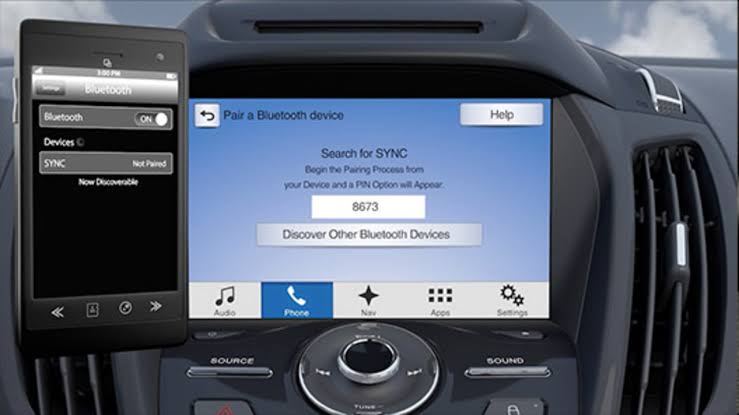
Performance issues plagued early SYNC 3 systems, with response times that frustrated even patient users. Simple actions like adjusting radio stations or entering navigation destinations could take several seconds to register, while more complex operations like searching for points of interest might take over a minute to complete.
The system’s touchscreen response was inconsistent, sometimes requiring multiple attempts to register inputs, while other times responding to accidental touches. Voice recognition was particularly unreliable, often misinterpreting clear commands and requiring multiple attempts to execute simple requests.
Connectivity problems were another major source of frustration for SYNC 3 users, with Bluetooth pairing and maintenance proving particularly troublesome.
Phones that connected successfully one day might fail to connect the next, requiring deletion and re-pairing of devices. Apple CarPlay and Android Auto, when they worked, often experienced lag, audio dropouts, and sudden disconnections.
Software updates, delivered through both Wi-Fi and USB methods, frequently failed to install properly or introduced new problems while attempting to fix existing ones.
Ford’s response to these issues involved multiple software updates and hardware revisions, but early adopters suffered through years of reliability problems while the company worked to resolve the fundamental design and implementation flaws that plagued the initial SYNC 3 release.
3. Cadillac CUE (Cadillac User Experience)
Cadillac’s CUE (Cadillac User Experience) system stands as one of the most notorious examples of how advanced technology can create more problems than it solves when reliability and usability are not given proper priority.
Introduced in 2013 as Cadillac’s flagship infotainment system, CUE was designed to position the brand as a technology leader in the luxury market.
However, the system quickly gained a reputation for being one of the most unreliable and frustrating infotainment platforms ever installed in production vehicles, leading to numerous customer complaints, warranty claims, and a significant impact on Cadillac’s brand reputation.
The fundamental problem with CUE lies in its overly complex software architecture combined with inadequate hardware specifications for the ambitious functionality it attempts to provide.
The system frequently crashes during basic operations, leaving users with black screens and unresponsive controls for extended periods. These crashes often occur during critical moments, such as when drivers are attempting to go through to important destinations or when hands-free calling is needed for safety.
The system’s recovery time from crashes can be extremely long, sometimes requiring complete vehicle shutdowns and restarts to restore functionality.
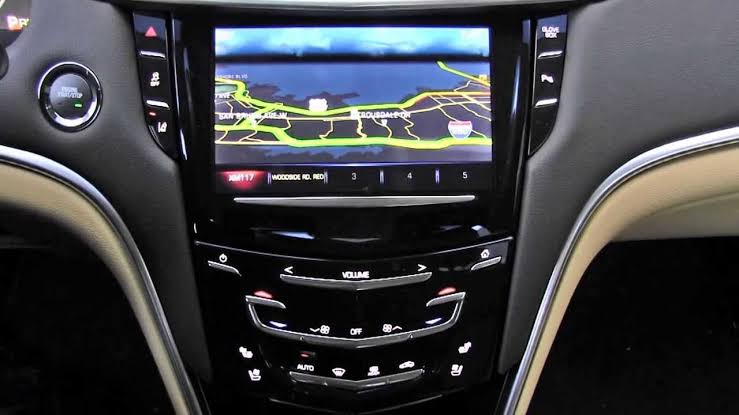
CUE’s haptic feedback touch controls, while innovative in concept, have proven to be unreliable and problematic in practice. The capacitive touch buttons often become unresponsive or overly sensitive, making it difficult to perform simple tasks like adjusting volume or changing radio stations.
The haptic feedback motors frequently fail, leaving users without tactile confirmation of their inputs. The system’s gesture recognition features rarely work as intended, often interpreting unintended movements as commands or failing to recognize deliberate gestures entirely.
Performance issues permeate every aspect of CUE’s operation, from sluggish menu navigation to delayed audio responses. Simple tasks that should take seconds often require minutes to complete, testing the patience of even the most technologically tolerant users.
Software updates, when available, often introduce new problems while failing to address existing ones, creating a cycle of frustration for Cadillac owners who expected luxury-level reliability from their premium vehicles.
4. Chrysler Uconnect 8.4 (2013-2018)
The Chrysler Uconnect 8.4 system, utilized across Chrysler, Dodge, Jeep, and Ram vehicles from 2013 to 2018, represents a period when Fiat Chrysler Automobiles struggled to deliver reliable infotainment technology to their customers.
While the system showed promise in terms of features and functionality, its implementation was plagued by numerous reliability issues that frustrated owners and damaged the company’s reputation for quality.
The 8.4-inch touchscreen system was ambitious for its time, attempting to integrate navigation, entertainment, communication, and vehicle controls into a single interface, but the execution fell short of these lofty goals.
One of the most significant problems with Uconnect 8.4 was its tendency to become completely unresponsive during operation, leaving drivers without access to climate controls, audio systems, or navigation.
These freezes occurred unpredictably and could last anywhere from a few minutes to several hours, often requiring professional service intervention to resolve.
The system’s startup sequence was particularly problematic, with many units failing to boot properly after the vehicle had been parked in extreme temperatures or after electrical system interruptions.
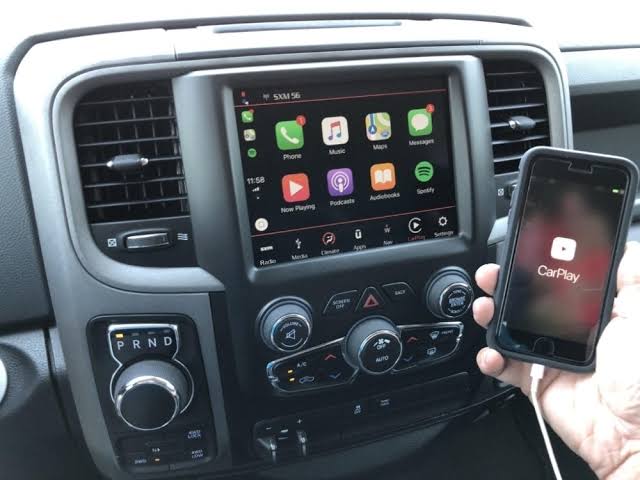
The touchscreen hardware itself proved to be a weak point in the Uconnect 8.4 system, with numerous reports of phantom touches, dead zones, and complete touch failure.
These hardware problems were often intermittent, making diagnosis and repair difficult for service technicians. When the touchscreen failed, drivers lost access to essential vehicle functions including climate control, radio operation, and navigation systems.
The cost of replacing these touchscreen units was substantial, often exceeding $1,000, and replacement units frequently developed similar problems within a short period.
The combination of hardware fragility and software instability made Uconnect 8.4 a source of ongoing frustration for hundreds of thousands of vehicle owners who expected reliable technology from their automotive investment.
5. BMW iDrive (2001-2008 Generations)
BMW’s early iDrive system, introduced in 2001 and continuing through various iterations until 2008, serves as a historical example of how innovative technology can become a reliability nightmare when rushed to market without adequate testing and refinement.
Originally introduced in the E65/E66 7 Series, iDrive was BMW’s ambitious attempt to revolutionize automotive human-machine interfaces by replacing multiple buttons and controls with a single rotary controller and display system.
While the concept was forward-thinking, the execution was plagued by numerous reliability issues that frustrated BMW owners and tarnished the brand’s reputation for engineering excellence.
The fundamental problem with early iDrive systems was their overly complex menu structure combined with unreliable software that frequently crashed or became unresponsive.
The system’s deep menu hierarchies required multiple steps to perform simple tasks, and software crashes during navigation often left drivers stranded without access to basic vehicle functions.
The infamous rotary controller, while innovative, was prone to mechanical failure, with many units becoming sticky, unresponsive, or completely non-functional after a few years of use. These failures were particularly problematic because the controller was the primary interface for accessing climate control, audio systems, and navigation functions.
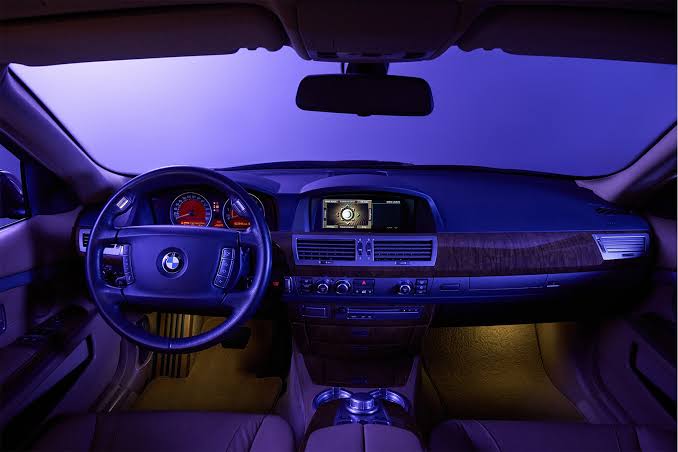
Hardware reliability issues extended beyond the controller to include the system’s display screens, which were prone to pixel failure, complete blackouts, and color distortion problems.
The early LCD technology used in these systems was not well-suited to the automotive environment, with temperature extremes and vibration causing premature failure of display components.
When screens failed, drivers lost access to critical information, including navigation maps, climate control settings, and vehicle status information. The integrated nature of the system meant that single component failures could render multiple vehicle functions inaccessible.
The complexity of early iDrive systems also made them vulnerable to electrical system problems and software corruption. Power fluctuations, which are common in automotive electrical systems, could cause the iDrive to lose stored settings, become stuck in diagnostic modes, or fail to start up properly.
These reliability issues were so widespread that they significantly impacted BMW’s quality ratings and customer satisfaction scores during the early 2000s, serving as a lesson about the importance of thorough testing and gradual implementation of complex automotive technologies.
Also Read: 5 Trucks With Steel Frames Resisting Rust Vs 5 With Corrosion Issues
