The Mini Cooper has long been celebrated for its playful personality, sharp handling, and iconic design, but not all years of production are created equal. Over the past two decades, this small car has seen moments of engineering brilliance as well as stretches plagued by serious reliability concerns.
For used-car shoppers, the difference between choosing the right model year and the wrong one can mean thousands of dollars in repair costs or years of worry-free driving.
In this article, we’ll highlight five Mini Cooper years that stand out for having fewer issues and more dependable performance, alongside five years notorious for constant breakdowns and high maintenance bills.
From safety recalls to engine failures, the data reveals which Minis have stood the test of time and which ones buyers should avoid. If you’re considering a Mini Cooper, this guide will help you separate the hits from the misses.
5 Mini Cooper Years With Few Issues
1. 2021 Mini Cooper
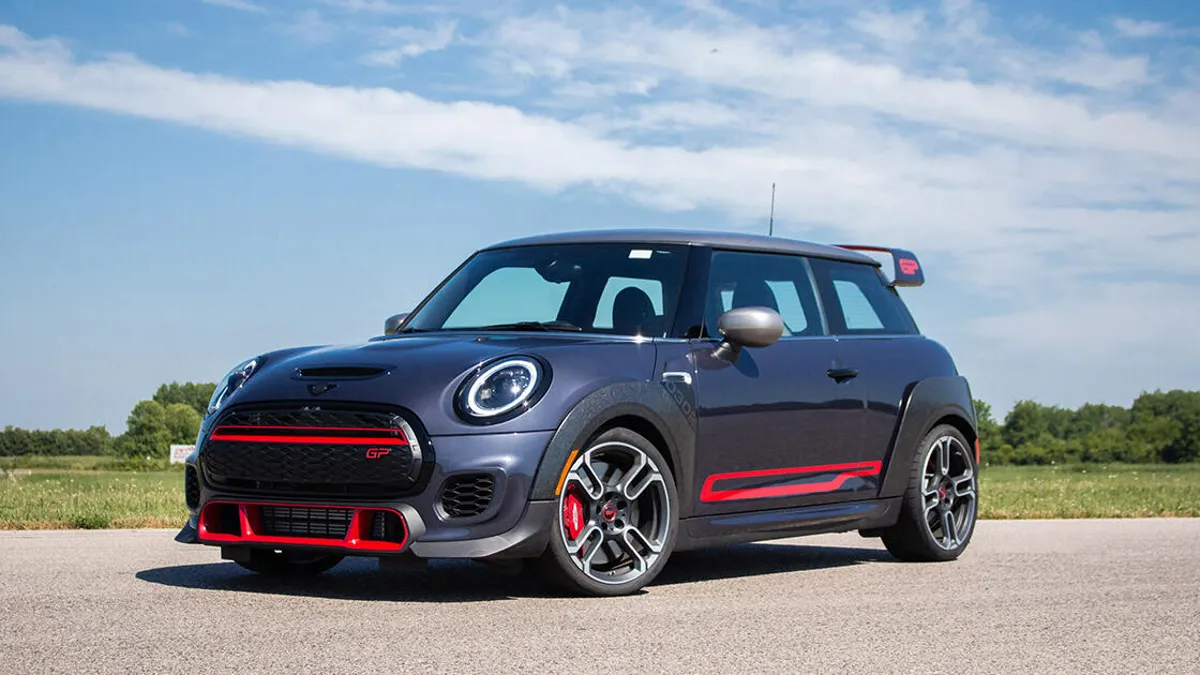
The 2021 Mini Cooper shows a mixed but generally acceptable reliability profile. According to the National Highway Traffic Safety Administration (NHTSA), there are just two recalls for this model year, both related to airbag and seat belt issues.
Additionally, four complaints were filed, covering concerns such as airbag malfunctions, tire sidewall degradation, and electrical problems including one case of fire behind a headlight.
Despite these incidents, J.D. Power ranked the 2021 Mini Cooper Hardtop highly, putting it close to performance icons like the Porsche 911 and Chevrolet Camaro in terms of quality and dependability.
Safety-wise, the Cooper comes with standard automatic emergency braking, but comprehensive crash-test results from NHTSA and IIHS are lacking.
Optional driver-assist technologies like adaptive cruise control and parking sensors are available only through costly packages, making safety equipment feel less accessible compared to rivals.
The 2021 Mini Cooper stands out for its lively and engaging drive. Buyers can choose from three turbocharged gas engines or an all-electric SE model. The base 1.5-liter turbo-3 engine produces 134 horsepower, reaching 60 mph in 7.3 seconds, while the mid-tier Cooper S boasts a 189-hp turbo-4 that drops the sprint to 6.5 seconds.
At the top end, the John Cooper Works (JCW) model packs 228 horsepower and accelerates in under six seconds, offering track-focused performance though at the expense of daily comfort due to its stiffer suspension.
The electric SE delivers 184 horsepower and a 6.9-second 0–60 time, but its 110-mile range limits versatility. Across all trims, the short wheelbase, direct steering, and firm suspension deliver the go-kart-like thrills that define the Mini driving experience, especially with the return of the 6-speed manual transmission in 2021.
Inside and out, the 2021 Mini Cooper is loaded with charm and British-inspired design. Circular styling elements dominate, from the headlights and grille to the vents and infotainment display, giving it a playful personality.
Available in two- and four-door hardtops, convertible, and electric SE, it caters to varied tastes, though practicality is limited. Two-door versions seat four but feel cramped, while four-door models seat five with slightly better cargo capacity.
Interior finishes are upscale, with synthetic leather as standard and optional heated leather seats for added comfort. However, tech features lag behind competitors Apple CarPlay is only included in the top Iconic trim, and Android Auto isn’t offered at all.
On the plus side, Mini provides a strong warranty package with 4 years/50,000 miles coverage and three years of scheduled maintenance, softening the blow of missing tech conveniences.
Pricing for the 2021 Mini Cooper starts at $23,250 for the base Classic trim but climbs quickly, reaching $45,750 for the fully loaded John Cooper Works convertible in Iconic trim. Despite its rising costs, fuel economy is impressive for its segment.
The 1.5-liter turbo-3 averages 31 mpg combined, the 2.0-liter turbo-4 returns about 30 mpg, and the SE electric model offers 108 MPGe, albeit with its limited driving range.
The Cooper S four-door in Signature trim is often regarded as the best balance of performance, practicality, and value, avoiding the extremes of the base and high-performance versions.
Ultimately, the 2021 Mini Cooper is not the most spacious or tech-rich small car, but it continues to thrive on style, individuality, and fun-to-drive character. For those seeking a blend of charm, heritage, and driving excitement, the Mini Cooper remains an appealing urban choice.
2. 2016 Mini Cooper
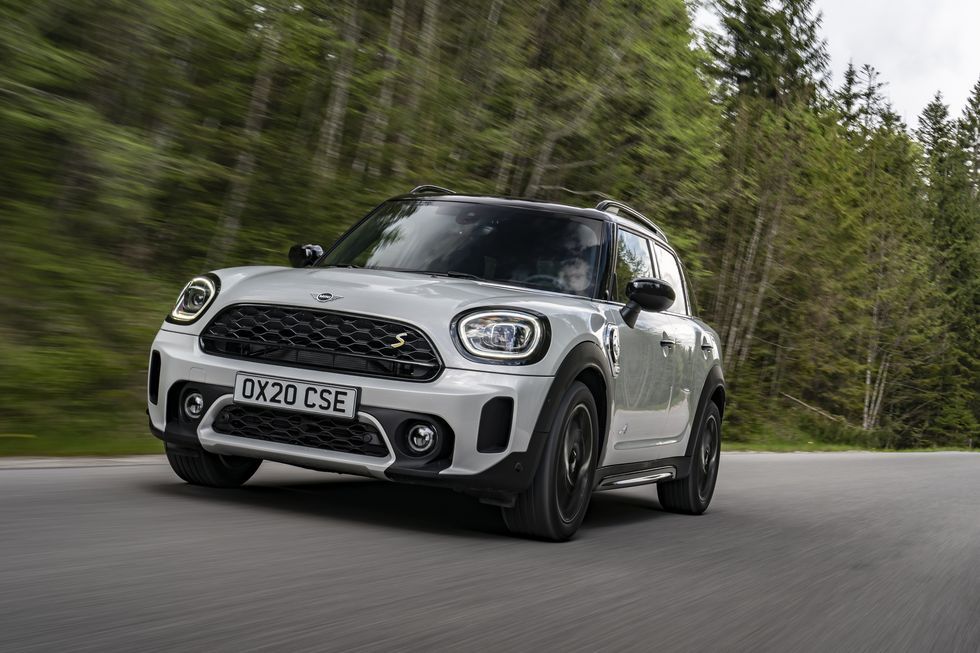
As an early entry in the F-generation lineup, the 2016 Mini Cooper shows a mixed record for dependability. Data from the National Highway Traffic Safety Administration (NHTSA) lists four recalls and 22 complaints.
Recalls addressed turn signal and brake light malfunctions, seat belt lock failures, faulty steering gearboxes, and front-passenger airbags failing to deploy. Complaints spanned across multiple systems including airbags, brakes, engine, suspension, powertrain, steering, electrical, and even structural concerns.
Despite these issues, J.D. Power gave the 2016 Mini Cooper a respectable score for Quality and Reliability, ranking it fifth among small sports cars for the year.
While it outperformed competitors like the Subaru BRZ and Hyundai Veloster, it trailed the Buick Cascada, Mazda MX-5 Miata, Scion FR-S, and top-ranked Scion tC, highlighting its middle-ground position in reliability and satisfaction compared to rivals.
Performance is a highlight of the 2016 Mini Cooper, with three turbocharged engine options available. The base 1.5-liter three-cylinder produces 134 horsepower, achieving a 0–60 mph time of 7.4 seconds and returning an EPA-estimated 32–33 mpg combined, depending on body style and transmission.
The Cooper S upgrades to a 2.0-liter four-cylinder engine generating 189 horsepower, with 0–60 mph times as low as 6.3 seconds, while still maintaining solid fuel economy at around 27–29 mpg combined.
The John Cooper Works (JCW) model takes performance even further, delivering 228 horsepower and a sprint to 60 mph in just over six seconds. All models come standard with a six-speed manual transmission, with a smooth-shifting six-speed automatic optional.
The Mini’s low center of gravity, precise steering, and nimble handling make it one of the most engaging subcompact cars to drive, though its firm suspension can feel harsh on rougher roads.
The interior of the 2016 Mini Cooper reflects premium design and customization options uncommon in the subcompact class. High-quality materials, soft-touch plastics, and distinctive toggle switch controls add flair, while ambient lighting enhances its modern appeal.
An available 8.8-inch infotainment display with BMW-inspired controls provides crisp graphics, though its knob-based system takes some practice. Seating is firm yet supportive, with excellent front-row comfort, though rear passenger space remains tight.
Cargo capacity varies by model, with the two-door hatch offering 8.7 cubic feet (expanding to 34 with seats folded), while the four-door provides 13.1 cubic feet (expanding to 40.7). The convertible sacrifices practicality with just 7.6 cubic feet of trunk space.
Buyers also enjoy abundant personalization options, including 14 exterior colors and multiple roof and mirror combinations. While visibility can be an issue in the convertible due to thick pillars, the cabin atmosphere feels more upscale compared to rivals.
Safety features for the 2016 Mini Cooper include stability control, antilock brakes, knee airbags, and full-length curtain airbags. In government crash tests, the two-door hatchback earned four out of five stars, while the Insurance Institute for Highway Safety (IIHS) rated it ‘Good’ in key crash categories.
Optional driver aids like rear parking sensors and a rearview camera improve convenience but were not standard at this time. Braking performance is strong, with the Cooper S convertible achieving an impressive 101-foot stop from 60 mph on summer tires.
Ultimately, the 2016 Mini Cooper stands out for its premium styling, customization, and fun-to-drive personality, but buyers must balance these strengths with higher-than-average costs, firm ride quality, and limited interior space.
For those seeking an energetic and upscale subcompact, the 2016 Mini Cooper remains an appealing choice, though rivals like the Ford Fiesta ST, Mazda MX-5 Miata, and Volkswagen Golf GTI provide compelling alternatives.
3. 2011 Mini Cooper
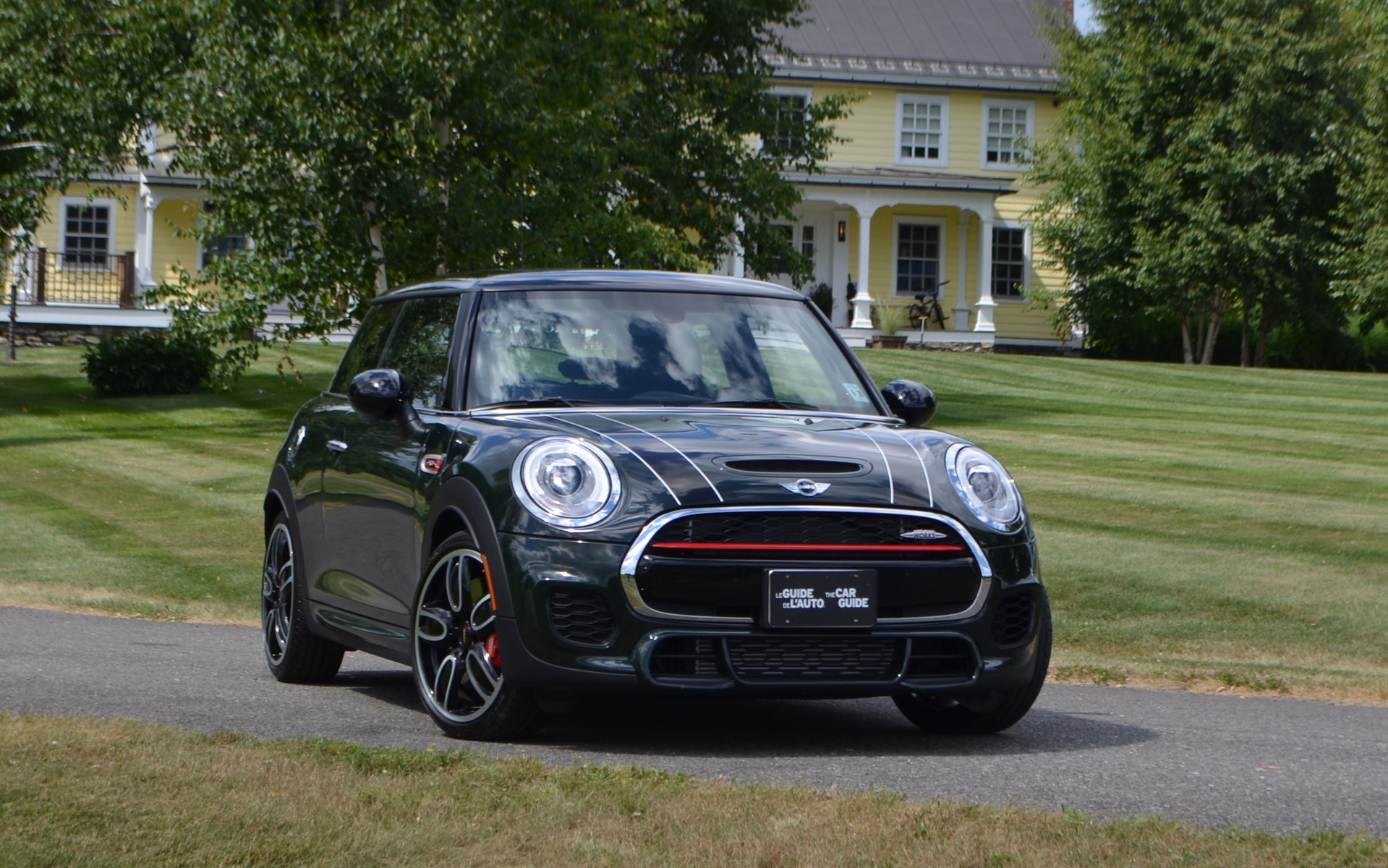
The 2011 Mini Cooper is often listed among the brand’s less favorable years, with some critics labeling it one of the “worst model years.” Despite this reputation, official records paint a slightly different picture.
The NHTSA reported no manufacturer recalls for the 2011 model, and customer complaints remained relatively low, totaling just 22 cases, many of which mirrored issues found in the 2016 model year. J.D. Power, however, rated the 2011 Mini Cooper at the bottom of its compact sports car category, citing average reliability, quality, and resale scores.
This inconsistency between critic reviews and official safety data reflects the mixed ownership experience of this model year. For buyers seeking a quirky, stylish coupe or convertible, the 2011 Mini Cooper still offered an appealing package, but concerns over reliability and long-term durability tempered its standing in the market.
For 2011, the Mini Cooper lineup introduced several subtle but welcome updates that enhanced the driving experience. Power outputs saw a slight boost across models, while steering was reworked to reduce torque steer during aggressive acceleration.
The model also gained new optional adaptive headlights, improved radio controls, and standard HD and satellite radio. Interior insulation was upgraded for reduced cabin noise, and minor cosmetic updates refreshed its playful design. These changes added refinement while retaining the car’s signature character.
True to its British styling roots blended with German engineering, the Mini Cooper continued to charm buyers with its quirky personality. Inside, buyers were treated to more customization options, accessories, and interior tweaks, ensuring that no two Minis needed to look or feel the same.
This ability to blend stylish individuality with practical enhancements kept the Mini Cooper highly attractive, even amid its reliability concerns.
Performance has always been a highlight of the Mini brand, and the 2011 lineup delivered thrills across its variants.
The base 1.6-liter four-cylinder produced 121 horsepower, paired with either a six-speed manual or automatic, achieving 0-60 mph in around 8.4 seconds while maintaining impressive fuel economy of up to 37 mpg highway.
The Cooper S elevated excitement with a turbocharged 181-horsepower engine, sprinting to 60 mph in 6.6 seconds, while the John Cooper Works pushed output to 208 horsepower, boasting a spirited 6.2-second run. Across all trims, drivers praised the nimble handling, quick steering response, and light weight that made the car lively in urban settings.
However, this agility came at the cost of comfort, as the stiff suspension led to a harsher ride. Noise levels were also higher than some rivals. Still, the Mini Cooper’s playful nature and engaging dynamics made it one of the most entertaining small cars of its time.
On the safety front, the 2011 Mini Cooper came standard with antilock brakes, stability control, and front-seat side airbags. The hatchback included side curtain airbags, while the convertible added rollover bars for extra protection.
Traction control was available as an option, and in Edmunds’ brake testing, the Mini Cooper S with 17-inch wheels demonstrated excellent stopping power, halting from 60 mph in just 112 to 115 feet. Crash test data from 2010 rated the Mini with four out of five stars for frontal and side impacts, though this was under the old testing system.
The IIHS also gave mixed results, with a top “Good” rating in frontal-offset but only “Average” for side-impact and roof strength. Despite these middling scores, the car’s compact size and responsive handling provided drivers with confidence in daily use.
The Mini offered solid active safety features, even if its crashworthiness trailed some competitors in its class.
Inside, the 2011 Mini Cooper retained its bold, distinctive cabin design, highlighted by the oversized center-mounted speedometer a throwback to the original Mini. For 2011, radio controls were improved, making the layout slightly more user-friendly.
The front seats offered generous headroom and legroom, creating an airy cabin feel despite the car’s compact size. However, the rear seats were far less accommodating, with very limited legroom, making them better suited for short trips or children.
Cargo space was also tight, with just 5.7 cubic feet available, though folding the rear seats expanded capacity to 24 cubic feet. The convertible variant added flexibility with foldable rear seats, though rollover hoops and the roof mechanism limited larger-item loading.
While practicality wasn’t the Mini’s strength, its stylish interior, customization options, and unique personality set it apart from more conventional rivals. For buyers valuing character and driving fun over space, the 2011 Mini Cooper remained an attractive, if imperfect, choice.
4. 2015 Mini Cooper
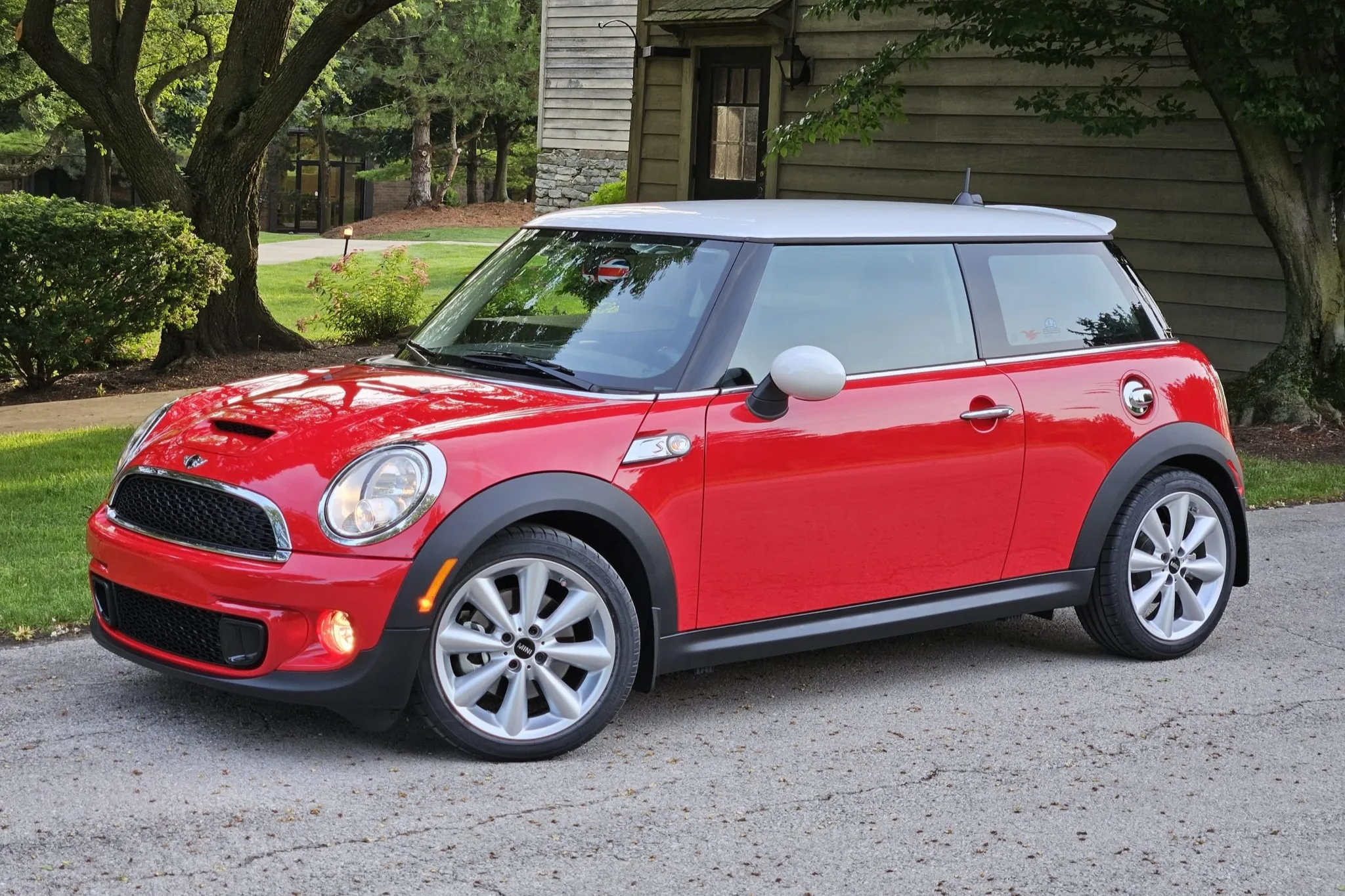
The 2015 Mini Cooper entered its second year of the third-generation lineup with meaningful updates, including the introduction of a four-door hatchback and the return of the John Cooper Works trim. While retaining its quirky styling and playful character, the model added practicality with more interior space and improved materials.
The four-door version provided room for five passengers and slightly more cargo capacity, though both body styles remained less spacious than rivals like the Volkswagen Golf.
Standard features included heated mirrors and automatic climate control, while premium touches such as an upgraded infotainment system and improved cabin finishes elevated the car’s appeal.
The convertible, however, carried over from the previous generation with dated hardware and limited practicality, though it maintained its charm with unique design elements such as the sunroof-like function for the soft top.
Performance was a highlight of the 2015 Mini Cooper, offering multiple powertrains to suit different driving styles. The base hatchback came with a turbocharged 1.5-liter three-cylinder engine producing 134 horsepower, capable of sprinting from 0-60 mph in 7.4 seconds while delivering up to 33 mpg combined with a manual transmission.
The Cooper S brought a 2.0-liter turbocharged four-cylinder with 189 horsepower, achieving 0-60 in just over six seconds and maintaining competitive fuel efficiency. For enthusiasts, the John Cooper Works version stood out with 228 horsepower and a 0-60 time under six seconds, making it the most powerful option.
Convertible models lagged behind with less refined engines, though the Cooper S and JCW versions still delivered engaging performance. Across the lineup, Mini retained its reputation for sharp handling, nimble steering, and excellent maneuverability, making the car both fun and efficient.
Safety features on the 2015 Mini Cooper included antilock brakes, stability and traction control, front-seat side airbags, and knee airbags for the hatchback. The convertible added rollover bars for additional protection.
In government crash tests, the two-door hatchback earned four out of five stars for front crash protection, while the IIHS rated it “Good” in key categories. Braking performance was strong, with short stopping distances during testing.
On the road, the Mini stood out for its lively, responsive nature, offering a dynamic driving experience that few competitors could match. The trade-off, however, was a firmer ride and noticeable cabin noise, particularly with sport-tuned suspension.
While not as comfortable as some compact rivals, the car excelled in agility and was remarkably easy to park, reinforcing its appeal for urban drivers.
Inside, the 2015 Mini Cooper blended playful design with improved materials and better ergonomics than past models. The hatchback’s upgraded interior featured soft-touch surfaces, simplified climate controls, and optional high-tech upgrades like an 8.8-inch infotainment display and Mini Connected smartphone integration.
Seating in the front was supportive and well-suited for spirited driving, though the rear remained cramped, particularly in the two-door hatchback and convertible. Cargo space was also limited, with just 8.7 cubic feet in the two-door hatchback and 6 cubic feet in the convertible, though folding the rear seats provided more utility.
The four-door model offered modest improvements in both passenger and cargo room, making it the most versatile in the lineup. Despite its drawbacks in practicality, the 2015 Mini Cooper appealed to buyers seeking a stylish, premium-feeling subcompact with engaging dynamics and a unique personality.
5. 2008 Mini Cooper
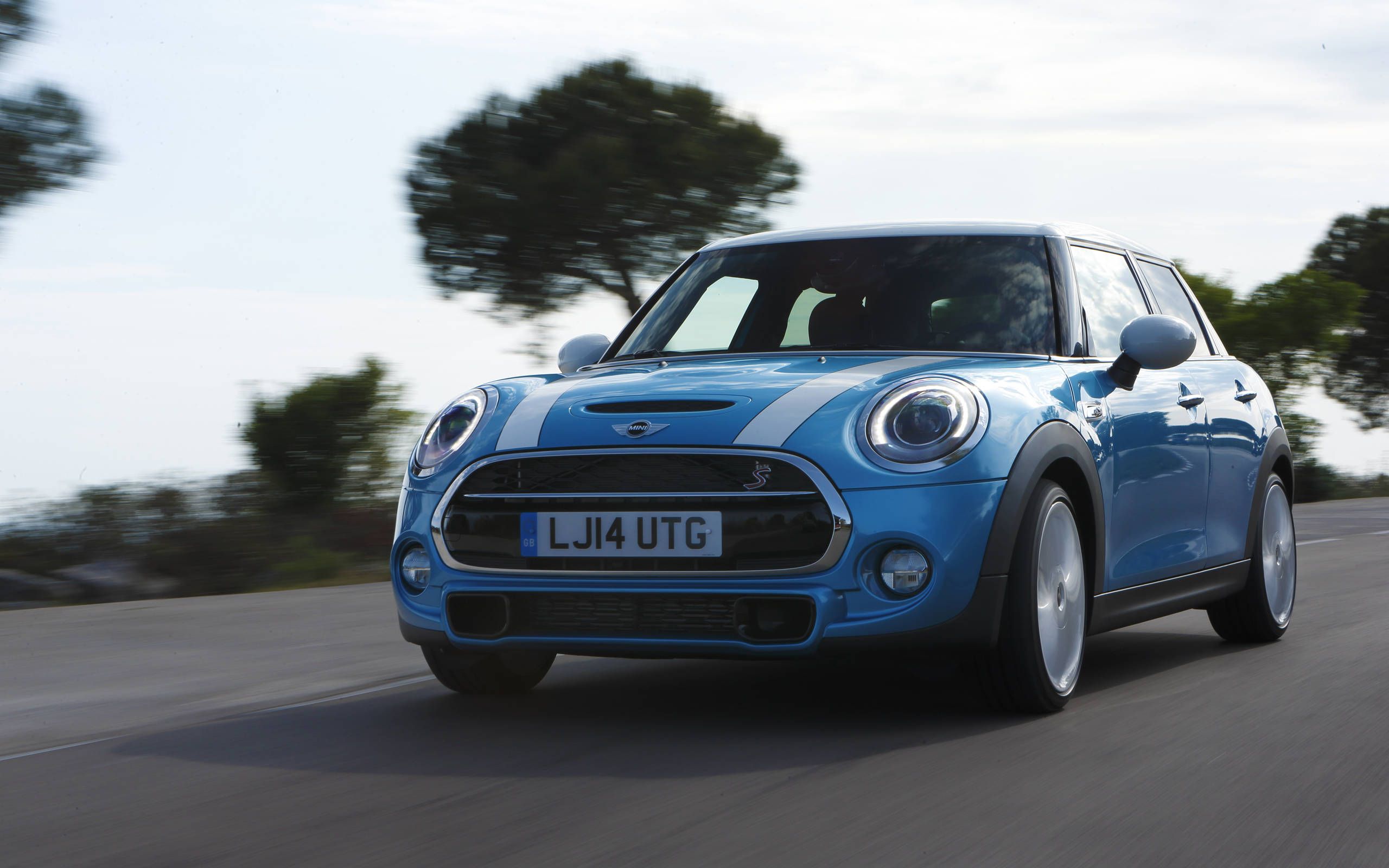
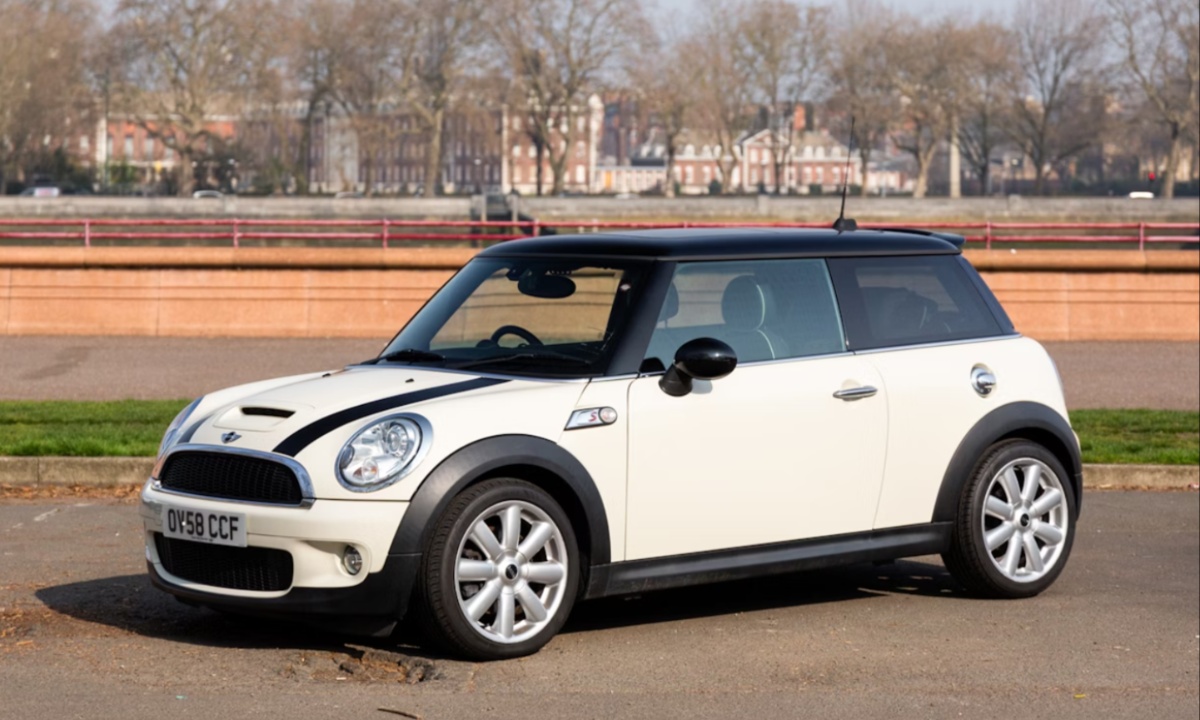
The 2008 Mini Cooper is often seen as one of the brand’s more reliable offerings, especially when compared to other years plagued by mechanical or electrical troubles. Despite being more than 15 years old, the National Highway Traffic Safety Administration (NHTSA) has only logged 16 complaints for this model.
Six of those were related to an airbag malfunction, which Mini promptly addressed through its only recall for the year. Beyond that, drivers have reported remarkably few issues. CarComplaints lists only two problems from owners: a minor oil leak and a convertible mechanism failur,e neither of which suggests widespread defects.
Considering some Mini Coopers from surrounding years have hundreds of complaints, this level of reliability is impressive. The 2008 model stands out as a small, sporty car that maintained its charm without sacrificing long-term dependability, making it a notable entry in the Mini lineup.
The 2008 Mini Cooper carries forward its reputation as a fun yet quirky car to live with. It is immensely enjoyable to drive, with its sharp handling and go-kart-like dynamics, but that sporty suspension can feel stiff during daily commutes.
Parking and maneuverability are effortless thanks to its compact dimensions, yet interior space, especially in the rear seats, remains cramped. Its interior styling, full of bold and modernistic design cues, excites visually but frustrates ergonomically, with controls scattered in unconventional layouts.
The convertible version offers open-air fun, though visibility is limited when the top is either raised or lowered.
Despite these trade-offs, the 2008 Mini Cooper successfully blends style, character, and performance into a package that many owners accept as uniquely rewarding. It’s a car of compromises, but those compromises add to its character rather than detract from it.
Performance in the 2008 Mini Cooper varies significantly between the hatchback and convertible models. The hatchback benefits from BMW’s updated engines, offering a refined 1.6-liter four-cylinder producing 118 horsepower, while the Cooper S gets a turbocharged version with 172 horsepower.
The turbocharged model accelerates from 0–60 mph in just 6.5 seconds, delivering an exhilarating driving experience. Fuel efficiency is also commendable, with the base hatchback reaching up to 37 mpg on the highway.
The convertible, however, retained older engine designs. Its base engine generates just 115 horsepower, while the supercharged Cooper S convertible offers 168 horsepower with stronger acceleration. Although fun, the convertible’s engines feel less refined compared to the hatchback’s updated lineup.
Transmission options included five- or six-speed manuals and automatics, though the CVT in the base convertible was often criticized. The hatchback offered the best combination of refinement, performance, and efficiency in 2008.
Safety features on the 2008 Mini Cooper included antilock disc brakes, side airbags, and optional stability control, while the Cooper S models come standard with traction control. Hatchbacks featured side curtain airbags, while convertibles offered fixed roll bars.
In Insurance Institute for Highway Safety (IIHS) crash testing, the hatchback earned the highest rating of “Good.” Beyond safety, the Mini’s true strength lay in its dynamic driving experience. Both hatchback and convertible models delivered razor-sharp handling, with quick steering responses and strong driver engagement.
The Cooper S hatchback stood out for its turbocharged engine, providing impressive bursts of power, especially with its overboost mode. However, the firm suspension sometimes made for a harsh ride, particularly on sport-tuned models.
The base convertible, with its less capable engine and CVT, felt lackluster, but the supercharged S convertible maintained the spirited personality expected of a Mini.
Inside, the 2008 Mini Cooper revealed two distinct personalities between the hatchback and convertible. The redesigned hatchback introduced a bold, futuristic dashboard dominated by a massive central speedometer and unconventional control placement. While striking to look at, many found it confusing to operate.
In contrast, the convertible retained a simpler, more intuitive layout, though it lacked the modern aesthetic of the hatchback. Seating comfort was improved in the newer hatchback, aided by a telescoping steering wheel, which made it more accommodating for taller drivers.
However, rear-seat space remained tight, limiting practicality for passengers. Cargo capacity was small, particularly in the convertible, though folding rear seats improved versatility. Build quality showed improvement in the hatchback, with fewer rattles and more refined materials.
Despite these drawbacks, the Mini’s interior continued to charm with its playful design and surprising comfort, reinforcing the brand’s unique identity in the compact car segment.
Also Read: 5 Cars with Climate Control That Works vs 5 Thats Just for Show
5 Mini Cooper Years With Constant Repairs
1. 2005 Mini Cooper: Steering Failures Define a Troubled Year
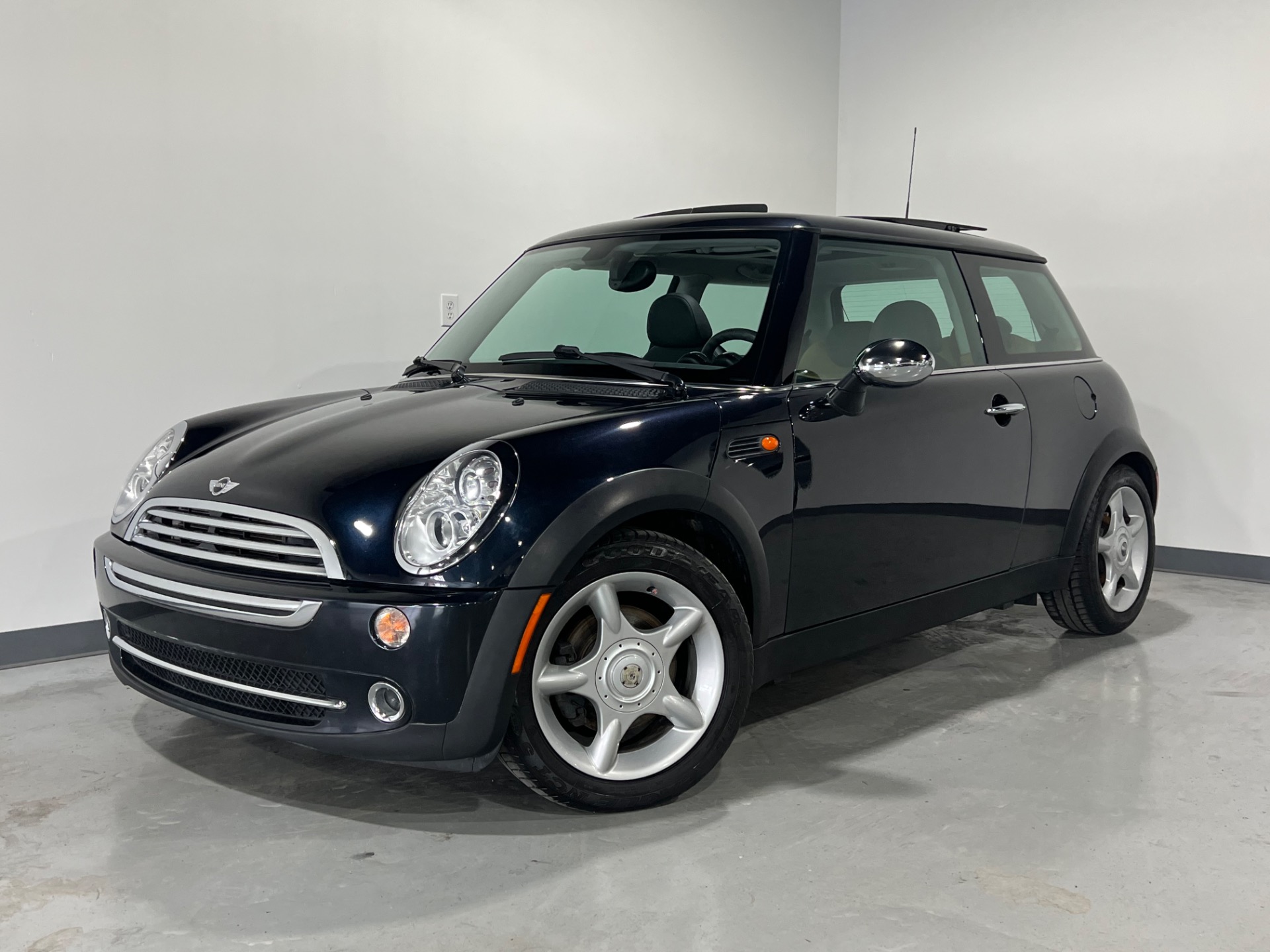
The 2005 Mini Cooper is infamous for one of the most alarming safety crises in the brand’s history, mass power steering failures. Reports to the National Highway Traffic Safety Administration (NHTSA) exceeded 800, with nearly 600 tied directly to steering defects.
Owners frequently described losing steering control without warning, creating dangerous situations in both highway and city driving. What made the issue even worse was the delayed response from Mini; the official recall wasn’t issued until 2015, ten years after the problem was first reported.
These left thousands of drivers paying for expensive repairs or risking unreliable vehicles daily. Beyond steering, additional electrical malfunctions and mechanical inconsistencies further plagued the 2005 model.
The combination of safety hazards, repair costs, and poor corporate accountability has ensured that this model year is remembered as one of Mini’s weakest. Even today, it stands as a cautionary tale about prioritizing reliability and timely recalls in the auto industry.
2. 2006 Mini Cooper: Airbag Defects Undermine Safety Standards
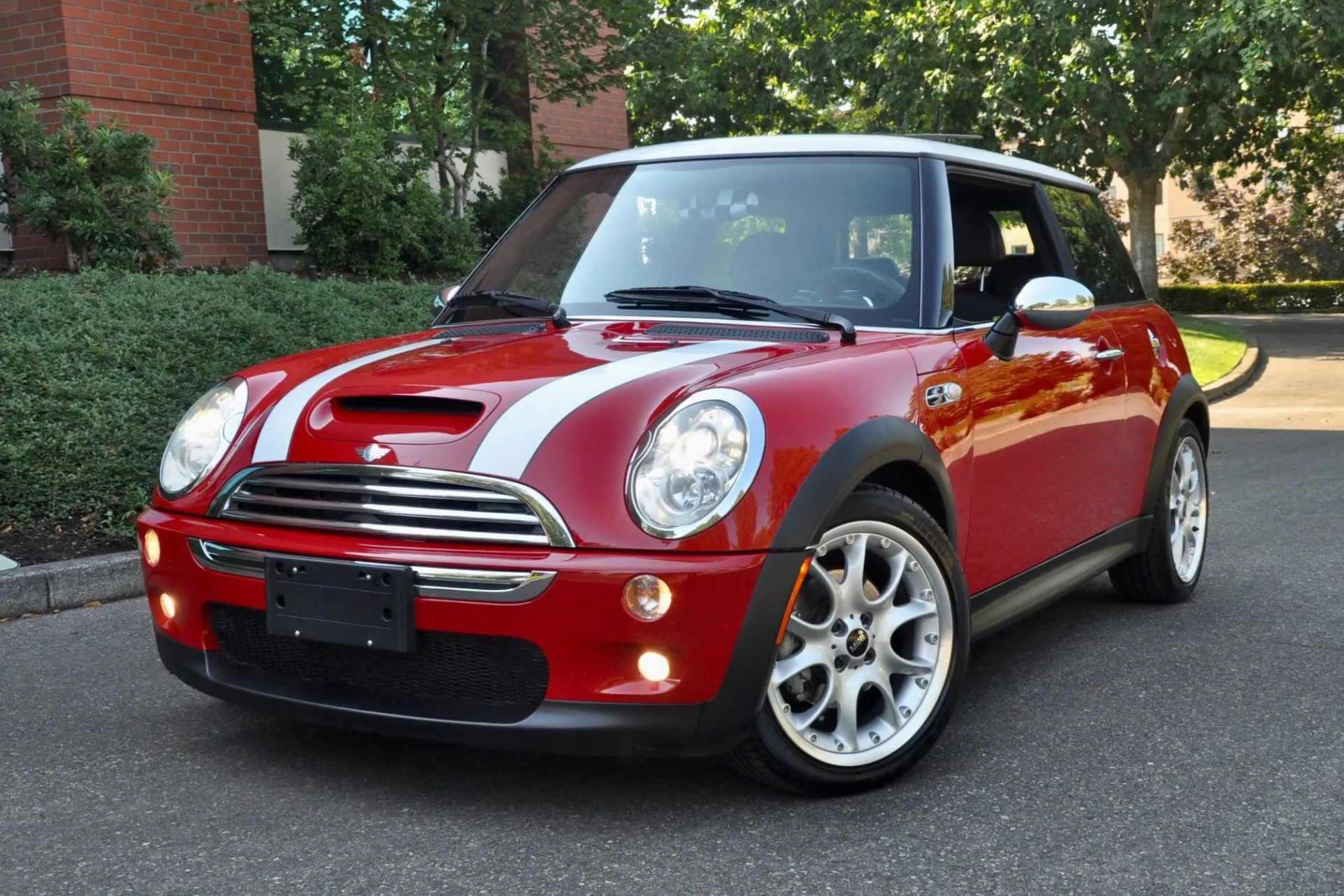
Following the steering disasters of 2005, the 2006 Mini Cooper carried its own set of alarming defects, this time centered on airbag failures. More than 400 complaints were filed with the NHTSA, nearly half of which cited airbags failing to deploy during accidents.
With airbags being a crucial safety measure, this defect left drivers and passengers vulnerable in collisions. Just as in 2005, Mini was slow to act, waiting close to a decade before issuing a recall. In the meantime, consumers drove cars that lacked adequate protection in crashes.
Beyond the airbag issue, 2006 models also developed electrical faults and mechanical weaknesses, compounding the sense of unreliability. Owners voiced frustration not only over the safety failures but also over the company’s slow corrective action.
For many, this year, along with 2005, marks the lowest point in Mini Cooper reliability. As a result, the 2006 model is widely regarded as one of the riskiest purchases in the used market.
3. 2009 Mini Cooper: Reliability Slips After Initial Gains
After progress in 2008, the 2009 Mini Cooper saw a sharp decline in reliability that disappointed many buyers. CarComplaints recorded 12 major reports, tying it for one of the brand’s weakest years, with faulty seat sensors being the most widespread issue.
These sensors often failed to detect passengers correctly, meaning airbags might not deploy in a crash, a serious safety flaw. Despite this recurring problem, Mini never issued a recall to fix the defect. The NHTSA registered 161 complaints, with 66 focused on airbags and 54 involving engine problems.
Among the most damaging failures was the premature breaking of timing chains, which often resulted in costly repairs or even full engine replacements.
Although two recalls were eventually issued, neither addressed the seat sensor nor the timing chain problem, leaving many owners dissatisfied. For those considering used Minis, the 2009 model remains an expensive gamble, as its mechanical flaws can quickly outweigh its driving appeal.
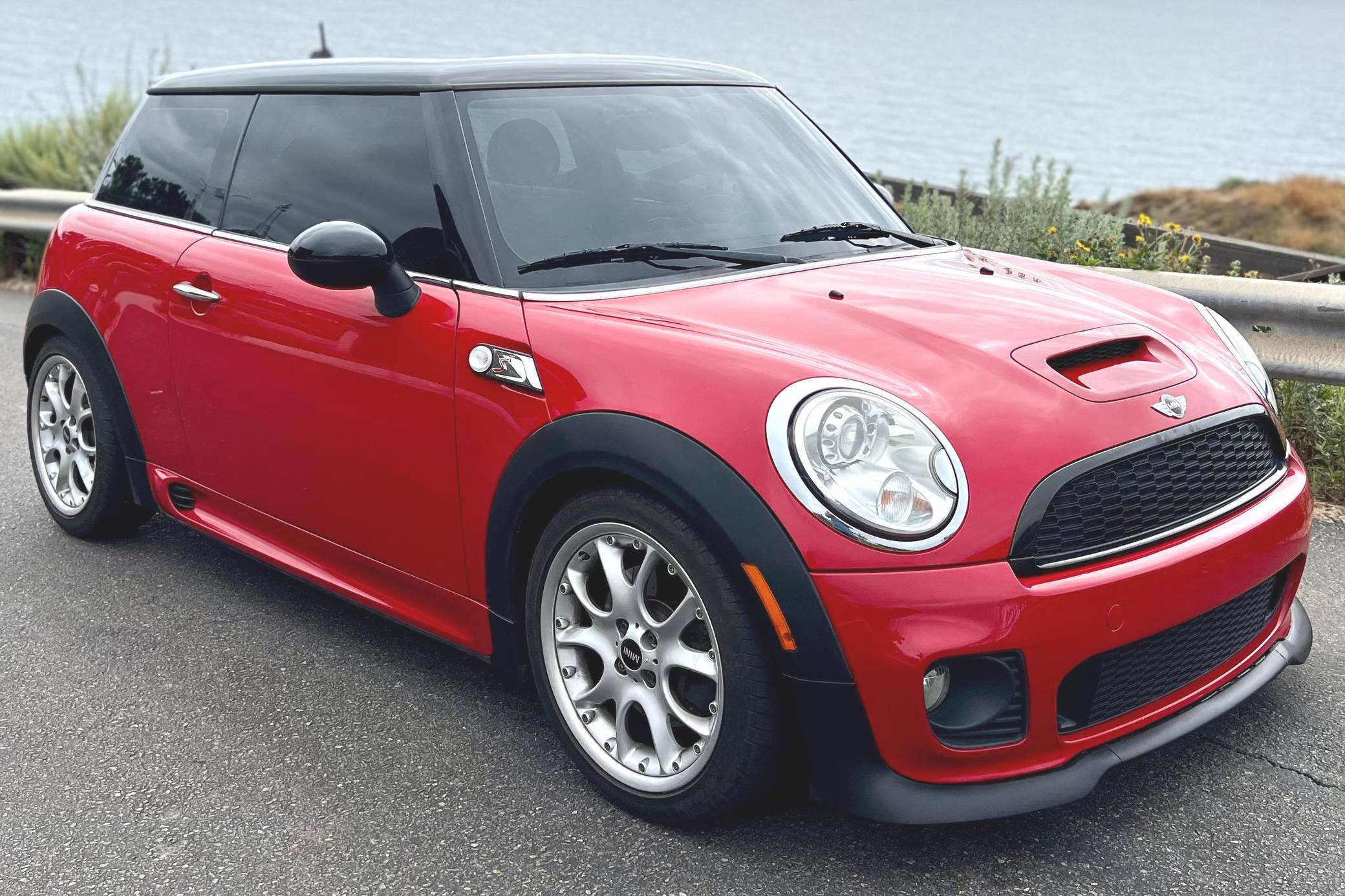
4. 2012 Mini Cooper: Fewer Complaints, Costly Mechanical Flaws
At first glance, the 2012 Mini Cooper seems less problematic, with relatively low complaint numbers compared to earlier troubled years. CarComplaints logged just four reports, and CarProblemZoo recorded 66. However, the issues that did appear were costly and damaging.
Transmission breakdowns were among the most severe, often requiring replacements so expensive that they exceeded the car’s resale value. Oil pump leaks were another recurring defect, creating the risk of severe engine damage if ignored.
Some owners also reported inaccurate brake wear readings from the onboard system, leading to unexpected failures in real-world driving. While these issues weren’t as immediately dangerous as the steering and airbag problems of earlier models, they contributed to high repair bills and owner dissatisfaction.
For buyers, the 2012 Mini Cooper presents a different kind of risk: not necessarily widespread safety failures, but the likelihood of expensive long-term ownership costs due to persistent mechanical weaknesses.
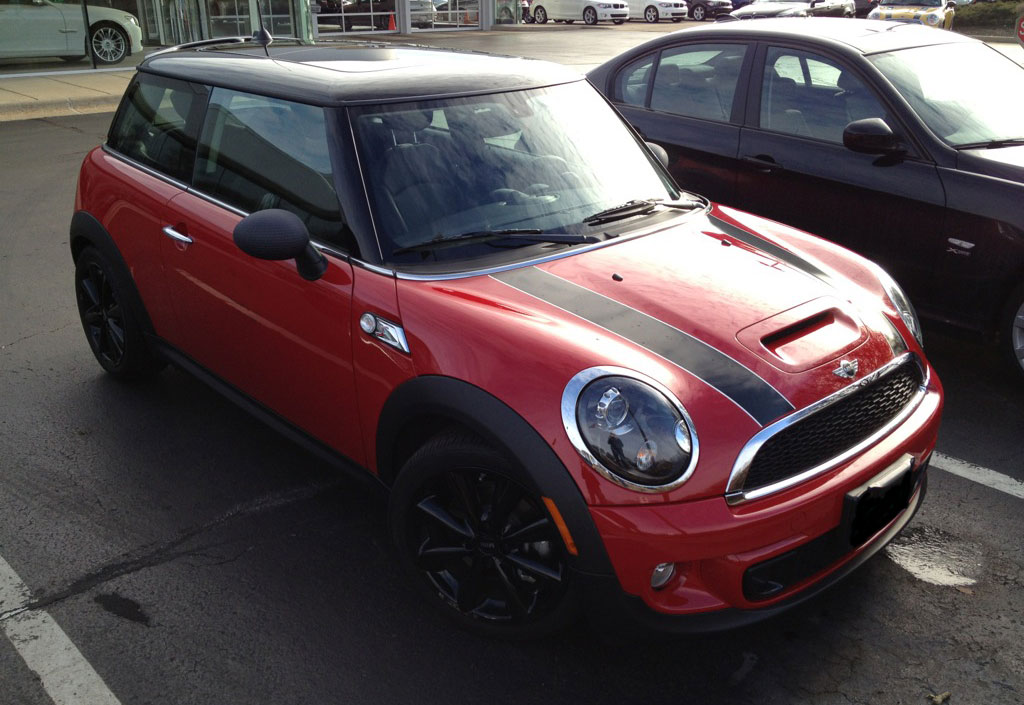
5. 2018 Mini Cooper: A Sharp Fall in Modern Reliability
Despite relatively few logged complaints, the 2018 Mini Cooper became one of the most unreliable cars in the brand’s modern lineup. Consumer Reports assigned it a dismal reliability score of just 19 out of 100, with engine performance, suspension durability, and drive system reliability all rated only 1 out of 5.
These ratings suggested a higher likelihood of breakdowns and costly repairs, even if not reflected in NHTSA complaints, which totaled only six. The disconnect between owner survey data and formal complaints raises questions, but the low scores overshadowed the minimal reports.
Adding to the concern, the following year’s 2019 Mini Cooper achieved a much stronger score of 72 out of 100, making the 2018 edition look even worse by comparison.
As a result, the 2018 Mini Cooper quickly earned a reputation as one of the most inconsistent models in the brand’s history. Buyers are often advised to avoid it, given its poor long-term outlook despite its limited official complaint record.
The Mini Cooper remains one of the most distinctive cars on the road, blending heritage, style, and driving excitement into a compact package. However, its track record shows just how much reliability can vary from year to year.
The best models, such as the 2008 and 2021 editions, deliver fun-to-drive character without becoming a financial burden, while problem years like 2005, 2006, and 2018 remind us that charm alone doesn’t guarantee dependability. For buyers in the used market, research is essential.
Checking recalls, maintenance history, and reliability ratings can save both money and frustration in the long run. Ultimately, a well-chosen Mini Cooper can be a rewarding car that offers individuality and performance in equal measure.
By steering clear of the high-risk years and focusing on proven, reliable options, drivers can enjoy the go-kart thrills of the Mini without the constant worry of costly repairs.
Also Read: 10 Cars With Tricky Seatbelt Buckles for Elderly Passengers