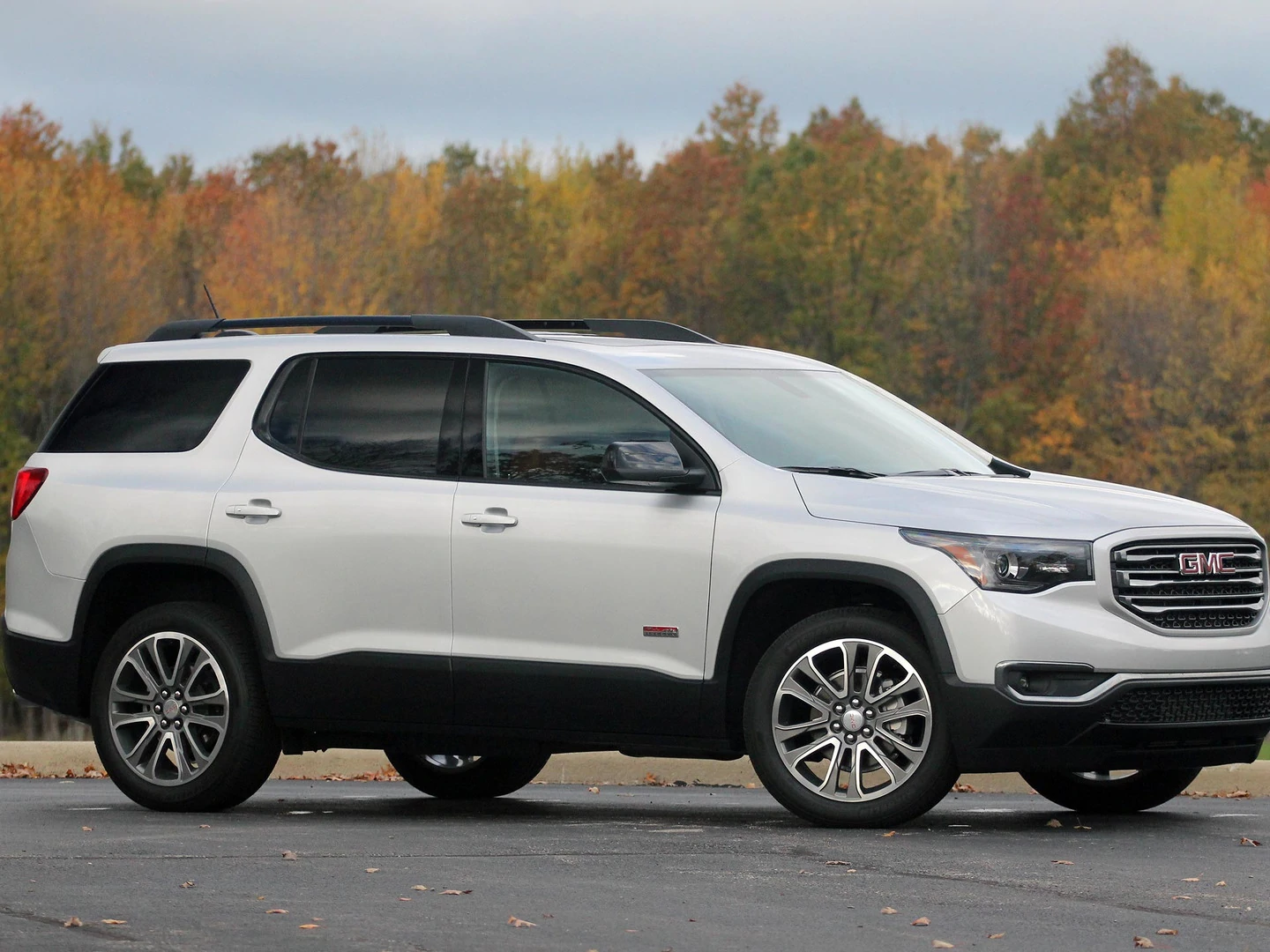
For many American families, the GMC Acadia represents the ideal balance between comfort, practicality, and performance.
With its three rows of seating, spacious cargo area, and family-friendly features, it’s a natural choice for road trips, school runs, and everyday errands.
But like any midsize SUV, the Acadia requires consistent care if you want it to remain dependable for the long haul. Reliability isn’t just about preventing breakdowns; it’s about keeping the vehicle safe, efficient, and stress-free, especially when you have kids and loved ones on board.
By following some simple maintenance habits and driving strategies, you can extend the life of your Acadia and avoid costly repairs down the road. Here are ten tricks that help keep a GMC Acadia reliable for families across the U.S.
1. Stick to Regular Oil Changes
The engine is the heart of any SUV, and oil is what keeps it running smoothly. The Acadia, whether equipped with a four-cylinder or V6 engine, relies on clean oil to prevent friction and overheating.
Neglecting oil changes can cause sludge buildup, reduced fuel efficiency, and even engine failure. Most GMC experts recommend changing the oil every 5,000 to 7,500 miles, depending on your driving habits.
Families who take frequent road trips or do a lot of city driving may need more frequent changes. Using the manufacturer-recommended synthetic oil also provides better protection and longer-lasting performance.
Changing your car’s oil is one of the most basic yet essential maintenance tasks, right up there with learning how to check a dipstick. Despite how simple it is, it’s also one of those chores that many drivers tend to postpone until “another day.”
In this guide, we’ll break down why routine oil changes matter and tackle common questions, such as how often you should change your oil, what type of oil your car needs, and what happens if you neglect this crucial service.
At the core of your vehicle’s performance is the lubrication system, which acts like a protective barrier that allows all of your engine’s parts to move smoothly without excessive or dangerous friction.
Oil is often referred to as the lifeblood of your engine, and for good reason, without it, your vehicle wouldn’t last very long. This system is made up of several key components working together to keep your car running.
Oil is stored in the sump, or oil pan, which sits at the bottom of the engine. From there, the oil pump, essentially the heart of the system, draws oil from the sump and circulates it through the engine.
Metallic passages called oil galleries deliver the oil to the pistons, crankshaft bearings, and camshaft, ensuring each moving part is properly lubricated. Finally, the oil filter, much like the kidneys in your body, removes contaminants and impurities from the oil as it circulates, keeping everything clean and functioning as it should.
Because of this vital role, oil changes are never optional. Replacing your old oil with fresh oil provides a number of benefits: it improves engine performance, increases fuel efficiency, reduces wear and tear on the engine, and prevents sludge buildup.
Skipping regular oil changes may seem harmless at first, but over time, your engine will lose efficiency, accumulate damaging deposits, and eventually seize up completely.
You may have heard the long-standing rule of every 3,000 miles, and while that still applies to some older vehicles, many modern cars can go 7,500 to even 10,000 miles between changes. These days, most vehicles also come with oil-monitoring systems that either track mileage or detect when oil begins to degrade, taking some of the guesswork out of the process.
Still, it’s important to understand that your driving conditions play a big role in how frequently you’ll need an oil change. Manufacturers often describe two schedules: “normal” and “severe.” Under normal conditions, longer drives on open highways, you can usually change the oil every 7,500 miles or once a year.
Under severe conditions, frequent short trips, extreme hot or cold weather, dusty environments, stop-and-go traffic, or heavy towing, you may need to change your oil every 3,000 miles. Roughly 80% of drivers fall into the severe category.
Choosing the right oil is equally important. You generally have two options: conventional or synthetic. Conventional oil is refined from crude oil, while synthetic oil is engineered from chemical compounds to mimic the qualities of conventional oil but with fewer impurities.
Conventional oil is less expensive and works fine under standard conditions, but synthetic oil offers superior performance, especially in extreme temperatures, and provides better long-term protection for your engine. It also maintains its viscosity more consistently, reducing the risk of breakdown.
The trade-off is cost; synthetic oil is more expensive upfront. Your car’s manufacturer ultimately determines which type and weight of oil you should use, so always check the owner’s manual or ask your mechanic. Increased friction accelerates wear on vital parts, and eventually, the engine can seize entirely.
Once that happens, there’s no fix, only an expensive replacement. To avoid this, pay attention to signs that your oil needs changing. Warning lights on your dashboard, dark or dirty oil on the dipstick, louder engine noise or knocking, and even visible exhaust smoke are all red flags that shouldn’t be ignored.
Ultimately, routine oil changes are one of the simplest, most cost-effective ways to keep your car running smoothly and extend its lifespan. Fresh oil ensures better performance, protects your engine, and prevents problems before they become catastrophic. Staying on top of this maintenance task may feel like a chore, but it’s a small investment that pays off every time you turn the key.
Also Read: 10 Steps That Keep a Chevy Equinox Reliable for Families
2. Rotate and Maintain Tires
Since the Acadia is often used as a family hauler, its tires take on a lot of weight and wear. Uneven tire wear can lead to poor handling, reduced fuel economy, and even dangerous blowouts on the highway.
To keep the SUV reliable, rotate your tires every 6,000 to 8,000 miles and check air pressure monthly. Proper alignment is also key, especially if you drive on rough or pothole-filled roads. By keeping the tires in top shape, you’ll ensure a smoother, safer ride for the entire family.
3. Keep an Eye on Transmission Health
The GMC Acadia’s transmission is one of its most expensive components, and problems here can quickly turn into four-figure repair bills. Common issues like rough shifting or hesitation are often linked to skipped maintenance.
To prevent trouble, check transmission fluid levels regularly and replace the fluid at intervals recommended in the owner’s manual.
For families towing small trailers or carrying heavy cargo, transmission maintenance becomes even more important. Catching early warning signs like slipping gears or unusual noises can save you from costly breakdowns.
4. Don’t Ignore Brake Service
Brakes are a critical safety feature for any family SUV, and ignoring them can put everyone at risk. The Acadia’s braking system is designed for a heavy vehicle, but daily use, especially stop-and-go traffic during school drop-offs, wears down brake pads and rotors quickly.
Have your brakes inspected at least twice a year and replace pads before they’re completely worn out. Keeping up with brake maintenance not only ensures reliability but also provides peace of mind when driving with kids in the back seat.
When it comes to safety, few components of your vehicle are as important as the brakes. They are the line between a close call and a dangerous accident.
The challenge is that brake problems often begin with small, subtle symptoms that are easy to overlook until they escalate into something serious. Recognizing the early warning signs can save you from costly repairs and, more importantly, ensure you stay safe behind the wheel.
One of the most common signs that your brakes need attention is the sound they make. A high-pitched squeak or squeal when you press the pedal is often caused by worn brake pads.
Many manufacturers design pads with built-in wear indicators specifically to make this noise as a warning. If the sound progresses to grinding, it usually means the pads have worn down completely, and the exposed metal backing is scraping against the rotors. This not only compromises performance but also leads to expensive damage if ignored.
Another red flag is a vibration or pulsation in the brake pedal. This is usually the result of warped rotors, which can occur when excessive heat from heavy braking causes the rotor surface to become uneven. Besides being uncomfortable, this condition reduces braking efficiency and makes it harder to stop smoothly.
Longer stopping distances are another serious indicator that something is wrong. If it takes more effort or distance than normal to bring your car to a stop, the issue could be worn pads, thinned rotors, or even low brake fluid. Regardless of the cause, this problem directly impacts your safety and should be addressed immediately.
Modern vehicles are also equipped with sensors to help monitor brake health. If your brake warning light appears on the dashboard, don’t dismiss it. Similarly, spotting fluid beneath your car near the wheels could mean a brake fluid leak, which is critical for maintaining hydraulic pressure. Without sufficient fluid, your brakes will lose effectiveness, leaving you vulnerable on the road.
Another warning sign to pay attention to is when your car pulls to one side while braking. This can happen if a caliper is sticking or if a brake line is clogged, creating uneven braking across the wheels. This imbalance not only reduces control but can be particularly dangerous during sudden stops or emergency maneuvers.
The truth is, your braking system is not something to take chances with. Regular inspections and prompt service are the best ways to catch minor issues before they turn into major failures.
Whether you need new pads and rotors for daily driving or a performance system built for track conditions, our team will make sure your vehicle stops with the same confidence that it accelerates.
5. Address Check Engine Lights Promptly
One of the worst habits a driver can develop is ignoring dashboard warning lights. The Acadia’s check engine light could signal anything from a loose gas cap to a serious engine issue.
Waiting too long to address it may cause small problems to escalate into expensive repairs.
A quick diagnostic scan at your local mechanic or parts store can help pinpoint the issue. Families rely on their SUVs daily, so staying ahead of warning lights ensures the Acadia stays dependable and road-ready.
6. Replace Cabin and Air Filters Regularly
A reliable SUV isn’t just about mechanics; it’s also about comfort and health. The Acadia’s cabin filter keeps dust, pollen, and pollutants out of the air, making drives more pleasant, especially for kids with allergies.
The engine air filter, on the other hand, protects the motor from debris while helping maintain fuel efficiency.
Replacing both filters every 15,000 to 30,000 miles improves air quality and ensures smooth performance. This small maintenance step can make a big difference in long-term reliability and family comfort.
Also Read: 5 EVs With Simple Cooling Systems vs 5 With Complex Thermal Issues
7. Stay on Top of Cooling System Care
Overheating is a common issue that can lead to catastrophic engine damage if ignored. The Acadia’s cooling system, including coolant, hoses, and the radiator, needs regular attention to function properly
Coolant should typically be flushed and replaced every 5 years or 100,000 miles, but checking levels more frequently is wise, especially before long family trips.
If you notice leaks, puddles under the SUV, or the temperature gauge creeping up, get it checked immediately. A well-maintained cooling system ensures the Acadia doesn’t leave your family stranded on a hot summer day.
No one wants to be stuck on the side of the road with a car, truck, or bus that has overheated. Staying on top of your vehicle’s cooling system is one of the best ways to avoid costly and frustrating breakdowns. A properly maintained system not only saves you money in the long run but also gives you confidence and peace of mind when you’re on the road.
From recognizing the warning signs of an overheating engine and checking coolant levels to making sure the radiator is running efficiently, a little effort goes a long way toward protecting your vehicle and keeping you safe. Your cooling system is vital to the health of your car, and neglecting it can turn a small issue into a major problem.
The cooling system’s main job is to regulate your engine’s temperature by circulating coolant. Without regular care, it can become clogged with debris, reducing its ability to function and putting your engine at serious risk.
Simple steps like flushing the coolant at the proper intervals, inspecting hoses and connections, and staying alert for problems can prevent expensive repairs and extend the life of your vehicle. Just as your engine takes care of you when you drive, your cooling system needs you to take care of it in return.
One of the most basic but essential tasks is checking your coolant level. It doesn’t take much effort, but it can save you from major engine damage. Find the reservoir tank, usually marked with a brightly colored cap, remove it, and check the level indicator. If it’s low, add a 50/50 mix of coolant and water until you reach the recommended mark.
Be careful not to overfill, since too much coolant can also cause harm. Always stick to the manufacturer’s instructions. By taking a few minutes to check your coolant regularly, you’re making a small investment in your car’s long-term reliability.
Air leaks are another problem that can compromise your cooling system and eventually lead to overheating. They’re fairly easy to identify if you know what to look for. Puddles of coolant under your car or stains near hoses and connectors are clear red flags.
If leaks are harder to spot, a pressure tester can help pinpoint the problem areas. Once you’ve identified the source, replacing faulty parts or tightening connections usually does the trick. Addressing these leaks promptly keeps your system working efficiently and spares your engine from unnecessary stress.
Preventive maintenance is also key to avoiding overheating. Beyond checking coolant and looking for leaks, it’s important to flush the system regularly, inspect the radiator, and replace the thermostat as needed.
Paying attention to subtle changes, like strange noises from the engine or fluctuating temperature gauges, can alert you to issues before they become serious. Preventive care is far less expensive than major repairs, and it ensures your vehicle remains dependable when you need it most.
Driving in hot weather adds extra pressure to your cooling system, but there are ways to minimize the risk of overheating. Keep coolant levels topped up, make sure the radiator is clear of dirt or debris, and plan your driving for cooler times of the day when possible.
If you have no choice but to drive during peak heat, take breaks and park in shaded areas whenever you can. These simple habits go a long way in protecting your engine and avoiding roadside breakdowns during the summer months.
Of course, there are times when professional help is necessary. Warning lights, persistent overheating, or unexplained coolant loss are signals that something bigger is wrong.
Ignoring these symptoms can lead to catastrophic engine damage and leave you stranded in dangerous situations. A qualified mechanic has the tools and expertise to diagnose and repair issues before they get worse. Don’t take chances with your safety or your car’s health, if you suspect a problem, it’s better to address it immediately.
Taking care of your cooling system is one of the smartest ways to keep your vehicle safe, reliable, and efficient. Regular checks, prompt repairs, and extra caution during hot weather can spare you from stressful breakdowns and costly fixes.
By staying alert to warning signs and committing to simple maintenance, you’re taking control of your car’s future and ensuring it stays road-ready for years to come. With consistent care, you’ll be able to keep your cool no matter the season.
8. Use Technology Updates and Recall Fixes
Modern GMC Acadias are packed with technology, from infotainment systems to driver-assist features. But like smartphones, these systems need updates to stay reliable.
Software updates from GMC can fix bugs, improve navigation accuracy, and even enhance safety features. Additionally, keeping track of recalls and service bulletins is essential.
GMC dealerships perform recall fixes for free, and these repairs often address critical safety or reliability issues. Staying current with updates ensures that your family SUV is operating at its safest and most dependable.
9. Protect the Battery and Electrical System
Dead batteries are one of the most common reasons families get stranded, especially during winter or after long periods of inactivity.
The Acadia’s electrical system powers not just the engine but also family conveniences like entertainment screens and USB ports. To avoid trouble, test your battery annually and replace it every 3 to 5 years.
Cleaning corrosion from terminals and ensuring connections are tight also extends battery life. For families, having a reliable electrical system means no unexpected stalls during school drop-offs or vacations.
10. Drive Gently and Smartly
Finally, one of the simplest but most effective tricks for reliability is adjusting your driving habits. Hard acceleration, constant braking, and aggressive cornering put unnecessary strain on the Acadia’s engine, transmission, and suspension.
Families that practice smoother driving not only save money on fuel but also extend the life of their SUV’s major components.
Teaching teenage drivers in the household to handle the Acadia responsibly also helps prevent premature wear and tear. Reliability isn’t just about maintenance, it’s about how you use the vehicle every day.

The GMC Acadia is built with families in mind, but its reliability depends on how well it’s cared for. From routine oil changes and tire rotations to smart driving and keeping up with software updates, these tricks can keep your SUV dependable for years of school runs, soccer practices, and cross-country trips.
By being proactive, families not only avoid costly breakdowns but also gain the confidence that their Acadia will always be ready when it’s time to load up and hit the road.
Reliability, after all, is what makes an SUV truly family-friendly.