
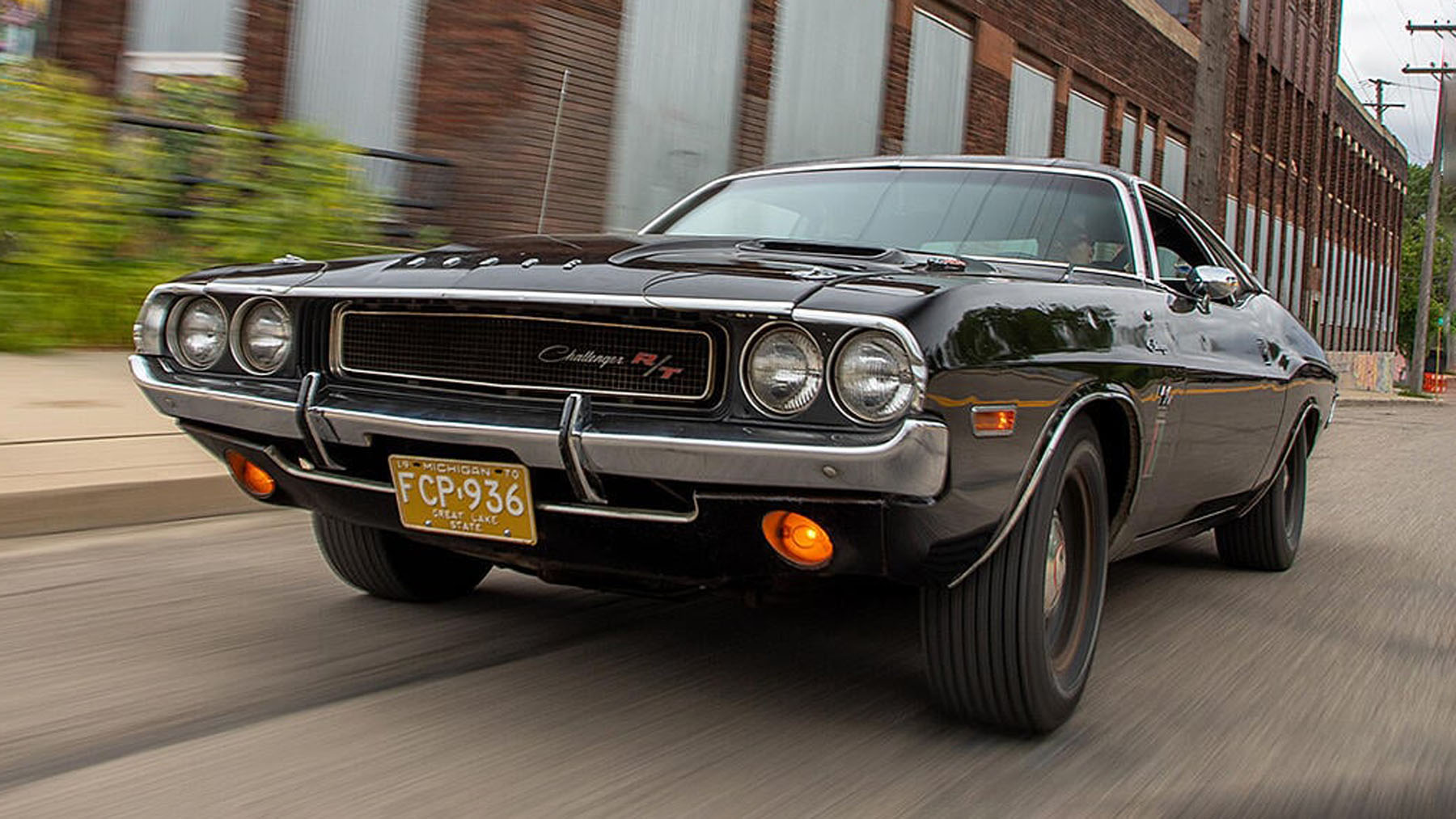
When it comes to American muscle cars, few vehicles stand out as boldly as the Dodge Challenger. Its unmistakable retro-inspired styling, roaring HEMI V8 options, and sheer road presence make it one of the most iconic cars on US roads.
For enthusiasts, the Challenger isn’t just a mode of transportation it’s a lifestyle statement. However, as beloved as this car is, its resale value can take a hit if owners don’t pay attention to how they treat it over time.
Unlike economy sedans or family SUVs, the Dodge Challenger caters to a niche market. Buyers looking for a used Challenger often want a car that feels well-preserved, powerful, and true to its performance roots.
That means any missteps in care or neglect in ownership can cause its resale value to drop much faster than the average vehicle.
Whether you own a base-model Challenger SXT or a high-performance Hellcat, understanding what hurts resale value can save you thousands when it’s time to sell or trade in.
Here are nine steps that can drain a Dodge Challenger’s resale value and what you can do to avoid them.
1. Ignoring Regular Maintenance
One of the fastest ways to devalue any vehicle is by neglecting basic upkeep, and the Dodge Challenger is no exception. Muscle cars tend to be driven harder than typical sedans, which makes oil changes, brake checks, and transmission servicing even more crucial.
A potential buyer will almost always ask for maintenance records, and failing to provide them can instantly cast doubt on the car’s reliability.
Even something as simple as skipping routine tire rotations or letting minor mechanical issues linger can create the impression that the car wasn’t well cared for, reducing resale value.
We all know that routine vehicle maintenance should be done at specific intervals, but in the rush of everyday life, car care often gets pushed aside. The problem is, when you ignore your car’s recommended maintenance schedule, the consequences don’t take long to catch up with you. Skipping out on these essentials can lead to performance issues, higher repair bills, and safety risks you don’t want to face.
Take oil changes, for example. Modern cars are designed to go farther between oil changes than vehicles from years past, with many manufacturers recommending intervals of 7,500 miles or more instead of the old 3,000-mile standard. Still, that doesn’t mean you can ignore them.
Even today’s advanced oils break down over time, losing viscosity and becoming thicker and harder to circulate through your engine. On top of that, oil collects dirt and debris as it ages, which can cause sludging and block passages in the engine. The result? Poor fuel economy, overheating, and in severe cases, engine damage so extensive it can cost thousands of dollars to repair.
Tires are another part of your car you can’t afford to neglect. They’re the only point of contact between your vehicle and the road, making them crucial for both performance and safety. Worn tires mean less grip, longer braking distances, and a much higher chance of losing control in wet conditions—all of which increase the risk of a crash.
Air pressure matters just as much as tread depth, since under- or over-inflated tires can make your car handle unpredictably. And don’t forget that tires have a shelf life. Even if they look fine, rubber begins to dry out and crack with age, usually around five to seven years after manufacture. Driving on old tires puts you at serious risk of a blowout.
Visibility is another critical factor in safe driving, and that depends heavily on your wipers and washer fluid. The last thing you want is to be caught in rain or snow only to find your wipers are ineffective. Because wiper blades are made of rubber, they dry, crack, and wear down over time, leaving streaks and reducing visibility.
Checking them regularly and replacing them at the first sign of wear ensures clear vision in bad weather. Keeping washer fluid topped off is just as important, especially in winter when snow, sleet, and salt create a hazy film on your windshield that wipers alone can’t handle. Without fluid, you could find yourself essentially driving blind.
Then there are the air filters, which many people forget about altogether. Most vehicles have two, an engine air filter that keeps contaminants from getting inside the motor, and a cabin air filter that ensures the air you breathe inside the car is clean.
Both should be replaced about once a year. Neglecting the engine air filter can reduce performance and lower fuel efficiency, while ignoring the cabin filter can hurt the air quality inside your car. In fact, if the cabin filter becomes completely clogged, it can strain or even damage parts of the HVAC system, leading to expensive repairs.
In short, skipping scheduled maintenance may not cause immediate failure, but it sets the stage for bigger and more costly problems down the road. Staying on top of these routine tasks is a small investment compared to the potential risks of putting them off.
Also Read: 5 Commuter Cars That Rack Up Miles vs 5 That Leave You Stranded
2. Over-Mileage from Daily Commuting
The Challenger is designed for performance and enjoyment, but many owners use it as a daily driver. While there’s nothing inherently wrong with commuting in a muscle car, piling on too many miles quickly reduces its market appeal.
Unlike a Honda Accord or Toyota Camry, which are expected to rack up high mileage, performance cars lose desirability once the odometer climbs too high.
A used Challenger with 100,000 miles may scare away buyers who assume it’s been driven aggressively or is nearing the end of its prime performance years.
3. Aftermarket Modifications Gone Wrong
Customizing a Dodge Challenger can be tempting. From cold-air intakes to supercharger upgrades and loud exhaust systems, the aftermarket possibilities are endless.
But not all modifications help resale value; in fact, many hurt it. Buyers often prefer stock or lightly modified Challengers because they want assurance that the car hasn’t been tampered with in a way that could compromise reliability.
Extreme mods, such as stripped interiors, oversized wheels, or engine tuning that sacrifices longevity for raw power, can shrink your buyer pool dramatically.
Unless the modification is tasteful and reversible, it may end up being more of a liability than an asset when it’s time to sell.

4. Poor Cosmetic Care
The Challenger’s styling is one of its biggest selling points, so neglecting the exterior and interior can drastically cut into resale value. Faded paint, scratches, dents, and curb-rash on the wheels are huge red flags for used-car buyers.
Similarly, a worn-out interior, torn leather seats, stained upholstery, or a cracked dashboard suggests careless ownership. Since muscle cars are often seen as passion purchases, buyers tend to be picky about aesthetics.
Regular washing, waxing, and using seat protectors or floor mats may seem minor, but they go a long way in preserving value. A scratch here, a ding there, cosmetic damage is almost inevitable when you drive regularly.
While these issues might seem purely superficial and easy to ignore, they can have a lasting impact on your car’s appearance, resale value, and even its functionality if left unaddressed. That’s why it’s important to understand what counts as cosmetic damage, how it happens, and why you should take care of it sooner rather than later.
Cosmetic damage refers to any harm that affects your vehicle’s appearance without necessarily interfering with its structural integrity or performance.
This includes scratches and scrapes caused by road debris or keys, small dents and dings often left behind in parking lots or from hail, chipping or bubbling paint, cracked or chipped windshields, and even scuffs or scratches on your bumper. These issues may seem minor, but when they accumulate, they begin to drag down your car’s overall look and value.
There are plenty of ways cosmetic damage can occur, and most of them are part of everyday driving. Minor accidents, like clipping a light pole while parking or being tapped in a low-speed fender bender, can leave behind scrapes, bumper scuffs, or chipped paint.
Environmental factors also play a role. Hail can leave dents scattered across your roof and hood, while bird droppings, tree sap, and road salt can permanently stain or wear down paint if not cleaned promptly. Even routine use can take its toll, stones kicked up on gravel roads can chip your windshield, and careless drivers in parking lots can leave dents when they swing their doors open too close to yours.
Neglect makes these issues worse; dirt, dust, and contaminants left to sit on your car’s surface gradually break down the paint, while untreated scratches expose bare metal that eventually rusts. Without regular waxing or upkeep, your vehicle loses its protective shield, leaving it vulnerable to accelerated damage.
Addressing cosmetic damage early makes a big difference. For one, it preserves your car’s resale value. A well-maintained vehicle is worth significantly more when it comes time to sell or trade it in, and potential buyers notice even the smallest imperfections.
Early repairs also prevent rust and corrosion from spreading. What starts as a small scratch can quickly expose the metal beneath and lead to structural issues that are far more expensive to fix. Beyond function and value, taking care of cosmetic damage keeps your car looking sharp and ensures you take pride in its appearance, whether for personal enjoyment or making a positive impression in professional settings.
5. Accident History and Poor Repairs
Nothing drains resale value faster than a collision history, especially on performance cars like the Challenger. Even if the car has been properly repaired, buyers worry about structural integrity, hidden damage, or future mechanical problems.
A car with a clean Carfax history always commands a higher resale price compared to one with an accident record.
Worse yet, if repairs weren’t done professionally or involved cheap replacement parts, buyers may walk away entirely. Safe driving and comprehensive insurance coverage are essential for protecting your investment.
If you’re considering buying a vehicle with an accident history, it’s important to understand how previous damage can affect safety, performance, and resale value. Many buyers hesitate for good reason; hidden issues and costly repairs can surface down the road if you don’t know what to look for. The good news is that with the right approach, you can make an informed decision and still get a great deal.
When you buy a car that’s been in an accident, you’re not just looking at what it appears to be today, you’re also inheriting its history. Past damage can influence the car’s value, reliability, and even your insurance costs.
Even when repairs have been made, the quality of those repairs matters. A car with poorly executed fixes could have lingering structural weaknesses or mechanical problems that impact its performance and safety. That’s why it’s essential to look closely at the type of accident, the extent of the damage, and how the repairs were handled before signing anything.
Of course, not all accidents are created equal. A minor fender bender might only leave behind cosmetic blemishes, while a major collision could cause frame damage, suspension misalignment, or trigger airbag deployment.
Flood-damaged vehicles are another category altogether, often bringing hidden electrical or corrosion issues that can turn into nightmares later. Knowing what kind of damage the car sustained gives you a much clearer picture of its long-term dependability.
The first step when considering a car with an accident history is to pull a vehicle history report from a service like Carfax or AutoCheck. These reports outline past accidents, repairs, and even whether the airbags deployed.
But don’t stop at the report alone, it only tells part of the story. A professional mechanic’s inspection is non-negotiable. An experienced eye can spot issues like misaligned panels, uneven tire wear, hidden rust, or signs of frame damage that you might never notice on your own. They can also test critical systems, especially the suspension, brakes, and engine, if the accident involved those areas.
These details not only affect how the car drives today but also how much trouble and expense you might face down the road. On top of that, don’t overlook the insurance angle.
A car with accident history might carry higher premiums, and in some cases, insurers won’t provide full coverage if the vehicle has a salvage or rebuilt title. It’s always smart to get a quote from your insurance provider before finalizing the purchase.
Buying a used car with an accident history doesn’t have to be a dealbreaker. In fact, many buyers score good vehicles at better prices by being cautious and doing their homework.
As long as you check the records, verify the quality of the repairs, and have a trusted mechanic inspect the vehicle, you’ll know whether you’re getting a reliable ride or stepping into a money pit. The key is not to shy away from accident history altogether, but to approach it with your eyes wide open.
Also Read: Top 10 Cars With Durable Upholstery Offering Long-Lasting Interiors
6. Skipping Tire and Brake Maintenance
The Challenger is a heavy, powerful car, which means it puts more stress on tires and brakes than a typical sedan. Neglecting these wear-and-tear components can make test drives feel unsafe and instantly lower resale value.
Worn brake pads, uneven tire tread, or mismatched replacement tires are major turnoffs for buyers who expect performance cars to deliver responsive handling. Investing in quality performance tires and keeping brakes in top condition isn’t just about safety it directly impacts resale.
7. Excessive Wear from Aggressive Driving
Muscle cars like the Dodge Challenger attract drivers who love speed, but there’s a fine line between spirited driving and abuse. Burnouts, drag racing, or constant hard acceleration can leave lasting scars on the car’s engine, suspension, and transmission.
Even if there are no obvious mechanical failures, experienced buyers or mechanics can usually tell when a car has been driven too hard.
Resale value drops fast when a Challenger shows signs of excessive wear, because the next owner doesn’t want to inherit problems caused by an overly aggressive driving style.
8. Ignoring Software and Tech Updates
Modern Dodge Challengers come with infotainment systems, driver-assist technology, and electronic performance features. If these systems aren’t updated or maintained, the car can feel outdated to potential buyers.
For example, an older Uconnect system with outdated software may frustrate buyers accustomed to modern Apple CarPlay or Android Auto compatibility.
In today’s market, where tech plays a huge role in car ownership, ignoring software updates and digital functionality can make your Challenger seem less valuable than a similar model with everything up-to-date.
9. Lack of Documentation and Ownership Records
When selling a performance car, paperwork matters just as much as condition. Buyers want confidence that the car has been cared for properly.
Missing service records, lost receipts for repairs, or failure to provide proof of ownership history can make resale negotiations difficult.
On the flip side, keeping a detailed log of oil changes, tire replacements, and even aftermarket upgrades shows buyers that the car was maintained responsibly. Well-documented Challengers almost always fetch a higher resale value compared to those with missing histories.
Maintaining a complete and up-to-date collection of vehicle records isn’t just about staying organized, it’s one of the most important responsibilities of owning a car, truck, or motorcycle.
These documents tell the story of your vehicle’s life, covering everything from service history to ownership changes. They can be required for tax purposes, used to resolve disputes, or become essential when it’s time to sell. That’s why having a reliable system in place to manage your paperwork is crucial, ensuring everything is accessible when you need it.
As a general rule, most vehicle-related records should be kept for as long as you own the car. This includes documents like registration, maintenance receipts, and insurance policies. Once the vehicle is sold, certain papers, such as the title transfer and bill of sale, should still be saved for several years afterward.
These records provide proof of the transaction and act as protection against any disputes that may come up. For tax-related items, like deductions for vehicle expenses, the safest approach is to hold onto receipts and records for at least seven years, which aligns with the IRS audit window.
Keeping this documentation well-organized not only ensures compliance but also gives you peace of mind that you’re prepared for any financial or legal inquiries tied to your vehicle’s history. An effective filing system makes all the difference in keeping things simple and secure.
Physical records should be stored in clearly labeled folders, ideally grouped by category, such as registration, insurance, or maintenance, and even color-coded for quick identification.
At the same time, it’s smart to maintain a digital backup by scanning important documents, naming them clearly, and storing them in a secure cloud account or on an external hard drive. This two-pronged approach ensures your information is safe and accessible no matter what.
To further protect against identity theft and unnecessary clutter, it’s important to shred documents you no longer need. Non-essential items like utility bills or redundant receipts can usually be shredded monthly, while outdated insurance policies and old registrations should be destroyed annually after renewals.
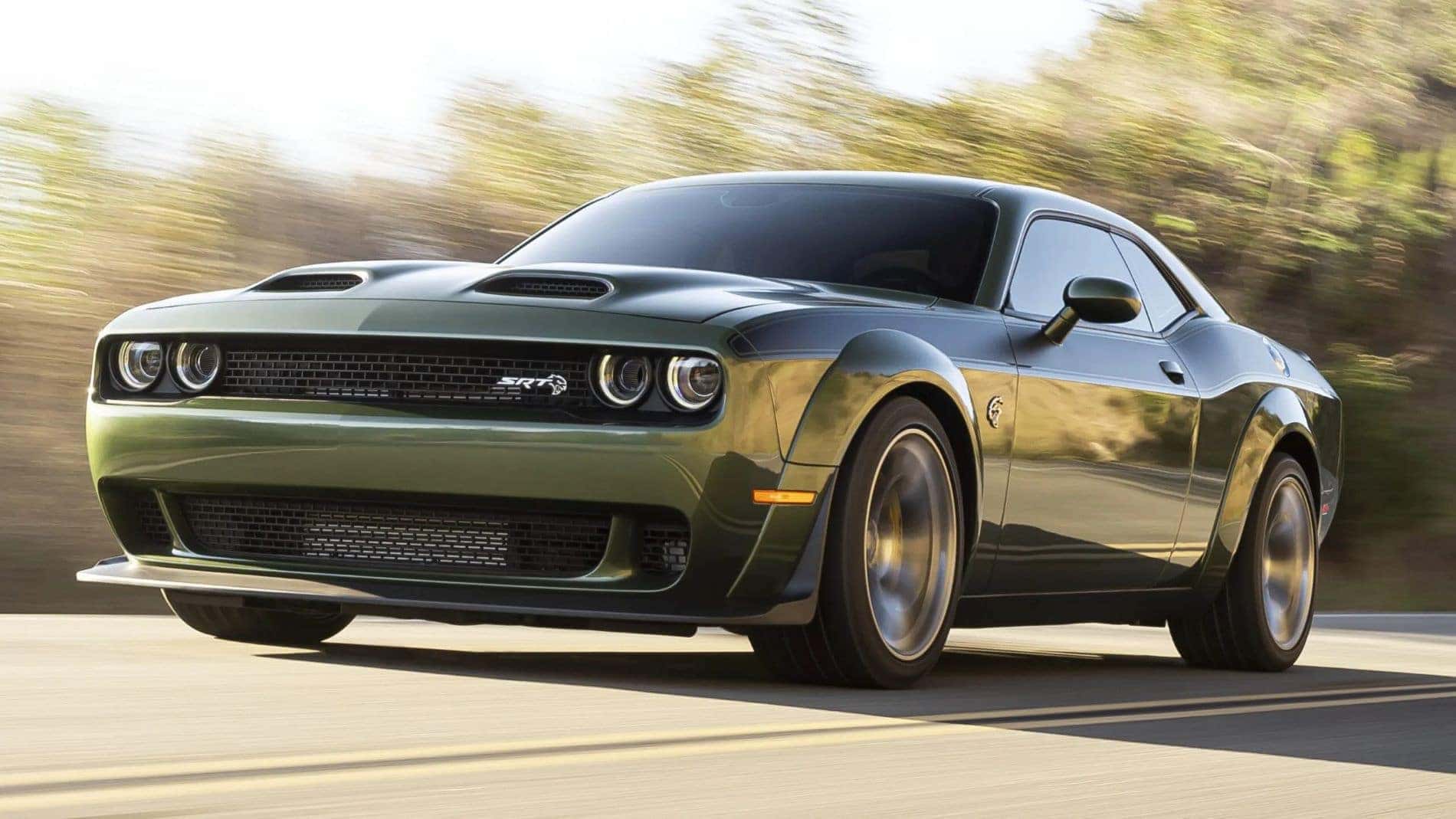
The Dodge Challenger is more than just a car, it’s a piece of American muscle heritage. Whether you’re driving a V6 SXT, a rumbling R/T, or a supercharged Hellcat, resale value ultimately depends on how well you take care of the vehicle.
While some depreciation is unavoidable, avoiding these nine common missteps can help you hold onto thousands of dollars when it’s time to sell.
In the US, the used car market is competitive, especially for performance vehicles. A Challenger that looks sharp, drives smoothly, and comes with proper documentation will always attract buyers willing to pay a premium.
On the other hand, one that shows signs of neglect or abuse will struggle to hold its value. Treating your Challenger with care not only ensures years of driving enjoyment but also protects your wallet in the long run.
