
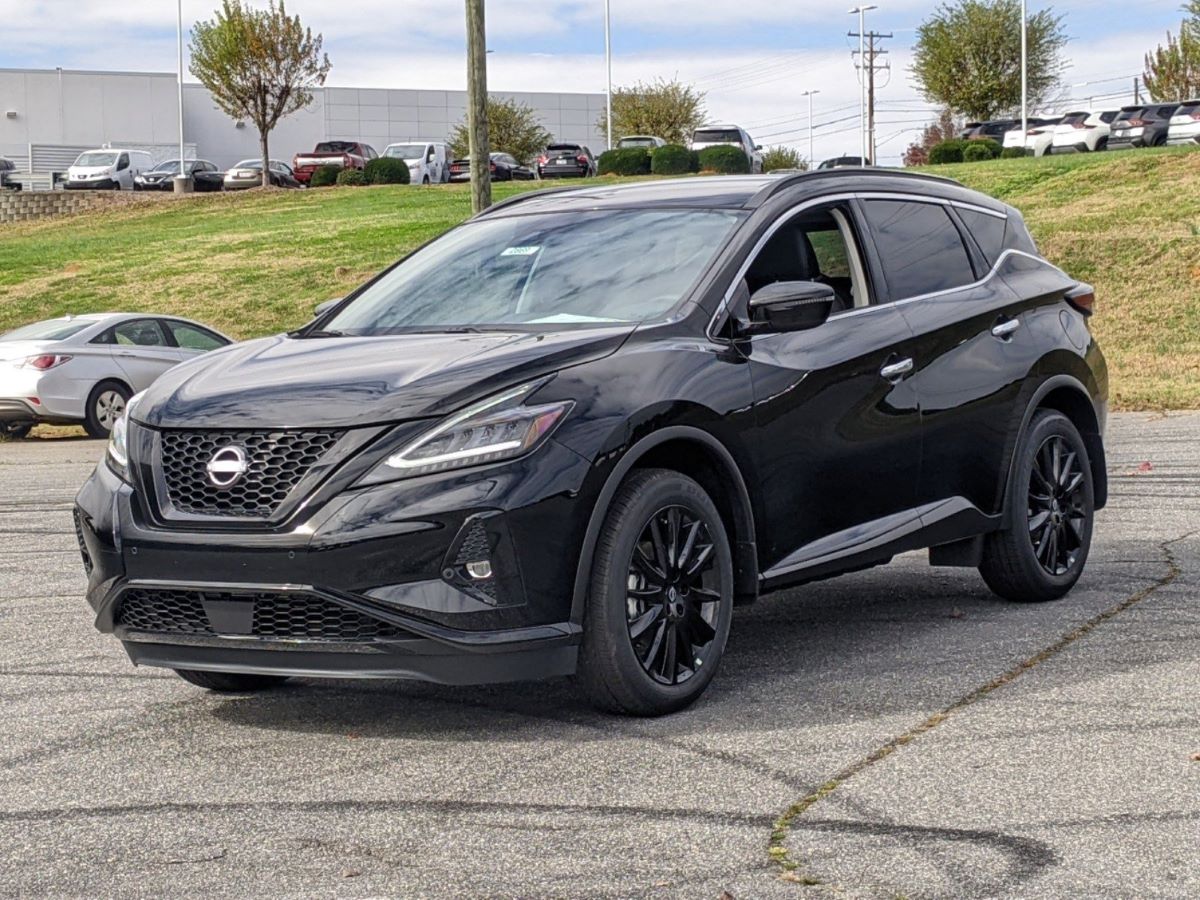
The Nissan Murano has earned a solid reputation in the US as a comfortable, stylish, and reliable midsize crossover SUV.
Known for its smooth ride, quiet cabin, and premium features, it’s a favorite among families, commuters, and those who enjoy weekend road trips.
Despite its strengths, many Murano owners unintentionally make mistakes that dramatically shorten the lifespan of this vehicle.
While the Murano is capable of reaching well over 200,000 miles when properly maintained, certain behaviors and oversights can lead to premature engine failure, transmission issues, and costly repairs.
Here are eight common mistakes that can kill a Nissan Murano too early and how to avoid them.
1. Ignoring Routine Oil Changes
One of the most common ways Murano owners harm their vehicles is by neglecting regular oil changes. The Murano’s V6 engine relies on clean, high-quality oil to lubricate moving parts, reduce friction, and prevent overheating.
Skipping oil changes or using the wrong type of oil can result in sludge buildup, accelerated wear, and eventually catastrophic engine failure.
In the US, many drivers underestimate the importance of adhering to Nissan’s recommended maintenance schedule, often delaying oil changes for months.
To avoid this mistake, check your owner’s manual for the recommended interval typically every 5,000 to 7,500 miles for conventional oil or up to 10,000 miles for synthetic oil and stick to it religiously.
2. Overlooking Transmission Maintenance
Another critical mistake is ignoring the transmission. The Murano’s continuously variable transmission (CVT) is smooth and efficient, but it is sensitive to neglect.
Failing to change the transmission fluid or ignoring early signs of trouble like slipping, jerking, or unusual noises can lead to full transmission failure.
In the US, CVTs are sometimes misunderstood by drivers who expect the same maintenance intervals as traditional automatic transmissions.
Nissan recommends inspecting and replacing the CVT fluid at regular intervals (often around 60,000 miles), and taking early action at the first sign of trouble can save thousands in repairs.
3. Using Low-Quality Fuel
Fuel quality may seem like a minor factor, but it can significantly affect the Murano’s engine over time. Regularly filling up with low-octane or contaminated fuel can lead to carbon buildup, reduced performance, and even engine knocking.
In regions of the US where fuel quality varies, this is a particularly common problem. Using the manufacturer-recommended 87-octane gasoline and occasionally using fuel system cleaners can help maintain engine health and prevent premature wear.
When you’re at the pump filling up your vehicle, the quality of the fuel you select matters more than you might think. It’s not only about choosing the correct octane level for your car, your choice of gasoline can directly influence your engine’s longevity and overall performance.
Industry experts emphasize that there’s a real difference between regular premium fuel and higher-grade options like Top Tier gasoline. While every fuel sold in the U.S. must satisfy the EPA’s minimum detergent requirements, Top Tier brands surpass these standards, offering a cleaner and more protective fuel blend.
Major automakers such as BMW, Ford, Toyota, and Volkswagen endorse Top Tier gasoline, recognizing the advantages of using higher-quality fuel. Independent testing has even demonstrated that Top Tier gasoline results in far fewer deposits on essential engine parts, including injectors, valves, and pistons, when compared with fuels that only meet basic EPA standards.
Minimizing deposit buildup inside your engine is key to preserving efficiency and reliable performance. Too many deposits can trigger issues such as fuel dilution in the oil, which leads to accelerated wear and reduced fuel economy. Choosing Top Tier gasoline from trusted providers like Shell, Mobil, and Chevron helps keep your engine cleaner and running smoothly.
Keep in mind that not every gas station offers Top Tier gasoline, so it’s worth verifying before you fill up. Although it may come with a slightly higher price tag than standard fuel, the benefits over time are undeniable. In the end, your engine will be healthier, and you’ll notice the difference down the road.
4. Ignoring Warning Lights
Modern Murano models are equipped with advanced sensors and warning systems. These alerts are designed to give early warnings of potential issues, ranging from engine misfires to brake system problems.
Unfortunately, many owners ignore these warning lights or dismiss them as minor annoyances.
Ignoring a check engine light, low oil warning, or transmission alert can escalate a small problem into a major, expensive repair. Promptly addressing any dashboard alerts by consulting a professional mechanic or visiting a Nissan dealership can prevent unnecessary damage.
5. Driving Aggressively
How you drive your Murano plays a significant role in its longevity. Aggressive driving behaviors such as rapid acceleration, hard braking, and frequent high-speed driving place enormous stress on the engine, transmission, brakes, and suspension.
Over time, this wear can lead to engine overheating, transmission strain, and premature brake replacement.
While the Murano is built for comfort and performance, maintaining a smooth, steady driving style not only improves fuel efficiency but also prolongs the life of the vehicle’s key components.
From blaring horns to hostile hand gestures, aggressive driving has turned everyday commutes into battlefields where frustration and recklessness overshadow basic courtesy. It’s a scene nearly all of us have encountered, whether as witnesses or participants: gripping the steering wheel with white-knuckled tension, muttering curses under our breath, and feeling the temptation to “teach that driver a lesson.”
Aggressive driving goes far beyond a sour mood behind the wheel. It represents a collection of dangerous habits that put lives and property at risk. The National Highway Traffic Safety Administration (NHTSA) defines aggressive driving as “the operation of a motor vehicle in a manner that endangers or is likely to endanger persons or property.” This broad description covers a wide range of behaviors that we’ll break down further.
The scope of the issue is troubling. Research from the AAA Foundation for Traffic Safety reveals that nearly 80% of drivers admitted to experiencing significant anger, aggression, or road rage behind the wheel at least once in the past year. That statistic represents countless potential incidents unfolding daily across America’s highways and streets.
The consequences of aggressive driving reach far beyond momentary irritation. It poses a serious safety risk, fueling accidents, injuries, and fatalities year after year.
On a larger scale, it also chips away at our well-being as a society, heightening stress, straining relationships, and even impacting mental health. In many ways, aggressive driving reflects deeper cultural and social tensions, making it all the more important to understand its root causes.
To understand aggressive driving, we need to look at the psychological forces driving it. After all, most people don’t leave home planning to intimidate or endanger others on the road. So what transforms otherwise reasonable drivers into sources of road rage?
Stress and frustration are common triggers. Modern life is fast-paced, and for many, the car feels like an extension of personal space. Work deadlines, family pressures, and financial strain can all translate into a shorter temper when driving.
Anger management challenges are also a factor. For some, the sense of anonymity and control behind the wheel can amplify suppressed frustrations. The perceived protection of the vehicle emboldens risky or hostile reactions that wouldn’t surface in face-to-face situations.
Certain personality traits correlate strongly with aggressive driving. Studies show that individuals prone to impulsivity, competitiveness, or thrill-seeking are more likely to take risks on the road. These drivers often have a stronger need for control, leading them to make confrontational moves in traffic.
Cultural and societal expectations also shape driving behavior. In some communities, aggressive driving is seen as a marker of dominance or skill. Media depictions of high-speed pursuits and reckless stunts further glamorize risky driving, especially among younger drivers.
The role of anonymity cannot be overlooked. Inside a vehicle, drivers often dehumanize others on the road. This detachment, known as “deindividuation,” makes it easier to justify aggressive actions that would never occur in a direct, face-to-face interaction.
While psychology explains part of the picture, situational and environmental factors can push even calm drivers toward aggression. Recognizing these triggers is key to reducing their impact.
Traffic congestion is the most obvious culprit. Being stuck in stop-and-go traffic while the clock ticks away can spark irritation and rash decisions, especially for those who feel a strong need for control.
Time pressure is another powerful motivator. Running late for work, appointments, or family responsibilities makes every slow driver and red light feel personal, often leading to risky and aggressive choices.
Poor road conditions and construction zones also stoke frustration. Potholes, confusing detours, and narrowed lanes not only test patience but also increase stress levels, especially in already tense situations.
Adverse weather compounds the problem. Rain, fog, snow, or extreme heat create added challenges such as reduced visibility and longer stopping distances. These factors can heighten vulnerability and push drivers toward defensive or aggressive, responses.
Lastly, the influence of other aggressive drivers creates a chain reaction. Witnessing hostile behavior on the road often sparks similar responses, fueling a cycle of escalating tension. This contagious effect makes driving more hazardous for everyone involved.
6. Neglecting the Cooling System
The cooling system is essential for preventing engine overheating, yet it is often overlooked. A failing radiator, worn-out hoses, or old coolant can result in overheating, warped engine components, and even a blown head gasket.
In the US, where temperatures can vary dramatically by region, ensuring your Murano’s cooling system is in top shape is crucial.
Regularly checking coolant levels, inspecting hoses for leaks or cracks, and flushing the cooling system according to Nissan’s recommended schedule are simple steps that can prevent severe engine damage.
7. Skipping Brake and Suspension Maintenance
The Murano’s smooth ride is one of its defining features, but it relies heavily on a well-maintained braking and suspension system.
Ignoring worn brake pads, failing shocks, or misaligned wheels not only jeopardizes safety but can also lead to uneven tire wear and added stress on other components.
Over time, these small issues can compound, resulting in expensive repairs and reduced vehicle longevity. Regularly inspecting brakes, replacing worn components, and keeping the suspension system in proper alignment are essential preventive measures.
Neglecting car maintenance undermines your vehicle’s safety and reliability, raising the chances of accidents and breakdowns. Regular servicing is essential not only to keep your car performing at its best but also to prevent the failure of critical safety systems such as brakes, the engine, steering, and suspension.
Skipping scheduled maintenance puts more than just your own safety at risk, it endangers everyone on the road. On top of that, ignoring service needs can lower your car’s resale value, making it less appealing to buyers down the line. Staying consistent with maintenance helps you avoid costly repairs, extend the life of your car, and preserve its long-term value.
Letting maintenance slide can compromise both safety and reliability. Worn tires lose traction and raise the likelihood of accidents, while neglected brake systems may fail in critical moments. Regular servicing ensures optimal performance and helps avoid dangerous failures in components like brakes, the engine, steering, and suspension.
Poor engine care, for example, can result in breakdowns or fuel contamination issues that damage the turbo and catalytic converter. Skipping oil changes decreases efficiency, increases heat, and may even void your warranty.
Failing to maintain your car jeopardizes its built-in safety features. Tires with poor tread compromise grip, neglected brakes may malfunction, and weakened steering or suspension reduces vehicle control. These problems put both you and other drivers at risk, turning small maintenance oversights into major road hazards.
Ignoring regular service doesn’t just put lives at risk; it also hits your wallet. Overlooked maintenance leads to part failures that snowball into expensive repairs.
A skipped service can quickly turn into a financial burden. For instance, ignoring brake maintenance allows pads and rotors to wear excessively, damaging the entire system. Neglecting oil changes may cause catastrophic engine failure, often requiring a costly rebuild or replacement. These repairs add up fast and can derail your budget.
Buyers look for well-maintained vehicles with documented service histories. A car that’s regularly serviced commands a higher resale price, while one with gaps or skipped services loses appeal and value. Consistent maintenance not only ensures smooth operation now but also protects your investment when it’s time to sell.
Neglecting maintenance directly affects engine health. Dirt and debris accumulate, reducing efficiency, burning more fuel, and sapping power. Over time, vital components wear out, heightening the risk of severe engine damage or complete failure. Servicing your car at regular intervals ensures your engine runs clean and strong.
Consistent maintenance extends the lifespan of your vehicle. Without it, components deteriorate faster, leading to premature wear and reduced reliability. For example, worn tires increase the risk of accidents, while unserviced brakes may fail when needed most. Regular servicing safeguards systems like brakes, engine, steering, and suspension, preserving both safety and durability.
Skipping scheduled maintenance can also affect your warranty and insurance coverage. Failure to service your car as required often voids the manufacturer’s warranty, leaving you to pay out of pocket for repairs that would otherwise be covered. Insurance companies may also deny claims if it’s determined that neglected maintenance contributed to an accident or damage.
Staying current with your service schedule ensures compliance with warranty requirements, maintains insurance protections, and keeps your car safe and dependable.
8. Failing to Protect the Interior and Exterior
Finally, while engine and mechanical issues often dominate the conversation about vehicle longevity, neglecting the Murano’s interior and exterior can indirectly affect its lifespan.
Exposure to harsh sunlight, extreme temperatures, and road salt (common in northern US states during winter) can damage paint, trim, and interior materials.
Corrosion from rust can spread to structural components, compromising safety and leading to costly body repairs. Using protective coatings, regularly washing the exterior, and keeping the interior clean and conditioned can preserve both the aesthetic and structural integrity of the vehicle.
No matter where you live, your car is under constant attack from the elements. Road salt, harsh sunlight, bird droppings, tree sap, wind, sand, and dust all conspire to wear down your vehicle’s exterior and mechanical components. Even if you’re not in the salt-heavy regions of the Northeast or Midwest, no car is completely safe from the long-term damage caused by ultraviolet (UV) rays and extreme heat.
Most vehicles also face humidity, rain, and temperature fluctuations at some point, which only add to the wear. While rain might not seem threatening, under the right conditions, acid deposits can react with sunlight and eat straight through your clear coat.
To expand beyond the usual warnings, Alan’s Factory Outlet compiled a detailed list of fifteen environmental hazards that can harm your car. Their guide not only explains the risks but also suggests methods of prevention.
We’ve teamed up with them to take a closer look at those hazards and provide practical ways to protect your vehicle. Whether your goal is to preserve a classic, maintain a fleet, or safeguard the resale value of your daily driver, the following insights will help you minimize damage and prolong your car’s life.
One of the most notorious threats is road salt. Snow and ice affect about seventy percent of the U.S., and in cold-weather regions, salt is applied heavily during winter. Drivers in the Midwest and Northeast know how quickly salt clings to paint, axles, frames, and fuel lines, accelerating rust more than almost anything else.
To prevent this, many experts recommend coating the undercarriage with anti-corrosion oil, applying wax before winter begins, and avoiding direct exposure to salt trucks. If your car does come in contact with salt, it’s critical to wash it within ten days, paying special attention to the underbody.
Heat and sunlight are another set of culprits. While summer is easier to endure than icy roads, UV rays can cause paint to fade, blister, or peel, while the heat itself dries out tires and accelerates dry rot, raising the risk of blowouts.
Prolonged exposure to the sun also weakens plastic interior components, leaving dashboards brittle and prone to cracking. Parking in a garage or shaded area helps minimize this risk, and maintaining a solid coat of wax provides extra protection.
Sand, too, can wreak havoc, whether you live near the beach, a lake, or a desert. Because sand is made of small, jagged rock particles, it grinds into sensitive parts such as wheel bearings, brake pads, and calipers.
Municipalities sometimes even mix it into road salt supplies when shortages occur, compounding winter hazards. The best defense against sand damage is consistent washing and, if possible, keeping your vehicle sheltered under a cover or in a garage.
Acid rain, although less common today thanks to stricter environmental regulations, still shows up frequently along the East Coast, especially in the Northeast. While pollution is the primary cause, natural factors can also contribute.
Acid deposits left behind after rainfall interact with sunlight, corroding paint and even sheet metal. Regular washes after storms and storing your car under a cover or inside a garage provide the best protection.
Tree sap is another hazard drivers often underestimate. While the easiest solution is to avoid parking under trees altogether, that isn’t always practical. Fresh sap can usually be removed with a simple wash, but once it hardens, it becomes stubborn and may stain the clear coat permanently.

The Nissan Murano is designed to be a reliable, comfortable, and stylish SUV capable of serving its owners for many years.
However, the eight mistakes outlined above, ranging from neglecting oil changes and transmission maintenance to aggressive driving and failing to protect the vehicle from environmental factors, can significantly shorten its lifespan.
For US drivers who depend on their Murano for daily commuting, family trips, or weekend adventures, avoiding these pitfalls is crucial.
By following the manufacturer’s maintenance recommendations, driving responsibly, using high-quality fuel, and paying attention to warning signs, Murano owners can enjoy decades of smooth, trouble-free driving.
Ultimately, taking a proactive approach to maintenance and vehicle care is far less expensive than paying for major repairs or premature replacement.
For those who want their Nissan Murano to survive well past 200,000 miles, consistent care and mindful driving are the keys to longevity.
