

Keeping a car in good working order is more than just driving it carefully. The Ford Taurus, with its strong build and reliable engineering, can last far longer than many drivers expect when the right attention is given to it.
Many owners often believe that as long as the car starts and moves, it is fine, but the truth is that a vehicle like the Taurus requires constant checks to remain dependable for years. Regular maintenance is not about fixing what is broken; it is about preventing trouble before it begins. A car that receives timely care not only performs better but also saves its owner from expensive repairs.
When people talk about extending the life of their Ford Taurus, it is easy to think only about engine maintenance. While the engine is the heart of the car, several other parts play just as important a role. Ignoring areas such as brakes, tires, fluids, and electrical systems can shorten the lifespan of a vehicle that was designed to go the distance.
That is why a full approach to upkeep is required. What makes these checks important is the fact that the Taurus was engineered with longevity in mind. Ford designed it to handle daily driving, long-distance travel, and family use.
Without proper attention, even the strongest car will begin to wear down faster than expected. By understanding what to look out for and carrying out inspections at the right time, a driver can keep this car reliable for hundreds of thousands of miles.
Below are ten essential checks that can keep a Ford Taurus running strong for many years. Each one focuses on a part of the vehicle that often determines how long it will last.
1. Regular Engine Oil and Filter Changes
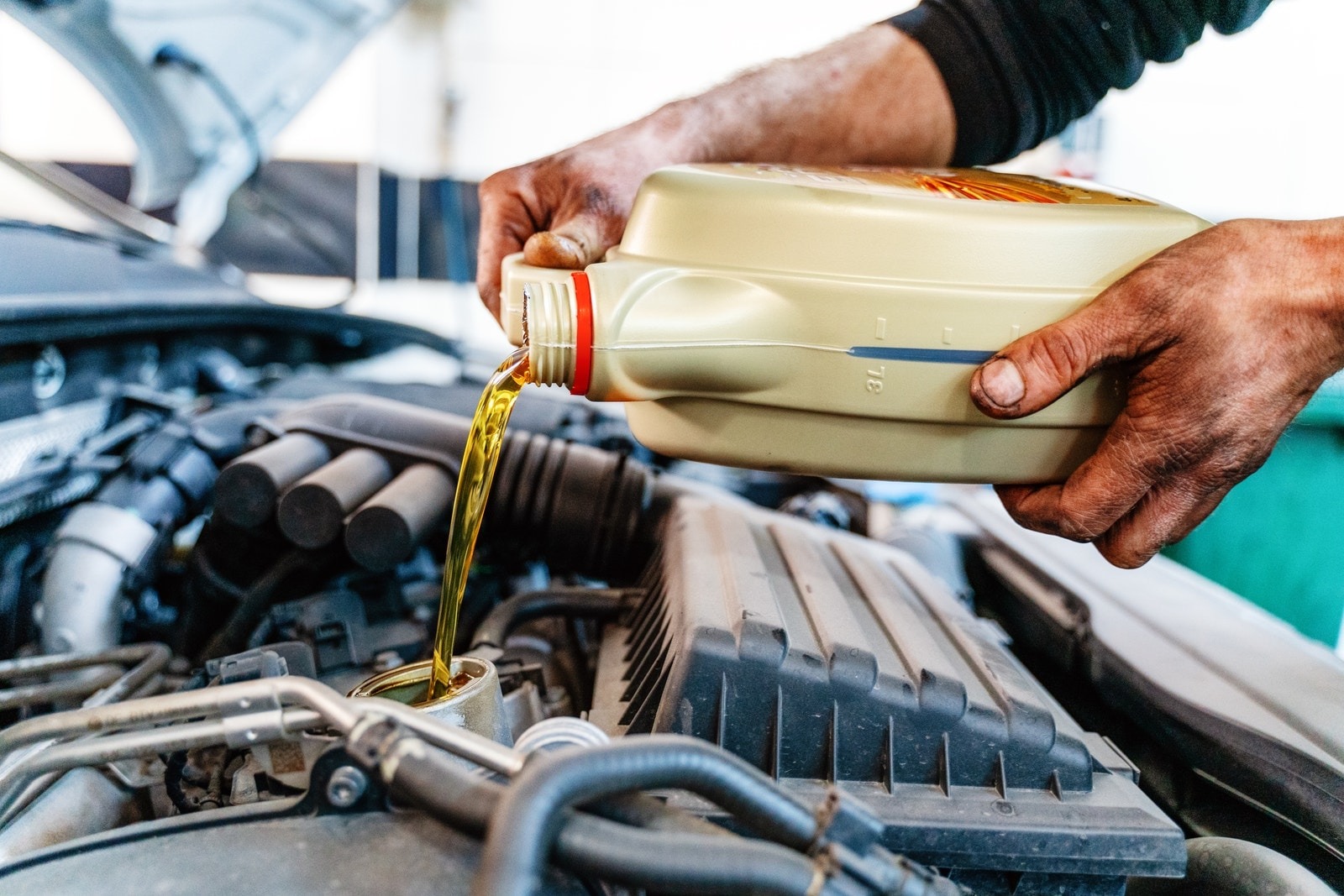
The engine of a Ford Taurus depends heavily on clean oil to function properly. Oil lubricates moving parts, prevents metal-to-metal friction, and helps to keep temperatures steady while the engine is in motion.
When oil becomes dirty, it loses its ability to protect the engine, which can cause wear and tear. The filter also plays a part by keeping out dirt and metal shavings that can damage internal parts. Drivers who delay oil changes risk having sludge build up inside the engine, leading to reduced performance and shortened life.
Car manufacturers often recommend an oil change every 3,000 to 5,000 miles, depending on the type of oil used and the driving conditions. Synthetic oil lasts longer than conventional oil, but both require timely replacement.
For a Taurus that has already covered many miles, sticking to shorter intervals may be safer. Along with changing the oil, the filter should be replaced at the same time, as an old filter cannot perform its job effectively.
Checking oil levels regularly is another habit that adds years to an engine’s life. A simple check with the dipstick allows the driver to see if the oil level is low or if the oil has become too dark and thick. Running an engine with little or no oil can cause complete failure, which is often too costly to repair. Making sure the oil is at the right level is a quick step that prevents such a disaster.
Another reason oil maintenance is so important is due to the way a Taurus engine is constructed. It has tight internal spaces that require good lubrication at all times. When oil is clean and flows well, these parts move smoothly.
Once dirt settles in, friction increases, and parts begin to wear down. Drivers who take oil care seriously often enjoy smoother rides, better fuel economy, and fewer breakdowns. This single habit, though simple, forms the foundation of a long-lasting Ford Taurus.
2. Cooling System Checks and Coolant Replacement
The cooling system of a Ford Taurus is designed to keep the engine at an acceptable temperature. Without it, the heat produced during combustion would quickly destroy engine parts. Coolant flows through the radiator, water pump, and hoses to absorb and release heat, ensuring the car remains within safe limits.
After some time, the coolant becomes less effective and can even corrode the system if it is not changed. For this reason, regular inspection of the cooling system is one of the most effective ways to extend the lifespan of a Taurus.
One major problem many drivers face is overheating. When coolant levels drop too low or the fluid becomes old, the engine may begin to run hotter than normal. Overheating not only damages gaskets and seals but can also cause cracks in the engine block.
This is why mechanics often advise flushing the system every two to three years. During a flush, old coolant is removed and replaced with new fluid that restores protection against both heat and corrosion.
Apart from the coolant itself, the radiator and hoses require close attention. Hoses can weaken with age and develop small leaks that are not immediately obvious. A small leak may seem harmless, but it can gradually reduce coolant levels until overheating occurs.
Radiators can also become clogged with dirt or deposits that stop proper flow. Checking these parts regularly ensures that the cooling system continues to perform as designed. The water pump is another part that should not be ignored. It is responsible for moving coolant through the engine and radiator.
If it fails, the engine will overheat quickly. Signs of a failing pump include coolant leaks around the front of the engine and unusual noises. Replacing the water pump when necessary prevents sudden breakdowns on the road.
Maintaining the cooling system does not just protect the engine; it also improves driving comfort. A properly functioning system allows the air conditioning to work better, making summer driving easier. In short, drivers who make coolant checks a priority extend the service life of their Taurus while avoiding some of the most expensive repairs.
Also Read: 7 Oversights That Make a Ford Fusion Break Down Early
3. Transmission Fluid and System Maintenance
The transmission in a Ford Taurus is one of the most important systems that determines how smoothly the car moves. It is responsible for transferring power from the engine to the wheels. Without proper care, this system can fail, leaving the vehicle unable to move. Transmission repairs are among the most costly for any car, so preventive maintenance is the smarter choice.
Transmission fluid plays a central role in keeping this system healthy. It not only lubricates moving parts but also cools them and helps the gears change smoothly. With time, transmission fluid can lose its quality and become filled with dirt and metal particles.
Dirty fluid increases wear inside the system and can cause harsh shifting, slipping, or even complete failure. Ford recommends regular checks and replacement based on mileage or driving conditions.
For older Taurus models, fluid changes are even more important because wear inside the system may already be present. Mechanics often advise changing fluid every 30,000 to 60,000 miles, depending on use. Heavy city driving or towing puts extra stress on the transmission, requiring shorter intervals. During each service, both the fluid and the filter should be replaced to ensure proper function.
Drivers can also watch out for signs of transmission trouble. If the car begins to hesitate before shifting, makes grinding noises, or leaks red fluid onto the ground, it is time for an inspection. Addressing these problems early can prevent total failure.
Checking the transmission fluid with the dipstick is another habit that helps detect trouble before it becomes serious. Healthy fluid is usually bright red and does not have a burnt smell. Another way to extend transmission life is by driving smoothly.
Sudden acceleration and constant hard braking put unnecessary stress on the system. Allowing the car to warm up before driving in cold weather also helps. With proper fluid maintenance and careful use, the transmission of a Taurus can last as long as the engine itself, saving the owner thousands in repair costs.
4. Brake System Inspections and Maintenance
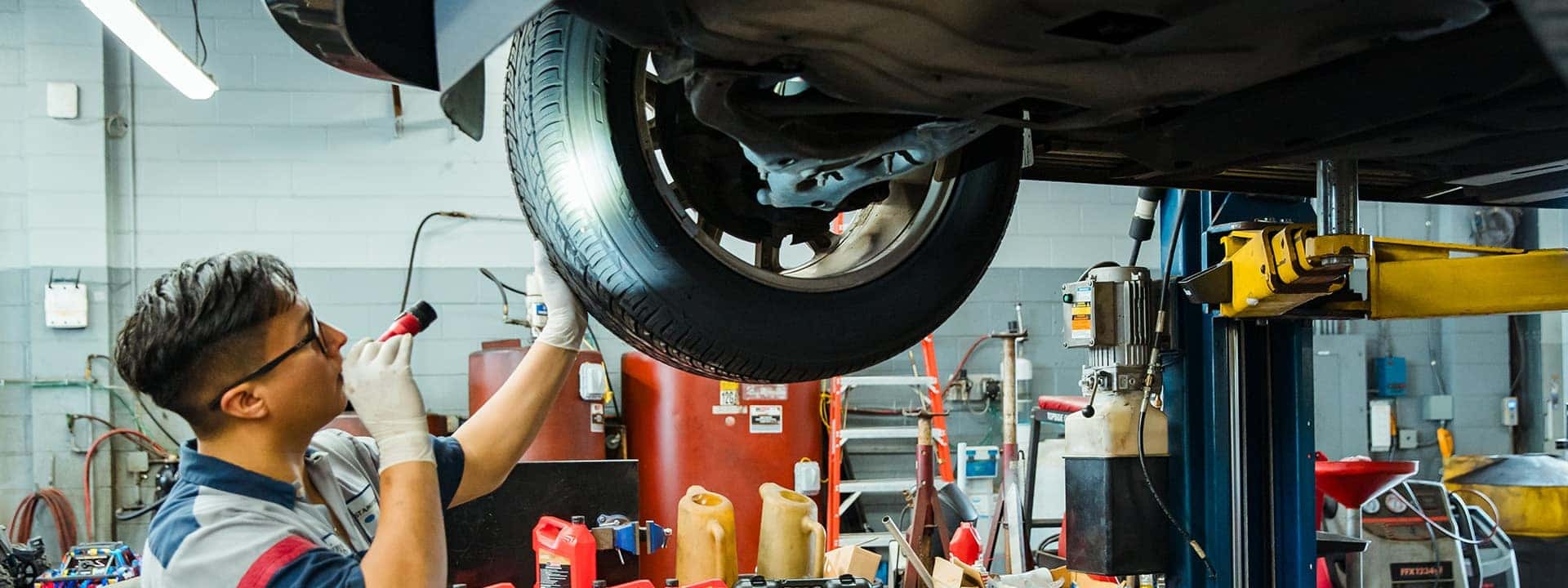
The braking system of a Ford Taurus plays a central role in both the safety and longevity of the car. Many drivers think of brakes only when they start to squeal or lose strength, but regular inspections can prevent such situations.
A car that is unable to stop properly not only puts the driver at risk but also causes damage to other parts of the vehicle. Brake maintenance is not only about replacing pads but about checking the entire system.
Brake pads are the most common parts that wear out. They press against the rotors to slow the car, and with time, the friction material gets thinner. If pads are not replaced on time, the metal backing begins to grind against the rotor, leading to costly replacements.
Mechanics advise checking pads every 10,000 to 15,000 miles and replacing them when they become thin. Using quality pads also makes a difference, as poor materials wear faster and create noise. Rotors must also be inspected during every brake service.
Warped or uneven rotors cause vibrations and reduce stopping power. Some can be resurfaced, but others need full replacement when the damage is deep. Calipers, which press the pads against the rotors, can also fail by sticking or leaking brake fluid. Such problems often go unnoticed until braking becomes uneven, so early checks are necessary.
Brake fluid is another important part of the system. It transfers force from the pedal to the wheels and must be kept clean to work properly. With time, fluid absorbs moisture, which lowers its effectiveness and causes corrosion inside the brake lines.
Flushing the fluid every two to three years keeps the system strong. Checking the fluid level in the master cylinder from time to time helps prevent sudden failure. Drivers should also pay attention to warning signs. Squealing noises, grinding sounds, vibrations, or longer stopping distances are signals that brakes need service.
Ignoring these signs reduces not only the lifespan of the Taurus but also its safety. A strong braking system protects the driver, passengers, and the vehicle itself. Regular inspections and timely replacements extend the life of the car by keeping it reliable on every trip.
5. Tire Care and Wheel Alignment
Tires are often overlooked when drivers think of extending a car’s lifespan, but they affect almost every part of how a Ford Taurus performs. Tires carry the weight of the car, connect it to the road, and affect fuel efficiency and handling. Worn or neglected tires not only reduce safety but also increase stress on suspension and steering parts. That is why proper tire care and wheel alignment are essential.
Tire pressure should be checked at least once a month. Low pressure causes the tires to wear unevenly, reduces fuel economy, and can even lead to blowouts. Also, overinflated tires wear faster in the center and provide less grip. The correct pressure for the Taurus is listed on a sticker inside the driver’s door. A digital gauge or the station pump can be used to confirm the right levels.
Tire rotation is another practice that extends lifespan. Since front and rear tires wear at different rates, rotating them every 5,000 to 7,000 miles ensures even wear. This habit allows all four tires to last longer and provides balanced handling.
Alignment is just as important. When wheels are out of alignment, the car may pull to one side, and tires wear unevenly. Poor alignment also puts stress on steering components and suspension, which shortens their lifespan.
Balancing tires is another step that drivers sometimes ignore. Unbalanced tires create vibrations at higher speeds and wear out suspension parts faster. During every rotation or new tire installation, balancing should be done to keep the car stable.
Tread depth must also be checked. Bald tires cannot grip the road properly, especially in rain or snow. Simple tests, such as using a penny, can reveal when the tread has become too shallow. Replacing tires at the right time is a safety step that also protects other parts of the Taurus from excess strain.
By keeping tires inflated, rotated, balanced, and aligned, drivers not only save money but also give their Taurus better performance. A car with healthy tires runs smoother, puts less stress on its engine, and remains safe for longer journeys.
6. Suspension and Steering System Care
The suspension and steering system of a Ford Taurus determines how comfortable and stable the car feels on the road. It includes shocks, struts, ball joints, bushings, and steering components.
While many people think of suspension only when the ride becomes bumpy, regular inspections help prevent expensive damage. These parts carry the weight of the car and absorb road impacts, which means they wear gradually.
Shocks and struts are some of the most important components. When they wear out, the car begins to bounce excessively after hitting bumps, and handling becomes unstable. Worn shocks not only affect comfort but also increase stopping distances because tires lose contact with the road. Replacing them at the right time ensures both safety and longevity.
Ball joints and bushings also require attention. They connect suspension parts together and allow smooth movement. When bushings crack or ball joints loosen, clunking noises and uneven tire wear begin to appear. Leaving them unchecked leads to steering problems and uneven handling. Mechanics often recommend inspection of these parts during every major service.
Wheel bearings are another part that should not be ignored. They allow the wheels to rotate smoothly, and when they fail, they create humming noises or vibrations. A failing bearing can even cause a wheel to lock up, which is very dangerous. Regular checks and replacements protect both the driver and the car.
Steering components such as tie rods and the steering rack also play a role in extending lifespan. Loose tie rods cause play in the steering wheel, making the car harder to control. Replacing them early prevents accidents and protects the suspension system.
Alignment checks tie into suspension health as well. When alignment is poor, suspension parts wear faster than they should. Combining suspension checks with alignment services ensures balanced wear and a longer-lasting Taurus.
When the suspension and steering system is kept in good condition, the car handles smoothly, tires last longer, and stress on other parts is reduced. A Taurus that rides comfortably and steers well is also a car that will remain dependable for many more miles.
7. Battery and Electrical System Maintenance
A car’s electrical system is often forgotten until it fails to start, but keeping it in good condition is critical for extending the lifespan of a Ford Taurus. The battery, alternator, and wiring all play roles in powering the vehicle and ensuring smooth operation of everything from ignition to lights and electronics. Without proper checks, small electrical problems can turn into big breakdowns.
The battery is the starting point. It provides the power needed to start the engine and run accessories when the engine is off. With time, batteries lose their ability to hold a charge. Heat, cold, and frequent short trips all reduce battery life.
Most batteries last three to five years, but regular testing ensures that a weak one is replaced before it dies completely. Checking for corrosion around the terminals and cleaning them also improves performance.
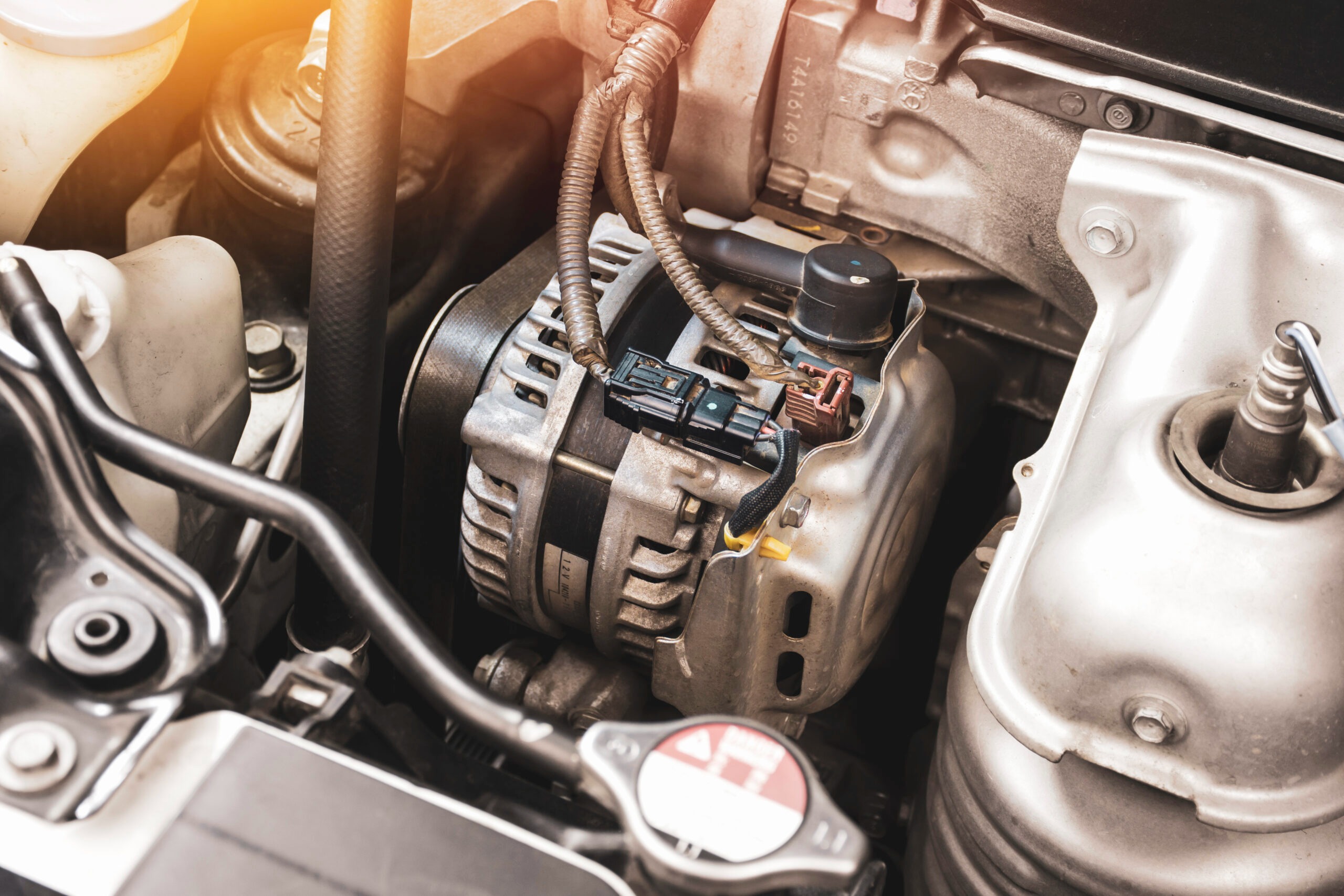
The alternator keeps the battery charged and powers the car while driving. When it begins to fail, signs include dimming lights, warning indicators on the dashboard, or slow cranking when starting. Ignoring these warnings can leave the driver stranded. Having the alternator inspected during routine services is a smart move.
Wiring and fuses are also important. Loose connections or worn wires can cause electrical faults that are difficult to diagnose. Checking the condition of wiring during other maintenance helps prevent problems with lights, sensors, or ignition. Fuses should be checked if any system stops working suddenly.
Modern Ford Taurus models also include many electronic systems such as infotainment, sensors, and climate control. These systems rely on a strong electrical foundation. When the battery and alternator are kept in top condition, these features continue to perform without glitches.
By giving attention to the electrical system, owners prevent many frustrating issues. A strong battery, reliable alternator, and secure wiring ensure the Taurus starts every time and supports its many features. Keeping this system healthy is one more way of extending the lifespan of the car while avoiding unnecessary stress.
8. Exhaust System Care and Emission Control
The exhaust system of a Ford Taurus does far more than remove gases from the engine. It also controls emissions, reduces noise, and helps the car run efficiently. Many drivers pay little attention to it until they notice loud noises or failed inspections. Regular checks on the exhaust system not only improve performance but also extend the lifespan of the vehicle.
One of the most important parts is the catalytic converter. It reduces harmful emissions by converting gases into safer forms. As time goes on, it can become clogged, which restricts airflow and reduces engine power. A failing converter also triggers the check engine light. Replacing a damaged converter is expensive, so keeping the system clean and well-maintained saves money and keeps the car reliable.
The muffler also plays a role. It reduces engine noise and directs gases safely out of the car. Holes or rust in the muffler can create loud sounds and allow fumes to enter the cabin, which is dangerous for passengers. Checking the muffler regularly and replacing it when needed ensures safe and quiet operation.
Exhaust pipes and hangers should not be ignored either. Pipes carry gases from the engine to the back of the car, and if they rust or break, leaks occur. Hangers hold the pipes in place, and when they wear out, the exhaust system can sag or drag on the ground. Quick repairs prevent bigger damage and protect the underbody of the car.
Oxygen sensors also belong to the exhaust system. They measure the amount of oxygen in the gases and send signals to the engine computer to adjust the fuel mixture. Faulty sensors can cause poor fuel economy, rough idling, and increased emissions. Replacing them on time improves efficiency and keeps the Taurus running smoothly.
By inspecting and repairing the exhaust system, drivers prevent harmful leaks, protect the environment, and keep the car performing at its best. A well-maintained system not only supports engine health but also contributes to the entire reliability of the Ford Taurus for many years.
9. Regular Fluid Checks Beyond Oil and Coolant
While engine oil and coolant are often discussed, the Ford Taurus relies on several other fluids that deserve equal attention. Ignoring them can shorten the life of important systems and increase repair costs. Checking and replacing these fluids regularly ensures that every part of the car functions properly.
Brake fluid, as mentioned earlier, is critical for safety. It should be inspected and replaced according to schedule to prevent moisture buildup and corrosion. Power steering fluid is another vital fluid. It allows smooth turning of the wheel and protects the steering pump.
Low or dirty power steering fluid causes stiff steering and can damage the pump, which is costly to replace. Transmission fluid deserves special attention, but beyond that, differential fluid also matters. The differential transfers power from the transmission to the wheels, and its gears need clean lubrication.
Changing this fluid at the right interval prevents gear wear and noise. Many owners forget about it, but mechanics recommend replacement every 30,000 to 60,000 miles, depending on driving habits.
Windshield washer fluid is also part of regular care. While it may seem minor, it improves visibility during rain or dust and contributes to safety. A clogged washer line or empty reservoir can reduce visibility in poor weather conditions. Keeping this fluid topped up is an easy habit that makes driving safer.
Checking for leaks is another important practice. Leaking fluids often signal early trouble. Puddles under the car should never be ignored. Green fluid may be coolant, red fluid may be transmission or power steering fluid, while brown fluid may be old oil. Quick inspections can prevent small leaks from turning into major repairs.
By paying attention to all fluids, not just oil and coolant, a Ford Taurus can operate smoothly for years. Fluids are the lifeblood of mechanical systems, and when they are clean and at the right levels, every system lasts longer. Owners who take time to monitor and replace fluids extend the lifespan of their car without unnecessary expense.
Also Read: 5 Ford Mustang Years Worth Owning vs 5 That Aren’t
10. Routine Inspections of Belts and Hoses
Belts and hoses may look simple, but they are essential for the performance and durability of a Ford Taurus. They connect and drive important parts such as the alternator, power steering pump, and cooling system.
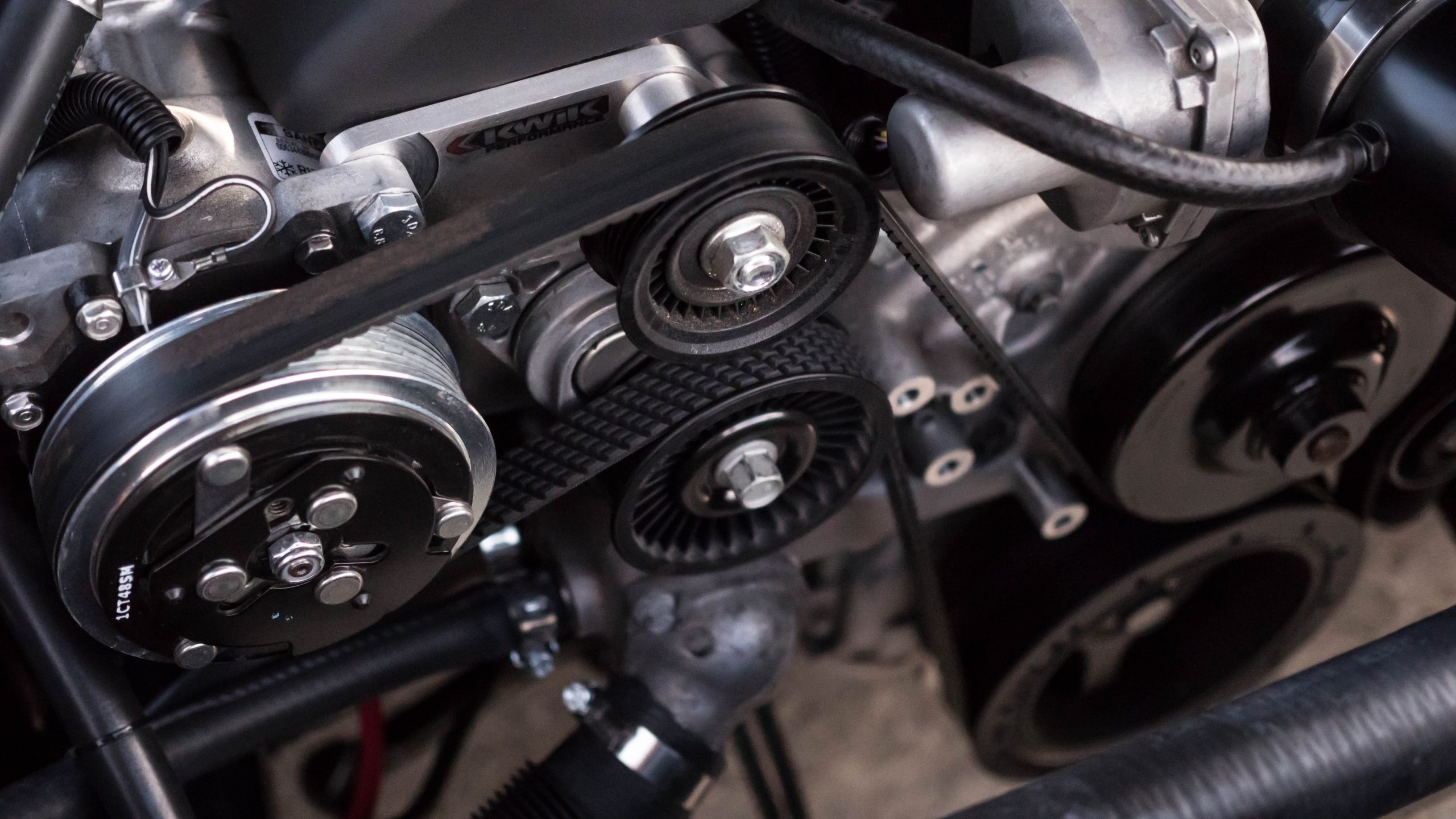
When they fail, the car can break down suddenly and suffer major damage. Checking and replacing belts and hoses on time is one of the simplest ways to extend the lifespan of the vehicle. The serpentine belt is the most common belt in a Taurus. It drives multiple accessories at once, including the alternator, water pump, and power steering pump.
When it cracks or becomes worn, all these systems can fail at the same time. Mechanics usually recommend inspection every service visit and replacement every 60,000 to 100,000 miles, depending on wear. Drivers can also look for signs like squealing noises or visible cracks on the belt.
Timing belts or chains are equally important. They control the movement of engine valves and pistons. If a timing belt breaks, it can cause severe engine damage. While some Taurus models use chains that last longer, others use belts that need replacement at fixed intervals. Checking the manual for the correct schedule and replacing them on time protects the engine from failure.
Hoses carry fluids such as coolant and power steering fluid. With time, they can crack, swell, or leak. A burst coolant hose can cause overheating within minutes, while a damaged power steering hose can make steering difficult.
Inspecting hoses for soft spots, cracks, or leaks during routine service prevents sudden breakdowns. Replacing old hoses with quality ones is always better than waiting for them to fail.
Clamps and connections that hold hoses in place also require attention. Loose clamps cause slow leaks that may go unnoticed until the car overheats. Mechanics usually tighten or replace them during regular inspections.
By paying attention to belts and hoses, owners prevent some of the most common causes of roadside breakdowns. These small parts have a big impact on how long the Taurus remains dependable. Keeping them in good shape ensures that the engine, cooling system, and accessories work without interruption.
A Ford Taurus can serve its owner faithfully for many years when it is cared for properly. Regular checks on oil, coolant, transmission, brakes, tires, suspension, electrical systems, exhaust, fluids, belts, and hoses build a strong foundation for long life. Each of these areas may seem small on its own, but together they determine how reliable and durable the car will be.
Drivers who invest time and effort into these inspections often enjoy smoother rides, lower repair bills, and longer service from their vehicle. The Taurus was designed to last, but its true potential is reached only when it receives steady attention. With consistent maintenance, this car can remain a dependable companion for daily use and long trips alike.
