
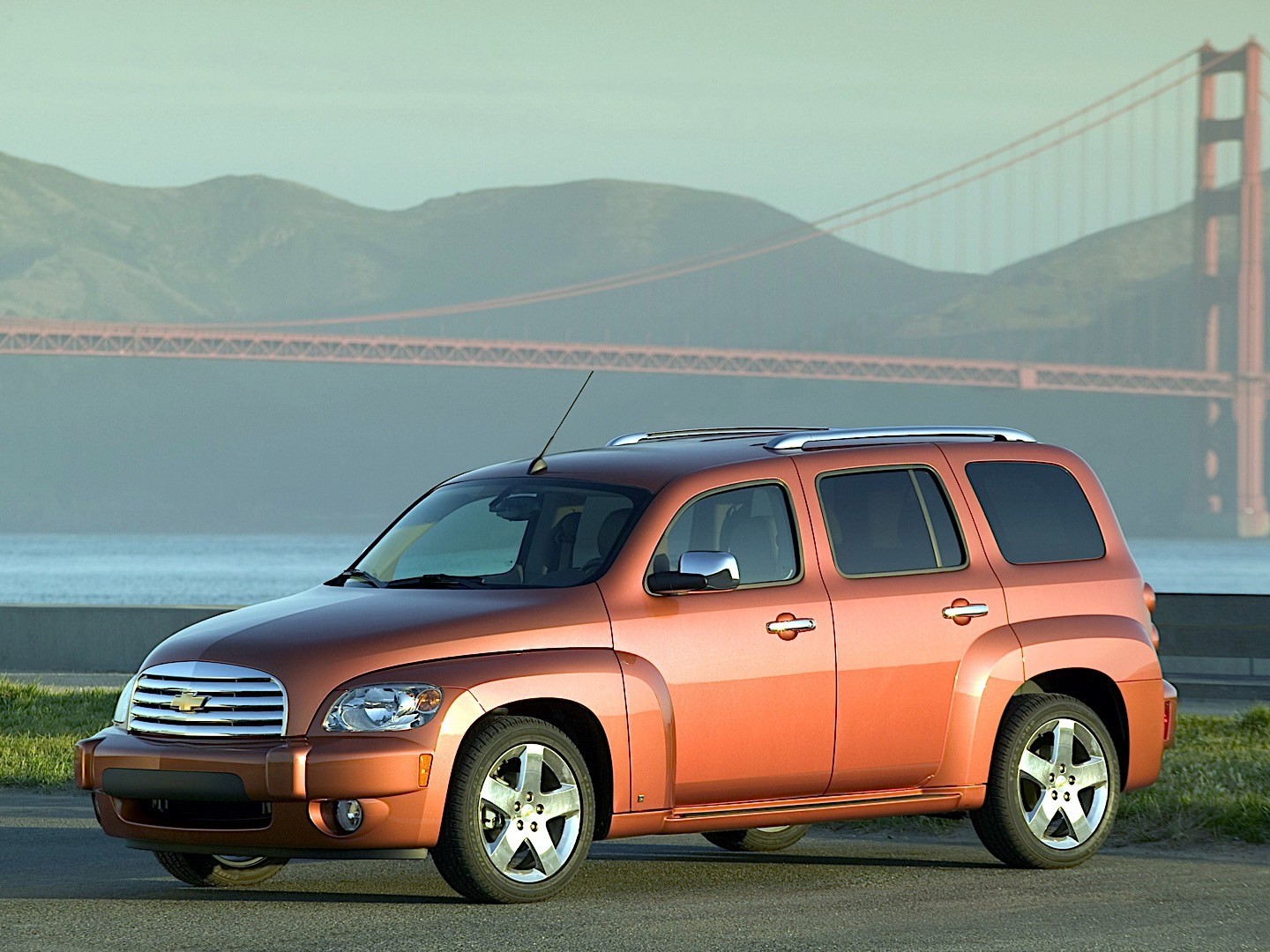
The Chevy HHR, with its distinctive retro styling and practical design, has earned a spot as a reliable daily driver for many owners.
Despite production ending in 2011, the HHR continues to be a favorite among drivers who appreciate its durability, roomy cargo space, and surprisingly efficient performance for a compact retro-styled wagon.
Like any older vehicle, however, the key to long-term reliability lies in how well it is cared for. Owners who adopt proactive maintenance practices often find their HHR serves them faithfully, even as the odometer climbs well past 150,000 miles.
Driving an HHR every day means it has to handle a variety of conditions ranging from short commutes and city traffic to longer highway runs. Comfort, safety, and dependability become top priorities for anyone relying on this vehicle.
Yet, with age, many HHRs face the same set of challenges: issues with suspension parts, electrical quirks, and normal wear on the engine and transmission.
Staying ahead of these potential problems can make a tremendous difference in how enjoyable and worry-free the driving experience remains.
This guide highlights ten essential practices that will not only keep a Chevy HHR running smoothly but will also protect your investment in the long run.
Each tip is designed to focus on the unique needs of the HHR, drawing attention to the systems most prone to wear while providing practical advice based on proven upkeep strategies.
Whether you have just bought a used HHR or have been maintaining yours for years, applying these recommendations can give you confidence every time you turn the key.
Also Read: 10 Hacks That Help a Toyota Supra Survive Daily Driving
Tip 1: Consistent Oil Changes and Fluid Maintenance
Oil is the lifeblood of your Chevy HHR’s 2.2L or 2.4L engine, and regular oil changes are one of the most critical steps for dependability.
Over time, oil breaks down and loses its protective qualities, which can lead to increased friction, sludge buildup, and ultimately premature engine wear.
Many owners make the mistake of stretching oil change intervals beyond what is healthy for the engine, especially with older vehicles. For longevity, you should change the oil every 3,000–5,000 miles if running conventional oil, or 5,000–7,000 miles with synthetic.
In addition to oil, the other vital fluids in the HHR must be monitored and replaced when necessary. Transmission fluid, coolant, brake fluid, and power steering fluid each serve specialized purposes, and neglecting them can create preventable repair bills.
The HHR’s automatic transmission, in particular, benefits from fresh fluid and filter changes at around 50,000-mile intervals. Old fluid breaks down and causes harsh shifting, which can shorten transmission life dramatically.
Coolant is another priority, especially since the aluminum components in the HHR’s engine are vulnerable to corrosion if neglected.
Flushing and replenishing the coolant every 50,000 miles helps maintain proper operating temperatures while protecting against overheating.
Regular brake fluid checks ensure safe stopping power, while topping off power steering fluid avoids unnecessary steering pump strain.
Despite being time-consuming, fluid maintenance is the simplest way to keep daily driving stress-free. With basic routine checks and timely fluid replacements, your HHR remains smooth, efficient, and capable of handling daily demands.
Tip 2: Tire Care and Alignment Checks
The Chevy HHR is designed with practicality in mind, meaning reliable tires are essential for safety and predictable handling.
Worn tires not only compromise grip and traction but also shorten braking distances, which is critical in daily driving scenarios like sudden stops or wet road conditions.
Checking tire tread regularly and replacing them once wear indicators show is an inexpensive safeguard against bigger problems. Rotating the tires every 6,000–8,000 miles ensures even wear across all four corners, extending overall tire life.
Alignment checks are equally important. Older HHR models are known to develop worn suspension bushings or struts, which in turn cause uneven wear and poor alignment.
When tires begin to wear unevenly, owners face the double cost of frequent replacements and reduced ride comfort.
Performing annual alignment checks helps keep suspension geometry within the correct specification, preserving vehicle stability and steering accuracy.

In addition to tread and alignment, maintaining correct tire pressure is an often-overlooked requirement. Improper pressure affects fuel economy and steering feel while also increasing the risk of sidewall damage.
The HHR responds best when tires are inflated to factory specifications, which are usually posted on a placard inside the driver’s door. Under-inflated tires reduce mileage and cause sluggish handling, while over-inflated tires create harsh rides with less control.
Daily drivers experience changing road conditions, potholes, and unexpected obstacles. Proper tire and alignment care not only protects against these challenges but also ensures your HHR continues to deliver reliable handling and safety for many miles ahead.
Tip 3: Suspension and Steering System Inspections
A comfortable ride and stable handling are essential when driving an older Chevy HHR every day. With time and mileage, components in the suspension and steering system naturally degrade, which can create a harsher ride and compromise safety.
Worn ball joints, control arm bushings, tie rods, and shocks or struts are common issues in the HHR due to its age. If left unchecked, these worn items can cause clunking noises, vibrations, or erratic handling, making commutes less comfortable and potentially unsafe.
Inspecting the suspension system at least once a year, or whenever unusual noises appear, is highly recommended.
If the front struts or rear shocks start to leak or lose their damping ability, the HHR will bounce excessively over bumps, which also speeds up tire wear. Replacing worn struts and shocks not only restores ride quality but also reduces strain on other suspension components.
The steering rack and tie rod ends are also known wear points. When steering feels loose or unresponsive, it often indicates wear in these areas.
Catching and replacing these parts before they completely fail prevents dangerous driving situations. Daily drivers rely on precise steering for lane changes, parking, and highway travel, so ignoring these issues only multiplies the risks.
Many HHR owners find that fresh suspension components can make the vehicle feel nearly new again.
This investment improves ride smoothness, extends tire longevity, and reduces driver fatigue. A well-maintained suspension and steering system make the HHR both reliable and enjoyable for the daily grind.
Tip 4: Transmission Care for Smooth Performance
The Chevy HHR often operates with the 4-speed automatic transmission, which is known to be durable but will show signs of wear if neglected.
Transmission failures are one of the most expensive repairs a vehicle owner can face, which makes preventative care an absolute priority. For smooth performance, it is critical to ensure that fluid levels are correct and that the fluid itself stays in good condition.
One of the most common issues is delayed or harsh shifting, which often signals dirty or degraded transmission fluid. Unlike engine oil, transmission fluid is not always checked or changed as often as it should be.

The HHR benefits from fluid and filter changes roughly every 50,000 miles, although driving conditions may require sooner intervals. This helps remove debris and prevents internal wear on clutches and gears.
Monitoring for leaks is another smart habit. Transmission fluid is typically red, making leaks easy to spot underneath the vehicle. Even small leaks can quickly lower fluid levels, resulting in overheating and increased wear. Catching leaks early keeps repair bills small and manageable.
Drivers should also avoid aggressive driving habits that stress the transmission, like rapid acceleration or holding gears unnecessarily. The HHR was engineered as a practical daily commuter, and driving it smoothly rewards you with better transmission longevity.
By combining periodic fluid service, leak prevention, and gentle driving habits, you not only reduce the risk of breakdowns but also keep your HHR shifting consistently and dependably.
Tip 5: Electrical System and Battery Maintenance
Electrical issues are a common source of frustration among Chevy HHR owners, often stemming from aging wiring, weak batteries, or alternator wear.
Since daily driving requires consistent reliability, staying on top of the electrical system is crucial. A well-performing battery ensures easy starts, while a strong charging system prevents unnecessary strain on other components.
Battery health should be tested annually, especially as it ages past three years. Corroded terminals or loose connections can reduce charging efficiency, leading to slow cranking or occasional stalling.
Cleaning battery connections and applying dielectric grease prevents buildup of corrosion, ensuring current flows freely. Replacing an old or weak battery before winter is another smart step since cold weather makes starting more demanding.
The HHR’s alternator and starter also require attention. A failing alternator may show signs such as dim headlights, warning lights on the dashboard, or electrical accessories functioning erratically.
Addressing alternator problems early keeps you from being stranded with a dead battery. The starter motor, while usually long lasting, can also wear out after years of daily use. Paying attention to changes in start-up performance helps spot issues before they escalate.
Because the HHR houses several electronic modules for its power windows, locks, and audio system, owners should also check fuses and wiring regularly. Simple inspections can prevent cascading electrical failures that are often expensive to repair.
Consistent care of the battery and charging system, combined with awareness of age-related electrical wear, keeps your HHR ready to go every morning without worries.
Tip 6: Regular Brake System Service
The brake system is arguably the most important safety feature in any vehicle, including the Chevy HHR. With frequent starts, stops, and traffic encounters during daily commutes, brakes experience significant wear and require consistent monitoring.
Worn brake pads or malfunctioning components not only reduce stopping power but also increase the risk of accidents.
Inspecting the brake pads and rotors every 10,000 miles is a responsible habit. Replacing brake pads before they wear down to the metal backing prevents rotor damage, saving money and avoiding dangerous grinding noises.
Rotors that develop deep grooves should be resurfaced or replaced to maintain proper stopping power. The HHR, being an older design, may also experience occasional caliper sticking, which can create uneven pad wear or pulling to one side under braking. Checking for this during service minimizes complications.
Brake fluid is another often-overlooked part of maintenance. Since it absorbs moisture over time, old brake fluid can boil under heavy braking or corrode the hydraulic system from within. Flushing the brake fluid every two to three years ensures reliable performance and prevents costly component failure.
Pay attention to the brake pedal feel as well. A soft or spongy pedal signals air or moisture in the system, which requires immediate service.
Vibration during braking often points to warped rotors, which should be resurfaced or replaced. Daily driving demands confidence behind the wheel, and prioritizing brake system care ensures the HHR maintains safety as its highest standard of performance.
Tip 7: Cooling System Efficiency
Older vehicles like the Chevy HHR rely heavily on a well-maintained cooling system to prevent overheating and ensure optimal performance.
The combination of an aluminum engine block with multiple plastic radiator components makes the cooling system sensitive to wear. This means vigilant monitoring and timely maintenance are essential to avoiding breakdowns on daily commutes.
The radiator, hoses, water pump, and thermostat must all work in harmony to regulate engine temperature. With time, coolant hoses may crack or swell due to constant heat and pressure cycles.
Replacing worn hoses before they fail keeps coolant circulating properly and prevents overheating.
The thermostat also plays a vital role, opening and closing to manage engine heat. A sticking thermostat can cause either overheating or an engine running too cold, both of which reduce fuel efficiency and compromise performance.
Coolant itself should be replaced every 50,000 miles to maintain corrosion resistance and heat transfer.
Older coolant loses effectiveness and may allow deposits to form inside the radiator and heater core. This buildup restricts flow, leading to higher operating temperatures and potential head gasket issues.
The HHR’s electric cooling fan must also function correctly. If the fan motor fails, the engine will overheat quickly in traffic. Testing fan operation during regular inspections ensures peace of mind in demanding conditions.
By respecting the cooling system’s needs, owners drastically reduce the risk of roadside breakdowns while extending the HHR’s overall reliability as a dependable daily companion.
Tip 8: Exhaust System and Emissions Monitoring
A healthy exhaust system is about more than just keeping your Chevy HHR quiet. It directly affects performance, fuel economy, emissions compliance, and overall safety. Over years of use, the muffler, catalytic converter, and exhaust piping can rust or develop leaks.
Small leaks may start as a slight noise but can quickly become a hazard by allowing harmful gases to enter the cabin or by reducing engine efficiency.
Checking the exhaust system annually under the vehicle helps detect rust spots, cracks, or loose connections. Midwest and northern regions where road salt is common tend to accelerate corrosion, making inspections even more important. Replacing rusted sections promptly avoids costly extensive repairs later.
The HHR is equipped with oxygen sensors that feed data to the engine control unit. When these sensors fail, the check engine light typically illuminates, and fuel efficiency drops noticeably.
Replacing faulty sensors restores proper air-fuel mixture regulation, leading to smoother driveability and lower emissions output.
Likewise, a failing catalytic converter will cause loss of power and potential inspection failures, requiring prompt service for both environmental and functional reasons.
Keeping exhaust components tight and functioning correctly prevents additional stress on the engine. Not only does this improve reliability, but it also reduces exposure to harmful gases like carbon monoxide.
For daily reliability, ensuring the HHR’s emissions system operates flawlessly is a win for fuel economy, safety, and mechanical stability. Timely attention here translates to years of dependable service without unpleasant surprises.
Tip 9: Interior Features and Comfort System Upkeep
Even though reliability is often associated with mechanical parts, the interior comfort system of your Chevy HHR also plays a role in long-term satisfaction.
Daily driving requires dependable heating, ventilation, and air conditioning, as well as properly functioning electrical accessories inside the cabin. An uncomfortable or poorly maintained interior can make regular commutes unnecessarily stressful.
The HHR’s HVAC unit is a known point of wear, especially blower motors and A/C compressors. When airflow weakens or unusual noises appear, it is often a sign the blower motor is failing.
Replacing it ensures reliable defrosting in winter and consistent cooling during summer. Similarly, keeping the cabin air filter clean not only improves air quality but also reduces strain on the HVAC system.
Electrical features like power windows, locks, and radio systems also need occasional upkeep. Faulty regulators in the windows or blown fuses are well-documented issues as the HHR ages. Checking these systems regularly and replacing worn switches or regulators keeps convenience features reliable.
Interior comfort extends beyond gadgets and controls. Seat frames, interior trim, and upholstery also benefit from occasional care.
Lubricating seat rails, cleaning fabric, and tightening loose trim help maintain a pleasant driving environment. Small efforts here prevent rattles, squeaks, or discomfort during long commutes.
Since many drivers spend hours inside their HHR daily, addressing interior comfort ensures the vehicle remains not only mechanically reliable but also pleasant for continued use.
A well-maintained cabin supports a stress-free drive while matching the robustness of the vehicle’s mechanics.
Tip 10: Rust Prevention and Body Care
Longevity in a daily driver isn’t solely dependent on mechanical reliability. For a Chevy HHR, body durability is equally important because rust can quietly compromise both appearance and structural integrity.
Once corrosion spreads, repairs become costly and difficult, which makes prevention the most effective strategy.
The HHR’s wheel arches, rocker panels, and underbody are especially vulnerable to rust, particularly in regions where road salt is used during winter.
Regular washing, including the underside of the vehicle, helps remove salt and debris that accelerate corrosion. Investing in an underbody sealant or rust-proofing treatment provides additional protection against harsh conditions.
Checking for early signs of bubbling paint or small chips is also crucial. Addressing these flaws quickly with touch-up paint prevents them from turning into rust patches.
Trapped moisture behind trim or moldings is another area where corrosion develops unnoticed, so carefully cleaning these spots helps prevent long-term damage.
Keeping door seals clean and lubricated is another step often missed by owners. Strong seals help reduce water intrusion, which can eventually contribute to mold, interior wear, and hidden rust. Waxing the exterior two or three times a year also builds a layer of defense, preserving paint and slowing oxidation.
By giving equal attention to the vehicle’s body panels alongside engine and mechanical components, you protect not only reliability but also resale value. A rust-free HHR feels solid, looks appealing, and most importantly retains its strength as a practical daily commuter for years to come.
Keeping a Chevy HHR reliable for daily driving is less about complicated repairs and more about consistent care.
The vehicle, though aging, has earned a reputation for durability when owners stay ahead of essential maintenance. Each area of attention plays a direct role in preserving performance, safety, and comfort during the years of daily use.
The basics begin with oil and fluid care. Clean oil, fresh coolant, and proper transmission fluid extend the lifespan of the powertrain while ensuring smooth operation.
Tires and alignments follow closely as everyday essentials, since they affect fuel economy, handling, and braking confidence. Together, these simple routines create a strong foundation for the HHR’s dependability.
Suspension and steering checks add another layer, restoring ride quality and maintaining road control as components age. Transmission upkeep prevents costly failures, while electrical system care ensures hassle-free starts and functioning accessories.
Brakes, cooling systems, and exhaust parts represent critical safety and operational elements that should never be overlooked. Addressing them on schedule avoids expensive surprises and makes daily commutes stress-free.
Comfort systems, including HVAC and interior features, also deserve attention, since driver satisfaction strongly depends on a pleasant cabin.
Finally, rust prevention and body care protect appearance and structural integrity, allowing the HHR to remain trustworthy long after mechanical issues are managed.
When combined, these ten practices make a lasting difference. They transform the HHR from just a used car into a reliable partner for everyday travel.
With consistent preventative care, small issues never have the chance to grow into major breakdowns. Owners who follow these steps enjoy confidence, comfort, and peace of mind, knowing their Chevy HHR is prepared for the miles ahead.
Also Read: 10 Common Mistakes That Kill a Toyota Corolla Engine
