
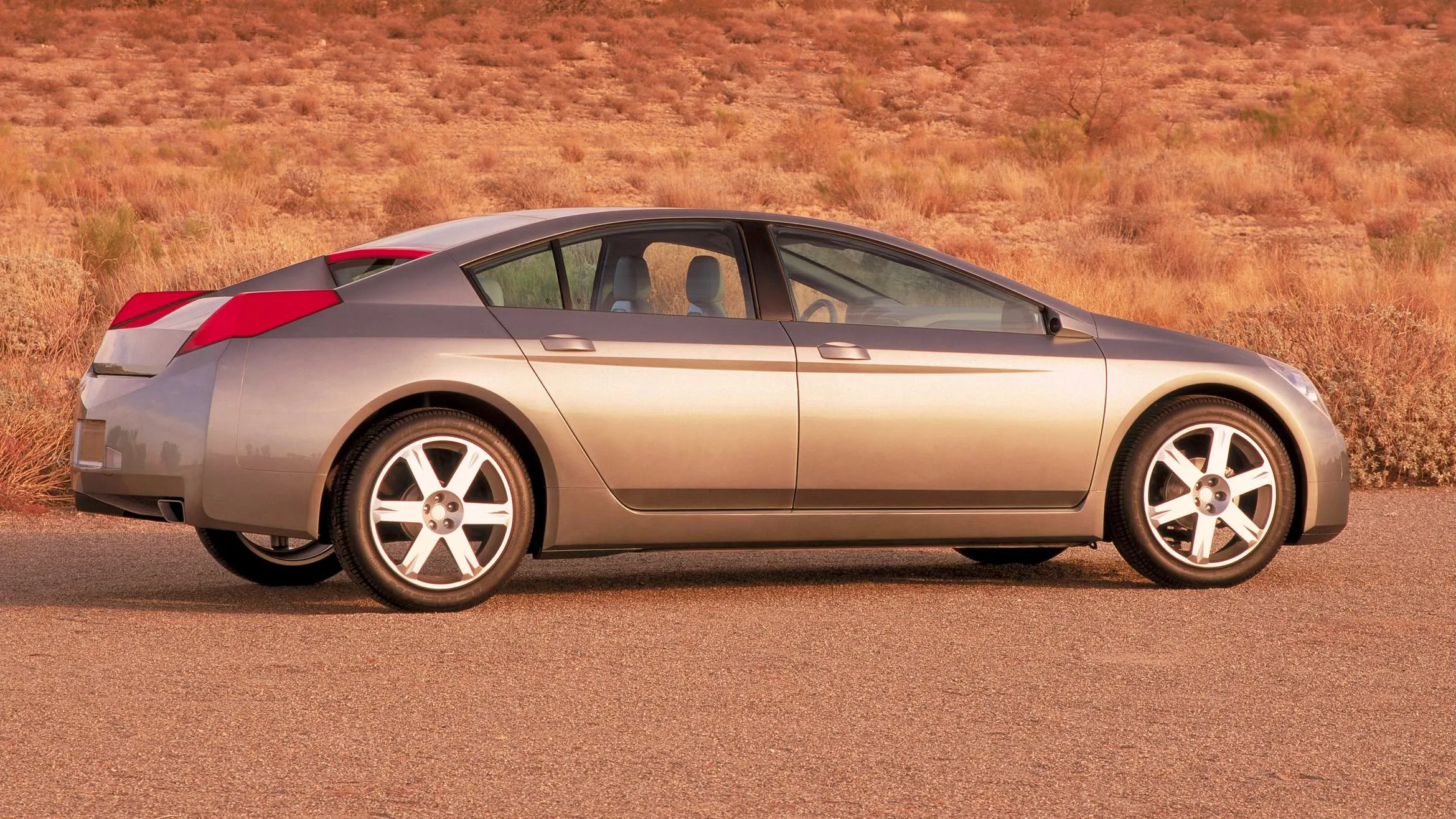
The Dodge Intrepid earned a fair amount of attention during its production years, particularly in the late 1990s and early 2000s. It offered a roomy cabin, bold styling for its era, and, on paper, a balance between comfort and performance.
Many owners were drawn to its futuristic looks and the promise of a strong V6 under the hood. Unfortunately, this sedan also gained a reputation for mechanical issues that often cut its lifespan short.
While there are still examples of Intrepids running well past 150,000 miles, far too many ended up in scrap yards much earlier, largely due to mistakes that compounded weaknesses already present in the vehicle’s engineering.
Owners who did not fully understand the quirks of Dodge’s 2.7-liter and 3.2/3.5-liter engines often found themselves facing catastrophic engine failures.
Some of these failures were due to questionable design choices, while others resulted from neglect, poor maintenance habits, or driving behaviors that placed undue stress on the car.
What makes the Dodge Intrepid especially tricky is that it could give little warning before something crucial failed, leading to costly repairs that many felt weren’t worth the investment.
The purpose of this discussion is to highlight the actions and habits that shorten the Intrepid’s lifespan well before 150,000 miles.
These are not just hypothetical risks; they are the practices reported by real owners and mechanics who witnessed these engines give up prematurely.
By understanding the moves that accelerate wear on this already sensitive sedan, enthusiasts, prospective buyers, and current owners can better avoid them.
Each section will focus on one damaging behavior, breaking down why it affects this engine in particular and how it can transform a once-promising car into an expensive driveway ornament.
Also Read: 7 Things That Keep a Toyota 4Runner Rock-Solid Forever
Move 1: Ignoring Oil Changes
Few habits destroy a Dodge Intrepid engine faster than neglecting routine oil changes. This is particularly true of the 2.7-liter V6 engine, which developed a well-documented reputation for oil sludge buildup.
Oil sludge is essentially thick, contaminated residue that forms when engine oil breaks down under heat and poor lubrication conditions.
Once sludge clogs oil passages, the engine loses the ability to circulate oil efficiently, leading to premature wear, bearing damage, and even sudden engine seizure.
The Intrepid’s 2.7-liter was especially vulnerable because of its narrow oil passages and high operating temperatures. Missing just one or two oil changes could set off a chain reaction of sludge accumulation.
Drivers who believed they could safely stretch their oil changes past 5,000 miles often found themselves facing catastrophic failure much earlier than anticipated. Even with regular changes, failing to use high-quality oil of the correct grade made matters worse.
Another overlooked issue was the timing chain tensioner, which required strong and consistent oil pressure. When sludge reduced the pressure, the chain could loosen or jump teeth, effectively ending the life of the engine in seconds.
Mechanics who worked on Intrepids often stressed that oil care wasn’t optional maintenance it was the single most important factor in determining whether the car would still be running past 100,000 miles.
Owners who followed the old-school mentality of 3,000-mile oil changes, or at least switched to synthetic oil with 5,000-mile intervals, gave their Intrepid much better odds of long life.
On the other hand, those who took shortcuts, trusted quick lube shops with the wrong oil, or waited until the oil light came on were setting themselves up for disaster.
Ignoring this essential task was like playing Russian roulette with the engine, and too many Intrepid owners learned that lesson the expensive way.
Move 2: Overheating the Engine
If neglected oil changes were problem number one, overheating ran a close second in terms of destroying Dodge Intrepid engines before 150,000 miles.
Cooling system issues plagued these vehicles, and once heat damage set in, recovery was often impossible without extensive repairs.
The Intrepid’s long block design and cramped engine bay made proper cooling crucial, yet many owners overlooked key warning signs until it was too late.
A failing water pump was at the center of many overheating nightmares. Unlike traditional setups, the 2.7-liter engine used a water pump driven by the timing chain.
When the pump failed, coolant could leak directly into the crankcase, mixing with oil and causing sludge buildup at an accelerated rate.
Not only would the overheating itself damage heads and pistons, but the coolant-oil mix created a toxic sludge that ate away at the bearings and internal parts.
Radiator issues also triggered overheating. Whether it was corrosion inside the radiator, blockages that restricted flow, or a thermostat that stuck closed, the end result was always the same: dangerously high temperatures.
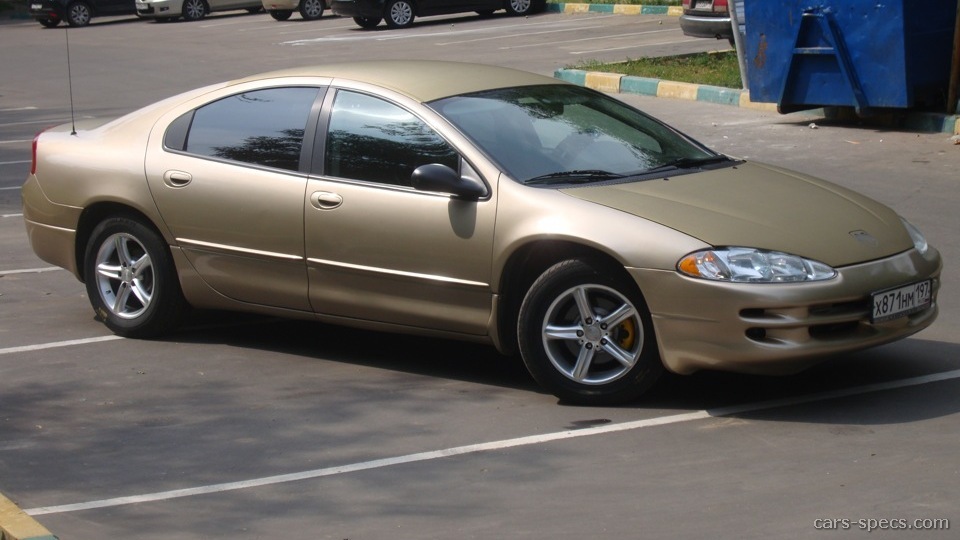
Many drivers made the mistake of continuing to operate the car with the temperature gauge in the red, hoping they could limp home. This was often the final nail in the coffin.
One of the most notorious characteristics of heat damage is its invisibility at first. While the car might return to normal temps after topping off coolant, the hidden warping of cylinder heads and weakening of gaskets already took place.
Overheating even once could mean the difference between another 50,000 miles of operation and total failure within weeks.
Preventing overheating required strict attention to coolant flush intervals, thermostat performance, and, above all, water pump condition.
Ignoring slight leaks or gradual coolant loss was essentially gambling with the engine’s survival. For many Intrepid owners, this gamble proved costly far earlier than they expected.
Move 3: Skipping Transmission Service
While many associate Dodge Intrepid failures strictly with its engines, the transmission was another weak link that contributed to early retirements.
The four-speed automatic units had a reputation for rough shifts and premature wear, especially when preventative care wasn’t followed. Owners who neglected transmission service often ended up with high repair bills that discouraged them from keeping the car.
The most common mistake was avoiding fluid changes. Much like engine oil, transmission fluid serves as both lubricant and coolant. Over time, it breaks down and becomes contaminated with clutch material and metal shavings.
In the Intrepid, dirty fluid led to slipping, rough gear changes, and the dreaded “limp mode” that restricted the car to second gear. Unfortunately, many owners didn’t even know the service interval, mistakenly thinking the transmission was a “sealed for life” system.
Another major oversight was using the wrong fluid. Chrysler transmissions of this era required ATF+4 fluid specifically.
Owners or shops that substituted cheaper Dexron or multi-vehicle fluids often triggered premature wear because the additives weren’t designed for Chrysler transmissions. It only took a few thousand miles on the wrong lubricant to damage the clutch packs or solenoids.
Ignoring small symptoms also contributed to failure. A slight hesitation when shifting, a faint burning smell after long drives, or unusual noises often went unchecked until catastrophic failure occurred.
By the time the vehicle refused to shift or slipped badly, a full rebuild or replacement was the only choice. Given the declining values of these cars, many owners chose to walk away instead of spending several thousand dollars.
Regular service, using ATF+4, and paying attention to symptoms could keep the transmission alive.
Skipping service almost always shortened its life, which in turn shortened the car’s life as many owners didn’t want to fix a dying transmission on a car worth only as much as the repair.
Move 4: Driving with Low Coolant or Oil
Engines are remarkably sensitive to fluid levels, and the Dodge Intrepid exemplified this truth. Both oil and coolant were vital to survival, and running low on either spelled disaster.
What made the Intrepid more at risk was not just its reliance on proper lubrication and cooling, but the speed at which damage occurred once levels dropped.
Low oil caused rapid wear within the 2.7-liter’s tight-clearance design. The bearings that supported the crankshaft and connecting rods relied on a constant film of oil for protection.
Even momentary starvation from running a quart or two low could scratch or score these surfaces. Once damage began, oil pressure dropped further, worsening the problem until complete failure occurred.
Owners who only checked oil during scheduled services often discovered too late that their engines had been consuming oil between intervals.
Low coolant carried equally dire consequences. Because of the water pump’s vulnerability, leaks could occur silently, with coolant seeping into the engine itself or evaporating from small leaks unnoticed.
The difference between a healthy cooling system and one straining under low fluid levels often boiled down to a matter of weeks before the engine overheated. Many Intrepids ended up with warped heads and blown gaskets after running just slightly low on coolant over extended periods.
The bigger issue was complacency. Drivers trusted the dashboard warning lights, expecting them to indicate danger in time.
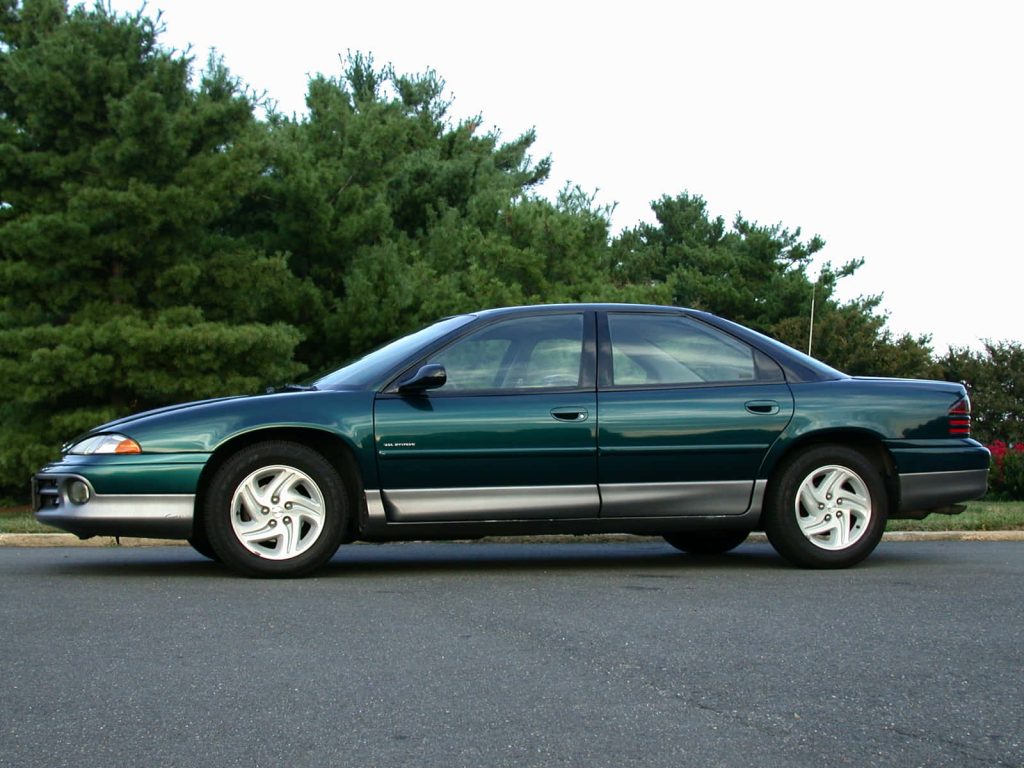
Unfortunately, many Dodge Intrepids never triggered the oil light or coolant warning until damage was already severe. The lesson was simple: reliance on sensors wasn’t enough. Manual checks of oil and coolant every few weeks were vital.
Failure to properly monitor fluids was among the silent killers of these engines. While some cars can tolerate a bit of neglect, the Intrepid was far less forgiving.
Owners who failed to watch oil dipsticks and coolant reservoirs were often blindsided by sudden, unrepairable failures below 150,000 miles.
Move 5: Ignoring Timing Chain Problems
Unlike many vehicles of its era that used timing belts, the Dodge Intrepid’s 2.7-liter used a timing chain.
This led many owners to assume they would never need to worry about timing alignment issues, yet the chain system was notorious for its own problems, especially when linked to poor oil care. Ignoring timing chain maintenance or symptoms frequently ended in catastrophic engine damage.
The chain depended entirely on proper lubrication and tension. As oil sludge began to form, pressure to the hydraulic tensioners weakened. This allowed slack to develop, causing rattling noises and eventually leading to the chain jumping teeth.
When that happened, valves and pistons collided, destroying the engine instantly. Sometimes this failure happened without any noticeable build-up, leaving the driver stranded with an engine that could not be saved.
Early warning signs like rattling on cold startup, rough idle, or even check engine codes for timing discrepancies were often brushed aside.
Many drivers assumed the sounds were harmless wear or just part of an aging car. Waiting until the chain snapped or slipped was a gamble, and too many Intrepid owners lost that bet.
Replacing timing components early could save an engine, but owners who didn’t want to invest in preventive repairs often paid the ultimate price.
The repair isn’t cheap, but it’s significantly less than the cost of a replacement engine. Unfortunately, the low overall market value of the car tempted many to put off maintenance until it was too late.
This was one of the hidden traps of the Dodge Intrepid. The use of a chain instead of a belt gave a false sense of security, yet the system was just as vulnerable if not tended to properly. Owners who ignored chain issues often found themselves with a pile of scrap metal under the hood long before the odometer hit 150,000 miles.
Move 6: Cheap or Wrong Parts
One of the underappreciated ways Intrepid engines were destroyed was through the use of substandard replacement parts.
Because many owners were reluctant to invest heavily in upkeep due to the car’s declining value, cheaper aftermarket parts were commonly chosen over factory-quality replacements. Unfortunately, the Dodge Intrepid was not a car that tolerated shortcuts in this regard.
The cooling system was especially vulnerable. Thermostats that opened at incorrect temperatures or water pumps made with lower-grade seals often failed much sooner than OEM components.
A failing thermostat could cause unpredictable overheating cycles, while a low-quality pump could leak and contribute directly to both overheating issues and sludge contamination. Owners who thought they were saving a little money up front often paid far more shortly after installation.
Oil filters and gaskets were another weak point when bought from bargain suppliers. Poor filters restricted flow or lacked proper anti-drainback valves, which increased engine wear during startup.
Gaskets that didn’t seal properly contributed to both oil loss and coolant leaks, accelerating all the common engine problems. Even spark plugs and sensors caused trouble if not matched precisely to Dodge’s specifications.
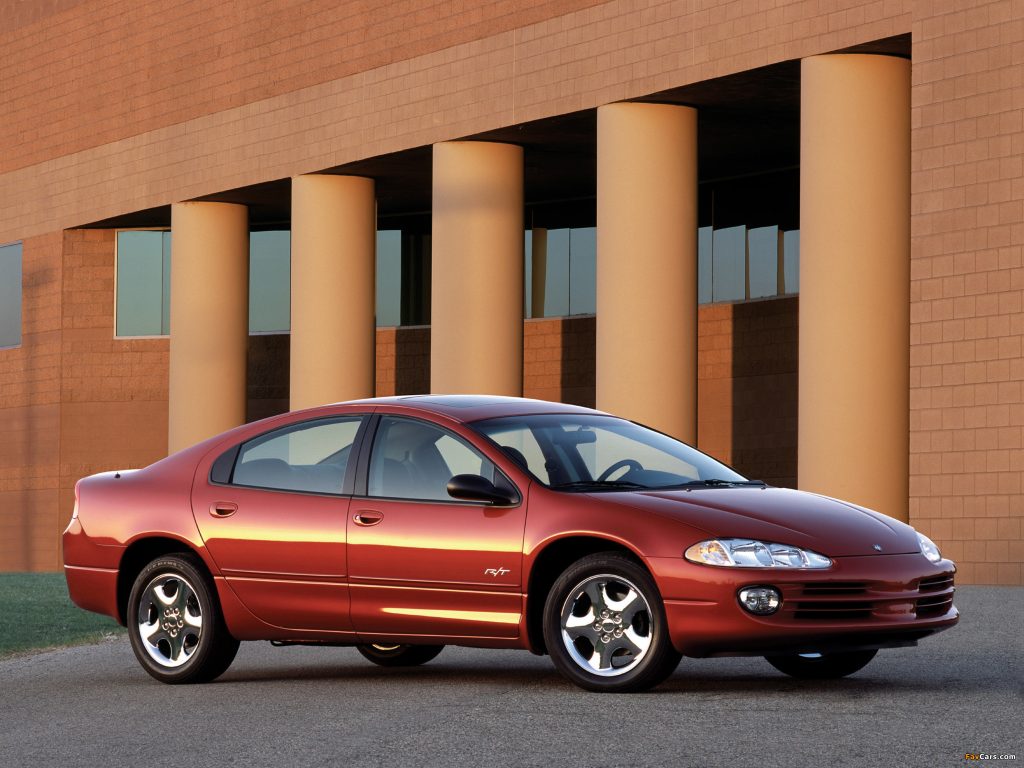
Some mechanics who worked on these cars have stated that aftermarket failure rates on Intrepids were noticeably higher than on comparable models from other makers.
In many cases, these cars required original Chrysler parts or high-quality equivalents to avoid compounding design weaknesses. Owners who installed cheap components unknowingly created ticking time bombs under their hood.
Ultimately, using the wrong parts meant giving up any chance of long-term reliability. It was tempting to save fifty dollars on a water pump or thermostat, especially when the car itself wasn’t worth much, but the shortcuts often spelled doom.
For the Dodge Intrepid, poor-quality parts were more than just a gamble they were a death sentence for engines already struggling to reach 150,000 miles.
Move 7: Hard Driving and Neglectful Habits
The final nail in many Dodge Intrepid engines came from aggressive driving habits and general neglect.
These cars were often used as commuter sedans, but many owners drove them hard, revving the engines high, skipping warm-up times, or ignoring small signs of trouble. With a powertrain already known for fragility, this behavior meant early expiration.
Rapid acceleration and frequent high-speed runs placed additional stress on the engine and transmission. The 2.7-liter especially disliked prolonged high RPM driving, as it heated oil faster and accelerated sludge buildup.
Long highway trips at sustained high speed could be tolerated, but constant stoplight racing or aggressive city driving hastened the downfall.
Cold starts presented another challenge. Many Intrepid owners didn’t allow the engine to warm up long enough before driving away.
On cold oil, lubrication took longer to reach critical parts, and repeated cold revving wore out bearings and chain guides prematurely. This was an overlooked but destructive habit that compounded existing design flaws.
Neglect went hand in hand with abuse. Warning lights and subtle symptoms were often ignored until calamity struck. Knocking noises, minor leaks, fluctuating temperatures, or small drops in performance were brushed aside instead of repaired promptly.
Unfortunately, the Intrepid didn’t give second chances. Small problems quickly escalated to major ones, and those who failed to address issues early often faced complete engine shutdowns.
Cars with more robust designs might forgive a lack of mechanical sympathy, but the Dodge Intrepid wasn’t one of them.
The combination of aggressive driving and neglected maintenance was devastating, killing engines and transmissions before 150,000 miles with alarming frequency.
For every careful owner who managed a reliable Intrepid for years, there were multiple others whose careless habits guaranteed a short and costly lifespan for their vehicle.
The Dodge Intrepid, particularly models equipped with the 2.7-liter V6, often found itself plagued by reliability issues that cut its lifespan short.
While some examples managed to push past the 150,000-mile mark, many owners experienced costly mechanical failures well before then.
Much of this early decline stemmed not just from flawed engineering but also from maintenance lapses and careless habits that accelerated the wear and tear of already delicate components.
Understanding these destructive moves sheds light on why so many Intrepids ended up in scrap yards earlier than expected.
The most notorious killer of the Intrepid’s engine was ignoring oil changes. The 2.7-liter design suffered from narrow oil passages and high operating heat, which made it highly susceptible to sludge.
Missed intervals or poor-quality oil led to clogged passages, weakened lubrication, and eventual bearing failure. For many owners, extending oil changes even slightly often spelled disaster.
Second only to that was overheating, driven by water pump failures, radiator issues, or neglected coolant maintenance.
Because the water pump was tied to the timing chain system, leaks often mixed coolant with oil, accelerating sludge formation and damaging critical parts. Even a single overheating episode was enough to warp heads and ruin head gaskets.
Transmission neglect also proved fatal for many Intrepids. Chrysler’s four-speed automatics demanded ATF+4 fluid and regular service.
Skipping fluid changes or using the wrong type led to slipping, rough shifts, or limp mode. These failures frequently made the car too costly to repair relative to its value, causing many owners to retire vehicles early.
Running with low fluids was another common mistake. Engines running a quart low on oil quickly damaged bearings, while insufficient coolant led to hidden overheating issues.
Many owners trusted dashboard lights, which often gave warnings far too late to prevent permanent harm. Manually checking levels was the only way to stay ahead of these failures.
The timing chain system lulled some into a false sense of security since it wasn’t a belt with a set replacement schedule.
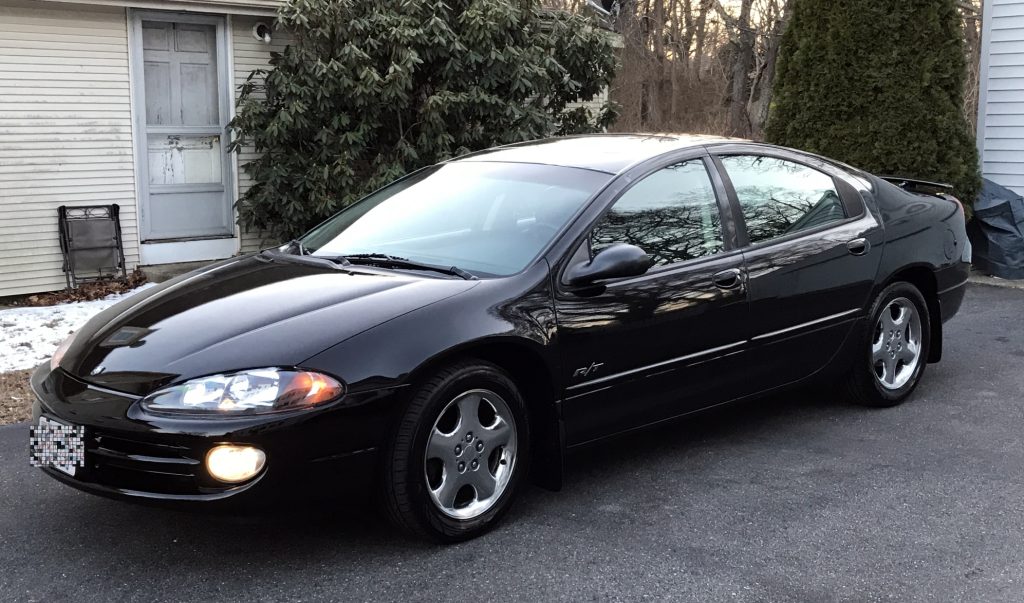
Yet these chains stretched, rattled, and failed when starved of clean oil or when tensioners weakened. Ignoring rattles or check engine codes tied to timing was one of the surest ways to face catastrophic engine destruction.
Another overlooked factor was the use of cheap or incorrect parts. Bargain water pumps, filters, and thermostats broke down quickly, leading to leaks, overheating, or oil starvation.
The Intrepid’s fragile design had little tolerance for shortcuts; in many cases, only quality OEM or equivalent components stood a chance at maintaining longevity.
Finally, hard driving and neglectful habits sealed the fate of many engines. Revving cold, driving aggressively, or ignoring small warning signs magnified underlying weaknesses.
What could have been manageable issues quickly escalated into terminal failures when symptoms were brushed off.
When these seven destructive habits combined with the Intrepid’s design flaws, most engines never reached 150,000 miles.
Those that survived typically belonged to owners who were meticulous with oil changes, strict about coolant management, attentive to small noises and leaks, and committed to proper upkeep despite the car’s modest value.
Also Read: 7 Pro Tips That Keep a Subaru Outback Winter-Ready for Life
