
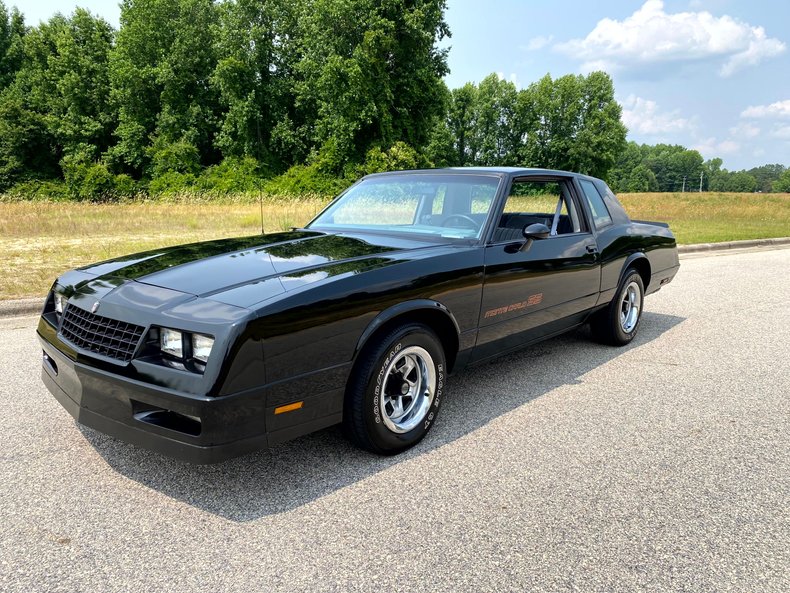
The Chevy Monte Carlo holds a special reputation among American cars, combining sporty styling with comfort and long-lasting reliability when cared for properly.
Over several generations, this car became a favorite for people who wanted a personal coupe that balanced performance and practicality. However, like any vehicle, the Monte Carlo requires proper attention if it is expected to run strong for years.
Many classic models are now aging, and even the later sixth-generation versions need specific maintenance and smart upkeep steps to keep performance solid and prevent small issues from snowballing into expensive repairs.
Owners of the Monte Carlo often see their cars as more than just transportation; in many cases, these vehicles represent nostalgia, a sense of style, or even a piece of personal history.
That’s why it is important to approach care not just as routine oil changes but as a complete commitment to preventive maintenance and long-term value.
A well-maintained Monte Carlo not only delivers dependable performance but also holds its charm in both looks and driving feel.
The key to keeping the Monte Carlo strong lies in consistent care and making smart maintenance choices.
This means knowing which parts deserve more frequent inspection, what areas of the car historically give trouble, and which upgrades or replacements are worth investing in for longevity.
Paying attention to these details ensures that the Monte Carlo continues to offer smooth driving, reliable power, and the road presence that made it stand out in the first place.
In this guide, we will go through ten smart moves that every Monte Carlo owner can apply. These tips focus on staying proactive, tailoring maintenance habits to the model’s strengths and weaknesses, and ensuring the car can handle many more miles without losing the qualities that make it special.
Also Read: 10 Daily Habits That Keep a Honda Civic Efficient After 200k
1. Stay Consistent with Oil Changes
Keeping the engine in good condition is one of the most important responsibilities for a Chevy Monte Carlo owner, and the simplest way to do that is regular oil changes.
The Monte Carlo’s engine, whether it is the base V6 or the SS variant with a V8, relies heavily on a clean lubrication system.
Old or dirty oil allows contaminants to circulate, creating extra friction inside the moving parts. Over time, this can lead to premature wear of vital components, reduced fuel efficiency, and even engine failure.
The recommended interval for oil changes varies depending on the year of the Monte Carlo and the engine type, but a safe routine is every 3,000 to 5,000 miles for conventional oil and every 5,000 to 7,500 miles for synthetic oil.
Many owners overlook the oil filter, but that’s a critical part of the job too. A fresh filter ensures old debris doesn’t get reintroduced during engine operation.
Driving habits also matter. If the Monte Carlo is used primarily for city driving with lots of stop-and-go traffic, oil tends to break down faster. On the other hand, mostly highway driving may allow slightly longer intervals.
Still, staying strict with oil change schedules is always better than stretching them. Regular checks on the dipstick between changes are a good practice as well, especially since older Monte Carlos may consume some oil as they age.
Making oil changes a consistent ritual not only extends the life of the motor but also ensures smoother performance and quieter operation.
It is an inexpensive yet powerful way of preventing costly engine repairs later. Think of this as the foundation on which all other car care is built. If the engine is healthy, the Monte Carlo as a whole remains reliable and enjoyable to drive.
2. Monitor the Cooling System Regularly
The Chevy Monte Carlo is a car that benefits from proper cooling system care, since overheating can quickly cause severe issues with the engine.
The radiator, water pump, hoses, and thermostat work together to regulate temperature, and if one of these components fails, the results can be catastrophic.
Many Monte Carlo models are now more than a decade old, which means coolant hoses and seals may have weakened with age.
A smart move is to check coolant levels at least once a month, making sure the liquid sits at the recommended level in the reservoir. Low coolant can indicate a leak which should never be ignored.
Another vital step is flushing the system about every 30,000 miles or as recommended in the maintenance schedule.
Over time, coolant loses its protective additives and may lead to rust, scale, or deposits forming inside the system. These deposits can block the flow and cause the engine to overheat.
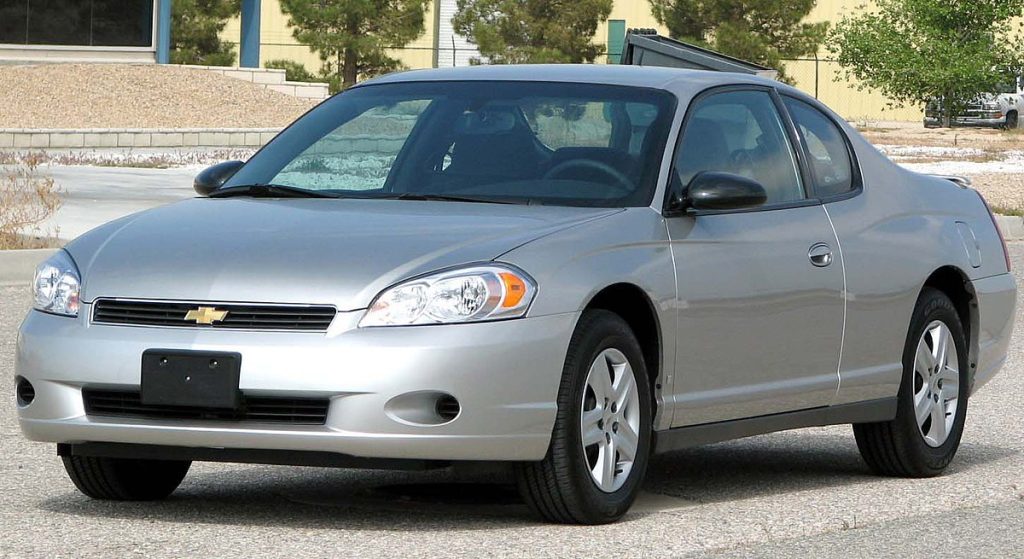
Owners should also pay attention to the condition of the radiator cap and check for worn hoses that may appear brittle or swollen. Replacing these parts before a complete failure often saves money.
Furthermore, keeping an eye on the thermostat is essential. A thermostat stuck in the closed position prevents coolant from circulating, while one stuck open can prevent the engine from warming up properly, affecting efficiency and comfort.
The Monte Carlo, especially in the SS trim with its larger power plant, creates extra heat compared to smaller cars, so proper monitoring is non-negotiable.
Even just a single overheating incident can cause head gasket failure, warped cylinder heads, or other major repairs. With a reliable cooling system, the Monte Carlo continues running strong, offering its signature smooth power delivery without worry.
Treating the cooling system with the same seriousness as the engine itself ensures long-term dependability.
3. Keep the Transmission Fluid Fresh
While attention often goes towards engine oil, the automatic transmission on the Monte Carlo is another system that must never be neglected. The fluid inside the transmission does much more than lubricate.
It ensures smooth gear changes, prevents internal overheating, and helps the system deliver consistent performance. Ignoring the state of the fluid is one of the quickest ways to shorten transmission life.
Transmission fluid tends to degrade over time, particularly when subjected to heavy driving conditions. Stop-and-go traffic, frequent towing, or spirited driving with the Monte Carlo SS all put more strain on it.
The key sign of aging fluid is a change in colour from bright red to a darker brown or burnt appearance. A burnt smell is also a warning that fluid replacement is overdue.
Changing the transmission fluid and filter every 30,000 to 50,000 miles is a safe practice. Some owners prefer to simply drain and refill, while others opt for complete flushes at specialty shops.
Either method works if done consistently. Just like engine oil, using the manufacturer-recommended fluid type is crucial. Substituting cheaper alternatives can harm rather than help.
Checking the transmission fluid level is also important. Low fluid causes slipping, delayed response when shifting, or hesitation during acceleration.
If these symptoms appear, addressing them sooner rather than later prevents larger expenses. Rebuilding or replacing a transmission often costs thousands, while fluid maintenance is a fraction of that.
By ensuring the transmission has clean fluid and proper pressure, Monte Carlo owners protect one of the most complex and expensive systems in the vehicle.
A well-maintained transmission means gear changes stay smooth, acceleration remains strong, and driving comfort is preserved. Considering how much power passes through this system, paying attention to fluid quality is one of the smartest protective steps any owner can take.
4. Pay Attention to Suspension and Steering Components
One of the features drivers love about the Chevy Monte Carlo is its balance between sporty handling and comfortable cruising. Achieving that blend relies heavily on the condition of its suspension and steering components.
Over time, parts like ball joints, struts, control arms, and tie rods wear down, especially if driven regularly on rough roads. Neglecting these parts not only reduces ride quality but also creates safety risks.
A proactive owner should watch for early symptoms. Uneven tire wear often points to worn suspension or alignment issues.
Clunks, rattles, or squeaks while driving over bumps can indicate weakened bushings or struts. If the steering feels loose or the car drifts from side to side, it may be time to check tie rods or the power steering system.
Routine inspections help prevent these issues from building up. Checking struts and shocks every 50,000 miles is a good strategy, though their lifespan depends on driving conditions.
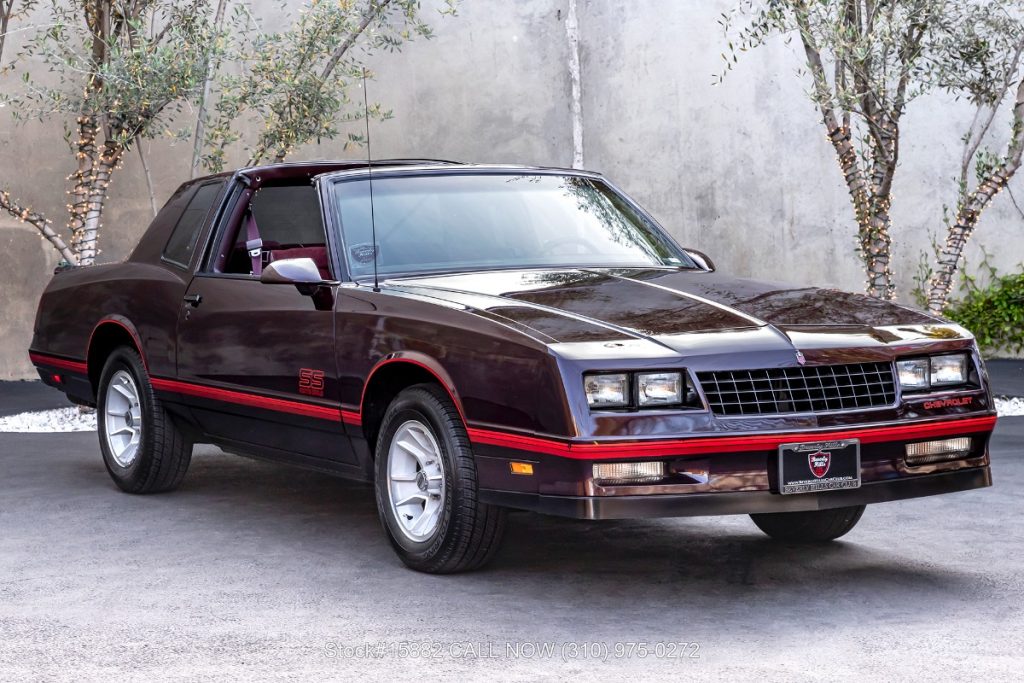
Monte Carlo models fitted with performance suspensions may require more frequent checks due to higher stress. Servicing the power steering fluid is another often-overlooked step. Fresh fluid keeps the steering system smooth and reduces strain on the pump.
Upgrading to performance struts or bushings can sometimes be beneficial, especially for those who enjoy spirited driving.
However, staying within the original manufacturer’s quality standards is usually best to maintain both comfort and safety. Along with this, proper wheel alignment after any suspension repair ensures tires last longer and steering stays precise.
By keeping a close eye on suspension and steering components, Monte Carlo owners can preserve the smooth, confident ride that defines the car.
Not only does it maintain safety and control, but it also ensures the driving experience remains as enjoyable as it was intended. Investing in these areas provides both comfort and security every time the car hits the road.
5. Rotate and Balance Tires Frequently
The Monte Carlo, being a larger coupe, places significant weight on its tires. This means proper attention to tire maintenance is vital to performance and safety. Tires that are not rotated wear unevenly, shortening their lifespan and creating vibrations or handling issues.
Balancing also plays a major role by ensuring the wheels roll smoothly without placing extra strain on the suspension or steering.
Rotating tires every 5,000 to 7,000 miles is a reliable schedule for most Monte Carlo owners. This helps even out wear between front and rear tires, especially considering that front tires handle more weight due to the engine and steering system.
Without rotation, the front tires may wear down much faster, which affects braking performance and fuel efficiency.
Balancing the tires is equally important. A wheel that is out of balance creates vibrations at certain speeds, often felt through the steering wheel. Over time, this can stress suspension parts and reduce overall comfort during long drives.
While balancing is often done when new tires are installed, it should also be checked during rotations or whenever vibrations appear.
Tire pressure should not be overlooked either. Running the Monte Carlo on underinflated tires reduces fuel economy and causes additional heat buildup, increasing the risk of a blowout.
On the other hand, overinflated tires decrease road grip and may cause premature wear in the center tread. Checking pressures once a month and before long trips keeps everything in order.
High-quality tires designed for the Monte Carlo’s size and performance characteristics are worth investing in. Whether the car is driven casually or enthusiastically, having the right tread pattern ensures proper traction and safety.
By rotating, balancing, and maintaining proper inflation, owners can extend tire life, save money, and preserve the stable, comfortable ride that has always been part of the Monte Carlo’s appeal.
6. Protect the Brake System with Regular Service
The brake system is one of the most vital aspects of keeping any car safe, and the Monte Carlo is no exception. With its weight and performance levels, this coupe demands a properly maintained braking setup.
Brake pads naturally wear down with time, and if not replaced promptly, they can damage rotors, leading to higher repair costs and reduced braking effectiveness.
Monte Carlo owners should monitor brake pad thickness at every tire rotation or at least every 12,000 miles. Squealing noises, grinding sounds, and longer stopping distances are strong indicators that pads need replacing.
Alongside the pads, rotors should be inspected for scoring, grooves, or warping. Resurfacing may be possible in some cases, but often replacement ensures better performance.
Brake fluid, often overlooked, is another critical element. It absorbs moisture over time, which reduces its boiling point and can create vapor pockets under heavy braking. This leads to spongy pedal feel or even brake fade.
A good schedule is flushing the brake fluid every two years, regardless of mileage. Monte Carlos with ABS systems especially rely on clean, moisture-free fluid to keep sensors and pumps working correctly.
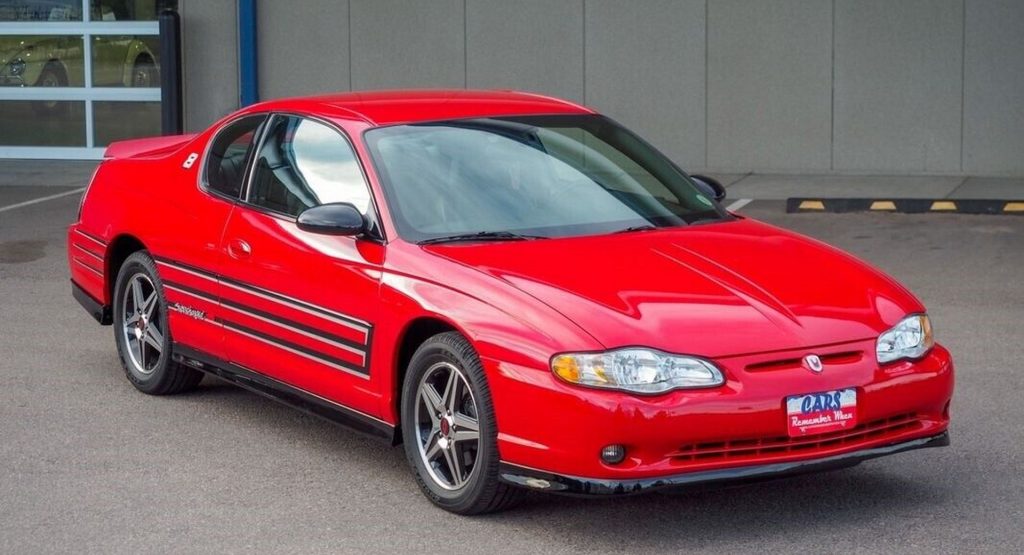
Maintaining calipers and brake lines prevents sticking or uneven pressure distribution. Owners who store their Monte Carlo for winters should also check for corrosion on exposed components. Driving style also plays a part, since aggressive driving puts more stress on the entire system.
Investing in quality replacement pads whether ceramic for longevity and low dust, or performance pads for spirited driving helps retain strong, reliable stopping power. Proper brake care not only ensures safety but also builds trust in the vehicle on every drive.
For a Monte Carlo, especially higher-performance trims, keeping the braking system strong guarantees that the driving experience remains enjoyable without sacrificing safety.
7. Maintain the Electrical System and Battery
The Monte Carlo relies on a well-functioning electrical system to power everything from basic ignition to its accessories and advanced features found in later models.
A weak battery or corroded connections can cause hard starts, stalling, or random malfunctions in lights, power windows, or radio systems.
The first step is regularly testing the battery, especially as it approaches the three to five-year mark. Monte Carlo batteries work hardest in extreme weather, where freezing winters or hot summers can significantly shorten their lifespan.
Corrosion on terminals should be cleaned with a mix of baking soda and water, followed by firmly securing the connections. Loose or dirty contacts reduce the efficiency of the entire electrical system.
The alternator, responsible for charging the battery and running components while driving, must also be checked if warning lights appear on the dashboard, headlights dim unexpectedly, or accessories struggle to function.
Catching weak charging early prevents being stranded. Similarly, the starter motor should receive attention if slow cranking occurs.
Owners should also look out for common electrical issues on older Monte Carlos such as worn wiring harness sections or blown fuses. Keeping spare fuses in the glove box is a practical move.
For modifications like upgraded audio systems or performance accessories, ensuring that the electrical system can handle the additional load is essential.
Preventive maintenance on the electrical system often requires just simple checks but saves a lot of frustration. A strong battery with healthy terminals ensures reliable starts, while a good alternator keeps everything powered smoothly.
By making it a habit to inspect these elements, a Monte Carlo owner ensures dependable performance of not just the engine but also the comfort and convenience features that add to the ownership experience.
8. Address Rust Prevention and Body Care
For long-term survival, the body of the Monte Carlo deserves as much attention as the mechanical parts. Rust is particularly destructive to vehicles in regions with salted winter roads or high humidity, and once it spreads, repair becomes costly.
Protecting the bodywork from rust keeps the car looking sharp while also preventing structural damage.
Routine washing is one of the most effective defenses. Dirt, salt, and moisture accumulate under wheel wells, rocker panels, and the underside of the car, feeding rust development. Washing these areas thoroughly, especially after winter exposure, is crucial.
A protective wax applied a few times a year adds another layer of defense by sealing paint surfaces from contaminants.
Owners should also inspect for small paint chips or scratches since these spots can develop rust quickly. Touch-up paint helps close vulnerable areas before moisture seeps in.
Inside the doors and trunk seals, moisture sometimes collects unnoticed. Checking drains and weather stripping keeps water from lingering.
For Monte Carlos that are stored seasonally, keeping the car in a dry garage with a breathable car cover prevents unnecessary exposure. Rust-proof sprays or underbody treatments are also worthwhile for those driving regularly in harsh climates.
When caught early, rust damage often stays minor and affordable to fix. Left unchecked, it can spread within panels and reduce both safety and resale value.
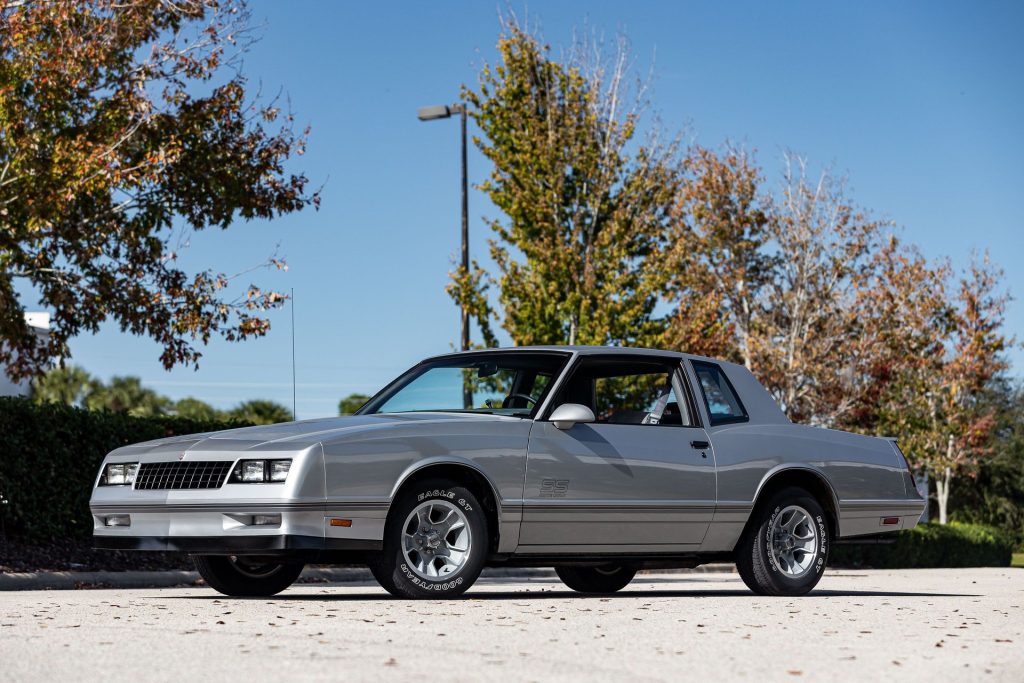
Aside from rust, attention to body seals, headlight lenses, and trim keeps the Monte Carlo looking fresh. Since this coupe is recognized for its styling, maintaining its exterior not only preserves function but also holds onto the charm that made the car popular.
By treating body care as preventive maintenance, owners ensure this car looks just as strong as it drives for many years ahead.
9. Inspect Belts and Hoses Consistently
The Monte Carlo’s engine is filled with various belts and hoses that quietly handle critical functions. They don’t always get noticed until failure, but when they break down, they can sideline the vehicle instantly.
The serpentine belt drives multiple accessories like the alternator, power steering pump, and air conditioning compressor. A failure here stops all of them at once.
Checking this belt every 20,000 miles for cracks, fraying, or glazing is wise. Monte Carlo owners should replace it roughly every 60,000 to 100,000 miles, depending on wear. Having a spare on hand, especially for long road trips, can prevent stressful breakdowns.
Coolant hoses should be inspected for swelling, bulging, or leaks at the clamps. Since these hoses manage hot coolant, a sudden failure can trigger overheating and engine damage.
Similarly, vacuum hoses affect fuel economy and idle quality, and they should be replaced if brittle or cracked. Overlooking these small parts may create big problems.
Timing chains used in later Monte Carlo V6 engines typically last a long time, but older belt-driven designs should follow the recommended replacement schedules without delay. Failure here can lead to catastrophic engine damage.
By giving regular attention to these rubber components, owners avoid roadside emergencies and expensive repairs. Replacing them is far cheaper than repairing the damage that results from a failure.
Small inspections during oil changes, combined with sticking to replacement intervals, keep the Monte Carlo running smoothly under the hood without unexpected interruptions.
10. Follow a Routine Maintenance Schedule with Discipline
While individual tasks like oil changes or brake checks are important, the smartest move for long-term Monte Carlo longevity is following a complete maintenance schedule with consistency.
Many issues only arise when small tasks are skipped, then snowball into larger problems. Owners who stick to a structured plan enjoy the smoothest, strongest performance from their cars.
Following the manufacturer’s service intervals in the owner’s manual is the best roadmap. These schedules were designed to address the known stress points in the car.
Regular checks on fluids, inspection of belts, replacement of filters, and adjustments in timing all work together to keep the car in top condition.
For example, replacing the air filter every 15,000 to 30,000 miles ensures the engine receives enough clean air for proper combustion.
Fuel filters should also be replaced as recommended to maintain healthy fuel delivery. Even spark plugs and wires, although long-lasting, benefit from timely changes to keep ignition sharp.
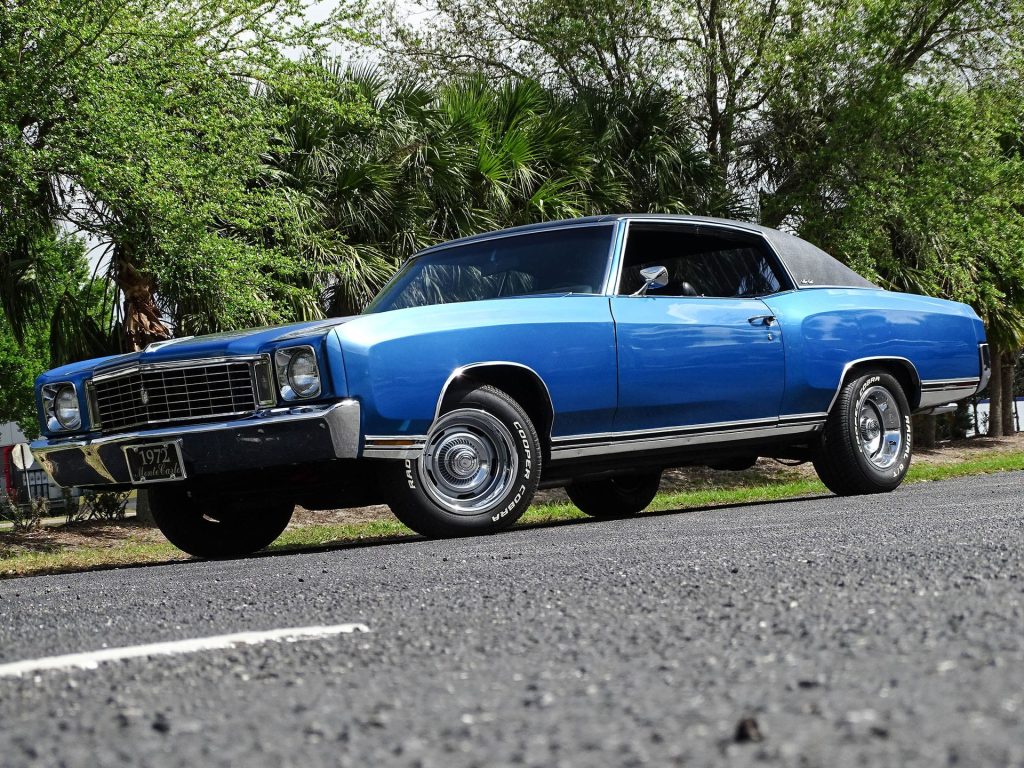
Keeping a personal maintenance log makes the process easier to track. Recording service dates, mileage, and parts replaced prevents missed items and also raises resale value if the car is sold. Buyers appreciate cars with detailed histories, and a well-documented Monte Carlo can prove its reliability through careful records.
Consistency is what truly matters. Waiting until problems appear is far more costly than sticking with preventive care that addresses wear before failure happens.
Whether it’s a daily driver or a cherished classic, the Monte Carlo rewards disciplined owners with years of dependable use. Turning maintenance into a reliable habit transforms ownership from repair frustration into dependable enjoyment on every trip.
Also Read: 10 Weekend Habits That Help a Chevy Traverse Run Smooth
