
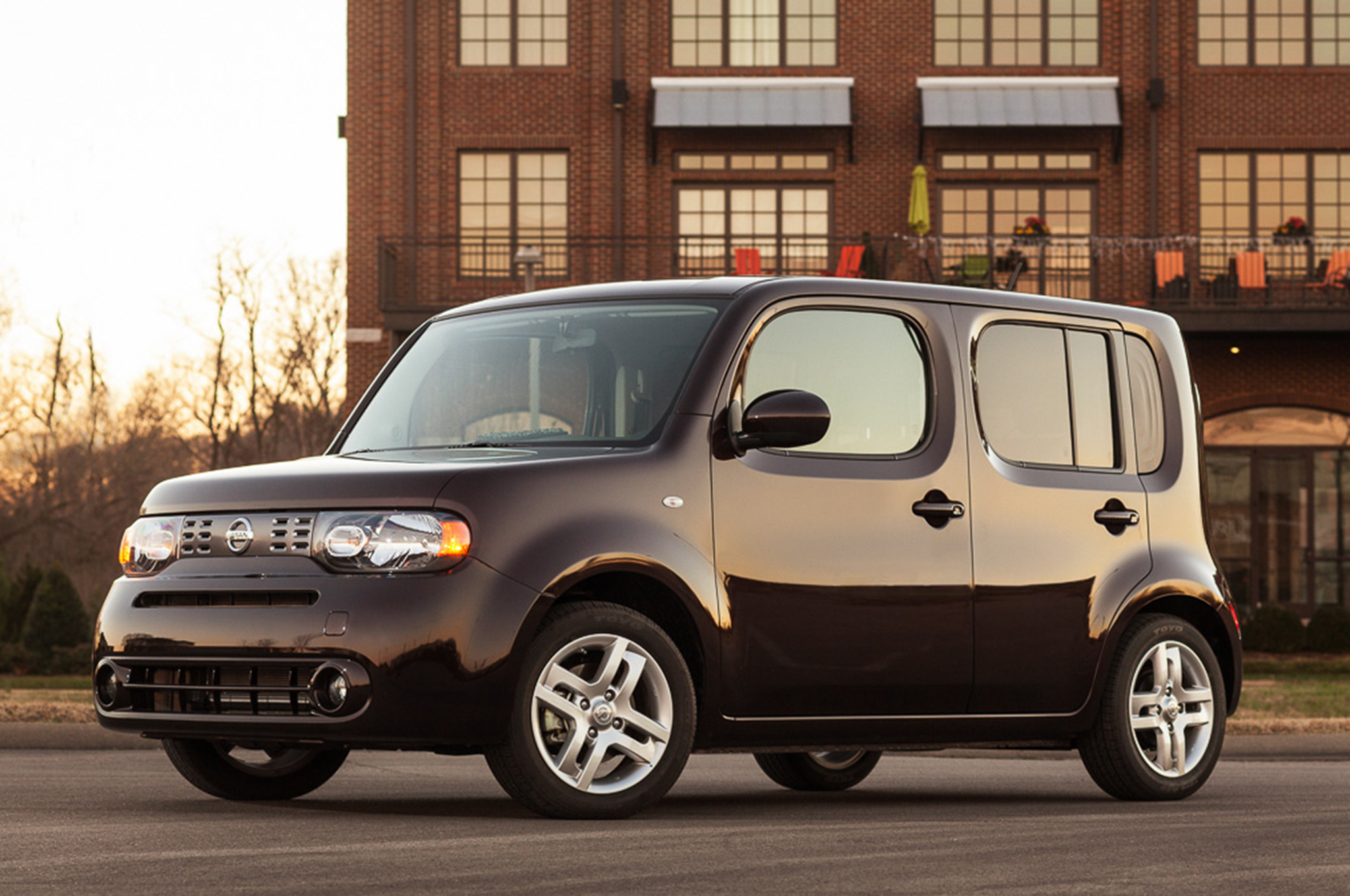
A vehicle’s ability to remain dependable for more than a decade is never a matter of coincidence. It is always the result of consistent care, responsible ownership, and a design philosophy focused on practicality.
The Nissan Cube, with its distinctive design and focus on functionality, has earned a reputation not just as a quirky city car, but also as a model that can be relied upon long after its initial years of service.
Owners who have kept their Cube running smoothly for fifteen years or more often credit a mix of routine maintenance, disciplined driving habits, and Nissan’s engineering choices.
What makes the Cube unique is its combination of simple mechanics with clever engineering. Unlike high-performance SUVs or luxury cars that come with complex systems demanding expensive repairs, the Cube was built with everyday driving in mind.
Its straightforward four-cylinder engine, durable suspension layout, and user-friendly components make upkeep less intensive and more predictable.
That consistency is what allows it to remain relevant on the road well after newer vehicles have overshadowed it in terms of style and technology.
Yet, reliability is never purely about factory design. Much depends on how an owner treats the car day by day. Oil changes, tire rotations, fluid checks, and avoiding reckless habits all contribute to longer life.
A Cube that is cared for well can pass the 200,000-mile mark without requiring drastic repairs or frequent visits to the workshop. For enthusiasts who appreciate long-term ownership, this positions the Cube as an excellent option.
This article will highlight the ten most impactful practices and design elements that allow a Nissan Cube to stay reliable for fifteen years. Each tip is based on both mechanical realities and practical car care habits that have stood the test of time.
Also Read: 10 Easy Wins That Keep a Chevy Cruze From Losing MPG
1. Regular Oil Changes and Engine Care
One of the simplest yet most critical factors in keeping a Nissan Cube dependable for over fifteen years is the consistent replacement of engine oil and filters.
The Cube’s four-cylinder engine thrives on clean lubrication that prevents friction, reduces heat buildup, and keeps internal parts running smoothly.
Fresh oil also ensures contaminants do not build up inside the engine, which can lead to premature wear, loss of performance, or costly failures.
Choosing a high-quality synthetic or manufacturer-approved blend provides better protection over longer intervals, especially for owners who put on significant mileage annually.
It is equally important not to delay oil changes beyond the recommended timeframe, typically every 5,000 to 7,500 miles depending on driving style. Urban driving with frequent stops and starts requires more frequent servicing since the engine operates under greater stress.
The oil filter plays an equally important role, preventing debris and microscopic particles from circulating back into engine components. Neglecting the filter can undo the benefits of clean oil, so both must always be replaced together.
Another helpful practice is periodically checking oil levels between service intervals. Low oil can cause catastrophic engine issues if ignored, particularly in older engines that may consume small amounts of oil over time.
By committing to routine oil care, the Cube’s engine can remain smooth, efficient, and dependable long past its initial warranty years.
Small investments in oil maintenance consistently prove to be the most effective insurance against expensive engine repairs down the line.
2. Transmission Fluid Maintenance
The transmission is the heart of how the Cube delivers power to the wheels, and keeping it in good shape requires careful fluid management. Automatic transmissions, in particular, are sensitive to heat and debris that accumulate when fluid is neglected.
Fresh transmission fluid lubricates internal gears, reduces heat, and prevents friction wear. When ignored, contaminated fluid leads to sluggish shifting, slipping gears, and in extreme cases, complete mechanical failure.
For Nissan Cube owners, changing transmission fluid at regular intervals is critical. The car may not demand as frequent service as engine oil, but going beyond 40,000 to 60,000 miles without a fluid exchange can invite serious problems.
Those who drive in heavy traffic, tow loads, or routinely encounter steep inclines put greater strain on the transmission and should follow shorter service schedules.
Many owners also overlook the transmission filter, which plays a crucial role in preventing debris and clutch material from circulating inside the system.
A fresh filter combined with new fluid provides the highest level of protection. Checking for leaks beneath the vehicle can also alert drivers to small issues before they become larger.
Smooth gear changes and a responsive driving experience are both signs that the system is healthy. Regular maintenance means the Cube’s transmission can last well over 150,000 miles without requiring major overhauls.
For drivers aiming to keep their vehicle for a decade and a half, treating the transmission with the same diligence as the engine is essential.
3. Cooling System Upkeep
Overheating is one of the most common causes of early engine failure in any vehicle, and the Nissan Cube is no exception.
The cooling system, which includes the radiator, water pump, thermostat, hoses, and coolant itself, plays a vital role in keeping the engine temperature within safe limits.
When the coolant level is low or the fluid has lost its protective properties, the engine works harder, runs hotter, and becomes far more vulnerable to internal damage.
Coolant flushes at factory-recommended intervals help renew the protective ability of the system. Over time, old coolant becomes acidic, losing its ability to prevent rust and corrosion.
This can damage internal pathways in the radiator or water passages within the engine block. A complete flush combined with fresh fluid keeps temperatures stable and corrosion at bay.
Hoses and clamps should also be inspected regularly since cracks or leaks in these components are among the most common reasons vehicles suddenly overheat on the road. A quick visual inspection and pressure test during routine service can catch issues before they cause costly breakdowns.
The water pump, which circulates coolant through the system, should never be ignored. When it fails, it often leads to immediate overheating that can warp engine parts. Replacing the pump preventively when it shows signs of age is a wise investment.
By taking a proactive stance on cooling system health, Cube owners reduce the risk of catastrophic overheating, giving their vehicle a much longer and more reliable life.
4. Brake System Care
Brakes are a crucial element of vehicle safety, but they also have a direct impact on long-term reliability. A vehicle that struggles to stop smoothly or wears out its brake components prematurely ends up needing more frequent repairs.
The Nissan Cube benefits greatly when owners remain attentive to brake maintenance, from pads and rotors to fluid and calipers.
Brake pads should be inspected during every service since their wear rate depends heavily on driving style.
City drivers who deal with constant traffic light stops will need replacements more often than highway commuters. Allowing pads to wear far too thin not only reduces stopping power but also damages rotors, driving up repair costs unnecessarily.
Brake fluid is another often-overlooked component. Over time, it absorbs moisture, which reduces efficiency and makes the system more prone to internal rust. Flushing brake fluid every two to three years maintains responsiveness and prevents internal seal damage.
Calipers and brake lines should also be inspected, ensuring there are no leaks or sticking parts that undermine performance.
Rotors should be measured for thickness and resurfaced or replaced when they fall out of factory tolerance. Ignoring warped or damaged rotors leads to vibrations and uneven wear patterns that stress other parts of the braking system.
By maintaining strong stopping ability, the Cube not only remains safe but also avoids extra strain on tires, suspension, and transmission. A well-kept braking system ensures confidence on the road while protecting major mechanical components from unnecessary stress.
5. Suspension and Steering Attention
The Nissan Cube’s unique boxy shape makes it instantly recognizable, but what truly supports a consistent driving experience is the condition of the suspension and steering system.
These components take the brunt of daily driving, absorbing shocks from uneven roads and maintaining stable handling. Without regular upkeep, these parts can wear out prematurely, causing instability and excessive strain on other mechanical components.
Shocks and struts tend to degrade gradually over time rather than failing all at once. While a Cube with tired suspension may still feel drivable, performance is noticeably reduced, and tires wear unevenly. Replacing these parts when needed restores ride quality and preserves the integrity of the vehicle’s frame and tires.
Tie rods, ball joints, and wheel bearings are also part of this equation. Any looseness or play in these components can lead to vibration, uneven steering response, and accelerated wear. Periodic inspections and early replacement keep the system tight and reliable.
Another overlooked factor is the steering fluid. Much like brake or transmission fluid, steering hydraulics need to be kept clean and at proper levels. Dirty fluid accelerates wear on pumps and valves, eventually leading to steering failure.
By keeping the suspension and steering properly maintained, Cube owners ensure the vehicle continues to deliver the comfortable ride it was designed for.
This not only preserves driving pleasure but also minimizes the likelihood of cascading failures in wheels, tires, and alignment systems that would otherwise shorten the vehicle’s useful life.
6. Tire Maintenance and Wheel Alignment
Tires are the only point of contact between the Cube and the road, making their care directly linked to reliability, safety, and performance.
Worn or unevenly balanced tires can place unnecessary stress on the suspension system, steering components, and even the transmission. Consistently monitoring tire health is essential for long-term dependability.
Routine rotations every 5,000 to 7,500 miles help tires wear evenly, extending their useful lifespan considerably. Allowing one set of tires to wear down prematurely leads to imbalanced performance, reduced grip, and greater stress on shock absorbers and struts.
Similarly, tire pressure checks are vital. Under-inflated or over-inflated tires affect fuel efficiency, braking distance, and overall handling.
Wheel alignment is another factor that Cube owners must not neglect. A car that pulls to one side or exhibits uneven tread wear often suffers from poor alignment.
Left unchecked, this problem accelerates suspension wear and reduces tire lifespan dramatically. Correcting alignment ensures the vehicle drives straight, consumes fuel efficiently, and remains comfortable.
Seasonal tire checks are also beneficial, especially in climates with extreme weather. Cold temperatures reduce tire pressure, while hot weather increases tire expansion. Being proactive with adjustments prevents unnecessary wear.
Tires may seem like a straightforward part of the car, but their role in long-term reliability is extensive.
A well-maintained set of tires reduces accidents, ensures smoother operation, and helps other vehicle systems perform within their ideal range. This simple commitment drastically increases the Cube’s ability to remain dependable over 15 years.
7. Battery and Electrical System Checks
A reliable car is one that starts every time without hesitation, and this begins with a healthy battery and electrical system.
The Nissan Cube uses an efficient electrical setup, but like all vehicles, it relies heavily on consistent care of the battery, alternator, and wiring to maintain performance.
The battery should be tested at least once a year, especially as it ages beyond three years. Many failures occur with little warning, leaving drivers stranded.
Corrosion on terminals is another common issue, causing poor connections and charging inefficiency. Cleaning terminals and ensuring tight connections prevents unexpected electrical interruptions.
The alternator plays an equally significant role. If it undercharges, the battery drains prematurely. If it overcharges, excessive heat and stress shorten battery life. Listening for unusual sounds, dashboard warning lights, or dimming headlights can help identify early alternator issues.
Inspecting fuses and wiring harnesses periodically also ensures that no critical component is compromised. Modern electrical systems control ignition timing, fuel injection, lighting, and cabin features, so even a minor fault can quickly become a bigger problem.
Another smart habit is avoiding heavy strain from aftermarket accessories that place additional load on the charging system. By keeping the electrical load within factory design limits, the Cube’s systems last longer.
Maintaining the electrical foundation guarantees dependability not only at start-up but throughout everyday driving. With regular checks, the Cube avoids one of the most common causes of roadside breakdowns, remaining consistently trustworthy year after year.
8. Fuel System Preservation
The fuel system ensures smooth power delivery and efficient combustion, both of which directly impact the Nissan Cube’s long-term reliability.
Over time, deposits can build up in fuel injectors, pumps, and lines, reducing efficiency and creating stress on the engine. Preventing these issues requires proactive maintenance.
One key practice is using high-quality fuel from trusted stations. Low-grade or contaminated fuel often contains impurities that can clog injectors and filters.
Periodically running a fuel system cleaner through the engine also helps keep injectors clear and combustion efficient.
The fuel filter is a particularly critical component. If ignored, it allows dirt and contaminants from fuel tanks to enter the system, damaging sensitive injector components. Replacing it at recommended intervals ensures the fuel supply remains clean and unblocked.
Another habit that supports system longevity is avoiding frequent low-fuel driving. Running the Cube on an almost empty tank allows sediment at the bottom to circulate through the system, clogging filters and pumps. Keeping the tank at least one-quarter full reduces this risk significantly.

Fuel pumps rely on consistent lubrication by gasoline to function properly. Starving them through low-fuel habits leads to premature failure, often at a high replacement cost.
By protecting the Cube’s fuel system, owners maintain strong performance and achieve reliable efficiency over many years.
It prevents costly engine issues, sustains smooth operation, and ensures the car can still handle daily commutes even well beyond the 15-year reliability mark.
9. Rust Prevention and Body Care
Reliability is not only about mechanical health but also about structural longevity. A Nissan Cube that runs perfectly but suffers from rust and corrosion becomes far less dependable over time. Keeping the exterior and undercarriage protected plays a vital role in ensuring the car remains roadworthy for 15 years.
Regions with heavy snowfall or coastal climates pose the greatest threat due to road salt and high humidity. Washing the Cube regularly, particularly the underbody, removes corrosive substances before they have the chance to eat into the frame or panels.
Applying a protective wax every few months also creates an additional shield against moisture and contaminants.
Undercarriage treatments such as rust-proofing sprays provide longer-term defense. Though often overlooked by owners, these treatments are particularly effective in extending the Cube’s structural durability. Checking wheel wells, rocker panels, and suspension mounts also prevents small rust patches from spreading unnoticed.
Interior body care contributes as well. Sealing small leaks and maintaining proper drainage prevents water from pooling inside, which weakens floors over time. Similarly, damaged seals around doors and windows should be replaced immediately.
A Cube that remains structurally solid is far easier to repair and maintain mechanically. Rust left unchecked, however, leads to failed inspections, compromised safety, and an eventual end to long-term ownership.
Simple but consistent preventive measures ensure that the Cube’s body structure stays strong for the same lifespan as its reliable engine.
10. Consistent Scheduled Inspections
While individual maintenance tasks are crucial, the real key to keeping a Nissan Cube reliable over 15 years is consistency.
Following a scheduled inspection routine ensures no area of the car is neglected. Even components that seem minor contribute to the bigger picture of long-term reliability.
Scheduled services allow technicians to check belts, hoses, filters, and fluids that might otherwise go unnoticed. Timing belts, for instance, can cause significant engine damage if they fail and should be replaced at intervals suggested by the manufacturer. A Cube owner who ignores such recommendations risks an expensive engine rebuild.
Routine inspections also provide the chance to catch early warning signs before they escalate. A small oil leak, for example, might be nothing more than a deteriorated gasket, but left unaddressed, it can spread to critical areas. Regular checks keep repair bills small and manageable.
Consistency also gives owners a strong maintenance record, which is helpful in maintaining vehicle value. Documentation of regular care instills confidence for future buyers and dealerships.
Perhaps most importantly, staying disciplined with scheduled inspections gives drivers peace of mind. Knowing that every system has been checked, from brakes to steering to electrical parts, allows the Cube to operate as intended year after year.
When combined with the other nine care habits, this forms a complete recipe for reliability that stretches well beyond a single decade.
The Nissan Cube has built a reputation as a quirky yet practical vehicle that can remain dependable for well over a decade when given proper care.
Achieving 15 years of reliability is less about luck and more about consistent attention to the mechanical and structural needs of the car. Owners who commit to a disciplined maintenance routine often see their Cube surpass 200,000 miles with minimal disruption.
The foundation of long-term dependability begins with engine health. Regular oil changes paired with quality filters keep internal parts clean and lubricated, while diligent transmission fluid replacement maintains smooth shifting.
Just as important is the cooling system, where fresh coolant, leak-free hoses, and a functional water pump prevent engine overheating, one of the most damaging issues a car can face over time.
Safety components like brakes and steering add to overall durability by keeping mechanical stress balanced, while healthy suspension parts protect tires and frame integrity. Tire rotations, proper alignment, and correct pressures ensure that both handling and system efficiency remain optimal.
The electrical system and fuel delivery also must not be ignored. A reliable battery, clean terminals, and timely fuel filter replacements guarantee that the Cube starts consistently and runs strongly every day.
Beyond mechanics, simple measures like rust prevention and underbody protection keep the structure sound against external wear.
Ultimately, it is the practice of consistent scheduled inspections that ties every factor together. This combination of preventive care allows the Nissan Cube to remain a true long-term companion on the road.
Also Read: 10 Common Mistakes That Kill a Toyota Corolla Engine
