

The Toyota MR2 has always stood apart as a car that blends agility, sharp handling, and a rewarding driving experience. Owners of this iconic mid-engined sports car know that it delivers performance far greater than its modest size suggests.
Like any machine that thrives on balance and precision, an MR2 performs best when it is treated with consistent care.
Whether you own the classic AW11 from the 1980s, the turbocharged SW20 from the 1990s, or the lighter third-generation Spyder, the secret to keeping it running like new lies in attention to detail and a few practical habits.
Many enthusiasts assume that only costly repairs or professional overhauls are necessary to maintain a car of this age, but the truth is that a disciplined approach to routine upkeep can make all the difference.
The MR2, with its compact layout and spirited engine, benefits hugely from owners who prioritize consistency over quick fixes.
While parts availability is not as widespread as for newer Toyotas, the MR2 community has kept these cars alive with knowledge sharing, creative problem-solving, and an emphasis on preventative care.
When cared for properly, this car does more than just hold onto its value. It continues to provide a level of driving enjoyment that modern cars often fail to replicate.
The MR2 was built to be an affordable sports car that punched well above its weight. With the right habits, it still fulfills that promise decades later.
The following ten hacks highlight practical measures every MR2 owner can adopt. These strategies are not about unnecessary modifications or flashy upgrades.
They center on reliability, preservation, and keeping the car feeling as precise and lively as it did when it left the factory. By focusing on the fundamentals, you can keep your Toyota MR2 in remarkable condition for many years to come.
Also Read: 10 Things That Keep a GMC Yukon Safe Past 300,000 Miles
Hack 1: Commit to Frequent Oil and Filter Care
Oil is the lifeblood of the MR2’s engine. Because of its sporty nature and mid-engine layout, temperatures can climb quickly, which places extra stress on the lubrication system. Keeping the oil fresh and clean extends the engine’s life considerably.
Standard recommendations often suggest oil changes every 5,000 miles, but with an older performance car like the MR2, more frequent service is better.
A safe interval is between 3,000 and 4,000 miles if using quality synthetic oil matched to the vehicle’s specifications.
The oil filter also plays a critical role in this. Replacing it at every oil change is non-negotiable. A clogged filter reduces oil flow and can cause rapid wear.
Investing in a good filter brand rather than sticking to the cheapest option ensures proper cleaning of contaminants and metal shavings.
Checking oil levels regularly is equally important. The MR2, depending on generation and driving style, can consume oil gradually.
Allowing the dipstick to fall too low risks damaging bearings and piston rings. Making a habit of checking oil weekly or before long drives prevents dangerous surprises.
For owners who are more detail-oriented, oil analysis services can provide useful insights. Sending small samples to labs reveals early wear trends such as excess metal or coolant traces, which lets owners address issues before they grow.
This extra step is affordable and adds a layer of protection. Routine oil and filter attention may seem ordinary, but it forms the foundation for the MR2’s long-term reliability and spirited character.
Hack 2: Treat the Cooling System with Attention
Sports cars, particularly mid-engined ones like the MR2, are heavily dependent on efficient cooling.
Because the engine sits behind the passengers while the radiator is located in front, coolant travels through long pipes beneath the car. Any weakness in this system can lead to overheating, one of the fastest ways to damage an engine.
Regular coolant flushes are crucial. Over time, coolant loses its ability to prevent corrosion and sustain pressure.
Sticking to a two-year or three-year replacement cycle keeps the system effective. Choosing the correct coolant type recommended by Toyota avoids chemical reactions that can corrode aluminum parts or cause blockages.
Inspecting the coolant pipes under the car should be done during every service. They are subject to rust, dents, or leaks. Radiators also require attention, as debris and dirt can build up over time, restricting airflow. Gently cleaning the fins ensures maximum cooling ability.

Two common trouble spots in the MR2 community are failing thermostats and worn water pumps. Both components play critical roles in circulation and temperature regulation.
Replacing them proactively rather than waiting for failure avoids engine overheating. Cooling fans must also be inspected to guarantee consistent switching at the correct temperatures.
Even the radiator cap should not be ignored. Many overheating issues can be traced back to a cap that no longer holds proper pressure.
This small part costs little yet is critical to maintaining efficiency. By properly caring for the entire system, MR2 owners can drive without fear of sudden temperature spikes.
Hack 3: Keep Suspension Components Fresh
One of the qualities that make the MR2 exciting is its sharp handling. This responsiveness relies heavily on suspension health.
As these cars age, worn bushings, shocks, and ball joints can dull steering feel and introduce instability during cornering. Ignoring suspension maintenance transforms the car from tight and agile to vague and unpredictable.
The first step is to periodically inspect rubber bushings, which can develop cracks and lose elasticity. Replacing old bushings with polyurethane or fresh rubber restores tight steering and better alignment retention.
Shocks and struts demand equal priority. These not only smooth out rides but also determine how planted the car feels in turns. Gradual wear can be hard to notice, but installing new shocks renews composure.
Wheel alignment checks should accompany suspension maintenance. Even slight misalignments can lead to uneven tire wear and sloppy cornering. Since MR2s are mid-engined, weight distribution is unique, and alignment precision is even more critical.
Don’t overlook sway bar links or control arms. These parts experience stress during spirited driving. Replacing them delivers a smoother balance between comfort and stiffness. Enthusiasts often comment that refreshing suspension feels like upgrading to a new car entirely.
It is tempting to invest in aftermarket coilovers for a firmer feel. While this can provide benefits, even OEM-quality replacements offer excellent performance if tuned properly.
An MR2 with a healthy, fresh suspension setup retains the balance it was designed for and avoids premature tire or chassis wear.
Hack 4: Inspect and Service the Timing Belt on Schedule
The timing belt is one of the most critical parts of an MR2 engine, particularly those equipped with the classic 4A-GE or turbocharged 3S-GTE engines.
This belt synchronizes the crankshaft and camshaft, ensuring valves and pistons move without interference. If the timing belt snaps, the result can be catastrophic engine damage.
Toyota typically recommended timing belt replacement intervals of around 60,000 to 90,000 miles. However, with age factored in, time matters as much as mileage. Rubber degrades even on low-mileage cars, so replacing the belt every seven years is wise.
When replacing the belt, owners should also inspect or replace related components such as the tensioner, water pump, and idler pulleys.
These parts work hand in hand with the belt and can fail if left old while the belt is new. Many experts encourage replacing all of them in one comprehensive service, avoiding the hassle of tearing the engine apart multiple times.
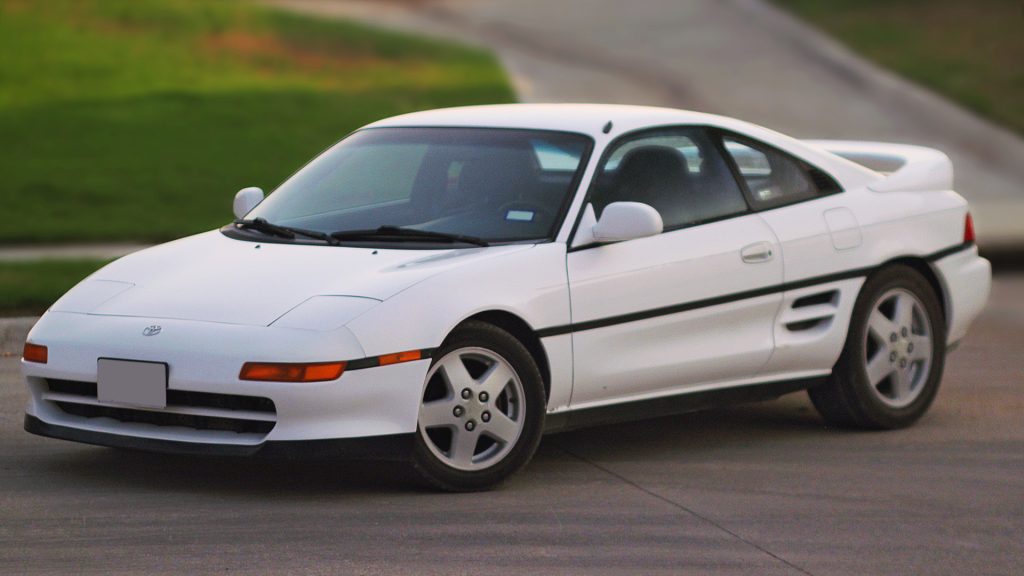
For turbocharged MR2 engines, strict adherence to belt service is even more critical due to greater mechanical stresses. Signs of wear like squealing, cracks, or vibrations should never be ignored. A small rattle from the timing belt area can be the first and only warning before failure.
Spending on preventive timing belt changes might not feel exciting compared to performance upgrades, but it is a vital insurance policy. Few actions give more peace of mind than knowing your MR2’s engine is safeguarded from catastrophic failure.
Hack 5: Care for the Transmission and Gearbox
The MR2’s transmission plays an equally important role in its driving character. Whether it is the precise manuals found in the AW11 and SW20 or the sequential-style system in later models, smooth shifting and durability depend on proper attention. Neglect can lead to hard shifts, gear grinding, or even full gearbox rebuilds.
Regular transmission fluid replacement is key. For manual models, Toyota recommended changes every 30,000 to 40,000 miles. Using the correct grade of fluid ensures smooth gear engagement.
For owners experiencing notchiness, switching to high-quality synthetic gear oil often improves shifting feel. Automatics require equal attention, with fluid and filter services preventing slipping or overheating.
Clutch health is just as vital. A worn clutch reduces acceleration and puts extra strain on the gearbox. Replacing the clutch before it completely slips avoids damage to the flywheel. Checking clutch hydraulics, such as the master and slave cylinders, keeps operation smooth.
Shifter bushings are another overlooked item. Old, cracked bushings lead to vague, sloppy gear engagement. Affordable replacements restore that tight, mechanical shift feel owners love.
Driving style plays a major role in preserving gearboxes. Constant hard launches or aggressive shifts shorten life significantly, while smoother operation extends it for years.
An MR2 with a properly serviced transmission feels alive, with each gear engaged cleanly and predictably. This ensures spirited yet reliable driving continues for years.
Hack 6: Tire Management and Wheel Alignment
Tires form the only contact between the MR2 and the road, so their condition directly determines grip, safety, and driving enjoyment. Many owners underestimate the impact of proper tire care, but on a lightweight mid-engine car, it makes a dramatic difference.
Tire wear should be inspected frequently, as uneven patterns often signal suspension or alignment issues. Driving with worn edges or bald centers not only compromises grip but also shortens tire life drastically.
Keeping tire pressure at the recommended level is one of the simplest yet most effective practices.
Because the MR2 carries more weight at the rear, pressure settings across axles may differ. Ignoring these specifics can affect handling balance, particularly during cornering. Regularly checking pressures before spirited drives ensures consistent performance.
Wheel alignment also plays a major role. Even slight deviations from factory specifications create instability at higher speeds.
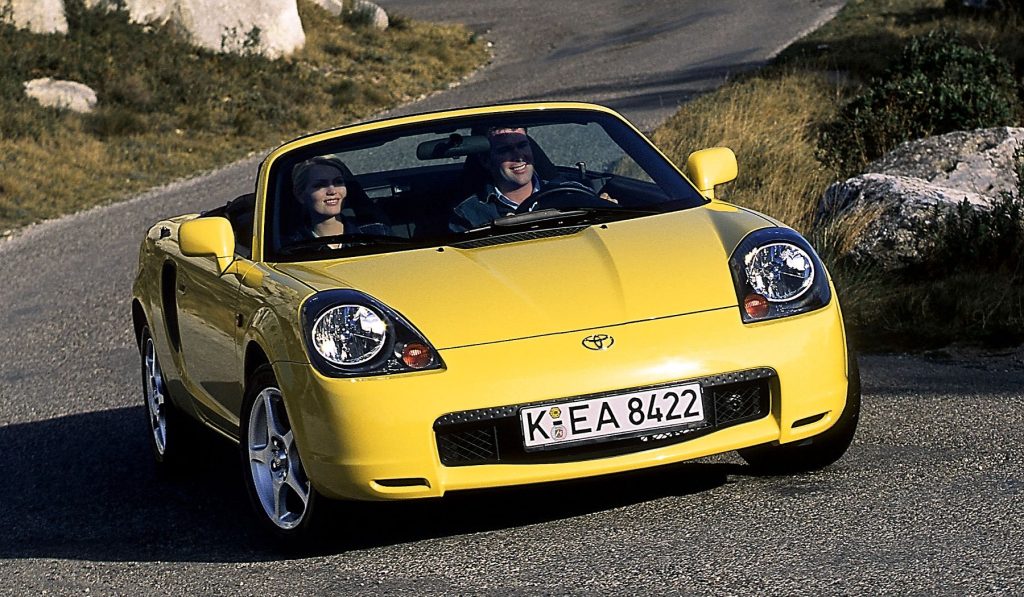
For the MR2’s unique mid-engine layout, a high-quality alignment ensures the car remains predictable rather than twitchy. This is especially important for SW20 models, which can become challenging to control if alignment is neglected.
Rotating tires regularly helps distribute wear evenly. Even though front and rear tire sizes may differ, swapping sides can extend usability. Choosing matched, high-quality performance tires enhances the MR2’s cornering ability and makes driving more enjoyable.
By investing in the right tires and staying disciplined with alignment, owners preserve the sharp, agile road manners that the MR2 is celebrated for.
Hack 7: Protect the Braking System
The MR2’s braking system is another vital area where consistent care prevents costly repairs and preserves performance.
A responsive brake pedal and well-maintained components keep the car safe while allowing confident cornering and spirited driving. Brake health, however, goes beyond replacing pads from time to time.
Brake fluid deserves attention just like engine oil. Moisture gradually seeps into brake systems, lowering boiling points and reducing effectiveness.
A fresh fluid flush every two years keeps response crisp and prevents internal rust. Performance-oriented owners may also prefer high-temperature fluids that perform better during track-style driving.
Pads and rotors require careful inspection. Thin pads risk damaging rotors, while warped rotors cause vibration under braking.
Replacing both as a set restores balanced stopping power. Skipping service leads to inconsistent braking, which is dangerous in any car, especially one with the balance of the MR2.
Calipers should be checked for sticking or uneven operation. Older cars often accumulate rust or dirt that prevents equal clamping. A seized caliper not only compromises safety but also increases wear on other components. Periodic cleaning or caliper rebuild kits keep them functioning correctly.
Brake hoses and lines should not be overlooked either. Over decades, rubber lines can swell or crack, leading to spongy pedal feel.
Upgrading to braided steel lines is a popular option among enthusiasts because it sharpens response and extends reliability. With consistent brake maintenance, the MR2 continues to feel agile and secure, even when pushed harder than average cars.
Hack 8: Pay Attention to Electrical Health
As vehicles age, electrical problems often become frequent sources of frustration. With the MR2, owners often encounter weak alternators, aging batteries, or corroded connections.
Left unchecked, these small issues can leave the car stranded at the worst times. Prioritizing electrical health is key to ensuring reliable starts and proper performance of all systems.
The first item is the battery. Replacing an old or weak one prevents slow starts and inconsistent voltage delivery.
Heat from the mid-engine layout can shorten battery life, so checking it periodically is important. Alternators should also be inspected, as failing units cause dim headlights or difficulty maintaining charge.
Grounding points and wiring harnesses deserve cleaning and inspection. Corrosion builds over years, leading to erratic performance from sensors or accessories.
Simple steps like removing, cleaning, and tightening wiring ground points resolve mysterious electrical problems. Fuse boxes also require care, as poor connections can mimic major faults.
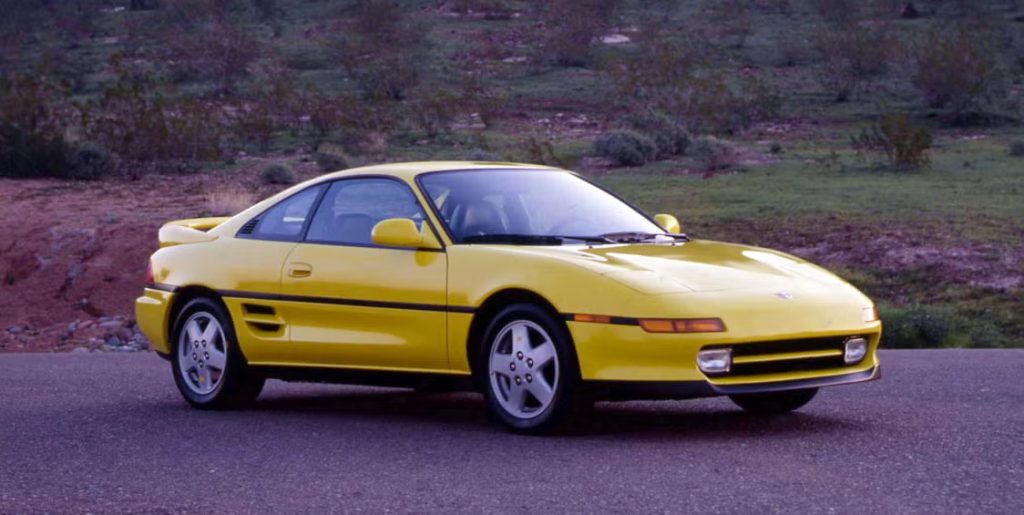
Lights, signals, and gauges should be tested periodically. The MR2’s pop-up headlights, while iconic, include motors that may fail or slow down after decades. Addressing such issues early is easier than replacing entire mechanisms later.
Modern upgrades can also improve reliability. Installing a stronger grounding kit improves overall current flow, while upgrading to modern LED bulbs reduces strain on old wiring.
Preventive attention to the electrical system not only avoids headaches but also ensures confidence when driving the MR2 at night or on long trips.
Hack 9: Protect Against Rust and Body Wear
The mechanical components of an MR2 can last surprisingly long, but body condition is equally important.
Rust remains one of the biggest threats to cars of this era, particularly if they have been exposed to moisture or road salts. Preventing rust and body wear preserves not just appearance but also safety and structural integrity.
Key areas prone to corrosion include wheel arches, rocker panels, undercarriage sections, and suspension mounting points.
Regularly inspecting beneath the car reveals small issues before they spread. Once rust advances, repair becomes complicated and costly. Applying rustproof coatings or sprays to vulnerable spots adds years of protection.
Washing and waxing on a consistent schedule keeps corrosive residues like road salt or acid rain from eating into paint and metal. Paying extra attention to the car’s underside after winter driving is particularly effective.
Seals and trim must not be ignored either. The MR2’s targa roof or convertible top models often develop leaks over time. Water intrusion damages carpets, wiring, and hidden structures. Replacing weather seals and ensuring drainage channels are clear prevents this type of wear.
The paint itself deserves care. Fading can be delayed with ceramic coatings or high-quality wax. Detailing lifts contaminants off the paint, and polishing renews shine.
Body care takes effort, but it ensures the MR2 not only runs well but also continues to look striking for years. Enthusiasts often value condition as much as performance, meaning rust prevention also preserves resale value.
Hack 10: Adopt Smart Driving Habits
No maintenance schedule can compensate for careless driving habits. The way an MR2 is driven influences how long its parts last. Because of its mid-engine layout, the car benefits from gentle warm-ups before demanding performance.
Allowing the engine to gradually reach operating temperature ensures oil flows properly and reduces strain on internal parts.
Aggressive driving when the engine is cold causes premature wear. Similarly, sudden shutdowns after long, spirited runs can damage turbocharged models. Cooling the engine by letting it idle briefly before shutting off preserves turbo and oil life.
Driving style also affects suspension, tires, and brakes. Repeated hard launches and abrupt clutch engagement shorten gearbox and clutch life. Braking later than necessary stresses pads and rotors, while constant aggressive cornering accelerates suspension fatigue.
By balancing spirited driving with mechanical sympathy, the MR2 remains fun without unnecessary wear.
Avoiding short trips is another overlooked factor. Short journeys rarely allow the engine to heat fully, which accelerates oil contamination. Planning slightly longer drives when possible improves longevity.
Finally, storing the MR2 properly during inactive periods prevents it from suffering while unused. A trickle charger keeps the battery alive, while starting the car occasionally circulates fluids. Covering it or storing it in a dry garage protects paint and rubber components.
Driving with smart habits allows enthusiasts to enjoy performance without sacrificing reliability.
The Toyota MR2 remains one of the most rewarding and accessible sports cars ever built, but keeping it in excellent condition requires consistent care. This guide highlighted ten essential hacks that owners can apply to extend the life and performance of their car.
The fundamentals begin with frequent oil and filter changes, ensuring the engine stays lubricated and free from wear particles. Maintaining the cooling system prevents overheating, a common risk in mid‑engine layouts.
Suspension upkeep restores handling precision, while staying on schedule with timing belt service avoids catastrophic failures. Transmission health, through fluid changes, clutch care, and bushing replacements, preserves smooth gear engagement.
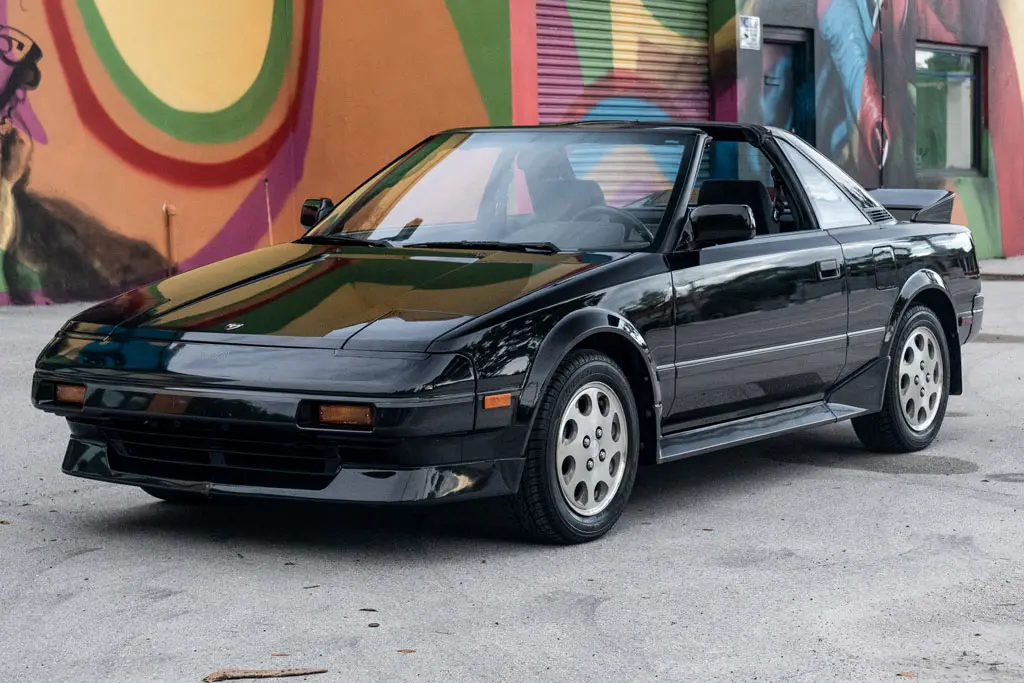
Tires and wheel alignment are equally vital, as they influence grip and responsiveness. Protecting the braking system through regular fluid flushes, pad and rotor checks, and hose upgrades guarantees safe stopping power.
Electrical maintenance, such as keeping grounding points clean and watching alternator health, prevents unexpected breakdowns. Protecting the body from rust and leaks maintains both aesthetics and structural integrity, especially for older models.
Finally, smart driving habits make the biggest difference, as smooth warm‑ups, controlled use, and proper storage lessen mechanical stress.
Together, these hacks form a preventive approach, proving that caring for an MR2 is about discipline rather than costly repairs.
With careful attention to both mechanical and cosmetic details, the MR2 can still deliver the sharp handling, balanced dynamics, and driving fun that made it legendary. By following these methods, enthusiasts can preserve their MR2 as both a classic and a dependable sports car.
Also Read: 5 SUVs with Seats Comfortable for 8-Hour Drives and 5 That Cause Back Pain
