

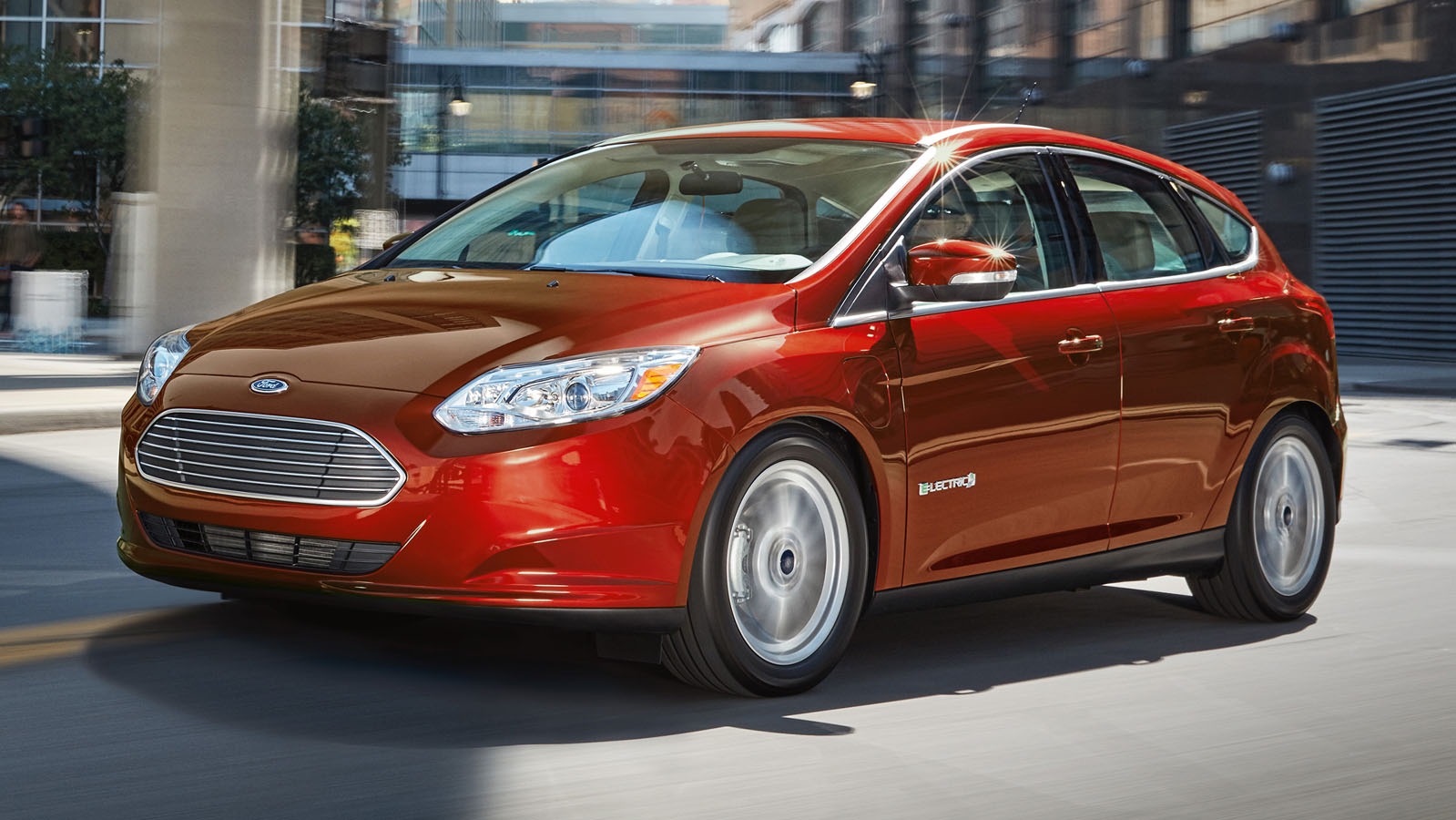
The Ford Focus Electric is a unique blend of practical design and modern technology, giving everyday car owners the chance to experience a battery-powered future without completely moving away from the familiar compact format.
Unlike traditional gasoline engines, the battery inside the Ford Focus Electric is its lifeline. It determines how far you can travel, how smoothly your car performs, and how reliable it will be over time.
But just like the human body, the battery has certain conditions where it thrives and others where it weakens. Many drivers unknowingly shorten the battery’s life span by developing habits that seem harmless at first, but gradually drain its longevity and efficiency.
Owning an electric vehicle is different from maintaining a gasoline car. With gas-powered vehicles, refueling and occasional oil changes are usually enough to keep things running.
With electric cars, especially ones like the Ford Focus Electric, proper battery care becomes just as essential as understanding how the car drives.
By avoiding common mistakes, drivers can extend the life of their battery, save on repair costs, and enjoy their EV without unnecessary frustrations.
This article takes a closer look at nine driving practices and charging habits that can drain the strength of a Ford Focus Electric battery long before its expected lifespan.
If you are considering switching to an electric vehicle or already own one, these pointers provide practical insights that will help you make the most out of your investment.
Each section highlights a specific mistake drivers make, explaining why it damages the battery and simple practices that can keep your Ford Focus Electric functioning at its best for years to come.
Also Read: 10 Things That Keep a Toyota Sequoia Family-Ready Forever
Move 1: Frequently Charging the Battery to 100%
One of the most common habits that damages the health of a Ford Focus Electric battery is the constant push to keep it fully charged at 100%.
While it may appear logical to always use the maximum range available, charging to full capacity repeatedly puts strain on the battery chemistry.
Lithium-ion batteries, which power the Ford Focus Electric, work best when maintained in a moderate charge range rather than at the extremes of zero or full.
When a driver consistently plugs in overnight and leaves the vehicle sitting at 100%, the cells remain under higher voltage stress for extended hours. This stress gradually reduces their ability to hold charge over time, lowering the overall battery capacity.
Unlike gas tanks, which can be topped off freely without consequences, batteries have a sweet spot where they perform best. Industry experts recommend keeping the state of charge between 20% and 80% for daily use to ensure longer battery life.
Another issue arises when the car is left parked for several days with the battery fully charged. Heat buildup can intensify the problem, accelerating cell degradation.
Even though the temptation is strong to keep maximum range in hand, especially for those with range anxiety, consistently charging to 100% should be reserved for long trips where you will be using that extra driving distance right away.
Drivers who build the habit of charging their Ford Focus Electric more strategically often see better long-term results. Using timers on charging equipment or taking advantage of smart charging features can help stop the process once the battery hits around 80%.
By respecting these limits, you protect one of the most valuable components of your electric car. Choosing smarter charging routines not only ensures reliability but also prevents costly battery replacements down the road.
Move 2: Letting the Battery Drain to 0% Too Often
Another significant mistake Ford Focus Electric owners make is allowing the battery to regularly discharge down to near zero. While gasoline cars can easily run the tank to empty without permanent harm, battery-powered systems are far less forgiving.
Lithium-ion cells experience chemical strain when pushed to such lows, and repeated deep discharges reduce the total number of cycles the battery can handle during its lifetime.
Every battery is designed with a certain cycle count, meaning how many times it can be fully charged and discharged before its capacity begins to noticeably fade.
Keeping the charge consistently in a middle range allows for better power retention across thousands of cycles, whereas draining it too low repeatedly lowers that potential.
A Ford Focus Electric driver who often reaches zero before finding a charger may feel the effect of reduced range much sooner than expected.
In addition to immediate wear, running the battery to empty can also create problems if emergency charging is not available nearby. Stranding the car without power puts additional stress on the cells, as they may become overly depleted.
If they remain in this state for too long, the health of the battery drops dramatically, sometimes to a degree that requires professional intervention.
The smarter approach is to begin charging once the battery dips below the 25% mark rather than waiting for it to hit near zero.

Just as with avoiding overcharging, steering clear of regular deep discharges helps the battery chemistry remain stable for a longer life span.
Driving habits that incorporate early planning, such as charging overnight or topping up during the day when convenient, reduce the chances of dropping too low.
A mindful charging routine is one of the simplest and most effective ways to protect the investment you made when buying a Ford Focus Electric.
Move 3: Exposing the Battery to Extreme Heat
Heat is one of the most damaging environmental factors for a lithium-ion battery, and the Ford Focus Electric is no exception. While all vehicles face challenges in extreme weather, the battery pack in an electric vehicle is particularly vulnerable to sustained high temperatures.
Too much heat accelerates chemical breakdown, leading to reduced storage capacity, slower charging performance, and earlier replacement needs.
Parking the Focus Electric outdoors under the blazing sun for extended periods may seem harmless, but the interior and battery pack can reach very high levels of heat.
Over time, these conditions dry out and degrade cells. Unlike traditional gasoline cars that may only suffer cosmetic interior wear from extreme sun, electric vehicles carry the risk of shortened battery life.
The problem can also be amplified during charging. A vehicle plugged in while sitting in extreme heat undergoes additional stress since the cells are already under pressure from high voltage levels. If this pattern continues frequently, the battery can lose performance much sooner than expected.
Preventive steps include seeking shaded parking spots, using car covers when extended outdoor storage cannot be avoided, and timing charging sessions for cooler periods of the day such as early morning or late evening.
Some drivers also make use of preconditioning systems that allow the car’s battery management hardware to regulate temperature while plugged in.
While it is impossible to completely avoid hot weather, consistent protection from excessive exposure does make a noticeable difference. Treating the battery with care by avoiding extreme conditions preserves capacity and ensures the vehicle remains dependable.
Your Ford Focus Electric is an investment, and protecting it from heat-related wear helps maintain performance beyond just the early years of ownership.
Move 4: Exposing the Battery to Extreme Cold
On the opposite side of weather extremes, very cold temperatures also present their own battery challenges for the Ford Focus Electric. When exposed to freezing or subzero environments, lithium-ion batteries struggle with efficiency.
Power output is weakened, charging rates slow down, and energy storage becomes less reliable. While capacity often rebounds once the temperature stabilizes, frequent harsh cold cycles slowly weaken the cells and impact long-term durability.
Drivers often notice this effect during winter when the vehicle range dips noticeably compared to warmer months. Though this short-term reduction is expected, the repeated strain of forcing cold cells to charge or discharge fully can shave years off the life of the pack.
Attempting to rapidly charge a frozen or very cold battery is especially harmful, as lithium plates can build up inside, permanently damaging the cell chemistry.
Simple preventive measures can greatly reduce these harmful effects. Parking the Ford Focus Electric in a garage during winter keeps batteries more insulated, preventing them from reaching the lowest temperatures.
If garage parking is not an option, using thermal covers or preconditioning the car before trips can help keep the system at a more moderate temperature range.
In colder regions, it is also wise to begin charging after a short drive rather than right away while the car is frozen. The battery will have warmed slightly from use, creating more favorable conditions for receiving charge.

Drivers who keep this routine typically see healthier long-term results compared to those who plug in immediately in freezing conditions.
Cold may be part of everyday seasonal changes, but thoughtfully managing its effect on the Ford Focus Electric is vital. Treating the battery with consideration not only minimizes sudden wintertime frustrations but also extends its ability to function optimally for years.
Move 5: Using Fast Charging Excessively
Fast charging stations are a remarkable convenience, especially for drivers who need to quickly get back on the road. However, relying too heavily on these high-powered chargers can reduce the long-term health of your Ford Focus Electric battery.
While they provide significantly shorter charging times, fast charging cycles pump large amounts of energy into the cells at once. This accelerates heat buildup and places more stress on the chemical structure of the pack compared to slower, level 2 home charging.
Occasional use of fast charging is perfectly safe and expected, particularly on road trips or during unexpected needs. But making it the primary charging source is where problems arise.
The constant high voltage and increased heat from frequent rapid sessions create wear, which leads to a gradual decline in efficiency and range.
Drivers who use slower charging methods the majority of the time benefit from reduced internal stress within the battery.
Overnight charging at home, even though it takes longer, provides a gentler and healthier cycle. This strategy should form the main routine, leaving rapid stations as a solution only when necessary.
A good practice is to plan charging schedules so that slower, more stable replenishment is the default. For example, plugging in each night at home is more beneficial than relying on public DC fast chargers daily.
This way, the pack spends more time under low-stress energy levels, which directly contributes to extending its lifetime.
Convenience often tempts drivers to choose the quickest path, but long-term thinking should guide EV ownership. Using fast charging responsibly ensures the battery remains strong and dependable for many years.
Balancing efficiency with preservation benefits not just the wallet but also the driving experience of the Ford Focus Electric.
Move 6: Ignoring Software Updates for Battery Management
Modern electric vehicles are designed with advanced battery management systems, and the Ford Focus Electric is no different. These systems regulate charging, temperature control, and energy use, all to protect the battery’s health.
Manufacturers regularly release software updates to refine these processes, address known issues, and improve performance. Choosing to ignore or delay these updates can inadvertently put your battery at risk.
Many drivers overlook these updates simply because they see them as time-consuming or unnecessary. However, updates often contain essential adjustments that improve how the battery charges under varying conditions.
For example, an update might refine when the cooling system activates to prevent overheating during long summer charges. Another may adjust charging speed to better align with new-level standards in the electric grid.
By refusing updates, drivers miss out on these refinements and continue using outdated system behavior that could stress the cells unnecessarily.
Even small inefficiencies build up over time, shortening the usable battery span. Keeping software current ensures the management system functions at its peak ability to protect against harmful extremes.
Manufacturers design updates with real-world usage data, learning from how thousands of similar vehicles perform under different conditions.
This collective knowledge goes directly into patches and adjustments that benefit your own Ford Focus Electric. Taking advantage of these upgrades is one of the easiest steps for avoiding hidden dangers that eat away at range and reliability.
It is worth setting regular reminders to check for updates or scheduling dealership maintenance visits when service notifications appear.
By being proactive, you ensure the vehicle benefits from the latest engineering knowledge. Treating updates as an extension of routine care keeps the system modernized and not left behind to suffer from preventable issues.
Move 7: Aggressive Driving and Hard Acceleration
The way you drive your Ford Focus Electric directly affects the battery’s condition. Aggressive driving with frequent hard acceleration drains energy at a faster pace, causing the battery to experience cycles of heavy stress.
Unlike a gasoline vehicle where hard driving mainly harms fuel economy, consistently flooring an electric vehicle results in higher battery discharge rates that reduce long-term performance.
Fast accelerations require rapid bursts of power that heat up the cells. Paired with frequent hard braking, this creates an unbalanced charge and discharge cycle which wears down the battery’s stability.
Over time, the pack struggles to hold maximum capacity once these habits become common. While the thrill of instant torque is one of the most enjoyable parts of electric vehicle ownership, excessive use burns through the health of the car’s most valuable component.
Driving style adjustments can make a remarkable difference. Smooth acceleration and steady cruising keep discharge rates at a manageable level, providing the battery a chance to operate under normal conditions.
Regenerative braking should also be used consistently as it gently restores some energy, balancing the flow of discharge and recharge more carefully than constant harsh pedal input.
Owners who focus on efficient driving not only extend battery longevity but also maximize range. It is a dual benefit of longer trips per charge alongside slower wear.
Treating the car with controlled inputs allows you to still enjoy performance without overburdening the system unnecessarily.
The Ford Focus Electric is engineered to handle regular use with efficiency in mind. While the occasional spirited drive will not ruin the battery, making hard acceleration the norm slowly chips away at durability.
A moderate driving style remains the best method for protecting both range and battery strength for long-term satisfaction.
Move 8: Storing the Car for Long Periods at Full or Empty Charge
Another mistake often overlooked by Ford Focus Electric owners is how they store the vehicle during long breaks. Whether traveling for several weeks or parking the car away seasonally, the battery’s state of charge during storage dramatically affects its condition.
Leaving the car parked at a full charge or near empty for extended durations puts stress on the cells that gradually degrades their ability to hold power.
At full charge, the battery remains at its highest voltage state, increasing chemical strain. If the storage lasts for weeks, this pressure begins to cause permanent decline.
On the opposite end, leaving the battery at zero or close to zero leaves it vulnerable to deep discharge damage. If weeks pass without use, the system draws small amounts of power for onboard functions, eventually pushing cells into unhealthy depletion that sometimes requires costly reconditioning.
Experts recommend storing the Ford Focus Electric around a 40 to 60% state of charge when unused for long stretches. This middle level allows the battery chemistry to remain stable without over-stressing voltage levels.
It is also beneficial to disconnect or minimize non-essential power draws while the car is parked, ensuring the charge does not unknowingly drop lower.
Simple preparation in storage protects you from sudden surprises later. Learning to set the charge level appropriately before leaving the car prevents costly long-term deterioration.
Compared to gasoline cars that can often sit unused for months without worry, electric vehicles demand more thoughtful care when idle. Planning storage conditions ensures your Ford Focus Electric is ready to deliver reliable power as soon as it returns to the road.
Move 9: Ignoring Routine Maintenance and Battery Inspections
While the Ford Focus Electric removes the need for oil changes and certain mechanical services, that does not mean it is free from maintenance requirements. One of the final moves that can quietly harm your battery is neglecting routine inspections and servicing.
A battery pack may appear sealed and self-sufficient, but it contains cooling systems, connectors, and management software that must stay in top condition to protect its health.
Neglecting regular service checks may allow small problems to grow undetected. A minor cooling system leak, for example, can affect thermal regulation, exposing the battery to damaging heat.
Loose wiring or corroded connections undermine charging efficiency, leading to irregular stresses over time. Skipping scheduled inspections means missing these red flags until the damage is serious and costly.
Most dealerships or authorized EV service centers offer specialized evaluations for the Focus Electric’s power system.
These include software diagnostics, thermal performance checks, and hardware inspections. Staying consistent with these visits not only assures continued battery health but also keeps the warranty in good standing.
Even owners who prefer self-reliance in vehicle care should not overlook the value of professional diagnostics. Unlike simple mechanical checks in traditional cars, EVs require specialized tools and training for accurate monitoring.
By partnering with experts at routine intervals, you preserve the performance of the most expensive component of your Ford Focus Electric.
Consistency in upkeep instills confidence that your vehicle’s battery remains protected long term. Avoiding complacency saves you from unexpected range loss, slow charging speeds, or replacement needs that could have been prevented with timely attention.
Maintenance might feel less urgent without components like engines and transmissions, but for EVs, inspections are the shield that guards your battery’s future.
Also Read: 5 Engines That Run Better After 100K and 5 That Decline Immediately
