
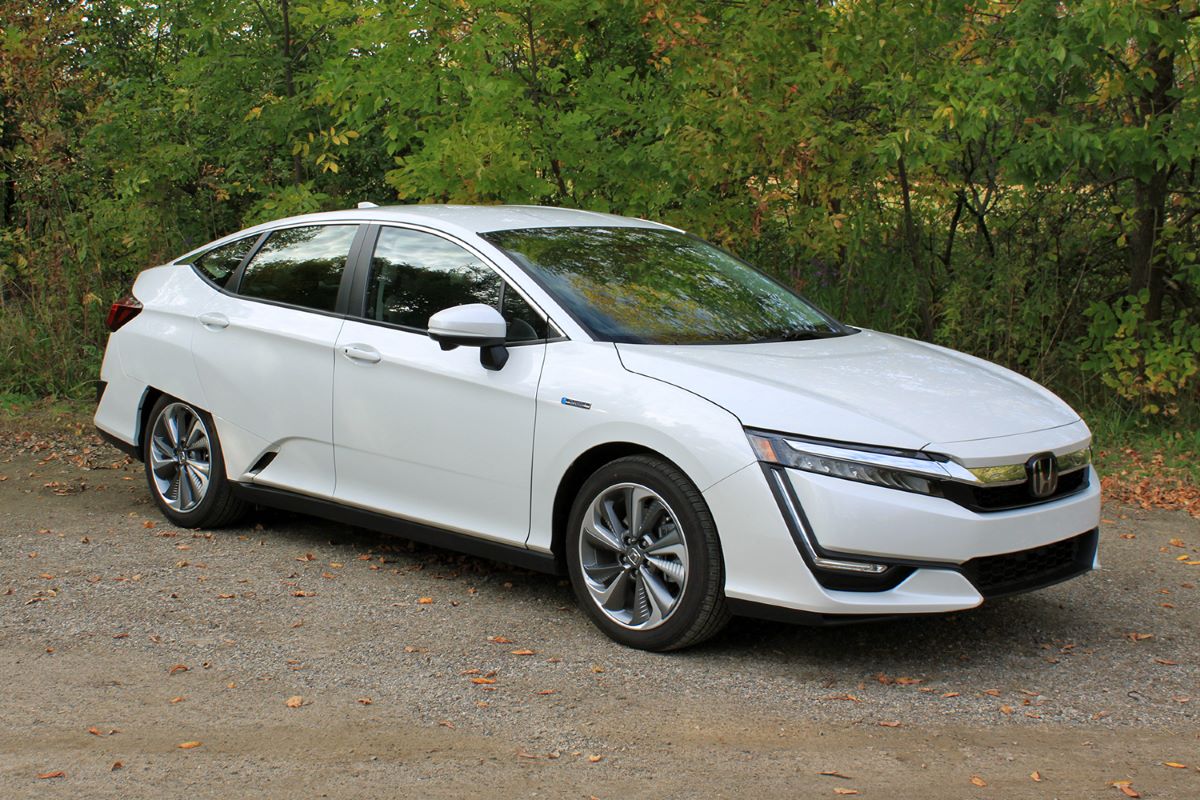
Owning a Honda Clarity is a rewarding experience because it brings together efficiency, modern technology, and comfort in a single package.
However, like any vehicle that relies on hybrid and electric systems, its battery health becomes one of the most critical aspects of its long-term performance.
The battery is essentially the heart of the car, supporting not only its electric driving range but also its everyday reliability.
While the Clarity has been designed with durability in mind, careless usage habits, overlooked maintenance practices, and misinformed choices by drivers can wear down the battery faster than expected.
Most owners focus on driving range, charging speed, and fuel savings, but what often goes unnoticed is how everyday decisions can shorten the battery’s life. From leaving the car idle for long periods to improper charging cycles, small mistakes affect overall battery health.
These issues may not show immediate damage, but over time they build up, leading to reduced battery efficiency, expensive repairs, or even the need for premature replacement.
The cost of replacing or repairing a hybrid or electric battery can be significant, which makes it all the more important for owners to understand common mistakes and adopt practices that will help preserve battery strength.
Simple adjustments in charging habits, parking choices, maintenance schedules, and driving style can make a meaningful difference.
This article highlights eight mistakes that often contribute to a Honda Clarity’s battery wearing out faster than it should. Each mistake is explained in detail to help owners recognize where they might unknowingly be reducing the lifespan of their vehicle’s power source.
By learning how to avoid these errors, you can maximize the value of your Clarity, maintain its electric efficiency, and extend its reliability for years to come.
Also Read: 10 Things That Keep a Toyota Sequoia Family-Ready Forever
Mistake 1: Leaving the Car Idle for Extended Periods
One of the most common yet damaging practices for a Honda Clarity battery is letting the car sit unused for long stretches of time.
Unlike a traditional gas-powered vehicle, where the fuel system and starter battery can sustain slight periods of inactivity, the Clarity relies heavily on its high-voltage battery, which needs consistent cycles of usage to stay effective.
When the vehicle is allowed to remain idle for weeks without being driven or charged, the battery gradually loses charge. Lithium-ion batteries, which power the Clarity, do not handle deep discharges well.
Even if the display shows some reserve level, the internal cells can degrade when sitting partially charged with no activity. Over time, this leads to a noticeable reduction in overall battery capacity.
Seasonal storage is one of the most overlooked causes of unnecessary battery wear. Some owners who only use the Clarity for commuting may park it for weeks if travel or work routines change.
During these intervals, the battery is silently depleting and potentially aging prematurely. On top of that, the auxiliary 12-volt battery responsible for powering electronics can face issues from inactivity, amplifying the problem.
A preventive measure is to drive the car regularly or at the very least ensure periodic charging sessions. Even a short drive around the neighborhood every few days can help maintain the battery’s optimum state.
Similarly, if you know the vehicle will not be used for an extended period, it is best to maintain the battery level in an ideal range, not at a full or empty state.
Parking with a moderate charge and reconnecting occasionally for a refill is considered the smartest approach.
By being consistent with usage and planning during longer idle periods, Honda Clarity owners can preserve battery health and avoid the costly consequences of gradual deterioration that comes from simply letting the car sit unused.
Mistake 2: Overcharging the Battery
Many Honda Clarity owners mistakenly believe that keeping the battery constantly at 100 percent charge is the best practice for preserving range and readiness. While this may seem logical on the surface, it can actually shorten battery life instead of protecting it.
Lithium-ion batteries, such as the one powering the Clarity, perform best when kept in moderate charge ranges rather than being pushed to either extreme.
Keeping the car plugged in overnight every day to reach full capacity may feel convenient, but this habit increases stress on the cells.
High voltage levels maintained for long durations accelerate chemical reactions within the battery, which in turn contributes to a faster decline in capacity.
This is why battery specialists consider charging to complete fullness only when you genuinely need the maximum distance for a planned trip.
Another overlooked factor is the way owners often leave the vehicle at full capacity for days without driving it.
Doing so amplifies the strain, since the cells remain in a high-stress state without any discharge or cycling. Over years of such behavior, the outcome is noticeably reduced electric range compared to when the car was new.
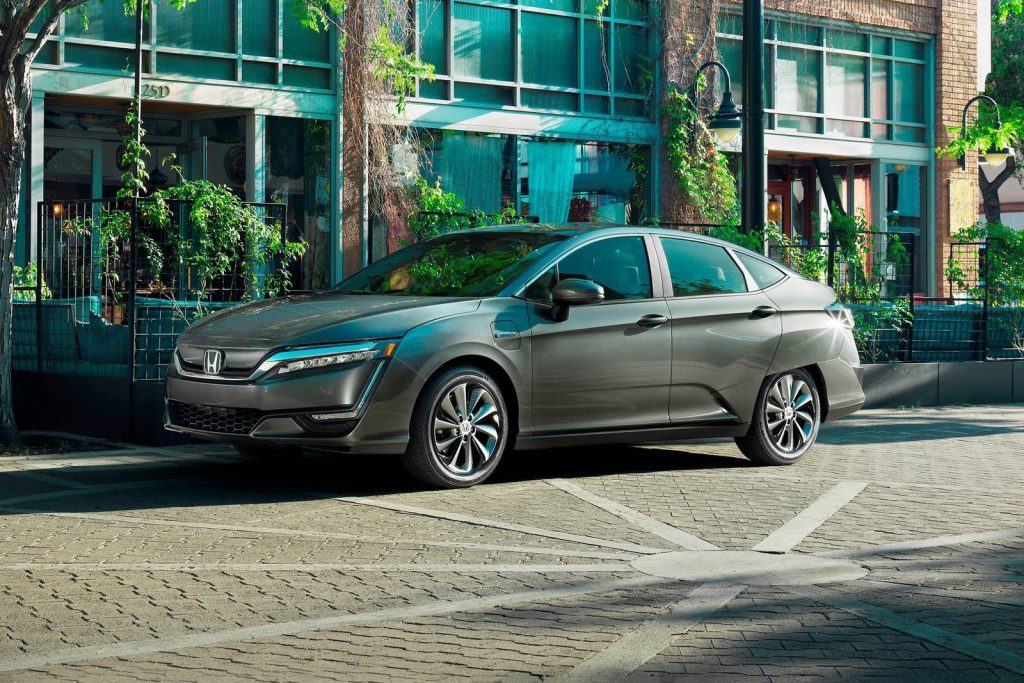
A practical solution is to adjust charging behavior consciously. Instead of charging fully every single night, find a balance by topping up to about 70 or 80 percent for daily usage.
This range is considered far less stressful for lithium-ion chemistry and still provides sufficient miles for regular commutes. Reserve full charges for instances where you plan long drives and actually need the entire capacity at your disposal.
The benefit of this more thoughtful charging pattern is twofold: not only does it preserve your battery’s health, but it also ensures that the levels of degradation over years remain lower, which extends the useful life of the vehicle while avoiding premature expenses.
Mistake 3: Frequently Running the Battery Down to Empty
At the opposite end of overcharging lies another damaging habit: letting the Clarity’s battery frequently drain to near-empty. Many drivers approach the car’s range like a phone battery, assuming that letting it hit zero before recharging provides some benefit. Unfortunately, this is a misconception.
Lithium-ion batteries do not respond well to deep discharge cycles. Operating close to zero percent creates stress on the cells and increases wear, especially when this low level is reached repeatedly.
The deeper the discharge, the higher the likelihood of permanent capacity loss or imbalance over time. Unlike older battery chemistries, modern lithium-ion systems do not require full drain cycles for calibration or health.
Because the Honda Clarity integrates both gasoline and electric drive, it may seem harmless to run the battery flat since the gas engine can power the vehicle afterward. However, every cycle of heavy depletion strains the cells.
This gradually leads to reduced electric driving range and lower efficiency. Eventually, you may notice the distance achievable on a full charge diminishing, which is a telltale sign of degradation.
Adopting a different driving and charging rhythm is simple and makes a substantial difference. Charging before the battery completely drops is far healthier.
Keeping the state of charge above 20 percent whenever reasonable provides a much better balance. This threshold minimizes stress while still giving ample usable energy for your trips.
Additionally, avoid the mindset that using every single mile of electric range on a daily basis is necessary. Relying on a higher minimum charge level ensures that the battery avoids consistent deep strain cycles, which means you keep enjoying strong performance for years.
Ultimately, treating the battery gently in this way also reflects in better fuel economy since electric power remains more readily available without constant gas engine intervention.
Mistake 4: Using Fast Charging Excessively
Fast charging stations are a major convenience, giving drivers the ability to regain range in a fraction of the time compared to standard outlets.
It makes long-distance travel with an EV or plug-in hybrid far more feasible. However, relying heavily on these rapid charging sessions is another mistake that can degrade the Honda Clarity battery.
Under normal charging conditions, the current flows through the battery at a moderate pace, keeping cell temperatures relatively stable. Fast charging, by contrast, forces energy into the cells very quickly, causing additional heat and stress.
Even though the Clarity’s battery management system helps regulate these factors, consistent reliance on fast charging accelerates wear on the internal chemistry.
While occasional use of fast chargers is not harmful, making them the primary charging method adds cumulative strain. Over time, the owner may notice a gradual reduction in range due to this repeated stress on the cells.
What is worse, fast-charging habits often pair with aggressive cycling behaviors like charging to full capacity or letting the level drop too low, further compounding the problem.
A better strategy is to treat fast charging as a backup or travel-specific resource rather than the daily method.
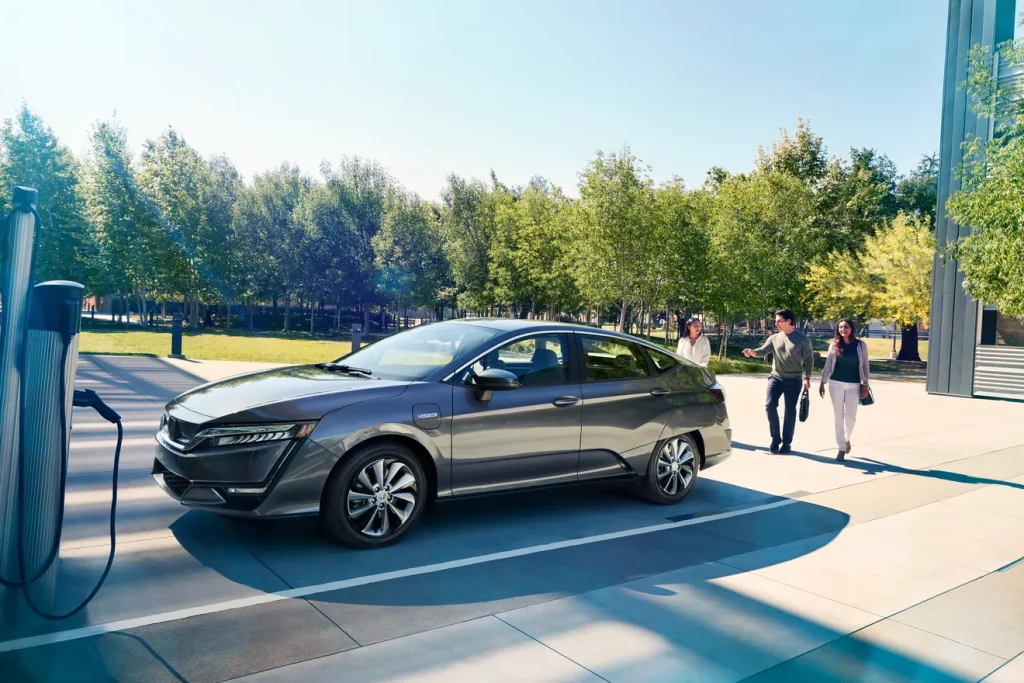
For routine needs, plug the car in at home using either a standard household outlet or a Level 2 charger, which delivers power more slowly and consistently. These options keep temperatures under control and minimize pressure on the cells.
By saving fast charging for urgent needs or planned trips, you reduce exposure to unnecessary stress.
This approach not only preserves long-term range but also saves money since high-speed public charging sessions can be more expensive than home charging. With a little forethought, owners can maintain both their budget and their battery’s health.
Mistake 5: Ignoring Temperature’s Impact on Battery Health
Temperature plays a critical role in battery performance, yet many owners underestimate this factor. Extreme heat or cold can drastically affect how efficiently the Honda Clarity’s battery functions and how fast it degrades over time.
While the vehicle includes thermal management systems to help regulate conditions, consistent exposure to harsh environments still places additional strain on the cells.
Prolonged heat is especially harmful. Parking the car under direct sunlight for extended periods can cause the battery temperature to rise beyond ideal levels. High heat accelerates chemical breakdown inside the cells, leading to faster deterioration.
For drivers in warm climates, leaving the Clarity outdoors with no shade or cover can quickly add up to a decline in long-term capacity.
Cold temperatures, by contrast, reduce the immediate efficiency of the battery. While not as damaging as heat in terms of long-term chemical aging, extremely low weather conditions force the vehicle to use more energy for heating systems and reduce charging efficiency.
Regular operation in freezing climates can still add wear if the car is often undercharged in the cold.
The preventive solution comes down to careful parking and moderate charging habits. Whenever possible, park in shaded areas, garages, or covered spaces to limit exposure.
If you live in a hot climate, avoid charging the battery to full during the hottest times of the day, since the combination of high temperature and high charge accelerates degradation.
In colder climates, preconditioning the cabin while still plugged into the charger is a smart trick, as it warms the battery and interior without relying solely on stored energy.
Considering these conditions when managing your Honda Clarity leads to more stable battery performance and extended longevity.
The truth is that by respecting temperature’s impact, you protect not just the range but your investment in one of the car’s most expensive and crucial systems.
Mistake 6: Pushing the Vehicle with Aggressive Driving
Driving style directly affects the health of both the hybrid system and the high-voltage battery. One mistake many Honda Clarity owners make is adopting aggressive habits behind the wheel.
Rapid acceleration, frequent hard braking, and inconsistent speed changes may feel thrilling in the moment, but these patterns place excess strain on the battery system.
The Clarity is designed to handle regenerative braking and electric power delivery smoothly. When you accelerate aggressively, the demand for immediate high power draw takes a toll on the cells.
Similarly, when braking harshly, the regenerative system works overtime to absorb energy in bursts. Over repeated cycles, this leads to inefficient wear that reduces the overall lifespan of the cells.
Consistent aggression also disrupts efficiency. Instead of maximizing electric miles per charge, the car ends up relying more heavily on the gasoline engine, which defeats much of the purpose of owning a plug-in hybrid.
This not only undermines fuel savings but also taxes battery charging and discharging patterns more than necessary.
Adjusting driving style is an effective solution to this mistake. Smooth acceleration, measured braking, and steady cruising allow the battery to deliver and absorb energy at more manageable rates.
This balanced approach reduces stress, enhances efficiency, and keeps the range closer to what Honda intended during the design process.
Beyond battery preservation, a careful driving style also adds comfort. The transition between gas and electric power feels smoother, while less heat is generated in the system from abrupt movements.
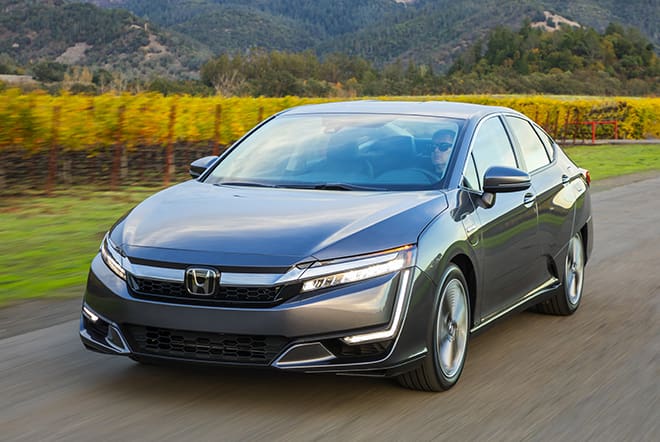
Many Clarity owners who shift to gentler techniques find that their battery maintains stronger capacity over the years, directly contributing to lower operating costs and longer vehicle enjoyment.
In short, patience on the road does more than keep you safe it keeps your Honda Clarity’s battery healthier for the long run.
Mistake 7: Skipping Regular Maintenance
Although the Honda Clarity is often celebrated for requiring less maintenance than traditional combustion-only vehicles, that does not mean upkeep can be ignored. Some owners assume minimal servicing is needed due to the car’s hybrid design, but this is a mistake that indirectly weakens battery performance.
Battery systems rely on a host of components working properly: cooling fans, electrical connections, charging equipment, and even software that manages operation.
If routine inspections are skipped, small issues may go unnoticed until they create strain. For example, a dirty or clogged cooling vent can limit airflow to the battery, increasing temperature levels and accelerating wear.
Software updates are another overlooked aspect. Automakers frequently release refinements that enhance efficiency, regulate charging in safer ways, or correct early design quirks.
Skipping dealer visits means missing opportunities to keep the battery management system optimized. This results in outdated performance and greater exposure to stressors that newer calibrations could otherwise minimize.
Even the auxiliary 12-volt battery, while separate from the main high-voltage pack, plays a supporting role in powering electronics that keep the hybrid system functioning properly. Ignoring its condition can cascade into unnecessary strain being placed on the main battery.
Staying consistent with recommended checks ensures that all these interconnected systems support battery health. Routine inspections, timely software updates, and attention to related components greatly reduce the chances of silent battery stress going unnoticed.
Rather than viewing maintenance visits as an inconvenience, it helps to see them as a safeguard protecting one of your car’s most valuable assets.
By prioritizing regular care, owners maintain not just safety but also the integrity of their Honda Clarity’s battery, preventing avoidable costs down the line.
Mistake 8: Using Accessories Excessively While Parked
Modern vehicles like the Honda Clarity come equipped with advanced entertainment, climate, and electronic features designed for convenience. However, leaving these systems running excessively while the car is parked can contribute to battery depletion in the long run.
For example, keeping the air conditioning or heater running for extended periods while parked drains energy that the battery could otherwise store for driving.
Similarly, using multimedia systems, charging multiple devices, or running other electronics without engine support draws power from the auxiliary system, which indirectly ties back into the hybrid battery management.
While short use of such features is generally harmless, regular overuse results in the high-voltage system engaging unnecessarily, causing wear.
For hybrid models like the Clarity, this sometimes triggers the gasoline engine to start in order to support the energy demand, which creates an inefficient cycle of limited electric range paired with excessive strain.
Simple habits make a significant difference. If you need to use the climate system extensively while stationary, it is better to remain plugged into a charging source so that most of the energy does not come directly from the battery. Similarly, limiting prolonged accessory usage when not driving helps reserve capacity for its intended purpose: propulsion.
Remember, each drawn unit of energy has to be replaced eventually, meaning unnecessary use translates to more charging cycles over the course of ownership. Since battery longevity is tied to how many cycles it endures, reducing wasteful discharges ensures more of the life is spent on meaningful driving.
This does not mean avoiding features altogether, but rather being mindful of when and how they are used. By moderating accessory use while parked, owners can keep their battery stronger for years of dependable operation.
The Honda Clarity is a reliable and efficient hybrid vehicle, but its performance depends heavily on the health of its high-voltage battery. While the car is designed with durability in mind, owners often develop habits that unintentionally shorten the battery’s lifespan.
Understanding these mistakes and making slight adjustments in daily use can significantly extend the vehicle’s electric efficiency and prevent costly repair or replacement.
A common issue is leaving the vehicle idle for long stretches, which allows the battery to drain silently. Overcharging to 100 percent daily also causes unnecessary strain, while frequently running the pack near empty is equally harmful.
Striking a balance by charging within moderate ranges, ideally between 20 to 80 percent, greatly reduces stress on the cells.
Excessive reliance on fast charging is another error, as the rapid energy flow increases heat that accelerates wear. Owners are better off using Level 1 or Level 2 charging at home, reserving fast charging for urgent trips.
Temperature also plays an important part, as both extreme heat and freezing cold degrade efficiency and capacity when exposure is ongoing.
Driving behavior influences battery health as well. Aggressive acceleration and harsh braking put heavy pressure on the hybrid system, while a smoother style promotes consistent power delivery and regeneration.
In addition, neglecting scheduled maintenance or ignoring small issues like clogged cooling vents or missed software updates can indirectly harm the battery.
Finally, running accessories such as climate control and entertainment systems while parked drains energy unnecessarily, leading to more frequent charging cycles.
By avoiding these eight mistakes, Honda Clarity owners can preserve range, enhance reliability, and ensure their vehicle serves them efficiently for many years. Small, consistent habits create long-term rewards when caring for such a crucial component.
Also Read: 10 Tricks That Keep a GMC Acadia Reliable for Families
