
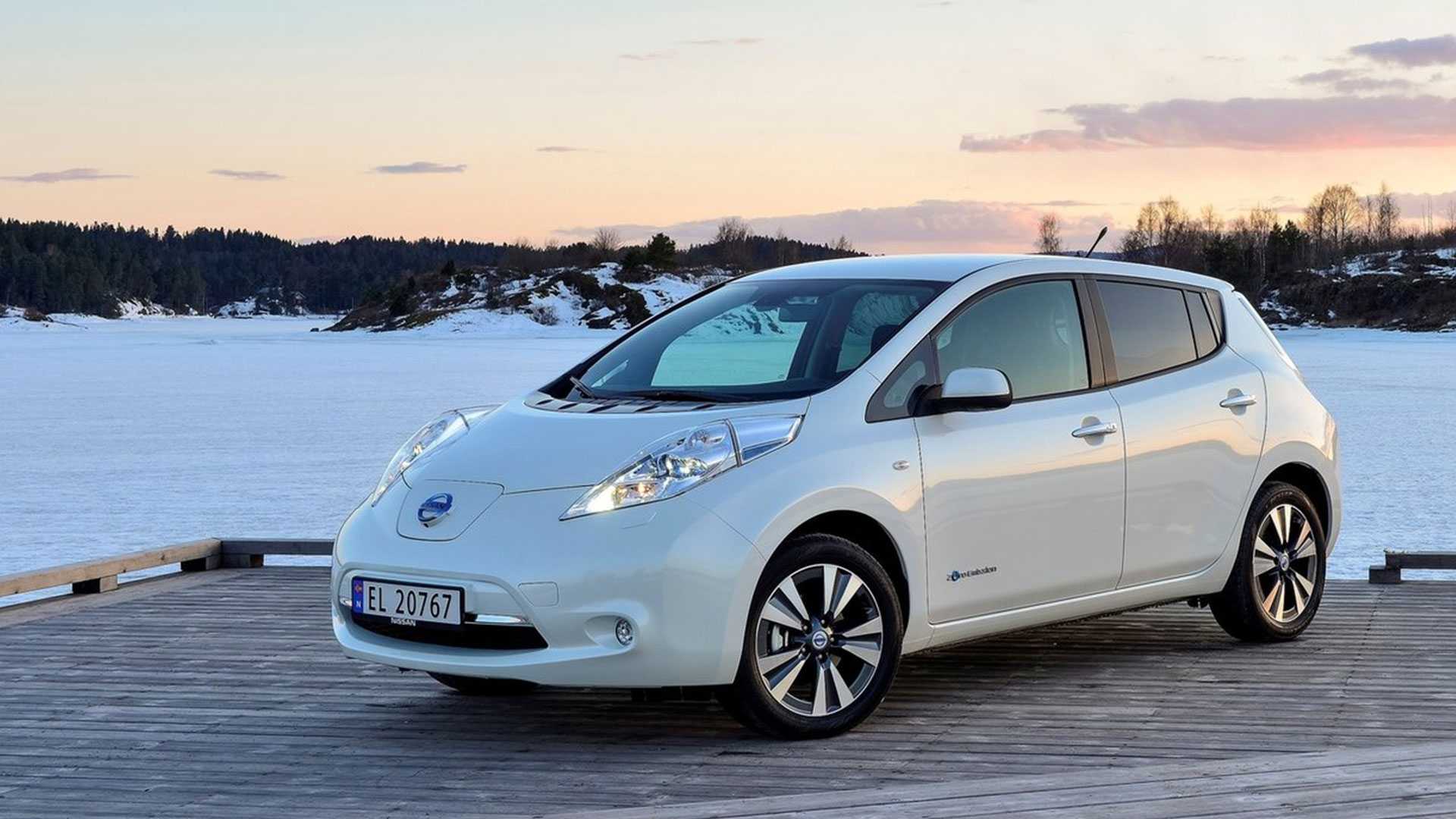
When people think about the longevity of electric vehicles, the Nissan Leaf often comes up as an example of durability and practicality.
Since its debut, this model has proven that an electric car is not just about emission-free commuting but also about long-term reliability when maintained with care.
Owners who have crossed the 200,000- or even the 300,000-mile mark with their Leaf often share that the secret lies in consistent habits and awareness of how electric cars differ from traditional ones.
It does not demand oil changes or spark plug maintenance, yet it requires attention in other areas that are unique to battery-driven vehicles.
A Nissan Leaf has fewer moving parts compared to gasoline cars, which in theory reduces potential problems. However, the true challenge lies in sustaining battery health, charging practices, and ensuring the car’s supporting systems remain in peak condition.
Some drivers think that because the Leaf does not have an internal combustion engine, it is maintenance-free. The reality is that it thrives when owners take calculated steps to protect its electric drivetrain and support system.
From careful charging routines to regular brake system care, every small action contributes to achieving the milestone of 300,000 miles.
Reaching such mileage is not merely about luck or factory build quality. It is a combination of habits: how the car is driven daily, how it is charged, where it is parked, and which servicing practices are followed.
It requires discipline but rewards owners with a car that continues to run smoothly long after others have been retired.
In the following sections, we will discuss ten things that keep a Nissan Leaf prepared for an extended life and ensure it goes the distance that few would expect from a compact electric vehicle.
Also Read: 8 Worst Mistakes That Ruin a Honda Fit in Under 10 Years
Tip 1: Prioritize Battery Health
At the heart of every Nissan Leaf is its lithium-ion battery, and the condition of this pack ultimately determines how far the vehicle will go in its lifetime.
Unlike a gasoline engine, which can be repaired, rebuilt, or even swapped out, battery degradation is harder to reverse. This is why prioritizing battery health is the single most important step toward achieving a life span of 300,000 miles.
Battery care starts with understanding proper charging habits. While fast chargers are tempting because they refill the pack quickly, consistent reliance on them puts extra strain on the cells. Heat generated during rapid charging accelerates chemical wear over time.
Using a Level 2 home charger for the majority of charging sessions provides a slower, steadier approach that keeps temperatures within safer ranges. Fast charging should be reserved only for long trips or emergencies, never for daily reliance.
Another precaution is avoiding extreme states of charge. Keeping the battery between 20 percent and 80 percent as often as possible can noticeably prolong its life.
Fully charging to 100 percent and then letting the pack drain to a very low level regularly stresses the cells and contributes to faster capacity loss.
While an occasional full charge may be necessary for trips requiring maximum range, it should not form the default charging routine.
Temperature also plays a large role in battery preservation. Parking in shaded areas during summer or in a garage during winter helps stabilize the conditions around the pack.
A Leaf exposed to prolonged heat suffers more rapid degradation, so owners in hotter climates must be extra cautious. Simple actions like using sun shades and limiting exposure to scorching asphalt parking lots can have a measurable effect.
By respecting these principles, Leaf owners can slow down the natural aging process of the battery pack.
A healthy battery maintains both range and efficiency, and without it, the path to 300,000 miles becomes much more difficult. Getting this foundation right sets the tone for the rest of the car’s longevity journey.
Tip 2: Use Regenerative Braking Wisely
One of the most appreciated features in the Nissan Leaf is regenerative braking, which converts momentum back into stored energy for the battery.
This function enhances efficiency and reduces wear on traditional brake components. However, while it feels convenient and innovative, using it incorrectly or aggressively can affect both driving comfort and overall system balance.
Maximizing the advantages of regenerative braking involves moderation. Relying too heavily on aggressive settings can create jerky driving patterns and sometimes lead to unnecessary stress on the braking system.
A smoother approach, using a mix of coasting and gentle regeneration, creates consistency that benefits long-term driving habits.
Spread across hundreds of thousands of miles, that consistent approach helps maintain balanced wear between regenerative braking and conventional braking.
Another reason to manage regenerative braking thoughtfully is related to battery condition. Each time the system captures energy, it feeds it back into the pack.
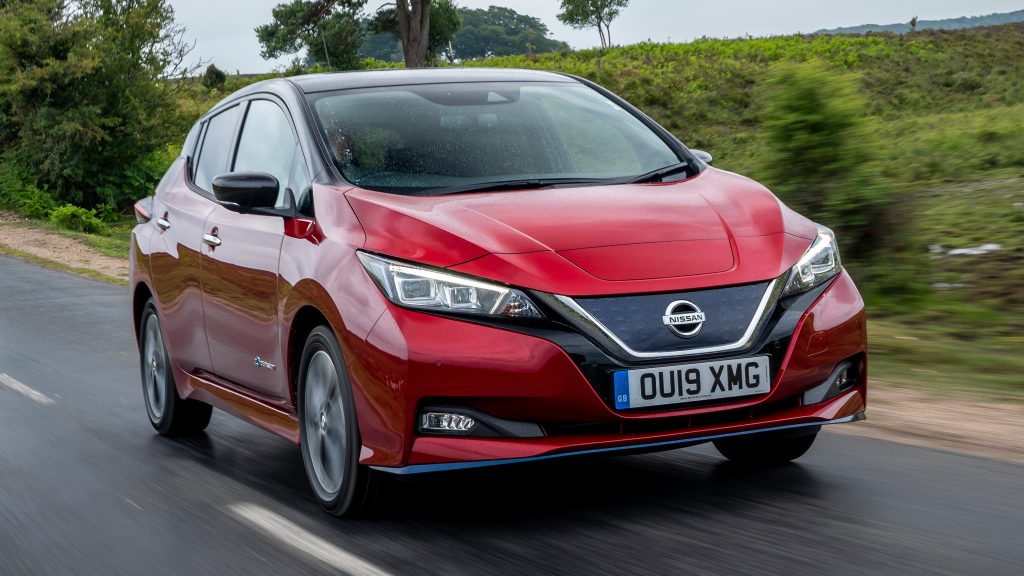
While this is efficient, overly aggressive use can expose the battery to constant micro-cycles, which in certain conditions could slightly hasten degradation. For everyday driving, especially in urban areas, the goal should be balance rather than maximizing regeneration at all costs.
Drivers should also remember to use the conventional brakes periodically to keep them in proper working shape. Leaf brakes, like those of many EVs, may wear slower than those on gasoline-powered cars, but neglect can cause them to corrode or seize due to underuse.
Periodically applying them with some pressure ensures moving parts stay lubricated and operational.
Smart usage of regenerative braking is about finding a rhythm in driving, where energy recovery is taken advantage of but not abused. This consistent habit saves brake pads, recycles energy effectively, and prevents overly aggressive cycling on the battery.
Combined with attentive braking practices, this feature of the Leaf becomes not just a novelty, but a practical contributor to the goal of reaching 300,000 miles with fewer replacements and lower maintenance costs.
Tip 3: Maintain the Cooling and Heating Systems
The Nissan Leaf may not have a traditional engine, yet it relies heavily on systems designed to regulate temperature, both for the cabin and critical components like the battery.
Temperature extremes put stress on electrical systems, so maintaining the Leaf’s heating and cooling functions is vital for a long service life.
The cabin air system and the heater are not only about driver comfort but also about preserving efficiency. A malfunctioning heater or air conditioner can force the battery to work harder in regulating cabin and component temperatures, thus reducing range over time.
Keeping the coolant levels checked and making sure that the HVAC system is serviced regularly can prevent failures that might otherwise shorten the Leaf’s lifespan.
In colder regions, preconditioning the cabin while the Leaf is still plugged in helps reduce battery strain.
By warming or cooling the cabin before driving, the system draws from wall power and not from the pack itself, saving energy once you are on the road. This habit not only boosts convenience but also slows wear on the high-voltage battery.
Air filters also play an underrated role. A clogged cabin filter forces the blower motor to work harder, indirectly straining other connected systems.
Changing filters at recommended intervals may seem like a small task, yet years of missed replacements can accumulate into inefficiency and even unnecessary component wear.
Additionally, make sure to have the cooling system inspected periodically for leaks, fluid condition, and pump operation. Battery longevity links closely to controlled operating temperatures, and a malfunction here risks damaging the most expensive component in the car.
By keeping these systems in good health, the Leaf sustains both comfort and durability over hundreds of thousands of miles.
This careful attention becomes the difference between a pack that runs smoothly for 12 years versus one that suffers from performance losses much earlier than expected.
Tip 4: Drive Smoothly and Avoid Aggression
How a vehicle is driven daily can drastically impact its long-term reliability, and the Nissan Leaf is no exception.
While the instant torque of its electric motor makes it fun to accelerate quickly, constant hard launches and aggressive driving can create long-lasting wear not only on the battery but also on the drivetrain and related parts.
Smooth acceleration and steady driving conserve energy, keeping battery temperatures lower and reducing strain on the power electronics. Over tens of thousands of miles, these habits build a pattern of stability that helps maintain the health of the car’s systems.
Aggressive drivers might not notice the impact right away, but over the course of a decade, the difference becomes visible in degraded battery capacity and even shorter component life.
Regenerative braking also works best when driving rhythmically rather than in constant stop-and-go situations. By allowing the car to coast when possible instead of rushing then stopping abruptly, an owner can preserve more efficiency.
This reduces unnecessary cycling of the battery and decreases the wear that builds up from harsh inputs.
The Nissan Leaf, like all EVs, is designed for efficiency, not racing. While it is capable of impressive torque delivery, using it responsibly is essential for keeping the car healthy at higher mileages. In fact, some high-mileage owners credit their success to simply being gentle with the throttle.

Additionally, driving smoothly reduces stress on tires, suspension, and even the brakes. By avoiding potholes, rough surfaces at high speeds, or sudden maneuvers, an owner prevents premature wear that would otherwise need frequent service attention.
A Leaf driven carefully returns a calmer, more efficient ride while also sustaining its ability to cover remarkable mileage milestones. Over 300,000 miles of travel, the difference in approach behind the wheel will determine whether those miles feel reliable or problematic.
Tip 5: Keep Software and Firmware Updated
Electric vehicles differ from traditional cars in that much of their performance relies on software. The Nissan Leaf is equipped with onboard computers that manage charging cycles, regenerative braking response, and battery usage optimization. Keeping the software current ensures the car operates at its best.
Whenever Nissan provides firmware or software updates, they are designed to fix existing issues or improve efficiency.
Some updates refine how the car handles fast charging or adjust thermal management logic, which can extend the long-term health of the battery. If these updates are ignored, the vehicle could miss out on refinements that might prevent excessive degradation.
For example, early Leafs had firmware updates that changed how the battery management system displayed available range or managed energy distribution.
Owners who kept their systems updated benefited from improvements that contributed to efficiency and more accurate readouts. Over time, this builds trust in the vehicle’s performance while protecting hardware from unnecessary stress.
Another advantage of staying current is improved compatibility with charging stations. As infrastructure evolves, older software versions can show irregularities with newer chargers.
Updating the system allows seamless communication and charging stability, which reduces the risk of incomplete or faulty charging cycles.
Some drivers assume software does not impact longevity, but battery safety mechanisms and charging logic rely heavily on it. Failing to update can mean the difference between a car that charges smoothly for 300,000 miles versus one that develops quirks prematurely.
Scheduling periodic visits to check with dealers or authorized specialists ensures the Leaf’s systems stay aligned with the latest optimizations.
This preventive measure requires little effort compared to the long-term benefits of keeping the vehicle in sync with improvements provided by Nissan.
Consistent updating protects both the experience of driving and the essential components that need to last over several hundred thousand miles.
Tip 6: Protect Against Corrosion and Environmental Damage
While the Leaf has fewer moving parts than traditional vehicles, its physical structure is still subject to environmental challenges. Corrosion, rust, and exposure to the elements can quietly reduce the car’s value and longevity if not addressed.
Owners in regions with heavy rains or salted winter roads must pay extra attention to underbody cleaning.
Salt buildup underneath a car accelerates corrosion. The Leaf’s frame and components, although treated for durability, are not immune. Regularly washing the underbody during winter months prevents long-term rust problems.
For drivers in coastal regions, salty air makes regular cleaning equally important. In both cases, preventive care ensures structural parts remain strong for decades.
Protecting rubber seals, weather stripping, and plastic trim also contributes to longevity. These parts prevent water and debris from entering vulnerable sections, so treating them with proper conditioners can keep them from cracking or weakening. Any failure here could allow leaks that compromise both comfort and electrical systems.
Another step is applying protective coatings such as wax or ceramic treatment to the exterior. This minimizes paint damage from UV rays and environmental debris.
Once paint is compromised, rust can more easily creep into exposed sections. Over years of use, protective coatings save owners the cost of body repairs.
Owners should also remember interior protection. Keeping the cabin clean and dry prevents mold and keeps electronics secure.

Moist environments inside a car not only damage upholstery but can also affect sensitive sensors. Simple actions like using quality floor mats or checking for leaks around windows and doors guard against these risks.
The Leaf can reach high mileages provided its exterior and underbody are maintained properly.
Protecting the vehicle from an environmental standpoint is as important as maintaining its drivetrain. Overlooking such details can cause irreversible structural wear long before the drivetrain reaches its natural limit.
Tip 7: Service the Brake System Regularly
Electric vehicles like the Nissan Leaf enjoy longer brake life because regenerative systems handle much of the slowing down.
Yet that extended lifespan can lead some owners to neglect the brakes, thinking less use means less care. In reality, insufficient use can create different issues such as seized calipers, corroded discs, or uneven wear.
The critical point is that brakes must be exercised. Periodically pressing firmly on the pedal ensures the traditional braking system is kept active, preventing it from seizing. Without this habit, components can degrade out of inactivity, which creates costly repairs later.
Routine inspections remain essential. Pads still wear, albeit slowly, and brake fluid absorbs moisture over time, reducing braking effectiveness.
Manufacturers recommend fluid replacement at scheduled intervals, and following these recommendations adds another layer of safety while sustaining system health.
The regenerative system itself does not eliminate the need for mechanical care. Rust buildup on rotors can also become an issue if the braking hardware is underused, particularly in humid or salty environments. Scheduling regular brake servicing resolves such problems before they develop into failures.
Another overlooked factor is proper lubrication of brake hardware. Guide pins, clips, and calipers should be inspected and serviced to ensure they operate smoothly.
This maintenance step might not feel urgent during the first few years, but over longer ownership periods, it becomes a key step in avoiding premature part replacement.
By treating brakes seriously and not as an afterthought, the Leaf remains strong in one of its most essential safety areas. More importantly, consistent care sustains the harmony between regenerative braking and mechanical stopping power.
When owners apply these habits, they not only keep maintenance costs lower but also ensure that their vehicle responds predictably and reliably all the way past the 300,000-mile goal.
Tip 8: Monitor Tire Health and Suspension
Tires and suspension may not grab headlines like the battery, but their contribution to long mileage is undeniable.
A car that rolls smoothly and evenly puts less strain on every other system. If neglected, misaligned suspension or unevenly worn tires reduce efficiency and create additional mechanical challenges for the Leaf as it ages.
Tire health begins with regular pressure checks. Underinflated tires reduce range noticeably and add strain to the electric motor.
Overinflation wears them down faster and reduces traction. The right balance maintains range, ensures comfort, and extends tread life. Owners committed to reaching 300,000 miles know the benefit of checking pressure at least once a month.
Alignment and suspension play directly into tire wear. If the Leaf drifts or pulls during driving, it signals misalignment. Small corrections made early prevent tire replacements years ahead of schedule.
Similarly, suspension components such as struts or bushings must be checked as part of maintenance routines. Cars driven for hundreds of thousands of miles without suspension care often suffer from degraded ride quality and uneven handling.
Rotation and balancing are equally important. By rotating tires on schedule, wear is distributed evenly so that a set lasts longer.
Balanced tires reduce vibrations, which not only protects suspension hardware but also enhances the driving experience. All these cumulative efforts keep the Leaf rolling effectively across its lifespan.

Even small cracks, bulges, or embedded objects in tires should never be ignored. Since the Leaf generates torque instantly, weak tires are more vulnerable to sudden failures if not replaced promptly.
A responsible owner always views tires as an active part of safety and efficiency rather than just an expendable item.
Suspension care complements this philosophy. It ensures stability across different road surfaces and keeps the Leaf’s ride consistent over hundreds of thousands of miles. Neglecting these aspects undermines not only comfort but also the mechanical harmony of the entire vehicle.
Tip 9: Maintain Charging Equipment and Habits
Most attention is given to the Leaf itself, but the charging equipment deserves equal care. The home charging unit, cables, and outlets act as a lifeline, and any negligence here can reduce efficiency or create risks.
Inspection of charging cables for wear, frays, or loose connections should be done routinely. Even slight damage can reduce charging consistency, or worse, create safety hazards. A responsible habit includes checking that plugs fit securely and that there is no buildup of dirt or moisture inside connectors.
Wall chargers should also be mounted properly with wiring rated for the load. Inadequate installation can lead to overheating or irregular charging, both of which disrupt battery health over time. For drivers who plan to reach 300,000 miles, having professional installation and occasional inspection of home charging units is a wise decision.
Another overlooked area is household electrical stability. Power surges might damage sensitive components in a charging circuit. Investing in surge protection offers peace of mind and safeguards the expensive battery against indirect harm caused by irregular current.
Habits play as much of a role as hardware. As noted earlier, avoiding overcharging and deep discharging aligns longevity with daily use.
Charging the car regularly at moderate levels instead of only when the battery is nearly empty creates a routine that keeps cells balanced and healthy.
Checking public chargers before use is also important. Not all stations are maintained equally, and avoiding visibly damaged or malfunctioning ones protects both car and battery. When owners remain vigilant about charging practices, they reduce the likelihood of premature pack degradation or unexpected failures.
Together, equipment upkeep and thoughtful habits form a protective layer around the most expensive part of the Leaf. This awareness ensures that every charging cycle contributes positively to the car’s journey toward the 300,000-mile achievement.
Tip 10: Commit to Regular Professional Inspections
Reaching extremely high mileage requires not only good personal habits but also professional attention. While the Nissan Leaf demands less frequent service compared to gasoline cars, regular inspections by trained technicians remain an essential safeguard.
Professional servicing identifies small issues before they evolve into costly repairs. Skilled technicians can spot problems such as early battery degradation patterns, coolant issues, or brake wear that the average driver might overlook.
Since EVs are newer in the market, expertise matters, and not all general mechanics have the right understanding of their needs. Choosing certified service centers ensures precise care catered to the Leaf’s specific requirements.
Routine checkups every 12 months or after a set number of miles build a record of preventive care that strengthens the vehicle’s long-term health.
Owners who maintain consistent service logs not only enjoy peace of mind but also protect resale value should they consider passing on the car later.

Apart from addressing technical aspects, scheduled inspections also bring updated firmware or recalls into focus, ensuring the car remains aligned with Nissan’s most recent recommendations.
Neglecting these updates or recalls could mean missing critical improvements to battery safety or charging performance.
Professional service also provides opportunities for battery health checks. Advanced diagnostic tools measure state-of-health, allowing owners to adjust driving or charging habits accordingly. Early detection gives them time to manage degradation before it significantly reduces range.
By merging personal diligence with professional expertise, Leaf owners create a strategy that maximizes the car’s strengths while reducing its vulnerabilities.
This final step in the long-distance journey secures a consistent, dependable experience that defines true longevity. With the right approach, the Leaf proves it is not just a commuter but a long-term companion capable of surpassing the 300,000-mile milestone.
Also Read: 5 SUVs with Seats Comfortable for 8-Hour Drives and 5 That Cause Back Pain
