
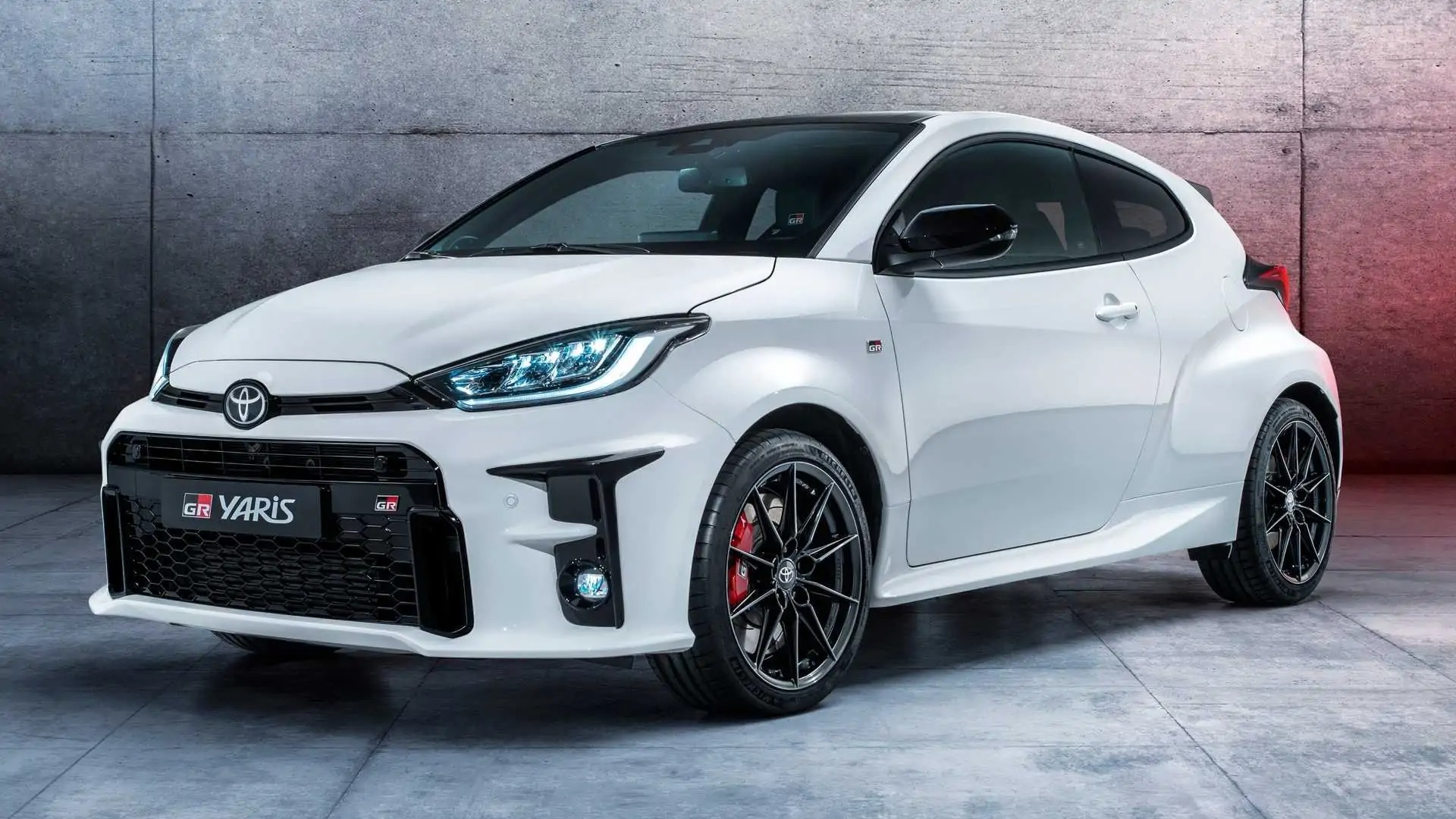
When people talk about dependable small cars, the Toyota Yaris is often mentioned as a vehicle that brings together simplicity, comfort, and durability. One major attraction of the Yaris is how it has been designed with several safety measures that help drivers and passengers stay protected on the road.
Safety is not just about avoiding accidents, but also about how a car can reduce risks when something unexpected happens. For a car that has served millions of users around the world, the Toyota Yaris stands out because it is both practical and carefully built with features that keep it safe for daily driving.
Many people choose cars because of how affordable they are, or how little fuel they consume, but safety should remain the number one thing to consider when picking any vehicle.
A car used every day must be able to handle traffic, sudden braking, and different road conditions without putting lives at risk. Toyota has taken time to put reliable technology and strong protective systems into the Yaris so that it gives peace of mind whether you are going to work, school, or on long-distance journeys.
From advanced braking systems to strong airbag designs, from body structures that absorb impact to technology that helps drivers keep control, the Toyota Yaris combines several protective ideas.
Each one works in its own way to make sure that drivers and passengers are not left vulnerable during an emergency. The car may look small from the outside, but what it offers in safety is large and dependable.
We will carefully look at eight specific things that make the Toyota Yaris safe for everyday use. Each of these points will be explained in detail, showing how they operate, why they matter, and how they give comfort to anyone driving or sitting inside this vehicle.
1. Strong Airbag System
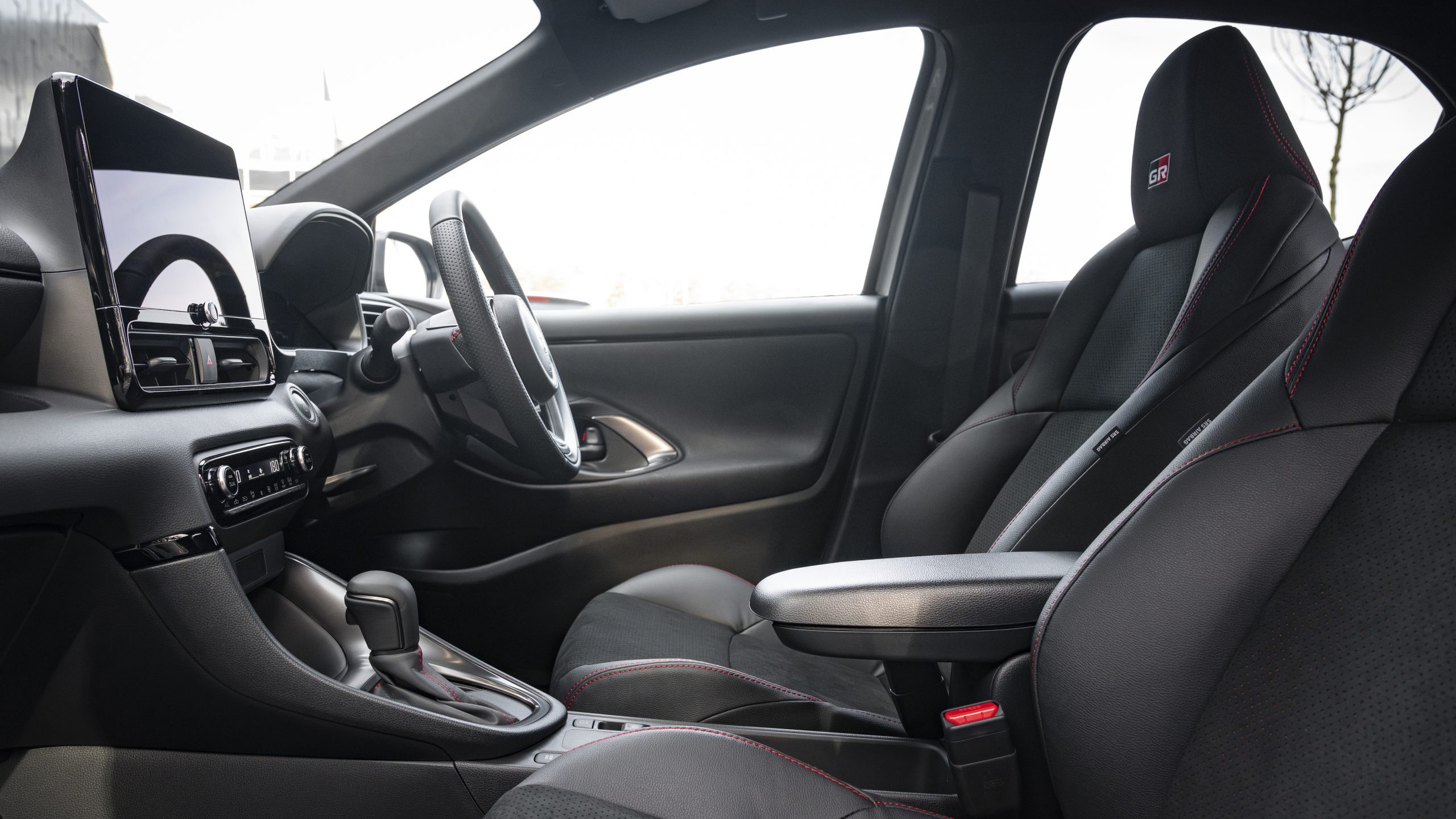
One of the most dependable safety features of the Toyota Yaris is its carefully arranged airbag system. Airbags act as protective cushions that open up quickly when a collision happens. For the Yaris, Toyota made sure the car is equipped with front airbags, side airbags, and curtain airbags that cover both the driver and passengers.
The placement is designed in such a way that no matter where the impact comes from, those inside the car have a reduced chance of hitting hard surfaces. What makes this important is the speed at which airbags react. In just a fraction of a second, they inflate to keep the head, chest, and other sensitive parts of the body from direct impact.
For instance, during a head-on collision, the steering wheel and dashboard can cause serious harm to the driver and passenger in front, but airbags lower that risk by providing a soft barrier. In cases where the car is hit from the side, the curtain airbags along the windows protect the head from glass and sharp objects.
Toyota designed the Yaris so that the airbags work in combination with seatbelts. While the belt keeps the body in position, the airbags soften the blow and spread the impact across a wider area. This makes injuries less severe compared to what would happen in cars without such a system. Many owners of Yaris can drive confidently, knowing that if an accident occurs, this technology offers a better chance of survival.
Another important detail about the Yaris airbags is that they are supported by sensors. These sensors quickly calculate the force of the collision and release the airbags with the right speed and strength. This means the system is not careless in its reaction but carefully managed to match the level of danger. For daily use where road conditions and traffic are unpredictable, this feature becomes a strong layer of protection.
2. Anti-lock Braking System (ABS)
Another strong feature that helps keep the Toyota Yaris safe is its anti-lock braking system, commonly called ABS. This technology helps prevent the wheels from locking up whenever the driver presses the brake pedal hard.
If a car’s wheels lock during sudden braking, the driver may lose control of the steering, which can easily lead to skidding or an accident. Toyota Yaris has ABS fitted in a way that ensures braking remains steady even during emergency stops.
When driving on wet or slippery roads, sudden braking without ABS can cause dangerous situations. For instance, a driver may step on the brake to avoid hitting another car, and without ABS, the wheels might stop turning, making it hard to control the vehicle.
The Yaris ABS solves this problem by automatically adjusting the brake pressure several times per second. This way, the wheels continue to rotate slightly, giving the driver a chance to steer away from obstacles while still slowing down quickly.
Another reason ABS is very helpful in daily use is that it allows drivers to remain calm in emergencies. Instead of panicking because the car is sliding, the driver can focus on guiding the steering wheel since the system ensures the car responds better. Toyota included ABS in the Yaris because it reduces the chances of road accidents that come from sudden braking on highways or busy streets.
The system also extends tyre life because it reduces the level of friction caused by dragging tyres during sharp stops. It prevents unnecessary tyre wear and makes the car more reliable for daily commuting. For young drivers or those who are not very experienced, ABS in the Yaris provides extra confidence because they know the car has a backup system that assists their reflexes.
Altogether, ABS in the Toyota Yaris represents a simple but very effective technology that works silently until it is needed. Drivers may not notice it during regular movement, but the moment an emergency arises, this system becomes a lifesaver by keeping both the car and passengers under better control.
Also Read: 10 Hacks That Help a Toyota Supra Survive Daily Driving
3. Vehicle Stability Control (VSC)
Toyota Yaris is also equipped with Vehicle Stability Control, which is another important safety technology. This system is designed to keep the car stable when it senses that the driver is losing control, especially in sharp turns or during sudden maneuvers.
What VSC does is to automatically apply brakes to individual wheels and adjust engine power to help bring the car back in line. Imagine a situation where a driver is on a highway and suddenly tries to avoid an obstacle. Without stability control, the car may easily swerve too much and spin out of control.
VSC steps in at this point, detecting that the car is not moving in the intended direction, and quickly corrects the movement. It reduces the power going to the wheels and makes sure the car remains stable until the driver regains full control.
This technology is especially helpful when roads are wet, icy, or covered in gravel. Small cars like the Yaris are light and can be affected by sudden movements, but stability control balances the situation and prevents dangerous oversteering or understeering. Many accidents that involve cars sliding off the road are reduced when such systems are in place.
The Toyota Yaris stability control system also works together with ABS and traction control. All three combine to provide the driver with a more secure ride. ABS ensures steady braking, traction control prevents tyres from spinning without grip, and stability control keeps the car on its path. For daily drivers who move through busy streets and highways, this system is an unseen support that makes every journey safer.
Drivers who use the Yaris can drive more confidently knowing that the car is always monitoring movement and is ready to assist. It does not replace careful driving, but it adds another level of protection that reduces risks from sudden or careless actions on the road.
4. Advanced Seatbelt Design
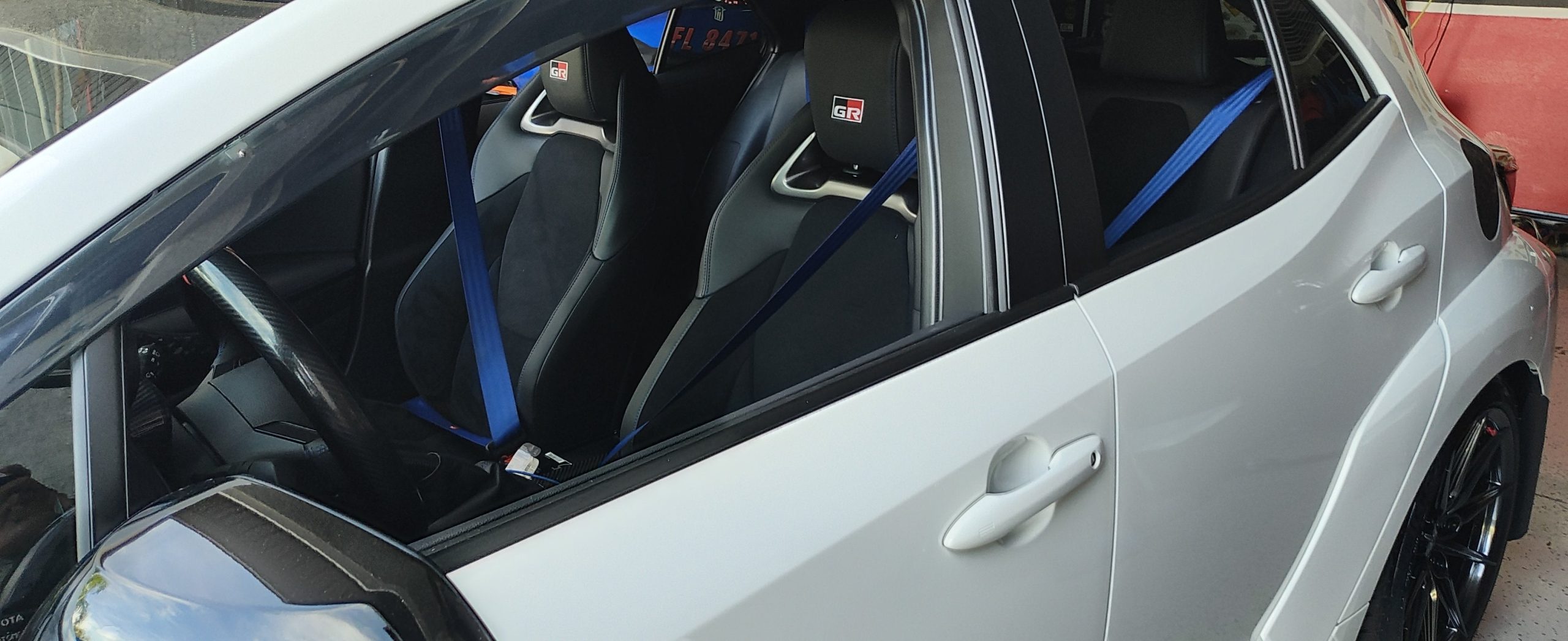
A car’s first line of protection during any impact is its seatbelt, and Toyota did not take this lightly in the Yaris. The design of the seatbelt in this car is not just about keeping passengers seated; it is about reducing the pressure that usually comes with sudden stops.
The Toyota Yaris has seatbelts with pretensioners and force limiters. What this means is that when a crash occurs, the belt tightens immediately to hold the passenger in position, and after that, it relaxes slightly so that the chest does not face too much pressure.
This small detail makes a big difference in protecting people. Seatbelts without such technology can cause injuries because of the tight grip when there is an impact. By balancing firmness and release, the Yaris makes sure the body is held firmly but not harmed by the same system meant to protect it.
Another thoughtful addition is the adjustable seatbelt anchors, which allow drivers and passengers to set the height of the belt. This adjustment ensures that the belt rests correctly across the chest and lap instead of cutting into the neck. Such positioning reduces injuries and makes long drives more comfortable.
The Yaris also reminds users to wear their seatbelts through warning signals. These reminders may seem small, but they encourage passengers to use the belt every time, making safety a habit. Many accidents turn fatal because people fail to wear seatbelts, but this reminder reduces that risk.
In daily driving, especially in busy areas where sudden braking is common, the seatbelt technology in the Toyota Yaris provides steady assurance. Combined with airbags, the belt system works as part of a wider protective network. A small car like the Yaris benefits greatly from this arrangement because every detail matters in keeping passengers safe during both minor and major collisions.
5. Strong Body Frame with Crumple Zones
Another major factor that makes the Toyota Yaris dependable for safety is its strong body frame, carefully built with crumple zones. Crumple zones are areas of the car that are designed to absorb impact by bending in a controlled manner. Instead of allowing the force of a crash to go directly to passengers, these zones break down and spread out the energy.
Toyota engineers designed the Yaris so that both the front and rear areas of the car serve as sacrificial spaces during collisions. When a crash happens, the frame takes in much of the energy, while the passenger cabin remains firm and intact. This careful structure reduces the risk of injury to people inside the car.
The body is also made of high-strength steel, which gives the vehicle a solid foundation. Despite being a compact car, the Yaris carries the kind of frame usually found in larger vehicles. This means that during side impacts or rollovers, the cabin still provides strong protection.
For daily driving, this becomes very useful because accidents can happen anytime, even over short distances. A small fender-bender in traffic or a bigger crash on the highway will always meet the design of the car’s body frame, working to reduce the danger. Even though the Yaris is light and easy to handle, the crumple zones and strong steel make it feel much safer than many cars in its size category.
The way the doors are reinforced also contributes to protection. In the event of a side collision, the beams in the door structure hold together to guard passengers from direct hits. Toyota paid attention to these areas because they are usually weak points in smaller cars.
When people think of safety, they may first consider technology, but physical design is just as important. The Toyota Yaris combines strength and controlled flexibility in its frame, giving daily users a reliable shield against physical damage during accidents.
6. Effective Traction Control System
Another important safety measure that comes with the Toyota Yaris is its traction control system. This technology prevents the wheels from spinning too much when the car tries to move on slippery surfaces. Without traction control, tyres can lose grip, which makes it harder for the car to accelerate or maintain balance.
For example, when a driver tries to move the car on wet ground or icy patches, there is a chance the tyres will just spin without pulling the car forward. In such cases, traction control reduces engine power slightly and adjusts the brake force to the wheels, allowing the tyres to regain grip. This not only helps the car move but also prevents dangerous sliding.
In daily driving, there are many times when roads are not perfect. Rain, snow, loose gravel, or even oil spills can create conditions where tyres may struggle. Traction control in the Yaris ensures that drivers still have enough control to keep the car steady in such situations.
The system also helps during cornering. If one wheel begins to slip while turning, traction control corrects the imbalance and keeps the car aligned with the intended direction. This reduces the risk of spinning out, which is a common cause of accidents in small vehicles.
Because the Toyota Yaris is a compact car often used by young drivers, Toyota included traction control as an added safety net. It does not take away the need for careful driving, but it provides assistance when human reflexes alone may not be enough. This makes it valuable for daily use, especially in areas where weather conditions often affect the road.
Together with ABS and Vehicle Stability Control, traction control forms part of the car’s trio of electronic safety supports. These systems may work quietly in the background, but their presence is a major reason why the Toyota Yaris remains safe and dependable in different driving environments.
7. Rearview Camera and Parking Assist
One modern feature that improves safety in the Toyota Yaris is its rearview camera and parking assist technology. These features may look simple, but they greatly reduce risks during everyday use, especially in crowded areas.
The rearview camera provides a clear picture of what is happening behind the car when reversing. Drivers can see obstacles, pets, or even children that may not be visible through mirrors alone. This prevents accidents that often happen when drivers misjudge distance or fail to notice small objects.
Parking assist also makes it easier for drivers to place the car properly in tight spots. For daily driving in busy cities where space is limited, this feature saves time and stress. Instead of struggling to guess the right distance, the system guides the driver and reduces the chance of hitting another vehicle or structure.
Another advantage of this system is how it improves confidence for new drivers. Many young or less experienced drivers worry about reversing or parallel parking, but with rearview camera support, the process becomes less intimidating. Confidence leads to fewer mistakes, and fewer mistakes lead to safer roads.
Toyota designed the system so that the camera gives wide angles and clear views, even at night. This is important because many parking accidents happen in low-light conditions. By adding brightness and clarity, the rearview camera ensures drivers are not left guessing about their surroundings.
For daily commuters, especially those who live in areas where parking spaces are small and crowded, this technology is very practical. It not only protects the car itself but also prevents injuries to people who may suddenly walk behind the vehicle. Safety is not just about big accidents on highways, but also about small actions that happen every day, and the Yaris takes care of that through this feature.
Also Read: 10 Upgrades That Prevent Rust on a Toyota Tacoma Frame
8. Toyota Safety Sense Package
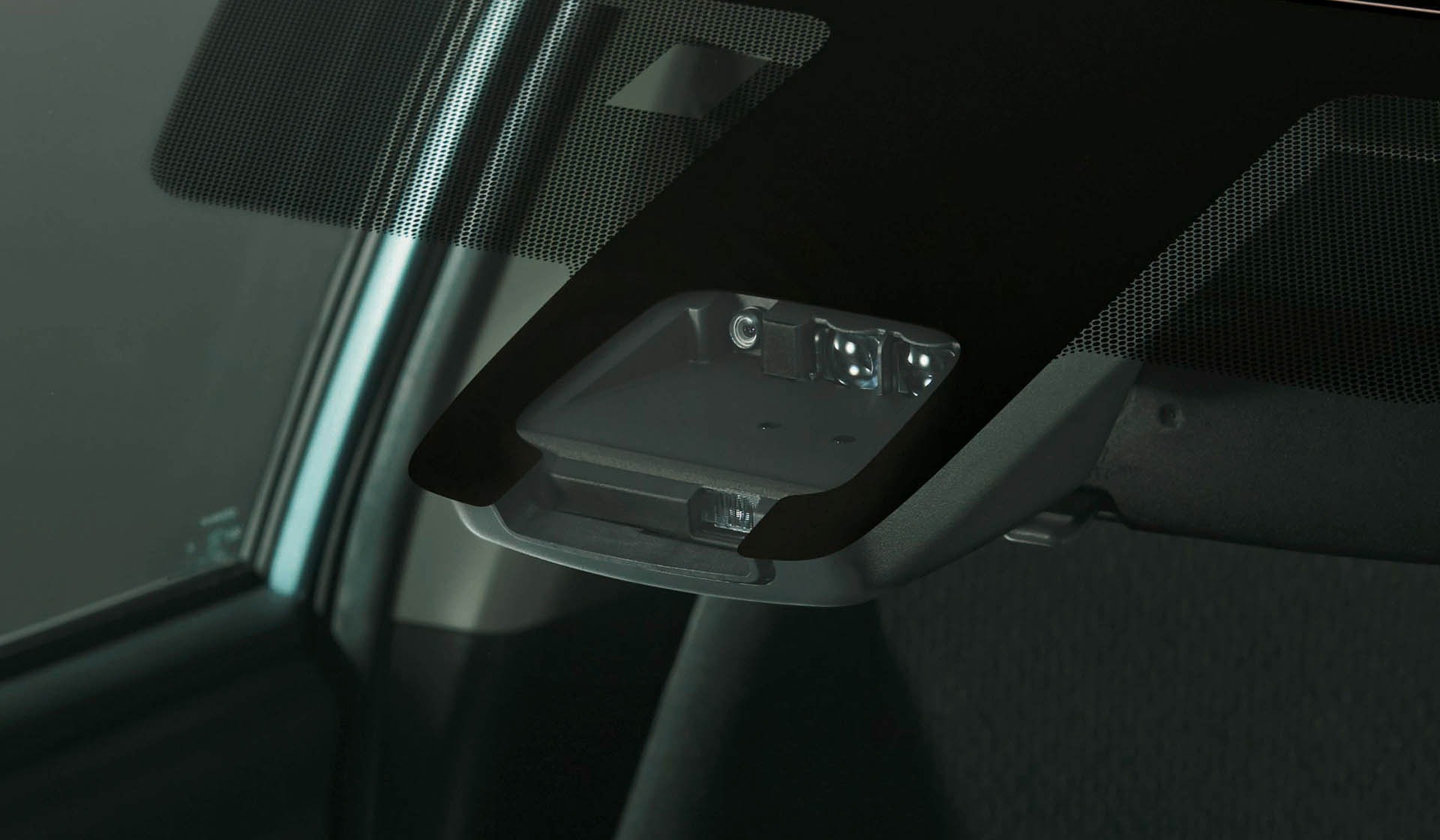
Perhaps the most advanced protective measure in the Toyota Yaris is the Toyota Safety Sense package. This is a set of technologies designed to actively prevent accidents before they happen. Instead of only reacting after a crash, this package focuses on helping drivers avoid crashes altogether.
One important part of the Safety Sense package is the pre-collision system. This uses sensors and cameras to detect if the car is about to hit another vehicle or object ahead. When danger is detected, the system warns the driver, and if no action is taken quickly, it automatically applies the brakes to reduce the impact or avoid the crash completely.
Another part of the package is the lane departure alert. This system monitors the road markings and alerts the driver if the car starts moving out of its lane without a proper indication. On highways, this helps prevent dangerous drifting that can lead to side collisions.
Automatic high beams are also included in the Safety Sense package. This feature switches between high and low beams depending on traffic conditions. It ensures drivers have the best visibility at night without blinding other road users. Good visibility is a very important part of safety, and this system makes sure drivers see clearly at all times.
Dynamic radar cruise control is another advanced addition. It allows the car to maintain a safe distance from vehicles in front by automatically adjusting speed. In heavy traffic or long-distance drives, this feature reduces stress and prevents rear-end collisions caused by late reactions.
All these systems combined create a car that does more than respond to accidents. The Yaris with Toyota Safety Sense actively protects by preventing many accidents from happening in the first place. For daily users, this package is one of the strongest reasons the Yaris is considered safe. It provides peace of mind because the car itself acts as an extra set of eyes and reflexes on the road.
The Toyota Yaris has proven that safety is not only for large or expensive cars. Through its airbags, seatbelts, strong frame, and driver-assist technologies, it provides complete protection for daily users. What makes the Yaris different is how every feature works together as a network, each adding another layer of security to make sure drivers and passengers are not left exposed in unexpected situations.
Every day driving brings many risks, from crowded city roads to fast highways and sudden weather changes. The Yaris handles these situations by using both strong physical design and advanced electronic support.
Drivers get reassurance that the car can respond quickly when accidents are near, and passengers enjoy the comfort of knowing that their safety has been carefully planned by Toyota engineers.
Families, young drivers, and professionals who rely on their cars every day will appreciate the balance between simplicity and protection that the Yaris delivers. It is affordable, efficient, and reliable, yet it does not compromise when it comes to protecting lives.
Choosing a car should always place safety first, and the Toyota Yaris shows that even a compact car can give high levels of protection. This makes it a smart choice for daily use anywhere.
