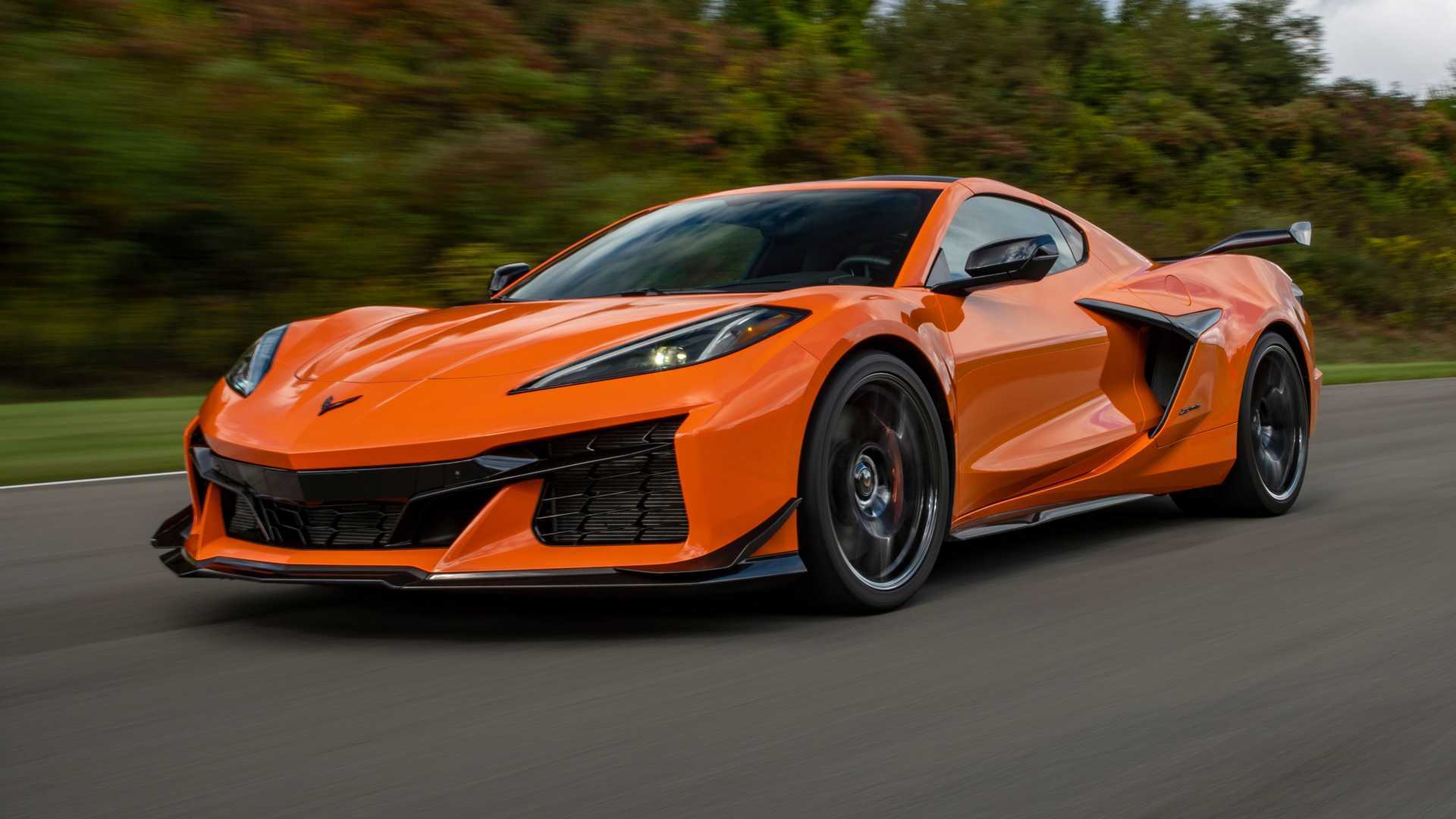
Few cars embody American performance like the Chevrolet Corvette. Since its debut in 1953, the Corvette has represented a unique balance of speed, style, and attainability, making it a dream car for generations of enthusiasts.
Across its eight distinct generations, the Corvette has continually pushed the limits of engineering, whether through bold redesigns, cutting-edge technology, or sheer horsepower. Yet, not every year has been a triumph.
While some models are celebrated for their thrilling performance and long-term reliability, others are remembered for frustrating flaws that overshadowed their strengths.
In this article, we’ll explore five standout Corvette years that continue to deliver dependable excitement as well as five model years that fell short of expectations. Whether you’re considering ownership or simply curious about Corvette history, this guide highlights the highs and lows of America’s most iconic sports car.
5 Chevy Corvette Years With Lasting Performance
1. 2023 Chevy Corvette
The Chevrolet Corvette continues to assert itself as a benchmark in the sports car segment, delivering blistering performance that few rivals can match. Our 3LT coupe test model, equipped with all-season tires, accelerated from 0 to 60 mph in just 3.6 seconds, with the quarter-mile completed in 11.8 seconds at more than 118 mph.
Opting for the Z51 Performance package reduces these times to 3.4 seconds and 11.5 seconds at 120 mph, respectively. Braking is strong, stopping the car from 60 mph in 109 feet, though the narrower front tires slightly limit peak capability.
The Corvette’s steering and handling remain exemplary, allowing drivers of moderate skill to explore its limits with confidence.
Complementing the performance, the eight-speed automatic transmission shifts smoothly and responsively, enhancing both spirited drives and everyday usability. These attributes combine to position the Corvette as one of the most engaging and accessible high-performance cars currently available.
Comfort in the Corvette has reached new heights for a mid-engine sports car, particularly with the optional MagneRide adaptive suspension. This system smooths road imperfections that would unsettle many competitors, providing a compliant ride even over rough surfaces.
Wind and engine noise are muted, though tire noise can become noticeable on coarse pavement. The GT2 bucket seats balance support and long-distance comfort, holding occupants in place during aggressive cornering while remaining suitable for extended trips.
Climate control is effective, with well-placed vents and functional heated/ventilated seating options. The Corvette manages to blend exhilarating performance with daily drivability, creating a rare combination of comfort and sporting prowess in its class.
Inside, the Corvette’s cabin is visually striking but presents minor ergonomic challenges. While the dashboard and center stack are driver-focused, the climate control buttons are not intuitively arranged, and passenger interaction is limited.
Access is more difficult compared to higher-riding sports cars, with tight rear visibility further complicating maneuvering; however, a camera-based rearview mirror mitigates some blind spots. Chevrolet’s infotainment system impresses with crisp graphics, an accessible touchscreen, and standard wireless Apple CarPlay and Android Auto.
The optional 14-speaker Bose audio system delivers powerful sound, while available Performance Traction Management software and an optional nose-lift system enhance usability and driving confidence. Despite some limitations, technology integration complements the Corvette’s performance-oriented character.
Practicality and value remain strong points for the Corvette. Front storage can hold a few grocery bags, while the rear accommodates two golf bags, although the trunk is compromised when storing the removable roof panel. Interior storage is minimal, with a small console and cupholders, typical for a mid-engine sports car.
Fuel economy is reasonable for the class, with a test route yielding 21.8 mpg, slightly above the EPA estimate of 19 mpg. Pricing starts around $60,000, rising to $75,000–$80,000 with options, making the Corvette a relative bargain in the high-performance market.
Build quality has improved, and warranties provide adequate coverage. With its combination of speed, comfort, technology, and value, the Corvette remains one of the most compelling choices for enthusiasts seeking a capable, well-rounded sports car.
2. 2004 Chevy Corvette
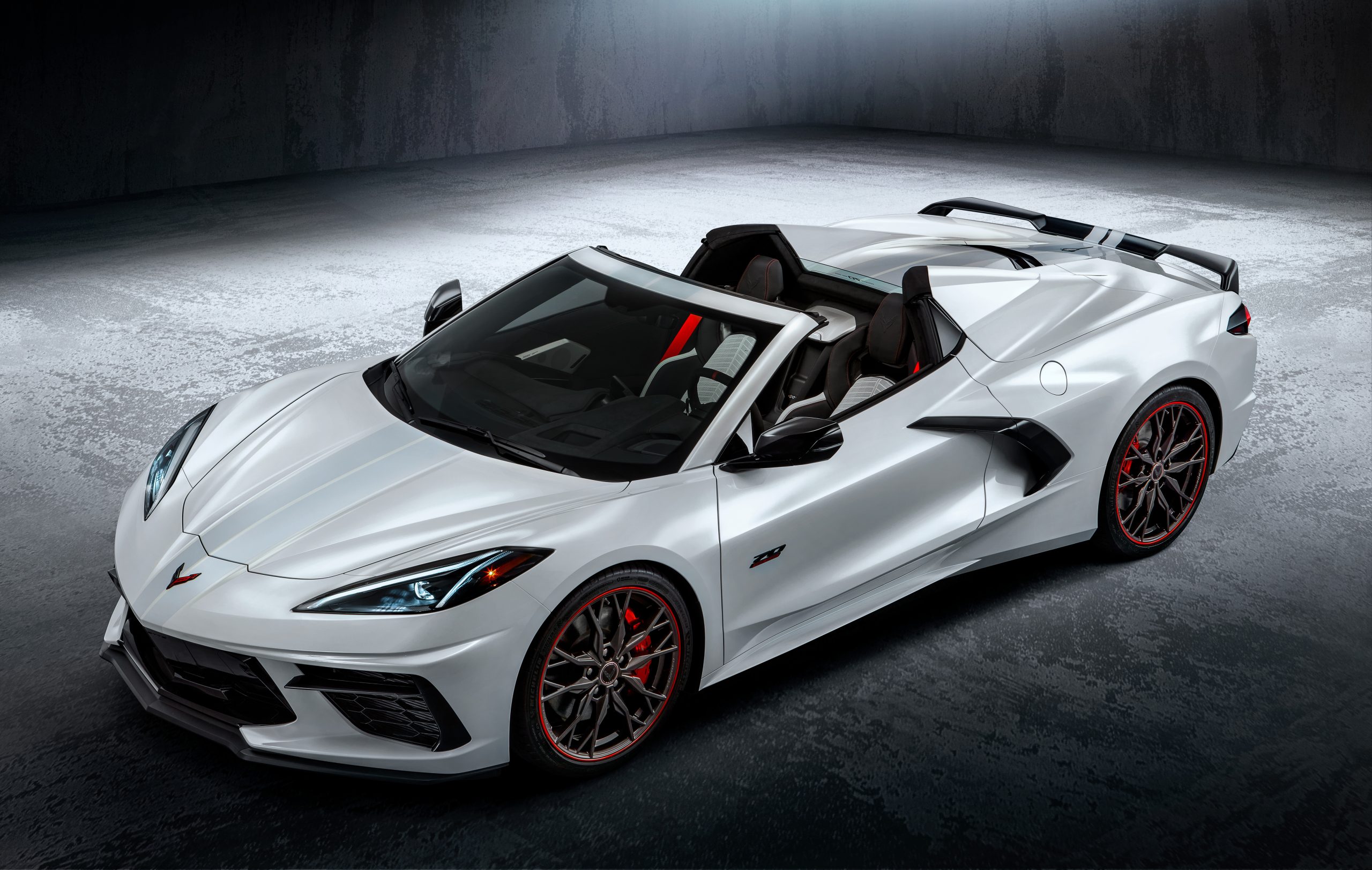
The 2004 Chevrolet Corvette, marking the last year of the C5 generation, offers a mix of reliability and performance that continues to appeal to enthusiasts. While too old to be rated by J.D. Power, other data sources provide insight.
Car Complaints lists only eight owner complaints, and the NHTSA shows four recalls, none of which are considered severe. This relatively low number of issues suggests the 2004 Corvette maintains a dependable reputation for a two-decade-old sports car.
For buyers, this balance of minimal recalls and limited complaints provides added reassurance when considering ownership.
Performance is one of the strongest aspects of the 2004 Corvette. It comes with a 5.7L V8 engine, producing 350 horsepower in the base model and an impressive 405 horsepower in the Z06. Paired with either a 4-speed automatic or a 6-speed manual transmission, the Corvette delivers exhilarating speed.
The coupe accelerates from 0 to 60 mph in about 4.4 seconds, while the Z06 achieves the same sprint in just 4.0 seconds. Quarter-mile times range from 12.4 to 13.1 seconds for the coupe and an impressive 11.9 seconds for the Z06, firmly establishing its high-performance credibility.
The Corvette also delivers respectable top speeds, reaching 174 mph in the coupe and 171 mph in the Z06. Despite its power, it balances performance with efficiency, offering an estimated 18 mpg in the city and 25 mpg on the highway.
The relatively lightweight design, with curb weights of 3,210 lbs for the base model and 3,116 lbs for the Z06, contributes to both speed and handling. This makes the Corvette not just powerful but also agile for spirited driving.
Practicality, though limited compared to standard cars, is better than most sports cars in its class. The Corvette is available as a coupe, convertible, or performance-focused Z06, each offering a two-seat layout.
Cargo space is surprisingly generous, with 13.9 cubic feet in the base coupe and 13.3 cubic feet in the Z06, enough for weekend bags or even light travel. With strong reliability data, thrilling performance, and usable practicality, the 2004 Corvette remains an appealing choice for collectors and driving enthusiasts alike.
3. 2009 Chevy Corvette
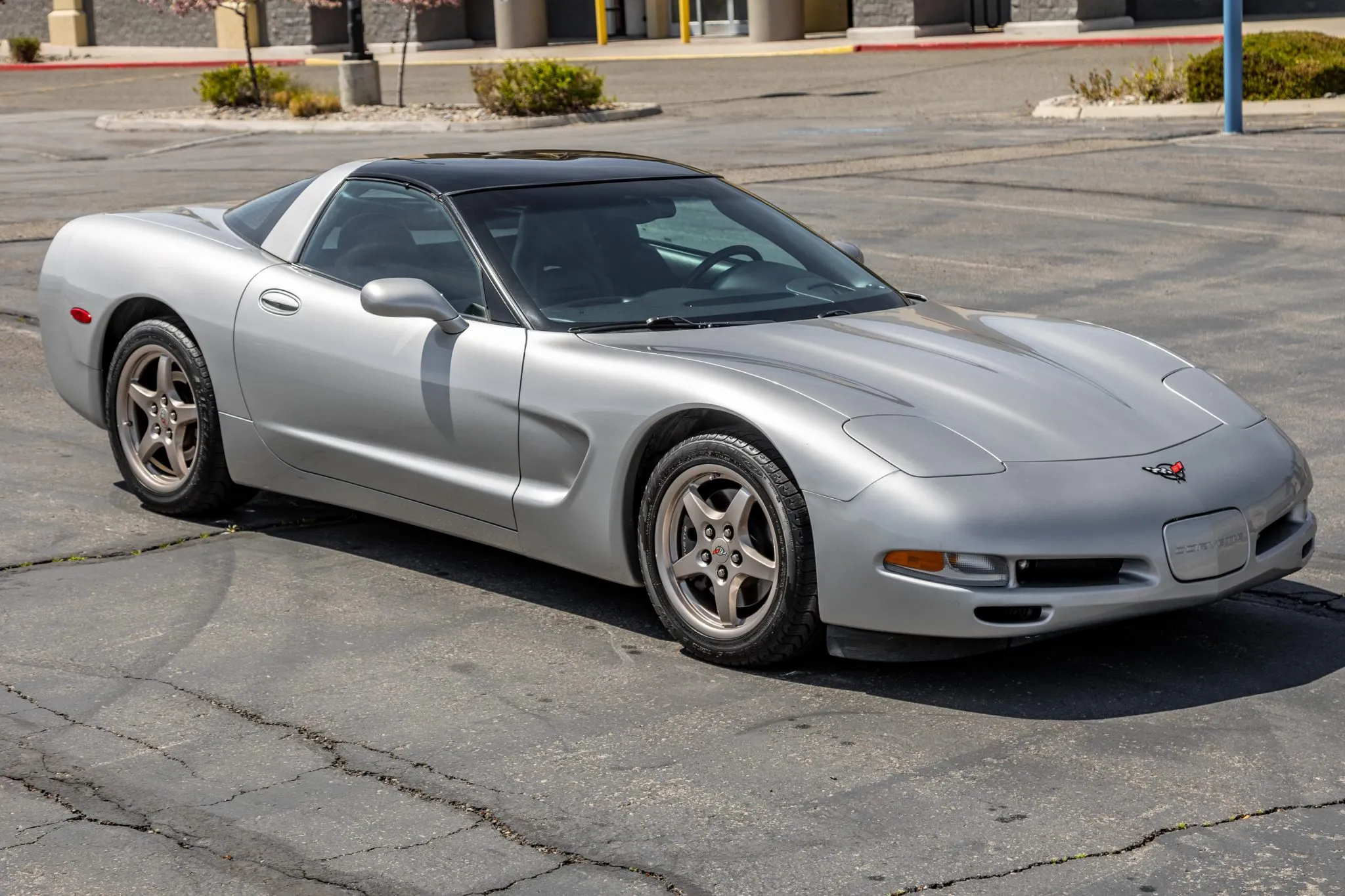
The 2009 Chevrolet Corvette, part of the sixth-generation (C6) lineup, represents a balance of thrilling performance and strong dependability. Positioned at the midpoint of the C6 production run (2005–2013), the 2009 model is widely regarded as one of the most reliable, boasting a J.D. Power reliability score of 86/100.
This is an exceptional rating for a sports car, placing it on par with mainstream sedans from brands like Toyota. With just 13 owner complaints and no recalls reported by the NHTSA, it reassures buyers who may be wary of high-performance cars with questionable durability.
RepairPal’s 3/5 rating underscores that while it may not be flawless, its issues are relatively few compared to rivals. For enthusiasts seeking power and reassurance, this Corvette delivers both.
Performance is where the 2009 Corvette truly shines. The base model is powered by a naturally aspirated 6.2-liter V8 producing 430 horsepower and 424 lb-ft of torque, enough to rival European exotics at a fraction of the price.
Equipped with either a six-speed manual or six-speed paddle-shift automatic, the car sprints from 0 to 60 mph in 4.5 seconds. The Z06 takes performance further, offering a 7.0-liter V8 with 505 horsepower, hitting 60 mph in just 3.9 seconds. At the top sits the ZR1, resurrected after more than a decade.
Its hand-built, supercharged 6.2-liter V8 generates a staggering 638 horsepower and 604 lb-ft of torque, allowing a 0–60 mph time of 3.4 seconds. Despite these figures, fuel economy remains respectable, with the base model achieving 16 mpg city and 26 mpg highway similar to midsize sedans of the same era.
Beyond performance, the Corvette challenges stereotypes associated with America’s sports car. While older generations carried a reputation for being flashy rather than refined, the C6 era shifted perceptions.
The 2009 model not only delivers raw speed but also offers practicality. Coupes boast 22 cubic feet of cargo space remarkably generous for a two-seater while convertibles provide 11 cubic feet.
The interior, though criticized for plain styling and the use of some cheap plastics, features simple controls, large gauges, and optional premium leather packages that improve refinement.
Daily driving comfort is also surprisingly good, with compliant ride quality, forgiving clutch operation, and manageable road manners, even in the more aggressive Z06. The availability of a convertible body style further enhances its versatility for enthusiasts seeking open-air driving.
Safety and driving dynamics round out the package. Standard features include antilock disc brakes and GM’s “Active Handling” stability system, with advanced modes offering experienced drivers more control. Side airbags are optional on entry trims but standard on higher LT packages.
On the road, the Corvette delivers immense grip, fade-free braking, and spine-tingling acceleration. While its steering feel and agility fall slightly short of rivals like the Porsche Cayman or Nissan GT-R, the Corvette remains immensely capable and confidence-inspiring.
Noise levels and interior refinement may not match European competitors, but the balance of performance, usability, and dependability makes the 2009 Corvette a standout. For drivers looking past stereotypes, this model proves itself as a world-class sports car that blends thrilling speed with real-world practicality.
4. 2021 Chevy Corvette
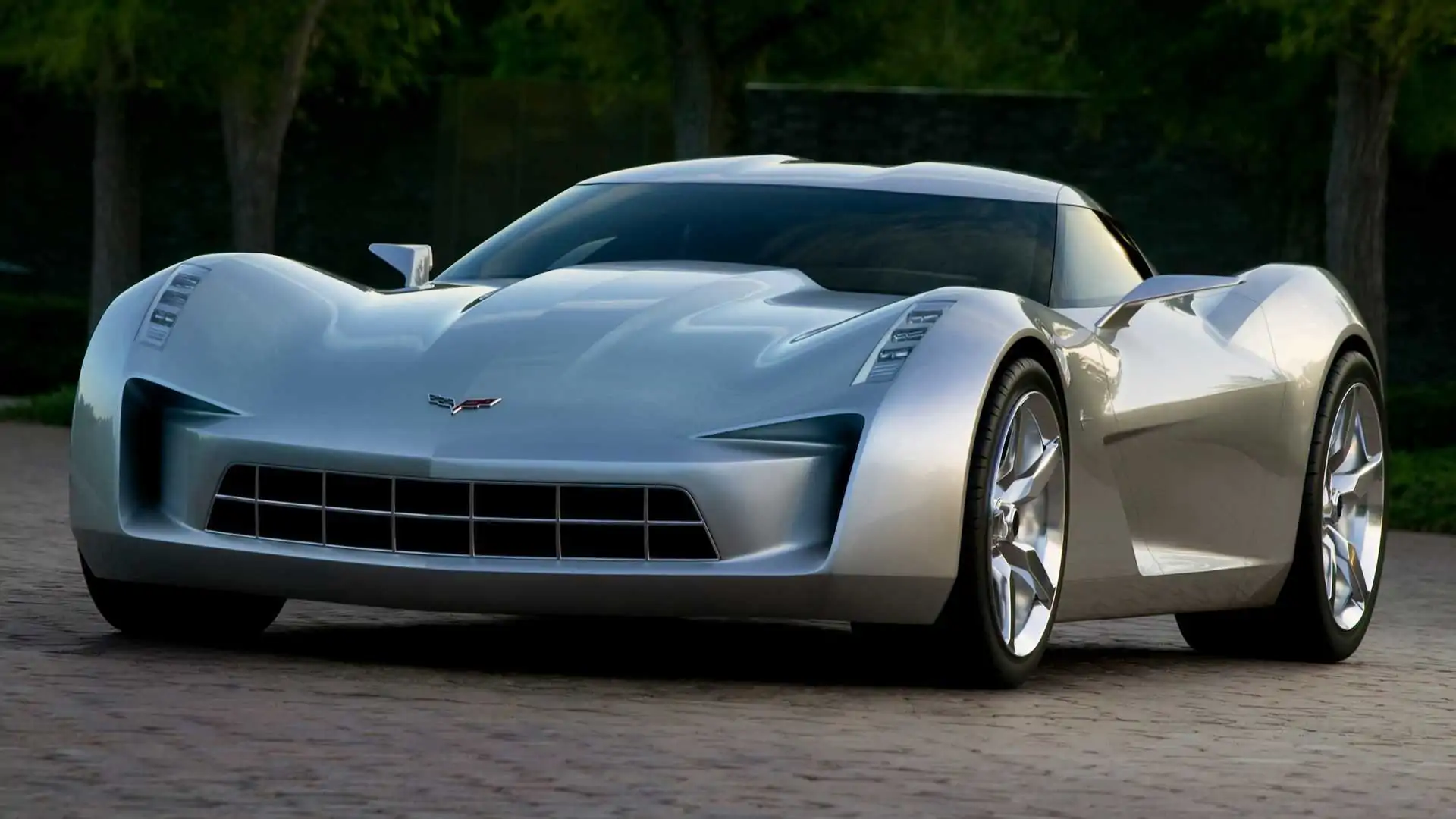
The 2021 Chevrolet Corvette marks the second year of the C8 generation, a model that redefined America’s iconic sports car with its new mid-engine design. This bold change gave the Corvette handling and balance comparable to European exotics while still keeping its accessible pricing intact.
Powering the Stingray is a 6.2-liter LT2 V8 engine producing 490 horsepower and 465 lb-ft of torque, which increases to 495 hp with the Z51 Performance Package. Paired with an 8-speed dual-clutch automatic, the Corvette sprints to 60 mph in as little as 2.9 seconds, delivering exhilarating acceleration and rapid shifts.
Its aggressive styling, modern technology, and Magnetic Ride Control suspension make it both thrilling and approachable, whether for spirited driving or long-distance cruising.
Reliability is a major strength of the 2021 Corvette. J.D. Power awarded it an exceptional quality and reliability score of 91/100, placing it among the most dependable sports cars in the segment.
RepairPal gives it a 3/5 rating, and only 14 complaints alongside two recalls have been logged with the NHTSA. Reported issues include door latch malfunctions and problems with the PDR camera, but these are relatively minor compared to the car’s proven dependability.
Unlike many modern vehicles bogged down by complex electronics, the Corvette avoids widespread mechanical faults, giving owners confidence in both performance and longevity.
Performance testing further proves the C8’s capabilities. Edmunds’ 3LT coupe test car achieved 0–60 mph in 3.6 seconds and completed the quarter mile in 11.8 seconds, with even faster times possible when equipped with the Z51 package.
Braking performance is strong, stopping from 60 mph in just 109 feet, while steering and handling feel sharp yet manageable for drivers of varying skill levels. Ride comfort is surprisingly high for a supercar-level performer thanks to MagneRide adaptive suspension, which absorbs bumps with ease.
Inside, the Corvette offers supportive GT2 bucket seats ideal for both track days and long road trips, though visibility and climate control ergonomics leave some room for improvement.
Technology and practicality round out the package, making the Corvette more livable than rivals. The infotainment system is intuitive and comes with standard wireless Apple CarPlay and Android Auto, while an optional Bose audio setup delivers premium sound.
Features like a nose-lift system, rear cross-traffic assist, and camera-based rearview mirror add convenience. Storage space is surprisingly useful for a mid-engine car, with a front trunk for small bags and a rear compartment large enough for two golf bags though roof panel storage limits rear capacity.
Fuel economy is competitive at an EPA-rated 19 mpg combined, with real-world results often exceeding that figure. Priced from about $60,000, the Corvette undercuts nearly every competitor in its performance class, while its refined build quality and average warranty coverage add value.
For enthusiasts seeking supercar thrills without the supercar price, the 2021 Corvette delivers reliability, performance, and everyday usability in one striking package.
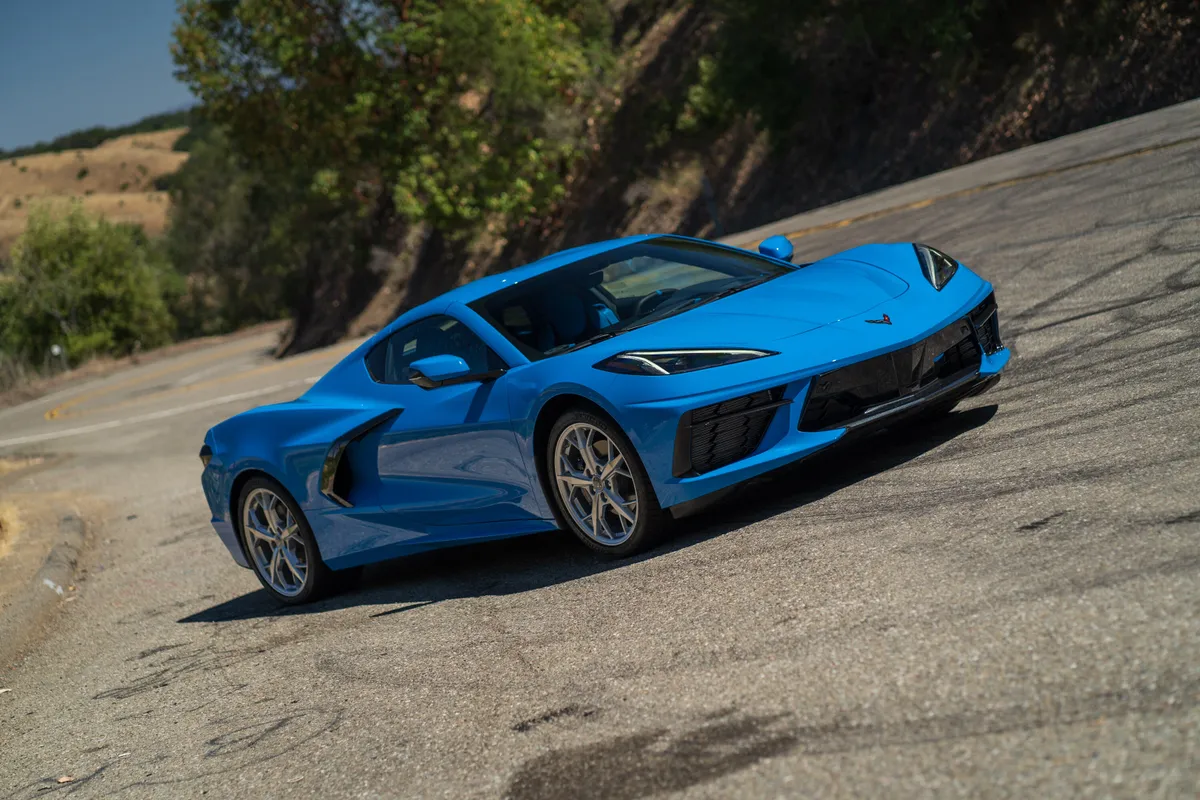
5. 2024 Chevy Corvette
The 2024 Chevrolet Corvette continues the bold mid-engine transformation introduced with the C8 generation, bringing exotic-level performance while staying true to its American roots.
Powered by a 6.2-liter LT2 V8 producing 490 horsepower (495 hp with the performance exhaust), the Stingray accelerates from 0–60 mph in just 2.9 seconds when paired with the Z51 Performance Package.
Its 8-speed dual-clutch transmission delivers lightning-fast shifts, while sharp steering and confident handling give it the agility to rival Porsche and Ferrari. Despite its high-performance focus, the Corvette still offers a balance of comfort and usability, making it more versatile than most sports cars in its price bracket.
When it comes to reliability, early reports suggest the 2024 Corvette is holding strong. J.D. Power gave it an 88/100 quality and reliability score, while RepairPal rates it 3.5/5. Although long-term data is limited, early C8 issues such as front trunk latch failures and minor electrical gremlins seem to have been resolved.
With no major NHTSA recalls reported so far, the 2024 Corvette appears to be a solid choice for buyers seeking dependable performance. This makes it one of the more trustworthy entries in the high-performance sports car segment.
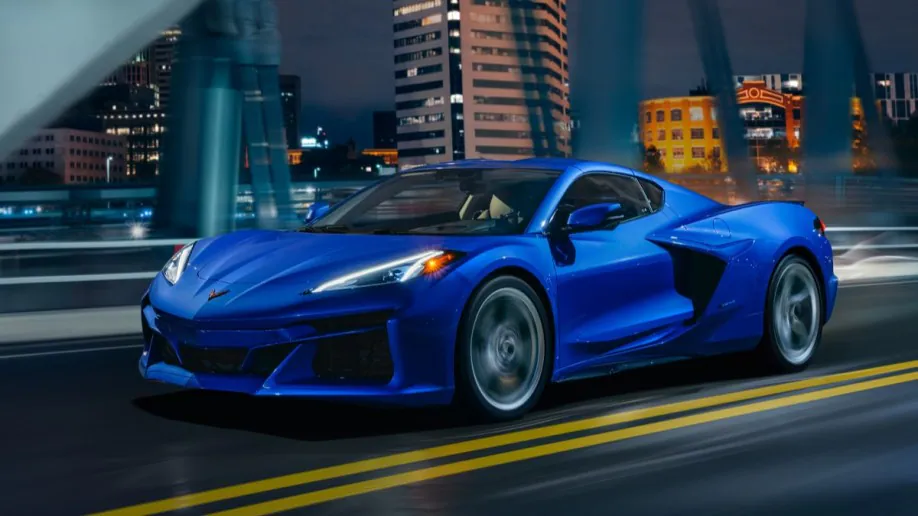
Chevrolet has also pushed innovation with the introduction of the Corvette E-Ray, a hybrid performance model pairing the LT2 V8 with an electric motor. The result is an all-wheel-drive system producing over 600 horsepower and a blistering 0–60 mph time of 2.5 seconds.
While not designed for efficiency, the E-Ray’s hybrid system enhances performance while offering unique perks such as Stealth Mode, which allows quiet, all-electric driving at speeds up to 45 mph. Standard Brembo carbon-ceramic brakes further cement its track-ready credentials.
Against competitors like the Porsche 718 Cayman, BMW M4, and Ford Mustang, the 2024 Corvette distinguishes itself with supercar-level speed, advanced engineering, and surprising everyday comfort.
With its cutting-edge hybrid variant, competitive pricing, and promising reliability ratings, the Corvette remains one of the most compelling sports cars on the road today.
Also Read: 5 Cars with Climate Control That Works vs 5 That’s Just for Show
5 Chevy Corvette Years That Don’t Last
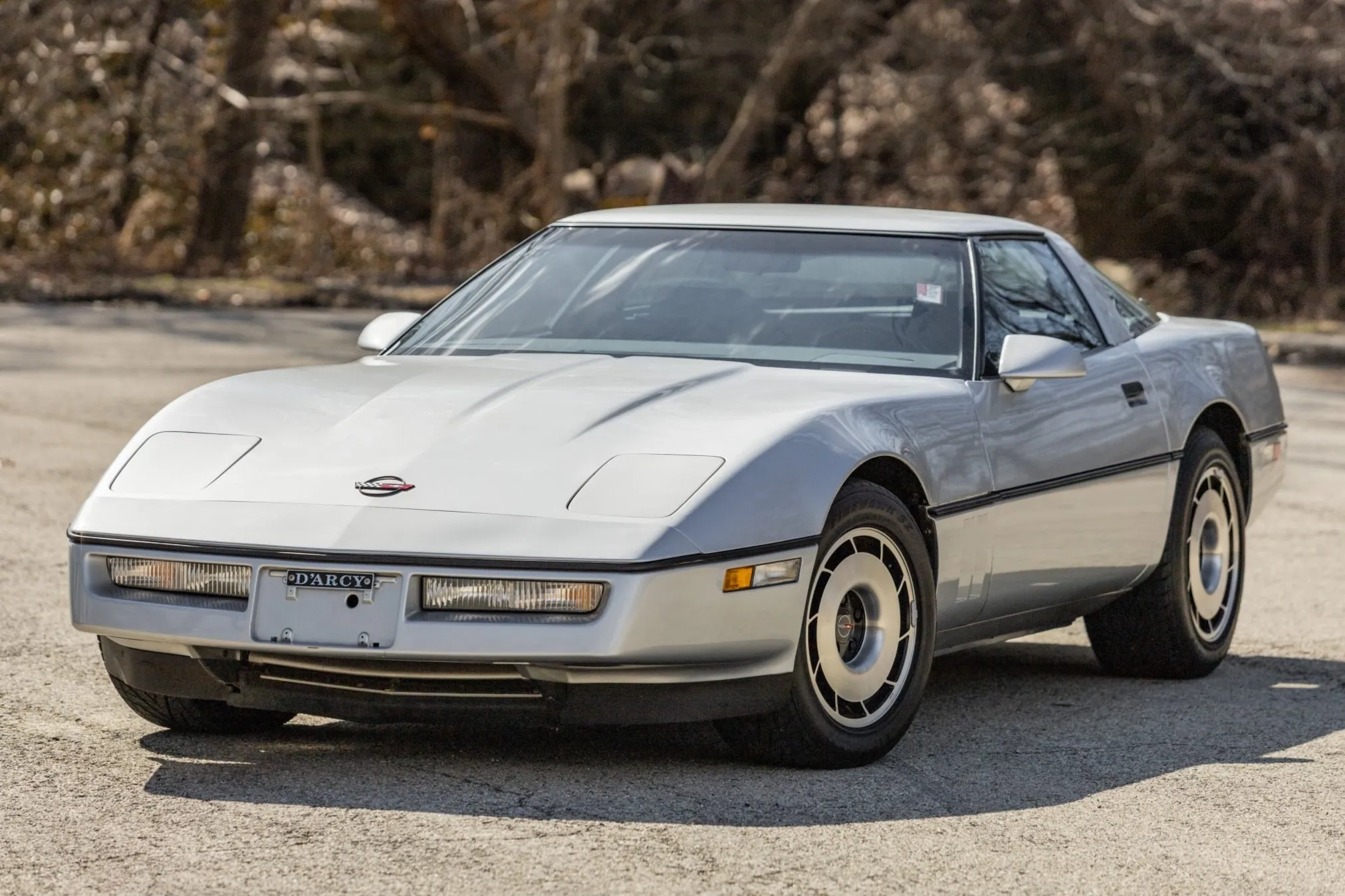
1. 1984 Chevy Corvette (C4): A Troubled Redesign
The 1984 Chevrolet Corvette marked the debut of the C4 generation, introducing a sleeker design and updated technology. Unfortunately, this model year is widely remembered for being problematic.
Its most infamous issue was the Crossfire Injection system, a dual throttle-body fuel injection setup meant to boost efficiency and emissions performance. Instead, it was plagued with reliability problems, causing frequent misfires, rough idling, and poor acceleration. Repairs were costly, making ownership frustrating.
Alongside the engine woes, the stiff suspension designed for handling created an uncomfortable ride on everyday roads.
Electrical problems also haunted this model, with digital dashboards, instrument clusters, and other electronic components prone to failure. While innovative for its time, the 1984 Corvette ultimately left buyers disappointed and stands as one of the least reliable years in Corvette history.
2. 1998 Chevy Corvette (C5): Quality Control Shortcomings
The 1998 Corvette represented the C5 generation, which marked a major leap in performance, handling, and refinement. However, the second year of the C5 came with its share of flaws. Many owners reported quality control issues, including poorly aligned body panels, faulty weather stripping, and door latch malfunctions.
These problems not only affected aesthetics but also risked rust and leaks. Mechanical concerns arose as well, particularly with the fuel system, where faulty pumps caused sudden engine stalls and performance dips.
Such failures were especially dangerous at highway speeds. While the C5 generation as a whole is praised for its engineering improvements, the 1998 model stands out as one of the weaker years due to these recurring defects.
It demonstrated that even during a generation of progress, early-production reliability problems could undermine Corvette ownership.
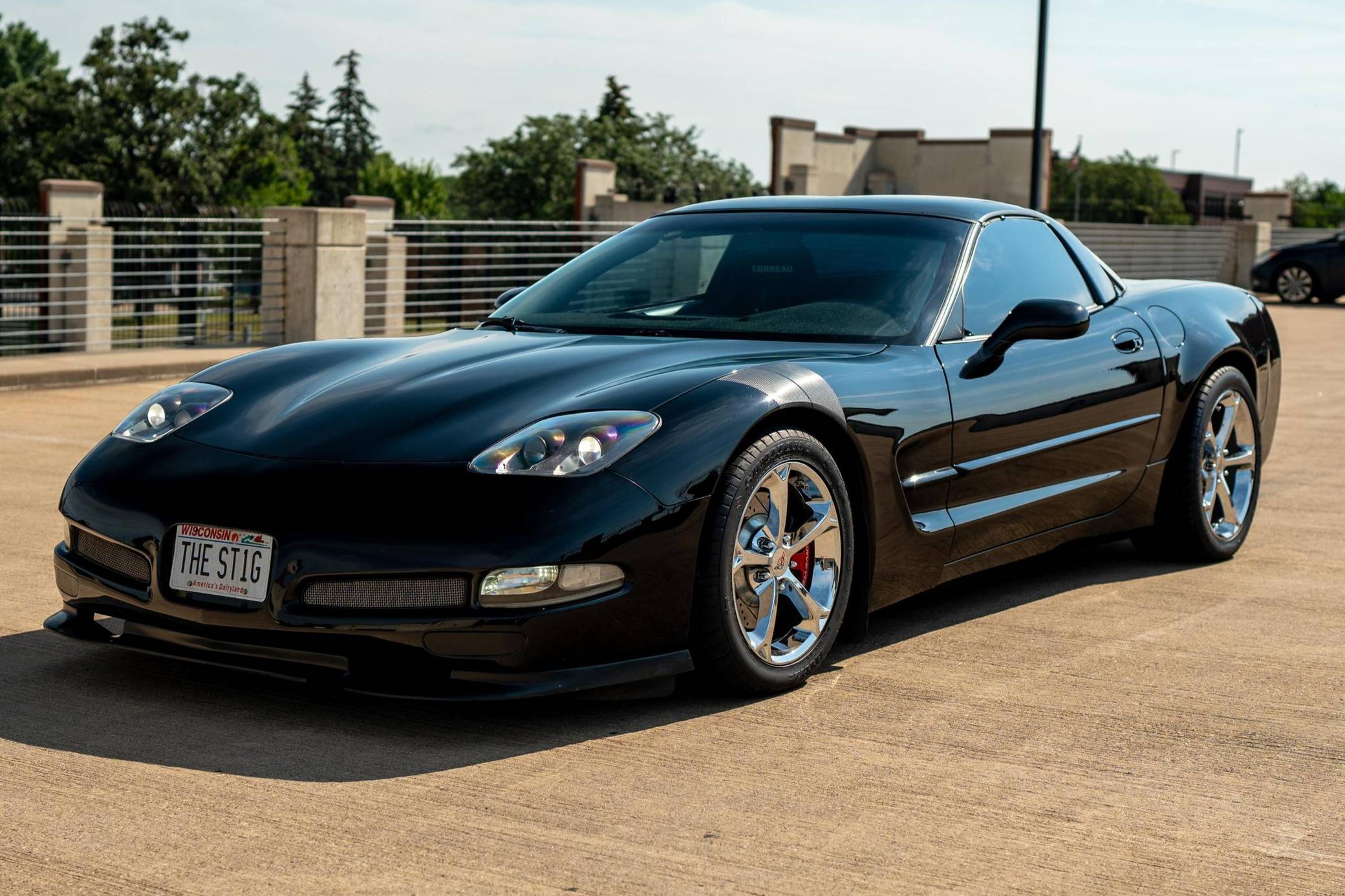
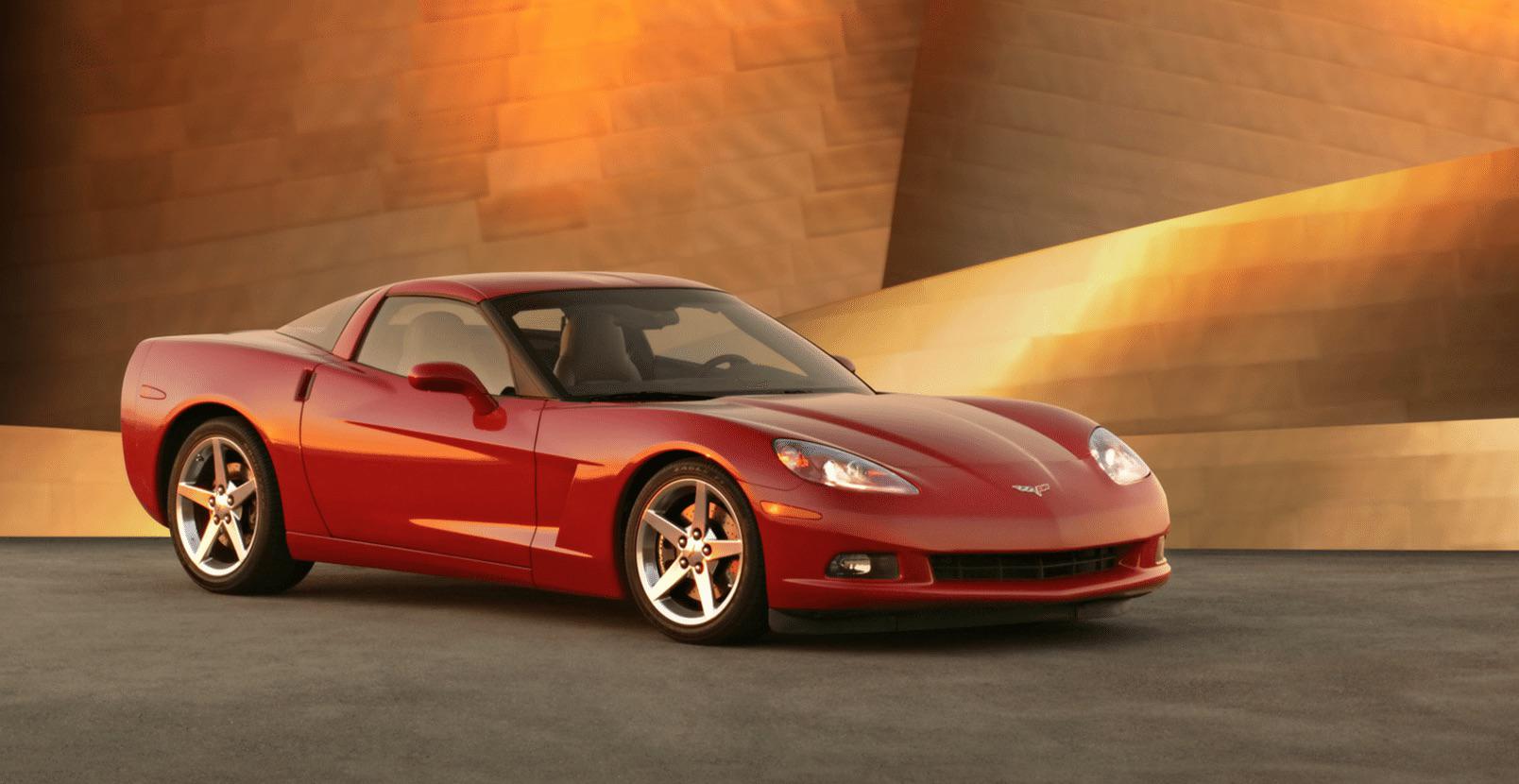
3. 2005 Chevy Corvette (C6): Roof and Electrical Failures
The introduction of the C6 generation in 2005 was meant to modernize the Corvette with sharper styling, a refined interior, and enhanced performance. While it achieved these goals on paper, the 2005 model year suffered from a trio of serious issues.
Most troubling was the removable roof panel defect, which in some cases detached entirely while driving, creating a safety hazard. Water leaks from these panels also led to moisture buildup, mold, and potential rust damage inside the cabin.
Electrical system failures were another common complaint, with problems ranging from dead batteries to faulty wiring that caused malfunctioning lights and electronics. Finally, the steering column lock malfunction left many owners stranded when the car refused to start.
These cumulative problems made the 2005 Corvette far less dependable than its reputation suggested, tarnishing the launch year of an otherwise promising generation.
4. 2008 Chevy Corvette (C6): Mechanical Weak Points
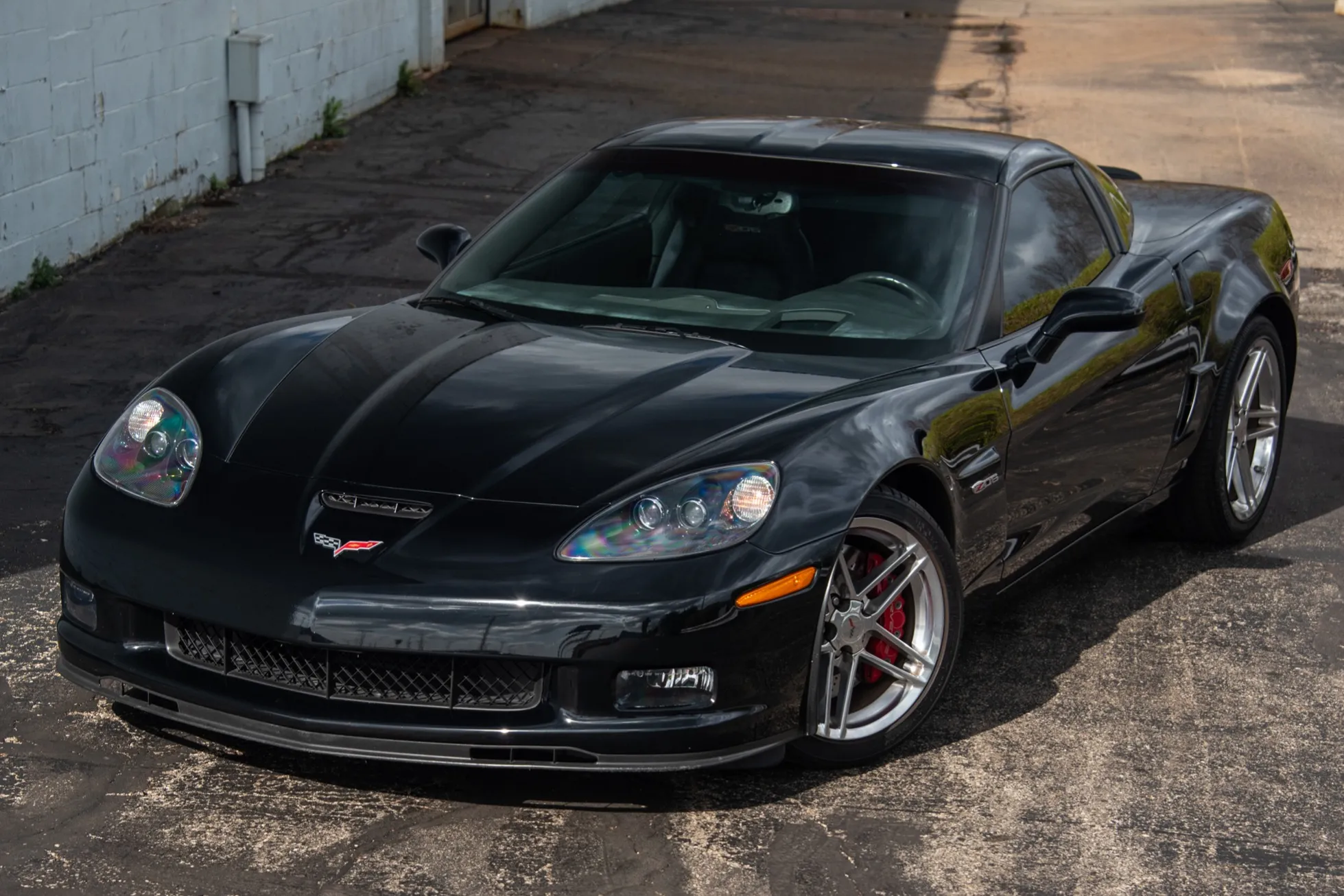
Still within the C6 generation, the 2008 Corvette faced its own reliability struggles. Chief among them were fuel pump failures, which caused sudden stalling and posed serious safety risks, especially at high speeds.
The automatic transmission was another weak spot, with owners reporting harsh shifts, delays, and in some cases, complete transmission breakdowns. Such failures meant costly repairs and diminished driving enjoyment.
Adding to these concerns was criticism of the interior quality. Despite being marketed as a premium performance car, the materials inside the 2008 Corvette felt cheap compared to competitors. Leather seats showed premature wear, and plastics on the dash and trim aged poorly.
For a car built to compete with luxury sports rivals, the lackluster interior disappointed buyers and undermined its value. While still a performance powerhouse, the 2008 model revealed durability issues that made it one of the less desirable years.
5. 2015 Chevy Corvette (C7): Promising but Problematic
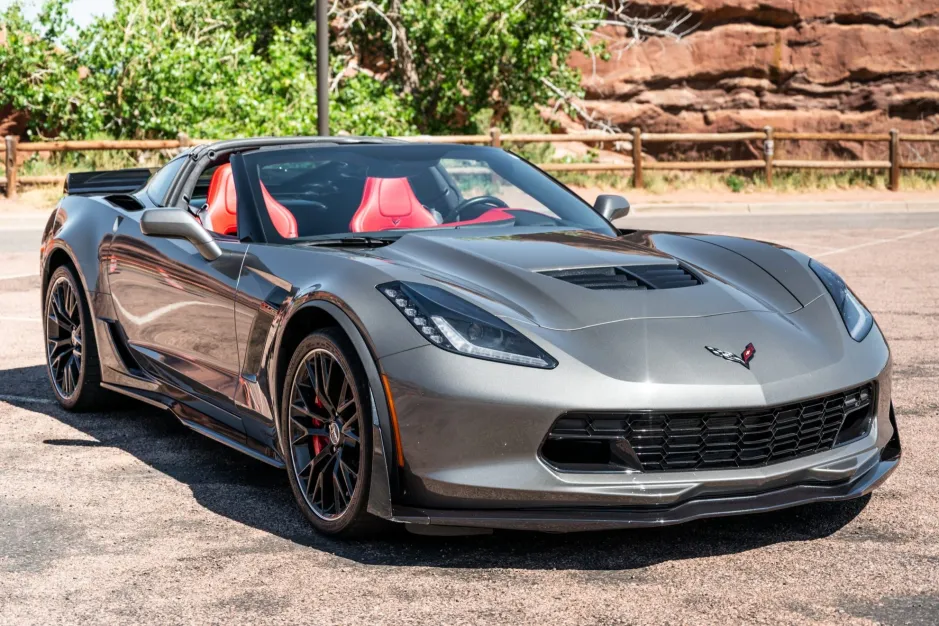
The 2015 Corvette introduced the C7 generation, celebrated for its aggressive styling, advanced technology, and remarkable performance. Yet, the first year of this generation faced significant challenges. The new 8-speed automatic transmission was plagued by rough shifting, hesitation, and shuddering, especially at low speeds.
This problem led to widespread dissatisfaction and frequent dealership visits. Safety concerns also arose when defective airbags were recalled due to potential deployment failures in crashes. On top of that, many owners experienced paint quality issues, with premature chipping and peeling undermining the Corvette’s premium appeal.
For a high-end sports car, these cosmetic and functional flaws were especially disappointing. Although later C7 models improved reliability, the 2015 Corvette remains a cautionary example of early-production issues in a new generation. Buyers considering this year should weigh the risks carefully before purchase.
The Chevrolet Corvette’s legacy is built on both innovation and resilience. From record-breaking performance figures to surprising comfort and value, certain model years like the 2004, 2009, and modern C8s stand out as reliable choices that age gracefully and reward their owners.
At the same time, history shows that even a legendary nameplate can have missteps. Problematic years such as 1984, 2005, and 2015 serve as reminders of the risks tied to rushed redesigns or untested technology.
For enthusiasts, understanding which Corvettes have proven themselves and which should be approached with caution is key to enjoying the experience this car is meant to provide.
Whether you’re shopping for a used model or simply admiring the Corvette’s place in automotive culture, the lesson is clear: when chosen wisely, the Corvette remains not just a car, but a piece of American performance heritage.
Also Read: 10 Best-Selling Cars in the U.S. and What Makes Them Stand Out