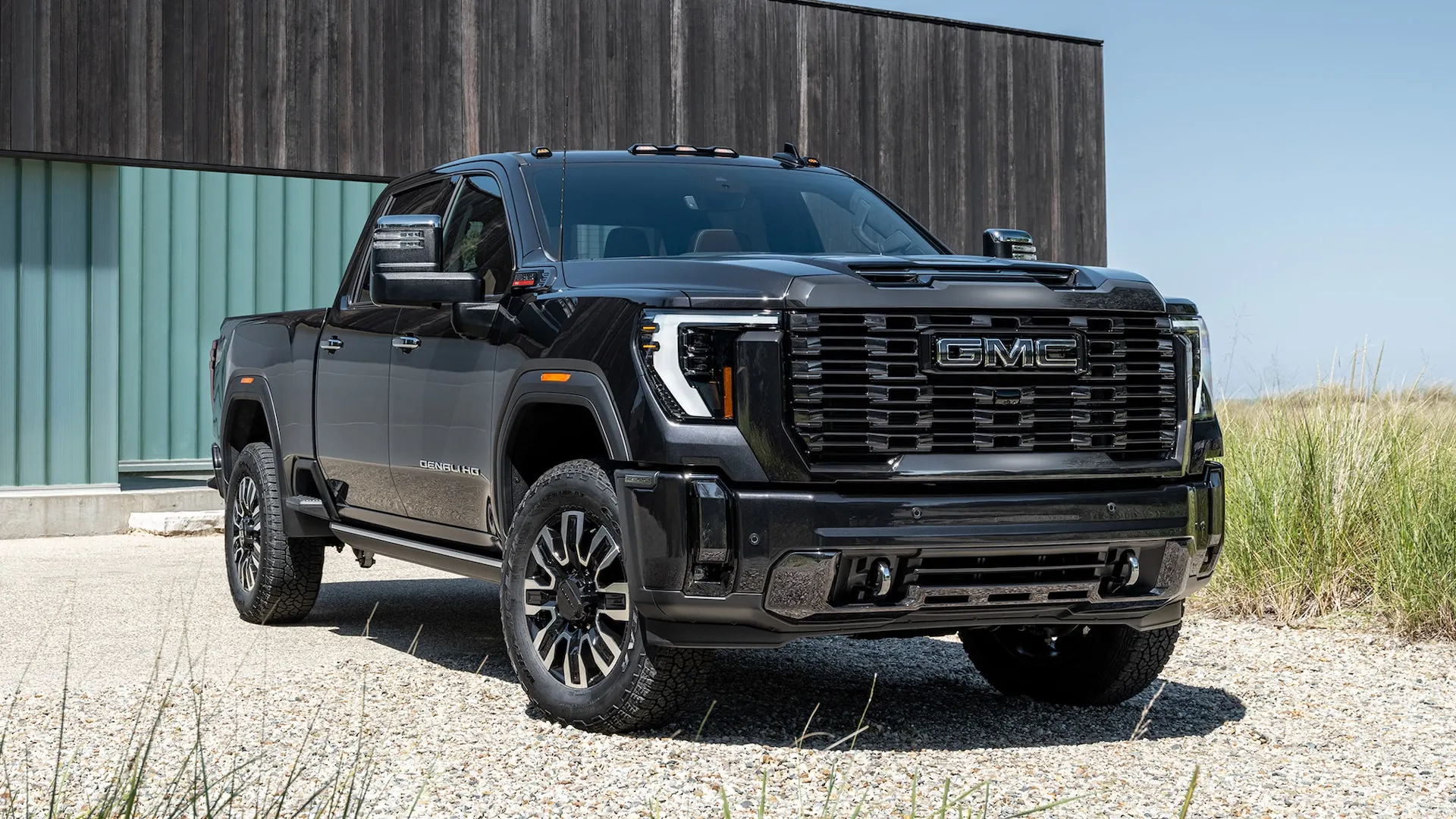
Owning a GMC Sierra is a matter of pride for many truck lovers. It is strong, reliable, and built to handle both work and play. But like any vehicle, it needs care to stay in top condition.
The good news is that you don’t always need a mechanic to keep it running smoothly. By spending just a little time on weekends, you can protect your investment and make sure your Sierra lasts for many years. Here are ten simple weekend habits that can make a big difference.
One useful habit is checking your engine oil. Fresh oil keeps the engine parts moving smoothly and prevents wear. A quick dipstick check helps you know if the oil is at the right level or needs changing before problems appear.
Another easy habit is washing and waxing your truck. Dirt, mud, and road salt slowly damage the paint and body. A weekly wash keeps your Sierra looking new, while wax creates a protective layer that guards against rust and weather damage.
Checking tire pressure every weekend is also important. Properly inflated tires improve safety, fuel efficiency, and tire life. A small tire gauge lets you know if the air needs adjusting, helping you avoid blowouts and unnecessary fuel costs.
Brake safety should never be ignored. Listen for squeaky or grinding sounds during drives and inspect the pads when possible. Changing worn brake pads early prevents damage to other parts and ensures your Sierra always stops safely on the road.
Cleaning the interior is another good weekend habit. Dust, crumbs, and dirt build up quickly. A simple vacuum and wipe-down protect the seats and dashboard, keeping the cabin fresh and comfortable for both you and your passengers.
Your truck’s battery also needs care. On weekends, check for corrosion on the terminals and clean them if necessary. A well-maintained battery helps your Sierra start quickly and prevents frustrating problems, especially in extreme weather.
Fluids are like lifelines for your vehicle. Along with oil, check coolant, brake fluid, transmission fluid, and power steering fluid. Catching low or dirty fluid early prevents overheating, brake failure, or steering issues that could become costly repairs.
Light checks are quick but very important. Headlights, brake lights, and indicators keep you safe on the road. Turning them on and doing a simple walk-around ensures that all bulbs are working properly before your next drive.
Another helpful habit is giving your Sierra a short weekend drive, even if you don’t need it. Regular use keeps the battery charged, fluids moving, and tires in good shape, preventing issues that can come from long periods of idleness.
Also read: 10 Maintenance Tricks That Make a Kia Sorento Last Forever
1) Check and Maintain Engine Oil Regularly
The engine is the heart of your GMC Sierra, and the oil is its lifeblood. Engine oil keeps parts lubricated, reduces friction, and controls heat. Without it, metal components grind against each other, causing serious damage. That’s why a weekly oil check is one of the simplest yet most powerful habits you can adopt.
Start by parking your truck on level ground and letting the engine cool down. Open the hood and find the dipstick. Pull it out, wipe it clean, reinsert it fully, and pull it back again to check the level.
The oil should fall between the “min” and “max” marks. If it’s low, add the correct grade recommended in your Sierra’s manual usually a high-quality synthetic or synthetic blend designed for trucks.
But checking the oil isn’t just about quantity. Pay attention to the color and texture. Fresh oil is golden-brown and smooth, while dirty oil looks dark and feels gritty.
If you notice dirtiness or sludge, it’s a clear sign that you should schedule an oil change even if you haven’t reached the mileage interval yet.
Weekly checks also help you spot leaks early. If you constantly need to top off your oil, there may be an issue with the oil filter, gasket, or drain plug. Catching these problems early can save you from engine overheating or breakdowns on the road.
Ignoring oil checks leads to overheating, loss of fuel efficiency, reduced power, and eventually costly repairs like piston damage or bearing failure.
Many Sierra owners who neglect oil changes end up spending thousands on engine work that could have been avoided with a five-minute weekend routine.
By making oil checks a habit, you protect the most important part of your truck. It’s a quick and inexpensive way to add years to your Sierra’s life while ensuring it always runs smoothly, no matter where the road takes you.
2) Wash and Wax the Exterior
Your GMC Sierra is built tough to handle dirt roads, heavy loads, and rough weather, but its exterior finish can still suffer if left unattended.
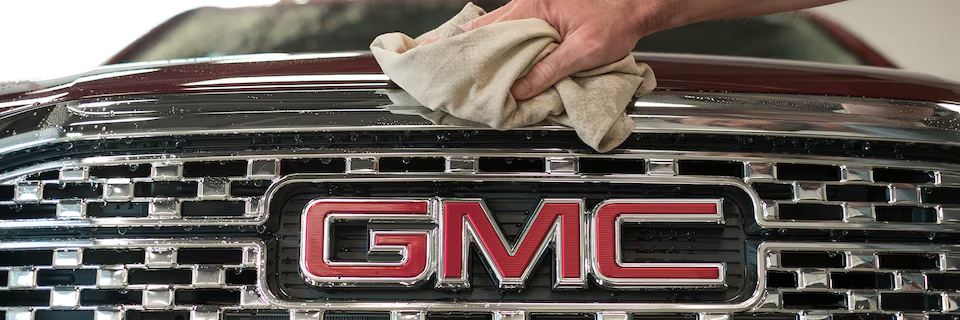
Dust, mud, road salt, and bird droppings may look harmless, but over time, they eat away at the paint and expose the body to rust. That is why washing and waxing your truck every weekend is one of the best habits you can develop.
Start by rinsing your Sierra thoroughly to remove loose dirt. Use a car-friendly soap with a soft sponge or microfiber mitt. Avoid dish soap or harsh cleaners since they strip away protective coatings.
Rinse again with clean water and dry the surface with a microfiber towel to avoid water spots. Cleaning the wheels and undercarriage is equally important since they collect salt and mud that accelerate corrosion.
Waxing should follow a good wash. Wax acts as a shield against sun damage, rain, and pollutants. When applied correctly, it creates a glossy finish that makes your truck look new while also sealing the paint.
A spray wax can be done quickly, but a paste or liquid wax offers longer-lasting protection. Even a light coat applied once a week helps preserve your Sierra’s paint for years.
Neglecting this habit can lead to faded paint, rust patches, and body deterioration. Once rust sets in, it spreads quickly and can ruin the truck’s resale value.
Repairing rust damage often requires sanding, repainting, or replacing panels, which is far more expensive than a weekly wash and wax routine.
By making exterior cleaning a weekend tradition, you not only keep your truck looking impressive but also extend its life. A clean and protected Sierra stands out on the road, retains its value, and reflects the pride you take in owning such a powerful vehicle.
3) Check and Adjust Tire Pressure
Your GMC Sierra’s tires carry the full weight of the truck, whether you are hauling heavy loads, driving off-road, or cruising on highways. Proper tire pressure ensures safety, comfort, and efficiency.
Unfortunately, many drivers overlook this simple task, leading to reduced performance and costly tire replacements. Checking and adjusting tire pressure every weekend prevents these problems.
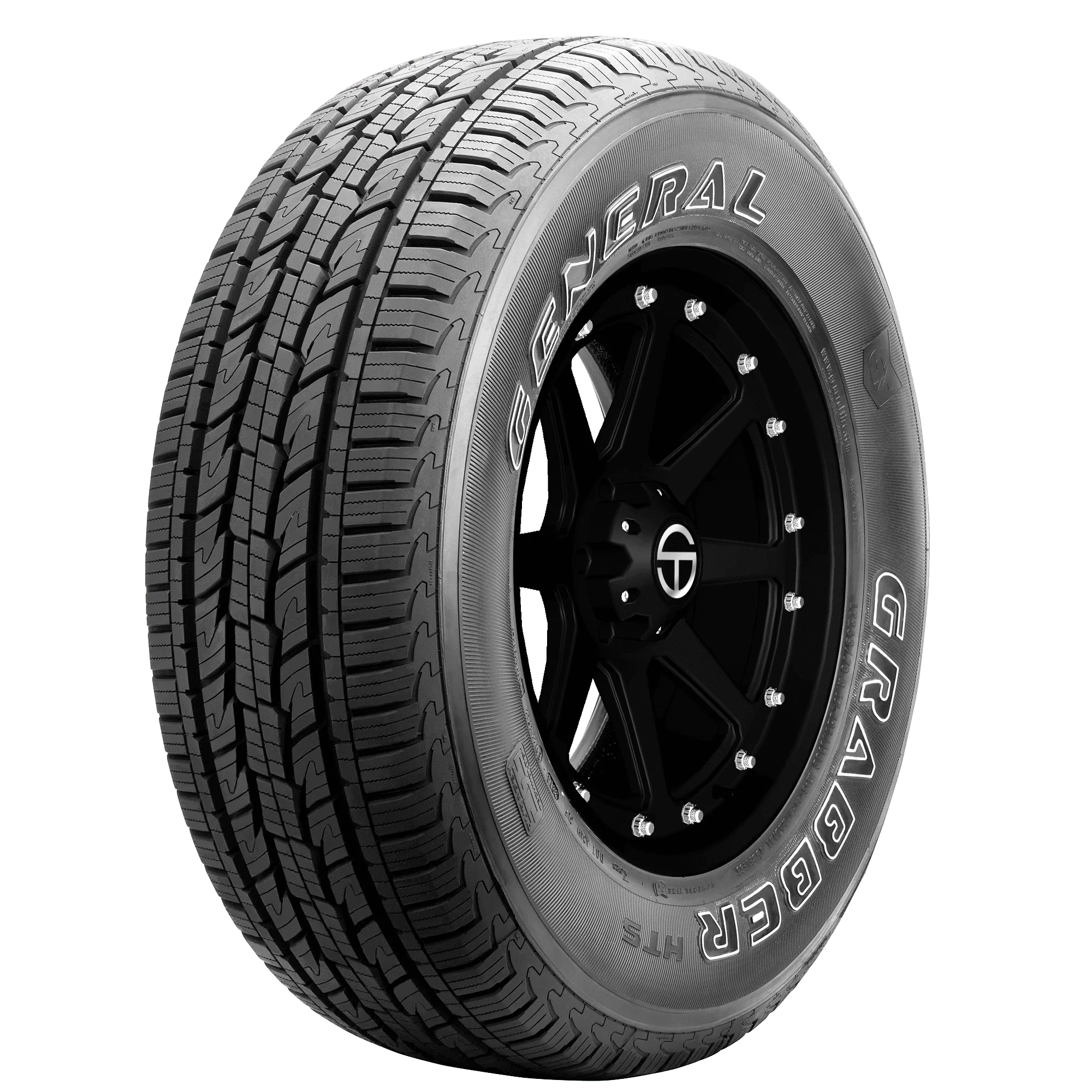
To begin, keep a portable tire pressure gauge in your glove box. The recommended tire pressure for your Sierra can be found in the owner’s manual or on the sticker inside the driver’s door.
Measure each tire when they are cold since driving heats it up and gives false readings. If any tire shows low pressure, add air using a portable compressor or at a gas station pump.
The benefits of this habit are many. Properly inflated tires improve fuel efficiency, saving you money at the pump. They also provide better handling, especially during turns or emergency maneuvers.
Balanced tire pressure ensures even tread wear, which extends tire life and helps you avoid premature replacement costs. On the other hand, overinflated or underinflated tires cause uneven wear, reduced traction, and even blowouts on the highway.
Do not forget the spare tire. Many Sierra owners keep a spare but never check its pressure until they need it. A flat spare is useless in an emergency, so adding it to your weekend tire inspection is a smart move.
Skipping this habit may not cause immediate damage, but it slowly affects performance and safety. Low-pressure tires make the truck harder to control, reduce braking power, and increase the risk of accidents.
Replacing a full set of tires before their time can cost hundreds of dollars, a problem that can be avoided with a two-minute pressure check.
By making tire checks part of your weekend routine, you improve safety, save money, and keep your Sierra ready for any road or weather condition.
Properly maintained tires ensure that the power and reliability of your truck are fully supported where it matters most on the ground.
4) Inspect and Maintain the Brakes
Brakes are one of the most important safety systems in your GMC Sierra. No matter how powerful the engine or strong the tires, if the brakes do not respond properly, both you and your truck are at risk. Making brake inspections a weekend habit ensures your Sierra always stops safely and avoids costly repair bills later.
Start by listening closely during your drives. If you hear squeaking, grinding, or clicking noises when you press the brake pedal, it could mean the pads are wearing down. On weekends, look through the wheels at the brake pads and rotors.
Pads should have enough thickness left, and rotors should not look deeply grooved or uneven. If they appear thin or worn, it is best to replace them before they damage the rotors.
Checking brake fluid is also part of this habit. Open the hood and locate the brake fluid reservoir. If the fluid level is low or looks dirty, it should be topped up or replaced. Clean brake fluid is essential for proper hydraulic pressure, which makes your brakes responsive and effective.
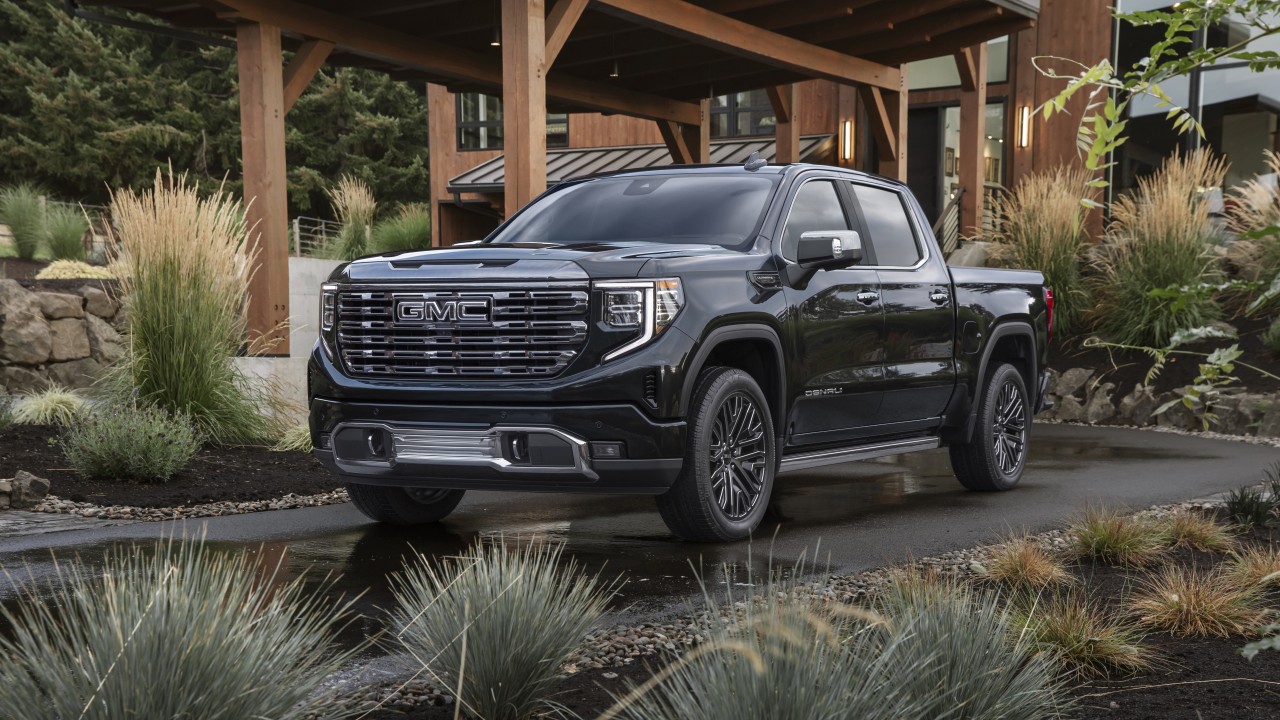
Neglecting brake care often leads to dangerous situations. Worn pads increase stopping distance, while bad rotors cause vibrations and reduce control.
Brake failure is one of the most common causes of accidents, and yet it can be avoided with simple weekend checks. Repairing rotors or replacing entire brake systems costs far more than maintaining them regularly.
By making brake inspections a part of your routine, you drive with peace of mind knowing your Sierra can stop when you need it most. A few minutes spent on this habit keeps your truck safe, reliable, and ready for every journey.
5) Clean and Protect the Interior
Many owners focus only on the engine and exterior while forgetting that the interior also requires care. The cabin of your GMC Sierra faces dust, crumbs, spills, and sunlight daily, which slowly damages seats, carpets, and dashboard materials.
By dedicating time each weekend to cleaning and protecting the interior, you not only preserve comfort but also increase your truck’s value.
Begin with a thorough vacuuming of the seats, carpets, and floor mats. Removing dirt and crumbs prevents stains and odors from building up.
Wipe down the dashboard, steering wheel, and door panels using a microfiber cloth and a cleaner designed for car interiors. Avoid harsh chemicals that can crack or fade materials.
If your Sierra has leather seats, use a leather conditioner once in a while to keep them soft and prevent cracks. For cloth seats, a fabric cleaner helps remove stains before they become permanent. Do not forget the air vents, as they collect dust that can blow into the cabin and reduce air quality.
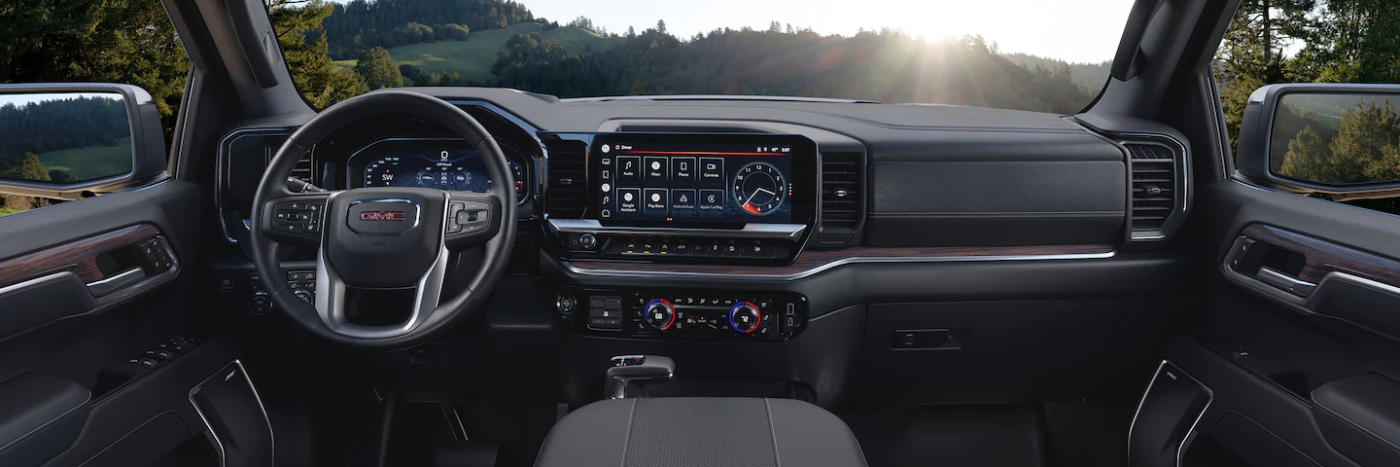
Neglecting the interior leads to fading, cracking, and unpleasant smells. Over time, a poorly maintained cabin makes driving less enjoyable and lowers resale value. Buyers often judge how well a truck has been cared for based on the interior condition, so keeping it clean pays off in the long run.
By making interior cleaning a weekend habit, you enjoy a fresh, comfortable space every time you step inside. It also shows pride in ownership, making your GMC Sierra not only perform like new but also feel like new.
Also read: Top 9 Moves To Avoid While Owning a Dodge Durango R/T
6) Inspect and Maintain the Battery
The battery is often ignored until it fails, leaving you stranded. A dead battery can ruin your plans, but the good news is that simple weekend checks can prevent such problems. Making battery inspection part of your routine keeps your Sierra starting strong every time.
Lift the hood and locate the battery. Check the terminals for corrosion, which often looks like a white or bluish powder.
If you see buildup, carefully clean it with a battery brush and a mixture of baking soda and water. Always wear gloves and eye protection during this step. Tighten any loose connections, since weak contact can cause starting issues.
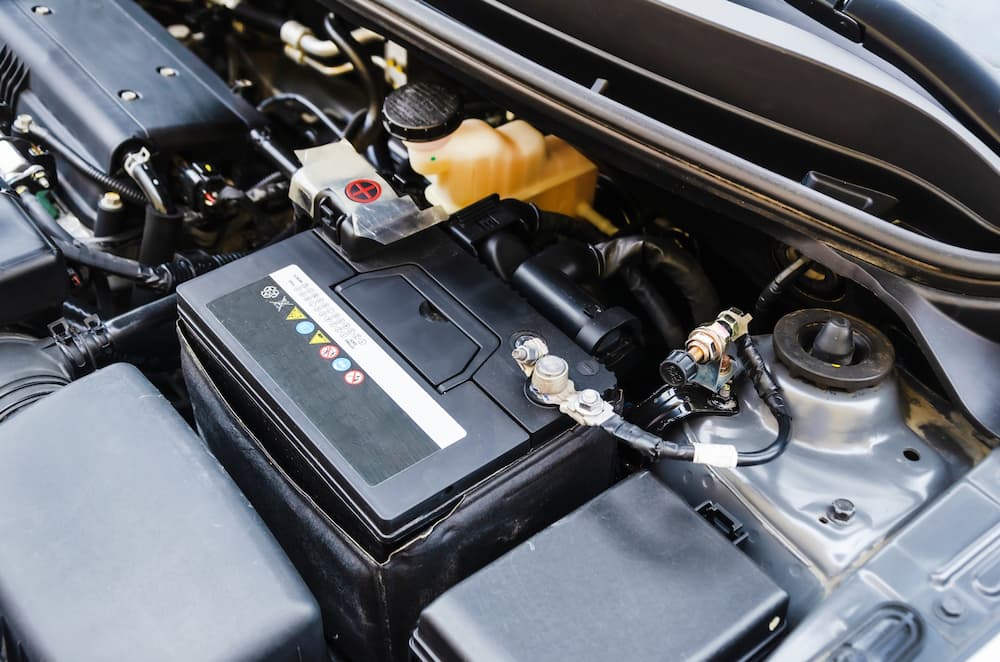
Also, check the battery casing for cracks or bulges, which indicate that the battery is wearing out. If your battery is more than three years old, consider testing it with a multimeter or having it checked at an auto shop to make sure it still holds enough charge.
Skipping this habit can lead to frustrating situations. Corrosion, loose terminals, or a weak battery can prevent the engine from starting, especially in cold or very hot weather. Getting towed or buying a replacement battery at the last minute is both inconvenient and costly.
By inspecting and maintaining your battery every weekend, you ensure that your Sierra starts reliably and all electrical systems run smoothly. This small step saves you from unexpected breakdowns and keeps your truck dependable in every season.
7) Check and Refill Vehicle Fluids
Your GMC Sierra relies on more than just engine oil to function properly. A variety of fluids keep different systems running smoothly, and if any of them fall below safe levels, your truck’s performance and safety can suffer. Making it a weekend habit to check and refill these fluids is one of the smartest ways to prevent expensive repairs.
Begin with coolant, which keeps your engine from overheating. Check the coolant reservoir under the hood and ensure the fluid level is between the “low” and “full” marks. If it looks dirty or rusty, it is time for a flush and replacement.
Driving with low coolant can cause the engine to overheat, warp parts, and even lead to complete engine failure. Next, check the transmission fluid if your Sierra is equipped with a dipstick for it. Transmission fluid should appear bright red and not smell burnt.
If it looks dark or smells bad, it may be breaking down and should be replaced. Neglecting transmission fluid can cause rough shifting, slipping gears, and eventually transmission damage, which is one of the most expensive repairs a truck can face.
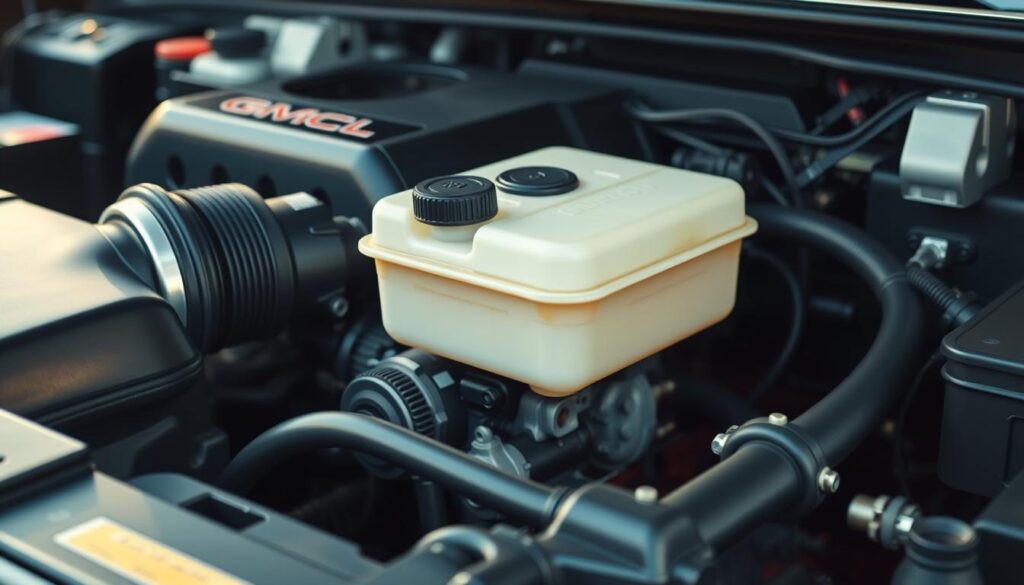
Brake fluid is equally critical. Low brake fluid may cause the pedal to feel spongy and reduce stopping power.
If the fluid is low, it could also indicate worn brake pads or a leak somewhere in the system. Power steering fluid should also be checked to make sure your Sierra turns smoothly without extra resistance.
Finally, windshield washer fluid might seem minor, but it ensures clear visibility in rain, dust, or snow. A quick top-off every weekend means you are never caught in poor weather without being able to clean your windshield.
By building the habit of checking and refilling fluids weekly, you give your Sierra the protection it needs. Each system depends on the right fluid to work properly, and catching low levels early prevents failures that could leave you stranded or facing large repair bills.
8) Test and Inspect Vehicle Lights
Lights are often overlooked until one burns out, but they are essential for safety. Headlights, taillights, brake lights, and turn signals ensure that you see the road clearly and that other drivers can see you.
Making light inspections part of your weekend routine helps you avoid accidents and traffic violations. Testing lights is simple but should be done thoroughly. Start the truck and turn on the headlights.
Make sure both high beams and low beams are working and properly aligned. Next, check the taillights by walking around the truck while they are on.
Have a friend press the brake pedal so you can confirm that the brake lights illuminate correctly. Turn signals should flash at a steady pace on both sides, and hazard lights should blink evenly.
Fog lights, reverse lights, and side marker lights are often forgotten but equally important. Reverse lights help you back up safely at night, while fog lights improve visibility during harsh weather.
Ensuring every bulb works reduces the risk of accidents and also keeps you from getting pulled over for a burned-out light.
If you find a light is out, replace it immediately. Most bulbs are inexpensive and easy to change yourself with a screwdriver.
In some cases, if multiple lights are not working, the issue could be a blown fuse or wiring problem. Addressing it quickly prevents further electrical issues.
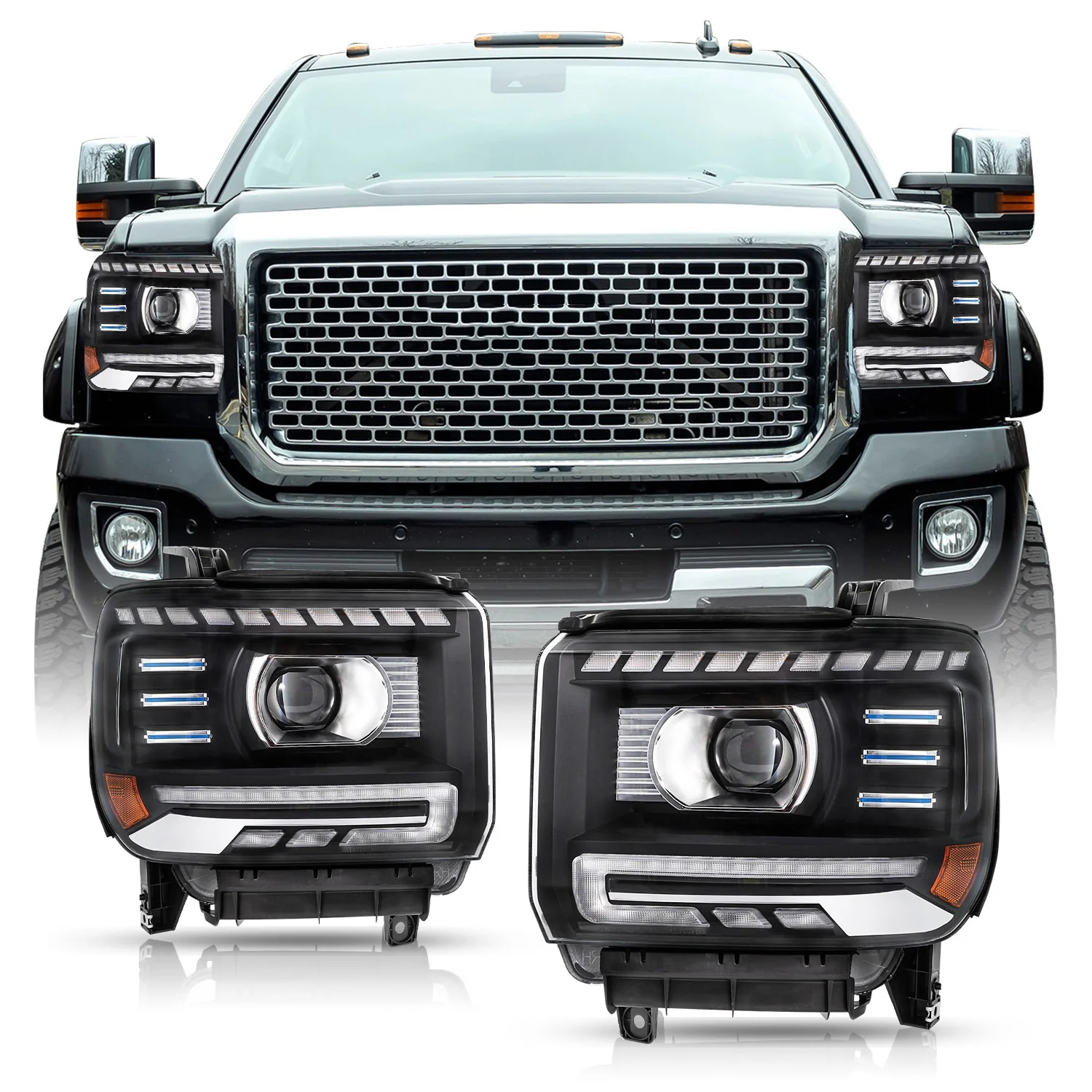
Skipping this habit can be dangerous. A burned-out brake light may cause the driver behind you to react too late, leading to a rear-end collision.
A weak headlight can reduce visibility on dark roads, increasing the risk of hitting obstacles. Simple checks on the weekend can prevent such dangers.
Making light inspections a routine keeps your Sierra safe and compliant with road laws. It takes only a few minutes, but it gives you confidence that your truck is fully visible and dependable in any driving condition.
9) Take the Truck for a Short Drive
Some GMC Sierra owners use their trucks daily, while others may only drive them occasionally. For those who do not drive often, leaving the truck parked for long periods can cause more harm than expected.
Taking your Sierra for a short drive every weekend is an excellent habit that keeps all systems active and healthy.
When a vehicle sits too long, the battery slowly loses charge, and tires may develop flat spots from the weight of the truck pressing down in one position.
Fluids also settle, and seals can dry out without proper circulation. A quick 15 to 20 minute drive once a week prevents these problems by keeping the battery charged, the fluids moving, and the tires evenly worn.
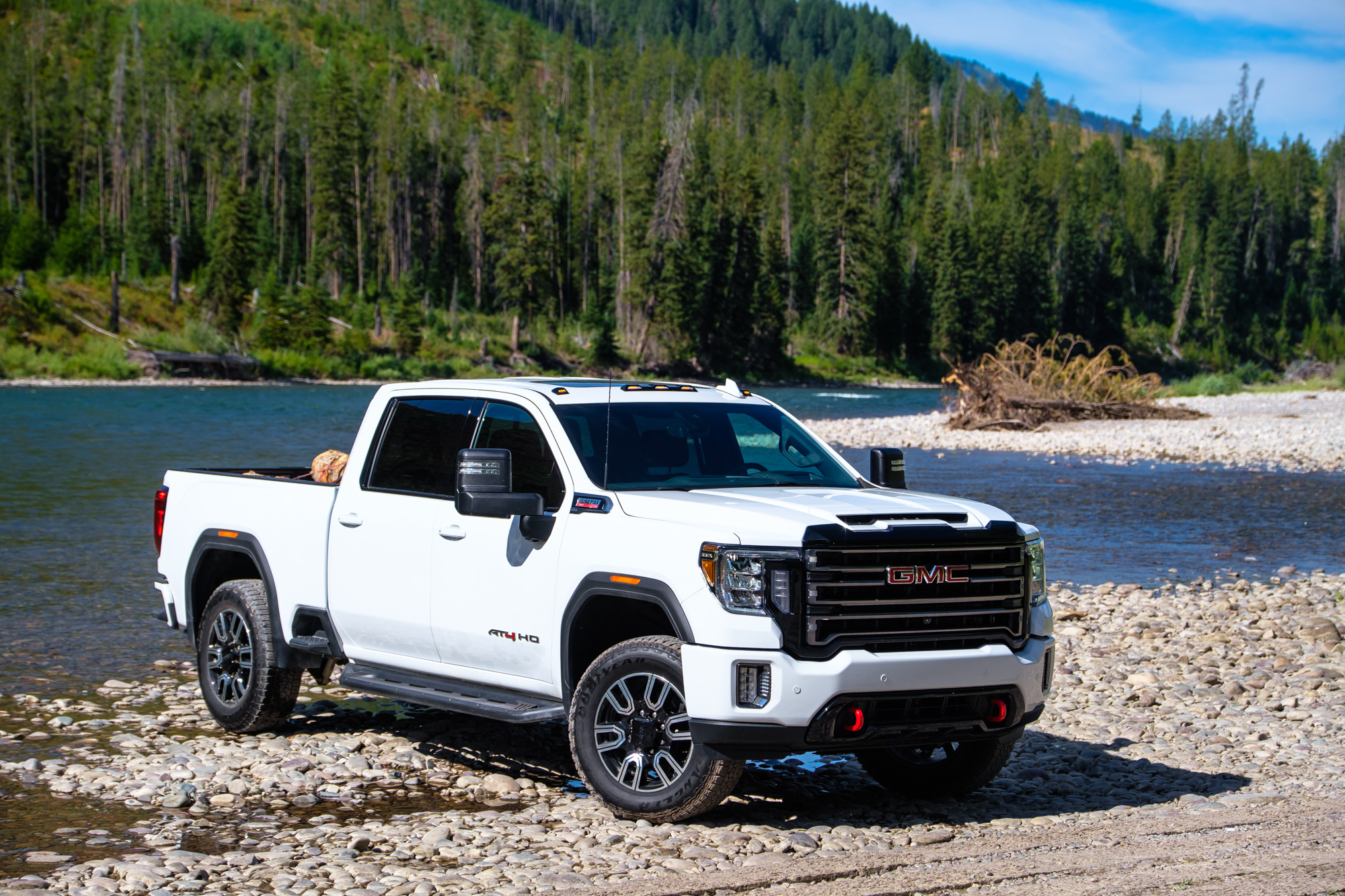
Short drives also give you a chance to listen for unusual sounds. Pay attention to engine noise, steering response, and braking. Small issues often reveal themselves during these drives, giving you time to fix them before they become major problems. For example, a squealing belt, a grinding brake pad, or a sluggish battery can all be detected early during weekend drives.
Even if you do not need to go anywhere, plan a loop around your neighborhood or a quick highway stretch. This keeps your Sierra’s engine at operating temperature, which helps burn off excess moisture in the exhaust system and prevents rust. It also ensures that all moving parts stay lubricated.
Neglecting this habit can lead to dead batteries, rough starts, cracked seals, and higher repair costs later. Vehicles are meant to be driven, not left idle for too long. By simply giving your Sierra a regular workout, you keep it dependable and road-ready whenever you truly need it.
10) Review the Truck for Unusual Signs
The final habit is not about a single part of the truck but about developing awareness. Every weekend, take a few minutes to walk around your GMC Sierra and look for anything unusual. This simple inspection can reveal issues before they become expensive repairs.
Look under the truck for fluid spots, which may indicate leaks from the engine, transmission, or cooling system. Check the tires for uneven wear or nails that could cause slow leaks. Inspect the body for rust spots or scratches that might need touch-up paint to prevent spreading.
Inside the truck, pay attention to the warning lights on the dashboard. Even a small alert, like the check engine light, should not be ignored. Addressing problems early often prevents bigger and more costly failures. Listen for new noises when you start the engine or while driving. Vibrations, rattles, or squeaks are signals that something may need attention.
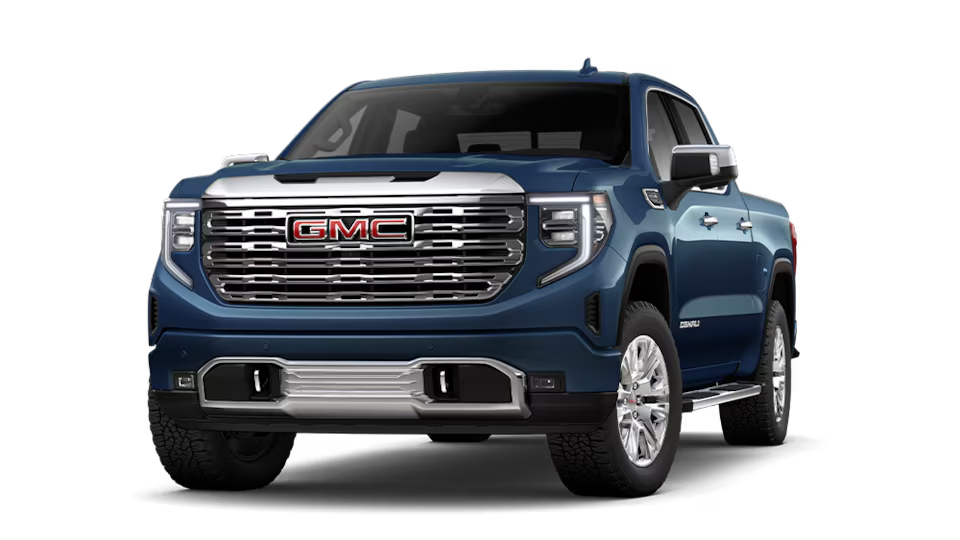
Do not forget smells. A burning odor could mean overheating parts, while a sweet smell might indicate coolant leaks. Catching these signs early is much easier than waiting until the truck breaks down.
By taking the time to review your Sierra regularly, you become familiar with its normal condition. That makes it easier to notice when something is off. This habit saves money, keeps you safer, and helps your truck perform at its best for years.
Owning a GMC Sierra is a long-term investment, and like any valuable possession, it requires consistent care. Fortunately, keeping it running like new does not always mean expensive repairs or hours at a service center. By dedicating a little time each weekend, you can create simple habits that make a big difference.
Checking oil, fluids, tires, brakes, lights, and the battery protects the mechanical health of your truck. Washing and waxing keep it looking sharp and prevent rust.
Cleaning the interior ensures comfort and preserves value. Taking short drives and reviewing for unusual signs help catch problems early before they grow worse.
Each of these habits takes only a few minutes, yet together they add years to your Sierra’s life. They save money, improve safety, and give you the confidence that your truck is always ready for work or adventure.
By practicing these ten habits regularly, you will enjoy the strength, reliability, and pride of owning a GMC Sierra that feels and performs like new, no matter how many miles it has traveled.
Also read: 12 Cars That Went From Unpopular to Everyday Sight