
The Ford Explorer has earned its place as one of the most popular SUVs on American roads. Known for its roomy interior, smooth ride, and ability to handle both city commutes and family road trips, it has become a trusted choice for many households.
Families appreciate the Explorer for its balance of comfort and practicality, while drivers enjoy its strong performance and versatility. Over the years, this SUV has built a reputation for being a reliable companion, capable of lasting well beyond 200,000 miles when given proper care.
However, owning a vehicle like the Ford Explorer also comes with responsibility. Many owners unintentionally fall into bad habits that slowly wear down the SUV.
At first, these mistakes might seem small, delaying an oil change, ignoring a warning light, or forgetting about tire maintenance. But as time goes on, these small issues pile up, turning what could have been a dependable vehicle into a financial burden.
Repairs on modern SUVs can be very costly, and neglecting care often leads to bigger, more expensive problems that could have been avoided.
This is where many Ford Explorers go from being a valuable family vehicle to a money pit. Instead of enjoying worry-free driving, owners find themselves dealing with repeated breakdowns, poor performance, and high repair bills.
The good news is that most of these problems don’t come from bad luck; they come from avoidable habits. By being more aware and making a few changes, you can protect your Explorer, extend its lifespan, and save yourself thousands of dollars in repairs.
Also read: Top 9 Moves To Avoid While Owning a Dodge Durango R/T
1) Skipping Oil Changes
One of the easiest but most damaging mistakes Ford Explorer owners make is neglecting regular oil changes. Engine oil is not just a lubricant; it is the lifeblood of your SUV’s motor.
It keeps moving parts from grinding against each other, reduces heat, cleans away harmful deposits, and ensures smooth operation. Without clean oil, the engine cannot perform at its best, and damage begins to build silently.
When oil is fresh, it has the right thickness, or viscosity, to properly coat engine parts. Over time, however, oil breaks down due to heat, friction, and exposure to contaminants like dirt and fuel particles. As this happens, it loses its ability to lubricate.
Imagine running your Explorer’s engine with sandpaper instead of oil. The friction inside can cause severe wear to pistons, bearings, and other metal components.
This wear is often permanent and can lead to engine failure, which is one of the most expensive repairs a vehicle owner can face.
Another major issue that comes with skipping oil changes is sludge buildup. As oil gets older, it thickens and turns into a tar-like substance. This sludge clogs passages inside the engine, making it difficult for oil to flow where it is needed most.
When lubrication is blocked, certain parts, like the camshaft or valves, may run dry, creating even more damage.
A neglected engine often ends up with this sludge, and cleaning it out can cost hundreds of dollars. In severe cases, the only solution is replacing the engine entirely, which can cost upwards of $5,000 to $7,000.
Heat management is another critical role oil plays. As the Explorer’s engine runs, it generates enormous amounts of heat.
Oil helps absorb and carry away some of that heat, preventing parts from overheating. When the oil is old and degraded, it cannot control the heat effectively.
This can cause the engine to run hotter than normal, damaging gaskets, seals, and other sensitive components. Overheating not only affects performance but can also lead to sudden breakdowns, leaving you stranded on the road.
Skipping oil changes also has a direct impact on fuel economy. A poorly lubricated engine has to work harder, which burns more fuel. Over months and years, this extra fuel cost adds up significantly.
What you think you are saving by delaying an oil change is often spent multiple times over at the gas pump. Worse yet, poor efficiency means higher emissions, which is not only bad for your wallet but also for the environment.
Thankfully, avoiding this bad habit is simple. The Ford Explorer’s maintenance schedule usually recommends an oil change every 5,000 to 7,500 miles, depending on driving conditions and whether you use conventional or synthetic oil.
If you often drive in heavy traffic, tow loads, or make many short trips, changing oil more frequently is even more important. Investing in high-quality oil and filters ensures that your engine gets the protection it deserves.
Keeping up with this routine task can easily add years to your Explorer’s life while saving you thousands of dollars in repairs.
2) Ignoring Transmission Care
The transmission is one of the most complex and expensive systems in the Explorer. It is responsible for smoothly transferring power from the engine to the wheels. When it is working properly, you hardly notice it.
But when it begins to fail, the signs are impossible to ignore. Shuddering, slipping gears, and difficulty accelerating are all symptoms of a transmission in trouble.
Many owners make the mistake of believing transmissions are maintenance-free. In reality, they require attention. Transmission fluid lubricates gears and keeps the system cool.
Over time, the fluid breaks down and becomes dirty, which reduces its effectiveness. If left unchanged, this can cause parts to wear out much faster.
A full transmission rebuild or replacement is one of the most expensive repairs, often running into several thousand dollars.
Checking transmission fluid regularly is just as important as checking engine oil. Following the service schedule in the owner’s manual helps prevent major problems.
Some Explorer models may require a fluid change every 30,000 to 60,000 miles, depending on driving conditions. Towing, off-road driving, or stop-and-go traffic can put extra stress on the transmission, making fluid changes even more important.
Ignoring this system is one of the surest ways to drain your wallet. A simple fluid change may cost a few hundred dollars, but it can prevent repairs that cost ten times as much.
Owners who keep up with transmission care often find their Explorers lasting far longer and performing much better over time.
3) Neglecting Brake Maintenance
Your Ford Explorer is a heavy SUV, and that means its braking system works harder than that of a smaller car. Brakes are critical not only for safety but also for avoiding expensive repairs.
When brake pads wear down, they begin to grind against the rotors. If ignored, this friction damages the rotors and calipers, turning a simple brake job into a much more costly repair.
Some owners ignore the warning signs, such as squeaking or grinding noises, longer stopping distances, or a soft brake pedal.
These are all early indications that the brakes need attention. Waiting too long not only risks your safety but also guarantees a higher repair bill.

Regular inspections can prevent these issues. Most experts recommend checking the brakes every 12,000 miles or at least once a year.
Replacing brake pads when they are worn down is far cheaper than replacing rotors or calipers. Keeping the brake fluid clean is also important, as dirty fluid can lead to poor performance and corrosion inside the system.
By paying attention to brake health, Explorer owners can save hundreds of dollars and avoid dangerous situations on the road. Neglecting this crucial system is a habit that always costs more in the long run.
4) Driving With Low Tire Pressure
Tires are the only part of your Explorer that touch the road, which means they play a huge role in safety, fuel efficiency, and comfort.
Driving with low tire pressure is one of the most common mistakes owners make. Underinflated tires wear unevenly, lose traction, and reduce fuel economy. In addition, they create extra strain on the suspension system and steering components.
Low tire pressure also increases the risk of blowouts, especially during highway driving or in hot weather.
A sudden blowout in an SUV as large as the Explorer can be dangerous, not only to you but to others on the road. The cost of replacing tires early, plus the potential damage to suspension parts, quickly adds up.
Checking tire pressure is simple and takes only a few minutes. Most modern Explorers come with a tire pressure monitoring system, but it is still wise to check manually once a month.
Keeping tires inflated to the recommended pressure ensures even wear and extends their lifespan. It also improves fuel efficiency, which saves money on gas over time.
Ignoring tire pressure is an easy habit to fall into, but it is also one of the most expensive in the long run. A few minutes of maintenance can save hundreds of dollars and keep your SUV safer.
5) Overloading the SUV
The Ford Explorer is built to be strong, but it has limits. Many owners treat it like a heavy-duty truck and overload it with passengers, cargo, or trailers.
Carrying more weight than the SUV is designed for puts tremendous stress on its suspension, brakes, and transmission. Over time, this stress causes parts to wear out much faster than normal.
Overloading also reduces safety. Brakes need more distance to stop, tires wear out more quickly, and handling becomes less stable.
If towing, exceeding the weight limit can cause the transmission to overheat, leading to costly repairs. Some owners discover too late that their expensive transmission failure was caused by towing more than the Explorer was rated for.
Checking the owner’s manual for weight limits and towing capacity is crucial. Staying within these limits keeps the SUV running smoothly and prevents premature wear.
Investing in proper towing equipment, like a transmission cooler, can also help protect the vehicle when hauling heavy loads.
Ignoring these guidelines is a costly mistake. Treating the Explorer like a work truck may shorten its life and lead to constant repairs. Respecting its limits keeps it reliable and safe for years to come.
Also read: 5 Cars That Rarely Need Suspension Work vs 5 That Constantly Do
6) Ignoring Warning Lights
Modern vehicles, including the Ford Explorer, are equipped with sensors that constantly monitor performance. When something goes wrong, the system alerts the driver through warning lights on the dashboard.
Unfortunately, many owners choose to ignore these lights, hoping the problem will go away on its own. This habit almost always leads to bigger and more expensive issues.
A check engine light, for example, may be triggered by something simple like a loose gas cap. But it can also signal serious issues like a failing catalytic converter or misfiring engine. Ignoring it for too long allows the problem to worsen, often turning a small repair into a major one.
Other warning lights, such as low oil pressure, overheating, or transmission problems, should never be ignored. These systems are vital to the SUV’s performance, and driving without addressing them risks complete failure.
The smart approach is to have the vehicle scanned as soon as a warning light appears. Many auto shops and parts stores will read diagnostic codes for free.
Catching issues early prevents breakdowns and saves money. Ignoring warning lights is like ignoring your body’s pain signals, it only makes the problem worse.
The dashboard of your Ford Explorer is not just for speed and fuel readings. It also serves as a communication system between the SUV and the driver.
Warning lights are designed to give you early alerts about potential problems. Sadly, many owners make the mistake of ignoring these signals.
One of the most common examples is the check engine light. It can appear for something as small as a loose gas cap, but it can also mean serious issues like a failing oxygen sensor, a misfiring spark plug, or a damaged catalytic converter.
If left unchecked, what might have been a $100 repair could quickly turn into a $1,500 or more expense.

Other lights, such as the oil pressure warning or the temperature warning, should never be ignored. Low oil pressure can mean the engine is starving for lubrication, which can cause catastrophic damage within minutes.
An overheating light could be the sign of a failing water pump or a coolant leak. Driving with either issue can destroy the engine.
Even the tire pressure monitoring system should not be dismissed. Low pressure leads to uneven tire wear, poor fuel economy, and the risk of blowouts at high speeds. Ignoring this simple alert may cost you hundreds of dollars in premature tire replacement or worse, result in an accident.
The bottom line is that these lights are not there for decoration. They are built to save you money by catching problems early. Addressing them promptly often means the difference between a minor fix and a major repair.
7) Using Cheap or Wrong Fluids
Fluids are the lifeblood of your Explorer, and each one has a specific job. Motor oil lubricates the engine, transmission fluid helps gears shift smoothly, coolant regulates temperature, and brake fluid ensures safe stopping power.
Using cheap or incorrect fluids may save a few dollars in the short term, but it is a shortcut that often ends in costly repairs.
Take transmission fluid as an example. Ford designs its transmissions to work with specific fluid types. Using a cheaper alternative that does not meet the right specifications can cause the transmission to slip, overheat, or fail completely. A simple fluid change might cost $250, but a failed transmission can run over $4,000.
Coolant is another area where mistakes are common. Using the wrong type can cause corrosion inside the radiator and engine. Over time, this corrosion clogs passages and leads to overheating. Repairs for an overheated engine or damaged radiator often cost well over $1,000.
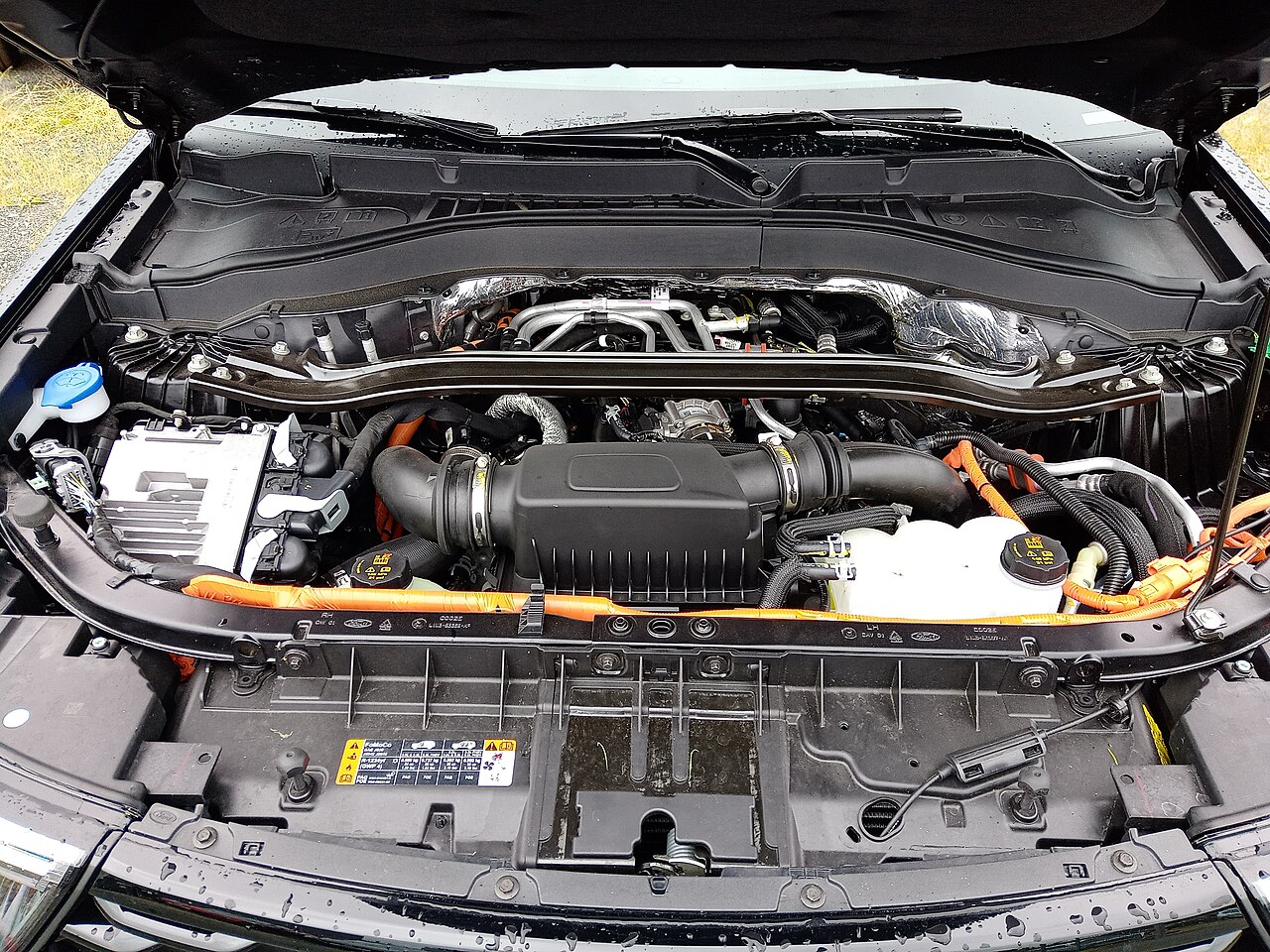
Even engine oil is not all the same. Some budget oils do not meet Ford’s requirements for viscosity or additives. They break down faster, leave behind sludge, and fail to protect the engine properly. The result is premature wear and eventually expensive engine damage.
The lesson is simple: cutting corners with fluids is never worth it. Always stick to the manufacturer’s recommended products. Spending a little more upfront on the correct fluids saves thousands of dollars in the long run.
8) Not Washing and Waxing Regularly
The suspension and steering system in a Ford Explorer often goes unnoticed by many owners because the symptoms of wear are subtle at first.
Unlike the engine or brakes, which give obvious warning signs when something goes wrong, suspension issues can quietly develop over time. Ignoring these components not only reduces comfort but also creates serious safety hazards and leads to expensive repairs that could have been prevented.
The suspension system is designed to absorb bumps, stabilize the SUV, and keep the tires in proper contact with the road.
Over time, parts such as shocks, struts, ball joints, and control arms begin to wear out. When these components lose effectiveness, the vehicle may bounce excessively, drift while turning, or feel unstable at higher speeds.
Some drivers get used to these changes and continue driving, but every mile on worn suspension parts puts extra stress on other areas of the vehicle. For example, bad shocks can cause uneven tire wear, meaning you will have to replace tires much sooner than expected.
The steering system is just as critical. If power steering fluid is not checked or leaks are ignored, the steering pump can fail, leaving the vehicle very difficult to control. Worn tie rods or bushings can cause sloppy steering and uneven alignment, which makes driving not only uncomfortable but also unsafe.
An Explorer with neglected steering components is more likely to wander on the highway or respond unpredictably in an emergency maneuver. That can be the difference between avoiding an accident and being involved in one.
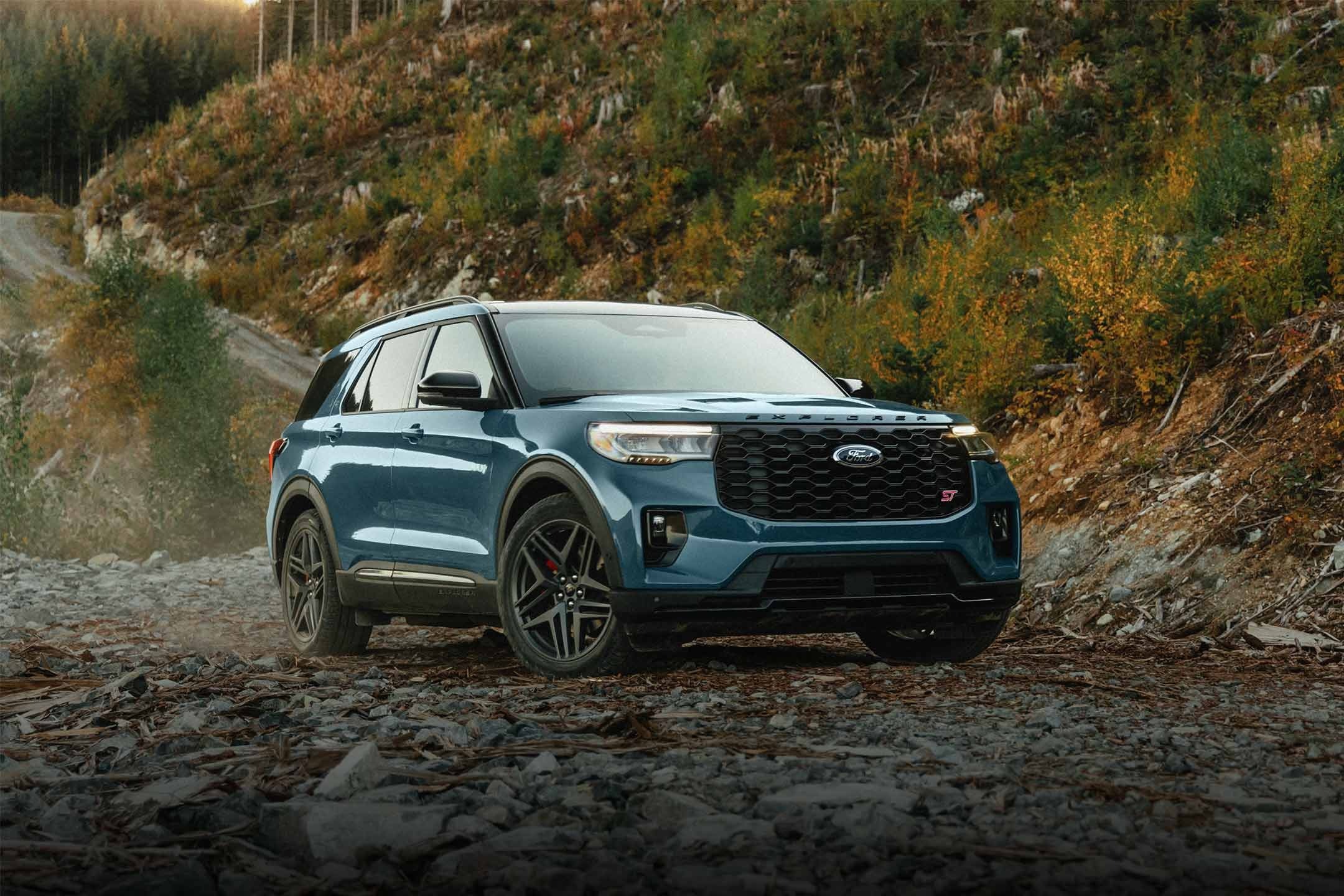
The costs of ignoring suspension and steering maintenance add up quickly. For example, replacing a set of tires that wore unevenly due to bad struts might cost $600 to $1,000, but the actual strut replacement would have been cheaper if done on time.
If steering components fail, you could be looking at a repair bill in the thousands, depending on how many parts were damaged. More importantly, these failures often appear without warning, leaving you with an unsafe SUV.
To avoid this habit, it’s important to pay attention to signs like unusual vibrations, clunking noises over bumps, difficulty steering, or uneven tire wear. A mechanic can inspect suspension and steering parts during routine service visits and catch problems early.
Rotating tires, checking wheel alignment, and topping off steering fluid are all simple but powerful ways to keep these systems in good condition.
In the end, suspension and steering maintenance may not seem urgent, but neglecting it can make your Ford Explorer unsafe, uncomfortable, and extremely expensive to repair. By addressing small issues early, you can enjoy smooth rides, predictable handling, and a safer SUV for years to come.
9) Aggressive Driving Habits
How you drive your Explorer has as much impact on its health as how often you service it. Aggressive driving is one of the quickest ways to wear out expensive parts. Hard acceleration, sharp turns, and sudden braking put unnecessary stress on the engine, transmission, brakes, and suspension.
For instance, constant hard braking wears down brake pads and rotors much faster. What could have been a normal replacement every 40,000 miles might turn into one every 20,000 miles. Similarly, slamming on the gas repeatedly increases fuel consumption and puts pressure on the transmission, often leading to early wear.
Driving aggressively also reduces fuel efficiency, costing you more money at the pump. Explorers are already heavy vehicles that use more fuel than smaller cars. Driving harshly only magnifies this expense, meaning you pay both in higher fuel bills and faster mechanical wear.

On top of that, rough driving habits make the SUV less safe. Quick lane changes, tailgating, or sharp turns increase the risk of accidents. Even if no accident occurs, suspension components like shocks and struts wear out far earlier than they should, adding hundreds of dollars to your maintenance costs.
Smooth, responsible driving not only saves money but also makes for a more comfortable ride. It reduces stress on the Explorer’s systems and ensures it stays dependable for many years.
Also read: Top 5 Vehicles With Trade-In Values That Surprise Everyone