
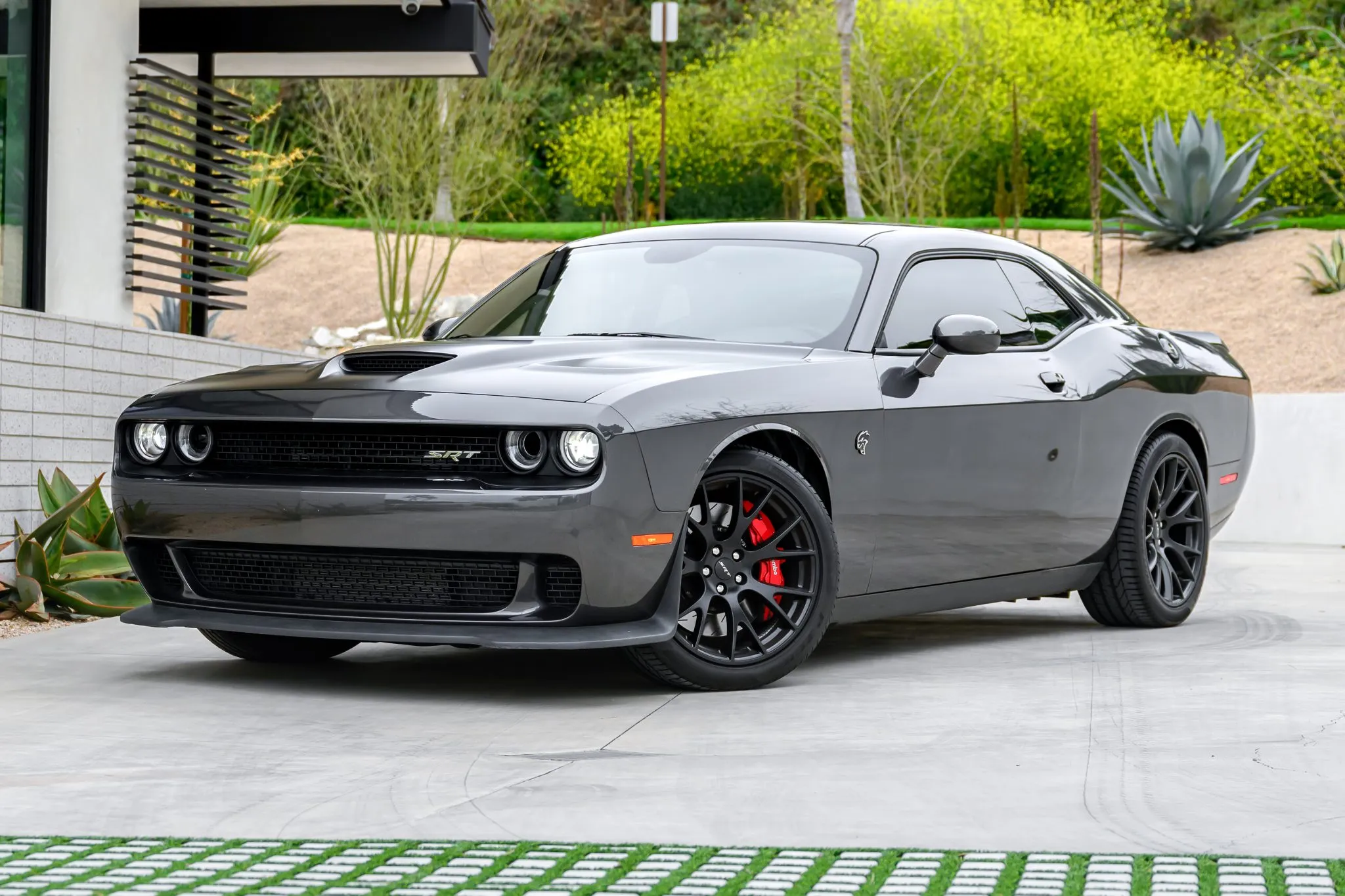
The Dodge Challenger has carved its place in American muscle car history as a bold mix of retro-inspired design, tire-smoking performance, and everyday usability.
Since its return to the market in 2008, the modern Challenger has offered something for nearly every enthusiast, from the practical V6 daily driver to the fire-breathing Hellcat and beyond. However, not every model year delivers the same level of quality and dependability.
While some years have earned a reputation for reliability, refinement, and excellent owner satisfaction, others are plagued by costly mechanical failures, electrical problems, and major safety recalls.
For buyers considering a Challenger, knowing which years to trust and which to avoid can make the difference between owning a thrilling performance machine and facing constant repair headaches. In this guide, we’ll explore five Dodge Challenger model years that stand out for their reliability and five that are best left in the rearview mirror.
5 Dodge Challenger Years You Can Trust
1. 2017 Dodge Challenger
The 2017 Dodge Challenger stands out as one of the most reliable years for the model, offering both V6 and V8 engines with relatively few complaints or recalls. According to the NHTSA, only three recalls were issued, including one for 5.7L V8 models with the eight-speed ZF automatic transmission.
This recall addressed a transmission control module issue that could cause the gear shifter and gear select display to incorrectly indicate ‘Park,’ potentially allowing the car to roll away.
Importantly, this issue was unrelated to the notorious “Monstable” gear shifter problem that affected other Dodge, Chrysler, and Jeep models. Beyond this, owners have reported only minor infotainment glitches, and there are no major concerns regarding the powertrain or chassis.
The 2017 Challenger earns solid reliability marks across multiple metrics. J.D. Power gives it a 78/100 reliability score, Carfax estimates an 8% annual likelihood of repairs, and RepairPal rates it 3.5/5. NHTSA data shows a total of 43 complaints for this model year, reflecting relatively few owner issues compared to other muscle cars.
This reliability, combined with the car’s strong performance credentials, makes the 2017 Dodge Challenger an appealing choice for enthusiasts seeking both dependability and classic American muscle-car thrills.
The 2017 model introduced the T/A trim, which blends the Shaker’s existing features with design and performance upgrades inspired by the Hellcat. All V8 Challengers now feature an active exhaust system, enhancing the driving experience with an aggressive soundtrack.
The Uconnect infotainment system was updated to support Apple CarPlay and Android Auto, adding modern convenience to the muscle-car formula. These enhancements make the Challenger not just a performance car, but also a practical and comfortable daily driver for those who value creature comforts alongside power.
The 2017 Dodge Challenger embodies the authentic muscle-car persona, whether equipped with a V6 or V8 engine. Its powertrain options deliver thrilling acceleration, while the available trim and technology upgrades make the driving experience enjoyable and accessible.
The car balances high-performance fun with surprising practicality, offering amenities that appeal to both enthusiasts and casual drivers. With a combination of dependability, modern features, and classic muscle-car appeal, the 2017 Dodge Challenger remains a standout option in its segment.
2. 2016 Dodge Challenger
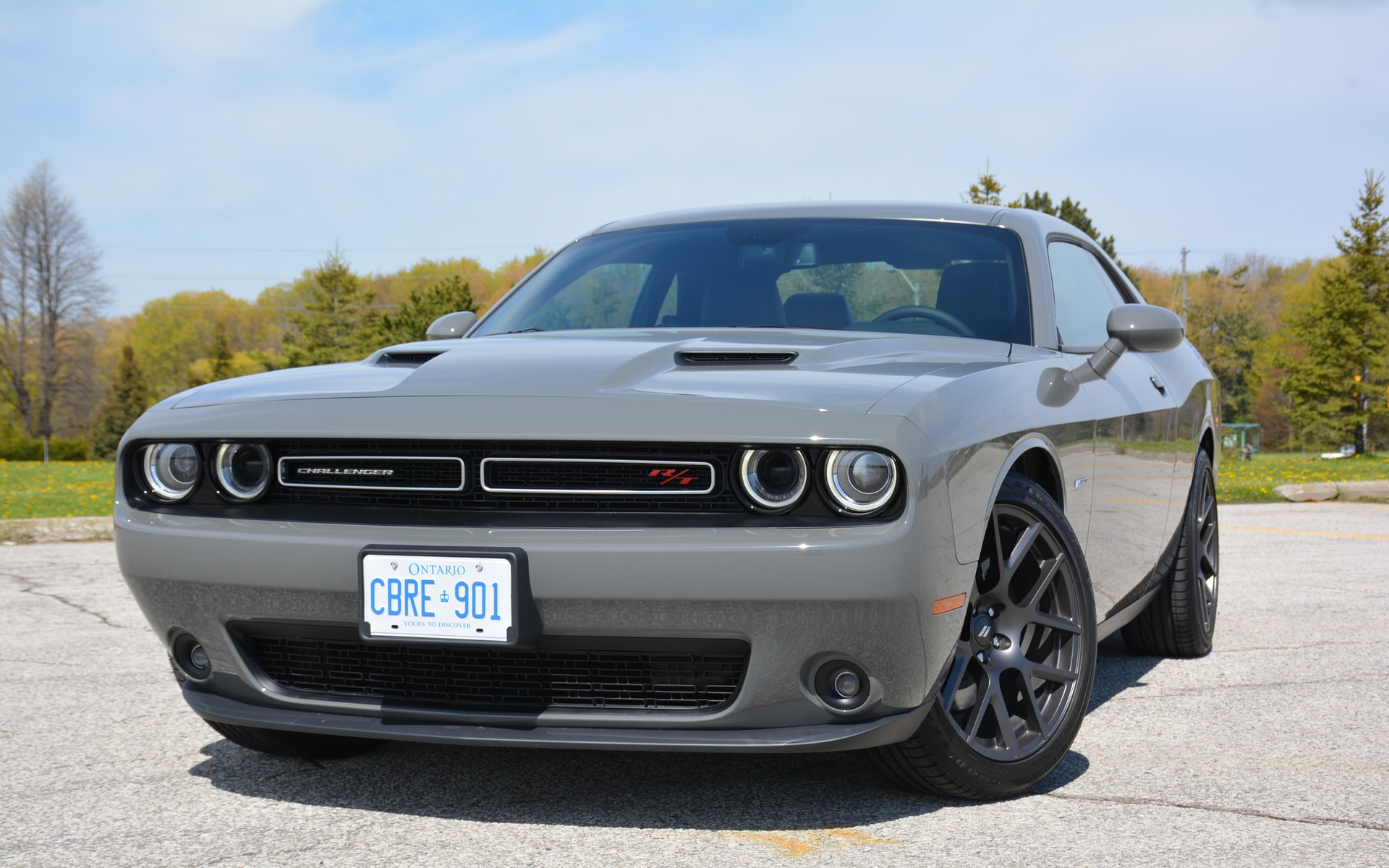
The 2016 Dodge Challenger is widely regarded as one of the most reliable years for the model, earning an impressive 86/100 on the J.D. Power Reliability scale.
Complaints are relatively low, with only 73 total NHTSA complaints and two recalls, making it a dependable choice for enthusiasts, including those interested in the high-performance SRT Hellcat.
Following a major redesign the previous year, the 2016 model retained most of its updates while introducing new trim, wheel options, and the first full year for the Shaker hood. With these refinements, the Challenger combines muscle-car performance with surprising practicality, offering buyers confidence in its dependability and usability.
The 2016 Challenger offers a range of powertrains to suit different driving preferences. Base SXT models feature a 3.6-liter V6 producing 305 hp, paired with an eight-speed automatic transmission, achieving 0-60 mph in 6.4 seconds and 23 mpg combined.
R/T models come with a 5.7-liter V8 generating up to 375 hp, while the Scat Pack and SRT 392 feature a 6.4-liter V8 producing 485 hp for mid-4-second zero-to-60 times.
The Hellcat takes performance to extreme levels with a 707-hp supercharged 6.2-liter V8, reaching 0-60 mph in as little as 4.1 seconds with the automatic and launch control.
The Challenger delivers excellent ride quality, especially on long drives, and while not as agile as the Mustang or Camaro in tight corners, it provides a confident and enjoyable driving experience, particularly in its higher-performance variants.
Safety features on the 2016 Challenger are comprehensive, including antilock brakes, traction and stability control, front side airbags, full-length side curtain airbags, and driver knee airbags. Higher trims add a rearview camera, blind-spot monitoring, rear cross-traffic alerts, and forward collision warning.
Crash test results are impressive, earning five-star ratings for total and side protection from the government, along with top scores from the IIHS in most evaluations. Inside, the redesigned cabin features a driver-focused layout, with a canted center console, configurable dash display, and high-quality materials.
The 8.4-inch Uconnect touchscreen provides an intuitive interface for infotainment, complemented by accessible climate controls and large knobs for easy adjustments. Two-tone options and spacious seating enhance comfort for both driver and passengers.
What sets the 2016 Dodge Challenger apart from competitors is its combination of power, style, and practicality. The rear seat comfortably accommodates two adults, and the 16.2-cubic-foot trunk rivals full-size sedans, expanding with the 60/40-split rear seat. Fuel economy is reasonable for a muscle car, even with the V6 engine.
Whether using the eight-speed automatic or manual transmission, drivers can enjoy a versatile driving experience from spirited launches and tire-smoking burnouts to daily commuting and long-distance trips.
With its broad range of engines, comfortable interior, and spacious layout, the 2016 Dodge Challenger offers an authentic muscle-car experience while remaining remarkably livable and functional.
3. 2019 Dodge Challenger
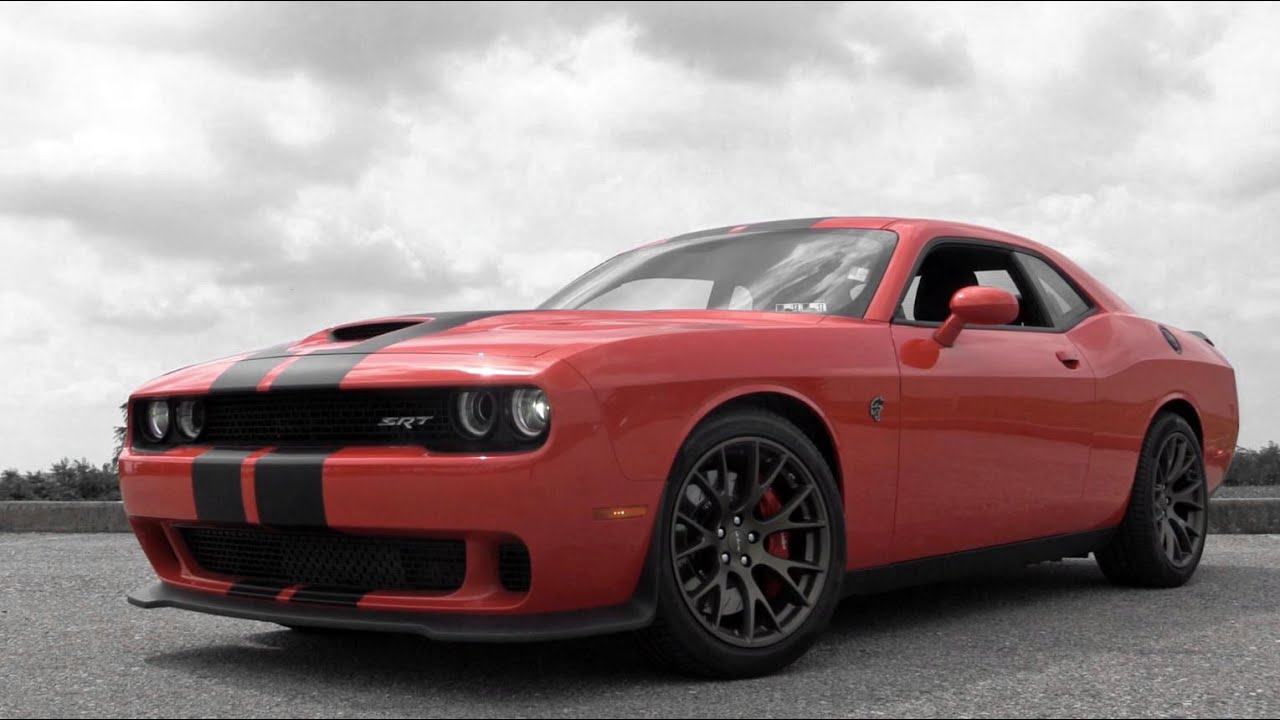
The 2019 Dodge Challenger remains a standout in the muscle car segment, offering a blend of performance, style, and everyday usability.
With a J.D. Power Reliability score of 80/100 and relatively low complaint levels, this model year benefits from the refinements introduced in the post-2015 facelift, including modern LED exterior lighting, a Uconnect touchscreen infotainment system, and, for the first time, all-wheel drive availability on the base SXT trim.
Quality control improvements in later production runs further enhance the reliability of this model, while new trim options, appearance packages such as Brass Monkey and Stars and Stripes, and the introduction of the 797-hp SRT Hellcat Redeye demonstrate Dodge’s continued focus on performance and visual appeal.
Performance is a hallmark of the 2019 Challenger, which offers a wide range of powertrains to satisfy different driving preferences. The Scat Pack Widebody tested features a 6.4-liter V8 paired with a six-speed manual transmission, producing 485 hp and enabling a zero-to-60 mph time of 4.9 seconds.
While not as agile as the Mustang or Camaro, the Challenger compensates with excellent straight-line acceleration, predictable handling, and a forgiving ride thanks to adaptive suspension and wide tires.
The 797-hp Hellcat Redeye provides extreme performance, while the dual-snorkel hood on other Hellcat variants increases output by 10 hp. Despite its size and heft over 4,200 pounds for the Widebody, the car’s handling and braking, including a 105-foot stopping distance from 60 mph, remain solid and confidence-inspiring for daily driving.
One of the Challenger’s strongest points is its interior space and usability. The cabin features a driver-focused layout, large and comfortable seats, and a combination of tactile controls and an 8.4-inch Uconnect touchscreen with Apple CarPlay and Android Auto.
Rear-seat space is genuinely adult-friendly, far surpassing competitors like the Mustang and Camaro, and the trunk offers 16.2 cubic feet of cargo room, comparable to some midsize sedans. Ride quality is comfortable even with the Widebody package, and road noise is minimal despite wide tires.
Climate control, voice commands, and driver aids, including blind-spot monitoring and rear cross-traffic alerts, enhance convenience and safety, making the Challenger one of the most practical muscle cars for everyday use.
The 2019 Dodge Challenger excels in combining technology with everyday functionality. Its Uconnect interface is intuitive, allowing quick access to audio, navigation, and smartphone integration.
Despite its large size, the driving position is adjustable and comfortable, while storage solutions, including cupholders, door pockets, and foldable rear seats, enhance practicality. Cargo space is impressive, with the trunk and split-folding rear seats accommodating larger items or luggage.
Driver aids and voice control systems are easy to use and reliable, further contributing to the car’s daily usability. The 2019 Dodge Challenger delivers a rare balance of high-octane muscle-car performance, modern technology, and practical interior space, appealing to enthusiasts who want power without compromising everyday comfort.
4. 2015 Dodge Challenger
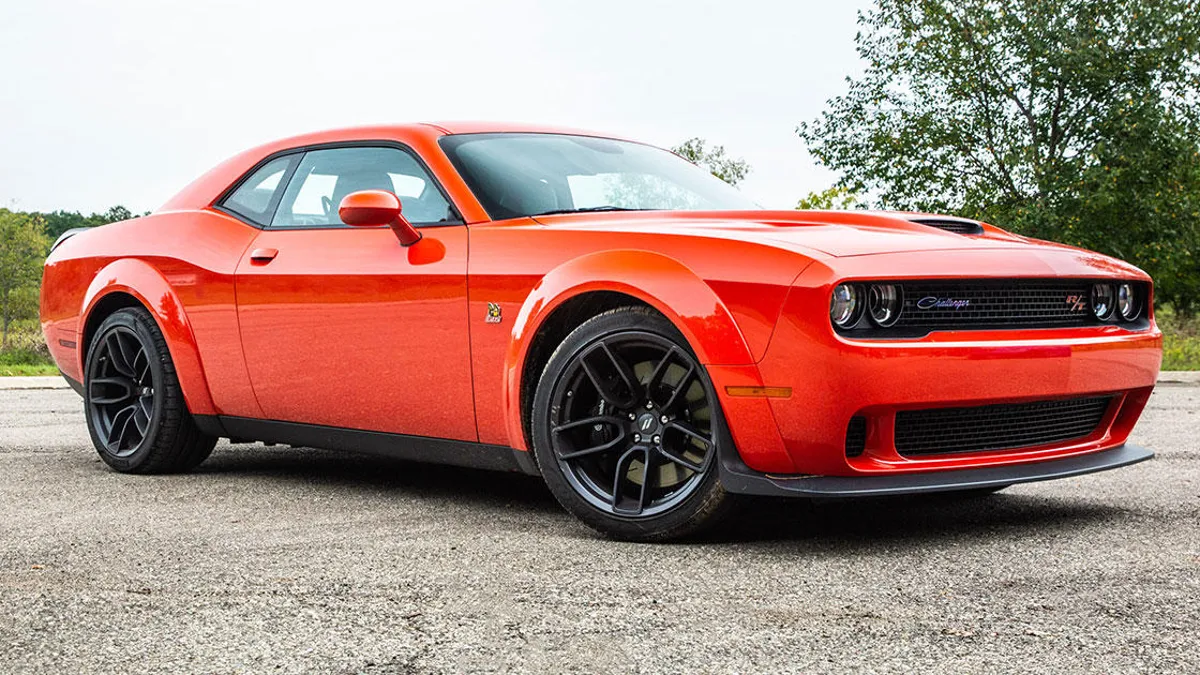
The 2015 Dodge Challenger represents a pivotal year for the model, marking a comprehensive redesign that brought the muscle car fully into the modern era. This refresh updated the exterior and interior styling while retaining the iconic 1970s-inspired character.
The car received new grille and taillight designs, upgraded electrical systems, and a highly regarded 8.4-inch Uconnect touchscreen infotainment interface.
For enthusiasts, 2015 was particularly notable for introducing the legendary SRT Hellcat with its supercharged 6.2-liter V8 delivering 707 hp and 650 lb-ft of torque, firmly establishing the Challenger as a modern muscle powerhouse.
Additionally, the R/T Scat Pack provided the same 485-hp V8 as the SRT 392 at a lower price point, offering a balance of performance and accessibility.
All 2015 Challengers are rear-wheel drive, with the base SXT powered by a 3.6-liter V6 producing 305 hp, paired with an eight-speed automatic transmission, achieving 23 mpg combined.
The R/T trims feature a 5.7-liter V8 generating 375 hp with a six-speed manual or slightly reduced output with the optional eight-speed automatic. Higher-performance trims, including the Scat Pack and SRT 392, house a 6.4-liter V8 delivering 485 hp and 475 lb-ft, achieving 0–60 mph times in the mid-4-second range.
The SRT Hellcat, with its 707-hp supercharged V8, reaches 60 mph in just 4.1 seconds and completes the quarter mile in 11.9 seconds. While not as nimble as the Camaro or Mustang around tight corners, the Challenger impresses with its smooth ride, responsive handling, and thrilling straight-line acceleration.
The 2015 Challenger’s interior blends classic muscle car aesthetics with modern comfort. A driver-centric layout features a canted center console, configurable dash display, and a T-handle automatic shifter reminiscent of the 1970s. Seats are wide and comfortable for long drives, with sport seats offering improved bolstering.
Rear passengers benefit from roomy accommodations, and the 16.2-cubic-foot trunk rivals some full-size sedans. High-quality materials, metallic accents, and Dodge’s 8.4-inch Uconnect touchscreen enhance the interior’s premium feel.
The cabin strikes a balance between retro charm and contemporary functionality, making it suitable for daily driving or long road trips, though rearward visibility is somewhat restricted due to the high beltline and thick roof pillars.
Safety features on the 2015 Challenger include antilock brakes, stability and traction control, front and side airbags, and optional rear parking sensors, blind-spot monitoring, and forward collision warning. Brake performance is solid across trims, with stopping distances from 60 mph ranging from 106 to 111 feet.
Technology integration via the 8.4-inch Uconnect touchscreen provides intuitive control of navigation, audio, and smartphone connectivity, while the spacious interior and practical trunk enhance utility.
Despite its size, the Challenger offers a comfortable ride, adult-friendly rear seats, and ample cargo space, combining the raw excitement of a muscle car with surprising daily practicality. The 2015 Dodge Challenger remains a modern classic, balancing heritage-inspired styling, immense power, and usability for everyday drivers.
5. 2021 Dodge Challenger
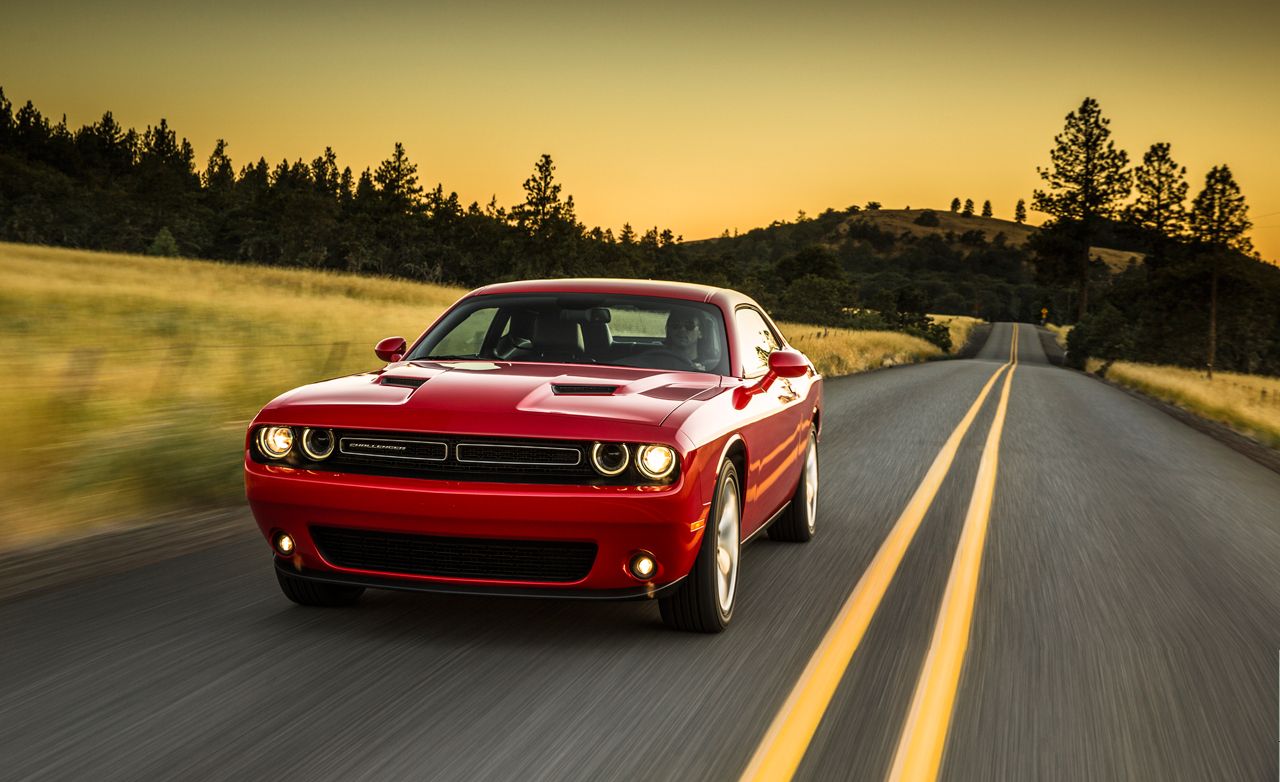
The 2021 Dodge Challenger builds on its reputation as one of the most enduring muscle cars on the market. While recalls exist, including a windshield bonding issue and a minor software-related problem affecting just 135 vehicles, these do not significantly impact its reliability.
Buyers seeking long-term dependability often prefer models with the V8 engine, although the V6 remains a practical choice due to better fuel efficiency. Being a newer model, the 2021 Challenger includes nearly all the features of the 2022 version, with the only omission being the deluxe security alarm.
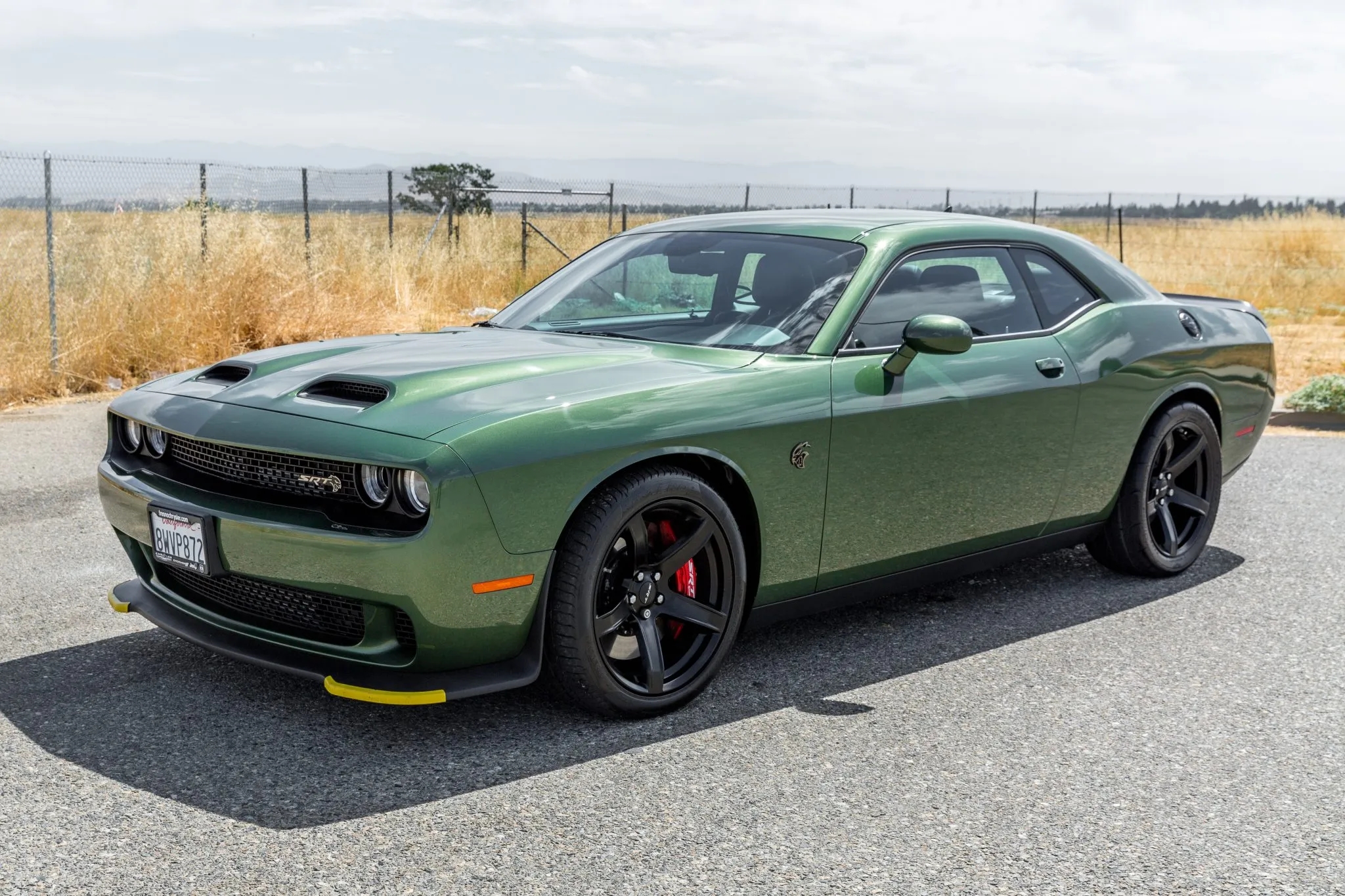
Despite its age, this generation has been in production since 2008. Dodge keeps the Challenger relevant with continuous updates and ever-growing horsepower options. Notably, the SRT Super Stock trim arrived in 2021, bringing drag-strip capability inspired by the Demon, delivering an astonishing 807 horsepower.
The Challenger continues to offer thrilling straight-line performance, with multiple trims packing immense power. Even the base V6 is respectable, but the 6.4-liter V8 in the R/T Scat Pack Widebody makes the Challenger properly quick, clocking 0–60 mph in 4.9 seconds.
Braking is strong, stopping from 60 mph in just 105 feet, an impressive feat for its size. While the Challenger excels on open roads and drag strips, its considerable mass becomes apparent on tight, twisty routes, making it less agile than rivals like the Mustang or Camaro.
Still, Dodge prioritizes power and drama, and the expanded Widebody package further enhances grip and visual presence. For muscle car enthusiasts, the Challenger delivers precisely what it promises: an intoxicating blend of speed and old-school character.
Beyond raw performance, the 2021 Challenger proves surprisingly practical. The spacious cabin makes it one of the most comfortable muscle coupes, with supportive seats, generous rear space, and a trunk that rivals midsize sedans at 16.2 cubic feet.
Ride quality is smooth, even with the stiffer adaptive suspension in Widebody trims, and standard dual-zone climate control enhances everyday usability.
Technology is another strength, with Dodge’s Uconnect system remaining one of the most user-friendly infotainment setups, complete with Apple CarPlay, Android Auto, and straightforward voice controls. Driver assistance features like blind-spot monitoring and rear cross-traffic alert further add to convenience.
While outward visibility is limited due to bulky pillars, large displays and safety aids help offset this drawback. The Challenger strikes a strong balance between retro styling and modern practicality.
In terms of value, the Challenger remains competitive, offering powerful engines and respectable features for the price. The Widebody package raises costs significantly, but buyers gain larger wheels, tires, and suspension upgrades that enhance both performance and style.
Build quality is solid, though interior materials feel less refined at higher trims, with the focus clearly placed on performance rather than luxury. On the downside, fuel economy remains a weak spot.
The 6.4-liter V8 averages 17 mpg combined, with real-world results often falling short, particularly in city driving. Still, no other muscle coupe matches the Challenger’s mix of comfort, trunk space, and raw horsepower.
For drivers seeking a car that can deliver adrenaline-pumping performance while still functioning as a daily commuter, the 2021 Dodge Challenger stands as one of the most well-rounded choices in the modern muscle car arena.
Also Read: 5 Cars That Rarely Need Brake Pad Replacements vs. 5 That Burn Through Them
5 Dodge Challenger Years You Can’t Trust
1. 2012 Dodge Challenger: A Year to Avoid
The 2012 Dodge Challenger stands out as one of the most problematic years in the car’s history. According to CarComplaints, it has the highest number of reported complaints, particularly tied to widespread alternator failures that plague this model year.
The cost of repairs and the relatively low mileage at which issues arise make the 2012 version especially burdensome for owners. Beyond mechanical problems, a far more serious safety issue exists: the Takata airbag recall.
This flaw involved faulty airbag inflators that could explode and send dangerous shrapnel into the cabin, posing a risk of severe injury or even death. Since early third-generation Challengers fall into the affected group, the 2012 model became one of the most concerning vehicles tied to this defect.
While airbag replacements were offered, many cars remained on the road with unrepaired systems, creating ongoing risks. Between costly reliability issues and major safety concerns, the 2012 Challenger is widely regarded as the worst model year and one that buyers are strongly advised to avoid.
2. 2009 Dodge Challenger: Early-Generation Struggles
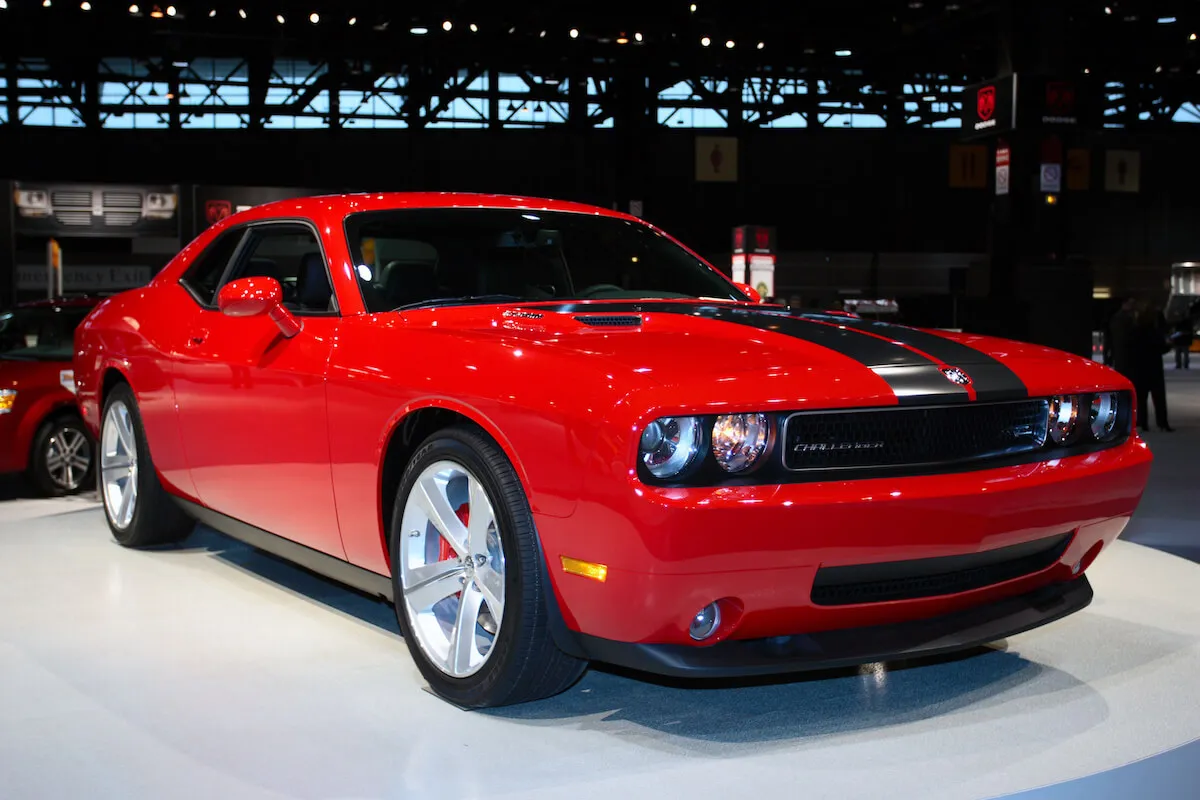
The 2009 Dodge Challenger also suffers from a reputation for unreliability, making it a risky choice for buyers. Among its most troubling issues is premature timing chain failure, a catastrophic problem that can lead to sudden engine failure while driving.
This creates not only high repair costs but also safety concerns. Another notorious problem is with the Totally Integrated Power Module (TIPM), an electronic system that manages nearly all of the vehicle’s electrical functions. Failures in the TIPM often cause vehicles to stall unexpectedly or fail to start, leaving owners stranded.
Compounding these problems, early Challengers, including the 2009 model, were part of the massive Takata airbag recall. In fact, the situation was so severe for 2008–2010 Challengers that Dodge issued a rare “Do Not Drive” order for unrepaired vehicles, citing serious risks to drivers and passengers.
FCA later confirmed fatalities connected to these defects, urging immediate replacements. Despite its appeal as an early revival of the iconic muscle car, the 2009 Challenger’s combination of severe reliability and safety issues makes it one of the riskiest models to own.
3. 2010 Dodge Challenger: Plagued by Complaints
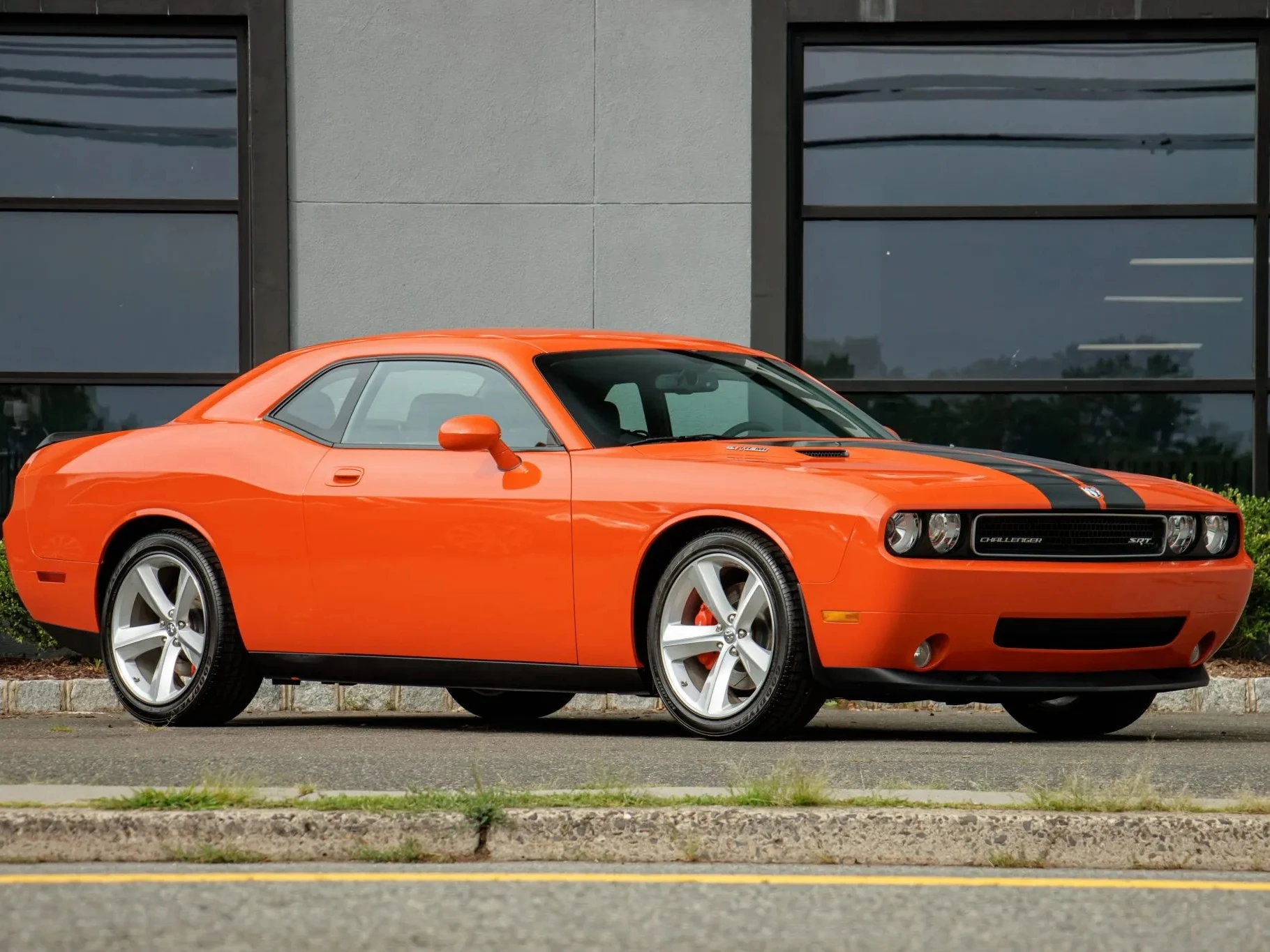
The 2010 Dodge Challenger is also considered highly unreliable, earning more than 400 complaints and seven recalls. Timing chain failure once again emerges as a major recurring issue, with many owners reporting catastrophic engine failure around 68,000 miles.
Such failures often left drivers stranded in dangerous situations, with repairs costing thousands of dollars. Electrical system malfunctions further add to the vehicle’s poor record. One frequent problem involved the ignition switch, where the key could not be removed, leading to drained batteries and frustrating breakdowns.
Additional electrical complaints ranged from alternator malfunctions to faulty trunk wiring. These problems undermined the car’s reliability and owner confidence. With a high number of expensive and safety-related issues, the 2010 model ranks as another “avoid” year for the Challenger.
Despite offering strong performance and muscle car styling, the overwhelming number of reliability concerns overshadows its appeal. Buyers seeking a long-term, trouble-free muscle car experience would be better off skipping this model year altogether.
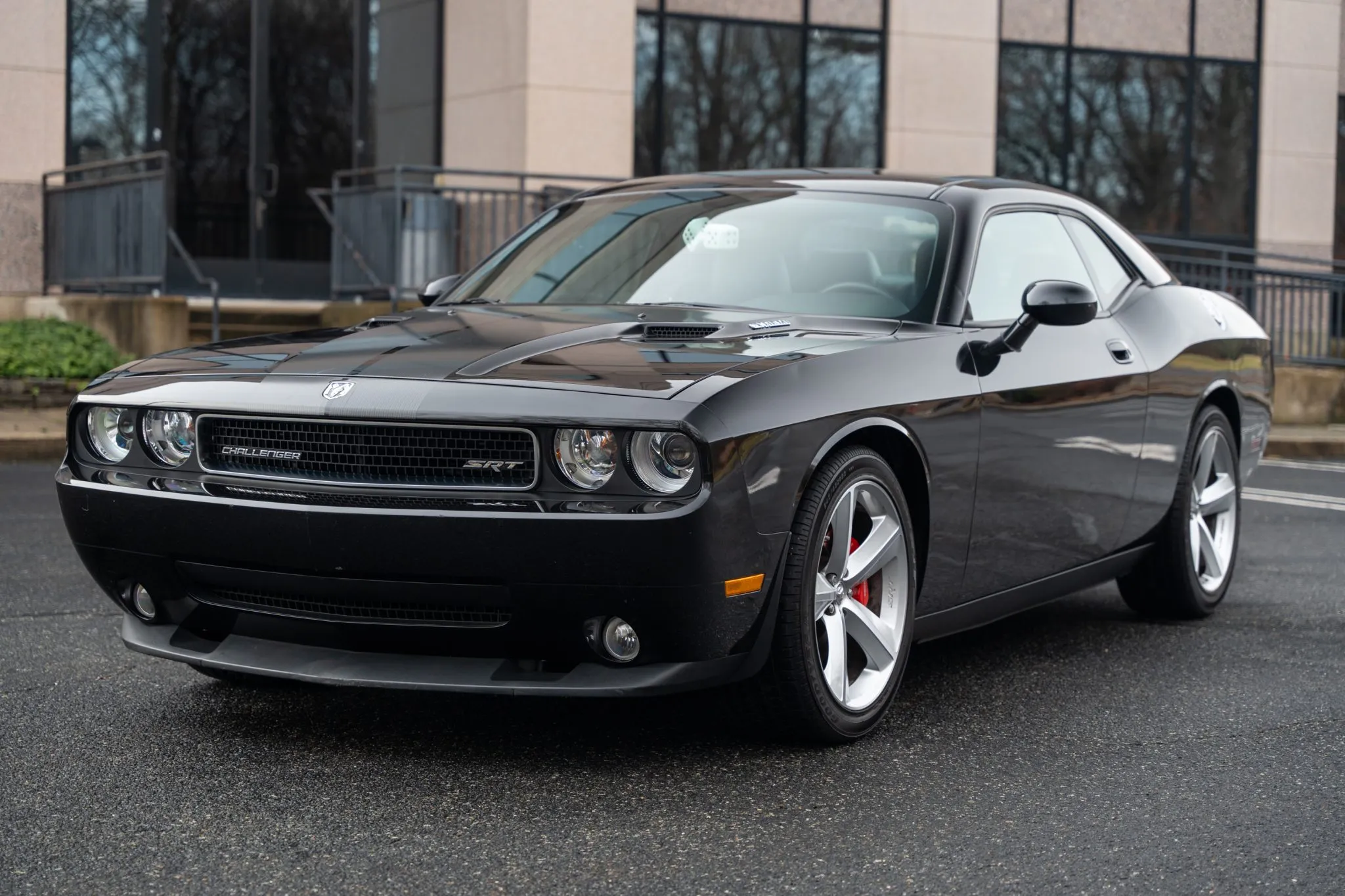
4. 2013 Dodge Challenger: Some Improvement, but Issues Remain
Compared to its immediate predecessors, the 2013 Dodge Challenger fares somewhat better but still carries notable problems. This model year has fewer complaints than 2009–2012, with around 271 reported issues. The primary weakness lies in the TIPM system, which continues to create headaches for owners.
Symptoms include difficulty starting, unexpected stalling while driving, and random electrical failures affecting windows, warning lights, and even key fob functionality. While not as widespread as alternator failures or timing chain issues of earlier models, these problems remain frustrating and costly.
Some owners reported that the TIPM failures caused multiple systems to malfunction simultaneously, making the vehicle unpredictable. Despite these issues, the 2013 Challenger avoids the catastrophic reputation of the 2012 version, offering slightly more dependability.
However, potential buyers are still advised to exercise caution and budget for potential electrical repairs. While this model marks progress, it is not entirely free from the reliability concerns that dogged earlier third-generation Challengers.
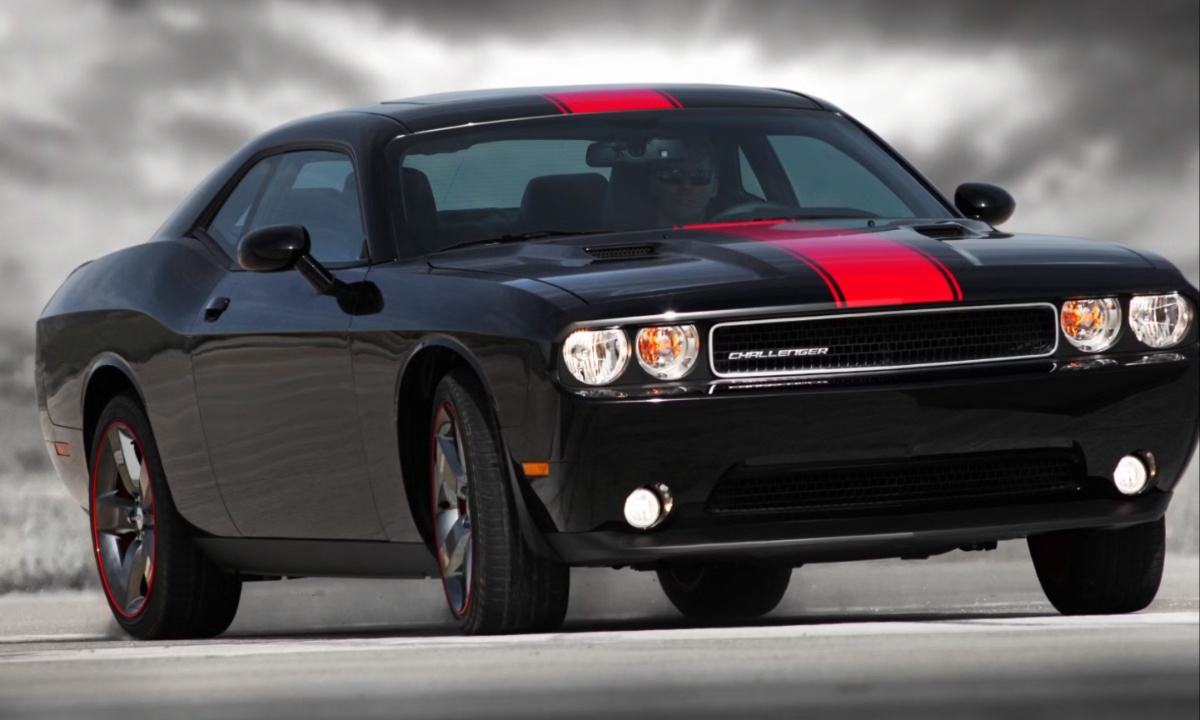
5. 2014 Dodge Challenger: Better, Yet Still Risky
By 2014, Dodge managed to improve the Challenger’s reliability compared to the early third-generation years, but lingering issues kept it off the list of recommended models. With 229 complaints and five recalls, it has fewer problems than in 2012 or 2010, but some of its defects are both severe and costly.
The most widespread issue involves engine ticking noises, often traced back to faulty lifters or valve train components. In many cases, these problems persisted even after expensive repairs or replacements, frustrating owners who expected permanent fixes.
Beyond engine problems, electrical issues also plagued the 2014 Challenger. Owners reported failures in the alternator, A/C system, and even the speedometer, which sometimes dropped to zero while driving at highway speeds. These issues detracted from the car’s usability and reliability.
While not as catastrophic as the 2012 model, the 2014 Challenger still presents enough risks to make buyers wary. Enthusiasts drawn to its style and performance should consider thorough inspections before purchasing, as unresolved mechanical or electrical problems could lead to high repair costs.
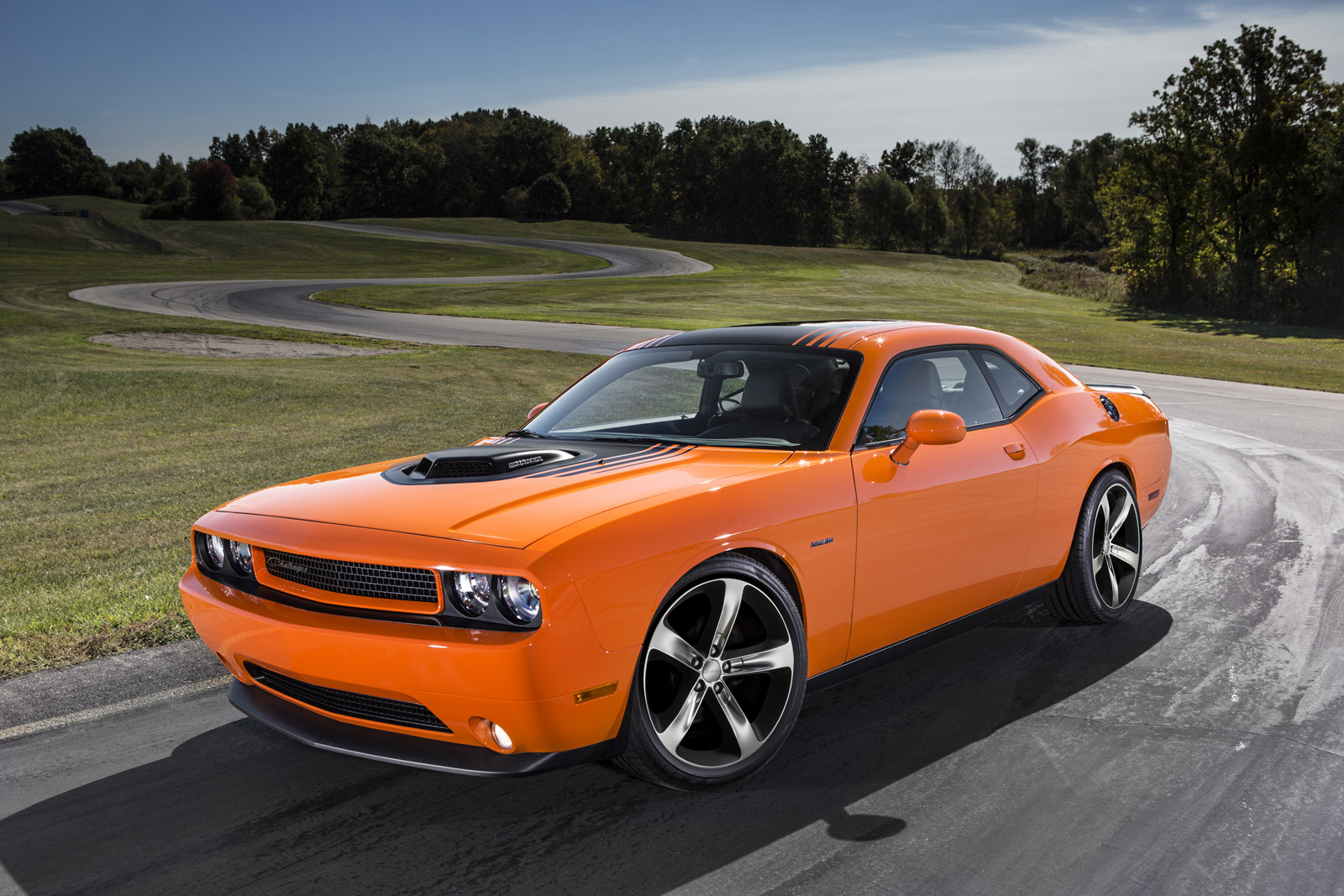
The Dodge Challenger remains one of the most iconic American muscle cars, balancing raw power with modern comfort and practicality. From the dependable 2016 and 2017 models to the thrilling 2019 and 2021 editions, certain years prove that the Challenger can be both exciting and reliable.
However, the early third-generation models, particularly 2009 through 2012, highlight the risks of poor quality control, with recurring mechanical failures and dangerous recalls casting a shadow over ownership.
For anyone considering a Challenger, doing thorough research and focusing on the proven model years is essential to ensure a rewarding experience. Ultimately, the best Dodge Challenger years combine heritage-inspired styling, cutting-edge performance, and durability, while the worst remind us that not every muscle car is created equal.
By choosing wisely, buyers can enjoy the Challenger’s unmistakable presence and exhilarating performance without the costly frustrations of unreliable model years.
Also Read: 10 Best Car Models That Improved in New Generations
