Since its debut in 2013, the Subaru BRZ has carved out a unique niche in the automotive world as an affordable, lightweight, rear-wheel-drive sports coupe. Built in collaboration with Toyota, the BRZ has consistently appealed to enthusiasts who value balance, handling, and driving engagement over raw power.
Over the years, Subaru has refined the BRZ with incremental updates, addressing early flaws while introducing new features to keep it relevant in a shrinking market for budget-friendly performance cars.
However, like any long-running model, not all BRZ years have been created equal. Some stand out for their dependability, engaging performance, and value, while others are marred by recalls, widespread complaints, or underwhelming execution.
For buyers considering a new or used BRZ, knowing which years to prioritize and which to avoid is essential. This guide highlights five Subaru BRZ years worth buying and five that fall short of expectations.
5 Subaru BRZ Years Worth Buying
1. 2023 Subaru BRZ
The 2023 Subaru BRZ continues the second generation of Subaru’s beloved sports coupe, following the major redesign introduced in 2022. With minimal changes for this model year, the BRZ maintains its low-slung stance, sharp styling, and focus on pure driving engagement.
Sitting half an inch lower and an inch longer than its predecessor, the BRZ boasts refined bodywork and a sleeker profile. Inside, it offers a more driver-centric cabin, complete with a redesigned gauge cluster and improved tech features such as Apple CarPlay and Android Auto integration.
Buyers can choose between two trims, Premium and Limited, priced from around $29,600 to $32,100, with the choice of a six-speed manual or six-speed automatic transmission.
The updated 2.4-liter, four-cylinder engine produces 228 horsepower and 15% more torque than the previous version, significantly improving acceleration while still delivering respectable fuel efficiency of 20 mpg city and 27 mpg highway.
Where the BRZ truly shines is in its performance. Its quick, precise steering and well-balanced suspension make it a joy to drive, whether on winding back roads or at the track.
The chassis responds instantly, giving drivers confidence in every corner, while the playful rear-wheel-drive setup allows for everything from controlled drifts to spirited daily commuting.
In testing, the manual-equipped BRZ hit 60 mph in 6.1 seconds, nearly a full second faster than the previous generation, and comparable to rivals like the Mazda Miata and Volkswagen Golf GTI.
Braking performance is also impressive, stopping from 60 mph in just 106 feet. The manual transmission offers a crisp, rewarding shift feel, while the automatic adds paddle shifters and track mode for enthusiasts who still want convenience.
Inside, the BRZ remains simple yet functional, prioritizing driving over luxury. The front seats provide excellent bolstering and comfort, while dual-zone climate control enhances practicality.
Rear seats are cramped and best used for storage, but the fold-flat design adds versatility, something competitors like the Miata lack. Visibility is excellent thanks to a low dashboard and hood line, though the low seating position and long doors can make entry and exit less convenient.
Noise remains one of the BRZ’s weaker points, with noticeable road and engine sounds, and its modest audio system struggles against the cabin’s volume. Still, for enthusiasts who prioritize connection to the road, these traits add character rather than detract from the experience.
As a value proposition, the 2023 BRZ holds its own. Offering strong performance, practical touches, and essential modern tech at an attainable price point, it stands out in a shrinking market for affordable sports cars.
Warranty coverage is standard but competitive, and Subaru’s reputation for reliability adds reassurance. While the Toyota GR86 shares its DNA, the BRZ distinguishes itself with Subaru’s engineering finesse and subtle design differences. More than just a car, the BRZ embodies the joy of driving, a rare quality in today’s market.
It balances performance, practicality, and affordability, making it one of the most engaging sports cars available under $35,000, a machine that appeals equally to seasoned enthusiasts and newcomers looking for a pure, old-school driving thrill.

2. 2020 Subaru BRZ
The 2020 Subaru BRZ marks the final year of the first generation, capping off a run that began in 2013. Known for its balance of practicality, reliability, and pure driving fun, the BRZ has long stood as one of the few cars in its class built with enthusiasts in mind.
For this year, Subaru introduced a new tS trim, which enhanced handling with performance-focused upgrades, while the base Premium trim was discontinued.
Both available trims, the Limited and tS, are powered by a 2.0-liter flat-four engine, producing 205 horsepower with the six-speed manual transmission and 200 horsepower with the six-speed automatic.
Safety features like Side Curtain Airbags, Vehicle Stability Control, and Brake Assist contribute to its everyday usability, while EPA fuel economy estimates of 24 mpg city, 33 mpg highway, and 27 mpg combined ensure a reasonable balance between performance and efficiency.
On the road, the 2020 BRZ is all about connection and precision. Its communicative steering and responsive suspension make it one of the sharpest handling cars in its price bracket. Enthusiasts praise its analog feel and balanced driving dynamics, offering thrills that few modern cars deliver.
However, its biggest drawback remains the engine. With a 0–60 mph time of 6.9 seconds, acceleration lags behind rivals, and the engine’s coarse sound only highlights its limitations. Braking performance is strong under normal driving conditions, though extended hard use exposes some weaknesses.
Still, the BRZ’s lightweight, rear-wheel-drive setup allows drivers to fully exploit its balance and agility, cementing its reputation as a driver’s car above all else.
Inside, the BRZ offers a straightforward and functional cabin. Seating is supportive and well-bolstered, making it suitable for spirited driving, though the firm ride and elevated noise levels may deter casual drivers.
Interior space is relatively generous for a compact coupe, especially for taller drivers, though the back seats are largely impractical and best used as storage. The trunk measures 6.9 cubic feet, but folding the rear seats opens up space for track-day essentials such as a set of wheels and tires.
Technology is serviceable, with standard navigation, Apple CarPlay, and Android Auto, but the infotainment system feels dated, visibility in daylight is poor, and audio quality struggles against the constant cabin noise. Despite these shortcomings, the BRZ retains a purposeful simplicity that reinforces its driver-first identity.
As a value proposition, the 2020 BRZ stands strong against competitors like the Mazda MX-5 Miata, Hyundai Veloster, Volkswagen GTI, and even entry-level American muscle cars like the Mustang and Camaro.
While its rivals may offer better refinement, straight-line speed, or quirkier styling, the BRZ excels at delivering a pure and affordable sports car experience. Build quality is solid, and warranty coverage aligns with segment standards, ensuring peace of mind.
Edmunds and Kelley Blue Book both rate it highly, reflecting its enduring appeal among enthusiasts despite its flaws.
As the last model year before Subaru introduced the second-generation BRZ, the 2020 edition remains a compelling choice for those who value driving joy above all else, a fitting conclusion to a beloved first-generation sports coupe.

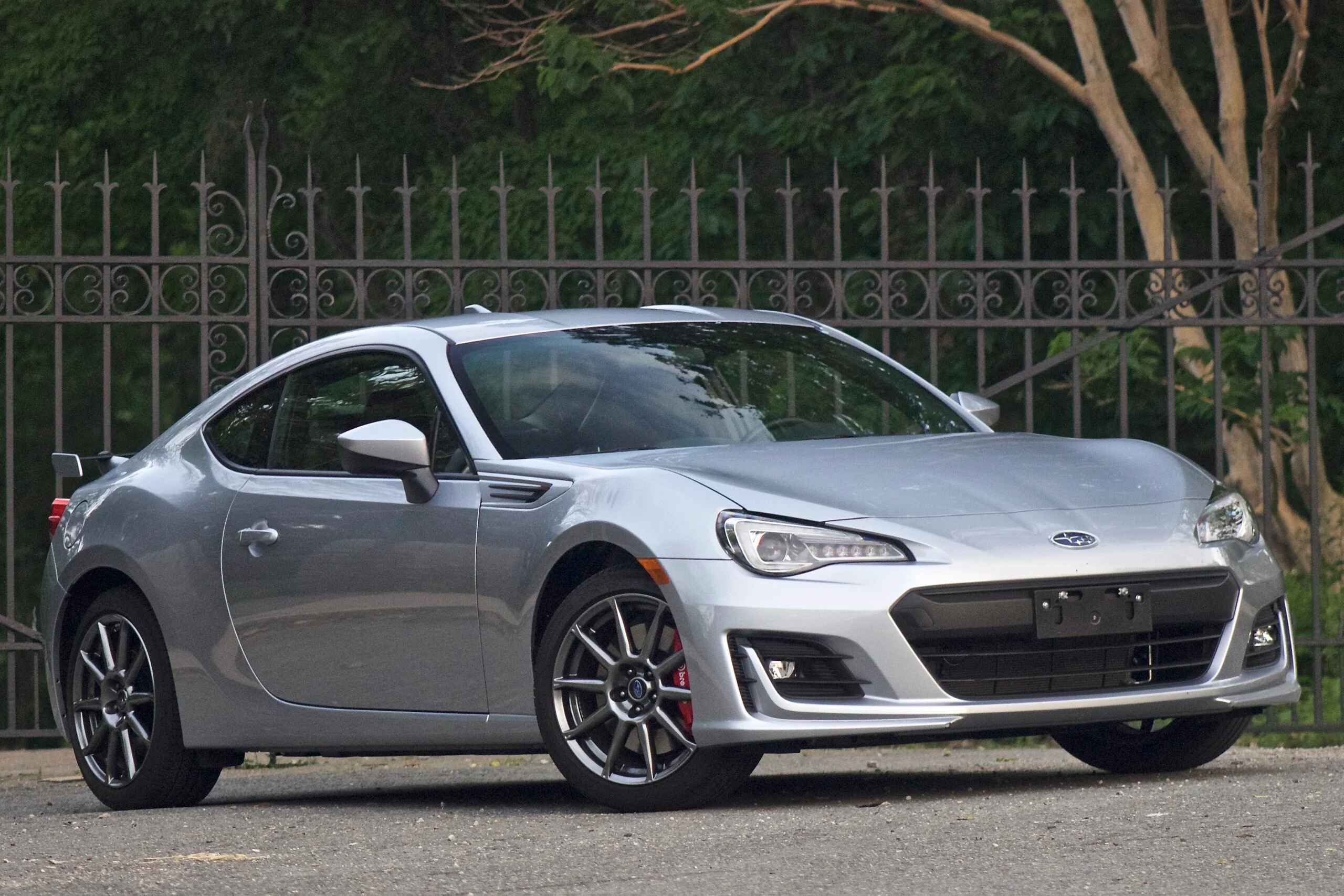
3. 2017 Subaru BRZ
The 2017 Subaru BRZ arrived as the most significant update to the first-generation model since its debut in 2013, offering enthusiasts an affordable, driver-focused coupe with refreshed styling and upgraded performance features.
Subaru introduced improvements across several key areas, including a modest bump in power for manual-equipped models, revised gearing for quicker acceleration, and suspension tuning to enhance handling and ride quality.
The model also gained modern touches like automatic LED headlights, a hill-start assist system, and an optional Performance package featuring Brembo brakes and Sachs dampers.
Buyers could choose from three trims: Premium, Limited, and the limited-production Series. Yellow each powered by a 2.0-liter flat-four engine paired to either a six-speed manual or automatic transmission.
On the road, the 2017 BRZ shines brightest with its lightweight chassis, sharp steering, and communicative feedback. It’s not blisteringly fast, with manual models producing 205 horsepower and automatics making 200, but acceleration feels lively thanks to the revised gearing and shorter final drive.
The car’s modest grip encourages playful, confidence-inspiring handling, allowing even amateur drivers to push the car to its limits without intimidation. Steering is precise and direct, with suspension tuning that balances control with surprising comfort on broken city streets.
While its acceleration numbers lag behind muscle cars like the Camaro and Mustang, the BRZ appeals to those who prioritize cornering agility and driving feel over brute speed.
Inside, the 2017 BRZ maintains a straightforward, functional design with subtle refinements. The cabin gained improved padding in key areas, a revised infotainment system, and an updated gauge cluster on higher trims that provides performance readouts.
Standard features include navigation, a rearview camera, Bluetooth connectivity, and HD radio, giving the BRZ a modern edge despite its simplicity. The front seats are among its best features, firm, supportive, and comfortable enough for both spirited driving and long trips.
Forward visibility is excellent thanks to a low-profile hood, but the back seat remains cramped and impractical for adult passengers. Trunk space is modest at 6.9 cubic feet, though folding the rear seats adds versatility for carrying larger items.
When viewed against its competition, the 2017 Subaru BRZ stands out for staying true to its mission as an affordable driver’s car. The Mazda MX-5 Miata offers similar thrills in a convertible package, while performance hatchbacks like the Volkswagen GTI and Ford Focus ST provide more practicality.
Muscle cars such as the Ford Mustang and Chevrolet Camaro deliver greater straight-line power, but none match the BRZ’s lightweight balance and playful character. Safety equipment includes antilock brakes, stability control with adjustable calibration, and side curtain airbags, with the Series.
Yellow trim benefiting from larger Brembo brakes. Though not perfect, the 2017 BRZ’s combination of value, handling precision, and driving fun made it one of the most engaging sports cars under $30,000, a car that critics and owners alike praised for its ability to make every drive an event.
4. 2016 Subaru BRZ
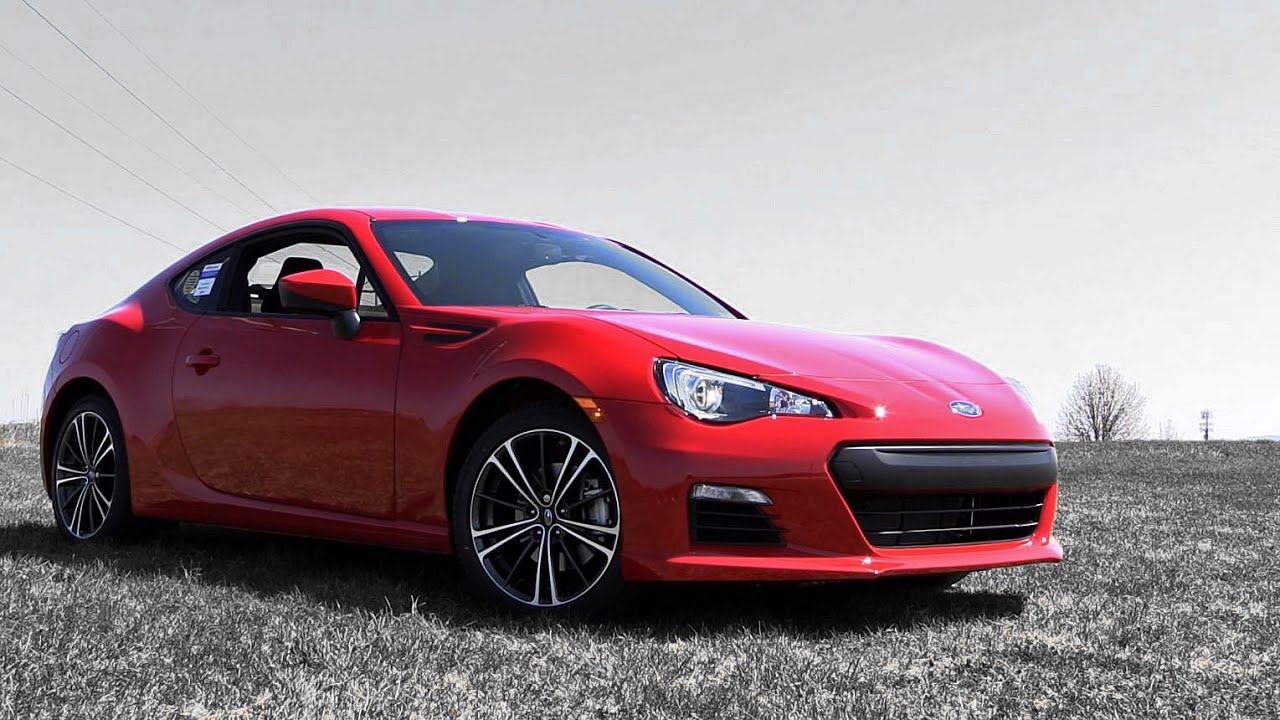
The 2016 Subaru BRZ stays true to its mission of delivering a raw, engaging, and budget-friendly driving experience. Built around a lightweight chassis, rear-wheel drive layout, and a low center of gravity, the BRZ prioritizes agility and balance over sheer speed.
Powered by a 2.0-liter flat-four boxer engine producing 200 horsepower and 151 lb-ft of torque, the BRZ offers spirited acceleration, especially when paired with the six-speed manual transmission.
With a 0–60 mph time of 6.8 seconds in manual form, it’s not the fastest sports coupe, but the real joy comes from its cornering ability. Responsive steering, a well-tuned suspension, and approachable handling limits make it one of the most rewarding cars to drive on winding roads, often compared favorably with rivals costing twice as much.
While the automatic transmission offers smoother operation, enthusiasts gravitate toward the manual for its crisp shifts and greater control.
For 2016, Subaru enhanced the BRZ with a new touchscreen infotainment system and a standard rearview camera, bringing some modern convenience to its otherwise back-to-basics design. A special HyperBlue limited edition was introduced, distinguished by exclusive exterior paint and interior accents.
Standard features across trims include navigation, HD radio, Bluetooth connectivity, and comfortable front seats designed for both long-distance cruising and spirited driving. The Limited trim is the sweet spot, adding desirable upgrades at a modest price bump over the base Premium.
Though its cabin design remains simple, the BRZ emphasizes functionality and driver focus rather than luxury. Forward visibility is excellent, though the cramped back seat and small 6.9-cubic-foot trunk remind buyers that this is a purpose-built sports coupe rather than a practical daily hauler.
Despite being a lightweight, affordable sports car, the 2016 BRZ does not compromise heavily on safety. Standard equipment includes anti-lock brakes, traction and stability control, front side airbags, and side curtain airbags.
In crash testing, it performed admirably, earning a five-star rating from the NHTSA and strong results from the IIHS, including a “Good” score in most categories. Reliability also earns the BRZ praise, with many owners reporting minimal issues over long-term ownership when maintenance is kept up.
Reviewers note that Subaru and Toyota, who co-developed the BRZ, allocated much of the budget to the drivetrain, resulting in a car that is mechanically solid, though some materials inside may feel less refined compared to pricier rivals.
The 2016 Subaru BRZ occupies a unique niche in the sports car market. Direct competition comes from the nearly identical Scion FR-S (later Toyota 86) and the Mazda MX-5 Miata, which trades practicality for drop-top fun.
Hot hatchbacks like the Ford Focus ST and Volkswagen GTI provide quicker acceleration and more cargo space, while muscle cars such as the Ford Mustang and Chevrolet Camaro deliver far more power but at a higher cost and with less handling finesse.
For shoppers who value precision, affordability, and a pure connection to the road, the 2016 BRZ remains a standout. Critics and owners alike appreciate its balance, communicative steering, and engaging driving character, making it a top choice for enthusiasts seeking fun without breaking the bank.
5. 2019 Subaru BRZ
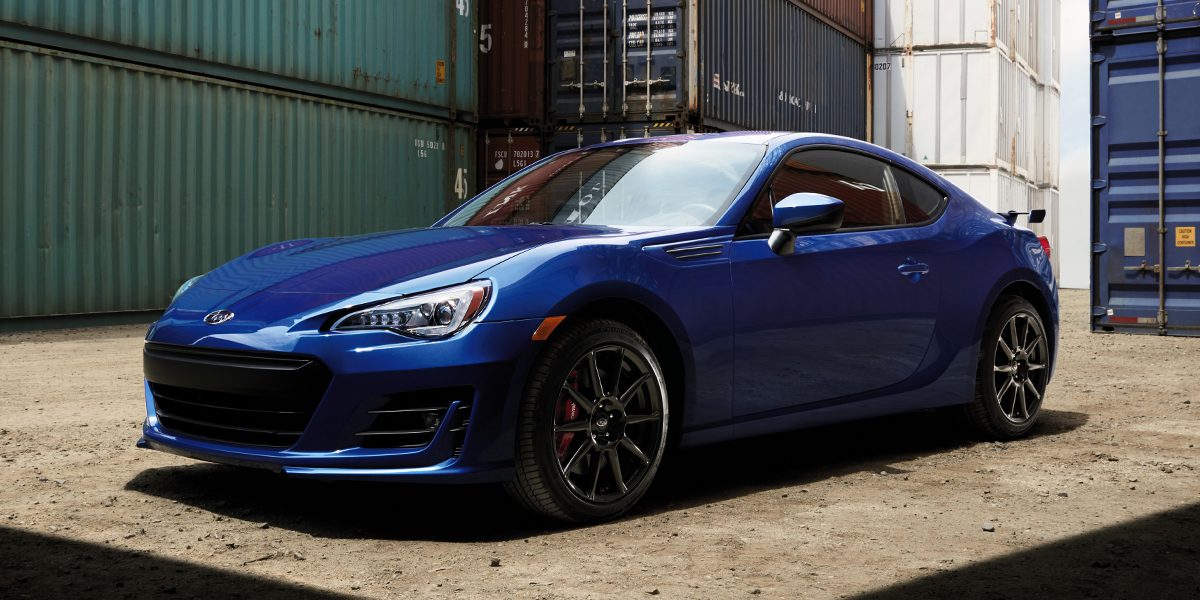
The 2019 Subaru BRZ continues to embody the essence of what made it stand out at its 2013 debut: a lightweight, rear-wheel-drive sports coupe focused on precision handling and affordability. Weighing under 3,000 pounds and featuring sharp dynamics, the BRZ was a refreshing alternative in a market dominated by heavier, more powerful cars.
Despite several incremental updates over the years, the formula has largely stayed the same. A revised engine in 2017 brought a modest power bump, though torque delivery and refinement issues remained. For 2019, Subaru introduced a Series. Gray limited edition, along with over-the-air updates for the navigation system.
While competitors like the Honda Civic Si and Hyundai Veloster offer more power, the BRZ continues to appeal to purists who prioritize balance and driving engagement over outright speed.
Behind the wheel, the BRZ shines in ways that remind enthusiasts why it developed such a loyal following. Steering is exceptionally sharp, direct, and confidence-inspiring, earning high marks for feedback and precision.
Handling is equally impressive, with playful rear-wheel-drive dynamics that deliver thrills without requiring dangerous speeds. Braking performance is strong for the class, though the pedal becomes harder to modulate under aggressive use. Acceleration, however, is the BRZ’s Achilles’ heel.
With a 0–60 mph time of 6.9 seconds in the manual model, its flat-four engine feels underwhelming compared to rivals, struggling with midrange torque and producing a coarse, thrashy sound at higher revs.
The transmission offers short, well-defined throws, but the clutch’s quick engagement makes hard launches difficult. Ultimately, the BRZ prioritizes driver connection over raw numbers, but those craving speed may be left wanting more.
Inside, the 2019 BRZ offers a mix of practicality and minimalism. The front seats provide strong lateral support for spirited driving, though they lack breathability and long-haul comfort. Ride quality is firm, transmitting imperfections from the road, which some drivers may find harsh for daily commuting.
Noise levels are also high, with noticeable tire roar, wind intrusion, and an engine note that can grow tiresome. Despite these drawbacks, the cabin is functional, with straightforward ergonomics, good visibility, and decent trunk space for a small coupe.
Folding rear seats improve versatility, even allowing a set of spare tires to fit, a nod to weekend track-day use. Rear passenger space, however, is virtually nonexistent. In terms of design, the cabin leans more toward functionality than luxury, though build quality feels solid enough to withstand the rigors of spirited driving.
Technology and convenience features remain weak points for the BRZ. The 6.2-inch infotainment system feels outdated, with clunky menus, slow responses, and limited features compared to competitors.
Upgrading to the Limited trim improves usability, but even then, it lags behind class standards. Voice control is accurate but dated in tone and responsiveness, and advanced driver aids are minimal.
That said, the stability control system offers multiple settings, letting drivers dial in the desired level of electronic assistance or disable it entirely for maximum engagement. In the end, the 2019 Subaru BRZ remains a car for enthusiasts who value feel and feedback above technology and power.
It may not be the quickest or most comfortable option in its segment, but for those seeking an affordable, lightweight sports car that rewards skillful driving, it remains one of the most engaging choices under $30,000.
Also Read: 5 Cars with Climate Control That Works vs 5 That’s Just for Show
5 Subaru BRZ Years Are Not Worth Buying
1. 2013 Subaru BRZ: A Troubled Debut
The 2013 Subaru BRZ marked the model’s long-awaited debut in the U.S., but unfortunately, it quickly earned the reputation of being the most problematic BRZ to date, according to NHTSA records. As with many first-generation vehicles, issues were widespread, particularly with its powerplant.
Engine-related complaints dominated, ranging from cracked cylinder heads and faulty connecting rods to engines stalling unexpectedly. The most notorious issue was a valve spring defect, which led to a major recall. This flaw caused engines to fail by stalling mid-drive, creating a significant safety risk for owners.
Alongside major engine complaints, owners also expressed frustration with the transmission, noting excessive noise and premature clutch wear. Other common issues included modest acceleration that did not live up to expectations, and a poorly designed audio control system that felt outdated and unintuitive.
Together, these problems created an image of a car that, while fun to drive, demanded patience and repair expenses from its earliest adopters. Despite its excellent handling characteristics, the 2013 BRZ set a rocky precedent for the model, making it the most avoided year for buyers seeking reliability.
2. 2022 Subaru BRZ: Second Generation, New Problems
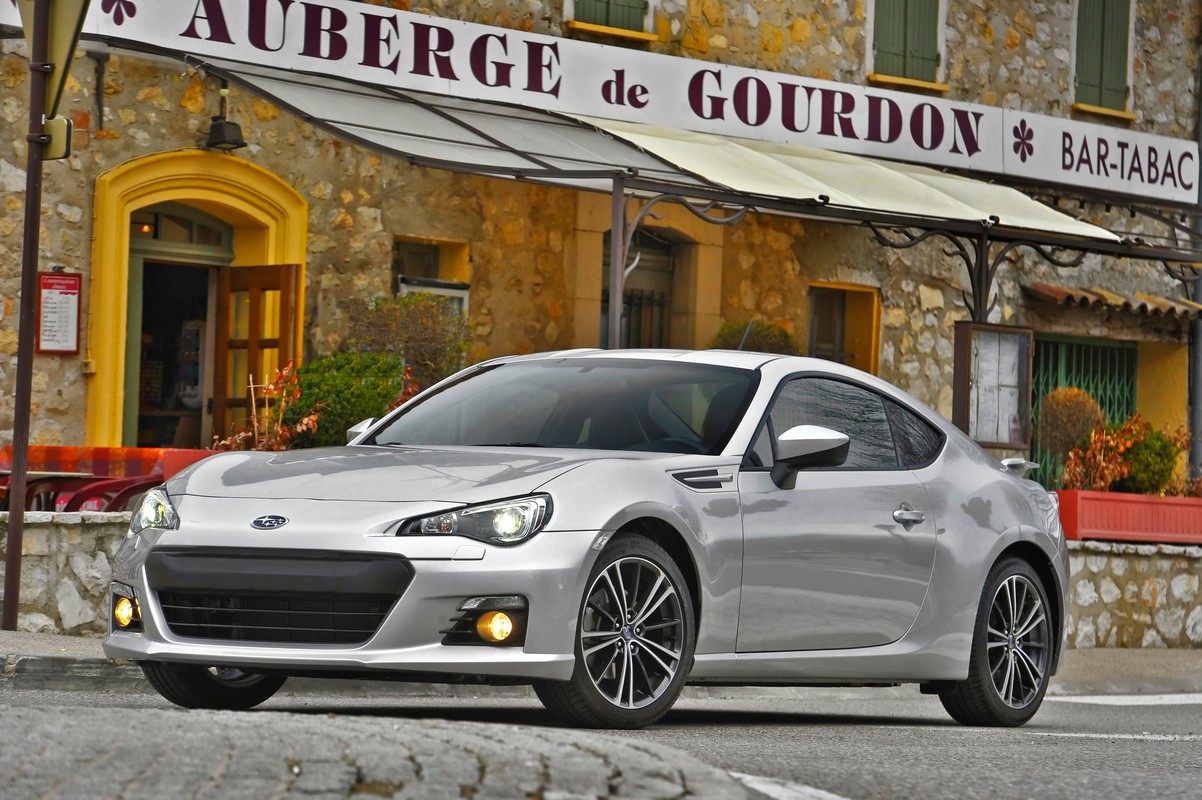
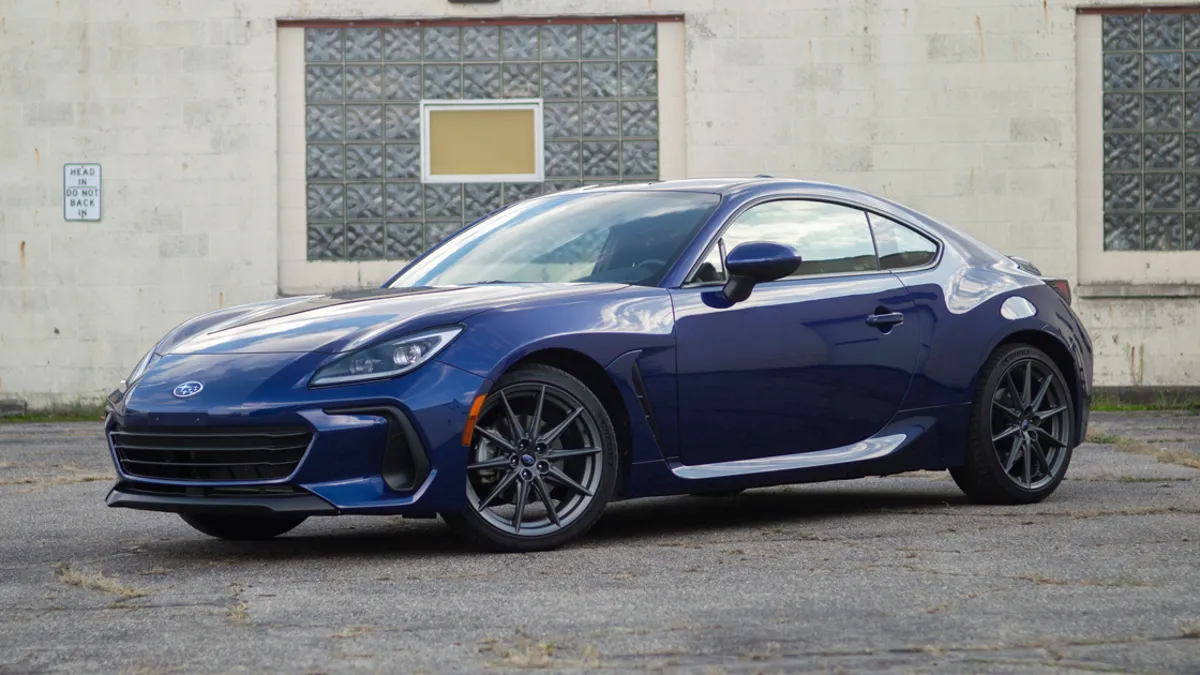
Nearly a decade later, the 2022 Subaru BRZ launched the second generation, promising refinements in design, performance, and technology. However, it soon established itself as the second-most complained-about BRZ model year.
According to reports filed with the NHTSA, the biggest frustration centered around faulty stock blinkers. Owners detailed situations where turn signals would flash rapidly or fail to illuminate entirely, especially when sunlight struck the rear of the car.
This defect posed a safety hazard, as other drivers could not reliably detect lane changes or turns. In addition, owners described wheel bolts loosening over time, in some cases leading to catastrophic wheel damage.
More alarmingly, there were reports of total engine failure within just a few thousand miles, which dealers attributed to low oil levels despite the lack of any warning indicators. Noise levels at highway speeds were another frequent complaint, detracting from daily driving comfort.
While the 2022 BRZ brought improvements in styling and power compared to the first generation, reliability woes and troubling reports of early failures made it a contentious choice for enthusiasts expecting Subaru to have ironed out earlier issues.
3. 2014 Subaru BRZ: Improvements but Lingering Concerns
By 2014, Subaru had addressed many of the major issues from the BRZ’s launch year. Complaint volumes dropped significantly compared to 2013, making the car far more attractive to buyers.
That said, the 2014 BRZ was not without flaws. Some owners continued to experience engine stalling, similar to the 2013 recall, but Subaru did not extend the fix to this model year. Minor issues became more common, including broken sun visors, door hinge problems, and occasional electrical glitches.
Still, the absence of any recalls for the 2014 BRZ made it a more reliable option on paper. The number of Technical Service Bulletins (TSBs) also declined, signaling fewer widespread issues requiring dealership-level intervention.
Complaints related to the suspension, braking system, and airbags remained isolated, with no consistent trends suggesting systemic flaws. For buyers, this model year represented the first real sign of Subaru stabilizing the BRZ platform.
While not flawless, the 2014 BRZ largely shed the reputation of its troubled predecessor, offering an affordable rear-wheel-drive sports coupe that was beginning to balance fun with reasonable dependability.

4. 2015 Subaru BRZ: A Reliable Contender
The 2015 Subaru BRZ is widely regarded as one of the better years in the model’s lineup, with minimal problems and no recalls reported. In fact, CarComplaints.com listed only a single owner-reported issue: a vibrating rearview mirror.
The most serious NHTSA report pointed to a possible oil leak onto the exhaust system, raising fire-risk concerns, but this remained an isolated case with no supporting reports from other owners or any technical service bulletins acknowledging a broader issue.
Subaru issued 147 TSBs for the year, covering a range of mechanical and drivetrain concerns, but none rose to the level of safety recalls or widespread failures.
Owners generally praised the 2015 BRZ for delivering the engaging driving experience the car had been designed for sharp steering, a well-balanced chassis, and a reliable powertrain that no longer suffered from the chronic issues seen in the 2013 debut.
This model year cemented itself as one of the safer bets for used car buyers looking for a lightweight sports car with strong reliability and minimal headaches. Compared to its predecessors, 2015 marked a turning point toward consistency.
5. 2018 Subaru BRZ: Small Issues and a Return of Recalls
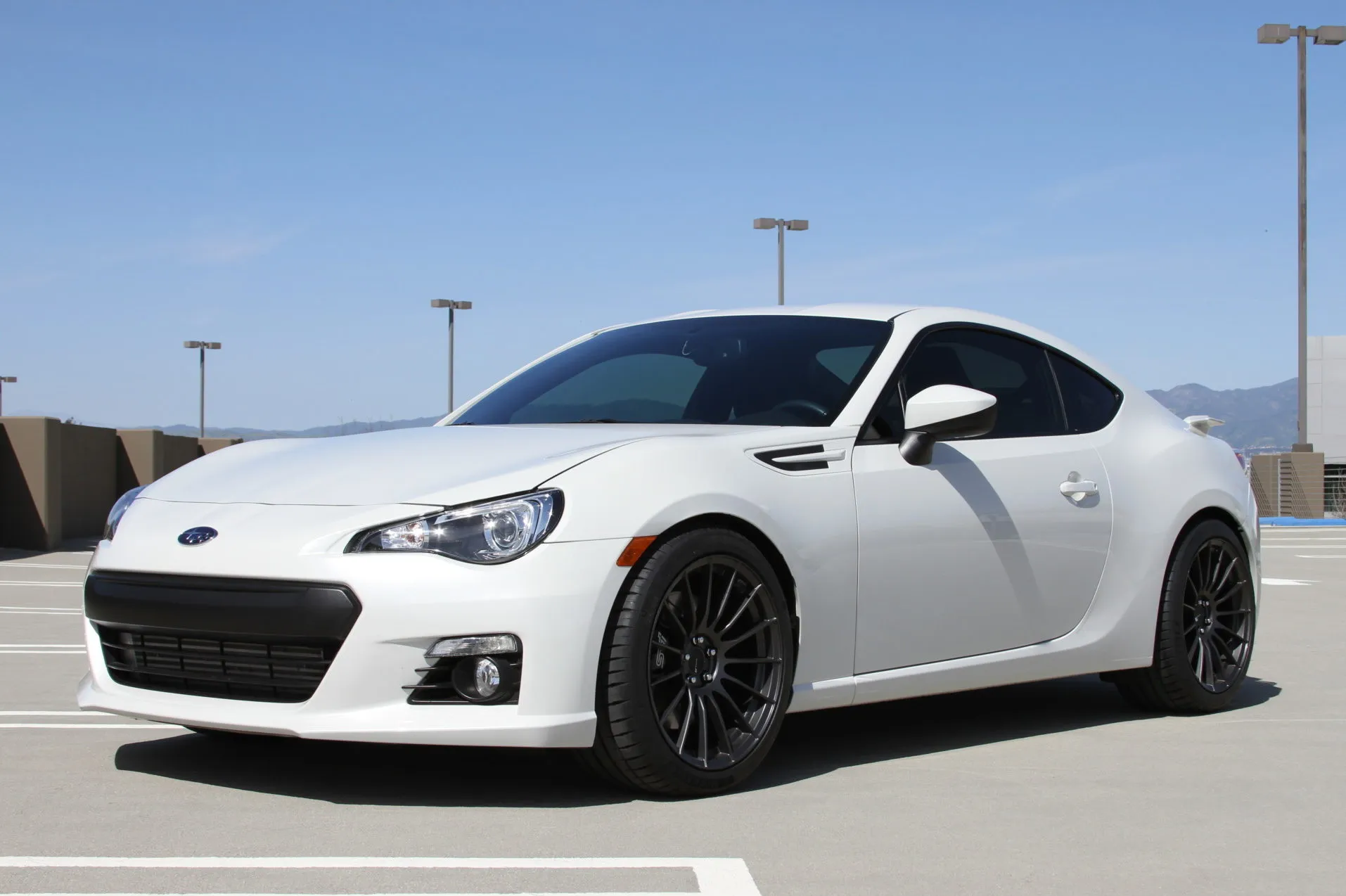
By 2018, the Subaru BRZ had matured into a relatively dependable sports coupe, with only a few reported complaints. CarComplaints.com noted just one issue involving Bluetooth connectivity in the infotainment system, highlighting minor frustrations rather than major reliability concerns.
However, a more troubling issue arose in the form of a recall since the early years of the BRZ. Certain vehicles experienced a software flaw that prevented the rearview camera from displaying an image when reversing, creating safety risks during parking or low-speed maneuvers.
Technical Service Bulletins also rose sharply this year, climbing to 232, nearly doubling from the prior model year. These TSBs covered a wide range of systems, from drivetrain components to electrical and suspension issues, though most were precautionary rather than evidence of systemic failure.
The 2018 BRZ demonstrated Subaru’s continued refinement of the model, offering owners a fun, lightweight sports coupe with minimal concerns compared to earlier years.
While the recall and higher TSB count dented its otherwise solid reputation, the 2018 remains one of the more reliable modern BRZ model years, balancing performance with reasonable dependability.

The Subaru BRZ has always embodied the essence of a true driver’s car: lightweight, affordable, and endlessly rewarding on winding roads or at the track. However, its history makes clear that not every version has lived up to that promise.
Some model years struggled with reliability concerns and design flaws, while others delivered the kind of refinement and dependability that enthusiasts hoped for. Over time, Subaru has continued to fine-tune the BRZ, improving performance, addressing shortcomings, and keeping its driver-focused spirit intact.
For those seeking maximum engagement behind the wheel, choosing the right BRZ means finding a balance between driving thrills, reliability, and everyday usability.
At its best, this coupe represents something rare in today’s market: a sports car that doesn’t just take you from one place to another, but turns every drive into an experience worth savoring.
Also Read: 10 Cars With Tricky Seatbelt Buckles for Elderly Passengers