
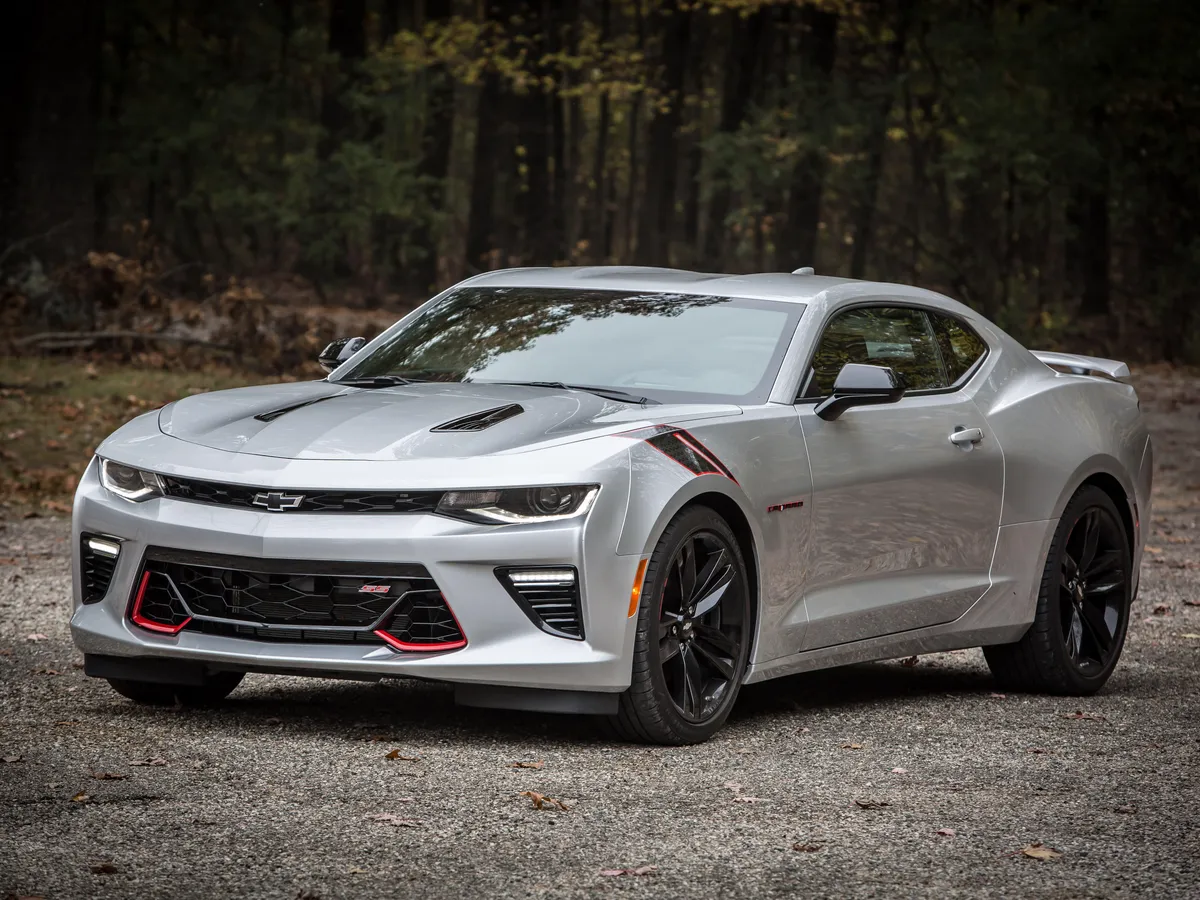
The Chevrolet Camaro has long been celebrated as one of America’s most iconic muscle cars, blending bold styling, powerful engines, and thrilling performance.
Since its debut in 1966, the Camaro has captured the imagination of car enthusiasts worldwide, often standing toe-to-toe with rivals like the Ford Mustang and Dodge Challenger.
However, not all Camaro model years are created equal. Over the decades, some versions have delivered outstanding performance, reliability, and value, while others have been plagued with mechanical issues and costly repairs that tarnished their reputation.
For buyers in today’s used car market, knowing which Camaros are worth owning and which to avoid is critical. While certain years have earned praise for their raw horsepower, refined handling, and modern features, others are infamous for electrical failures, engine breakdowns, or safety-related flaws.
In this guide, we’ll highlight five Camaro model years that stand out as exceptional choices for enthusiasts, along with five years that are best left behind. Whether you’re shopping for your first muscle car or looking to add another legend to your collection, this breakdown will help you make an informed decision before you take the wheel.
5 Chevy Camaro Years Worth Owning
1. 2000 Chevrolet Camaro
The 2000 Chevrolet Camaro continues to uphold its reputation as one of the most affordable performance cars on the market, offering thrilling speed and handling for under $30,000.
While it brings only modest updates this year, including new interior fabrics, steering-wheel audio controls, fresh alloy wheels, and an additional exterior color, the Camaro remains a powerhouse in the sports coupe segment.
Both V6 and V8 engines now meet California’s Low Emission Vehicle (LEV) standards, reflecting a nod to stricter environmental regulations without compromising performance. Despite its questionable interior quality and poor visibility, enthusiasts still find plenty to admire in its raw driving excitement.
Two main trim levels are offered for 2000, each available as a coupe or convertible. The base model comes equipped with a 3.8-liter V6 engine producing 200 horsepower, paired with either a five-speed manual or four-speed automatic transmission.
This setup provides ample power while avoiding the higher costs associated with the performance-oriented Z28, including insurance premiums.
A performance-handling package further enhances the V6 with dual exhausts, quicker steering, and a limited-slip differential, giving budget-conscious buyers a satisfying taste of Camaro performance without breaking the bank.
For those seeking maximum thrills, the Z28 and its SS variant deliver blistering speed. Powered by a 5.7-liter V8 borrowed from the Corvette, the Z28 produces 305 horsepower, outpacing the Ford Mustang GT by a notable margin.
Buyers can push performance even further by opting for the SS package, developed in partnership with SLP Engineering, which raises output to 320 horsepower thanks to forced air induction through a distinctive hood scoop.
This setup launches the Camaro from 0 to 60 mph in just over five seconds, rivaling far more expensive sports cars. Despite minor criticisms about new wheel designs, the SS still stands out as the pinnacle of Camaro performance.
While its speed and handling are undeniable, the Camaro’s shortcomings are hard to ignore. Its interior, though functional, is often criticized as cheap, and visibility from the driver’s seat is poor. Cargo space is decent, especially with the rear seats folded, and safety features such as dual airbags and antilock brakes come standard.
However, looming over the 2000 model is the shadow of cancellation rumors, suggesting production will cease after 2002 due to declining sales.
If true, the loss of the Camaro would mark the end of a performance bargain that delivers exceptional horsepower and excitement for the money. For drivers who value raw, tire-burning fun, the 2000 Camaro, especially in Z28 or SS form, remains a muscle car icon worth celebrating while it lasts.
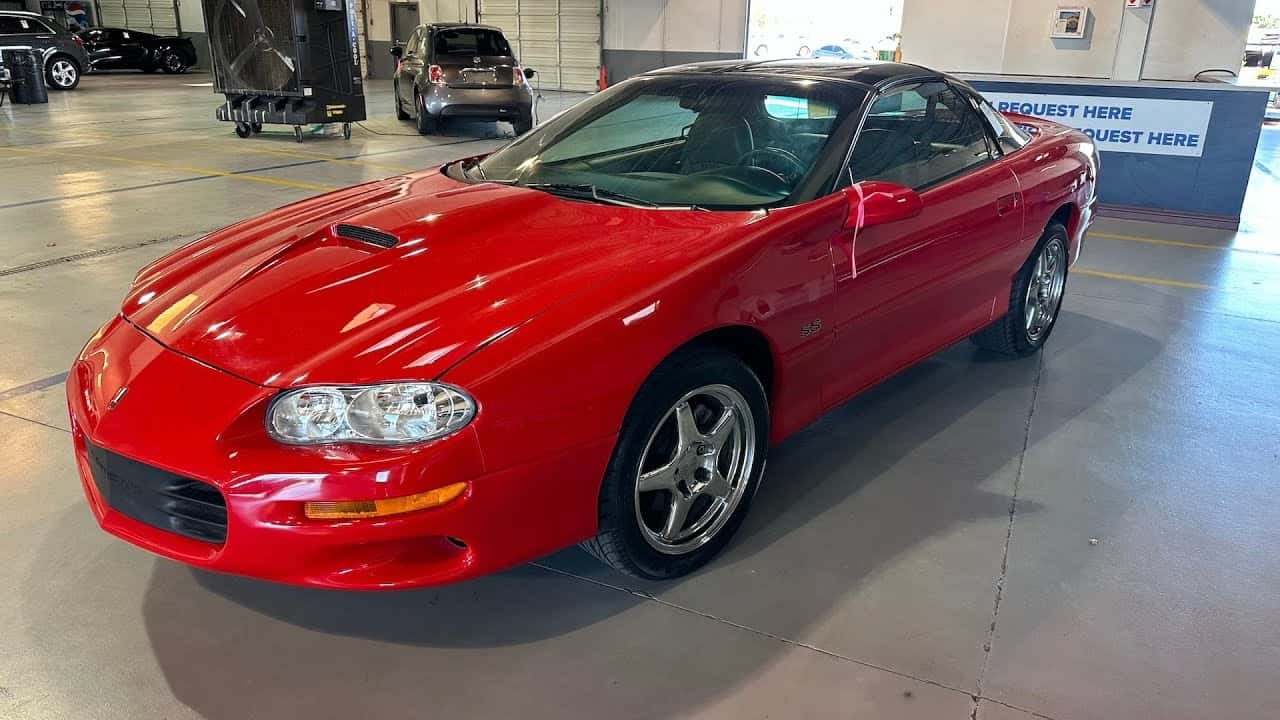
2. 2001 Chevrolet Camaro
The 2001 Chevrolet Camaro arrives with subtle but meaningful updates that maintain its reputation as one of the best performance bargains under $30,000. This year, the Z28 gains an extra five horsepower, pushing its LS1 V8 output to 310 horsepower, giving it a stronger edge over the Ford Mustang GT.
Newly styled 16-inch chrome wheels are available for both base and Z28 models, while Sunset Orange Metallic joins the color palette. Revalved shocks further refine the ride, though the Camaro continues to prioritize raw power and aggressive styling over refinement.
As in years past, its drawbacks remain the same: subpar build quality, lackluster interior materials, and poor visibility, but enthusiasts looking for speed won’t be disappointed.
The Camaro lineup once again comes in two trims, each available in coupe or convertible form. The base model is powered by the proven 3.8-liter V6 producing 200 horsepower, paired with either a five-speed manual or four-speed automatic transmission.
This powertrain provides plenty of performance for budget-conscious drivers while avoiding the steep insurance costs of the V8 models. Buyers can further enhance the V6 with the optional performance-handling package, which adds dual exhaust, quicker steering, and a limited-slip differential.
This makes the base Camaro an appealing choice for those who want muscle car character without the financial burden of the Z28.
The Z28, however, remains the Camaro’s performance centerpiece. Borrowing a detuned 5.7-liter V8 from the Corvette, it now produces 310 horsepower, an increase from the previous year, giving it a significant advantage over rivals.
For maximum thrills, the SS package, developed in collaboration with SLP Engineering, boosts output to 320 horsepower through forced air induction and a distinctive hood scoop.
This setup rockets the Camaro to 60 mph in just over five seconds, rivaling far more expensive sports cars. While the revised wheels receive mixed reviews for their styling, the SS continues to embody the Camaro’s unapologetic performance-first philosophy.
Despite its strong performance credentials, the Camaro’s future remains uncertain. Rumors persist that GM plans to discontinue the model after 2002, as no new product is scheduled for the Canadian plant where it is built.
Declining sales make this outcome increasingly likely, leaving enthusiasts worried about losing one of the most iconic pony cars on the market. With standard safety features such as airbags and antilock brakes, plus practical cargo space when the rear seats are folded, the Camaro still offers a blend of performance and utility.
If the end is near, the 2001 Camaro, especially in Z28 or SS form, serves as a reminder of just how much horsepower and fun can be packed into an affordable package.
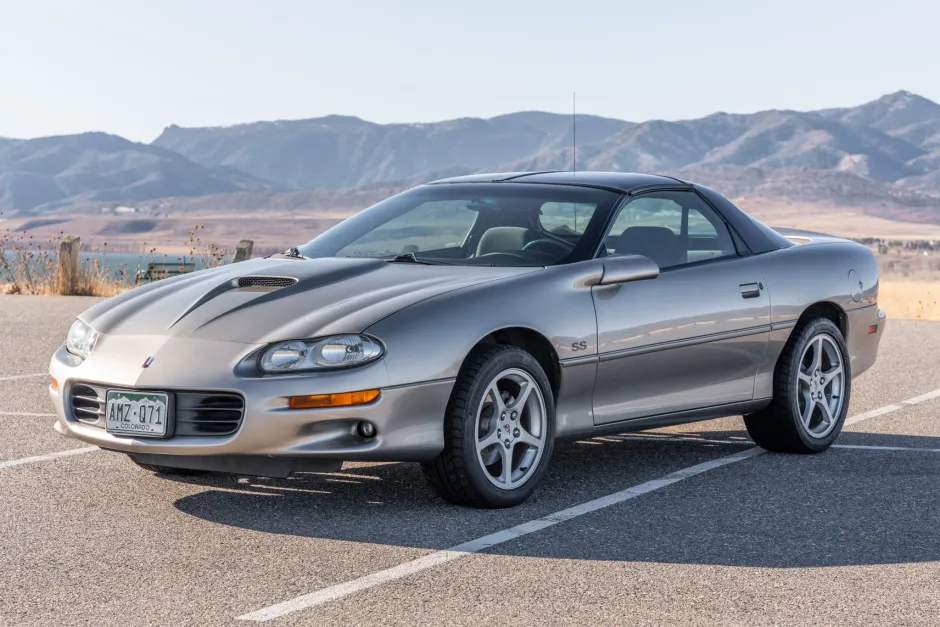
3. 2018 Chevrolet Camaro
The 2018 Chevrolet Camaro carries forward the sixth-generation model introduced in 2016, and it impresses with a balance of raw performance and modern refinement.
This year introduces a new base 1LS trim and, at the other end of the spectrum, the ZL1’s 1LE Extreme Track Performance package, which transforms the Camaro into a true track weapon.
While the ZL1 grabs attention with its 650-horsepower supercharged V8, the Camaro lineup offers plenty of variety, from the entry-level turbocharged four-cylinder and the capable V6 to the muscular 6.2-liter V8. Each provides a unique blend of performance, style, and value, making the Camaro appealing to a wide range of buyers.
Compared to rivals, the Mustang remains more practical and the Challenger more spacious, but the Camaro carves out its place with superior driving precision and bold looks.
On the road, the 2018 Camaro is a strong performer that blends speed with finesse. The V6 delivers 335 horsepower and sprints from 0 to 60 mph in just 5.1 seconds, while the V8 ups the ante with 455 horsepower and a blistering 3.9-second run.
Both engines are paired with a smart-shifting eight-speed automatic, though manual versions are available, and the SS model includes rev-matching for more engaging drives. Braking is equally impressive, with the SS stopping from 60 mph in just 102 feet.
Steering is sharp and precise, offering confidence in corners, while handling exceeds expectations for a heavy coupe. Adaptive suspension improves both comfort and control, making the Camaro surprisingly composed on long highway drives.
Though its manual mode feels sluggish at times, the Camaro’s drivability and refinement make it stand out compared to earlier generations.
Comfort has also improved, with supportive front seats, well-shaped cushions, and ride quality that impresses for a performance coupe. However, compromises remain. The back seat is cramped to the point of impracticality, and noise levels vary depending on the engine and tires.
The adaptive suspension smooths out bumps well, but drivers will still notice extra noise from performance setups. Inside, materials are better than before, and the design has been modernized, but visibility continues to be a major drawback.
Narrow windows, thick pillars, and an awkwardly angled infotainment screen make the interior feel confined and difficult to use in tight spaces.
Ergonomic quirks, such as poorly placed window controls and a shallow trunk with only 9.1 cubic feet of space, further highlight the Camaro’s sacrifices for style. While fine as a weekend car, rivals like the Mustang and Challenger offer greater practicality for daily use.
Where the Camaro shines again is in technology and features. Chevrolet’s MyLink infotainment system, offered in 7- and 8-inch displays, is responsive and user-friendly, with Apple CarPlay, Android Auto, Bluetooth, and USB ports all standard.
Safety equipment includes a standard rearview camera and available blind-spot monitoring, rear cross-traffic alert, and lane departure warning, though forward collision mitigation isn’t offered. Drivers also benefit from an optional active exhaust that adds drama at full throttle.
Altogether, the 2018 Camaro blends muscle car excitement with modern convenience and cutting-edge performance technology. While not without flaws, it remains one of the most exciting and capable sports coupes on the market, especially in high-performance SS or ZL1 trims.
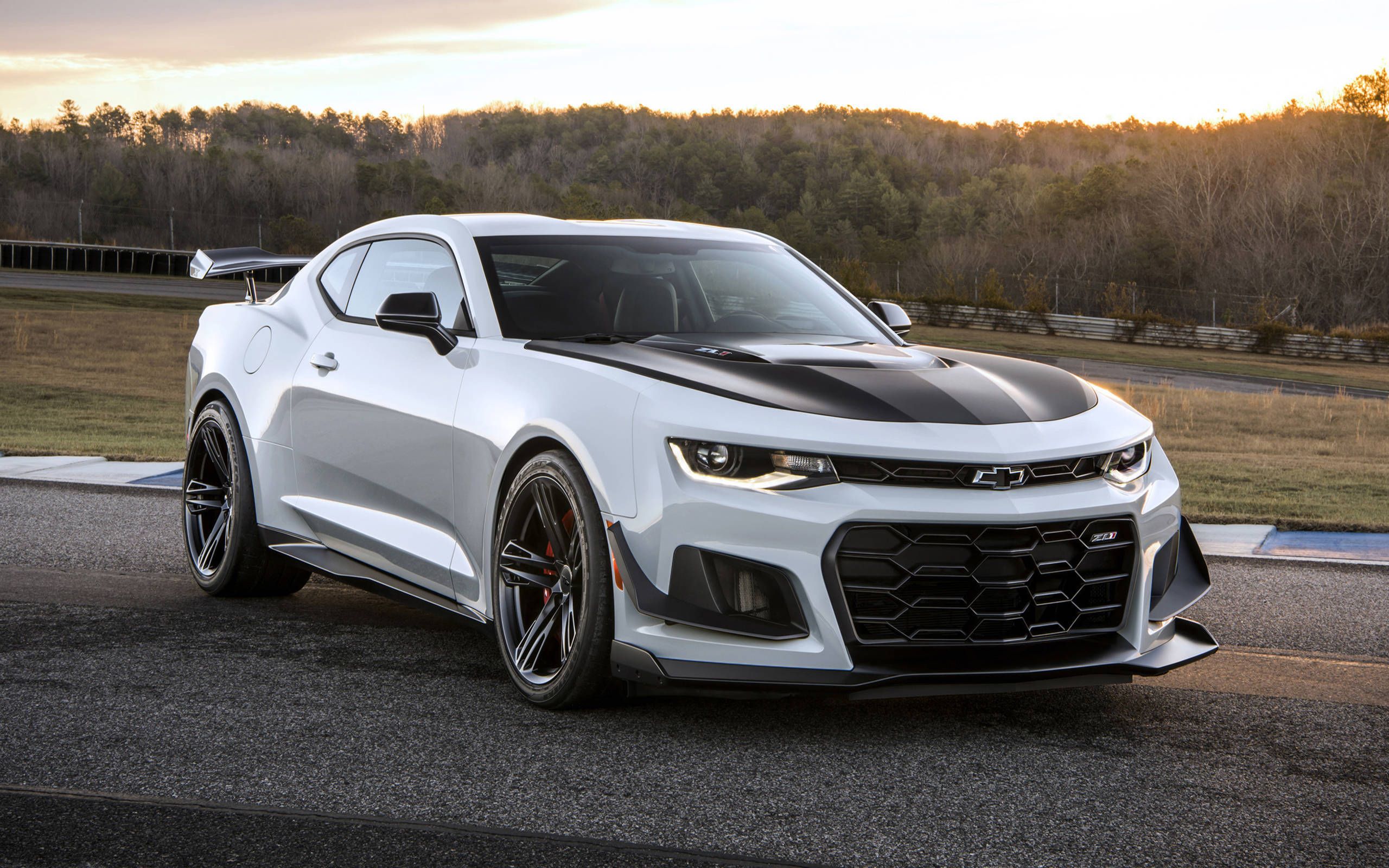
4. 2019 Chevrolet Camaro
The 2019 Chevrolet Camaro receives a mid-cycle refresh that updates its front and rear fascias, lights, and trim-level equipment while introducing Chevrolet’s latest Infotainment 3 system. This new interface is quicker and more user-friendly, offering improved smartphone integration and navigation features.
A notable performance upgrade is the expansion of the 1LE package to all engine options, including the turbocharged 2.0-liter four-cylinder, making track-oriented handling more accessible.
Despite these changes, the Camaro’s core traits remain the same: it’s a sharp, rewarding driver’s car with standout performance, but continues to struggle with everyday usability. The cramped back seat, poor visibility, small trunk, and some awkward interior ergonomics remain unchanged, limiting its appeal as a daily driver.
From a performance standpoint, the Camaro is among the sharpest in its class, often outmuscling rivals such as the Ford Mustang and Dodge Challenger.
Acceleration is brisk across the board, with the turbo-four feeling lively around town, the V6 offering balanced agility, and the V8 delivering brutal speed with its 10-speed automatic transmission.
The SS V8 rockets from 0 to 60 mph in just 3.9 seconds, while even the V6 manages the run in about 5.1 seconds. Braking performance is equally strong, with stopping distances as short as 102 feet in the SS.
Handling is where the Camaro truly excels, especially with the 1LE package offering precision and agility uncommon in a large coupe.
Steering is sharp and confidence-inspiring, though feedback is limited, and drivability benefits from a slick manual transmission as well as imperceptible cylinder deactivation in the V6 and V8. It feels more like a modern sports car than a traditional muscle car.
Comfort in the Camaro is respectable but not class-leading. The ride quality is surprisingly supple, particularly with the optional Magnetic Ride Control suspension, which adapts to different surfaces while maintaining excellent control. The front seats are well-shaped and supportive, though some drivers find the lower cushions narrow.
Unfortunately, the back seat is cramped to the point of being nearly unusable, making it more practical for storage than passengers. Noise levels vary, with the V8 offering the best soundtrack, while the V6 and turbo-four sound less refined.
Inside, materials quality has improved, and the design feels contemporary, but outward visibility remains a serious drawback. Thick pillars, a low seating position, and narrow windows make it difficult to judge distances in traffic or while parking.
Combined with a shallow trunk of just 9.1 cubic feet and minimal interior storage, the Camaro falls short as a practical everyday vehicle.
Technology is a mixed bag. The new Chevrolet Infotainment 3 system is a highlight, providing responsive performance, intuitive menus, and seamless smartphone integration via Apple CarPlay and Android Auto.
Higher trims add features like wireless charging and upgraded audio systems. However, the Camaro lags significantly in driver assistance and safety technology. While a rearview camera is standard, features such as blind-spot monitoring, rear cross-traffic alert, and parking sensors are optional and only available on higher trims.
Advanced systems like automatic emergency braking, adaptive cruise control, or lane-keeping assist are absent altogether, leaving the Camaro behind rivals in this area.
In the end, the 2019 Camaro appeals most to enthusiasts seeking precision handling and thrilling performance, but its limited practicality and lack of modern safety tech keep it from being the all-around leader in the muscle car class.
5. 2020 Chevrolet Camaro
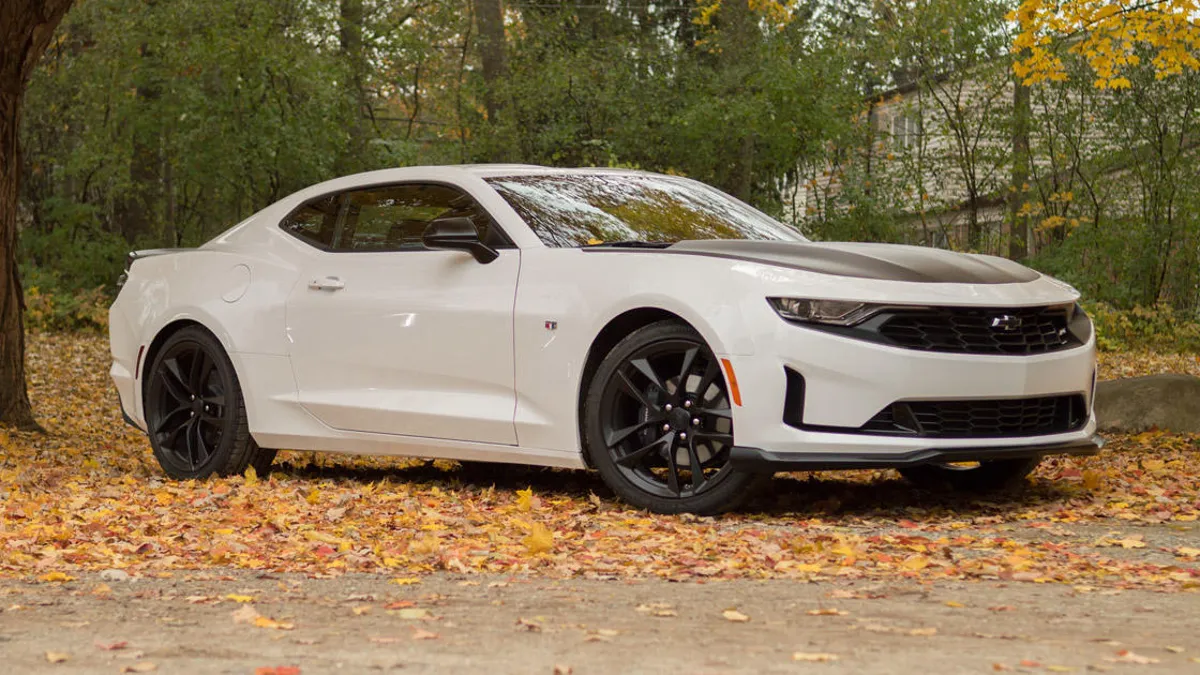
The 2020 Chevrolet Camaro sharpens its muscle car credentials with the debut of a midrange LT1 trim, which pairs the V8 engine with a more affordable price point. In addition, the LT V6 models gain the availability of a 10-speed automatic transmission, while trim levels receive a minor reshuffling of standard and optional features.
Despite being part of the sixth generation introduced in 2016, the Camaro remains one of the most performance-focused cars in its segment.
Whether equipped with the turbo-four, the naturally aspirated V6, or the raucous V8, every model delivers stirring speed, sharp handling, and a commanding presence on the road. The pricing structure also makes it accessible, offering a wide range of performance tiers that suit different buyers.
From behind the wheel, the Camaro is an exciting and rewarding machine. The V8 delivers the full muscle car experience, rocketing forward with thunderous acceleration and a soundtrack to match, but even the smaller engines provide lively responses.
The four-cylinder and V6 feel more nimble due to their lighter weight, while the V8 benefits from stickier tires and higher performance limits. Braking performance is equally impressive, ensuring strong confidence in spirited driving.
Manual transmissions are especially enjoyable, with precise gates and rev-matching technology that makes downshifts smooth and professional. Handling is more precise than in earlier Camaros, with the chassis delivering a balance of agility and stability.
For driving enthusiasts, it’s easy to see why this Camaro is considered one of the best-handling American muscle cars.
Ride comfort is better than expected for such a performance-focused coupe. The standard suspension provides a reasonably supple ride, while the optional Magnetic Ride Control on V8 models adapts well to varying road conditions, enhancing both comfort and control.
The front seats are supportive, offering good lateral hold without feeling restrictive, though the lower cushions may feel tight for some. Interior materials are mostly solid, and padded armrests improve everyday comfort.
Unfortunately, the rear seat remains nearly unusable for adults, making it more suitable for luggage than passengers. Visibility is a major issue, with thick pillars and a high beltline creating blind spots that make tight maneuvers or city driving stressful.
The oddly placed climate control vents, while stylish, can be inconvenient in everyday use. Storage is also a weak point, with a tiny 9.1-cubic-foot trunk that’s difficult to access due to its small opening and high liftover height.
Technology and value present a mixed picture. Chevrolet’s infotainment system is fast and modern, but the small standard touchscreen and angled placement on the dash reduce ease of use, making the larger upgraded screen a better choice.
Active safety is a major shortfall, as key driver-assistance features like blind-spot monitoring, rear cross-traffic alert, and parking sensors are only offered on higher trims, while advanced aids such as lane-keeping assist or automatic emergency braking are absent altogether.
Fuel economy is class-average, ranging from 20 mpg combined with the V8 automatic to 25 mpg combined with the four-cylinder. Pricing starts in the mid-$20,000s and climbs into the mid-$40,000s for well-equipped trims, putting it on par with the Ford Mustang while undercutting the Dodge Challenger in certain configurations.
For enthusiasts who place driving excitement above practicality, the 2020 Camaro is a standout choice, but buyers seeking greater comfort, visibility, and everyday usability may find the Mustang or Challenger better suited to daily life.
Also Read: 5 Cars with Climate Control That Works vs 5 That’s Just for Show
5 Chevy Camaro Years Are Not Worth Owning
1. 2010 Chevy Camaro: The Most Problematic Year
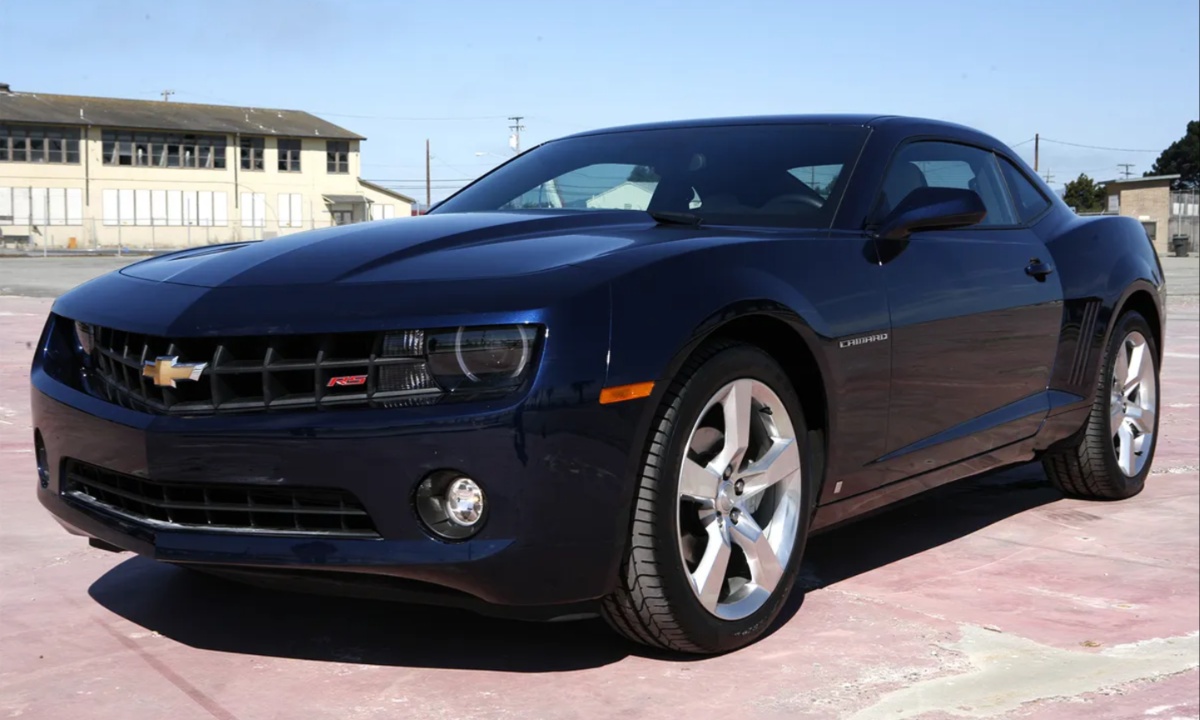
The 2010 Chevy Camaro stands out as the worst year for the model, with 481 complaints and three recalls logged on CarComplaints.com. Most issues centered on serious engine failures, especially premature timing chain wear and breakage.
Several owners reported catastrophic engine damage after the chain either stretched or snapped, leading to sudden power loss. What frustrated many drivers was the timing of these failures, often occurring just outside of the factory warranty period.
This left them responsible for expensive engine repairs or replacements that sometimes exceeded several thousand dollars. Beyond the engine, electrical gremlins plagued the 2010 Camaro, ranging from flickering lights to illuminated check engine warnings.
Some owners also described sudden power loss on freeways, linked to electrical shorts in the vehicle’s systems. Interior lights, headlights, and the instrument panel often flickered without warning, making driving at night especially dangerous.
Together, these issues painted a troubling picture of early 5th-generation Camaro reliability, making the 2010 model year one that most enthusiasts and used-car buyers are strongly advised to avoid.
The combination of widespread engine problems and persistent electrical flaws has firmly cemented this year’s reputation as the most unreliable Camaro in recent history.
2. 2011 Chevy Camaro: Airbag Failures and Engine Shutdowns
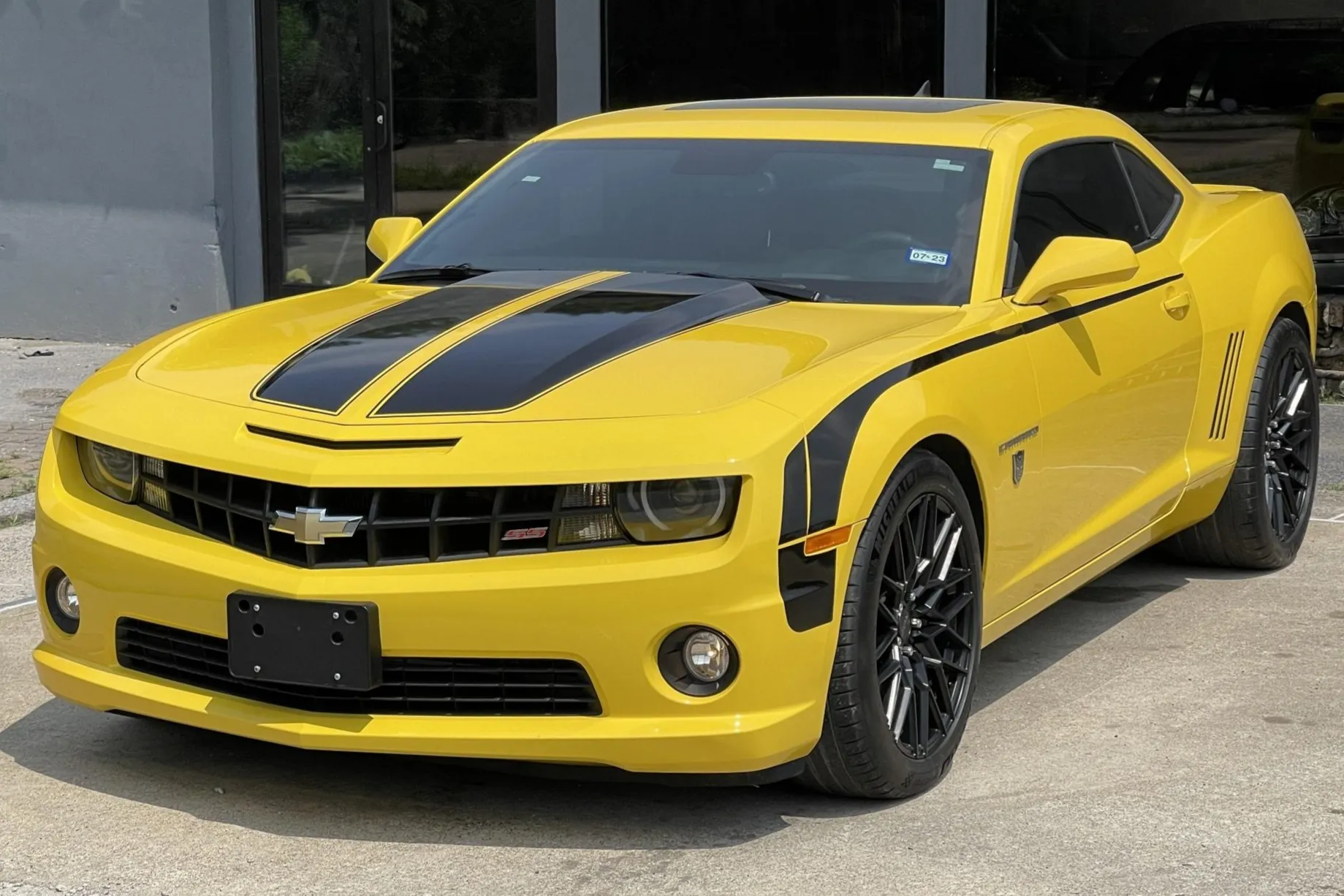
Although the 2011 Chevy Camaro reduced its complaint count to 276 issues with three recalls, this year still brought severe reliability concerns. A major pain point was its airbag system, which frequently displayed persistent “service airbag” warnings regardless of passenger occupancy.
Owners faced dealership repair quotes as high as $2,000 just to diagnose and attempt fixes, with no guarantee of permanent resolution. Given the role of airbags in crash safety, this defect was particularly alarming. Engine problems also haunted this model year, with several owners reporting sudden engine shutdowns while driving.
These unexpected stalls could disable power steering and brakes, creating life-threatening situations on highways. One case even resulted in a collision after the engine cut out. Other engine complaints described loud grinding and knocking noises, raising concerns over long-term durability.
While the 2011 Camaro did not reach the severity of the 2010s timing chain crisis, the combination of safety system malfunctions and unpredictable engine behavior left many owners disillusioned.
Buyers who expected a modern, reliable muscle car instead dealt with recurring safety risks and costly repair bills. For many enthusiasts, 2011 cemented itself as another year to avoid when shopping for used Camaros.
3. 2013 Chevy Camaro: Electrical Failures and Brake Concerns
The 2013 Chevy Camaro, with 309 complaints and three recalls, introduced a new wave of reliability issues, particularly in electronics and braking systems. A frequent frustration was the radio and infotainment system malfunctioning.
Owners reported the radio randomly shutting off, producing no sound, or failing to display properly. This problem also interfered with turn-signal alerts, creating additional driving hazards.
Climate controls further worsened the ownership experience, as many reported failing air conditioning and heater systems. The defroster malfunction became especially concerning in colder climates, where visibility is essential for safety. Beyond the electrical frustrations, the 2013 Camaro faced alarming brake complaints.
Owners noted malfunctions in the parking brake, which sometimes failed to hold the car securely, particularly on inclines. At least one case involved rotor failure, raising questions about the reliability of the braking hardware.
Given that brakes and climate control directly affect safety and comfort, these flaws created significant trust issues.
While its styling and performance continued to attract buyers, the 2013 Camaro developed a reputation for being mechanically compromised by weak supporting systems. For long-term dependability, many experts caution against choosing this model year.
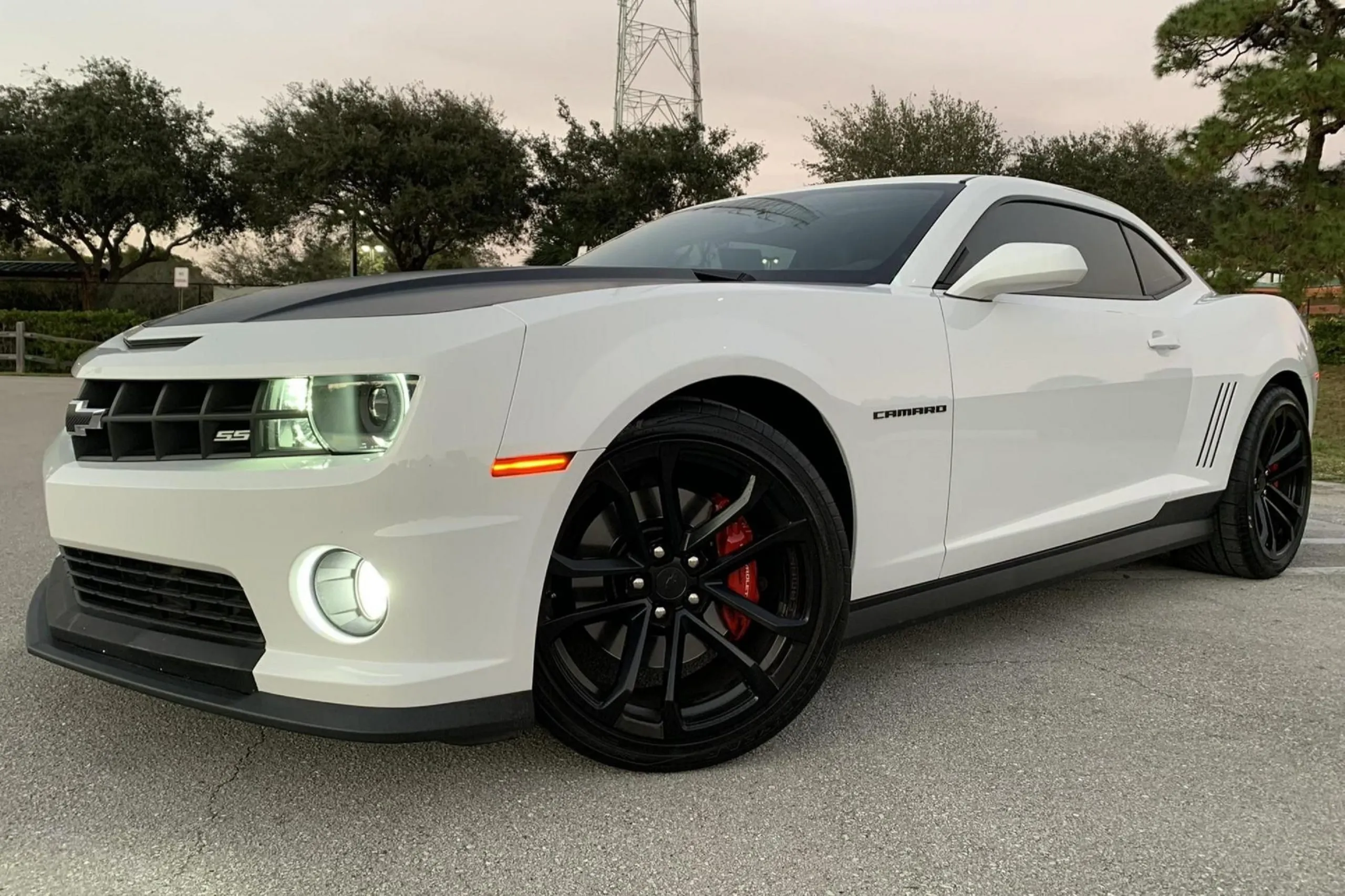
4. 2014 Chevy Camaro: Electrical and Steering Problems
The 2014 Camaro, despite being part of the same generation, did not escape the curse of reliability concerns, with 328 complaints and four recalls. Once again, electrical issues dominated the ownership experience.
Drivers reported recurring problems with radios, ignition keys, and interconnected systems, which often triggered failures in heating, cooling, or alarm components. This suggested broader design flaws in the electrical architecture rather than isolated incidents.
Many owners grew frustrated with the unpredictability of these malfunctions, as a single fault could cascade into multiple systems failing at once. More troubling was the rise in steering system complaints. Some owners experienced sudden steering lock-ups, sometimes while driving at speed.
In the worst cases, this contributed to collisions, including one report where steering seized during an accident, worsening the outcome and leading to injuries. These issues cast a shadow over what was otherwise marketed as a refreshed and reliable Camaro.
With major safety systems compromised and persistent electrical gremlins, the 2014 Camaro carried forward the reliability stigma of earlier years. While it delivered strong muscle car performance, its long-term dependability and safety record make it another model year to approach with caution.
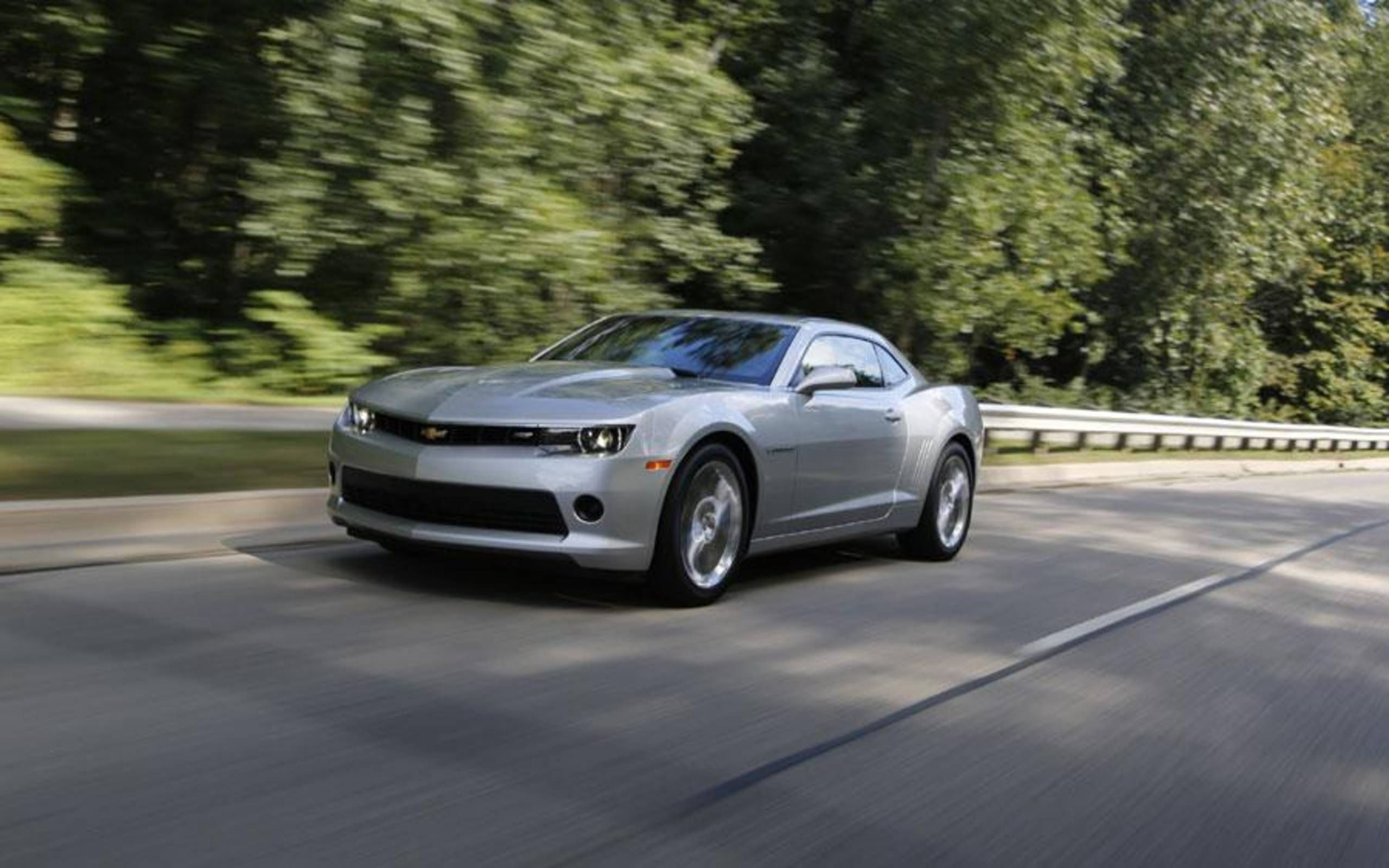
5. 2015 Chevy Camaro: Ignition and Lighting Failures
The 2015 Chevy Camaro, while recording slightly fewer problems with 295 complaints and two recalls, was still plagued by electrical gremlins. A common failure involved the ignition key, which often failed to turn off properly into the steering lock position.
This left the key stuck in “Accessory mode,” making it impossible to remove and raising security concerns. Infotainment issues also persisted, with the touchscreen system frequently freezing or failing, sometimes disabling related functions such as turn signals.
Dealerships often quoted expensive radio replacements, adding financial frustration. Lighting and visibility systems also proved unreliable. Owners reported dimming headlights, dashboard lights cutting out, and failing backup cameras, forcing restarts just to restore normal function.
These defects undermined both convenience and safety, especially when driving at night or parking. Although the 2015 Camaro did not carry the catastrophic engine or airbag issues of earlier years, its repeated electrical flaws eroded confidence in long-term ownership.
For buyers considering used Camaros, 2015 may seem safer than 2010 or 2011, but it still carries enough documented failures to make it a questionable investment. Enthusiasts prioritizing reliability are often advised to avoid this year as well.
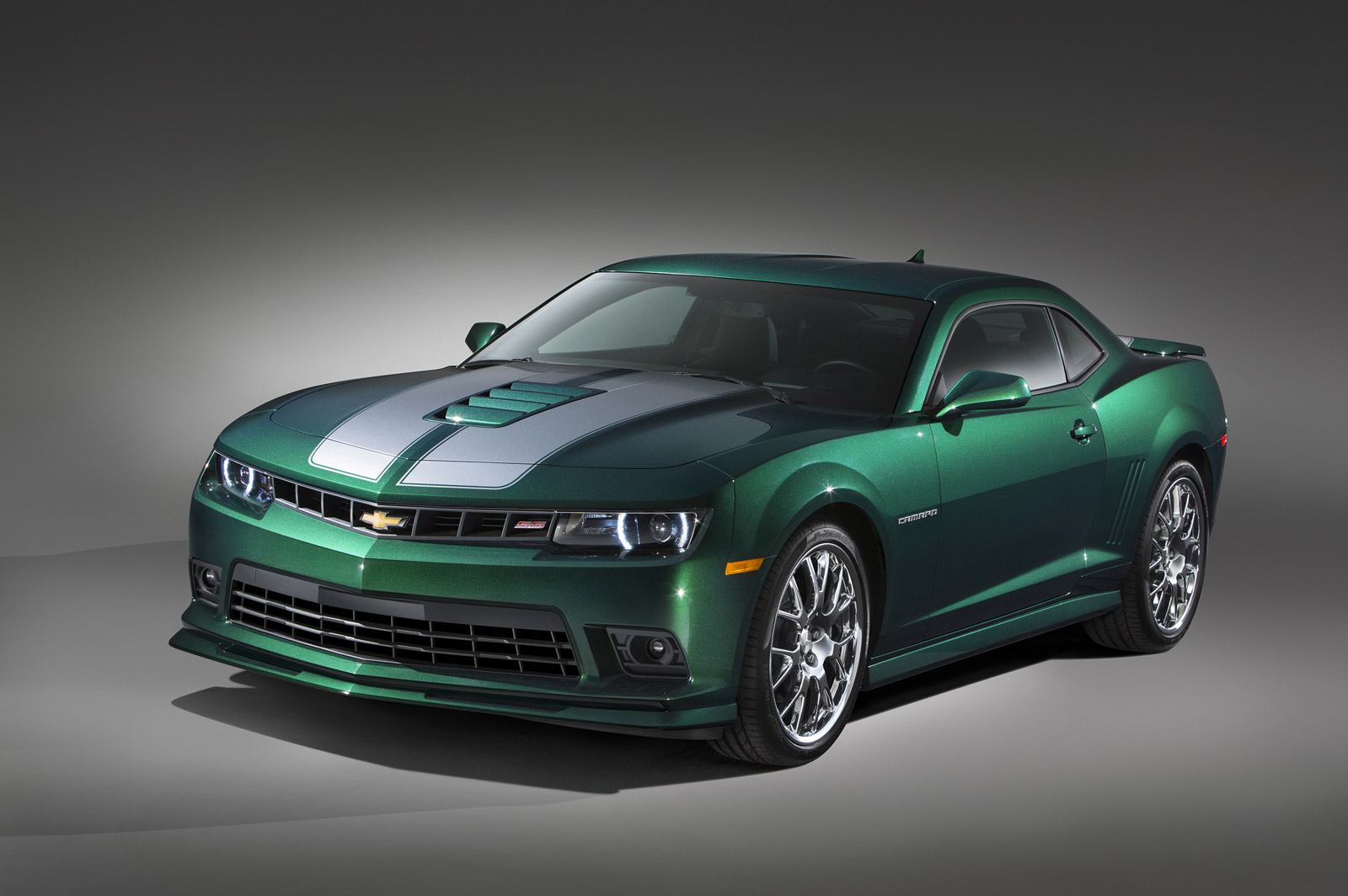
The Chevy Camaro’s legacy is filled with both triumphs and challenges, with some versions standing as true symbols of performance engineering while others serve as cautionary tales for buyers.
The best iterations of this muscle car deliver an exciting mix of affordable speed, powerful engines, and modern refinements that keep it relevant in a competitive market. These highlights demonstrate why the Camaro has remained an enduring icon in American automotive culture.
At the same time, certain models have been weighed down by recurring reliability issues, electrical flaws, and safety concerns that overshadow their performance potential. For those shopping in the used car market, avoiding these problematic versions can prevent costly repairs and frustrating ownership experiences.
Ultimately, the Camaro is a car worth celebrating, but selecting the right model year makes all the difference. By choosing the proven performers and steering clear of the troublesome ones, enthusiasts can experience the thrill, heritage, and driving excitement the Camaro has offered for generations without unnecessary headaches.
Also Read: 10 Cars With Tricky Seatbelt Buckles for Elderly Passengers
