The Hyundai Elantra has earned its place as one of the most trusted compact sedans in the automotive market. For years, it has been praised by car owners for its affordable price tag, excellent fuel efficiency, and modern styling.
Beyond looks and economy, the Elantra also comes with a reputation for durability and dependability when given the proper attention.
Many owners have driven their Elantras well past 150,000 miles without major issues, and some even push past the 200,000-mile mark. This kind of longevity, however, is never accidental; it depends largely on how well the engine is treated daily.
An engine is the heart of any car, and in the case of the Hyundai Elantra, that heart is built to deliver smooth performance for city commutes and highway trips alike.
But even the most reliable engines are not indestructible. The difference between an Elantra that runs smoothly for years and one that breaks down prematurely often comes down to the habits of the driver.
Small acts of neglect or repeated mistakes may not show their impact immediately, but over time, they wear down crucial components, reduce efficiency, and eventually lead to expensive repairs.
Another common mistake many drivers make is underestimating the role of small details in engine care. Something as simple as letting the engine idle for a short period on cold mornings, checking fluid levels regularly, or paying attention to unusual noises can add years to the life of the engine.
On the other hand, skipping these simple practices can dramatically shorten its lifespan. Cars may seem forgiving, but they always reflect the way they are treated.
Also read: 8 Turbocharged Engines That Don’t Sacrifice Longevity
1) Ignoring Oil Changes
Engine oil is often referred to as the lifeblood of a vehicle, and for good reason. In your Hyundai Elantra, oil circulates constantly to keep the engine’s moving parts properly lubricated, reducing friction and heat.
Without fresh oil, these parts would grind against each other, wear prematurely, and eventually cause the engine to seize. Despite this, many Elantra owners make the costly mistake of putting off oil changes or stretching the service interval far longer than recommended.
Oil doesn’t last forever. Over time, it breaks down, becomes contaminated with dirt, and turns into a thick sludge that clogs vital pathways inside the engine. Dirty oil loses its ability to lubricate effectively, and the result is increased wear on pistons, bearings, and camshafts.
A simple oil change that might cost less than a tank of gas can end up saving thousands of dollars in engine repairs later. Unfortunately, skipping this routine service is one of the most common reasons why engines fail earlier than expected.

Ignoring oil changes doesn’t just harm the engine; it also affects fuel efficiency. Old, dirty oil creates more resistance inside the engine, making it work harder to perform the same tasks.
That means lower miles per gallon and more frequent trips to the gas pump. Worse still, the damage caused by neglecting oil changes isn’t always noticeable right away. Many owners continue driving their Elantra for months or years with worn oil, only to face sudden and expensive engine trouble later on.
Regular oil changes also give mechanics a chance to check other vital fluids and inspect the engine for leaks, cracks, or unusual wear. This preventive care is a small investment that keeps your Elantra running smoothly for the long haul.
On the flip side, ignoring oil maintenance is like gambling with your engine’s health; it may not fail today, but the odds of a major problem grow with every mile driven on old oil.
For any Elantra owner hoping to enjoy the car for well beyond 100,000 miles, staying disciplined with oil changes is non-negotiable.
It’s the simplest, cheapest, and most effective way to protect your engine. By making this one habit a priority, you can avoid one of the most common and destructive mistakes drivers make.
2) Using the Wrong Oil Type
While most Hyundai Elantra owners know the importance of getting regular oil changes, fewer people pay attention to the type of oil being used. Many assume that all engine oils are the same, or they try to save a few dollars by choosing whatever is cheapest on the shelf.
Unfortunately, this mistake can quietly damage the engine over time and lead to poor performance, higher fuel consumption, and even premature wear of internal components.

Hyundai recommends specific oil grades for the Elantra, depending on the model year and engine type. For newer Elantras, synthetic 5W-20 or 5W-30 oils are commonly suggested, but always check the owner’s manual to confirm.
Synthetic oils are designed to withstand higher temperatures, resist breakdown longer, and provide better protection for modern engines. Sticking to these recommendations is not just about following rules it ensures the oil is working in harmony with the engine’s design.
Another mistake some drivers make is mixing oil types. Adding conventional oil to synthetic, or topping up with the wrong grade, may not cause immediate failure, but it reduces the oil’s effectiveness and can accelerate engine wear.
The same goes for using low-quality or off-brand oils that lack the certifications required by Hyundai. While these may look like bargains at first, they often don’t meet the standards needed to properly protect your Elantra’s engine.
The consequences of using the wrong oil often show up gradually. You may notice the engine running a bit rougher, fuel economy slipping, or small oil leaks developing.
Over time, the damage can escalate into bigger problems like worn piston rings, clogged oil passages, or even bearing failure. By then, the cost of repairs will far outweigh any money saved by choosing cheaper or incorrect oil in the first place.
Using the right oil also helps maintain your warranty and resale value. Hyundai, like most manufacturers, specifies oil requirements as part of the maintenance schedule.
Failing to follow these guidelines could give dealers or buyers a reason to doubt whether the car has been properly cared for. For owners planning to keep their Elantra long-term, sticking to the right oil type is an investment in the car’s future reliability and value.
In short, engine oil is not a one-size-fits-all solution. The Hyundai Elantra requires specific oil to deliver the performance, efficiency, and durability it was designed for.
Using the wrong oil is one of the easiest mistakes to avoid, yet it’s one that can have some of the most lasting consequences. By always choosing the correct grade and quality of oil, you’re giving your Elantra the protection it needs to perform reliably for years to come.
3) Overheating the Engine
Few things damage a Hyundai Elantra engine faster than overheating. The engine naturally produces high heat during operation, but the cooling system regulates temperature. When this balance is lost, the engine can overheat, leading to severe internal damage within just minutes.
Low coolant levels are a common cause of overheating. Coolant absorbs heat and circulates through the radiator and engine, keeping everything stable.
When levels drop due to leaks or neglect, temperatures rise quickly. The result can be warped heads, blown gaskets, or even cracked blocks.
Other culprits include thermostat, radiator fan, or water pump failure. A stuck thermostat may block coolant circulation, a faulty fan may not pull enough air, and a weak water pump may move coolant poorly. Each issue can escalate into overheating if not addressed quickly.

Many drivers underestimate warning lights or steam from the hood. Continuing to drive with an overheating Elantra is extremely dangerous. Even a short distance in these conditions can ruin pistons, valves, and seals, forcing expensive repairs or even a full engine replacement.
Prevention is simple with proper maintenance. Checking coolant levels monthly, flushing the system on schedule, and inspecting hoses for leaks are essential steps. Hot climates and heavy use put extra strain on the cooling system, making regular upkeep even more critical.
The consequences of overheating are often irreversible. A blown head gasket or warped cylinder head can cost thousands to repair. In many cases, damage is so severe that a complete engine replacement is required, turning a preventable issue into financial disaster.
By monitoring the temperature gauge, addressing warning signs immediately, and maintaining the cooling system, Hyundai Elantra owners can avoid overheating.
Keeping the engine within its safe operating range ensures reliability, performance, and long-term durability without risking sudden and costly breakdowns.
Also read: 5 Cars With Affordable Parts vs 5 That Cost a Fortune
4) Revving a Cold Engine
Revving a cold engine may seem harmless, but it is one of the quickest ways to shorten your Hyundai Elantra’s engine life. At startup, the oil has not yet circulated fully, leaving many critical parts without proper lubrication.
When an engine is cold, metal parts are slightly contracted. Revving too hard during this stage forces pistons, valves, and bearings to operate under stress before oil coats them properly. This increases friction, which accelerates wear and shortens engine lifespan significantly.
Drivers often rev the engine in the morning, believing it helps the car warm faster. In reality, revving does not heat the oil or components evenly. Instead, it creates sudden temperature spikes that can cause microscopic cracks and internal damage.
The Elantra’s modern engines are designed to warm up efficiently while idling or under gentle driving. Allowing the engine to idle for thirty to sixty seconds is sufficient. Driving smoothly during the first few minutes is better than revving aggressively.

Oil viscosity also plays a role in cold starts. At low temperatures, even the correct oil flows more slowly. Revving before it thins and spreads properly means certain parts rub against each other unprotected, leading to scratches, scoring, and eventual mechanical failure.
Long-term consequences of this habit include increased oil consumption, piston ring wear, and weakened bearings. These problems may not appear immediately, but after years of cold revving, the cumulative damage results in costly repairs or reduced engine reliability.
To protect the Elantra’s engine, owners should adopt gentle habits. Start the car, wait briefly, and then drive smoothly without sudden acceleration. This practice ensures oil circulation and steady warming, helping the engine deliver reliable performance for many years.
5) Skipping Timing Belt/Chain Maintenance
The timing system is one of the most important parts of your Hyundai Elantra’s engine. It synchronizes the movement of the pistons and valves with precise timing. If the belt or chain fails, the engine can suffer catastrophic internal damage instantly.
Older Elantra models use timing belts, while newer ones typically feature timing chains. A belt is made of reinforced rubber, which weakens with age and mileage. If it snaps while driving, pistons and valves collide, often destroying the engine.
Timing chains are more durable since they are metal, but they are not maintenance-free. Chains require proper lubrication from clean oil. If neglected, a chain can stretch, jump teeth, or break. This results in severe misfiring and permanent mechanical damage.
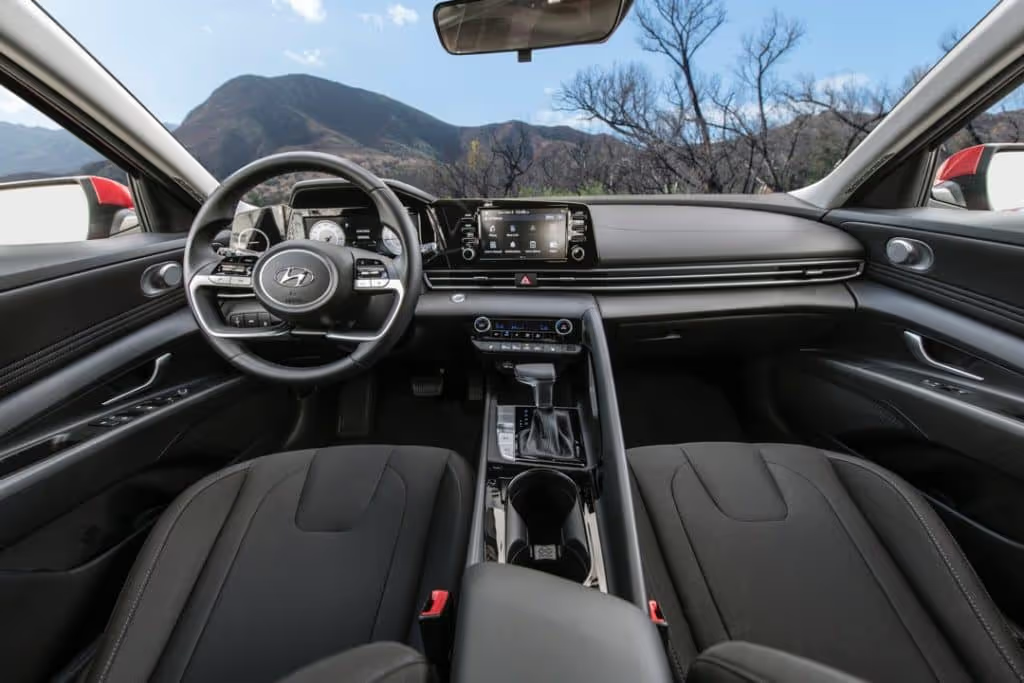
Many drivers mistakenly believe timing components last forever. In reality, Hyundai recommends replacing belts at intervals around 60,000 to 100,000 miles, depending on the model year. Chains should be inspected regularly, especially in vehicles with high mileage or irregular maintenance.
Skipping this service often seems harmless since timing belts and chains are hidden. Unlike brakes or tires, they do not show obvious wear until they fail. Unfortunately, once failure occurs, the repair usually involves a complete rebuild or replacement engine.
The cost of preventive maintenance is far lower than engine replacement. A new timing belt service typically costs a fraction of what a broken belt would cost in damages. For timing chains, frequent oil changes help prevent stretching and wear.
Elantra owners who plan to keep their cars long-term must treat timing system care as essential. By following Hyundai’s service schedule and inspecting components regularly, you avoid one of the most devastating and preventable failures in engine operation.
6) Ignoring Unusual Noises
Every engine develops a natural rhythm, and Hyundai Elantra owners quickly recognize how their car normally sounds. When new noises like ticking, knocking, or rattling appear, they often indicate developing problems. Ignoring these sounds can allow minor issues to grow severe.
A ticking sound may suggest problems with lifters or low oil pressure. Knocking often comes from worn bearings or improper combustion. Rattling can mean loose timing components or exhaust issues. Each sound is the engine’s way of signaling something is wrong.
Many drivers dismiss unusual noises as harmless, especially if the car continues to run. Unfortunately, problems rarely resolve themselves. Instead, they usually worsen over time, causing additional strain on other parts. A small fix today could prevent a costly repair later.

For example, a light knocking from worn bearings may be resolved if caught early. If ignored, the bearings may fail completely, causing internal metal contact. This often requires rebuilding or replacing the engine, an expense far greater than timely repair.
Unusual noises also affect safety. A failing timing chain tensioner or loose component could snap suddenly while driving, leaving the vehicle inoperable on the road. By listening closely, owners gain an early warning before serious breakdowns occur.
The best approach is to have unusual sounds inspected promptly by a trusted mechanic. Even if the cause is minor, peace of mind is worth it. More importantly, early intervention can save thousands of dollars in potential engine damage.
Treating your Elantra’s engine like a living system helps it last longer. Just as doctors rely on symptoms to detect illness, noises are symptoms for engines. Ignoring them is risky, while responding quickly ensures reliability and long-term health.
7) Driving With Low Fluids
Fluids are the lifeblood of any vehicle, and your Hyundai Elantra depends on them to run efficiently. Engine oil, coolant, transmission fluid, and brake fluid each play a vital role. Driving with low levels risks overheating, friction, and premature wear.
Low oil levels reduce lubrication, leaving pistons, bearings, and valves vulnerable. Without sufficient oil, friction increases dramatically, generating heat and causing metal parts to grind together. Even short trips under these conditions can permanently scar components and shorten engine lifespan.
Coolant is equally important, preventing the engine from overheating. A small leak in a hose or radiator can quietly drain coolant over time. Once levels drop, the cooling system cannot regulate temperature, leading to overheating and potential engine failure.
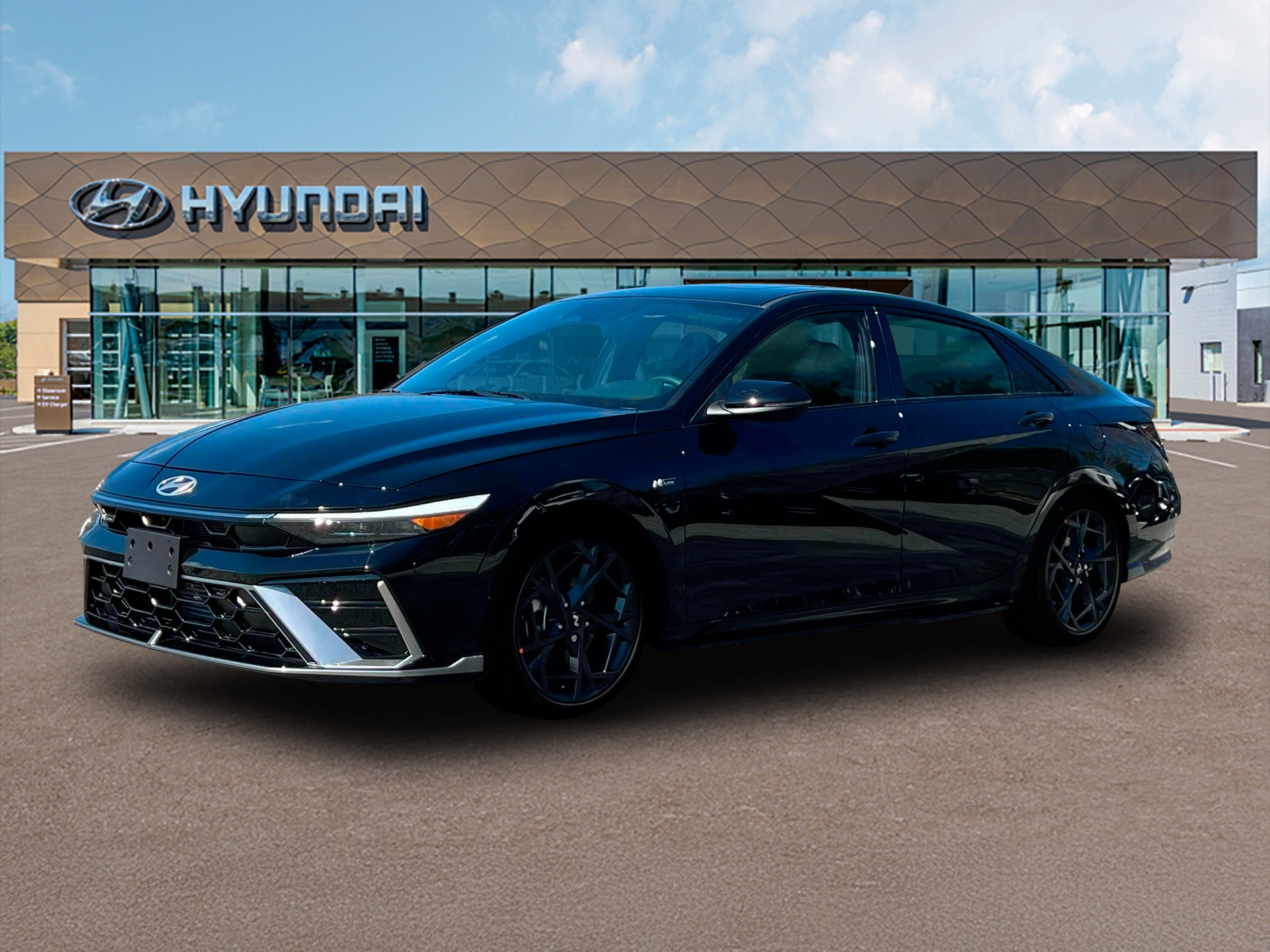
Transmission fluid is often overlooked, yet it ensures smooth shifting and reduces stress on gears. Running low causes harsh gear changes and overheating inside the transmission. Left unchecked, this can damage both the transmission and engine, resulting in costly combined repairs.
Even brake fluid indirectly impacts engine safety. If fluid drops too low, brakes may fail under pressure. A sudden inability to stop safely puts the vehicle and engine at risk of collisions, a danger that routine fluid checks can easily prevent.
Many drivers assume warning lights will always alert them to low fluids. While some systems do have sensors, not all issues trigger immediate warnings. Regular manual checks remain the most reliable method to keep fluid levels within safe operating ranges.
Preventing damage is simple. Check fluids monthly, top up as needed, and follow Hyundai’s recommended replacement intervals. Paying attention to color and consistency also helps detect problems early, as contaminated fluids often point to leaks or failing internal components.
By respecting fluid maintenance, Elantra owners protect the engine from unnecessary stress. Something as small as topping up coolant or oil can prevent thousands of dollars in repairs. Healthy fluids mean a healthy engine, ensuring reliability for years to come.
8) Aggressive Driving and Constant Redlining
The Hyundai Elantra is designed for dependable daily driving, not constant racing. Aggressive habits like sudden acceleration, hard braking, and frequent redlining push the engine beyond its intended limits. Over time, these behaviors increase stress, reduce efficiency, and shorten lifespan.
When the engine is pushed to redline repeatedly, pistons, valves, and bearings endure extreme pressure. While occasional hard acceleration may not cause immediate harm, repeated strain generates heat and accelerates internal wear. Eventually, critical parts fail, leaving the engine vulnerable to breakdown.
Aggressive driving also impacts oil and coolant circulation. Rapid acceleration forces the engine to work harder, producing more heat. If fluids cannot keep up, lubrication suffers and temperatures climb. This combination increases the risk of overheating or premature component damage.
Fuel efficiency is another casualty of harsh driving. An Elantra driven gently can deliver excellent mileage, but constant aggressive acceleration burns extra fuel. Drivers not only spend more at the pump but also force the engine to operate under unnecessary stress.
Transmission and drivetrain parts are also affected. Hard shifts caused by aggressive driving place additional strain on gears and clutches. This stress transfers to the engine, compounding wear. Even if the engine survives, related parts may fail much earlier than expected.

Long-term consequences of constant redlining include reduced compression, worn piston rings, and eventual oil consumption problems. These issues develop gradually but lead to costly repairs. A once-efficient Elantra may begin burning oil, losing power, and struggling to perform basic driving tasks.
The best way to protect the Elantra engine is adopting smoother habits. Accelerate gradually, allow the transmission to shift naturally, and avoid keeping the tachometer in the red. These practices reduce strain, maximize efficiency, and preserve the engine’s longevity.
By respecting the limits of the Hyundai Elantra and avoiding aggressive driving styles, owners ensure the engine delivers dependable performance.
Driving responsibly not only extends mechanical life but also enhances safety, fuel economy, and comfort for both driver and passengers.
Also read: 5 Ford Trucks That Outlast Rivals vs 5 That Fail Early