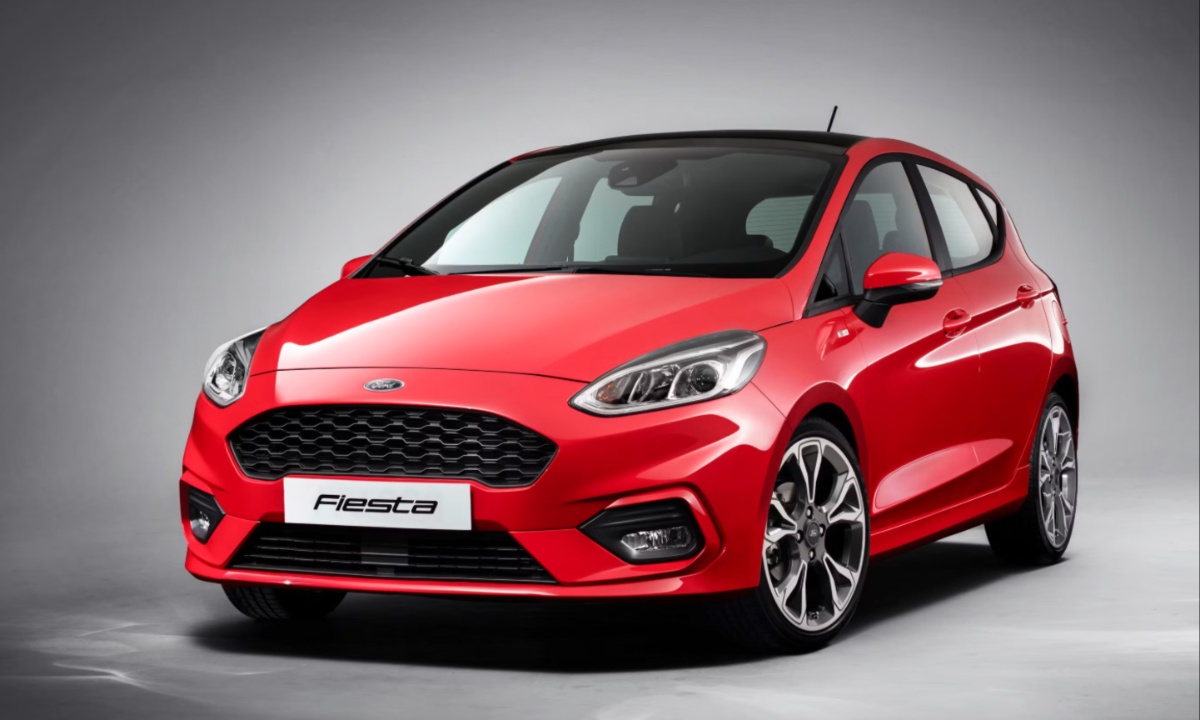
The Ford Fiesta has long been a favorite among budget-conscious drivers thanks to its lively personality, sharp handling, and affordable pricing. As one of Ford’s most successful small cars, the Fiesta built a loyal following worldwide by proving that compact vehicles could still be practical, efficient, and fun to drive.
However, not every model year lived up to expectations. While some versions delivered strong reliability and great value, others suffered from recurring problems most notably transmission failures that frustrated owners and damaged the car’s reputation.
For anyone shopping the used-car market, knowing which Fiesta years to buy and which to avoid can make all the difference between a dependable daily driver and a costly headache.
This guide highlights five of the best Fiesta years worth considering and five that are better skipped, giving buyers a clear roadmap to finding the right balance of performance, affordability, and peace of mind.
5 Ford Fiesta Years Worth Buying
1. 2017 Ford Fiesta
The 2017 Ford Fiesta stands out as one of the strongest entries in the subcompact car market, especially after Ford resolved many of the transmission issues that haunted earlier models. With only 78 registered complaints and earning the “Seal of Awesome” from CarComplaints, the Fiesta proved to be a dependable choice for buyers.
Available as both a sedan and a hatchback, it blends affordability with engaging driving dynamics, offering used prices ranging from roughly $6,000 to $21,000 depending on mileage.
While its compact size limits rear-seat space and cargo capacity, the Fiesta makes up for it with sharp handling, lively powertrain options, and a distinct sense of fun that keeps it competitive against rivals like the Honda Fit, Chevrolet Sonic, Hyundai Accent, and Kia Rio.
Driving the 2017 Fiesta reveals why it is often praised by experts and owners alike. The standard suspension provides a balance of comfort and control, while the precise steering delivers a responsive and enjoyable ride.
Engine choices include a standard 1.6-liter four-cylinder, a fuel-efficient 1.0-liter EcoBoost three-cylinder, and the performance-focused ST trim with its 197-horsepower turbocharged motor.
The Fiesta ST, in particular, shines with its sport-tuned suspension and engaging manual gearbox, making it one of the most exciting options in the subcompact class. However, while the available automatic transmission offers convenience, it can feel unrefined in stop-and-go traffic compared to competitors.
Inside, the 2017 Fiesta delivers a surprisingly upscale experience for an entry-level car. High-quality materials, stylish design, and available features such as heated leather seats, ambient lighting, and a Sony premium audio system give the cabin a near-luxury appeal.
Front seating is comfortable and adjustable, though rear passenger space is notably cramped. The Fiesta’s technology offerings further enhance the experience, with Ford’s Sync voice-recognition system standard across the lineup and the available Sync 3 infotainment system providing a responsive 6.5-inch touchscreen with familiar smartphone-style controls.
Despite its strong features, practicality remains a weak point, as both the sedan and hatchback trail rivals in cargo space, with the Honda Fit offering nearly double the available storage.
On the safety front, the 2017 Fiesta comes equipped with antilock brakes, stability control, multiple airbags, and Ford’s Sync-based 911 Assist system, which automatically calls emergency services after a crash if a cellphone is connected. Higher trims add features such as MyKey, a rearview camera, and rear parking sensors.
In government crash testing, the Fiesta earned four out of five stars, including five stars for side-impact protection, while the Insurance Institute for Highway Safety awarded it top “Good” ratings in most categories but only a “Marginal” score in the small-overlap front crash test.
In brake performance testing, the Fiesta also performed well, stopping from 60 mph in as little as 117 feet, with the sportier ST achieving an impressive 112 feet.
Altogether, the 2017 Ford Fiesta strikes a balance between value, performance, and comfort, making it one of the best small cars for buyers seeking something affordable yet genuinely enjoyable to drive.
2. 2019 Ford Fiesta
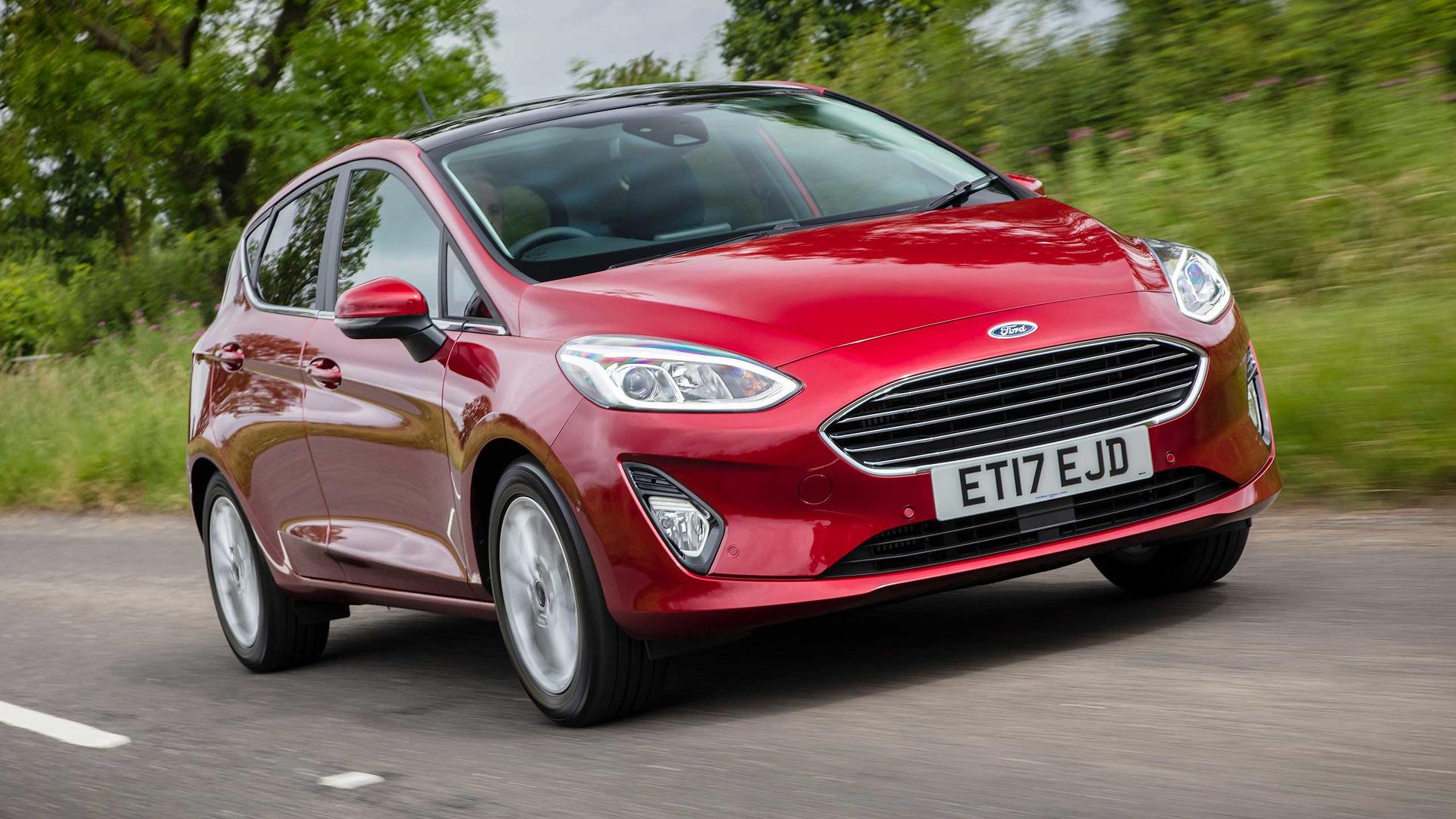
The 2019 Ford Fiesta marked the final year of production for Ford’s long-running subcompact, and it bowed out as one of the best versions yet. Despite Ford’s decision to discontinue sedans and most hatchbacks in favor of crossovers, the Fiesta remained a practical and value-oriented choice in its class.
Reports of transmission issues still lingered, but they were far less common than in earlier years, making the 2019 model a safe bet for buyers.
With affordable pricing, multiple trim levels, and a reputation for strong fuel economy, the Fiesta positioned itself as an excellent daily driver with just enough personality to stand out from its rivals.
Behind the wheel, the 2019 Fiesta delivered a driving experience that was both responsive and enjoyable, particularly for a car in the subcompact category. Its 1.6-liter four-cylinder engine was modest, with a 0–60 mph time of 9.4 seconds, but its sharp steering and well-tuned suspension made it feel lively on winding roads.
The chassis balance gave it an edge over competitors, especially when paired with the sportier ST trim. While the standard automatic transmission could feel sluggish in stop-and-go traffic, enthusiasts found the manual-equipped ST to be one of the most exciting options in the segment.
For buyers prioritizing efficiency and affordability, the Fiesta offered plenty of appeal without compromising too much on driving fun.
Inside, the Fiesta blended functionality with a touch of style. The cabin was thoughtfully laid out, with intuitive controls, Ford’s Sync infotainment system, and the available Sync 3 interface that added a crisp touchscreen and smartphone-style operation.
While seat comfort and rear passenger space were somewhat limited, the interior felt well-assembled for the price point, with solid build quality and good visibility. Practicality, however, was not its strongest suit.
Cargo space was below average for the class, especially in sedan form, though the hatchback provided a bit more flexibility. Up front, small-item storage was impressive, offering multiple cupholders and bins that added to the car’s everyday usability.
Technology and safety rounded out the Fiesta’s appeal, with features such as voice recognition, navigation assistance, and Ford’s emergency response system built into Sync. Noise levels were also impressively low at highway speeds, making the Fiesta one of the quietest subcompacts available at the time.
Although competitors like the Honda Fit offered more room and versatility, the 2019 Ford Fiesta excelled by combining affordability, fun-to-drive handling, and dependable performance.
As the last model year of the Fiesta in the U.S., it served as a fitting farewell to a small car that had earned a loyal following for its blend of practicality, style, and spirited driving dynamics.
3. 2018 Ford Fiesta
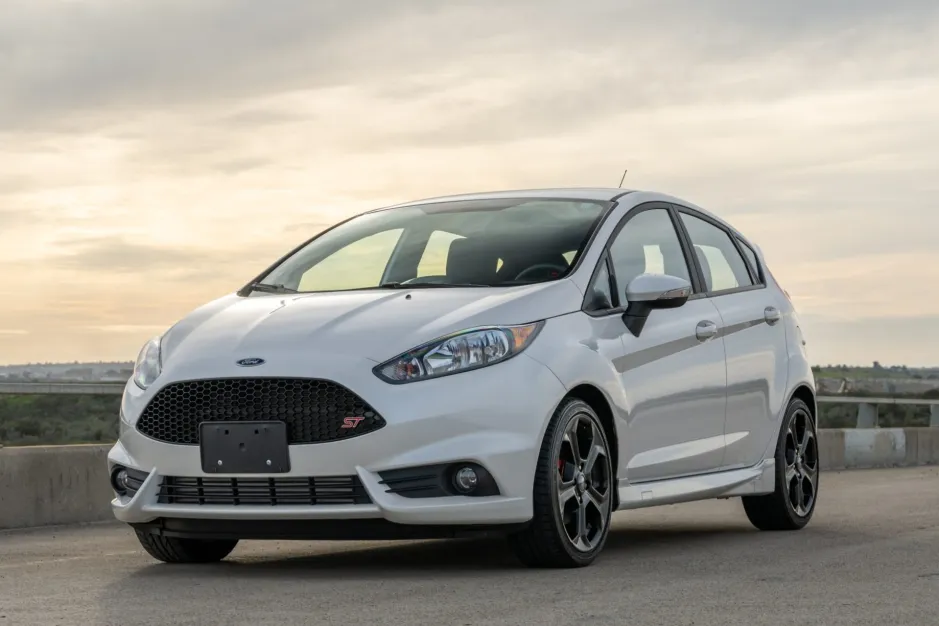
The 2018 Ford Fiesta stands out in the subcompact category for its sporty handling, attractive pricing, and available features that make it a smart choice for budget-conscious buyers.
For this model year, Ford introduced a standard rearview camera across all trims and replaced the old 3.5-inch central display with a more functional 4.2-inch screen. However, the previously optional 1.0-liter three-cylinder EcoBoost engine, which offered improved fuel efficiency, was discontinued.
Available as both a sedan and hatchback, the Fiesta caters to a wide range of drivers, from those seeking a reliable daily commuter to enthusiasts eyeing the performance-oriented ST trim.
Driving the Fiesta is a pleasant experience, especially with its sport-tuned chassis that makes cornering enjoyable. Powered by a 1.6-liter four-cylinder engine, the Fiesta delivers average acceleration for its class, reaching 0-60 mph in about 9.4 seconds.
While not the fastest in its segment, its sharp steering and grippy suspension add a dose of fun to every drive. Braking performance is solid, with intuitive pedal response, while handling remains one of the Fiesta’s strongest attributes.
However, the twin-clutch PowerShift automatic transmission can feel less refined during typical driving, making the manual transmission a better choice for enthusiasts.
In terms of comfort, the Fiesta lags slightly behind rivals such as the Honda Fit, particularly with ride quality and seat support. The short wheelbase contributes to a somewhat choppy ride, while the seats lack sufficient padding and adjustability.
Still, the Fiesta performs well in noise isolation, offering one of the quietest cabins in its class during highway cruising.
Inside, the car features a well-trimmed cabin with intuitive controls, the Sync 3 infotainment system with a 6.5-inch touchscreen, and good build quality for its price point. Entry and exit are relatively easy, though rear-seat space is tight, limiting passenger comfort on longer trips.
Utility is another area where the Fiesta falls short compared to its competitors. Cargo space is modest, especially in the sedan, though the hatchback offers slightly more practicality.
Small-item storage, on the other hand, is excellent, with well-designed bins and multiple cupholders up front. The Fiesta’s available tech features including voice recognition, navigation, and emergency assistance give it an edge over some rivals in terms of connectivity and safety convenience.
While the 2018 Fiesta may not match competitors in interior space or cargo capacity, it makes up for these shortcomings with affordability, engaging driving dynamics, and modern tech. For buyers seeking a fun-to-drive subcompact without breaking the bank, the 2018 Ford Fiesta remains a compelling option.
4. 2016 Ford Fiesta
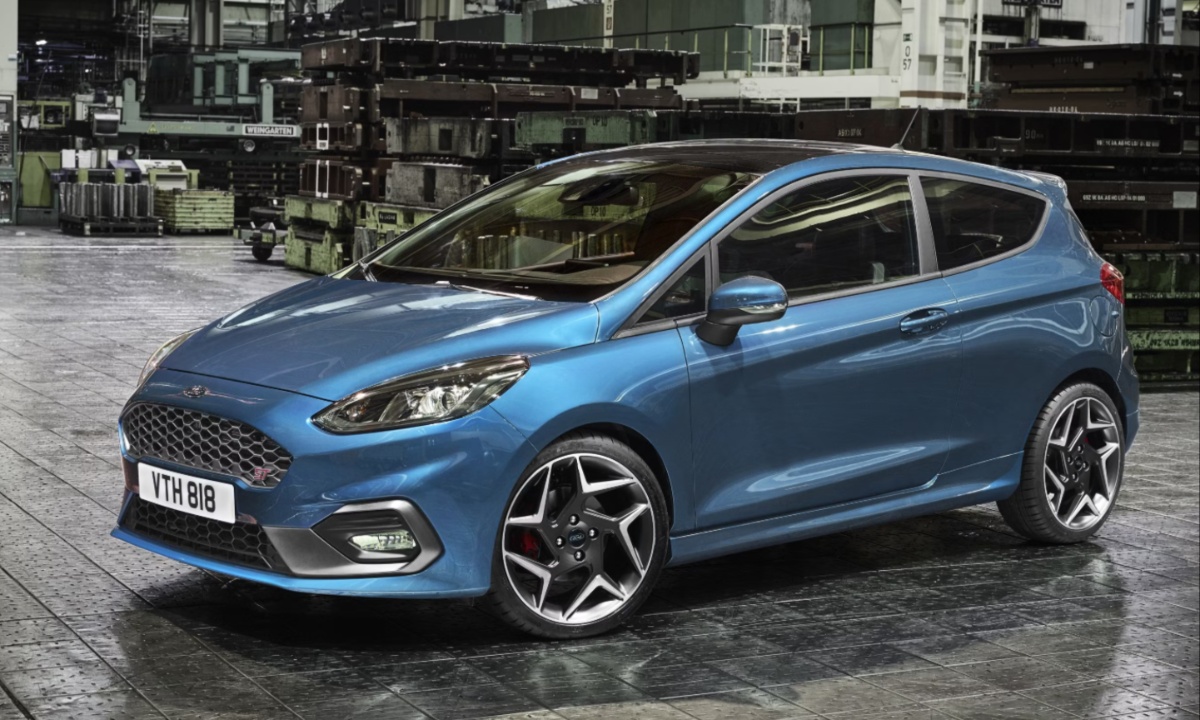
The 2016 Ford Fiesta demonstrates Ford’s commitment to making small cars engaging, stylish, and practical. For this model year, the biggest update is the introduction of the Sync 3 infotainment system, replacing the less intuitive MyFord Touch.
Sync 3 brings a smartphone-like interface with pinch-and-swipe functionality, crisp graphics, and simplified menus.
Standard features like USB connectivity and Sync voice controls enhance convenience, while higher trims add amenities such as a rearview camera, rear parking sensors, heated leather seating, and a premium Sony audio system.
Beyond technology, the Fiesta remains a budget-friendly subcompact that punches above its weight with quality materials, thoughtful design, and available upgrades like ambient lighting and Recaro sport seats in the performance-oriented ST model.
Driving enjoyment is where the Fiesta shines. The base 1.6-liter four-cylinder delivers adequate power at 120 horsepower, while the available 1.0-liter turbocharged EcoBoost three-cylinder offers both spirited performance and outstanding fuel economy, reaching up to 43 mpg on the highway.
The star of the lineup is the Fiesta ST, boasting a turbocharged 1.6-liter engine with 197 horsepower and 202 lb-ft of torque, sprinting to 60 mph in just 7.1 seconds. With sharp steering, nimble handling, and a sport-tuned suspension, the ST model provides hot-hatch thrills at an affordable price.
However, the optional “Powershift” automatic transmission in base models is less refined, with imprecise shifts and awkward behavior in stop-and-go traffic. Those who enjoy manual transmissions will find the Fiesta more rewarding to drive.
In terms of practicality, the Fiesta offers comfortable front seating and a well-trimmed interior, but rear passenger space and cargo capacity are limited compared to rivals like the Honda Fit and Chevrolet Sonic.
The sedan’s trunk provides 12.8 cubic feet of space, while the hatchback allows 14.9 cubic feet behind the rear seats and 26 cubic feet with the seats folded below average for the class. While not the most spacious subcompact, the Fiesta’s refined design, solid build quality, and premium touches help it stand out.
Safety is also well-covered, with standard features such as antilock brakes, stability control, multiple airbags, and Ford’s Sync-based 911 Assist.
Government crash tests awarded the Fiesta four out of five stars, while the Insurance Institute for Highway Safety rated it “Good” in most categories, though it received a “Marginal” score in the small-overlap frontal test.
Despite stiff competition, the 2016 Ford Fiesta remains a top contender in the subcompact segment. Its strongest assets are its fun-to-drive nature, available high-tech features, and trim levels that cater to different buyers, from those seeking efficiency with the EcoBoost model to enthusiasts craving excitement in the ST.
Though interior space and the Powershift automatic transmission are weaknesses, the Fiesta compensates with refinement, efficiency, and personality rarely found in budget-friendly cars.
For shoppers who value engaging driving dynamics as much as affordability, the 2016 Fiesta continues to prove itself as one of the most appealing small cars on the market.
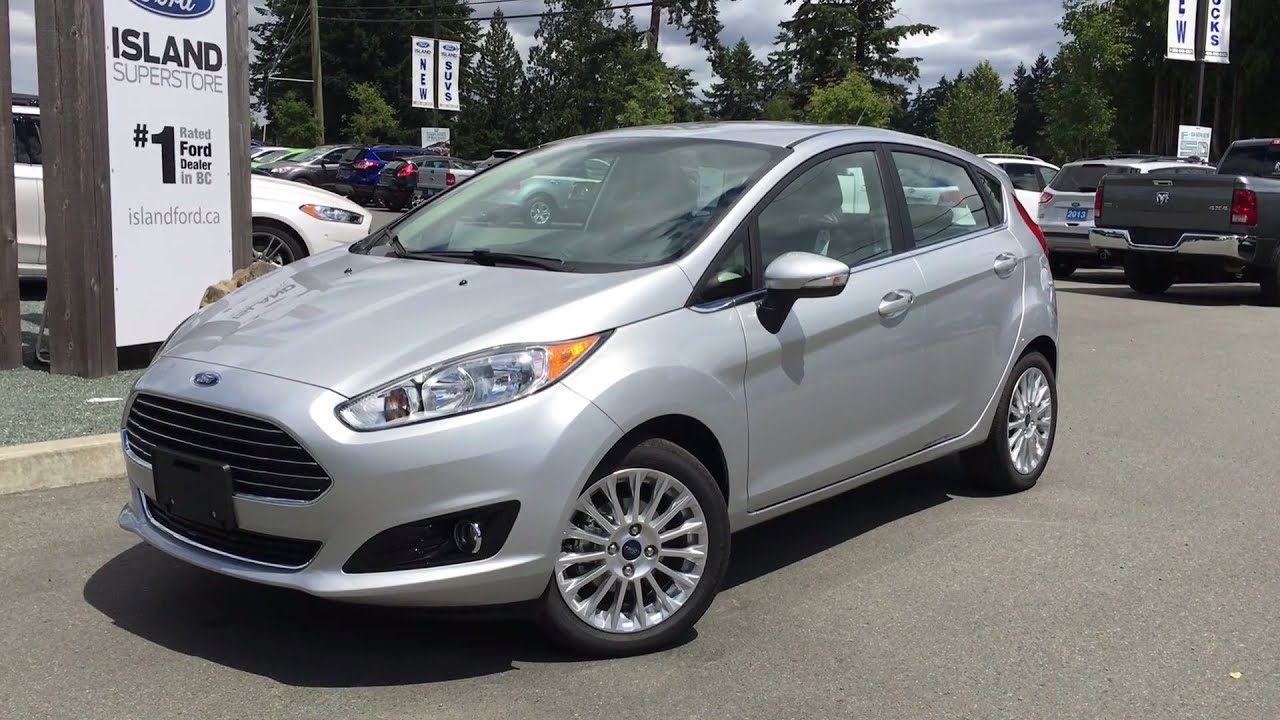
5. 2006 Ford Fiesta Zetec
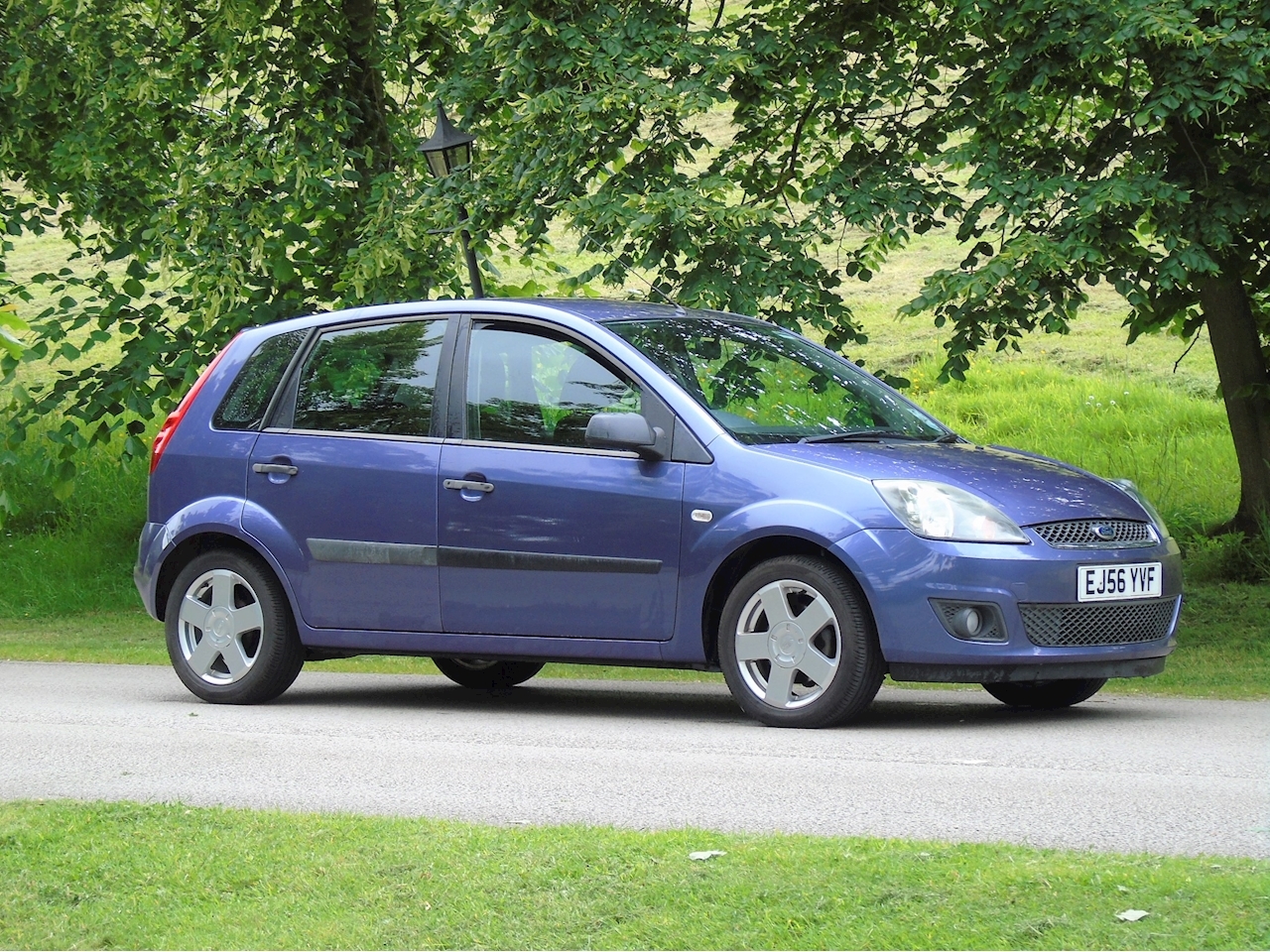
The Ford Fiesta Zetec, introduced as the sportier three-door option in the Fiesta lineup, was released with an emphasis on style and flair. Priced at $18,490, it distinguishes itself with body-colored bumpers, a revised grille, updated headlights, and sharper side moldings that lend it a more athletic appearance.
Complementing its design are sport suspension, 16-inch alloy wheels, and a revised manual gearbox with closer gear ratios. While the Zetec carries the “sporty” label, buyers should temper expectations, as its enhancements are more cosmetic and mildly performance-focused rather than transformative.
Inside, the Zetec offers a cozy and modern interior with three unique trim options. Though the layout is practical and easy to use, it lacks the flair of higher-end models. Seats feel firm initially but become more comfortable over time, with adjustable rear headrests adding a touch of practicality.
However, taller passengers may find the rear seating cramped. The car also comes with standard air conditioning and an MP3/iPod input for manual transmission variants, adding everyday convenience.
On the downside, some features feel clunky, such as the misplaced radio controls located on a lever behind the steering wheel, and the blinker, whose unusual sound can quickly become irritating.
On the road, the Zetec offers competent handling but requires heavier steering during tight maneuvers like U-turns and parking. Its 1.6-liter four-cylinder engine produces 74kW at 6000rpm and 146Nm at 4000rpm figures that make it competitive in the small car segment without being thrilling.
The car performs confidently in lower gears and maintains stability at higher speeds, though it lacks the excitement of more powerful rivals.
Fuel consumption is rated at 6.8L/100km, slightly higher than competitors like the Honda Jazz, Toyota Yaris, and Hyundai Getz. New color options, including the tested Sea Grey, add style, though some may find them subdued.
Positioned between the entry-level LX and the more premium Ghia, the Zetec appeals to buyers seeking a blend of affordability, sport-inspired looks, and everyday usability. That said, differences in handling and driving feel compared to the cheaper LX model are minimal, raising the question of whether the $2,500 premium is justified.
Ultimately, the Fiesta Zetec delivers most of the quality’s buyers look for in a small car practicality, decent performance, and comfort while standing out with its sporty design touches. It may not be the most powerful or fuel-efficient in its class, but for its price and personality, it remains a worthy contender in the subcompact segment.
Also Read: 5 Cars with Climate Control That Works vs 5 That’s Just for Show
5 Ford Fiesta Years To Skip
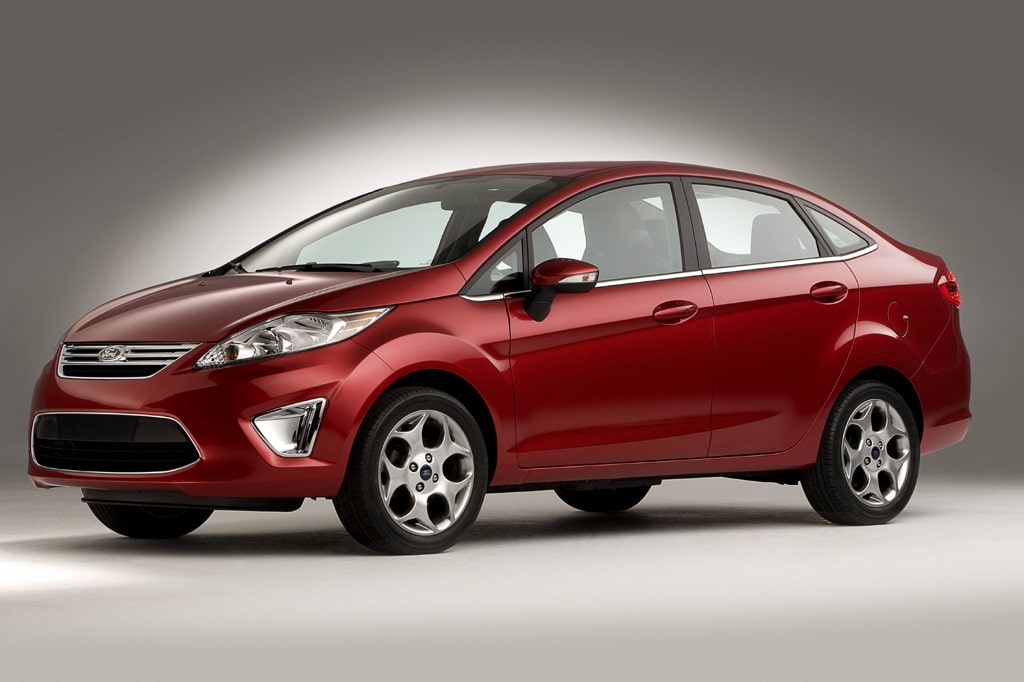
1. 2011 Ford Fiesta: A Rough Start for the Generation
The launch of the sixth-generation Ford Fiesta in 2011 should have marked a strong entry into the compact car market. Instead, it quickly became one of the most complained-about small cars of its era.
According to CarComplaints.com, the 2011 Fiesta collected over 1,000 complaints and three recalls, eventually earning the dreaded “Beware of the Clunker” badge. The bulk of complaints focused on transmission issues, ranging from gear slippage and jerking to hesitations and complete failure.
Some owners even noted their automatic cars behaved like manuals, rolling backward on hills when the brake was released. Such issues were not just inconvenient but also dangerous, particularly in busy traffic or intersections.
Despite the Fiesta’s appealing design, fuel economy, and low purchase price, the widespread mechanical failures quickly overshadowed its positives. For most buyers, the 2011 Fiesta is remembered less as an affordable compact and more as a frustrating ownership experience.
2. 2012 Ford Fiesta: Carrying Over the Same Problems
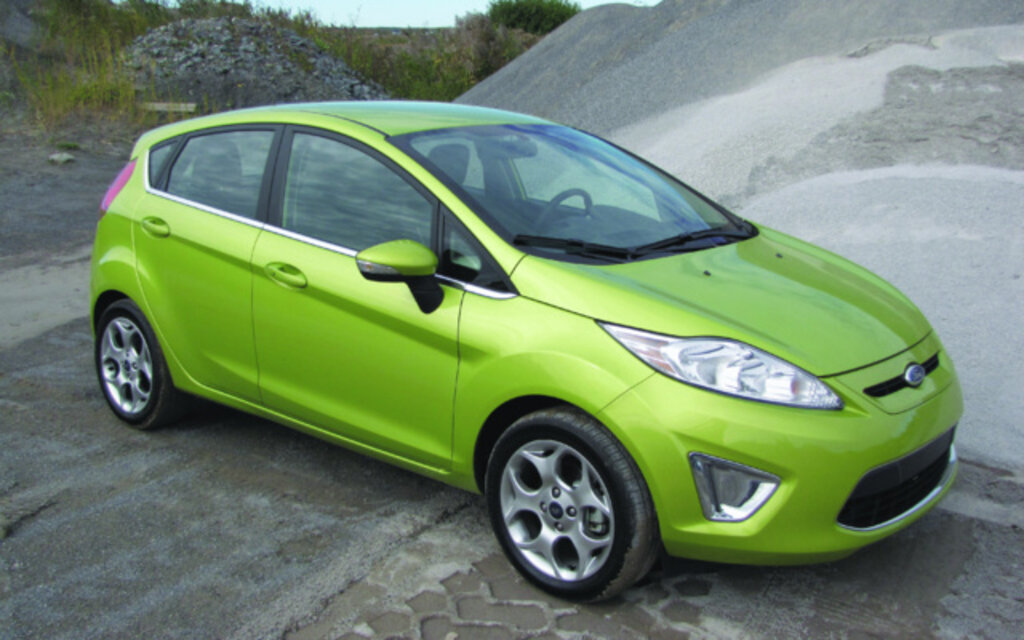
The 2012 Ford Fiesta did little to redeem the generation’s troubled reputation. Although it recorded fewer complaints than the 2011 model, with just under 900 reports, the issues were largely the same.
Transmission failures dominated owner experiences, with widespread complaints about hesitation, power loss, and refusal to shift properly. CarComplaints also tracked three recalls and three ongoing investigations tied to this model year, further highlighting unresolved mechanical problems.
Some drivers reported that the car failed to engage reverse at crucial moments, while others experienced sudden stalling or severe shuddering in traffic. These flaws made the Fiesta unreliable as a daily commuter, particularly for drivers who relied on smooth performance in urban settings.
Buyers who hoped Ford had resolved the transmission design flaws from the debut year were left disappointed. As a result, the 2012 Fiesta remains another high-risk year in the lineup and is generally avoided on the used market.
3. 2013 Ford Fiesta: A Third Year of Frustration
By the time the 2013 Ford Fiesta arrived, many expected Ford to address the transmission issues plaguing earlier models. Unfortunately, complaints continued to pile up. This model accumulated more than 1,000 owner complaints along with three recalls, confirming that the problems were still widespread.
The transmission again topped the list of frustrations, with drivers reporting symptoms such as slipping, jerking, and delayed acceleration. Owners described their cars “chugging” in traffic, making it both uncomfortable and stressful to drive.
Some reported that the transmission performed erratically, leading to unpredictable driving experiences and safety concerns. Despite its sporty styling and strong fuel efficiency, the Fiesta’s reputation continued to decline.
For shoppers in the used-car market, the 2013 model year represents another chapter in Ford’s failure to resolve the ongoing defects. Ultimately, this third installment of the sixth generation proved nearly as unreliable as the problematic launch year, tarnishing the Fiesta’s appeal further.
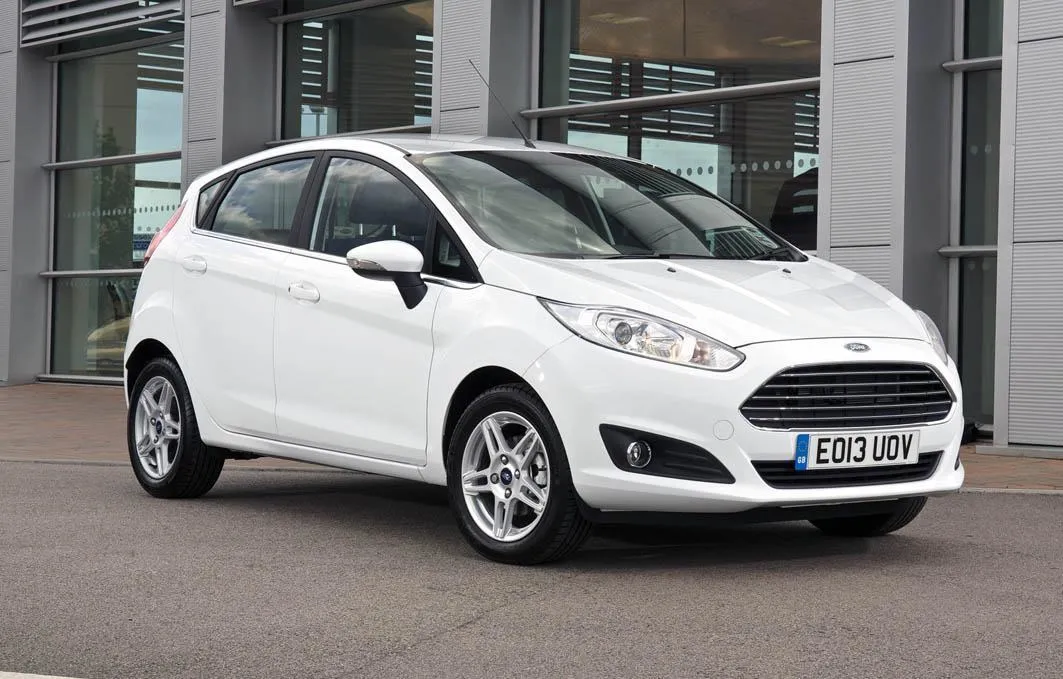
4. 2014 Ford Fiesta: Slight Improvements but Lingering Issues
The 2014 Ford Fiesta saw modest refinements compared to its predecessors, but transmission problems were far from resolved. Owners frequently reported shuddering and hesitation, particularly during acceleration after the vehicle had been driven for longer periods.
While the volume of complaints was somewhat lower than in 2011–2013, the persistence of transmission flaws made this model year difficult to recommend. Many drivers expressed disappointment that a car marketed as efficient and practical continued to struggle with such a fundamental mechanical issue.
Reports of jerking during stop-and-go traffic or vibrations under load became common themes among owners. Although other aspects of the car, such as styling and affordability, were generally well-received, the continued transmission troubles made the 2014 Fiesta a risky option for long-term ownership.
Buyers considering this model needed to weigh its lower price against the likelihood of costly repairs, a tradeoff that made many turn to rival compact cars instead.
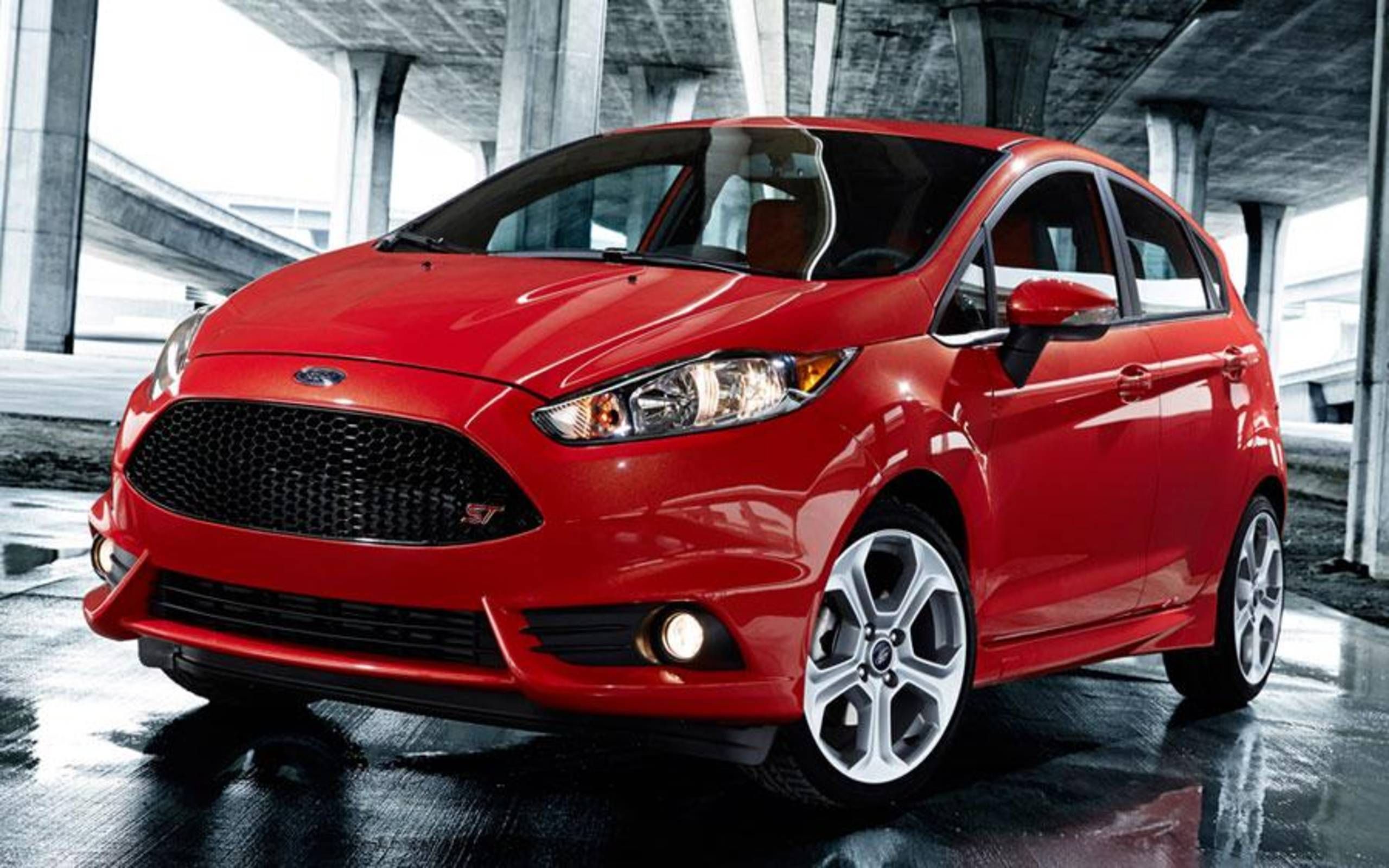
5. 2015 Ford Fiesta: Ongoing Transmission Struggles
By 2015, Ford had made small adjustments to the Fiesta, but the transmission issues still haunted the model. Numerous complaints centered around intermittent shuddering, delayed shifts, and worsening vibrations over time.
Some owners reported that the symptoms grew more severe with continued use, suggesting that Ford still hadn’t fully addressed the underlying flaws. One frustrated driver explained that they enjoyed the car’s looks and performance but couldn’t overlook the transmission’s unreliability.
While not as plagued by complaints as the earliest years, the 2015 Fiesta continued to earn a poor reputation among used-car buyers. Safety concerns also lingered, as hesitation or loss of power during acceleration could put drivers at risk in traffic-heavy environments.
Despite Ford’s attempts to refine the design, the Fiesta still failed to inspire confidence. For many, the 2015 model symbolized the culmination of a generation weighed down by an unresolved and persistent transmission problem.
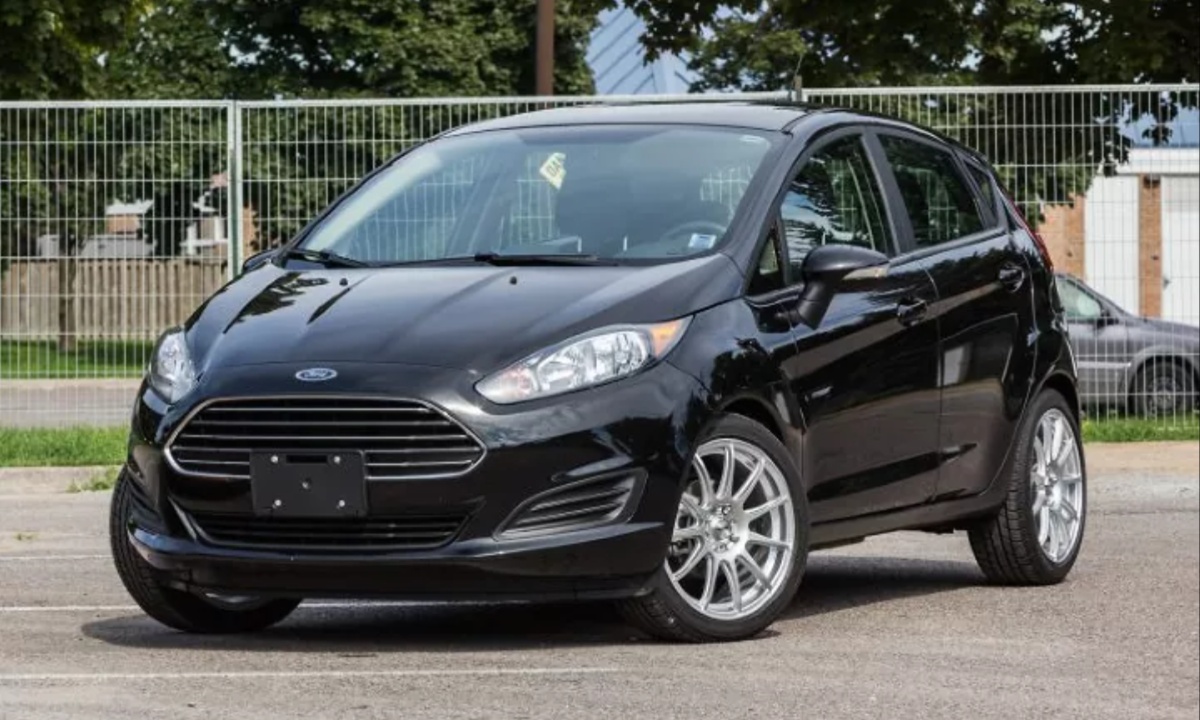
The Ford Fiesta’s long production run tells a story of highs and lows in the subcompact car market. On the positive side, models like the 2016, 2017, 2018, and 2019 versions stand out as fun-to-drive, feature-rich, and surprisingly refined for their price range.
Even the older 2006 Zetec still holds appeal for buyers seeking personality on a budget. On the other hand, early sixth-generation models from 2011 to 2015 remain plagued by widespread complaints, mostly tied to transmission troubles that compromised reliability and ownership satisfaction.
For used-car shoppers, avoiding these problematic years is often the safest choice. By focusing on the Fiesta’s strongest model years, buyers can enjoy everything the car was designed to offer: affordability, efficiency, and a driving experience that punches above its weight.
With the right choice, the Ford Fiesta remains a standout option among small, practical, and fun-to-own cars.
Also Read: 10 Cars With Tricky Seatbelt Buckles for Elderly Passengers