

The Nissan Sentra has earned its reputation as a reliable, fuel-efficient compact sedan that perfectly suits family needs. With its spacious interior, advanced safety features, and affordable maintenance costs, the Sentra represents an excellent choice for families seeking dependable transportation.
However, like any vehicle, maintaining peak performance requires consistent care and attention to key maintenance practices. Family vehicles face unique challenges from daily school runs and grocery trips to weekend adventures and long road trips.
Children’s activities, sports equipment, and the general wear-and-tear of family life can put additional stress on your Sentra. That’s why following a structured maintenance routine becomes even more critical for family cars.
This comprehensive guide outlines ten essential steps that will help keep your Nissan Sentra running smoothly for years to come. These maintenance practices focus on preventive care rather than reactive repairs, ultimately saving you money while ensuring your family’s safety and comfort.
From basic fluid checks to more complex system maintenance, each step plays a vital role in preserving your vehicle’s reliability, performance, and longevity.
By implementing these proven maintenance strategies, you’ll not only extend your Sentra’s lifespan but also maintain its resale value, reduce unexpected breakdowns, and most importantly, ensure your family always has dependable transportation when they need it most.
Step 1: Regular Oil Changes and Filter Replacements
Oil changes represent the single most important maintenance task for keeping your Nissan Sentra’s engine healthy and running strong. The engine oil serves multiple critical functions: it lubricates moving parts, reduces friction, helps regulate temperature, and carries away contaminants that could damage internal components.
For family vehicles that see daily use, maintaining proper oil change intervals becomes even more crucial. Nissan recommends changing your Sentra’s oil every 5,000 to 7,500 miles, depending on driving conditions and oil type.
However, severe driving conditions which include frequent short trips, stop-and-go traffic, extreme temperatures, and dusty environments may require more frequent changes.
Since family vehicles often experience these conditions regularly, consider changing oil every 5,000 miles or every six months, whichever comes first. When selecting oil, consult your owner’s manual for the correct viscosity rating. Most modern Sentras use 0W-20 or 5W-30 oil, but this can vary by model year and engine type.
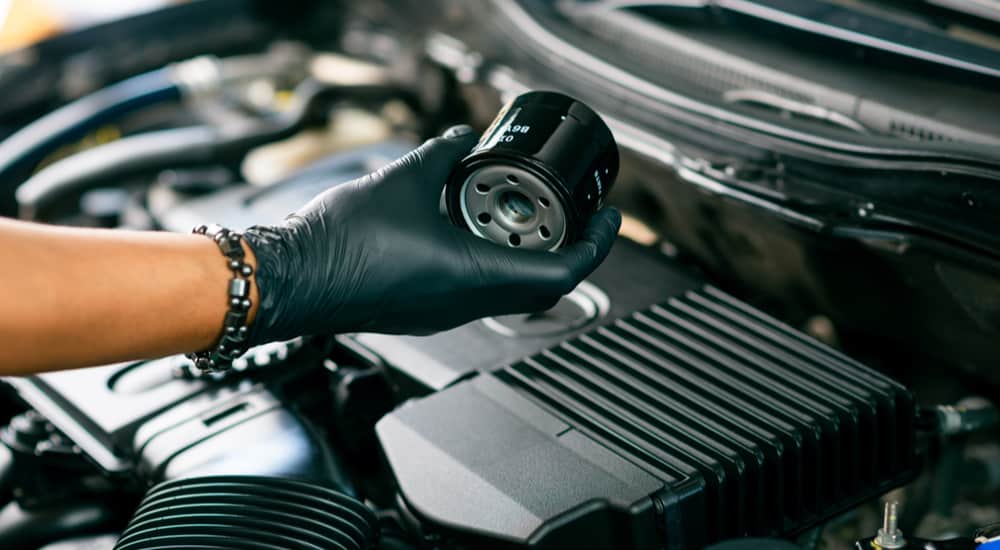
Synthetic oil offers superior protection and longer intervals between changes, making it an excellent choice for busy families. While slightly more expensive upfront, synthetic oil’s extended change intervals and better engine protection often justify the additional cost.
The oil filter should be replaced with every oil change. This component removes contaminants from the oil, preventing them from circulating through the engine.
A clogged or dirty filter reduces oil flow and can cause serious engine damage. Always use genuine Nissan filters or high-quality aftermarket alternatives that meet OEM specifications.
Regular oil changes prevent costly engine problems, improve fuel efficiency, and ensure smooth operation. Keep detailed records of oil changes, including dates, mileage, and oil type used. This documentation proves valuable for warranty claims and helps maintain your vehicle’s resale value.
Step 2: Maintain Proper Tire Care and Rotation
Proper tire maintenance significantly impacts your Nissan Sentra’s safety, fuel efficiency, and performance. For families, tire care becomes especially important since tire failure can create dangerous situations and leave you stranded with children in the car.
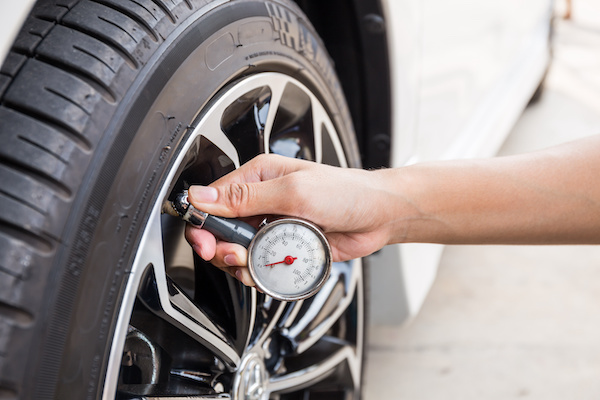
Regular tire maintenance also saves money by extending tire life and improving fuel economy. Check tire pressure monthly using a reliable tire pressure gauge.
Proper inflation pressure is listed on a sticker inside the driver’s door jamb or in your owner’s manual. Under-inflated tires increase rolling resistance, reducing fuel economy and causing premature wear.
Over-inflation creates a harsh ride and uneven wear patterns. Temperature changes affect tire pressure, so check more frequently during seasonal transitions. Rotate tires every 5,000 to 8,000 miles to ensure even wear. Front tires typically wear faster due to steering and braking forces.
Your Sentra likely uses a front-wheel-drive system, meaning front tires also handle acceleration forces. Regular rotation distributes wear evenly across all four tires, maximizing their lifespan and maintaining consistent traction.
Inspect tires regularly for signs of damage, including cuts, bulges, embedded objects, or unusual wear patterns. Uneven wear often indicates alignment issues, suspension problems, or improper inflation. Address these issues promptly to prevent further damage and ensure safe driving conditions.
Monitor tread depth using the penny test or a tread depth gauge. Insert a penny into the tread groove with Lincoln’s head facing down. If you can see the top of Lincoln’s head, the tire needs replacement. Most experts recommend replacing tires when tread depth reaches 4/32 inch, especially for wet weather driving.
Consider seasonal tire changes if you live in areas with severe winter weather. Winter tires provide superior traction in snow and ice, significantly improving family safety during harsh weather conditions.
Step 3: Monitor and Service the Cooling System
Your Nissan Sentra’s cooling system prevents engine overheating and maintains optimal operating temperatures. A properly functioning cooling system is essential for engine longevity and reliable family transportation.
Cooling system failure can result in expensive engine damage and leave your family stranded. The cooling system includes the radiator, water pump, thermostat, hoses, cooling fans, and coolant reservoir.
Regular inspection and maintenance of these components prevent costly breakdowns and ensure consistent performance. Check coolant levels monthly when the engine is cold. The coolant reservoir should show fluid between the minimum and maximum marks.
Inspect coolant condition regularly. Fresh coolant appears clear or bright in color (green, orange, or pink, depending on type). Dark, rusty, or contaminated coolant indicates the need for system flushing and fresh coolant. Contaminated coolant loses its protective properties and can cause internal corrosion.
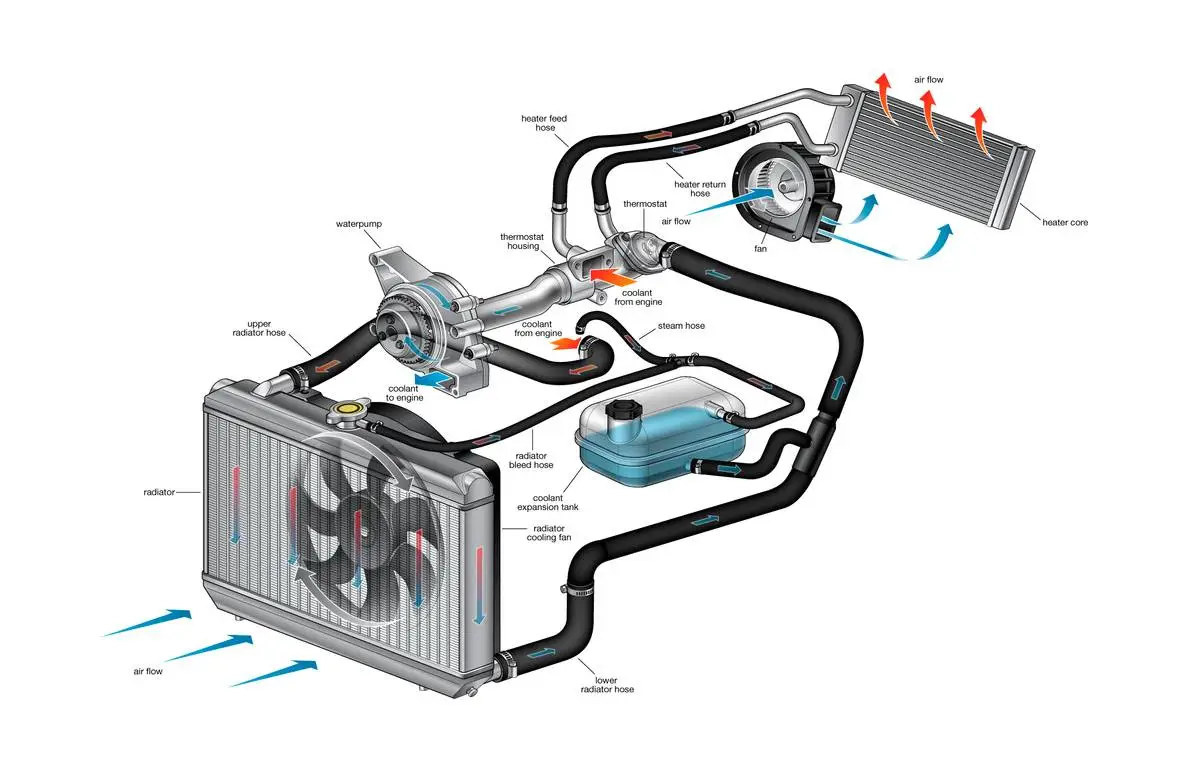
Replace coolant according to your owner’s manual recommendations, typically every 60,000 to 100,000 miles for long-life coolant. However, severe driving conditions may require more frequent changes. Always use the coolant type specified by Nissan, as different coolant formulations can react negatively when mixed.
Examine hoses and connections for signs of wear, cracking, or leaks. Cooling system hoses are exposed to extreme temperature variations and pressure changes, making them susceptible to deterioration. Replace any questionable hoses before they fail, as a burst cooling hose can quickly cause engine overheating.
Test the radiator cap periodically, as it maintains proper system pressure. A faulty cap can cause coolant loss and overheating. The thermostat should also be inspected and replaced if it sticks open or closed, as either condition affects engine temperature regulation and fuel efficiency.
Step 4: Keep Up with Brake System Maintenance
Brake system maintenance is absolutely critical for family safety. Your Nissan Sentra’s braking system must perform flawlessly to protect your loved ones in emergency situations. Regular brake maintenance prevents dangerous brake failure and ensures optimal stopping power under all driving conditions.
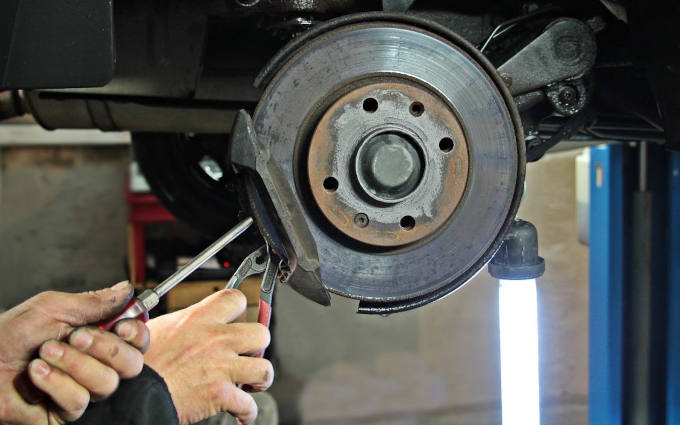
Brake pads should be inspected every 12,000 miles or whenever you notice signs of wear. Most brake pads include wear indicators that create a squealing sound when replacement is needed.
However, don’t wait for audible warnings visual inspection provides earlier warning of wear. Brake pads should be replaced when thickness reaches 3mm or less.
Monitor brake fluid levels and condition monthly. Brake fluid should appear clear or slightly amber. Dark, contaminated fluid indicates moisture absorption and requires immediate replacement.
Brake fluid is hygroscopic, meaning it absorbs moisture from the air. Contaminated fluid reduces braking effectiveness and can cause internal corrosion of brake components.
Replace brake fluid every two years or as specified in your owner’s manual. Fresh brake fluid maintains proper system pressure and prevents internal corrosion. During replacement, the entire system should be bled to remove air bubbles and old fluid from all components.
Inspect brake rotors for scoring, warping, or excessive wear. Warped rotors cause pedal pulsation during braking and reduce stopping effectiveness. Minor scoring can often be corrected through resurfacing, but severely damaged rotors require replacement. Always replace rotors in pairs to maintain even braking.
Pay attention to the brake pedal feel and performance. The pedal should feel firm and responsive. A soft or spongy pedal may indicate air in the system or worn components. Any changes in braking performance warrant immediate professional inspection, as brake problems can compromise family safety.
Also Read: 5 Infotainment Units With Reliable Software vs. 5 That Are Glitchy
Step 5: Replace Air Filters Regularly
Air filters play a crucial role in your Nissan Sentra’s performance and cabin comfort. The engine air filter ensures clean air enters the combustion chambers, while the cabin air filter protects passengers from outside contaminants. Regular filter replacement maintains engine efficiency and provides a healthy interior environment for your family.
The engine air filter prevents dirt, dust, and debris from entering the engine. A clean filter allows proper airflow, ensuring optimal fuel combustion and engine performance. A dirty filter restricts airflow, reducing power and fuel efficiency while potentially allowing contaminants to reach sensitive engine components.
Inspect the engine air filter every 12,000 miles or annually, replacing it when visibly dirty or clogged. Driving in dusty conditions may require more frequent replacement.
A simple visual inspection usually reveals when replacement is necessary hold the filter up to a light source, and if you cannot see light through it, replacement is needed.
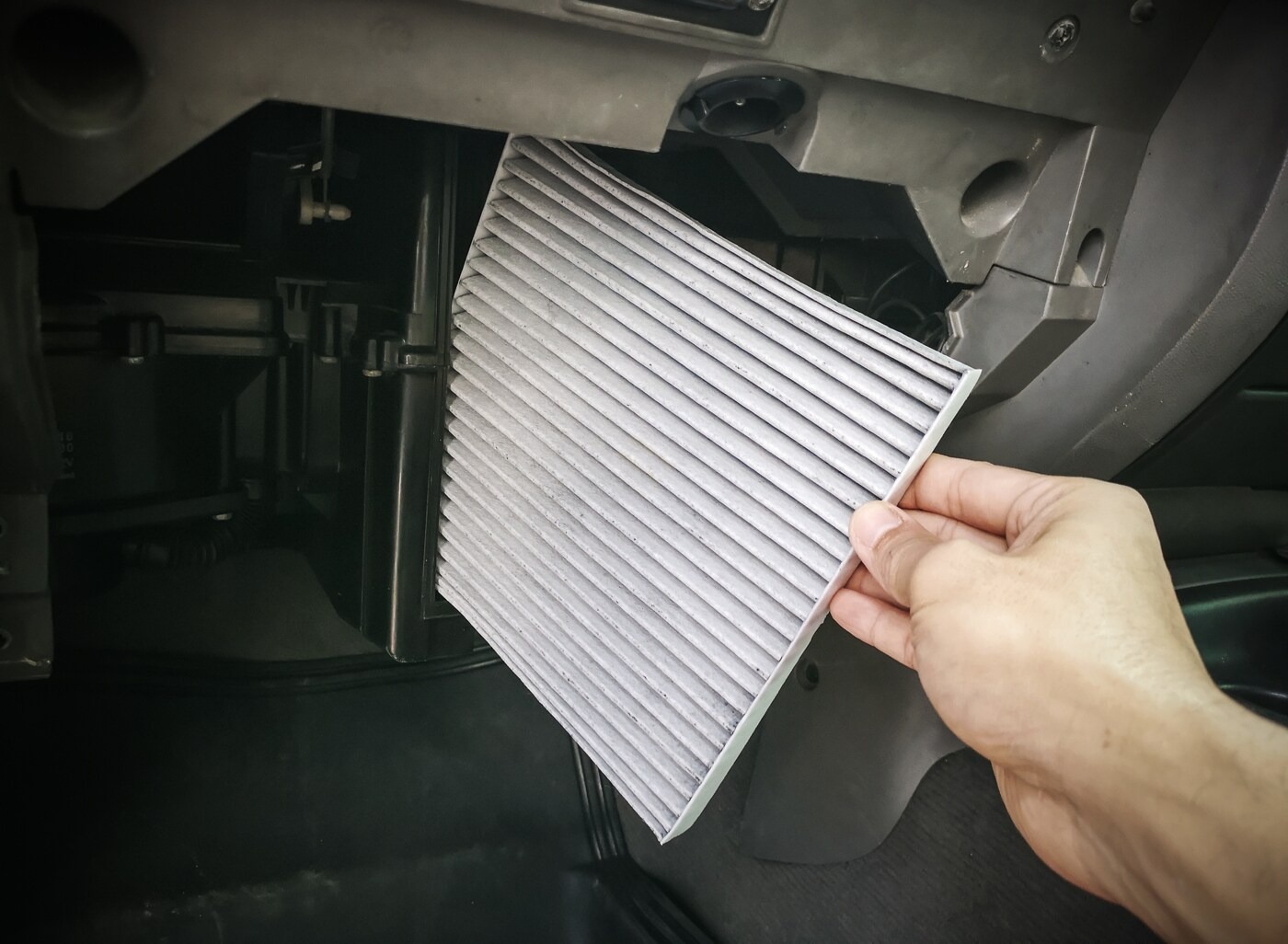
The cabin air filter removes pollen, dust, exhaust fumes, and other airborne contaminants from the air entering your vehicle’s interior. This filter is especially important for family health, particularly if anyone suffers from allergies or respiratory conditions.
A clean cabin filter ensures effective heating and air conditioning performance while maintaining good air quality. Replace the cabin air filter every 15,000 to 25,000 miles or annually, depending on driving conditions.
Urban driving, construction areas, and seasonal pollen may require more frequent replacement. Signs of a dirty cabin filter include reduced airflow from vents, musty odors, or increased fogging of windows.
Both filters are relatively inexpensive and easy to replace, making them excellent maintenance values. Regular replacement prevents more expensive problems while ensuring optimal performance and comfort for your family. Keep spare filters on hand so you can replace them as soon as they become dirty.
Step 6: Maintain Battery and Electrical System Health
Your Nissan Sentra’s electrical system powers everything from the starter motor to safety systems, making battery and electrical maintenance essential for reliable family transportation.
A well-maintained electrical system prevents unexpected breakdowns and ensures all safety and convenience features function properly. Test the battery annually, or more frequently if it’s over three years old.
Battery performance deteriorates over time, and extreme temperatures accelerate this process. Load testing reveals the battery’s ability to deliver power under actual operating conditions. Many auto parts stores provide free battery testing, making this an easy maintenance task.
Keep battery terminals clean and tight. Corrosion at battery terminals creates resistance, reducing electrical flow and potentially preventing starting.
Clean terminals with a mixture of baking soda and water, then apply a thin coat of petroleum jelly to prevent future corrosion. Ensure connections are tight but avoid over-tightening, which can damage terminals.
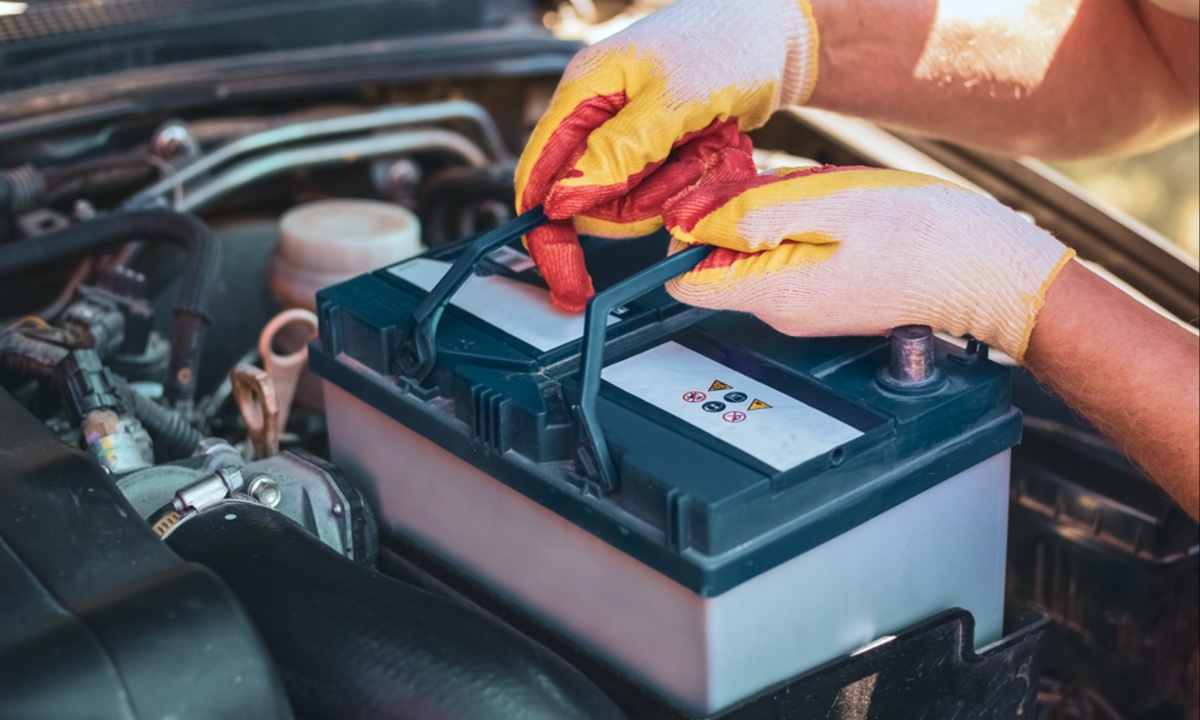
Inspect the charging system, including the alternator and drive belt. The alternator recharges the battery while the engine runs and powers electrical systems.
A failing alternator leads to battery drain and eventual failure. Warning signs include dimming lights, dashboard warning lights, or difficulty starting after the vehicle has been running.
Check all electrical connections periodically, looking for loose, corroded, or damaged wires. Pay particular attention to ground connections, as poor grounds can cause various electrical problems. Modern vehicles rely heavily on electrical systems, making proper connections critical for reliable operation.
Consider replacing the battery proactively every four to five years, even if it’s still functioning. This preventive approach avoids unexpected failures that can leave your family stranded. Keep jumper cables in your vehicle and know how to use them safely, but remember that proper maintenance should minimize the need for emergency starts.
Step 7: Service the Transmission and Drivetrain
Transmission maintenance is often overlooked but critical for your Nissan Sentra’s longevity and reliability. Whether your Sentra has a manual or automatic transmission, regular service prevents expensive repairs and ensures smooth, efficient power delivery. For family vehicles that see daily use, transmission care becomes even more important.
For automatic transmissions, check fluid levels monthly when the engine is warm and running. Transmission fluid should appear bright red and smell sweet.
Dark, burnt-smelling fluid indicates overheating or excessive wear and requires immediate attention. Low fluid levels can cause shifting problems and internal damage. Change automatic transmission fluid according to your owner’s manual recommendations, typically every 60,000 to 100,000 miles.
However, severe driving conditions including frequent towing, stop-and-go traffic, or extreme temperatures may require more frequent changes. Fresh fluid maintains proper lubrication and hydraulic pressure for smooth shifting.
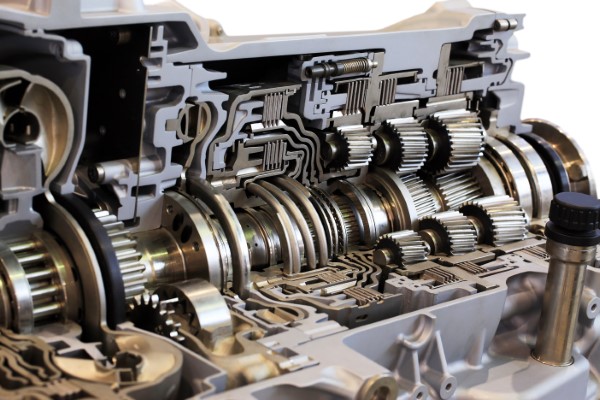
For manual transmissions, check gear oil levels annually and replace as recommended. Manual transmission fluid typically lasts longer than automatic transmission fluid, but regular changes prevent premature wear of synchronizers and other internal components.
The Continuously Variable Transmission (CVT), found in many modern Sentras, requires special attention. CVT fluid is specifically formulated for these unique transmissions and must be changed according to Nissan’s schedule. Using incorrect fluid or extending service intervals can cause premature CVT failure, which is extremely expensive to repair.
Inspect CV joints and boots during routine maintenance. The constant velocity joints transfer power from the transmission to the wheels while allowing for steering movement.
Torn CV joint boots allow contamination to enter and lubrication to escape, leading to joint failure. Replace damaged boots immediately to prevent expensive joint replacement.
Pay attention to shifting quality and any unusual noises or vibrations. Smooth, quiet operation indicates a healthy transmission, while harsh shifting, slipping, or unusual sounds warrant immediate professional inspection.
Step 8: Inspect and Maintain Belts and Hoses
Belts and hoses are critical components that often receive little attention until they fail. These seemingly minor parts perform essential functions in your Nissan Sentra’s operation, and their failure can leave your family stranded or cause expensive damage. Regular inspection and proactive replacement prevent inconvenient breakdowns.
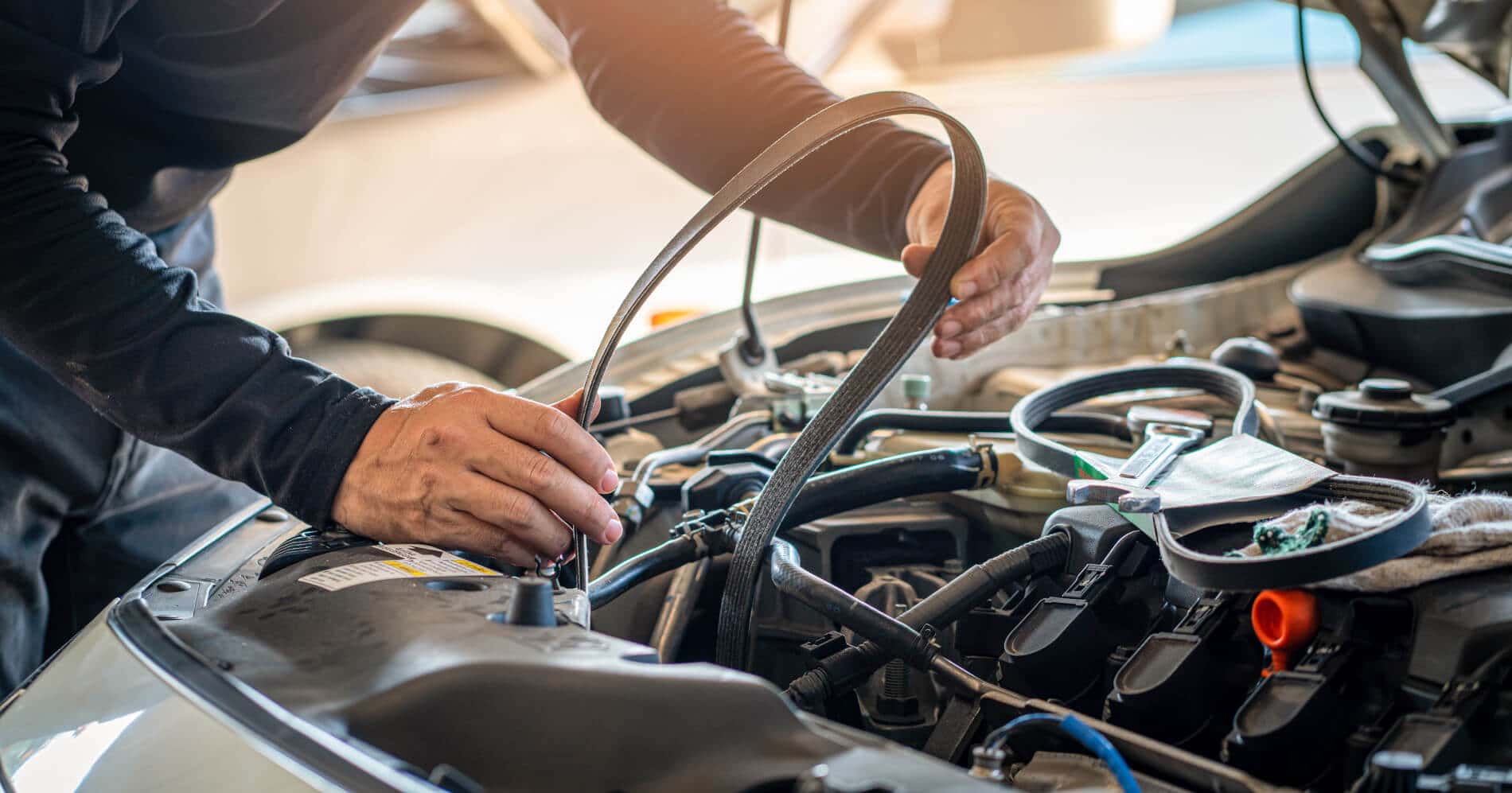
The serpentine belt drives multiple accessories, including the alternator, power steering pump, air conditioning compressor, and sometimes the water pump.
This single belt is critical for vehicle operation, as its failure disables multiple systems simultaneously. Inspect the belt every 30,000 miles or annually for cracks, fraying, glazing, or missing ribs.
Replace the serpentine belt every 60,000 to 100,000 miles or as specified in your owner’s manual. Don’t wait for visible signs of wear, as belt failure often occurs suddenly. Carry a spare belt and necessary tools for emergency replacement, especially on long family trips.
Timing belts, found on some Sentra engines, require replacement at specific intervals typically 60,000 to 105,000 miles. Unlike serpentine belts, timing belts aren’t easily inspected, making interval-based replacement crucial.
Timing belt failure can cause catastrophic engine damage, making this maintenance non-negotiable. Inspect all cooling system hoses for cracks, soft spots, bulges, or signs of leakage.
Cooling hoses are exposed to extreme temperatures and pressure cycles, making them prone to failure. Squeeze hoses gently they should feel firm and uniform. Soft or spongy areas indicate internal deterioration.
Check vacuum hoses for cracks or disconnection. These small hoses control various engine systems, and their failure can cause poor performance, rough idling, or emissions problems. Replace any questionable vacuum hoses, as they’re inexpensive and easy to change.
Heater hoses should also be inspected annually. These hoses carry coolant to and from the heater core, providing cabin heat. Failure results in coolant loss and loss of cabin heating particularly problematic during winter months.
Step 9: Monitor Suspension and Steering Components
Your Nissan Sentra’s suspension and steering systems directly affect ride quality, handling, and safety. For family vehicles, these systems must perform flawlessly to ensure passenger comfort and vehicle control in all driving conditions.
Regular inspection and maintenance prevent dangerous failures and maintain optimal vehicle dynamics. Inspect shock absorbers and struts annually or every 50,000 miles. These components control wheel movement and maintain tire contact with the road.
Worn shocks or struts cause poor handling, increased braking distances, and premature tire wear. The “bounce test” provides a simple check push down firmly on each corner of the vehicle and release. The vehicle should return to its normal position with minimal bouncing.
Check for signs of shock or strut leakage, including oil stains around the components. Leaking units have lost their damping ability and require replacement. Uneven tire wear patterns often indicate suspension problems, making tire inspection an important diagnostic tool.
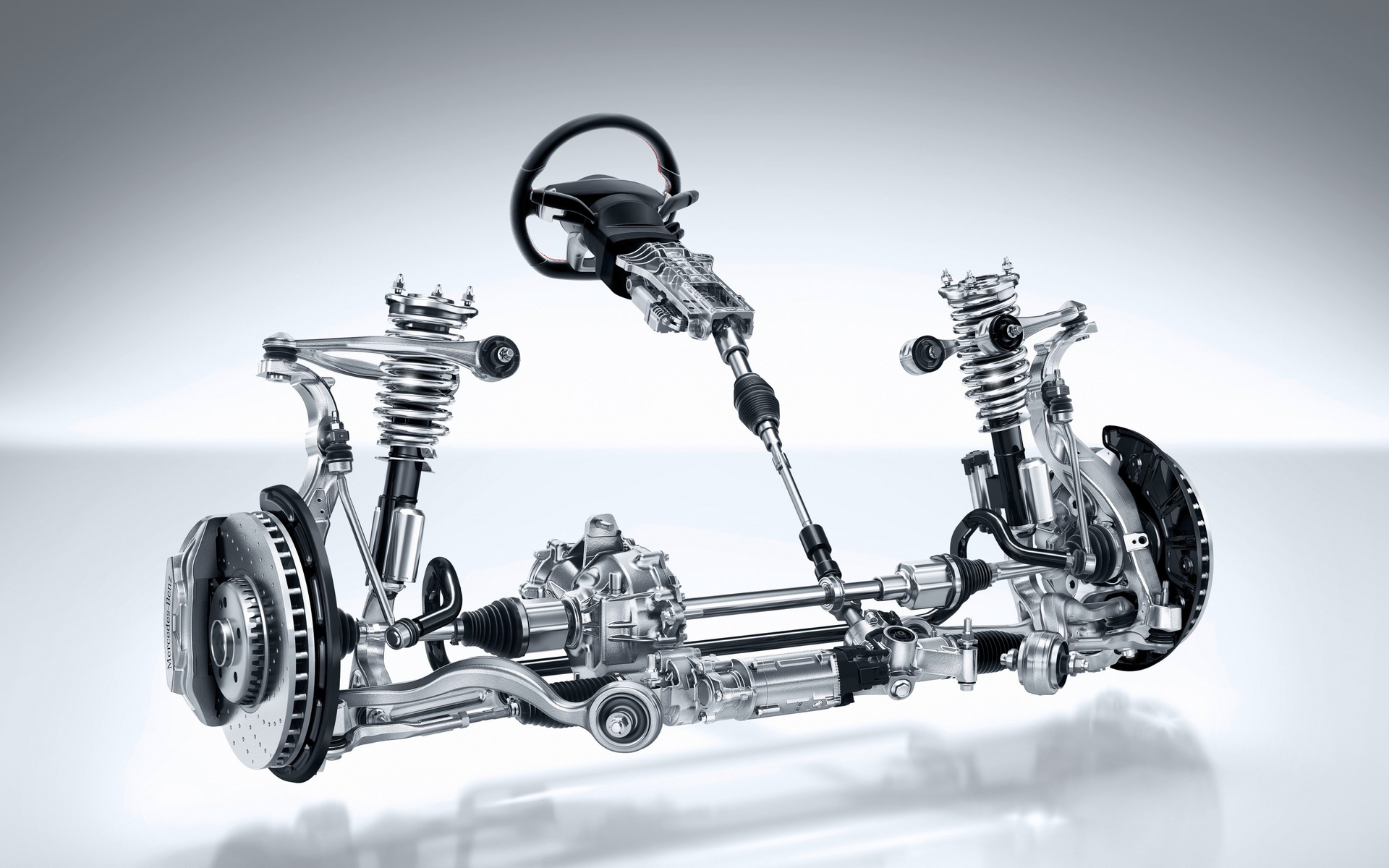
Power steering fluid should be checked monthly and replaced according to your owner’s manual recommendations. Low fluid levels can cause steering difficulty and pump damage. The fluid should appear clear or slightly amber. Dark, contaminated fluid indicates the need for system flushing.
Inspect steering linkage components, including tie rod ends, ball joints, and control arm bushings. These components connect the steering system to the wheels and allow for suspension movement. Worn components cause play in the steering wheel, poor alignment, and potentially dangerous handling characteristics.
Wheel alignment should be checked annually or whenever you notice uneven tire wear or steering pull. Proper alignment ensures even tire wear, straight-line tracking, and optimal fuel economy. Misalignment can be caused by hitting potholes, curbs, or normal wear of suspension components.
Listen for unusual noises when turning or going over bumps, as these often indicate worn suspension or steering components. Clunking, squeaking, or grinding noises warrant immediate professional inspection, as suspension failures can cause loss of vehicle control.
Step 10: Follow Scheduled Maintenance Services
Adhering to your Nissan Sentra’s scheduled maintenance program is the most comprehensive way to ensure long-term reliability and performance.
The manufacturer’s maintenance schedule is designed to address all vehicle systems at appropriate intervals, preventing problems before they occur and maintaining warranty coverage.
Your owner’s manual contains detailed maintenance schedules for normal and severe driving conditions. Most family vehicles operate under severe conditions due to frequent short trips, stop-and-go traffic, and varying weather conditions.
Follow the severe service schedule for optimal protection, even though it requires more frequent maintenance. Major services typically occur at 30,000, 60,000, 90,000, and 120,000-mile intervals.
These comprehensive services include multiple system inspections, fluid changes, and component replacements. While more expensive than routine maintenance, these services prevent costly repairs and maintain vehicle reliability.

Keep detailed maintenance records, including dates, mileage, services performed, and parts used. This documentation proves valuable for warranty claims, helps identify recurring problems, and significantly enhances resale value. Many potential buyers view complete maintenance records as evidence of proper care.
Establish a relationship with a trusted service facility, whether a Nissan dealer or independent shop specializing in Nissan vehicles. Consistent service from knowledgeable technicians familiar with your vehicle ensures quality work and helps identify potential problems early.
Plan maintenance in advance, scheduling services during convenient times rather than waiting for problems to develop. This proactive approach prevents emergency repairs that disrupt family schedules and often cost more than planned maintenance.
Consider extended maintenance plans or service contracts that cover major maintenance items. These plans can provide peace of mind and help budget for maintenance expenses, making them particularly valuable for families on tight budgets.
Budget for maintenance as a regular expense, setting aside funds monthly to cover routine services and unexpected repairs. Well-maintained vehicles typically require fewer emergency repairs, but having funds available prevents deferred maintenance that can lead to more expensive problems.
Regular maintenance isn’t just about preventing breakdowns it’s about ensuring your family’s safety, maintaining vehicle performance, and protecting your investment. A well-maintained Nissan Sentra can provide many years of reliable service, making it an excellent long-term transportation solution for growing families.
Also Read: 5 Toyota Tacoma Model Years That Last and 5 You Should Avoid
