

Owning a vehicle is not just about driving it from one place to another; it is also about caring for it in a way that keeps it reliable for many years. People who use the Nissan Sentra often choose the car because of its comfort, fuel economy, and the fact that it balances style with functionality.
Yet, no matter how solid a car is built, it will not serve well if it does not receive the right maintenance at the right time. Vehicles are machines, and every machine demands constant attention. For this reason, carrying out regular checks becomes an important step that adds years to how long your Nissan Sentra remains active on the road.
Many drivers assume that a car should only be taken to a mechanic when something has already gone wrong, but that mindset shortens the lifespan of any vehicle. It is always cheaper and safer to prevent problems before they grow into something larger.
Simple habits such as monitoring oil levels, checking tyres, replacing filters, and making sure brakes are in good condition can save you from expensive repairs later. When ignored, these same checks may cause damage that could have been avoided with just a little attention.
The Nissan Sentra is a dependable sedan that has earned trust from different owners, but to enjoy it for long, one must be ready to respect its maintenance needs. Think of your Sentra as a partner that rewards your effort. When you give it care, it serves you faithfully with smooth rides, better fuel efficiency, and fewer surprises on the road.
Right here, we will emphasize eight checks that every Sentra owner should take seriously. Each of these checks is explained in detail to help you understand why they matter and how they contribute to a longer car life. When applied consistently, they help protect your investment and keep your Sentra in strong condition for years.
1. Regular Engine Oil Inspection and Replacement
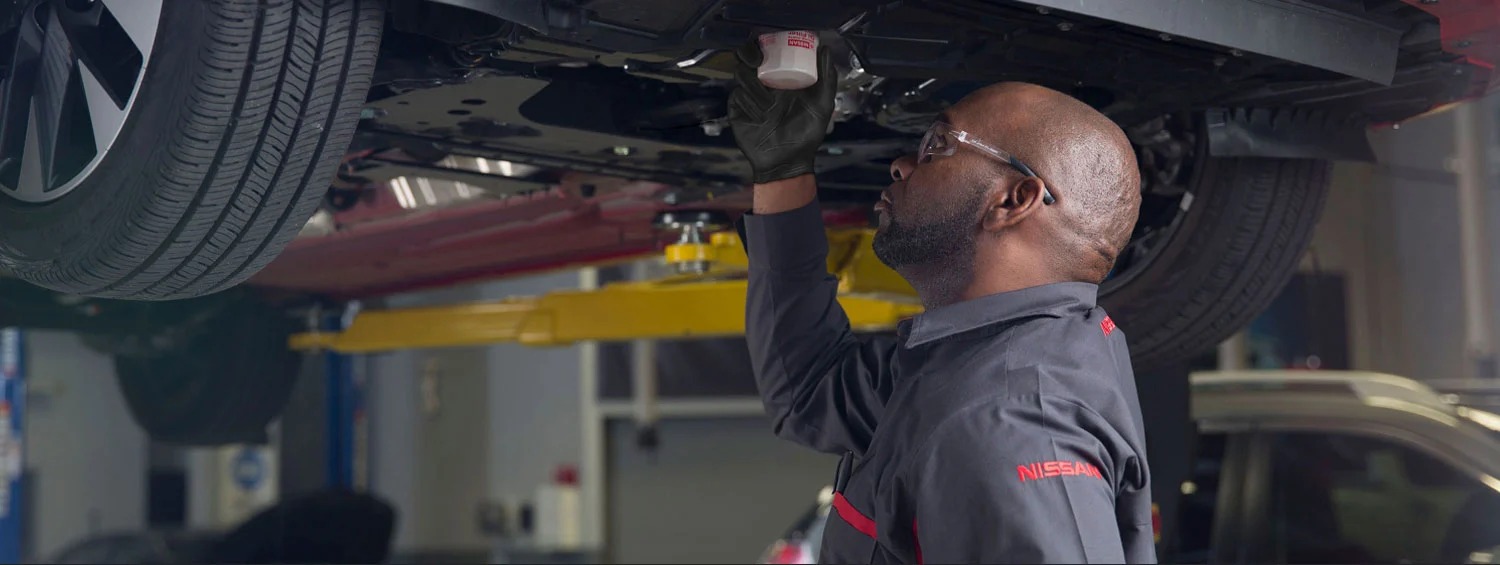
The first check that cannot be ignored if you want your Nissan Sentra to last long is the inspection and replacement of engine oil. Engine oil serves as the lifeblood of the car. It ensures that moving parts inside the engine are properly lubricated, reduces friction, and prevents overheating.
Without fresh oil, the engine suffers wear and tear at a faster rate, which eventually reduces its performance and lifespan. For a car like the Sentra that is known for fuel efficiency and smooth handling, clean oil ensures the engine continues to run without unnecessary stress.
To begin, it is important to know how to check the oil yourself. Using the dipstick is simple, yet many drivers still ignore this habit. When you park the car on a level surface and wait for the engine to cool, you can remove the dipstick, wipe it clean, insert it back fully, and then pull it out to confirm the oil level.
If the level falls below the recommended mark, it is time to add oil. But it is not only about the level, the colour of the oil also matters. Dark and dirty oil indicates it has reached the end of its usefulness and must be changed.
The manufacturer usually suggests an oil change every few thousand miles, but the frequency depends on how you use the car. Driving mostly in traffic, carrying heavy loads, or using the car in hot weather may require you to change oil sooner than normal.
Waiting too long before an oil change causes sludge to build up in the engine, which blocks smooth flow and weakens the engine parts. Once damage sets in, repair costs can be very high. Using the right type of oil for your Sentra is also important. Some drivers choose the cheapest oil they can find, but that decision usually leads to higher expenses later.
The Sentra works better with oil that meets manufacturer standards. Choosing the wrong oil may cause the car to consume more fuel or fail to perform well in certain weather conditions. Along with the oil, the filter must also be changed to remove dirt and particles that can circulate in the system.
When oil checks and changes are done regularly, you reduce engine stress, maintain strong performance, and extend how long the car remains reliable. It is one of the easiest checks, but also one of the most powerful ways to keep your Nissan Sentra in good condition for many years.
2. Monitoring and Maintaining the Cooling System
The cooling system of your Nissan Sentra is just as important as the oil system, because it regulates temperature and prevents the engine from overheating. When the engine produces power, heat is generated.
Without an efficient cooling system, that heat can damage sensitive parts, cause gasket failure, or even result in a complete engine breakdown. For this reason, monitoring the coolant and ensuring the system is in good shape is a necessary check if you want your Sentra to serve you for a long.
Coolant, also called antifreeze, is designed to absorb heat and transfer it away from the engine. It also protects against rust and corrosion within the system. If the coolant level is low, the car will struggle to control temperature, and this may result in engine overheating. Checking the coolant is simple.
After the car cools down, open the hood and look at the reservoir to see if the liquid is within the recommended range. If it is low, topping it up with the correct mixture is important. Using only water is a mistake that some drivers make. While water may cool temporarily, it does not protect against the corrosion that coolant offers.
The condition of the coolant also matters. If it looks rusty, dirty, or has particles floating inside, it is a sign that the system needs flushing and replacement. Ignoring dirty coolant can clog passages and damage the radiator or water pump. Experts advise flushing the cooling system after a certain mileage to remove build-up and maintain efficiency.
Apart from the coolant itself, other parts like hoses, radiator, thermostat, and water pump should be inspected. Hoses may crack or leak as they get older. A small leak may seem harmless at first, but with time, it drains the coolant and causes overheating. The radiator must also remain clean to allow proper airflow. Blocked fins reduce cooling ability and place pressure on the entire system.
By giving proper attention to the cooling system, you save yourself from roadside breakdowns and very expensive repairs. An engine that overheats often loses its strength quickly, while one that is kept cool lasts much longer. Making this check part of your routine guarantees that your Nissan Sentra remains dependable and efficient for years to come.
Also Read: 8 Mistakes That Kill a Nissan Murano Too Early
3. Checking and Replacing Air Filters
Air filters may look like small and simple parts, but they play a major role in keeping your Sentra’s engine healthy. The engine needs clean air to burn fuel properly, and the filter ensures that dirt, dust, and other harmful particles do not enter the system.
When the filter is clogged or dirty, the air supply is restricted, which makes the engine struggle. This reduces fuel economy, weakens acceleration, and as time goes on causes unnecessary wear on parts. Inspecting the air filter is something you can do without professional help. The filter is usually located in a box under the hood.
Opening it allows you to see the condition of the filter. If it looks dark, clogged, or full of dust, it is time to replace it. A clean filter allows smooth air flow, which improves combustion and keeps the engine performing as designed. For people who often drive in dusty areas, the filter may require replacement more often than those who drive mostly on clean city roads.
Many Sentra owners do not realise how much difference a clean filter makes until they replace a dirty one. Suddenly, the car feels lighter, accelerates better, and consumes less fuel. It also reduces emissions, which means the car is environmentally friendlier. This small and inexpensive part can affect performance in big ways.
Neglecting air filter checks may lead to serious issues later. When dirt enters the combustion chamber, it can scratch and damage the engine’s internal parts. as time goes on, this shortens engine life and increases repair costs. Replacing an air filter is far cheaper than repairing damaged pistons or valves.
Making air filter checks a habit saves money, improves driving comfort, and protects the engine. It is a simple maintenance step that every Sentra owner should respect if they want their car to remain strong and efficient for many years.

4. Tyre Condition and Pressure Monitoring
Tyres are the only part of your Nissan Sentra that touch the road, which makes them very important for safety and performance. Many drivers forget to pay attention to tyres until something goes wrong, but caring for them regularly can extend not just their life, but also the life of the entire vehicle.
Worn-out or underinflated tyres affect handling, reduce fuel efficiency, and put pressure on other parts of the car. That is why checking tyre condition and maintaining correct pressure is one of the main steps that adds more years to your Sentra.
The first thing to watch is tyre pressure. When tyres are not inflated properly, they wear unevenly. Underinflated tyres create more rolling resistance, which forces the engine to work harder and consume more fuel. Overinflated tyres, however, lose grip and can make the car harder to control, especially in wet conditions.
Checking pressure once every two weeks or before long trips helps avoid these problems. The recommended pressure can usually be found on the driver’s door frame or in the owner’s manual. Always use a reliable gauge to confirm the exact pressure.
Apart from pressure, tyre tread is another aspect to inspect. Tread gives grip on the road and prevents slipping, especially in rain or on rough surfaces. When the tread wears down to unsafe levels, the car becomes more likely to skid. You can check tread depth with a small coin or with tread depth tools. If the tread is too shallow, it is time to replace the tyre. Driving on bald tyres is dangerous not just for you but for others on the road.
Regular rotation of tyres also helps them last longer. Because front tyres often wear faster due to steering and braking, rotating them with rear tyres after some mileage ensures even wear. Alignment and balancing must not be ignored as well. When wheels are not aligned properly, tyres wear unevenly, and the car may pull to one side. This creates strain on suspension parts and reduces driving comfort.
Inspecting tyres also includes checking for cracks, bulges, or nails stuck in them. A small puncture that is ignored can grow and cause a blowout. Blowouts are risky at high speeds and can damage the rim or suspension. Taking time to observe tyres closely saves you from accidents and costly repairs.
By keeping tyres properly inflated, rotating them, and ensuring alignment, you not only extend tyre life but also reduce stress on the suspension and improve fuel economy. A Sentra that runs on healthy tyres performs better and remains safe, which contributes to its long lifespan.
5. Brake System Maintenance
Brakes are among the most important safety systems in any car, and for the Nissan Sentra, they play a central role in both safety and durability. A car that stops effectively avoids accidents and protects other components from damage.
Many people only remember their brakes when they start making noise, but by then, some wear may already be advanced. Consistent checks of brake pads, rotors, and brake fluid ensure the system continues to work as it should.
Brake pads are the parts that press against rotors to slow down the car. As time goes on, they wear thin. When they become too thin, they struggle to grip properly and may even damage the rotors. Replacing pads before they wear completely prevents this damage. Listening for squealing sounds when braking is one way to notice worn pads, but regular inspection is a better habit.
Rotors must also be checked. If they are warped or heavily worn, the car may shake when braking, or the stopping distance may increase. Sometimes, rotors can be resurfaced, but if damage is serious, replacement is the only option. Driving with bad rotors puts pressure on the entire brake system and can damage suspension parts as well.
Brake fluid is another part that is often forgotten. It transmits the force from the pedal to the brakes, but it can absorb moisture as time goes on, which reduces efficiency. Dirty or old fluid may cause spongy brakes or complete failure in extreme cases. Checking the fluid reservoir and replacing fluid as recommended is essential.
Hoses, calipers, and brake lines should also be inspected for leaks or damage. Even small leaks reduce braking power and put you at risk. Since brakes are directly linked to safety, ignoring them is never wise. Preventive checks are far better than waiting for failure.
A well-maintained brake system not only protects you but also helps other parts of the car. For example, when brakes respond quickly, suspension and tyres are not overstressed. The Sentra’s reputation for reliable driving is kept intact when its brakes are sharp and dependable.
Making brake system checks part of your routine adds many safe and comfortable years to your Sentra. It prevents emergencies, protects your investment, and gives peace of mind every time you drive.
6. Battery Health and Electrical Connections
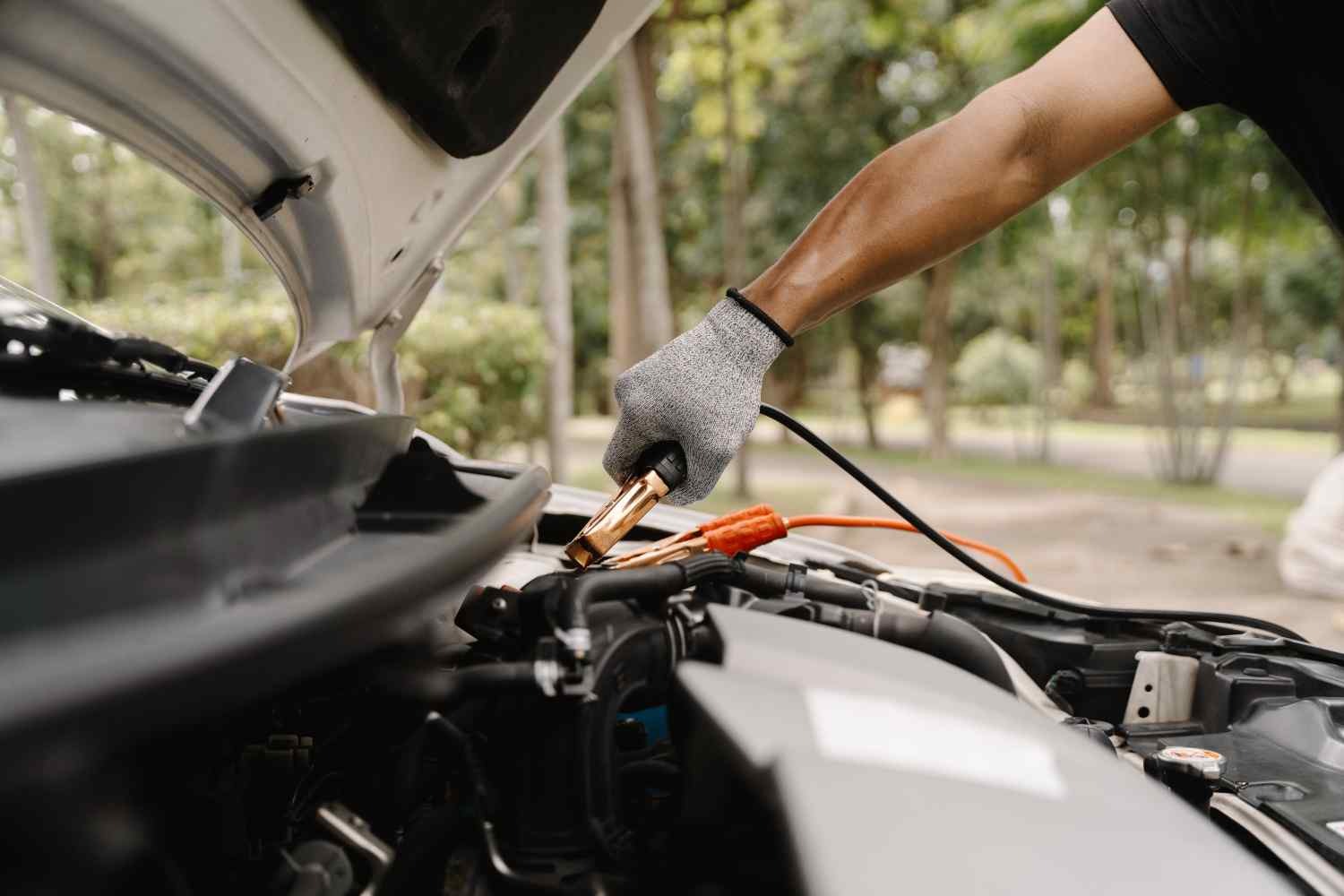
Another check that must not be ignored is the car battery and its electrical connections. The battery provides power to start the engine and supplies energy to the lights, radio, air conditioning, and other accessories.
If the battery is weak or connections are loose, the car may refuse to start, or electrical systems may fail at the wrong time. For a car like the Nissan Sentra, keeping the battery healthy is important for everyday use and for long-term durability.
One of the first signs of a weak battery is slow cranking when starting the engine. If you notice this, it may be time to test the battery. Regular testing at service centres can tell you how much life remains. Most car batteries last between three to five years, but driving habits and climate affect lifespan. Very hot or cold weather places more stress on the battery.
Apart from the battery itself, connections must remain tight and free from corrosion. Corrosion appears as white or greenish deposits around the terminals. When this builds up, electricity does not flow properly, and the car may fail to start even if the battery is still good. Cleaning the terminals with proper solutions and ensuring the cables are fitted tightly prevents such issues.
Drivers should also check that the alternator is working well. The alternator charges the battery while the engine is running. If it is weak, the battery may drain quickly. Signs of alternator issues include dimming headlights or warning lights on the dashboard. Ignoring alternator problems may damage the battery and leave you stranded.
Simple habits like turning off lights and accessories when the engine is off also protect the battery from draining unnecessarily. For those who do not drive often, starting the car occasionally and letting it run for a while keeps the battery charged.
By paying attention to the battery and electrical system, you avoid sudden breakdowns and extend the service life of the Sentra. Since electrical power is central to starting and running many functions, maintaining it ensures the vehicle remains dependable for years.
7. Transmission Fluid Checks
The transmission system allows power from the engine to reach the wheels, and transmission fluid makes this process smooth. For the Nissan Sentra, whether it is automatic or manual, transmission health is very important. Transmission repair is often one of the most expensive jobs for any car, so taking preventive steps is far better than waiting for failure.
Transmission fluid acts as both a lubricant and a coolant inside the gearbox. If the level is low or the fluid is dirty, shifting becomes rough, gears may slip, and the system wears faster. Checking transmission fluid involves looking at both the level and the condition.
For automatic versions, a dipstick is usually provided. Clean fluid is often red or pink, while burnt or dark fluid indicates it should be replaced. Ignoring fluid checks can lead to overheating of the transmission, damage to internal components, and very high repair bills.
Replacing fluid and filters at recommended intervals keeps the system healthy. Some modern Sentras use continuously variable transmissions (CVTs), which also depend heavily on fresh fluid. For CVTs, using the correct fluid type is very important because the wrong type can damage the system quickly.
Apart from fluid, attention should be given to leaks. Transmission fluid leaks may appear as red stains under the car. Even small leaks should be fixed immediately to prevent bigger problems. Listening for unusual noises during gear changes or feeling jerks while driving are signs that the transmission may need attention.
By checking fluid regularly, repairing leaks quickly, and following manufacturer service intervals, you protect the transmission from damage. A smooth transmission not only makes driving comfortable but also allows the engine to work efficiently without stress. Extending the life of the transmission automatically extends the life of the entire Sentra, since the car cannot function well with a damaged gearbox.
Also Read: 9 Mistakes That Drain a Nissan Maxima’s Reliability
8. Suspension and Steering Inspection
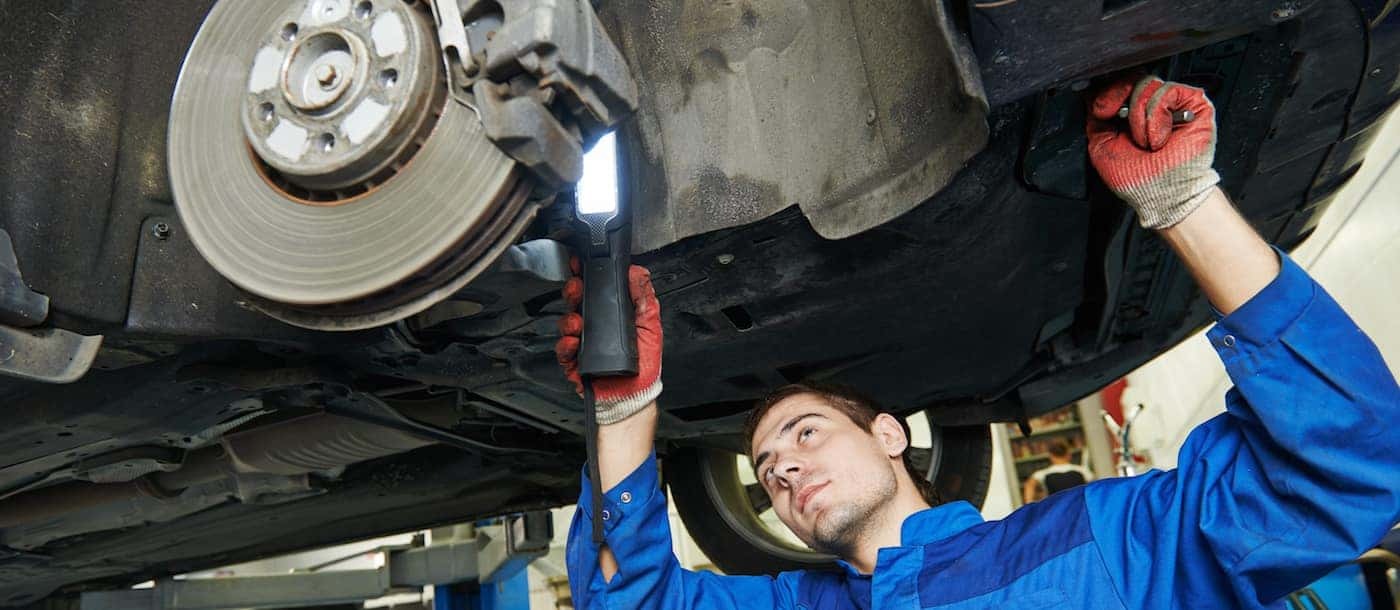
The suspension and steering system keeps your Sentra stable, comfortable, and safe on the road. This system absorbs shocks from bumps, helps tyres stay in contact with the road, and ensures the driver has full control of the vehicle. If it is ignored, the car becomes difficult to handle, tyres wear faster, and other parts may also get damaged.
Common parts in the suspension include shock absorbers, struts, ball joints, and bushings. These parts work together to provide a smooth ride. When shocks or struts wear out, the car may bounce too much, tyres may not grip the road well, and braking distance may increase. Inspecting them regularly and replacing them when weak restores comfort and safety.
Steering parts such as tie rods and rack must also be inspected. If they wear out, the car may wander on the road or respond poorly to steering input. Loose steering is dangerous because it makes accidents more likely. Unusual noises when turning, uneven tyre wear, or vibrations while driving are signs that suspension or steering needs attention.
Wheel alignment is part of suspension care. When alignment is off, the car pulls to one side, and tyres wear unevenly. Keeping alignment correct reduces stress on steering parts and makes driving smoother. Balancing wheels is equally important to avoid vibrations.
Bushings and joints may wear out quietly without much noise at first. But once they are damaged, other parts may follow quickly. Regular inspection during servicing helps detect these problems early. Suspension maintenance may not always look urgent, but neglecting it shortens the car’s life and reduces safety.
By keeping suspension and steering healthy, your Sentra remains stable, comfortable, and efficient. The car performs as designed, tyres last longer, and driving remains enjoyable. Proper attention to these parts ensures the vehicle continues to serve well for many years.
A Nissan Sentra can remain reliable for a very long time when it receives proper care. The eight checks explained above may look simple, but they carry huge benefits. From oil and coolant monitoring to brakes, tyres, battery, transmission, and suspension, each step protects the car from damage and preserves its value. Regular attention prevents costly repairs and keeps the car safe, comfortable, and efficient.
When you treat your Sentra as more than just transport, you gain more years of service, fewer breakdowns, and more peace of mind. These checks are not difficult to practice, and once they become routine, they guarantee that your Sentra continues to deliver dependable rides for as long as you need it.
