

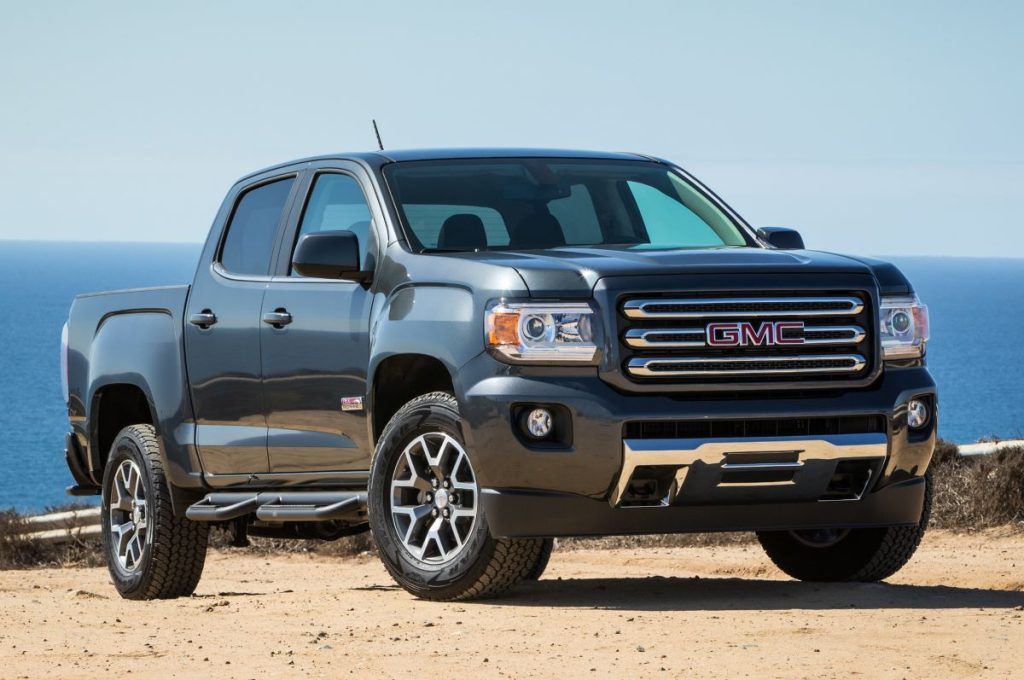
The GMC Canyon Diesel has been a popular choice among drivers who want a balance between midsize practicality and long‑distance endurance.
Many truck owners choose it for its towing capability, fuel efficiency compared to larger pickups, and the strong reliability that a diesel engine usually provides. However, like any vehicle, the Canyon Diesel needs the right care and attention to deliver a longer road life.
Trucks are built to work hard, but they are also built with systems that require regular maintenance to stay efficient. Extending the life of a diesel truck is less about luck and more about forming consistent habits and adopting some smart practices early.
Owners who put effort into maintenance often enjoy many benefits such as avoiding expensive repair bills, improving fuel efficiency, and maintaining higher resale value. In fact, keeping up with maintenance not only supports the truck’s performance but also keeps it safe and enjoyable on every drive.
This is especially true with diesel engines, as they operate under high pressure and rely on precise fuel delivery. Neglecting the basics can lead to serious issues such as injector failures or premature wear on key components.
The good news is that extending the life of a Canyon Diesel does not require unusual technical knowledge. Instead, it comes down to regular checks, timely servicing, and using the truck in ways that prevent unnecessary wear.
With the right care, many owners drive their diesel trucks well past the 200,000‑mile mark while still enjoying strong power delivery and dependable performance.
The following ten tricks focus on practical steps every GMC Canyon Diesel owner can apply. By approaching ownership with attention to detail, you not only get more miles from your truck but also ensure it continues operating with the same strength that convinced you to purchase it in the first place.
Trick 1: Stick to Consistent Oil Changes
One of the most important steps in keeping any diesel vehicle healthy is maintaining the right engine oil schedule. For the GMC Canyon Diesel, engine oil plays a vital role not just in lubrication but also in cooling and cleaning the engine’s components.
Diesel engines tend to run hotter and at higher compression ratios compared to gasoline ones, which can break down oil more quickly. Skipping or delaying oil changes is one of the surest ways to shorten engine life.
Consistent oil changes ensure that contaminants, soot, and combustion byproducts do not remain inside the engine for long periods. Over time, these particles can cause accelerated wear on moving components such as pistons, camshafts, and bearings.
This wear reduces efficiency and often leads to expensive repairs. Clean oil minimizes friction, maintains proper lubrication, and prevents excessive heat buildup.
The GMC Canyon Diesel typically requires oil changes around every 7,500 miles, though driving conditions can affect this. If you tow heavy loads or drive in dusty environments, shorter intervals may be necessary. The type of oil used also matters.
Always go with oil that meets manufacturer specifications, usually synthetic diesel oil designed to withstand high operating pressures.
An overlooked aspect of oil changes is the filter. A clogged filter prevents oil from flowing freely, which can lead to insufficient lubrication.
Replacing the filter with every oil change is simple but absolutely necessary. Additionally, always monitor the oil level between changes. If you notice rapid drops, it may point to internal leaks or wear that require attention.
Making oil changes a priority provides long-term benefits. The engine will run smoother, power delivery will remain strong, and fuel efficiency will stay consistent.
By investing a little time and cost in oil maintenance, you protect yourself from thousands in potential engine repairs and extend the reliable life of your Canyon Diesel.
Trick 2: Keep the Fuel System Clean
Diesel engines rely heavily on precise fuel delivery to maintain efficiency and power. Unlike gasoline engines, the GMC Canyon Diesel uses high-pressure fuel injectors that spray directly into the combustion chamber.
While this ensures strong torque and fuel economy, it also makes the truck particularly sensitive to fuel quality and cleanliness.
One issue that diesel trucks often face is injector clogging. Small amounts of dirt, water contamination, or low-quality diesel can block the fine nozzles inside injectors. When this happens, combustion becomes uneven, efficiency drops, and performance suffers.
Left unchecked, clogged injectors can even cause major damage to pistons and valves. Repairing or replacing injectors is costly, so prevention is crucial.
The first step is always using reputable fuel sources. Cheap diesel or pump stations with poor upkeep may have higher risks of contamination.
Consider adding a fuel additive occasionally, which helps keep injectors clean and prevents carbon buildup. Some additives also boost lubrication, protecting parts of the fuel system from wear caused by modern ultra-low sulfur diesel.
Another helpful practice is draining the fuel-water separator. Many diesel vehicles, including the Canyon, come equipped with this feature. Moisture build-up in the fuel system can cause rust and prevent proper combustion. Regularly draining it ensures clean, dry fuel reaches the engine.

Changing the fuel filter on schedule is equally important. Similar to how the oil filter protects lubrication, the fuel filter keeps dirt and debris from entering injectors. A restricted filter reduces fuel flow, leading to lean combustion, higher exhaust temperatures, and eventual engine damage.
By maintaining a clean fuel system, you ensure smooth operation, consistent power, and better longevity.
Not only will the truck deliver stronger performance, but it will also avoid common issues that plague many neglected diesel vehicles. Protecting the fuel system increases road life and saves you from premature injector repairs.
Trick 3: Pay Attention to Cooling Systems
The cooling system often goes unnoticed until something goes wrong. Yet, for the GMC Canyon Diesel, this system is one of the most critical for extending the truck’s life.
Diesel engines generate immense heat during operation, and if that heat is not managed properly, serious damage to the engine block, cylinder head, or gaskets can occur.
Regular coolant checks are essential. Unlike oil, coolant not only controls temperature but also protects against corrosion and buildup inside the radiator and engine passages.
Over time, coolant loses its protective qualities, making parts vulnerable to rust and mineral deposits. Following the maintenance schedule for flushing and replacing coolant ensures that the engine avoids overheating and corrosion risks.
Keeping radiator fins clean is another small yet effective step. Dust, bugs, and road debris often collect in front of radiators, restricting airflow.
When airflow is blocked, the cooling system struggles to maintain optimal temperatures, especially under towing conditions. A gentle rinse with water or compressed air can restore efficiency.
Hoses and connections must also be inspected frequently. Diesel cooling systems operate under high pressure, which puts strain on rubber hoses.
Any cracks or leaks can cause sudden coolant loss, which may result in overheating. Replacing worn hoses early is far cheaper than dealing with warped cylinder heads or a blown gasket.
In addition, never overlook the importance of the thermostat and water pump. These components regulate temperature balance and coolant circulation.
If they fail, the system can overheat within minutes. Replacing them as part of preventative maintenance rather than waiting for failure greatly reduces the risk of breakdown.
A dependable cooling system allows the diesel engine to operate at its designed efficiency. With proper care of coolant, hoses, and airflow, the Canyon Diesel maintains its temperature balance even under heavy towing or long drives. Paying attention to this system ensures many extra years of reliable operation.
Trick 4: Service the Transmission Properly
The transmission is one of the hardest working parts of any truck. With the GMC Canyon Diesel, the transmission often faces heavy loads from towing and hauling, along with regular shifts during city driving. Proper servicing is essential to keep this component strong for the long haul.
Transmission fluid is at the core of care. This fluid not only lubricates moving gears but also cools them and allows smooth operation. Over time, heat breaks down the fluid and reduces its ability to protect the system.
If neglected, worn-out fluid can cause slipping, rough shifting, or even complete transmission failure, which is one of the most expensive repairs a driver can face. For the Canyon Diesel, following the manufacturer’s service intervals for fluid changes is critical.
Like the engine oil, the transmission filter also needs periodic replacement. A clogged filter limits fluid movement, which increases wear inside the system.
By replacing the filter during fluid service, you ensure proper flow and avoid debris-related failures.
Driving habits have a direct impact on transmission life. Aggressive acceleration, abrupt stops, or frequently towing loads beyond the truck’s recommended limits all create strain.
Using tow/haul mode when pulling heavier trailers allows the system to shift at higher RPMs, reducing stress and heat. This feature should always be used when needed to protect longevity.
Another overlooked area is cooling. Transmission fluid often passes through a cooler similar to a radiator. Keeping this clean and ensuring hoses are in good condition prevents excessive heat. High operating temperature is considered the number one killer of transmissions.
When serviced properly, transmissions can last the life of the truck. By maintaining fluid quality, incorporating smart driving habits, and giving attention to cooling, the Canyon Diesel’s transmission continues delivering smooth shifts and reliable performance across thousands of miles. Ignoring this area, however, can quickly shorten road life.
Trick 5: Watch Tire Condition and Alignment
Tires may not directly connect to the diesel engine, but they play a significant role in prolonging the life of your GMC Canyon Diesel. Poor tire maintenance places unnecessary stress on suspension components, affects drivability, and even increases strain on the powertrain.
Regular tire pressure checks are a small habit that delivers major benefits. Incorrect tire pressure leads to uneven wear and reduced fuel efficiency.
Underinflated tires force the engine to work harder to move the vehicle, resulting in higher fuel consumption and additional stress over time. Maintaining the correct PSI listed in the owner’s manual ensures balanced performance.
Alignment is another critical area. When alignment is off, the truck tends to pull to one side or cause rapid tire wear.
But the concern goes beyond tires: improper alignment makes the suspension and steering system work harder, and continuous strain may prematurely wear out ball joints, bushings, and steering racks.
Routine alignment checks, especially after hitting potholes or replacing tires, keep the truck driving straight while extending component life.
Rotating tires is equally beneficial. Front and rear tires wear differently based on weight distribution and driving habits. Regular rotation keeps tread wear even, improving tire longevity and ensuring safer handling.
Another overlooked detail is wheel balancing. Unbalanced wheels create vibrations, typically felt at higher speeds. These vibrations can put stress not only on the tires themselves but also on suspension, bearings, and even transmission mounts. Keeping wheels balanced smooths out rides and protects crucial connections.
By taking care of tires, you protect both performance and efficiency. Smooth rolling reduces fuel use, improves comfort, and keeps road handling sharp.
Extending the road life of a Canyon Diesel involves more than engine attention; it also requires consistent tire care. Treating this area seriously allows the truck to perform the way it was designed.
Trick 6: Protect the Battery and Electrical System
The GMC Canyon Diesel relies on a strong battery and reliable electrical system for consistent starting and operation.
Diesel engines require high compression and a significant amount of energy to crank, meaning the starter and battery experience more strain than in gasoline vehicles. Keeping these systems in good condition directly contributes to the truck’s dependability and lifespan.
Regular battery testing is essential. A battery that appears fine during warm months might struggle once cold weather arrives. Diesel engines require more cranking power in winter, so a weak battery can easily leave you stranded.
Checking voltage and ensuring terminals remain corrosion-free are small but effective steps. Cleaning corrosion buildup with a brush and applying protective spray ensures solid connections.
The alternator also deserves attention. This component keeps the battery charged while running all the electrical accessories. If the alternator weakens, the battery constantly runs low, shortening its life. Regular inspections ensure charging systems stay efficient.
Glow plugs are another part unique to diesel engines. They preheat combustion chambers for easier starts in cold conditions. Working glow plugs are essential during winter months. Testing their function prevents misfires and rough starts, both of which can place added strain on the engine.

Protecting wiring is equally vital. Diesel trucks often see rough conditions, including towing and off-road use. Wires exposed to heat, vibration, or debris can wear down and create shorts or sensor problems. Inspecting harnesses and replacing worn insulation keeps the truck operating smoothly.
A dependable electrical system guarantees easy starts, stable operation, and consistent power distribution across all systems.
By caring for the battery, alternator, glow plugs, and wiring, you avoid sudden breakdowns and extend the overall lifespan of your Canyon Diesel. The effort is small, but the benefits are substantial for long-term performance.
Trick 7: Maintain the Exhaust and Emissions System
Modern diesels, including the GMC Canyon Diesel, are equipped with advanced emissions systems designed to meet environmental standards while maintaining performance.
Key components include the Diesel Particulate Filter (DPF), Exhaust Gas Recirculation (EGR) valve, and Selective Catalytic Reduction (SCR) system. Neglecting these parts can lead to reduced efficiency, warning lights, or even limp-mode scenarios.
The DPF captures soot from exhaust gases, preventing it from being released into the air. Over time, this filter becomes clogged, particularly if the truck is used primarily for short trips.
The vehicle relies on a process called regeneration, where high heat burns off soot buildup. Drivers should occasionally take longer highway drives to allow the regeneration process to complete. Ignoring this leads to blockages that may require expensive replacements.
The EGR valve reduces nitrogen oxide emissions by recirculating some exhaust back into the intake. However, this part is prone to carbon buildup. Periodic cleaning or replacement ensures smooth airflow and prevents rough idling or reduced performance.
The SCR system uses Diesel Exhaust Fluid (DEF) to reduce harmful emissions. Keeping DEF levels topped up is essential, as running out may restrict vehicle operation. Always use high-quality DEF fluid to avoid injectors clogging within this system.
An exhaust system leak can trick sensors, reduce efficiency, and create noise. Performing regular inspections of pipes, clamps, and sensors prevents unexpected failures.
Maintaining the exhaust and emissions system not only keeps the truck compliant with regulations but also preserves fuel efficiency and power delivery.
Allowing these parts to clog or fail results in more downtime, costly repairs, and reduced reliability. Paying attention here adds to the truck’s long road life.
Trick 8: Lubricate Moving Components
A truck is made up of thousands of moving parts, and many components outside of the engine require lubrication to prevent early wear.
Ignoring these areas is a common mistake. By keeping chassis, suspension, and steering components lubricated, the GMC Canyon Diesel remains smooth to operate and avoids premature breakdowns.
Ball joints, tie rods, and U-joints all endure tremendous stress from normal driving. Without proper grease, they begin to squeak, bind, and ultimately fail.
A failed U-joint, for example, can disable a vehicle on the spot and cause collateral damage to the driveshaft. Greasing these parts periodically extends their life significantly.
Door hinges, tailgate latches, and similar mechanisms should not be forgotten either. When they dry out, they become difficult to operate, squeak, or even seize. Although small, these details contribute to the long-term comfort and convenience of owning a truck.
The driveshaft slip yoke and steering components benefit greatly from fresh grease. Many service shops perform lubrication when carrying out oil changes, but inspecting these areas personally ensures nothing is overlooked.
Another area to consider is wheel bearings. They require precise lubrication to prevent binding and overheating. Failure here can cause catastrophic damage, including loss of control. Checking them regularly during brake service ensures wheels spin freely with minimal resistance.

Applying fresh lubricant not only adds to physical component health but also reduces energy wasted on friction. That translates into slightly improved efficiency and smoother handling. Choosing the proper grease recommended for specific parts ensures compatibility, especially with high-load areas like suspension.
Lubricating moving parts might not sound as complex as other maintenance tasks, but its impact on vehicle longevity is enormous. A well-lubricated Canyon Diesel feels tight, strong, and free from unnecessary wear, giving you many additional miles of healthy operation.
Trick 9: Mind Driving Habits
While maintenance plays a huge role, how the truck is driven day to day impacts its long-term health just as much.
Aggressive driving habits shorten the lifespan of engines, transmissions, tires, and brakes. Developing smarter habits behind the wheel ensures the Canyon Diesel is not put under unnecessary stress.
Hard acceleration may feel satisfying but puts immense pressure on pistons, injectors, and drivetrain parts. Instead, providing steady throttle application allows the engine to reach working temperature gradually and reduces component strain.
Avoid revving a cold engine, as diesel oil thickens in low temperatures and requires circulation before handling high loads.
When towing, using tow/haul mode is essential. This feature adjusts shift points, providing smoother power delivery while reducing heat within the transmission. Ignoring it risks overheating fluid and wearing out transmission components far faster than expected.
Braking habits also play a role. Constant hard braking wears out pads and rotors quickly. Coasting when possible and braking gently extends brake life and prevents heat cracking.
Another smart habit is avoiding long periods of idling. Unlike older diesels, modern engines with emissions equipment do not benefit from extended idle times. In fact, idling for long stretches causes carbon buildup and wastes fuel. Starting the vehicle and moving within a short period is better practice.
Following speed limits helps reduce wear across the whole system. Engine load, tire heat, and suspension stress all rise sharply at sustained high speeds. By keeping the truck at reasonable highway speeds, you reduce stress without sacrificing much travel time.
Good driving practices are free but provide long-term benefits worth thousands of dollars. Treating your Canyon Diesel with consistent care on the road is one of the simplest tricks to keeping it reliable for the long haul.
Trick 10: Follow Service Intervals and Inspections
The final trick is perhaps the most straightforward yet most often overlooked: following the manufacturer’s recommended schedule. GMC provides specific service intervals based on mileage and time to ensure every major system in the Canyon Diesel receives attention before problems emerge.
Skipping scheduled service may seem harmless at first, but many vehicle failures can be traced back to ignored inspections.
For example, timing belts or chains eventually wear and can cause catastrophic engine damage if not replaced when needed. By following intervals, you take care of issues on your terms rather than dealing with breakdowns at inconvenient times.
Each scheduled visit typically includes oil changes, filter replacements, brake inspections, tire rotations, fluid top-offs, and electronic diagnostics.
These checks often catch small problems before they turn serious. Something as minor as a leaking seal or cracked hose, when caught early, costs far less to repair than after failure.
Record-keeping is another benefit of following service intervals. Having detailed maintenance logs not only helps you stay on track but also improves resale value. Buyers feel more confident purchasing trucks with clear proof of consistent care.

Annual or mileage-based inspections also review suspension, steering, emissions, and drivetrain health. These areas work together to keep the truck safe. Preventative attention ensures every system continues operating in harmony, stretching the total life of the truck.
Service intervals are designed for average usage, but if the truck experiences heavier workloads such as trailer towing or frequent off-road use, following the severe-service schedule is better. This often includes shorter periods between oil or fluid changes.
Consistent, documented service is one of the best investments for longevity. Taking the time to maintain your Canyon Diesel on schedule reduces stress, improves reliability, and guarantees far more miles of dependable performance.
Also Read: 7 Driving Habits That Destroy a Subaru Legacy Faster Than You Think
