
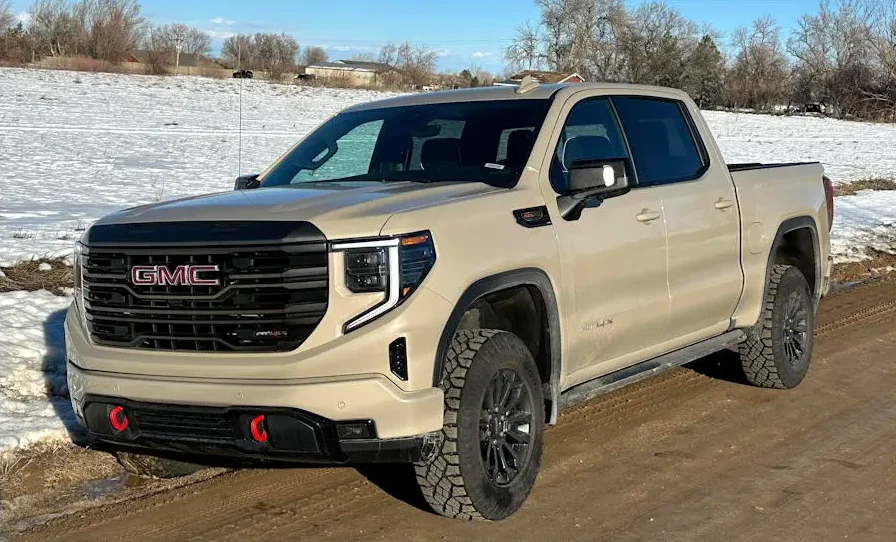
The GMC Sierra AT4 has carved its place among trucks built not only for daily use but also for rugged adventures far away from smooth highways. Drivers who invest in this machine understand that it is more than a means of transport.
It represents strength, capability, and the promise of driving into challenging terrain with confidence. However, like any complex vehicle, the Sierra AT4 requires consistent attention and thoughtful care to maintain its off-road dependability.
Reliability in off-road conditions is measured not just by engine performance, but also by suspension durability, tire choice, electronic systems, and how well the truck has been prepared for prolonged exposure to mud, dirt, water, and rocks.
Owners who enjoy off-road driving know that dependability is not built overnight. It comes from building a routine that combines preventative maintenance with smart choices in parts, accessories, and preparation.
The Sierra AT4 is designed by GMC to handle rough conditions with features such as a factory lift, skid plates, and all-terrain tires, but consistent readiness requires more than just what comes from the showroom floor.
It involves understanding weaknesses that may show up with heavy use and reinforcing those areas before problems begin.
Drivers who want to keep their Sierra AT4 pushing through trails for years must pay attention to practical strategies that strengthen its durability. From keeping fluids in top condition to making small upgrades that reduce wear, every detail matters.
The difference between a truck that lasts 50,000 miles comfortably and one that confidently goes beyond 200,000 often comes down to how well an owner treats it during those challenging journeys away from pavement.
Below are ten important ways to extend the off-road reliability of your GMC Sierra AT4, each adding longevity and security for every adventure.
Also Read: 9 Tricks That Keep a Lexus RX Cabin Comfortable for 15 Years
Tip 1: Maintain Suspension Components
When it comes to off-road reliability, the suspension system in the GMC Sierra AT4 is one of the most vital areas to monitor consistently. Unlike ordinary highway travel, rough terrain exposes every component of the suspension to intense forces.
Rocks, uneven ground, mud ruts, and steep inclines all challenge the springs, shocks, control arms, and bushings. If this system is not kept in prime condition, off-road stability and comfort begin to decline rapidly, and small issues can quickly turn into costly repairs.
One key step is inspecting shocks and struts regularly. The Sierra AT4 comes equipped with an off-road suspension that can absorb much of the impact, but seals around shocks are prone to wear.
Small leaks of hydraulic fluid reduce performance and allow faster deterioration of internal components. By checking for visible leaks or uneven tire wear, an owner can detect early signs of suspension trouble.
Another critical practice is ensuring that bushings and ball joints remain intact. Worn-out bushings allow excessive movement within the suspension, leading to clunking noises, reduced steering precision, and more strain on connected parts.
Greasing suspension joints where applicable and replacing damaged bushings immediately helps maintain durability.
Control arms should also be inspected for bends or cracks, especially if the truck has been taken through rocky trails. Even a small dent can compromise geometry, leading to uneven tire wear or handling difficulties.
Finally, wheel alignment should not be overlooked. Rough off-road use can throw alignment settings far from their optimal point, producing uneven tire contact with the ground. Apart from wearing tires prematurely, poor alignment weakens overall vehicle control.
Regular alignment checks combined with suspension inspections ensure that the Sierra AT4 continues to provide dependable traction and ride quality in all conditions.
A well-maintained suspension system not only prevents breakdowns but also guarantees that the truck remains capable of handling every challenge off-road driving presents.
Tip 2: Tire Care and Upgrades
Tires are the first line of defense when taking a GMC Sierra AT4 into rough terrain. Factory-installed all-terrain tires are designed for a good balance of on-road comfort and off-road grip, but serious trail driving or heavy use often requires closer attention.
Choosing the right type of tire is essential. Mud-terrain tires provide superior traction in deep mud and loose soil, while all-terrain tires offer a balance for mixed conditions.
Whichever route an owner takes, monitoring tread depth regularly is crucial. Once tread patterns wear down, traction drops significantly, especially on wet rocks or slippery surfaces.
Another vital consideration is tire pressure. Off-road enthusiasts often air down their tires when entering trails, as lower pressure allows more surface area to grip uneven terrain.
However, the Sierra must be re-inflated to proper highway pressure before driving long distances on pavement to prevent sidewall damage. Carrying a reliable air compressor ensures that pressure adjustments can be handled on the spot.
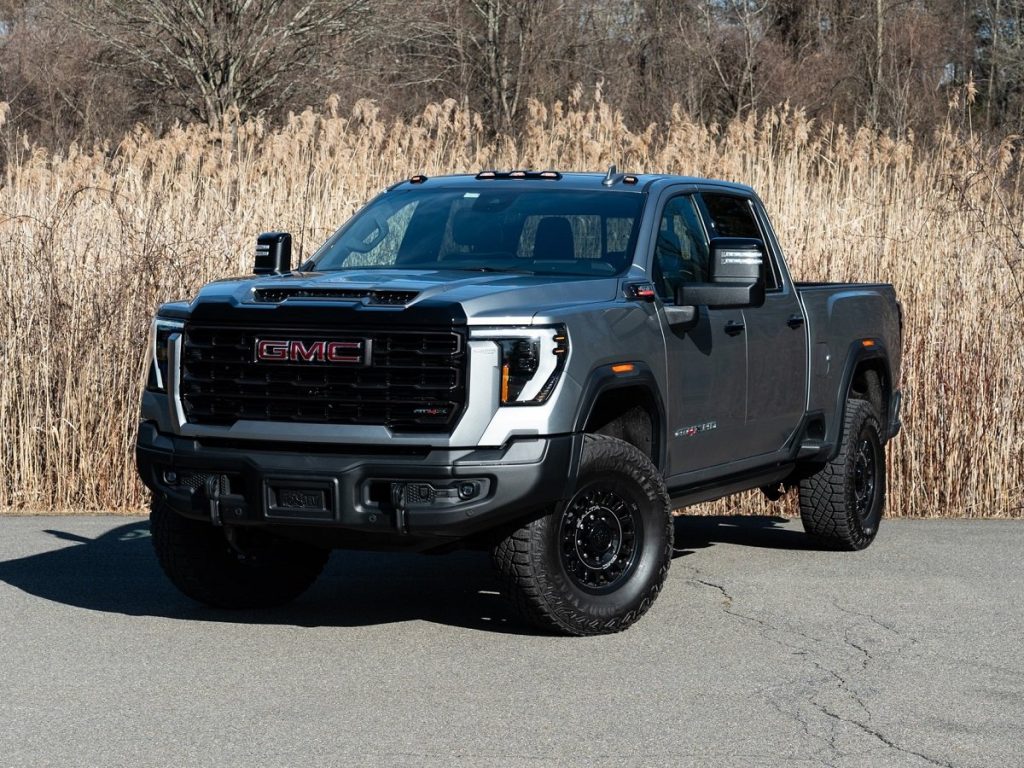
Rotating tires at proper intervals also extends their lifespan while preventing uneven wear. Since off-road driving subjects tires to extra stress, many owners rotate them more frequently than typical service schedules recommend, sometimes every 5,000 miles or even sooner if the truck is consistently used on rough terrain.
Finally, investing in a full-size spare tire that matches the condition and type of the other four is non-negotiable. Driving deep into trails with only a temporary spare can leave one stranded.
A proper spare ensures that a puncture or sidewall tear won’t ruin an adventure. Proper tire care and smart upgrades not only improve reliability but also directly influence safety, handling, and confidence in unpredictable conditions.
Tip 3: Protecting the Undercarriage
The underside of the GMC Sierra AT4 is one of the most vulnerable areas during off-road excursions. Rocks, debris, and uneven terrain can damage essential components such as the oil pan, transfer case, and fuel tank.
Even a minor strike against an unprotected component has the potential to cause a major breakdown. Fortunately, with some preventive steps, owners can dramatically reduce the risks associated with rough off-road driving.
Skid plates are one of the greatest defenses against undercarriage damage. The Sierra AT4 does come with some factory skid plate protection, but depending on how aggressive the off-road adventures are, additional reinforcement is advisable.
Upgrading to thicker aftermarket plates or adding more coverage often proves worthwhile. Areas like the transmission pan and steering components benefit from extra shield protection.
Another step is to keep the undercarriage clean. While it is tempting to let dried mud or dirt stay after a long trail adventure, buildup can trap moisture, corrode metal parts, and accelerate rust. A thorough wash that removes mud, gravel, and salt helps preserve long-term structural integrity.
Inspection after each trip is also essential. Small dents or scrapes might not seem like much, but repeatedly hitting the same area can weaken a component.
By spotting wear early, owners are able to address issues before they turn into breakdowns. Rust-proofing treatments provide another level of security for those living in regions where roads are salted during winter.
With proper undercarriage protection, the Sierra AT4 maintains its reliability. Instead of worrying about hidden damage, owners can focus fully on enjoying the drive knowing the truck’s lower components are safeguarded against the unavoidable impacts of off-road life.
Tip 4: Regular Fluid Checks and Upgrades
Fluids are the lifeblood of any vehicle, and for a truck like the Sierra AT4, their condition makes the difference between continued reliability and potential failure miles away from help.
Off-road driving creates more stress on the engine, transmission, and differentials, so fluid checks must be more frequent than in standard road conditions.
Engine oil is a top priority. Dust, frequent throttle changes, and heavy loads raise operating temperatures.
Changing oil at shorter intervals than the manufacturer’s minimum schedule can keep the engine running cooler and reduce internal wear. Using synthetic oil provides even more stability in high temperatures and protects during cold starts.
Transmission fluid requires equal attention. Off-road use often demands constant gear changes and puts extra pressure on the system.
Overheated transmission fluid breaks down more quickly and loses its protective properties. Regularly checking levels and considering a transmission cooler upgrade can add years of dependable service.
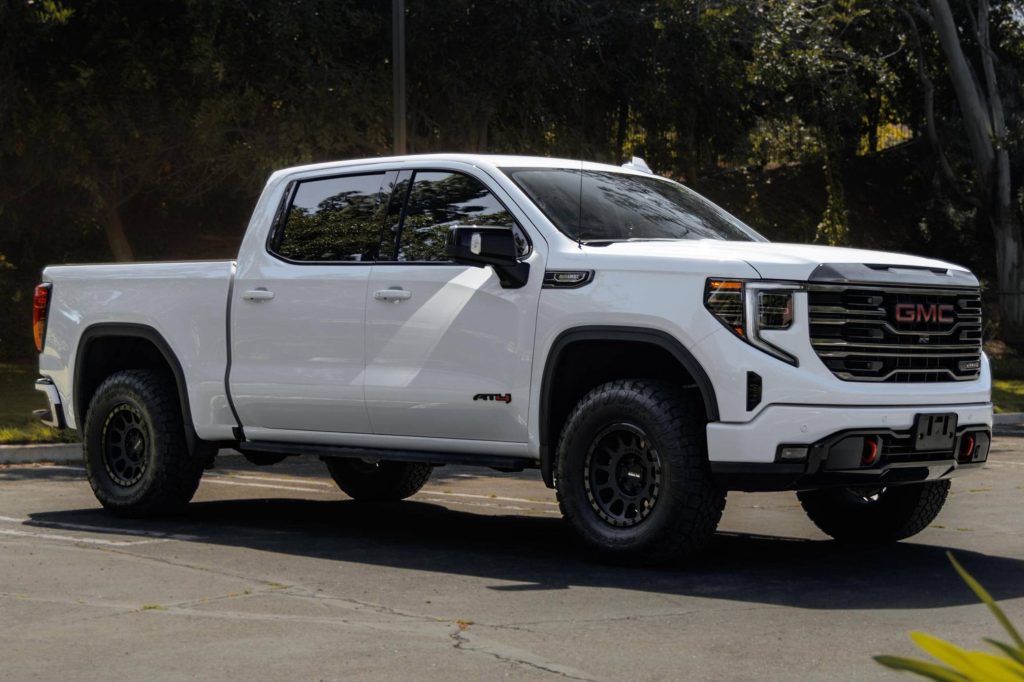
Differential fluid and transfer case fluid are often overlooked but critical. These components experience immense stress when tires struggle to find grip or when torque is redistributed across tough terrain. Changing these fluids at regular intervals ensures that gears and bearings remain well-lubricated.
Coolant, brake fluid, and power steering fluid must also be topped off and kept free of contaminants.
A sudden failure in any of these systems can leave the vehicle vulnerable at the worst time. For truck owners who frequently push boundaries, high-performance fluids that resist breakdown and endure high heat can be worthwhile upgrades.
By considering fluids not as routine maintenance but as protective layers for vital systems, Sierra AT4 owners keep their vehicles ready for the unique demands of off-road journeys.
Tip 5: Battery and Electrical System Reliability
Electronics play a bigger role in trucks today than ever before, and for a Sierra AT4 that ventures far from help, the battery and electrical system must remain stable under rough conditions. A weak or unreliable battery can mean getting stranded where services are unavailable.
The first step is ensuring that the battery is of high quality and suited for heavy-duty use. Standard batteries might meet daily driving needs, but deep-cycle or heavy-duty off-road rated batteries hold charge longer, withstand vibrations better, and offer reliable cranking power in extreme environments.
Checking for corrosion on terminals and keeping connections tight is equally important. Loose or corroded terminals often result in intermittent electrical failures that can mimic larger problems.
Alternator performance should be monitored as well, since powering accessories like winches, lights, and portable fridges places additional strain on the system. An alternator that delivers steady output is key to preventing battery drain during prolonged off-road adventures.
Protecting wiring harnesses against dust, mud, and water intrusion also helps extend reliability.
Off-road driving exposes vulnerable connections to constant jostling and potential damage. Inspections after trips and using protective sleeves for wires are simple yet effective measures.
Finally, carrying a portable jump starter or high-quality jumper cables helps provide peace of mind. Even with a well-maintained system, unforeseen situations may still happen.
A reliable electrical foundation ensures that critical systems such as ignition, lighting, and navigation remain functional when the trail gets tough.
Tip 6: Routine Brake System Care
Brakes are a safety lifeline both on and off the pavement. The Sierra AT4 has a strong braking setup, but off-road conditions demand more frequent attention.
Driving through mud, water, and dust accelerates brake pad wear and can reduce stopping performance if not properly managed.
After each trip, owners should wash dirt and debris off the brake components. Trapped mud between pads and rotors can gradually grind both surfaces, leading to premature wear and vibration during braking. Inspecting pad thickness before long trips is also critical.
Since off-road driving requires more frequent braking at low speeds, pads may wear faster than expected.
Rotor inspection is equally important. Deep grooves or warping compromise efficiency and increase stopping distances, especially on steep downhill trails.
Replacing or resurfacing affected rotors ensures consistent performance. Offensive squeaking noises often provide early warning signs, and ignoring them may put additional stress on the braking system.
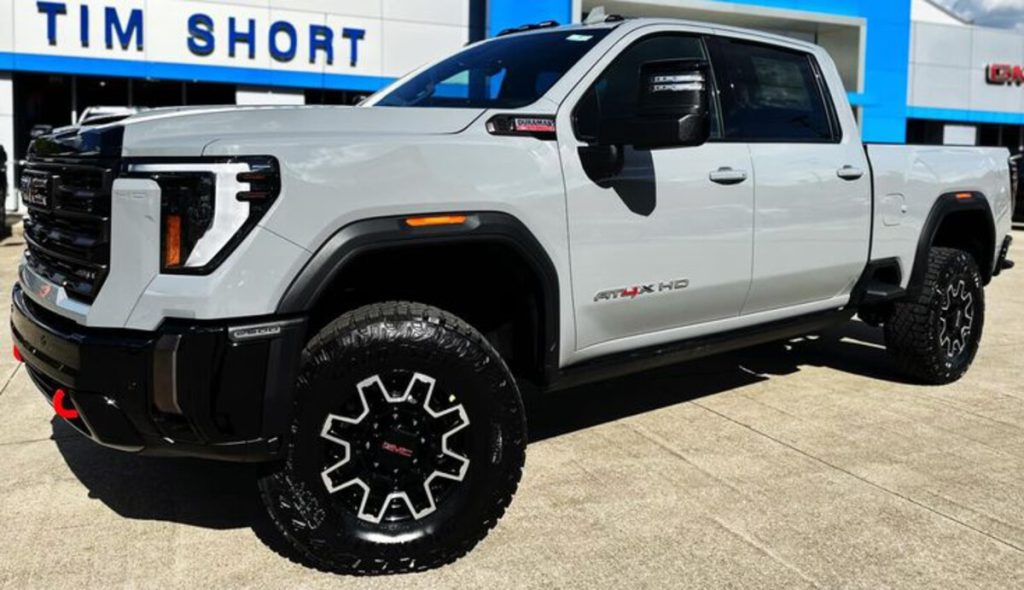
Brake fluid maintenance rounds out this checklist. Fluid absorbs moisture over time, reducing its effectiveness when high heat builds up during constant braking on uneven terrain. Flushing and replacing brake fluid at recommended intervals provides better pedal response and prevents system failure.
An upgraded set of heavy-duty brake pads designed for off-road driving is another smart move. These pads are engineered to resist heat and maintain stopping power on trails.
Combined with consistent inspection and cleaning, the Sierra AT4’s braking system remains trustworthy in situations where control is absolutely vital.
Tip 7: Engine Air Filtration and Performance
Off-road driving guarantees one thing more than any other: dust. Fine particles quickly build up in filters and threaten engine performance.
For a truck like the GMC Sierra AT4, maintaining the intake system is essential to keep power output steady and avoid premature engine wear.
The air filter is the centerpiece of this protection. Stock paper filters perform well, but for those who spend long hours on dusty trails, high-performance reusable filters designed for off-road conditions can make a significant difference.
They allow better airflow while keeping dirt out, and they can be washed and reused rather than discarded.
Checking filters more often than standard service intervals is crucial. Even a partially clogged filter reduces airflow, leading to higher fuel consumption, reduced throttle response, and increased engine stress.
Another step worth considering is a snorkel system. By relocating the air intake point to a higher position, a snorkel reduces the likelihood of water and dust making their way into the engine. For drivers who routinely face river crossings and deep mud, this upgrade is one of the most protective investments possible.
Owners should also inspect ducts and hoses leading to the intake system to confirm that cracks or leaks are not letting in unfiltered air. Even the toughest filter cannot protect the engine if bypass routes exist.
By maintaining strong filtration and considering upgrades tailored to heavy dust and water, Sierra AT4 owners can keep the engine breathing clean, consistent air. This practice ensures that even under some of the harshest conditions, the truck stays powerful and dependable.
Tip 8: Drivetrain and Transfer Case Care
The drivetrain system forms the backbone of any off-road vehicle, transferring power across the wheels in demanding situations.
In the Sierra AT4, the transfer case, driveshafts, axles, and differential all work under intense conditions. Proper care in this area plays a decisive role in the truck’s long-term off-road reliability.
One of the most effective practices is routine lubrication. U-joints and slip yokes require greasing to stay smooth and efficient. Without lubrication, these components wear quickly, leading to vibrations and eventual failure.
Off-road driving increases strain, so checking for play and ensuring grease points are serviced every few thousand miles is highly recommended.
The transfer case requires particular attention. Drivers should check for fluid leaks and ensure that shifting between two-wheel drive and four-wheel drive remains smooth.
If delays or grinding noises occur, it may indicate internal wear or fluid contamination. Changing transfer case fluid regularly helps maintain performance and extends lifespan.
Axle seals should also be inspected. A small leak of differential fluid can lead to overheating and failure if ignored. Making sure that protective boots over CV or universal joints remain intact prevents dirt and water intrusion.
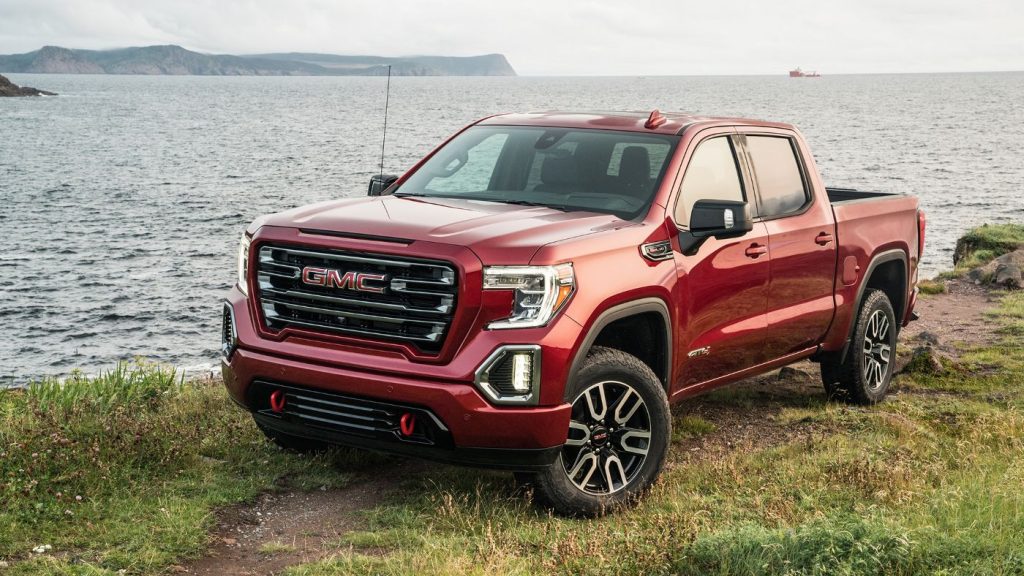
Some owners even consider aftermarket upgrades such as locking differentials for better performance on trails.
While stock components provide strength, specialized upgrades can deliver added traction in extreme conditions. Still, whatever setup is chosen, preventive care ensures dependability.
By placing consistent focus on this system and avoiding neglect, the drivetrain continues delivering reliable performance even when each wheel faces different traction challenges far away from regular roads.
Tip 9: Proper Use of Recovery Gear
Every off-road enthusiast eventually encounters a tough spot where forward progress halts. In these moments, recovery gear stands as the difference between continuing a journey and ending up stranded. For GMC Sierra AT4 drivers, learning to use recovery tools properly both extends vehicle life and protects passengers.
Recovery straps, shackles, and winches are among the most common tools. A key point is using high-quality rated equipment that can handle the weight of the Sierra without failing under stress. Poorly rated straps can snap, causing dangerous recoil.
A winch mounted to the front of the Sierra is arguably the most valuable off-road upgrade. When installed correctly and paired with strong anchor points, it allows the truck to be pulled from deep mud, snow, or steep inclines safely. To prolong equipment reliability, winch lines should be spooled evenly, kept clean, and tested periodically.
Another important factor is knowing where to attach recovery gear. Using weak points like tow hooks not rated for recovery can cause frame or bumper damage. The Sierra AT4’s frame has reinforced recovery points, and using the correct ones ensures both safety and vehicle longevity.
Carrying gear like traction boards, shovels, and a jack also prepares the truck for unexpected challenges. Using these tools carefully prevents unnecessary stress on mechanical parts by avoiding reckless driving to escape tricky spots.
By practicing proper recovery techniques, the Sierra avoids further damage, while drivers gain the confidence that setbacks will not compromise long-term dependability.
Tip 10: Proactive Rust Prevention and Cleaning
Corrosion is one of the most silent yet serious threats to off-road reliability. Trucks that spend time in mud, water, or salty environments are at particular risk. For the GMC Sierra AT4, combating rust is an ongoing process that ensures the truck maintains structural strength over years of rugged use.
Regular washing, especially under the body, clears away mud and salt that cling to metal surfaces. Too often owners overlook the underside after off-road trips, leading to buildup that locks in moisture. Drying the truck thoroughly also prevents rust from forming in hidden corners.
Applying protective coatings is another strong preventative step. Rust-proof sprays or undercoating products add a protective layer over vulnerable areas like the frame, wheel wells, and exhaust system. Periodic inspection allows owners to reapply these coatings before small areas become larger issues.
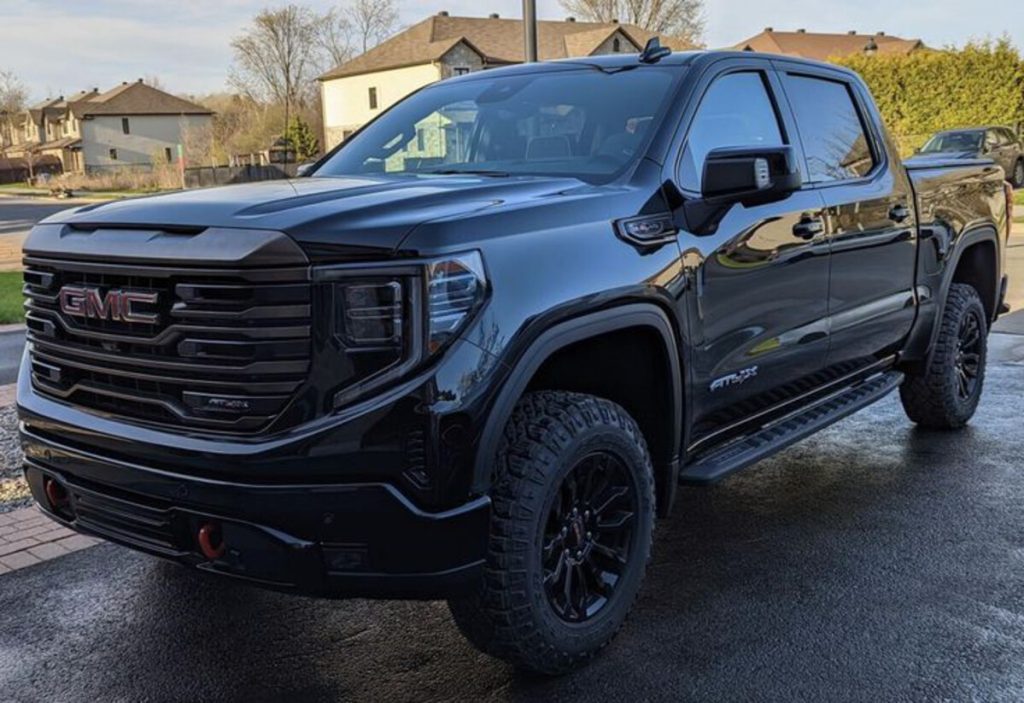
Attention should also be paid to drain holes. These openings allow water to escape from doors, tailgates, and frame sections. Blocked drain passages trap water inside panels, accelerating corrosion. Keeping them clear allows proper drainage.
Finally, addressing rock chips in paint immediately prevents bare metal from being exposed. Even small exposed spots can expand quickly in harsh conditions if left untreated. By treating these areas early with touch-up paint or protective sealants, damage is contained.
Through consistent cleaning and thorough rust prevention routines, the Sierra AT4 retains its durability and appearance, allowing owners to depend on it for off-road trips without worrying about hidden deterioration that could compromise safety and longevity.
Also Read: 10 Easy Wins That Keep a Chevy Colorado Diesel Strong
