
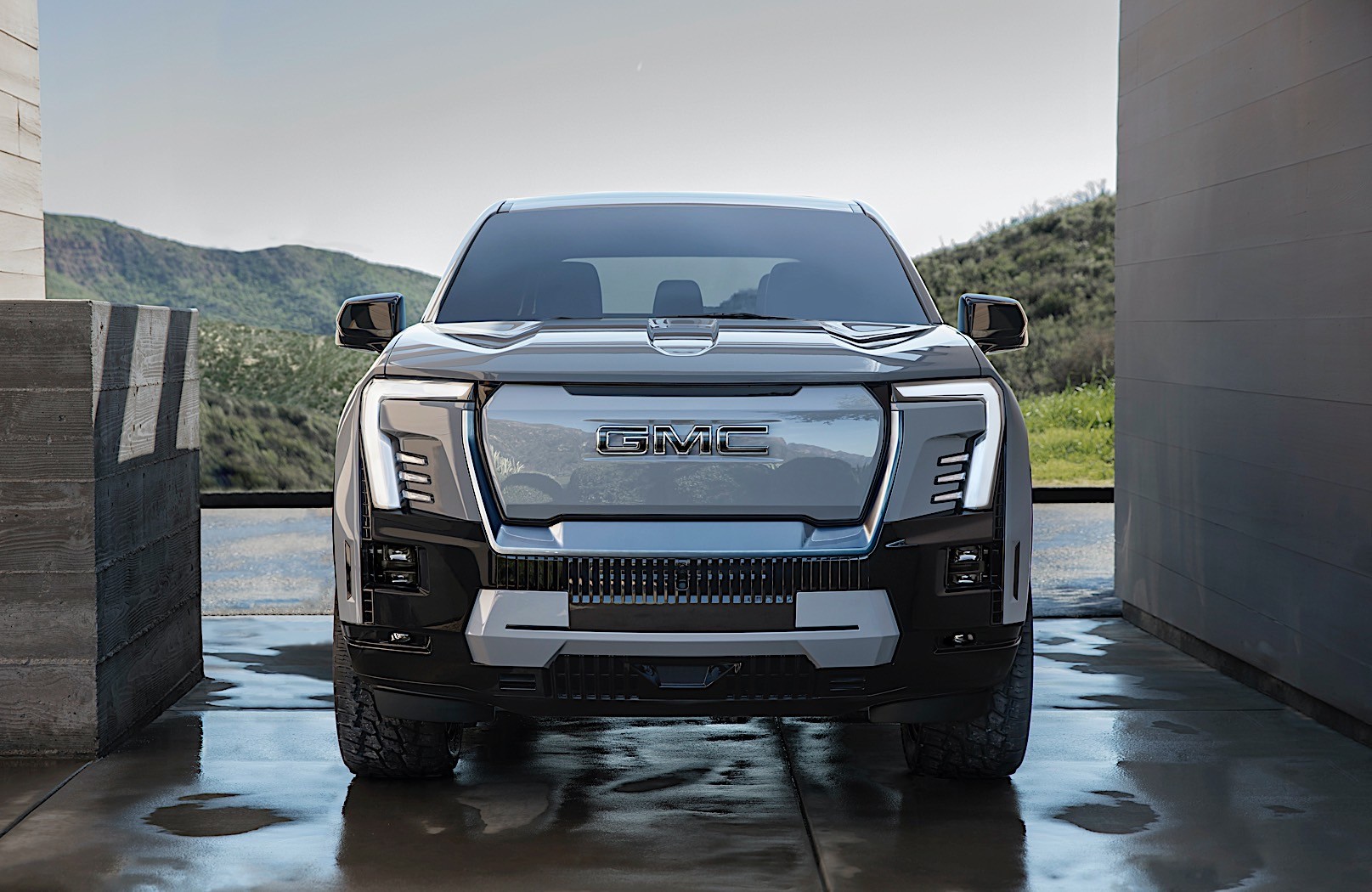
Owning a GMC Sierra Denali Diesel is more than just having a truck parked in your driveway. It represents strength, reliability, and advanced engineering that is trusted for both heavy-duty work and everyday driving.
However, like any finely built machine, even a powerful truck like this requires the right care and maintenance if you want it to last for hundreds of thousands of miles without headache or costly repairs.
The Duramax diesel engine at the heart of the Sierra Denali is well-known for its durability, but longevity depends heavily on the habits of the person behind the wheel.
Many owners are surprised by how much difference proper upkeep makes. A truck abused with neglected oil changes, poor fueling habits, or ignored warning lights can end up with expensive repairs long before its prime.
On the other hand, a well-maintained Sierra Denali Diesel can remain strong long past 300,000 miles, while still delivering consistent pulling power and smooth performance.
This is why experienced truck owners swear by a set of maintenance and usage “rules” that dramatically increase the life expectancy of their vehicles.
What separates a truck that lives a long time from one that constantly visits the mechanic is often not luck or fate.
It is the deliberate steps taken by the owner to look after the engine, transmission, and supporting systems. From understanding the right kind of diesel fuel to frequent checks of fluids and filters, every small action builds up to a bigger impact.
In this article, we will look at ten effective tricks that will keep your GMC Sierra Denali Diesel running strong for decades. These aren’t complicated procedures, but consistent and smart practices that any owner can follow, no matter their mechanical expertise.
Also Read: 10 Pro Tips That Keep a Chevy HHR Reliable for Daily Driving
Trick 1: Use Only High-Quality Diesel Fuel
One of the most overlooked factors in keeping a diesel engine running smoothly is the quality of the fuel. Unlike gasoline engines, diesel engines rely heavily on precise fuel injection at extremely high pressures.
Any impurities, water presence, or low-grade additives in the fuel can cause major issues. For a GMC Sierra Denali Diesel, poor fuel can clog injectors, reduce turbo performance, and even damage the fuel pump.
Cheap diesel stations often skip proper filtration or fail to maintain tanks. Owners who depend on such fuel may notice a drop in performance, rough idling, or black smoke from the exhaust.
Over time, contaminated fuel can shorten injector life significantly, and injector replacement is one of the most expensive jobs on this truck. By using a trusted fuel provider and opting for cleaner fuel brands, you protect not only the injectors but also the combustion process itself.
It also makes sense to consider additives in certain conditions. In cold climates, fuel additives that prevent gelling can protect your engine during winter mornings. Some additives also improve lubrication, reducing wear inside the fuel pump.
However, additives are not all created equal. Using reputable brands that meet engine manufacturer guidelines is the safest route. Avoid overusing treatments that promise miracle gains in fuel economy, as some can do more harm than good.
Regularly draining the water separator is another crucial habit. Diesel is prone to water contamination, which can corrode system components and affect performance. Fortunately, the Sierra Denali Diesel is equipped with a water drain system that is simple to maintain if checked routinely.
High-quality fuel may cost a little more per gallon, but the savings over time are significant. When you consider the cost of new injectors or repairs, the decision becomes obvious. Treat diesel fuel quality as the foundation of engine health, and your Sierra will reward you with reliable power for years.
Trick 2: Stick to Timely Oil Changes
Engine oil is the lifeline of any motor, especially for a diesel that undergoes more strain than most gasoline engines.
The Duramax in a GMC Sierra Denali operates under high compression and extreme heat during heavy towing or long drives. This makes timely oil changes one of the most critical maintenance tasks.
Unlike gasoline engines, diesel oil carries not only heat but also soot particles. Over time, this leads to contamination even if the truck is not driven in severe conditions. If the oil is left unchanged, it thickens and loses its protective qualities.
The result can be accelerated engine wear, increased friction, and inefficient cooling. In extreme cases, neglect can lead to bearing damage or turbocharger issues, which are costly repairs no owner wants to face.
The manufacturer’s guidelines must be followed, but many seasoned diesel owners take it a step further, shortening the interval when the truck is used for heavy towing or commercial tasks. While modern synthetic oils last longer, diesel engines benefit from fresher oil on a more frequent schedule.
The choice of oil is just as important as the timing. Always use oils rated for heavy-duty diesel performance with the proper viscosity grade.
Cheaper oils may save money upfront but sacrifice long-term engine protection. Using the wrong oil can also impact the Diesel Particulate Filter (DPF), since poor-quality oils tend to increase soot buildup.

Do not forget the oil filter. A strong filter ensures that metal particles and soot buildup do not circulate. Every oil change should come with a new filter to guarantee the system stays clean. Skipping filter replacement is like cleaning the living room but leaving dust in the corner it eventually spreads again.
In short, treating oil changes as a sacred routine is one of the simplest yet most powerful habits. It costs relatively little yet saves the engine from damage that could easily amount to thousands of dollars over the lifetime of your Sierra Denali Diesel.
Trick 3: Protect the Turbocharger with Smart Driving Habits
The turbocharger gives the Sierra Denali Diesel its impressive power, especially when pulling heavy loads. Yet, it is also one of the most sensitive components in the system. Proper driving habits can drastically extend turbo life, while poor habits reduce it quickly.
A critical point for the turbocharger is engine startup. Many owners do not realize that full oil pressure takes a few seconds to build up after starting.
If the accelerator is pressed aggressively during this moment, the turbo may spin at high speed without proper lubrication. This practice slowly wears down the turbo bearings. Allowing the engine to idle briefly after starting ensures oil fully circulates before adding load.
Similarly, shutting the engine off immediately after hard driving can be harmful. After hauling or highway speeds, the turbo runs at extremely high temperatures.
If the engine is killed instantly, hot oil may remain inside, leading to “coking,” which leaves hardened deposits in the bearings. A simple two-minute idle cool-down period before shutting off prevents these deposits and keeps the turbo in excellent condition.
Driving style across the board impacts the turbo. Quick bursts of throttle when cold, constant aggressive acceleration, or extended idling in hot climates can increase wear. Instead, smooth acceleration, maintaining proper temperatures, and respecting warm-up and cool-down routines can keep the turbo trouble-free for years.
Finally, attention must be given to the air filter. The turbocharger relies on massive airflow, and dirty filters reduce efficiency while forcing the turbo to work harder. A well-maintained filter prevents dust and grit from damaging the compressor blades.
Since turbocharger replacement costs several thousand dollars, it pays to protect this part with careful driving. By respecting warm-up times, cooling down after strenuous trips, and ensuring clean airflow, your Sierra Denali’s turbo will continue delivering strong and reliable power.
Trick 4: Care for the Transmission
The GMC Sierra Denali Diesel is usually paired with a strong automatic transmission designed to handle significant torque.
However, no matter how tough it is, neglect or abuse can drastically shorten its life. Heavy-duty transmissions thrive when fluid is clean, cooling works properly, and shifts are not forced under unnecessary strain.
Transmission fluid is both a lubricant and a coolant. Over time, it collects heat and breaks down. For a truck that tows frequently or drives in mountainous areas, transmission fluid gets stressed faster.
If ignored, degraded fluid causes slipping, delayed shifts, or excessive wear in clutches. Therefore, changing transmission fluid according to service intervals, or slightly earlier for heavy-use trucks, is a wise decision.
Fluid level is just as important as quality. Low fluid creates immediate risks for overheating and damaging internal parts.
Owners should make a habit of checking levels regularly, especially before long trips. Any sign of discoloration, burnt odor, or particles in the fluid signals an immediate need for attention.
While fluid care is a big part of transmission health, driving style also matters. Towing beyond recommended limits, harsh acceleration, and abrupt gear changes increase stress. Even something as simple as selecting the correct driving mode before towing makes a difference.
The Sierra Denali Diesel comes with specific towing features that assist transmission efficiency by holding gears longer and managing heat better. Not using these features when hauling a trailer is a missed opportunity for protection.
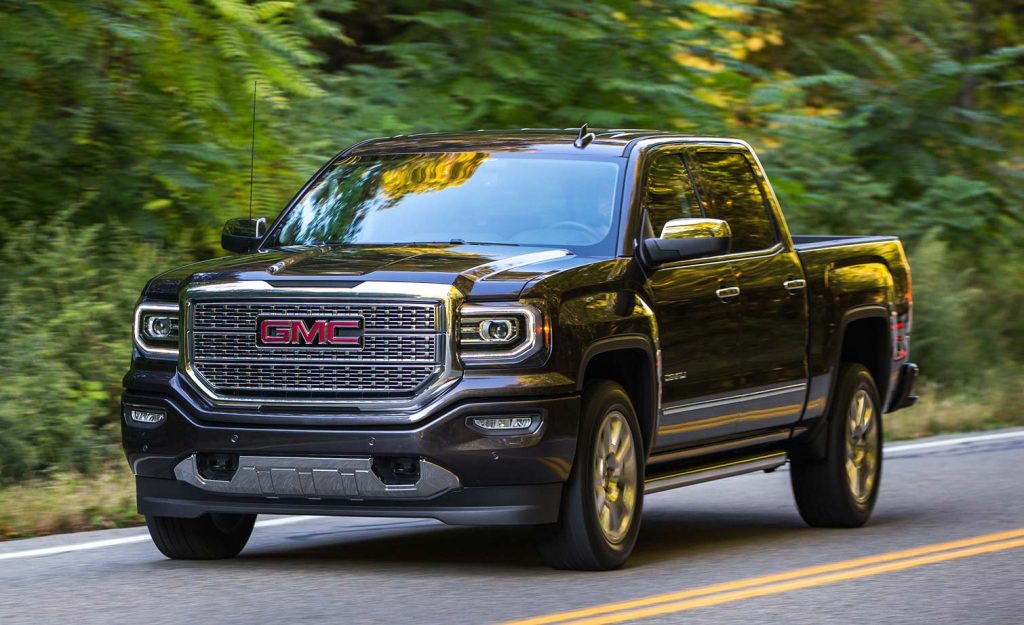
Additionally, using auxiliary transmission coolers in hot climates or for frequent towing is a proven way to increase life expectancy. Excessive heat is the main enemy of transmission components, and keeping temperatures in check translates into years of trouble-free operation.
By treating the transmission as carefully as the engine, owners can prevent breakdowns that often cost more than engine repairs. A transmission that is respected will allow a Sierra Denali Diesel to pull confidently for the long haul.
Trick 5: Monitor and Replace Filters Regularly
Filters are the silent protectors of any vehicle, yet they are often forgotten. The GMC Sierra Denali Diesel relies on multiple filters air, fuel, oil, and cabin. For engine longevity, the fuel and air filters stand out as especially critical.
Diesel engines are extremely sensitive to fuel contaminants. Modern high-pressure injection systems work with microscopic precision. A single tank of bad fuel could ruin injectors if the filter doesn’t block debris or water.
This is why sticking to regular replacement of the fuel filter is so important. GMC recommends specific intervals, but if driving in areas with questionable fuel quality, shorter intervals provide extra peace of mind.
The air filter also plays a powerful role. A diesel engine requires an enormous volume of air, far more than gasoline engines. A clogged air filter restricts performance, increases fuel consumption, and forces the turbocharger to work harder than necessary.
This extra strain not only impacts efficiency but can potentially damage the turbo blades if fibers or dirt break through. Replacing the air filter might feel simplistic, but it directly impacts horsepower, towing capacity, and long-term health.
The oil filter is part of every scheduled oil change, yet some owners are tempted to extend its life. This small filter captures contaminants that circulate through the system.
A weak or dirty oil filter is like asking an engine to breathe with clogged lungs. Every oil change must include filter replacement, as skipping it erases much of the benefit.
Trick 6: Keep the Cooling System Healthy
Diesel engines like the Duramax in the Sierra Denali generate massive amounts of heat, especially under heavy towing conditions or long highway trips.
The cooling system is what keeps all of that in check. When it fails, catastrophic damage can follow, from cracked cylinder heads to warped gaskets. That’s why monitoring and maintaining your truck’s cooling system should be treated as a top priority.
The first rule is to regularly check coolant levels. Many overheated engines result simply from low coolant caused by unnoticed leaks or evaporation.
Owners should check levels frequently, especially before towing or long trips. Always use the manufacturer-approved coolant type, as mixing formulas can reduce effectiveness and lead to corrosion in the radiator and engine passages.
Flushing the cooling system is another often-overlooked practice. Old coolant loses its corrosion resistance and can create deposits inside radiators and hoses.
Over time, these blockages reduce the system’s ability to transfer heat effectively. A fresh supply of coolant not only keeps running temperatures stable but also protects sensitive metal components from rust.
The radiator, hoses, and water pump all deserve inspection. Cracks in hoses or leaks around the pump can escalate quickly if ignored. A small drip can turn into a blown hose under pressure, leaving you stranded on the roadside.
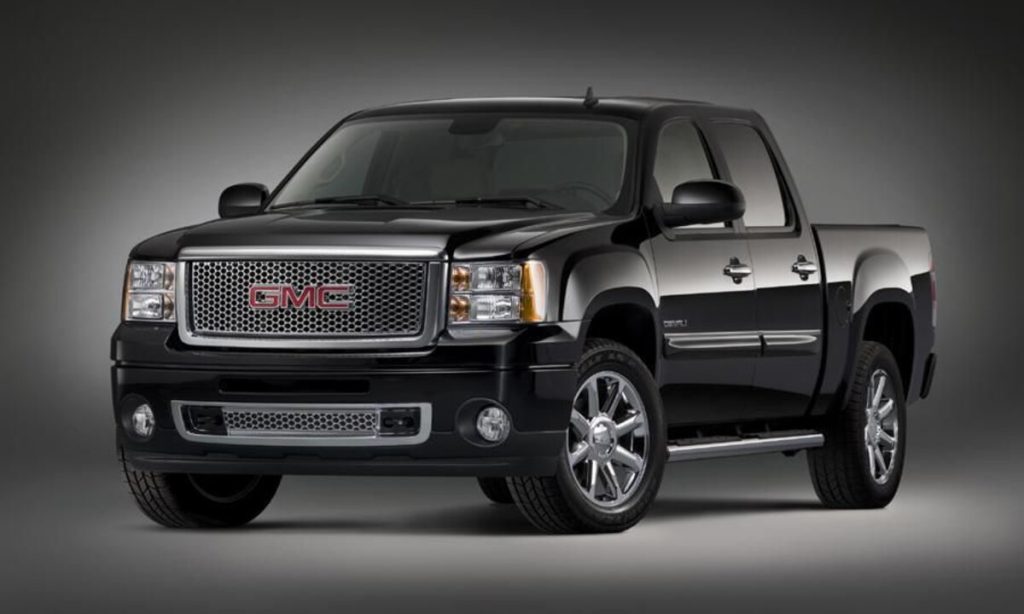
Proactive replacement of aging hoses, clamps, and even the thermostat provides inexpensive protection compared to major engine repairs.
Do not forget about the fan and belts driving the cooling system. An electric fan that fails to engage or a serpentine belt that slips will reduce airflow through the radiator. A visual check now and then ensures parts are running smoothly.
A well-kept cooling system ensures consistent temperatures during towing and heavy operation. Protecting it may not feel glamorous, but it is the frontline defense that ensures your Sierra Denali Diesel remains powerful without risking an overheated failure.
Trick 7: Watch Exhaust and Emission Components
Today’s diesel trucks come with advanced emission controls, and the Sierra Denali Diesel is no exception. Features such as the Diesel Particulate Filter (DPF), Exhaust Gas Recirculation (EGR), and Selective Catalytic Reduction (SCR) systems make the truck cleaner but also add complexity. Ignoring them can lead to expensive breakdowns.
The DPF captures soot particles and burns them during regeneration cycles. If an owner consistently drives short distances or stops regenerations prematurely, the filter clogs.
This limits performance, increases fuel usage, and can eventually force the truck into reduced-power mode. To prevent this, it’s important to occasionally take the Sierra on a longer highway drive to allow full DPF regeneration.
The EGR valve recirculates exhaust gases to reduce combustion temperatures. However, it is prone to carbon buildup. Excess buildup affects air intake and fuel efficiency. Periodic cleaning or preventive servicing of the EGR ensures smoother performance and reduces stress on the turbocharger.
SCR systems rely on Diesel Exhaust Fluid (DEF). Neglecting to top up DEF can cause the truck to run improperly or enter limp mode. Always keep a spare DEF supply and use high-quality fluid to avoid impurities. In cold climates, store DEF appropriately to prevent freezing.
Warning lights on the dashboard related to emissions should never be ignored. Even if the truck seems to drive fine, running with a faulty sensor or incomplete regeneration stresses the entire system. Prompt attention prevents cascading failures that could cost thousands of dollars.
By respecting these emission components with proper driving habits and routine service, an owner ensures long-term compliance with regulations while extending the life of the truck’s engine and exhaust system. It saves headaches, maintains efficiency, and lets the Denali perform at its best.
Trick 8: Respect Load and Towing Capacity
One of the reasons people choose a GMC Sierra Denali Diesel is for its exceptional towing and hauling capacity.
The Duramax engine, coupled with advanced towing assist systems, allows the truck to handle massive loads. Yet, every truck has a breaking point, and continuously exceeding towing capacity is one of the fastest ways to shorten its lifespan.
The official towing limit for the Sierra Denali Diesel depends on configuration but is clearly outlined in the owner’s manual. Ignoring these limits overstresses the engine, transmission, axles, brakes, and suspension components simultaneously.
Over time, excessive towing leads to overheating, rapid wear, and potential safety risks. While the truck may physically move a heavier load, the long-term mechanical consequences are serious.
In addition to weight limits, distribution of the load is equally important. Unevenly loaded trailers or improperly secured cargo create instability that forces the suspension and drivetrain to work harder than intended.
Using a proper weight-distribution hitch and ensuring cargo is balanced make a meaningful difference in wear reduction.
Braking is also affected. Overloads shorten brake pad life and increase the risk of rotor warping. Making sure trailer brakes are functioning properly and synced with the truck prevents unnecessary stress on the Sierra’s braking system.
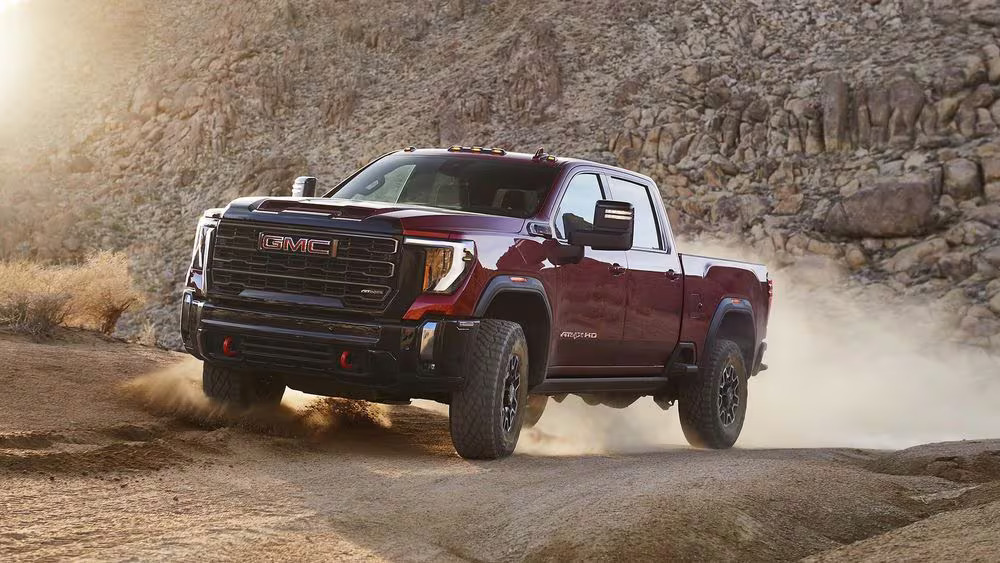
Owners should also remember to engage tow/haul mode when pulling heavy loads. This feature adjusts transmission shift points, improves power delivery, and prevents overheating. Ignoring it forces the transmission to hunt for gears more often, building unnecessary heat and wear.
Resisting the temptation to overwork the truck preserves its reliability. With proper respect toward towing limits and load management, the Sierra Denali Diesel will continue performing confidently without unexpected repairs creeping in after years of service.
Trick 9: Pay Attention to Battery and Electrical System
The Sierra Denali Diesel runs on a sophisticated electronic system, powering not just lights and accessories but also critical engine management features.
Unlike older-generation diesels, modern trucks rely heavily on electronics for fuel injection timing, emission control, turbo management, and transmission functionality. A weak electrical system leads to misfires, rough idling, or even no-start situations.
The truck often uses dual batteries to handle the high demand of diesel starters. Both batteries should be inspected regularly for voltage, corrosion, and fluid levels. If one battery begins to fail, it is wise to replace both, as mismatched batteries work unevenly and shorten the life of the new one.
Simple preventive habits help a lot. Cleaning terminals to prevent corrosion ensures a solid connection. Owners should also avoid leaving accessories plugged in while the truck is off, which can slowly drain power.
During colder seasons, block heaters reduce the load on the batteries by warming the engine, making cold starts smoother.
The alternator and starter motor should also be kept in mind. If you notice dimming lights, struggling starts, or odd electrical behavior, have the charging system inspected. Replacing components proactively is far cheaper than a roadside breakdown.
With today’s trucks featuring extensive onboard tech like infotainment systems, navigation, parking sensors, and more, the wiring harness also plays a critical role.
A damaged harness from rodents, chafing, or aftermarket installations can cause faults that are difficult to trace. Taking care with added modifications prevents system interference.
Strong electrical and battery care ensures the Sierra not only starts confidently every time but also supports all the advanced systems that make it such a modern and high-performance diesel truck.
Trick 10: Stay Proactive with Routine Inspections
The final trick to keeping a GMC Sierra Denali Diesel running practically forever is vigilance. Even when major maintenance is performed, small problems can creep in unnoticed. A proactive inspection routine allows owners to address issues before they grow into expensive failures.
Routine inspections go beyond oil changes and fluid checks. Look for small leaks under the vehicle, unusual noises during startup, or vibrations at certain speeds.
These are early warning signs. A coolant drip today could become a blown water pump if ignored. A faint squeal from a belt might be a tensioner beginning to fail.
Tire condition and alignment play a role too. A diesel truck that constantly tows needs healthy tires and straight alignment to prevent suspension wear. Rotate tires regularly and check for uneven tread, which could point to an underlying suspension issue.

Brakes should be visually inspected at intervals, not only during routine services. Pads wear faster during towing, and worn pads can damage rotors if left unchecked. Similarly, suspension bushings and joints that loosen over time need tightening or replacement.
Many Sierra owners also choose to perform diagnostic scans periodically using affordable OBD-II scanners.
These tools reveal stored codes before they trigger dashboard warning lights. Identifying a small sensor issue early prevents a chain reaction within the emission system or engine management.
The mindset should be to stay ahead of problems instead of waiting for them to appear. Scheduling comprehensive checks every few months, either personally or through a trusted mechanic, keeps the truck healthy. This forward-thinking approach is what separates high-mileage, trouble-free sierras from those that break down prematurely.
Also Read: 10 Easy Wins That Keep a Chevy Colorado Diesel Strong
