
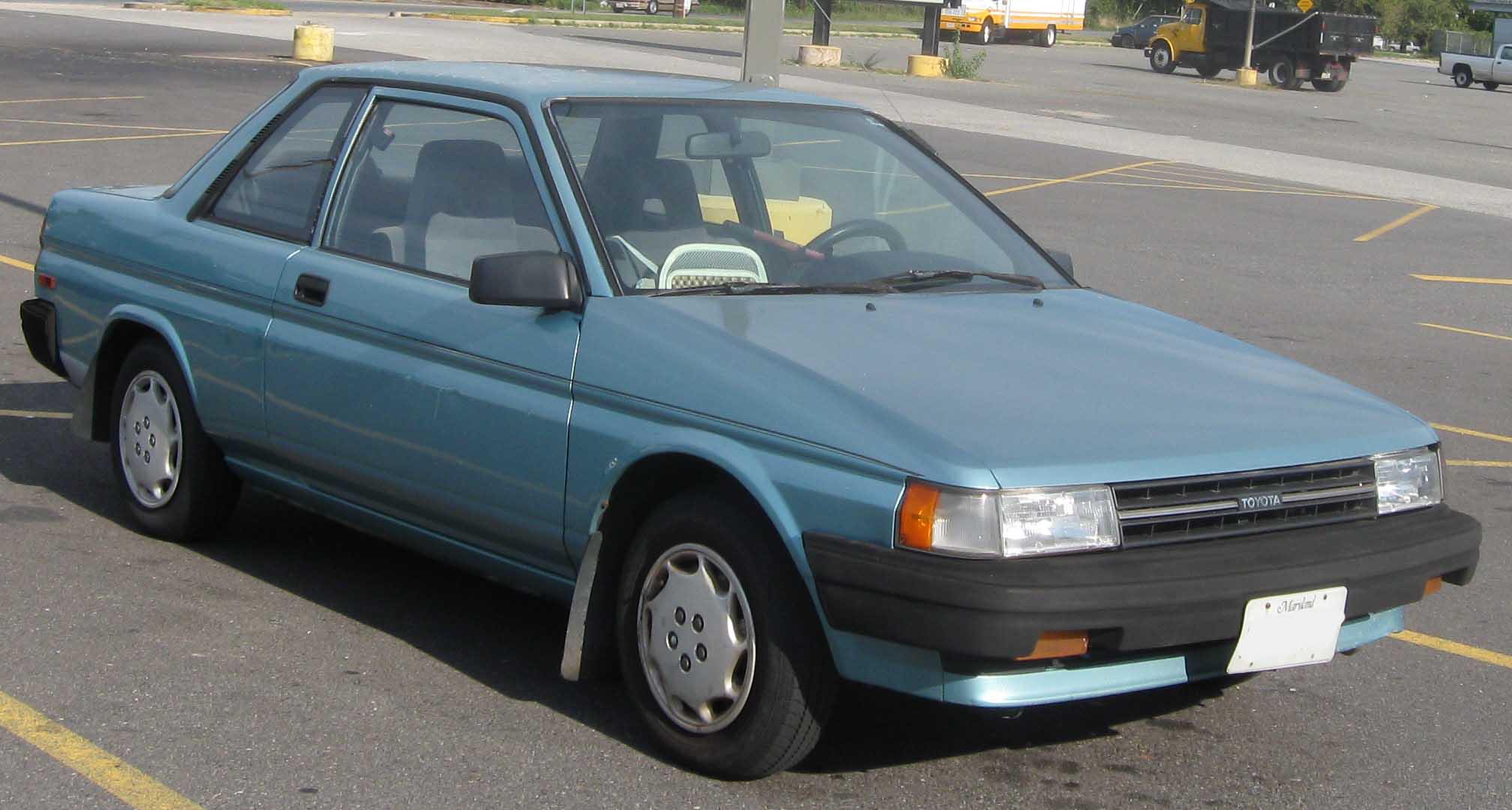
The Toyota Tercel is one of those cars that built its reputation on simplicity, reliability, and an almost unshakable spirit when it came to lasting on the road. For many owners, it was never about high horsepower numbers or luxury features.
Instead, the Tercel made its mark by simply being the car that always started, always got you where you needed to go, and did so with very little complaint.
Now, two decades or more after many of these compact cars first rolled out of the dealership, countless Tercels are still faithfully serving their owners.
The secret is not complicated. It comes down to consistent attention in the right areas and a few practical habits that extend the life of an aging machine.
Cars like the Tercel were engineered during a time when durability often came before unnecessary complexity. This makes them ideal candidates for long-term ownership, provided that the owner is willing to take care of the basics.
At this stage, with many Tercels being well past their teenage years, the difference between a reliable daily driver and one that struggles to stay on the road often comes down to maintenance routines that are simple to perform but easy to neglect.
This article focuses on ten straightforward steps that can keep a Tercel running strong even after 20 years. These are not advanced repairs that require an entire workshop, but rather practical wins that anyone committed to maintenance can apply.
Whether you are holding onto a Tercel as a budget-friendly commuter, a nostalgic project, or a secondary family car, these tips can help you squeeze many more reliable miles out of it.
The best part is that they emphasize consistency instead of costly upgrades, staying true to what this car was always meant to be: dependable, practical, and durable.
Also Read: 10 Pro Tips That Keep a Chevy HHR Reliable for Daily Driving
Tip 1: Change the Oil and Use Quality Filters
If there is one habit that defines how long an older car survives, it is oil changes. The engine in a Tercel is simple and sturdy, but it still relies on clean oil to keep its moving parts protected.
When the oil thickens with dirt and sludge, it no longer provides the lubrication that prevents friction and wear. Over time, skipping oil changes means the engine has to work harder, which contributes to overheating and premature failure.
For a car beyond 20 years, using a quality oil filter and the recommended grade of oil is not just suggested, it is essential. Many owners swear by switching to a high-mileage formulation since such oils contain additives that condition seals and reduce the likelihood of small leaks.
While the Tercel’s engines are not particularly prone to catastrophic oil consumption, decades of use can lead to gaskets becoming less tight. The right oil helps manage that.
It is also wise to change oil a little earlier than the maximum interval to give the engine an easier ride.
While newer vehicles sometimes advertise long service intervals of 7,500 or even 10,000 miles, a classic model like the Tercel benefits most from adhering to around 3,000 to 4,000 miles. This frequency is relatively inexpensive given the modest oil and filter requirements of a compact four-cylinder.
A small detail worth remembering is to check the oil level more often than on a new car. A 20-year-old engine is far more likely to use a little oil between changes.
By building the habit of pulling the dipstick, owners not only avoid potential damage but also stay closely connected to the car’s overall condition.
This single act is one of the easiest and cheapest wins for making sure a Tercel continues its reputation for reliability well past the years other vehicles might have retired.
Tip 2: Keep the Cooling System Healthy
A car that overheats is a car that risks being stranded. For an older Toyota Tercel, keeping the cooling system in top shape is essential to preserving the engine.
The system consists of the radiator, thermostat, hoses, water pump, and the coolant itself, all of which work together to prevent excessive heat.
Over two decades, any of these components can wear out, crack, or lose efficiency. Catching those problems early keeps the car dependable.
Many people forget that coolant itself has a lifespan. It is not just colored water; it contains additives to prevent corrosion inside the engine and radiator. Once those additives degrade, the liquid loses the ability to protect the system, inviting rust and scale.
Flushing the system and replacing the fluid every two years is an affordable way to extend the life of vital parts.
Hoses are another common weak point after many years. Rubber can harden, split, or swell, leading to sudden leaks. Simply squeezing the hoses and looking for soft spots during routine inspections helps prevent being caught off guard on the highway.
A radiator cap that no longer seals properly can also lead to boil-overs, so replacing it is a small but important touch.
Water pumps typically last a long time, but once the car passes 150,000 miles, failure is more likely. A tiny drip near the pump or a squealing sound from the belt can signal it is time for replacement. Doing this preventively, especially when working on the timing belt, avoids trouble.
By putting focus on the cooling system, owners are essentially giving the engine the chance to work within safe temperature ranges, which directly preserves its life.
Considering how common overheating is among aging vehicles, watching this system closely is one of the most critical wins for keeping a Tercel running after 20 years.
Tip 3: Replace Belts and Timing Components on Schedule
Few car parts cause more anxiety than a timing belt on an older engine. For the Toyota Tercel, the timing belt is a central piece that keeps the crankshaft and camshaft moving in harmony.
If it fails, the engine stops immediately, and in some older models, it may cause major internal damage. Toyota designed these systems carefully, but no rubber belt lasts forever.
Changing the timing belt at the recommended interval, usually around every 60,000 to 90,000 miles, is one of the best preventive measures for keeping the car long-lasting.
Many owners might stretch the schedule when money is tight, but risking a snapped belt often means far more expensive repairs. At this age, many Tercels are overdue, so ensuring it is replaced on time pays off.
Belts that drive accessories like the alternator or power steering pump should not be ignored either. A simple squeak is often an early warning that a belt has dried out or is misaligned. Since these belts are inexpensive and relatively easy to swap, keeping them fresh ensures reliable operation.
During timing belt replacement, it is smart to address related components such as the water pump and tensioners.
Mechanics often recommend doing everything together because the labor overlaps, saving both time and money. A complete kit ensures that you will not need to revisit the job prematurely.
Routine visual inspection also helps. Looking for cracks, glazing, or missing chunks of rubber reveals a belt nearing its limit. Because the Tercel’s engine bay is fairly accessible compared to newer cars, staying on top of this detail is much less intimidating than it sounds.
With attention here, the Tercel’s reputation for unwavering dependability continues. Many vehicles reach an age where belts cause reliability headaches, but with replacements done on schedule, this car will continue to run smoothly well into its third decade of driving.
Tip 4: Watch the Transmission and Clutch
The engine may be the heart of the Tercel, but the transmission is what allows it to keep moving. These cars were offered with both manual and automatic gearboxes, and each has its own care routine as they age.
For automatic Tercels, fluid condition is critical. Transmission fluid deteriorates over time, becoming darker and losing its protective properties. Heat accelerates this wear, and since older cars face more stress, frequent checks are vital.
Owners should confirm the fluid is the correct red or pink tone, not brown or smelling burnt. If it looks questionable, a careful drain and refill can help extend the gearbox’s health. Unlike newer cars that sometimes discourage changing fluid, the Tercel responds well to fresh fluid at reasonable intervals.
Manual transmissions bring their own challenges, particularly with the clutch. After two decades, clutch discs may start slipping, which usually shows up as rising engine RPM without a matching increase in road speed.
A telltale burning smell may follow a worn clutch as well. Thankfully, replacing a clutch on a Tercel is not as intimidating or costly as with many modern vehicles.
Regardless of transmission type, the key is paying attention to the feel. Delays in shifting, noises during gear changes, or vibrations are signals that should not be ignored. Sometimes, simple adjustments or small part replacements can keep the unit going strong without needing major work.
Given how vital the transmission is to daily driveability, prioritizing its care means fewer breakdowns and more peace of mind. A Tercel that shifts smoothly, whether through its gear stick or an automatic lever, is more likely to keep going for thousands of additional miles.
Tip 5: Protect the Suspension and Steering
Suspension and steering systems often go unnoticed until something feels off. By 20 years, however, any Tercel will have components that are tired or worn.
These parts include shocks, struts, ball joints, bushings, and tie rods. Their failure does not leave you stranded like a dead engine does, but neglecting them hurts safety, handling, and ride comfort.
Shock absorbers and struts are the most commonly aging parts. Over time, they lose their ability to dampen road impacts, which leads to bouncing, nose dives during braking, or an overly rough ride. Fresh shocks not only improve comfort but also stop additional strain on other suspension parts.
Bushings and ball joints can wear gradually and often produce clunking noises when turning or hitting bumps. Ignoring them risks alignment problems or uneven tire wear. Replacing worn bushings restores stability, while ball joint maintenance prevents steering looseness.
The steering rack and power steering components also matter, especially if the Tercel has developed small leaks. Power steering fluid that drops too often is a sign of trouble. Fresh fluid and timely repairs extend the life of the rack, which is much more expensive to replace if left unchecked.
Proper suspension care makes the difference between a car that feels ready for every trip and one that feels unstable. Even if a Tercel does not rack up high mileage today, potholes and rough city streets take their toll. Fortunately, these parts are relatively affordable, and careful maintenance ensures enjoyable and safe handling.
Owners often remark that reviving the suspension transforms the Tercel into a car that feels years younger, proving that attention here is one of the most rewarding wins for aging vehicles.
Tip 6: Focus on the Brakes
Safety is never negotiable, especially in a car that has already served for over 20 years. The brake system requires steady maintenance to remain trustworthy. Pads, rotors, calipers, and brake fluid together form the system that can make the difference between a safe stop and a close call.
Brake pads wear gradually, but it is easy to overlook them until grinding noises appear. That noise means the pad material is gone, leaving metal on metal contact that damages rotors. Regular inspection avoids that outcome, and swapping pads early is inexpensive compared to replacing rotors.
Rotors themselves can warp with heat or develop grooves over time. A steering wheel that shakes under braking is often a sign of warped rotors. Machining or replacing them restores smooth performance.
Brake fluid deserves just as much attention as pads and rotors. This fluid absorbs moisture with age, which leads to corrosion in brake lines and a spongy pedal feel. For peace of mind, flushing the fluid every few years is crucial.
The calipers, though durable, should not be ignored. If a brake feels like it drags or pulls to one side, it often means a sticking caliper. Catching it early can sometimes be solved with cleaning and lubrication, while replacement ensures long-term reliability.
A refreshed braking system not only restores safety but also improves driver confidence. Even a small compact like the Tercel benefits greatly from brakes that you can count on during emergency stops.
At this mileage and age, giving priority to the brake system may be one of the smartest investments in peace of mind you can make.
Tip 7: Maintain the Electrical System and Battery
As vehicles age, electrical systems often start showing quirky behavior. A Toyota Tercel, despite being simpler than newer cars loaded with electronic controls, still depends on steady wiring, fuses, and a healthy battery.
One of the first checks should always be the battery. After a few years, even newer batteries struggle to hold charge. For older cars not driven daily, batteries die sooner.
Using a multimeter to check voltage helps ensure it remains above 12.6 volts when fully charged. A weak battery strains the starter motor and alternator unnecessarily.
Alternators in Tercels are hardworking but can suffer after decades of use. Warning lights on the dashboard, dim headlights, or slow accessories often signal an alternator on its way out. Testing output ensures you catch the issue before it leaves you stranded.
Corroded battery terminals are another common issue. Cleaning them with a wire brush and protecting with dielectric grease prevents poor connections. Wiring checks are equally important, especially ground wires that secure the system’s reliability.
Headlights, taillights, and indicator bulbs should be tested often, since failing lights not only invite fines but reduce safety. Spare bulbs are inexpensive, making this a quick fix.
What makes the Tercel simpler to maintain is its lack of extremely complex electronics. Still, treating its electrical system with care means starting reliability, consistent lighting, and fewer roadside breakdowns. At 20-plus years, prioritizing this area is a quiet but powerful win for keeping the car dependable.
Tip 8: Care for Tires and Alignment
Tires keep the car connected to the road, making them one of the simplest yet most critical aspects of maintenance. On a 20-year-old Tercel, fresh tires not only improve ride quality but drastically improve safety. Rubber hardens with age, so even tires with decent tread may be unsafe if they are more than six years old.
Checking air pressure regularly keeps wear even and improves fuel economy. Because older Tercels have smaller wheel sizes, replacement tires are usually affordable, giving little reason to delay. Balancing the tires also helps prevent vibrations that wear out suspension parts.
Alignment is equally important. If the steering wheel seems off-center or the car pulls to one side, it usually means the alignment is out. Correct alignment ensures even tire wear, proper handling, and improved fuel use. For older suspensions that have seen many potholes and bumps, alignment checks should be routine.
Rotation every 5,000 to 7,000 miles further balances tread wear, extending tire life considerably. Since tires are often one of the first points of failure in any emergency situation, owners maximize safety by keeping them fresh.
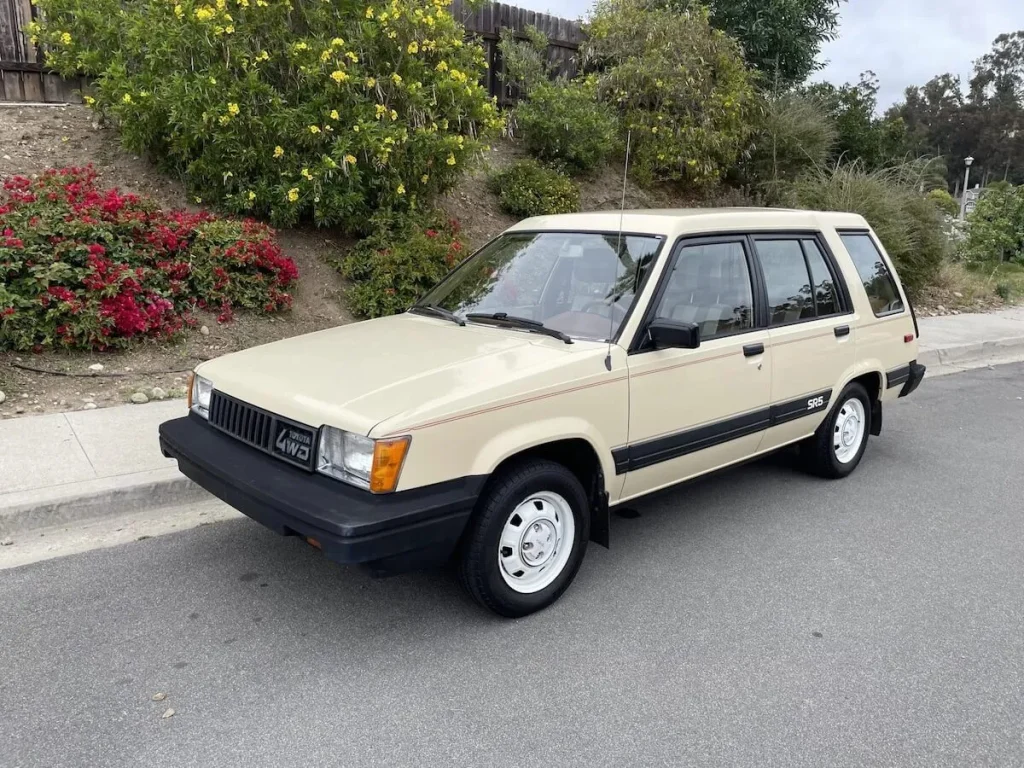
The simple choice of quality tires combined with attention to alignment can transform the driving experience of a Tercel, making it feel far more confident and comfortable than many give it credit for. This small car rewards owners who respect its footing on the road.
Tip 9: Prevent Rust and Protect the Body
Mechanical strength is useless if the body falls apart. Rust is often the silent enemy of any car past 20 years, and the Tercel is no exception.
Whether it is caused by snowy roads treated with salt or general moisture exposure, corrosion will eventually creep into wheel arches, underbody sections, and around door frames.
Regular washes, especially underneath the car, remove salt and dirt buildup that accelerates rust. For regions where winters are harsh, applying an undercoating or rust protection solution helps preserve the frame. Even a careful application of wax twice a year slows the spread of corrosion on exposed panels.
Spotting rust early is always easier than fixing severe outbreaks. Small bubbles in paint or a rough texture along the rocker panels are warning signs. Sanding, priming, and repainting these areas early saves major repair costs.
Door seals and drainage channels also deserve inspection. If water collects inside panels, rust starts working from within. Clearing clogged drains and making sure seals remain intact reduces the risk of hidden deterioration.
Preserving the structure does more than keep the car looking respectable. It prevents safety compromises, ensures panels align correctly, and preserves resale value. For many classic Tercel owners, keeping rust managed is the biggest factor in whether their car can keep lasting for decades.
With steady vigilance and protective treatments, a 20-year-old Tercel can fight corrosion much more successfully than one left unattended. This is an easy yet powerful win for ensuring the body holds up as well as the mechanical parts.
Tip 10: Stay Consistent with Small Checks and Habits
The final easy win is less about a single system and more about an attitude of care. Cars this old respond best to consistency. By scheduling small checks as part of ownership, drivers catch problems before they grow into expensive repairs.
This can be as simple as setting a monthly routine: check fluid levels, tire pressure, and inspect under the car for leaks. Look at belts and hoses for cracks while also listening for any changes in sound from the engine. Many major failures start as subtle signs that could be spotted early.
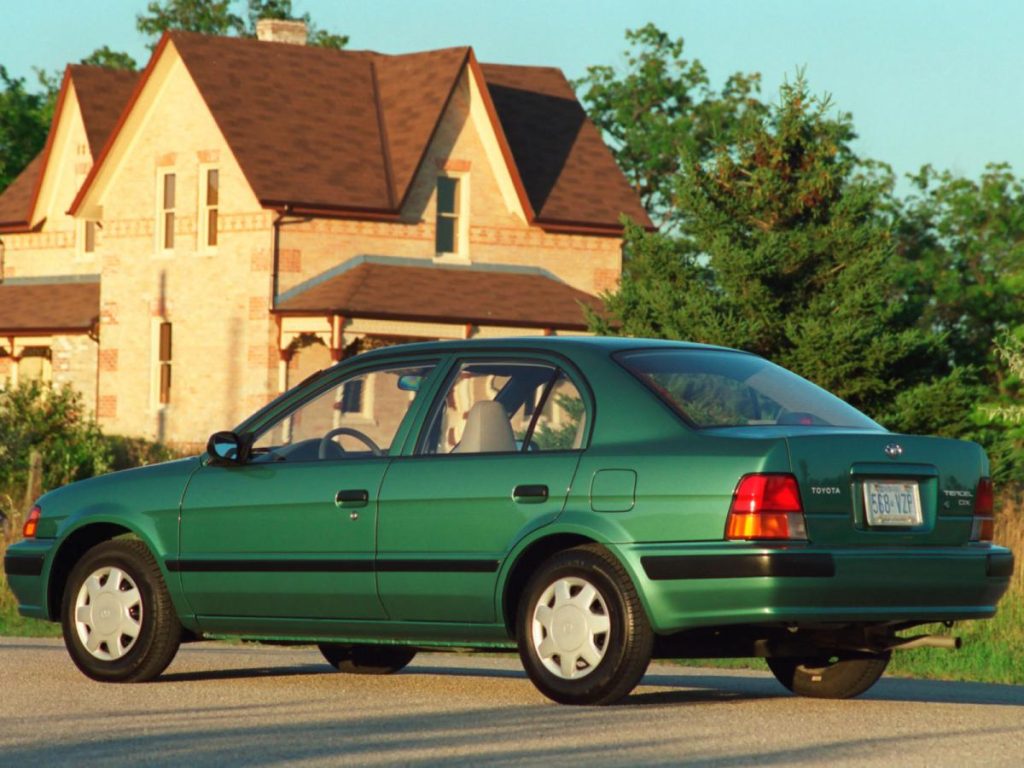
Driving habits also matter. Allowing the engine to warm gradually before pushing it hard reduces stress. Avoiding potholes or rough treatment preserves the suspension. Even storing the car in a garage or shaded spot helps protect it from extreme temperatures and UV damage.
Keeping a notebook or digital log of services helps track what has been done and what is due. This small step is invaluable with older cars, where forgetting maintenance dates can lead to overlooked items.
While each of the previous tips deals with specific systems, consistency ties all of them together. Owners who treat their Tercel with routine, respectful attention find that it continues to deliver exceptional reliability year after year.
This final habit ensures that the dependability Toyota engineered into the model is fully realized, allowing it to remain a faithful companion for far longer than most vehicles are expected to last.
Also Read: 10 Habits That Destroy a Jeep Grand Cherokee Off-Road
