
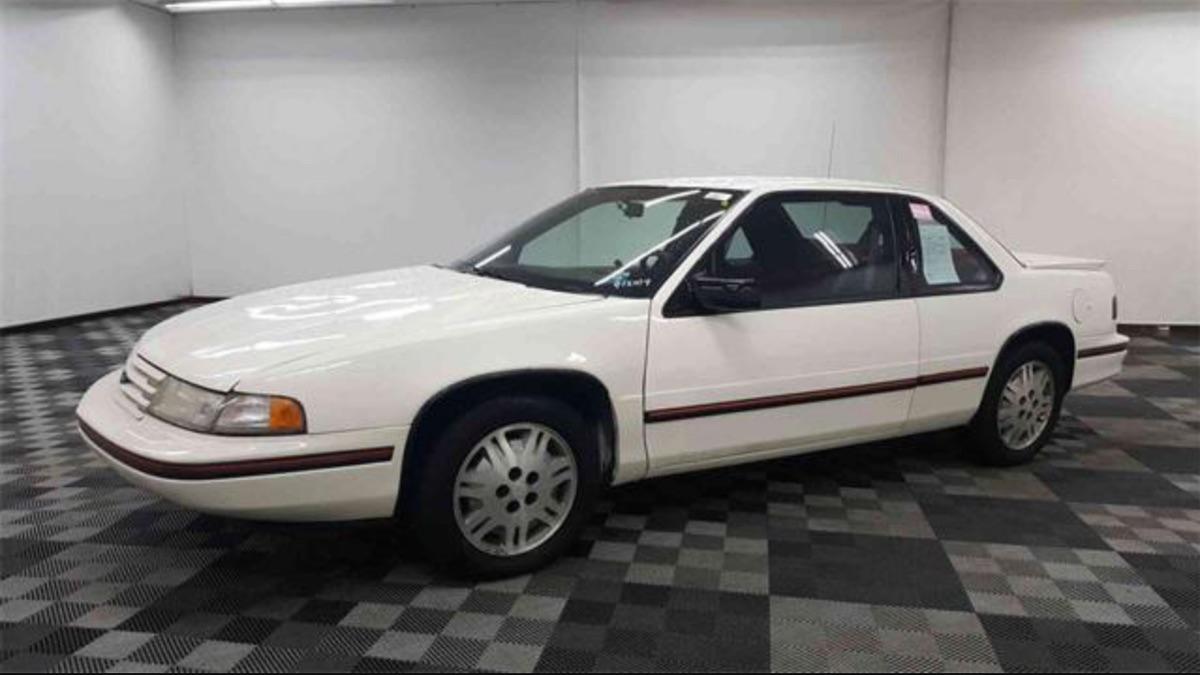
The Chevy Lumina holds a special place in the memories of many car enthusiasts and long-time drivers. Produced during the 1990s and early 2000s, this model became known for being dependable, comfortable, and reasonably affordable when introduced.
Although it has been many years since the last Lumina rolled off an assembly line, a large number of them remain firmly on the road today.
Their staying power is not accidental. With careful upkeep, thoughtful habits, and small but consistent measures, the Lumina can continue providing dependable service even as it grows older.
Older vehicles like the Lumina have their unique personality. They may not boast the latest features or most advanced electronics, but they compensate with mechanical simplicity and long-lasting engineering.
The real challenge lies not just in holding on to a car for sentimental reasons but in pushing its useful life further. Many owners rely on Luminas as family cars, daily commuters, or reliable secondary vehicles.
Extending the service life becomes a matter of financial and practical sense. For some households, maintaining their aging Chevy makes more sense than investing in a new car right away.
This article highlights ten very practical strategies that can meaningfully extend the life of a Chevy Lumina. These are not quick gimmicks but sustainable maintenance habits.
From proper fluid care and tire management to preventive upkeep and mindful driving, each approach is designed to protect vital components of the car. By giving thoughtful attention to these areas, owners can add years of usability to their Lumina.
Whether you are a long-term fan of this model or someone trying to keep their older sedan budget-friendly, the following hacks will serve as an actionable guide to stretch the life of your Chevy Lumina well into the future.
Also Read: 5 Engines That Survive Track Days and 5 That Melt Down
Hack 1: Prioritize Regular Oil Changes
One of the simplest but most powerful steps an owner can take to keep a Chevy Lumina on the road longer is sticking with properly scheduled oil changes.
The Lumina’s engines, whether the base V6 or the more powerful trims, are designed to operate smoothly only when lubricated with clean oil. Over time, engine oil breaks down under heat, friction, and exposure to debris.
When this occurs, it loses its protective qualities, and metal parts inside the motor begin to rub together with greater resistance. This accelerates wear and tear, potentially leading to costly engine repairs.
Many owners tend to extend their oil change intervals beyond recommendations, assuming that modern synthetic oils can handle longer cycles.
While synthetic oils do provide better protection and longer lifespan, an older engine like the one in a Lumina benefits greatly from more frequent servicing.
For a vehicle that has crossed the 100,000-mile mark, carrying out oil changes at 3,000 to 4,000 miles helps maintain stable lubrication and engine cleanliness.
Along with new oil, replacing the filter is equally important. A clogged or dirty filter allows contaminants to circulate, undoing much of the benefit of fresh oil.
Another overlooked detail is the type of oil used. Owners of aging Luminas should consider high-mileage engine oils. These contain additives specifically formulated to reduce leaks, condition seals, and provide extra protection against wear.
Since Luminas are no longer new vehicles, oils that cater to high-mileage engines help maintain smoother operation and reduce the chances of oil burning, which older engines often experience.
By keeping up with consistent oil and filter changes, owners are directly preserving the heart of the car. A relatively inexpensive routine today can prevent major engine failures tomorrow. Prioritizing this single practice can easily add years to the road life of a Chevy Lumina.
Hack 2: Maintain Proper Tire Care
Tires play an essential role in ensuring the safety, handling, and longevity of any car, and that includes the Chevy Lumina.
Many drivers underestimate the importance of consistent tire care, thinking that tires only need attention when visibly worn out. However, adopting certain practices can greatly extend both the life of your tires and the performance of your vehicle.
The first step is keeping tire pressure at manufacturer-recommended levels. Underinflated tires cause excess friction against the road, leading to uneven wear and lower fuel efficiency. Overinflated tires, on the other hand, reduce traction and make the ride harsh.
Both situations put stress on the suspension and steering components of the Lumina. Checking tire pressure at least once a month, especially during weather changes, is a simple practice that goes a long way.
Rotating tires every 5,000 to 6,000 miles is another habit that pays dividends in longevity. Since the front tires bear more driving stress due to steering and braking, they often wear down quicker.
By rotating, the wear is spread evenly, extending the total lifespan of the tire set. Alignment checks are equally important here, as poor alignment can cause crooked wear patterns that shorten tire life and affect stability.
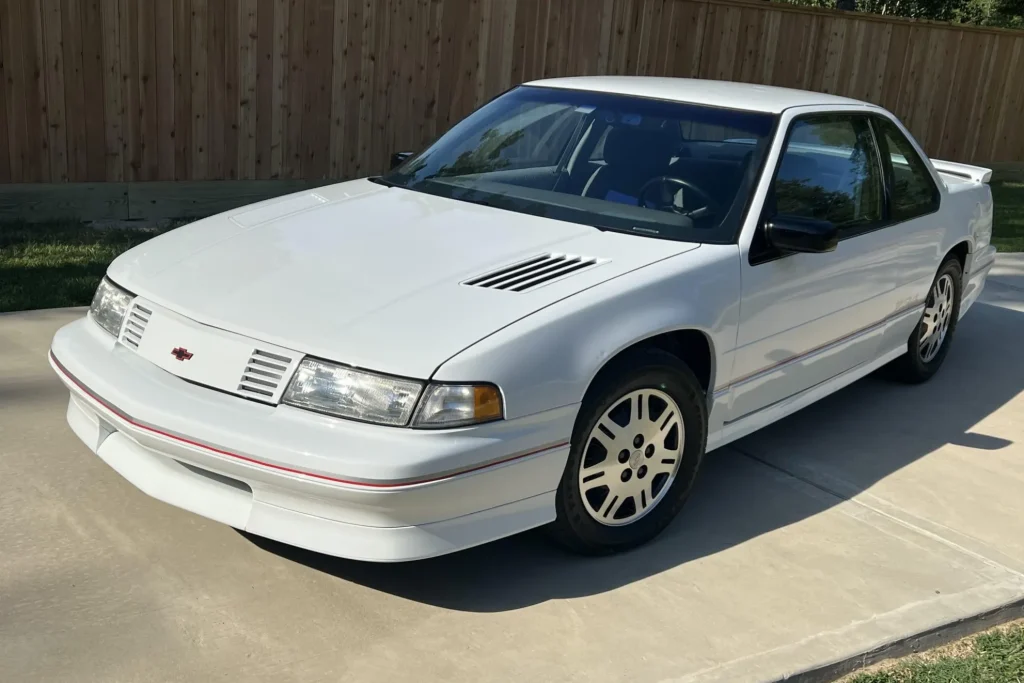
For owners of older Luminas, considering tire quality is another important decision. While budget tires may save money upfront, investing in reputable brands with solid tread-life warranties will provide better traction, safety, and durability.
Worn tires in particular should never be ignored. A simple penny test to check tread depth before trips can prevent accidents caused by bald tires.
Good tire care directly supports other vehicle systems. It protects suspension, maintains efficiency, improves braking performance, and keeps road trips smooth and safe.
By establishing these tire habits and replacing them in a timely manner, a Chevy Lumina owner can extend the life of both the tires and the vehicle itself.
Hack 3: Keep the Cooling System Healthy
Overheating is one of the most damaging problems a vehicle can encounter, and the Chevy Lumina is no exception. The cooling system plays the crucial role of preventing excess heat from reaching levels that damage the engine.
Caring for it is not just about preventing breakdowns but also about ensuring that the Lumina remains efficient and dependable many years down the road.
A cooling system consists of the radiator, water pump, thermostat, hoses, and coolant fluid. Each of these parts works together, and ownership of a Lumina means keeping an eye on each component regularly.
The most important step is monitoring coolant levels. Low coolant can cause immediate overheating, especially on longer drives or in hot climates. Checking the reservoir and topping off with the correct antifreeze mix is a routine that should never be skipped.
Flushing the coolant system every two to three years is also vital. Over time, coolant not only loses effectiveness but can begin to build corrosion and deposits that clog the radiator and compromise flow.
A complete flush helps restore balance, keeping the system clean and maintaining the correct boiling and freezing protection levels.
Hose inspections are frequently ignored but necessary. Old rubber hoses can dry out, crack, or become brittle, leading to coolant leaks. On an aging Lumina, checking hoses for softness, bulges, or leaks helps catch potential failures well before they cause overheating.
The water pump and thermostat should also be addressed periodically. While they often last several years, failure of either part will cause an immediate overheating issue. Proactive replacement, especially after high mileage, can prevent sudden breakdowns.
By caring for the cooling system, drivers not only avoid costly engine damage but also give their Lumina a smoother, longer-running lifespan.
Proper coolant levels, flushes, and inspections ensure that this overlooked system keeps functioning and protects the car’s most important parts.
Hack 4: Don’t Ignore Transmission Service
While the engine gets most of the attention, the transmission is equally essential in keeping a Chevy Lumina reliable over the long run. Many older car owners overlook transmission care because problems take longer to appear and servicing is not needed as often.
However, when issues arise, transmission repairs are among the most expensive, often costing more than the car’s value. Preventive service can avoid these scenarios.
The transmission fluid is the life of the system. It lubricates gears, keeps parts cool, and enables smoother shifting. Over time, this fluid loses consistency, becomes contaminated with debris, and fails to protect the system effectively.
Checking the transmission fluid regularly, both for level and color, is a habit that should never be ignored. Bright red fluid indicates good condition, while brown or burnt-smelling fluid suggests it’s time for a change.
For Luminas with automatic transmissions, fluid changes should ideally take place every 30,000 to 40,000 miles.
Older cars especially benefit from more frequent attention, since leaks or worn seals are more common. Replacing the filter along with the fluid is equally important, as it traps contaminants and extends the system’s health.
Another overlooked point is driving style. Abrupt starts, rapid acceleration, or shifting into gear before the car has fully stopped put unnecessary strain on the transmission. Owners who handle their Lumina more gently often notice smoother performance and fewer issues over time.
If the car begins showing signs like slipping gears, delayed responses, or shuddering during acceleration, addressing these early can mean the difference between a repair and a full rebuild. Timely attention allows mechanics to fix smaller issues before they evolve into catastrophic failures.
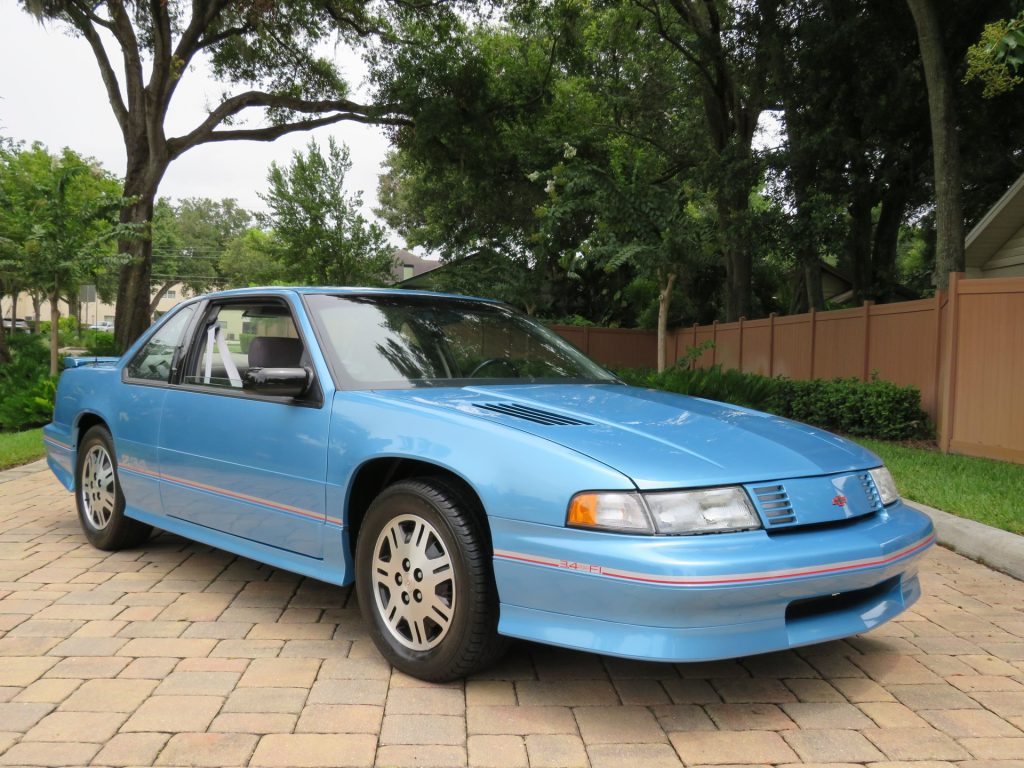
A well-cared-for transmission directly contributes to an extended road life for the Lumina. By prioritizing fluid care, sensible driving habits, and early repairs, an owner can avoid one of the most expensive pitfalls of older car ownership.
Hack 5: Brake System Checks Are Essential
Stopping power is just as important as acceleration or smooth handling. Neglecting the brake system on a Chevy Lumina not only invites danger but also hastens wear on other parts of the car.
Brake components wear down gradually, and if unnoticed, can put the vehicle at serious risk. Regular brake care keeps both safety and longevity intact.
The Chevrolet Lumina, like many cars of its time, uses disc brakes at the front and often drum brakes at the rear, depending on the model year.
Pads and shoes are designed to wear down over time. Waiting too long before replacement allows metal-on-metal contact, which severely damages rotors or drums. That is a much costlier fix compared to simply swapping pads or shoes in a timely manner.
Another major part of brake care is checking fluid levels. Brake fluid is hygroscopic, meaning it absorbs moisture over time, which lowers its effectiveness. Old fluid can lead to spongy pedals and longer stopping distances.
Replacing the fluid every two years is recommended, especially in older vehicles like the Lumina. Flushing out old fluid ensures the system maintains full hydraulic pressure and consistency.
Signs of a weakening brake system include squealing noises, grinding sounds, vibration during braking, or longer stopping distances.
Drivers should respond to these hints immediately rather than pushing them off. A thorough inspection by a qualified mechanic ensures rotors, calipers, and other key parts function as intended.
Tires also play a role in braking efficiency. Worn or unbalanced tires add extra stress to the brakes since the system must work harder to stop the car on compromised traction. Pairing good tires with healthy brakes creates maximum stopping power and smoother operation.
With steady maintenance and smart vigilance, the Chevy Lumina’s brake system will perform reliably for years to come. Giving attention to pads, fluid, and early warning signs guarantees safer driving while contributing to the extended lifespan of the car itself.
Hack 6: Battery and Electrical Health
The electrical system provides far more than just starting the engine. On a Chevy Lumina, it powers ignition, lighting, accessories, and key control modules.
Without a strong battery and reliable electrical circuits, a dependable daily drive becomes nearly impossible. Keeping this system in good health is one of the most overlooked but necessary steps for extending the Lumina’s life.
Batteries on older vehicles rarely last more than four to five years. For a Lumina that is already over two decades old, ensuring that the battery is modern, properly charged, and corrosion-free is essential.
Regular inspections should focus on the terminals, which tend to develop corrosive buildup. Cleaning these with a simple mixture of baking soda and water, along with a wire brush, restores proper connectivity and prevents power loss.
Another important aspect is checking the alternator. The alternator recharges the battery while driving, and when it begins to weaken, the entire system struggles.
Symptoms of a failing alternator include dim headlights, slow cranking, or warning lights on the dashboard. Testing at regular service intervals keeps this problem from being overlooked.
Wiring should not be underestimated either. An older Chevy Lumina could have brittle or frayed wires after decades of use. Fixing any exposed or weakened wiring prevents short circuits that could disable key functions or even become fire hazards.
Finally, for long-term parking or seasonal storage, using a battery maintainer is smart. This device provides a slow trickle charge, preventing the battery from draining when the car is not in use. Many Lumina owners who keep their vehicles as second cars find this tool especially helpful.
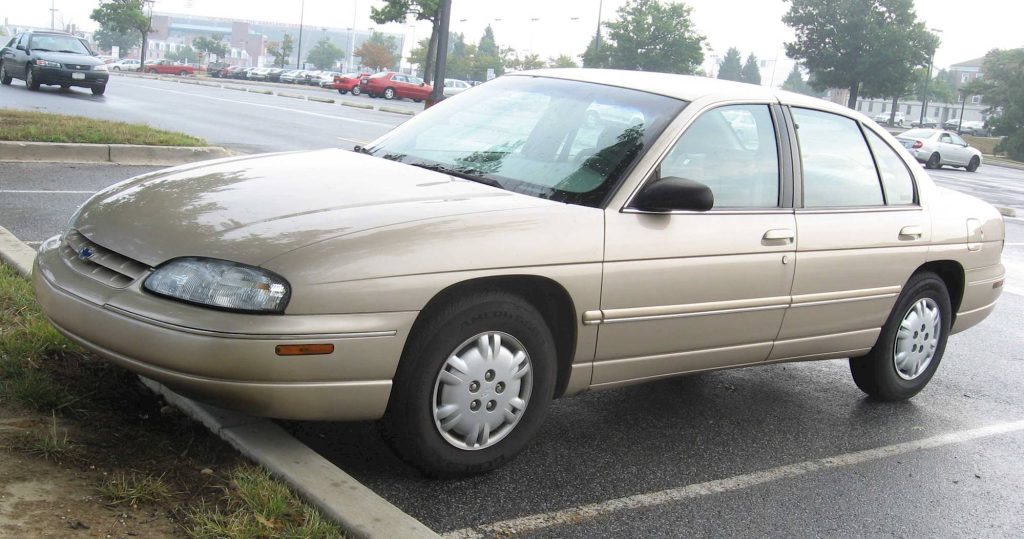
Electric reliability contributes directly to the car’s road-worthiness. Investing a little time in battery care, alternator checks, and wiring inspections ensures the Lumina continues to start without hesitation and operate smooth electrical functions for years to come.
Hack 7: Fuel System Care and Cleaning
The fuel system ensures that the Chevy Lumina’s engine receives the right mix of air and gasoline for combustion. Over years of use, however, it is common for buildup and deposits to accumulate in fuel injectors, filters, and lines.
If left unchecked, these issues lead to reduced efficiency, sluggish performance, and eventually costly engine strain. Adopting proper fuel system care habits helps prevent these problems.
The first step is making use of high-quality gasoline. Cheaper or lower-grade fuels can deposit more carbon buildup in the combustion system. While the Lumina may not demand premium fuel, sticking with well-rated filling stations ensures cleaner gasoline with fewer impurities.
Next, fuel system cleaners can be added periodically. These additives, designed for older vehicles, remove carbon deposits and keep injectors working more effectively. A bottle every few thousand miles is a low-cost preventive habit that helps an aging engine breathe easier and deliver smoother power.
Replacing the fuel filter is also important. On older Luminas, these filters can clog faster, especially if the tank or lines have ever developed rust or buildup.
A clogged filter restricts fuel flow, forcing the pump to work harder and potentially leading to failure. Swapping filters every 20,000 to 30,000 miles keeps the system flowing properly.
For drivers of extremely high-mileage Luminas, having fuel injectors professionally cleaned can bring the car back to better performance.
Injectors that spray fuel unevenly create vibrations, reduced efficiency, and inconsistent engine power. Professional cleaning restores their original spray pattern, allowing the engine to run smoothly.
By preserving the fuel system with thoughtful habits, owners give their Lumina not only more longevity but also better efficiency. Fewer clogs, cleaner injectors, and a healthier pump keep the car running like it was meant to, even years beyond its prime design.
Hack 8: Suspension and Steering Care
Comfort and control are two strengths that made the Chevy Lumina popular with families when it was new. Both qualities depend heavily on the suspension and steering.
Over time, shocks, struts, bushings, and steering components wear down, affecting stability, tire wear, and vehicle safety. Giving this system attention does wonders in extending the Lumina’s usable years.
One of the first signs of suspension wear is when the ride feels bouncy or unstable over road imperfections.
Worn-out shocks and struts reduce the car’s ability to absorb bumps, putting more stress on the body structure and passengers. Replacing them when needed not only restores comfort but also prolongs tire and chassis health.
Steering components deserve equal attention. Older Luminas may develop play in the steering wheel, uneven alignment, or noises when turning.
These symptoms point to issues with components like tie rods, ball joints, or the steering rack. Prompt repairs prevent uneven tire wear and protect other connected systems from strain.
Wheel alignment and balancing extend tire and suspension life notably. Bad alignment forces the car to pull to one side, wearing down tires unevenly and straining steering parts. Keeping alignment checked at regular intervals ensures safer handling while reducing long-term stress.
Bushings and mounts, though small, often get ignored. On cars as old as the Lumina, rubber parts tend to dry out and crack. Replacing these inexpensive parts can smooth out vibrations and drastic thumping sounds, restoring the car’s handling significantly.
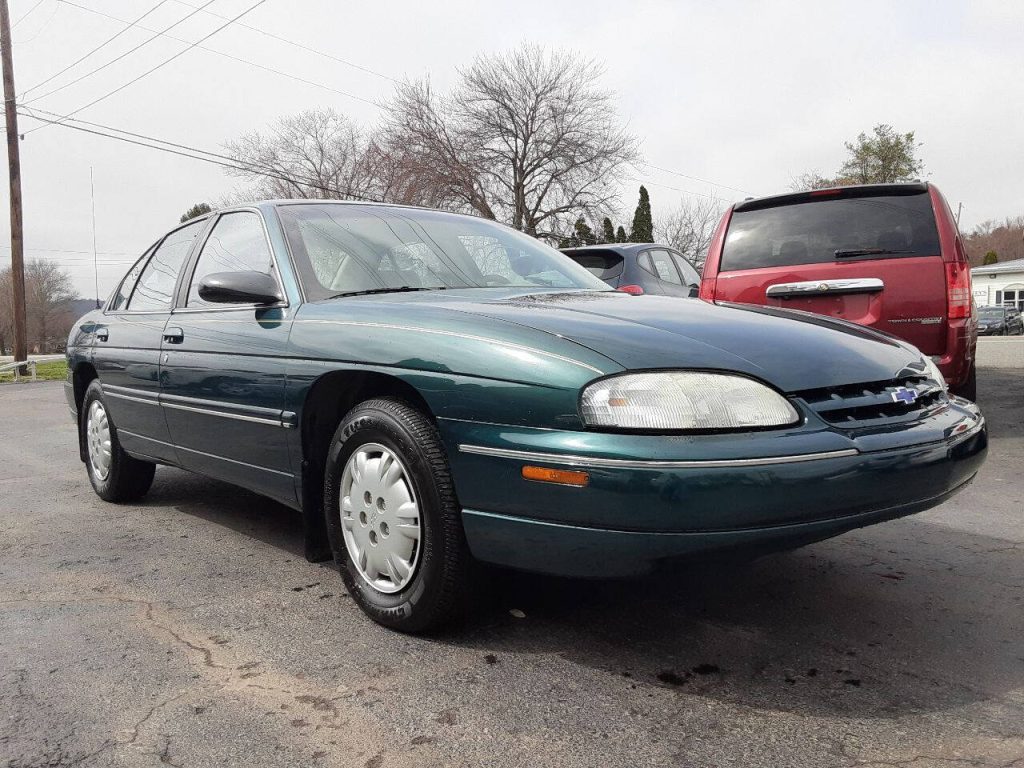
By maintaining healthy suspension and steering, not only does the Lumina regain its original driving comfort, but the structural health of the car is preserved. Considering the age of these vehicles, attentive suspension care distinguishes those that remain dependable from those that wear out prematurely.
Hack 9: Protect Against Rust and Exterior Damage
Rust is one of the most silent but devastating threats to any older car. The Chevy Lumina, like most vehicles of its era, was not built with the same rust protection technologies found in today’s models. Therefore, safeguarding against corrosion is crucial to keep the structure solid and the car roadworthy.
The first step is regular washing, especially during winter or in regions where road salt is common. Salt accelerates rust by clinging to the metal underbody and eating away at protective coatings.
Washing underneath the car helps prevent the buildup of salt and mud. Even in dry climates, periodic washes remove grime that may trap moisture.
Applying protective wax on the paint adds a barrier against not only the environment but also small scratches and chips. Once the paint is compromised, exposed metal invites rust. Regular waxing preserves the exterior and slows down oxidation.
Owners of older Luminas should pay special attention to common rust zones. Door sills, wheel arches, trunk bottoms, and undercarriage areas are typical problem spots. Early treatment with rust-prevention sprays, sealants, or touch-up paint can halt spread before it worsens.
Parking habits also contribute to rust management. Keeping the car in a garage or covered with breathable car covers limits exposure to continuous moisture and sun damage. Avoiding long-term parking on grass or dirt surfaces further prevents moisture accumulation underneath.
Rust spreads quickly if neglected, significantly reducing a vehicle’s roadworthiness. Structural rust not only looks bad but can also impact suspension mounts and critical safety areas. Protecting the Lumina from corrosion with proactive care ensures its durability for many additional years.
Hack 10: Practice Smart Driving Habits
How a car is driven often determines how long it lasts. For an older sedan like the Chevy Lumina, adopting smart driving habits prevents unnecessary strain and extends its ability to serve dependably. Many breakdowns and repairs can be avoided simply by being more mindful behind the wheel.
Excessive acceleration and sudden braking place heavy stress on the engine, transmission, and suspension.
A smoother approach keeps mechanical strain to a minimum. Luminas benefit when driven at steady speeds, with gradual gear changes and moderated braking. Driving habits that encourage fluid operation help parts last longer.
Another key point is respecting warm-up times. Older engines, especially those with high mileage, need a short period for oil to circulate properly before heavy acceleration. Allowing the car to idle briefly on cold mornings protects major components, particularly bearings and gaskets.
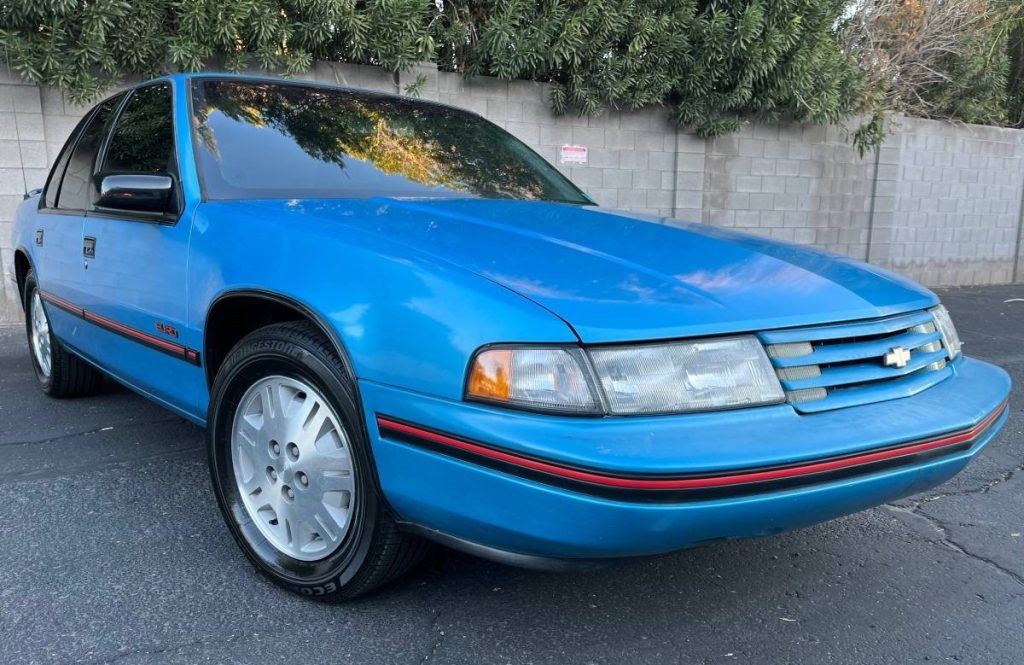
Avoiding overloading is another smart driving practice. The Lumina is not meant to haul excessive weight. Heavy loads increase stress on brakes, suspension, and drivetrain. Keeping cargo within reasonable limits ensures strain-free operation.
Lastly, staying alert to small warning signals while driving makes a significant difference. If unusual noises, vibrations, or dashboard lights appear, they should be taken seriously. Catching these small signs early prevents them from snowballing into breakdowns.
Smart driving habits may not require money or mechanics, but they make all the difference in the longevity of an aging car like the Lumina. When paired with routine maintenance, thoughtful driving practices add years of reliable performance with minimal hiccups.
Also Read: 9 Things to Avoid If You Want a Honda Pilot to Last 250,000 Miles
