
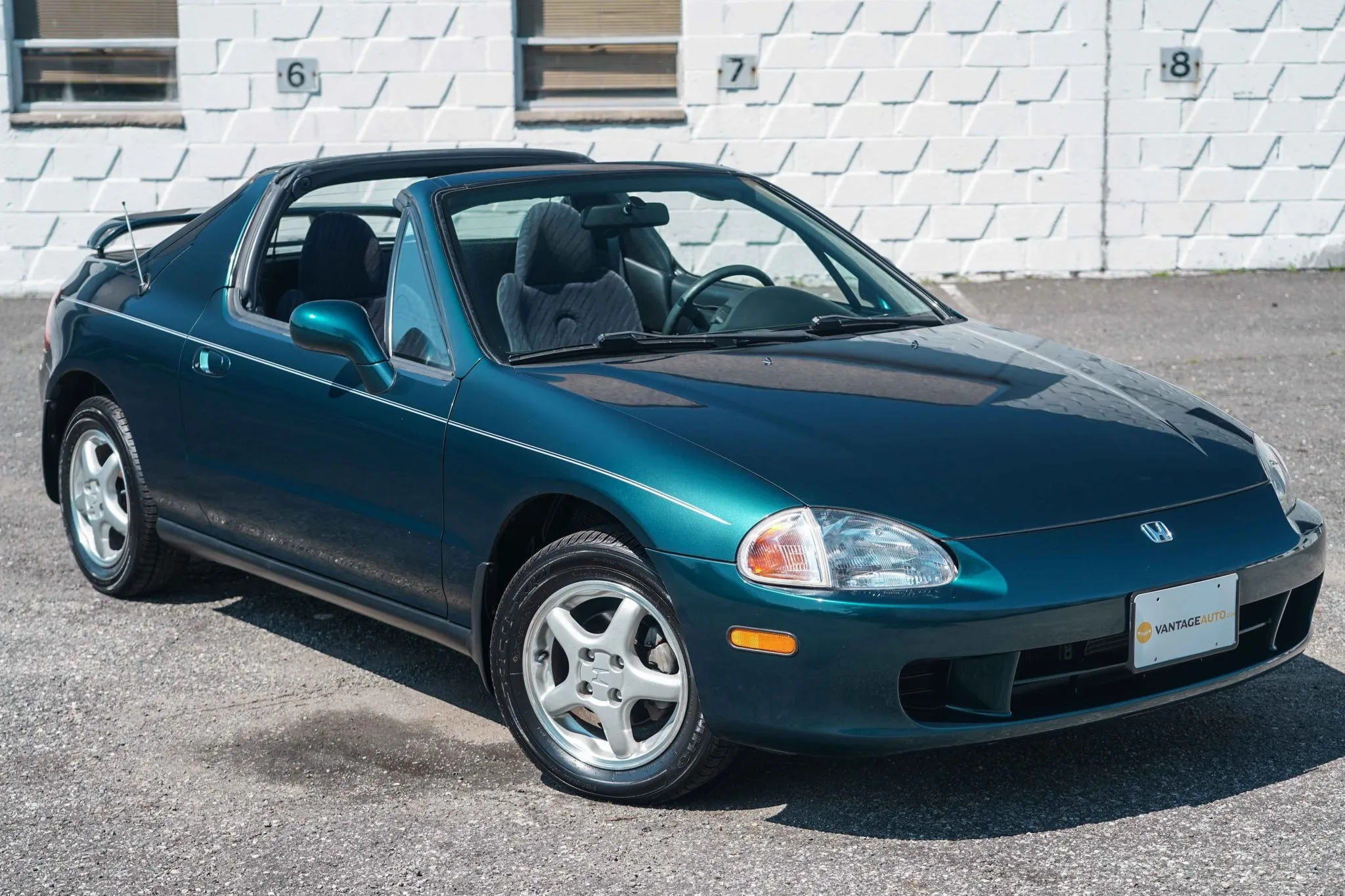
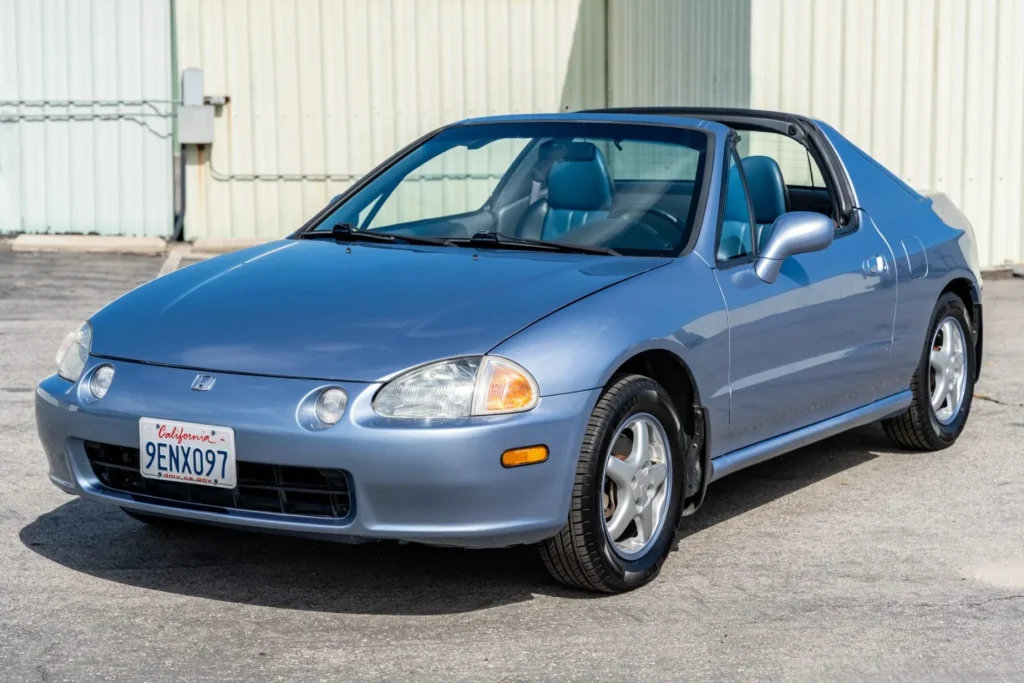
The Honda Del Sol has become somewhat of a cult classic, admired for its lightweight design, sporty feel, and unique targa-style roof.
Produced during the 1990s, it stands out as a fun and affordable option for car enthusiasts who value driving pleasure and reliability. Despite its reputation for being durable and dependable, the Del Sol is not invincible.
Like any mechanical machine, its life and performance greatly depend on how it is treated by its owner. Unfortunately, many drivers develop habits that, over time, cause unnecessary wear and tear on critical components.
The Del Sol carries Honda’s reputation for endurance, but poor maintenance choices and careless driving routines can dramatically shorten its lifespan. Sometimes, the issues are not immediate, and this can mislead owners into believing their car is unaffected.
However, as months turn into years, those repeated mistakes can damage everything from the engine to the suspension and even the body panels.
For an older car like the Del Sol, keeping destructive habits in check is even more important because finding parts and ensuring longevity requires extra attention.
Caring for a Del Sol properly is more than just occasional oil changes. It involves respecting its limitations, consistently addressing minor problems before they grow, and avoiding routines that strain its mechanical components.
Neglecting this philosophy can quickly transform a dependable car into one plagued by expensive repairs or complete breakdown.
In this guide, we will look at specific bad habits that harm a Honda Del Sol faster than its owners realize. Each point will examine not only why these practices are damaging but also how they affect the longevity of this beloved car.
By identifying and avoiding them, Del Sol enthusiasts can keep this classic on the road longer, enjoying its character and charm for years.
Also Read: 10 Pro Tips That Keep a Chevy HHR Reliable for Daily Driving
Habit 1: Skipping Regular Oil Changes
One of the worst mistakes a Honda Del Sol owner can make is neglecting oil changes. Engine oil is the lifeblood of the motor, and when it becomes old, contaminated, or runs too low, it can lead to catastrophic consequences.
The Del Sol, like other Hondas from its era, uses relatively small, high-revving engines designed to provide both efficiency and fun driving experiences. These engines perform best when lubricated with clean, quality oil.
When oil changes are skipped, the fluid breaks down and becomes less effective at reducing friction. As its protective qualities fade, metal components start grinding against each other.
Over time, this leads to increased wear on critical engine parts, including the pistons, cylinder walls, and camshafts. The lack of lubrication also makes it easier for sludge deposits to build up inside the engine.
Once sludge forms, it restricts oil flow further, leading to overheating and potential oil starvation. For a car like the Honda Del Sol, which may already be several decades old, these risks are amplified due to natural aging of seals, gaskets, and the internal components themselves.
Another overlooked detail is the impact on fuel efficiency and overall performance. Dirty oil increases resistance within the engine, forcing it to work harder for the same level of power. This creates a sluggish driving feel and reduces the joy of driving a nimble Honda.
Left long enough, the damage could escalate to a point where a full rebuild becomes necessary, which often costs far more than the vehicle’s current market value.
To preserve the Del Sol, it is crucial to change oil at proper intervals, typically every 3,000 to 5,000 miles, depending on usage and oil type.
Using high-quality oil suited for older engines also helps. Skipping this basic maintenance may seem harmless in the short term, but it is among the fastest ways to kill a car whose charm lies in its long-lasting spirit.
Habit 2: Ignoring the Cooling System
A Honda Del Sol may come across as a low-maintenance car, but ignoring its cooling system can have disastrous effects.
The coolant system is responsible for regulating engine temperature, preventing overheating during high-stress moments like long highway runs or hot weather.
Unfortunately, many car owners neglect this area by not flushing the coolant on schedule, avoiding radiator inspections, or failing to replace deteriorating hoses. Over time, these choices can slowly damage the car’s engine.
When coolant becomes old, it loses its ability to resist corrosion and properly manage heat. In older cars like the Del Sol, this often results in rust forming inside the radiator and around cooling passages.
Blockages from corrosion reduce circulation, causing hotspots within the engine. Once overheating begins, it is only a matter of time before head gaskets fail or cylinder heads warp. A blown head gasket on any car is bad enough, but in a Del Sol, it can be the end of an otherwise dependable engine.
Another frequent issue relates to ignoring the water pump or thermostat. If the pump begins leaking or failing, coolant flow significantly reduces, putting constant stress on the entire system.
Similarly, a thermostat stuck closed can destroy the engine within minutes. Unfortunately, these are common issues drivers overlook until it’s too late.
Preventing cooling system neglect is not difficult. The solution is flushing the system multiple times within the life of the vehicle, replacing fluid every 2 to 3 years, and checking hoses for cracks or leaks.
Using quality coolant designed for Honda vehicles makes a difference as well, since cheap fluids may not protect aluminum parts properly.
By giving this system a little attention, an owner ensures their Del Sol avoids one of the most common killers of otherwise reliable engines.
Habit 3: Driving with Low or Poor-Quality Transmission Fluid
Another bad habit that quickly shortens the life of a Honda Del Sol is neglecting the transmission fluid. Unlike motor oil, many owners wrongly believe that transmission fluid doesn’t need regular attention unless something feels wrong.
This mindset often leads to worn-out transmissions, creating one of the costliest repairs a Del Sol owner might face.
The Del Sol came with two main transmission types depending on trim and preference: manual and automatic. For manual transmissions, fresh fluid is critical to keep gears synchronized and shifting smoothly.
Dirty or old transmission oil becomes thick, losing its ability to reduce friction within the gearbox. As a result, gear grinding, hard shifting, or premature wear can occur. For an automatic Del Sol, the stakes are even higher.
The transmission relies on clean fluid not just for lubrication but also for hydraulic pressure to change gears. When the fluid is low, burnt, or contaminated, gear slipping, overheating, and complete failure soon follow.
Transmission rebuilds are far more expensive than preventive maintenance. Skipping simple fluid changes drastically reduces the long-term life of this critical component.
For the Del Sol, a car that’s now decades old, replacing the transmission can cost nearly as much as the car’s total worth in today’s market.
To protect the transmission, checking fluid levels periodically and replacing it according to Honda’s recommended schedule is necessary. Using the correct Honda-approved fluid is equally important since generic or low-quality substitutes can compromise performance.
For manual models, regular inspections for clutch wear also help prevent strain. Staying disciplined with this habit ensures the car shifts smoothly no matter how many miles it has logged.
Transmission neglect is often overlooked, but once damage sets in, there is no easy way back. By maintaining proper fluid health, an owner keeps their Del Sol responsive and enjoyable to drive while avoiding hefty repair bills.
Habit 4: Excessive Aggressive Driving
The Honda Del Sol was designed to be fun, agile, and sporty. Naturally, it encourages spirited driving, but treating it like a racecar every time drastically reduces its life.
Many enthusiasts make the mistake of over-revving the engine, redlining on a regular basis, or performing constant hard acceleration followed by sudden braking. Though the engine is robust for its size, years of such treatment eventually strain its mechanical limits.
For instance, consistently revving near redline accelerates wear on pistons, rod bearings, and valves. What makes this worse is the age of the Del Sol today, as its components may already have accumulated decades of usage.
Similarly, constant harsh gear changes in a manual model wear out clutch discs and synchronizers more quickly. Drivers who ride the clutch when accelerating make the situation even worse.
Overaggressive driving also punishes the suspension and brakes. Repeated sudden stops heat up brake pads and rotors excessively, reducing their lifespan.
On the suspension side, potholes taken at high speeds and unnecessary hard cornering stress shocks, mounts, and bushings. If ignored, these parts cause poor ride quality and make simple handling difficult, stripping away the car’s trademark lightweight driving charm.
This doesn’t mean spirited driving is completely off-limits, but moderation is the key. Treating performance bursts as occasional rather than routine preserves the Del Sol. Allowing the engine to warm up before pushing it hard goes a long way in ensuring longevity.
Avoiding repetitive burnouts, drifts, or unnecessary harsh clutch drops protects components designed for reliability, not abuse.
Owners often forget that cars like the Del Sol, though sporty, were made for balanced city and highway driving, not track-level punishment every day. By resisting aggressive habits, an owner keeps the car enjoyable and worry-free for many more years.
Habit 5: Neglecting Suspension and Alignment
Another major factor that harms a Honda Del Sol over time is ignoring suspension and alignment issues. The suspension not only ensures comfort but also plays a vital role in handling, stability, and safety.
Unfortunately, many owners treat suspension parts as low-priority items until driving becomes unbearable. The longer problems are neglected, the more stress is transferred to other areas of the car.
Worn shocks and struts directly affect how the Del Sol handles corners. Instead of controlled body movement, the car starts bouncing, which compromises grip and control. This can be dangerous during emergency situations where stable handling is required.
Ball joints, bushings, and control arms also wear out, producing clunks or rattling noises that many ignore. Left untreated, these issues can lead to suspension collapse or failure during driving.
Alignment problems add another layer of risk. If the wheels are not properly aligned, tires wear unevenly and much faster than normal. This not only costs more in replacements but also reduces grip and stability.
Misalignment also forces other components, like steering racks or wheel bearings, to endure unnecessary stress. Over time, this shortens their lifespan, leading to additional repairs.
The Del Sol is already an aging vehicle, so many of its original rubber bushings and mounts are long past their effective life. Restoring the suspension to proper condition and maintaining alignment provides noticeable improvements in safety and fun.
Routine alignment checks after tire replacements or suspension work are a small investment compared to prematurely wearing out expensive parts.
Treating suspension like a disposable system is one of the fastest ways to degrade the driving experience of the Del Sol. Keeping the suspension and alignment healthy ensures smoother handling, protects the tires, and preserves the driving feel that makes the car unique.
Habit 6: Using Cheap Replacement Parts
As the Honda Del Sol continues to age, finding parts becomes more challenging. This often tempts owners to choose low-cost replacements to keep the car on the road.
While this might save money in the short term, cutting corners by using poor-quality aftermarket parts contributes heavily to premature failures.
Take the braking system, for example. Installing the cheapest available brake pads often results in reduced stopping power, faster wear, and increased brake dust.
When combined with thin or low-grade rotors, braking performance becomes inconsistent, which is unsafe. Likewise, suspension components such as cheap ball joints or tie rods tend to wear quickly, requiring additional labor costs to replace them again.
Electrical components are equally at risk. Off-brand sensors, alternators, or ignition parts may not meet Honda’s specifications, leading to unreliable performance or repeated breakdowns.
For a car like the Del Sol, built with Honda’s original precision, mismatched parts upset its balance. Instead of running as designed, the car gradually feels less dependable.
A common saying among enthusiasts is that buying cheap means buying twice. Not only do low-cost substitutes wear faster, but they also risk damaging connected components.
An inferior timing belt, for instance, could snap prematurely, ruining the engine. At that stage, an initially small cost-cutting decision turns into a massive repair bill.
To protect the Del Sol properly, owners should prioritize OEM or reputable aftermarket parts from trusted manufacturers. Though this often costs a little more upfront, it dramatically improves reliability overall.
Expense-conscious owners can save money by spacing out maintenance tasks instead of lowering part quality. Investing in durability ensures the car remains enjoyable without frequent breakdowns or dangerous failures.
Using poor-quality parts is one of the silent killers of aging cars. It accelerates wear, damages reliability, and often causes repeat repair bills. The Del Sol deserves better if it is to remain a joy to own instead of a headache.
Habit 7: Ignoring Rust Prevention and Body Care
When talking about what destroys cars, people often focus on mechanical issues while forgetting rust and body deterioration. For the Honda Del Sol, rust is a significant threat due to its age and the way moisture can creep into various nooks and seams. Left unattended, rust slowly eats through critical sections, weakening both structure and aesthetics.
Rust commonly appears around wheel arches, rocker panels, underside frames, and near the targa roof seals. Once corrosion takes hold, it spreads much faster than most realize. Beyond being unsightly, rust compromises safety.
Structural rust on frame rails or suspension mounts makes the car unsafe since the body loses its rigidity. If not controlled early, repairing advanced rust often becomes more expensive than the car’s value.
Neglecting regular washes is one root cause. Dirt, road salt, and moisture linger under the car or behind panels, creating the perfect environment for corrosion.
Owners who park outside without protective measures expose the Del Sol much faster to weather damage. Small scratches and chips in paint are equally dangerous when ignored, as they create entry points for rust to expand.
Preventing rust is about consistency. Washing the car regularly, applying protective wax, and checking hidden areas such as under the trunk and wheel wells make a huge difference.
Protective underbody coatings are a strong defense, especially for cars in regions with heavy rain or snow. Addressing tiny spots immediately with touch-up paint keeps the corrosion from spreading.
The Del Sol is admired not only for performance but also for its clean body design. Neglecting its appearance shortens its lifespan more than many think, since a rusted structure is difficult to reverse.
Maintaining rust prevention is not just cosmetic; it’s central to ensuring the car remains strong, safe, and collectible as it continues to age.
Habit 8: Poor Tire Maintenance
Tires form the only contact a Del Sol has with the road, yet many owners overlook their condition until major issues arise.
Driving with worn, unbalanced, or improperly inflated tires damages both safety and mechanical components. This habit quickly undermines the longevity of the car.
For example, underinflated tires wear out edges faster while consuming more fuel. Overinflated tires reduce grip and wear down the center tread.
In both cases, the suspension and steering system deal with uneven forces, leading to faster wear of ball joints, bushings, and struts. An owner might spend more on repairs simply because of neglected tire care.
Worn tread drastically reduces braking effectiveness, particularly on wet surfaces. A Del Sol with bad tires loses much of its sporty edge, feeling less predictable in corners. Bald tires also put the driver at severe risk of hydroplaning during rain, where the car glides uncontrollably.
Rotation and balancing are often ignored as well, although they extend tire lifespan significantly. Failing to align or balance tires correctly causes vibrations that stress wheel bearings and suspension mounts. Left unchecked, this accelerates deterioration throughout the steering and handling system.
Maintaining tires properly is straightforward and relatively inexpensive compared to the risks of neglect. Checking pressure weekly, rotating them every 5,000 to 7,000 miles, and ensuring good tread depth keeps the car safe and smooth.
Since the Del Sol is now an older car, opportunities to preserve its sharp driving feel lie in such simple responsibilities.
Even though tires are consumable parts, they make up a vital link in ensuring other systems within the car don’t suffer excess stress.
By treating tire care seriously, a Del Sol owner ensures both safety and preservation of the car’s original handling enjoyment. Ignoring them, however, sets the car on a fast track to mechanical decline.
Habit 9: Ignoring Electrical Issues
Electrical neglect can be just as harmful as overlooking mechanical systems. The Honda Del Sol, while relatively simple compared to modern cars, still relies on a reliable electrical foundation for core operations like ignition, lighting, and sensors. Letting small problems linger often turns into a chain reaction of failures.
A common example is ignoring weak alternator symptoms such as dimming lights or difficulty starting. If not addressed, the alternator eventually fails, leaving the car stranded and potentially damaging the battery. Dead batteries introduce repeated jump-starting, which stresses electrical connections and sensitive modules.
Old or corroded wiring also presents risks. For a car as old as the Del Sol, wiring harnesses may have fragile insulation. If owners continue driving without repairing or replacing deteriorating wiring, shorts and electrical fires become real concerns.
Likewise, malfunctioning sensors for fuel or temperature may seem minor but can cause inaccurate readings, leading to hidden mechanical damage.
Lighting neglect also contributes to safety problems. Faded lenses, burnt-out bulbs, or weak connections reduce visibility, putting both driver and car at greater risk. These issues often worsen because Del Sol owners focus heavily on mechanical systems while ignoring simple fixes in the wiring.
Preventing electrical problems requires routine inspection of fuses, grounds, and battery cables. Replacing weak connections, cleaning battery terminals, and upgrading alternators or batteries where needed helps maintain reliability.
Since Honda designed the Del Sol with longevity in mind, consistent attention to electrical health prolongs both reliability and performance.
When small problems are left unresolved, they eventually cascade into greater hazards. Treating the electrical system with as much care as the drivetrain ensures that the Del Sol doesn’t prematurely fail due to overlooked details.
Also Read: 10 Habits That Destroy a Nissan Altima Transmission Early
