
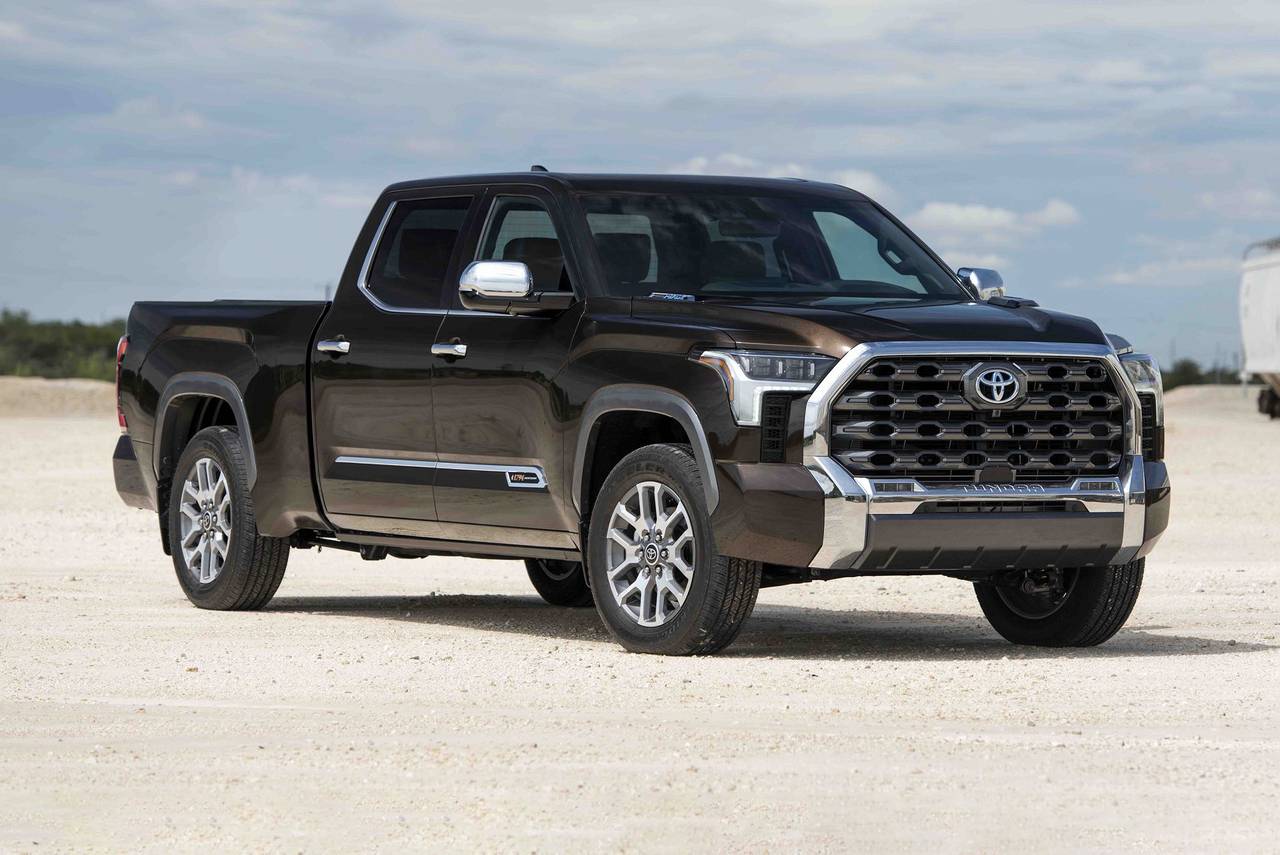
For decades, the Toyota Tundra has been one of the most reliable and respected full-size pickup trucks on American roads.
Known for its durability, towing power, and long-lasting performance, the Tundra has earned a loyal following among truck owners who need a vehicle that can handle both work and play.
While Toyota engineered the Tundra to be tough, how long it truly lasts depends largely on how well you take care of it.
Many truck owners push their vehicles to the limit without giving much thought to maintenance, but a few smart habits can make the difference between a Tundra that wears out early and one that runs strong for decades.
If you own a Toyota Tundra and want to keep it performing at its best whether you use it for towing, hauling, off-road adventures, or everyday commuting adopting the right habits is crucial.
Below, we’ll go over ten smart practices that can extend the life of your Tundra, improve reliability, and help you avoid costly repairs down the road.
1. Stick to a Consistent Oil Change Schedule
Oil is the lifeblood of any engine, and the Tundra is no exception. Regular oil changes keep the engine lubricated, prevent excessive wear, and reduce the buildup of sludge that can shorten engine life.
For most Tundra models, Toyota recommends oil changes every 5,000 to 10,000 miles depending on the year and whether you’re using synthetic oil.
Truck owners who tow heavy loads, drive in extreme heat, or frequently use their Tundra off-road should lean toward the shorter interval. Ignoring oil changes is one of the fastest ways to cut a truck’s lifespan in half, so making this a non-negotiable habit is key.
Routine oil changes often get pushed aside, yet they’re one of the most essential services for keeping your vehicle in top condition. To maintain strong engine performance and extend its life, it’s critical that your car runs on clean, uncontaminated oil at the proper level.
Oil is the lifeblood of your engine, it lubricates the moving parts so they work together seamlessly without excessive friction. But over time, oil breaks down and collects debris, diminishing its ability to protect your engine. Fresh oil ensures that all components stay properly lubricated, supporting smooth operation, reliable performance, and maximum power.
Beyond lubrication, oil also helps cool your engine by carrying away heat as it circulates. Old, dirty oil loses this ability, leaving your engine vulnerable to excessive heat buildup. Staying consistent with oil changes keeps your engine cooler and lowers the chance of overheating, along with the expensive repairs that often follow.
Consistent oil changes are a simple way to add years to your engine’s lifespan. Clean oil reduces friction and wear on critical parts, providing an added layer of protection. When you stick to your oil change schedule, you give your engine the best chance to last well beyond the average vehicle’s lifespan.
Fresh oil reduces drag within the engine, allowing it to run more efficiently. When oil becomes dirty, the engine has to work harder, which burns more fuel. By keeping up with oil changes, you’ll improve your miles per gallon and save more money at the gas station.
If your vehicle is still under warranty, routine oil changes are often a requirement. Most manufacturers specify regular oil changes as part of their recommended maintenance schedule. Ignoring this requirement can void your warranty, leaving you fully responsible for repair costs that could otherwise be covered.
Also Read: 10 Tricks to Stop a Subaru Crosstrek from Losing MPG Over Time
2. Monitor and Maintain Transmission Health
The Toyota Tundra is often used for towing boats, campers, and trailers, which puts significant stress on its transmission.
Regularly checking transmission fluid levels and changing the fluid at the recommended interval helps keep shifting smooth and prevents overheating.
Many owners underestimate how crucial transmission care is until it’s too late. Over time, dirty or low fluid can cause slipping, hard shifts, and eventually total failure, which is one of the most expensive repairs a truck can face.
A transmission cooler is also a smart investment for those who tow frequently, helping extend the life of the system.
3. Rotate Tires and Check Alignment Regularly
Because the Tundra is a heavy-duty truck, its tires bear a lot of stress. Uneven tire wear not only shortens the life of your tires but can also strain suspension and steering components.
Rotating the tires every 5,000 to 7,500 miles ensures even wear, while checking alignment prevents unnecessary stress on the suspension.
For Tundra owners who go off-roading, it’s especially important to keep an eye on tire balance and alignment since rough terrain can throw things off quickly.
Tire rotation is the process of periodically changing the position of each tire on a vehicle, typically by moving the front tires to the rear and the rear tires to the front, while also crossing them from side to side. The main purpose of this service is to promote even tread wear across all four tires.
Because tires on the same axle wear differently due to factors such as weight distribution, suspension angles, and driving conditions, rotation helps balance out those patterns. As a result, it extends the overall lifespan of the tire set and ensures consistent traction, handling, and fuel efficiency.
Most vehicle manufacturers recommend rotating tires every 5,000 to 8,000 miles or as directed in the owner’s manual. However, that interval can vary depending on driving habits, tire type, and the specific vehicle. Following the recommended schedule is one of the simplest yet most effective ways to maximize your investment in your tires.
A common question drivers have is whether they need an alignment after rotating their tires. In most cases, the answer is no. Tire rotation is a routine maintenance procedure that involves swapping tires into different positions, and it does not alter a vehicle’s alignment.
Alignment, on the other hand, refers to adjusting the suspension system so that the wheels are properly angled relative to the vehicle and the road. Unless you’ve experienced an impact or there was already an issue beforehand, simply rotating your tires will not affect alignment.
That being said, there are circumstances where an alignment check is a smart idea. If you notice signs of misalignment such as uneven tire wear or the vehicle pulling to one side, the problem may have existed before rotation.
Likewise, if you recently hit a pothole, curb, or any obstacle that may have damaged suspension components, it’s wise to schedule an alignment inspection. The same applies if you’ve had suspension work done, such as replacing ball joints or tie rods, since those repairs can throw alignment off.
Although rotation itself doesn’t cause alignment problems, it can make pre-existing issues more obvious. After rotating your tires, you may notice warning signs such as uneven or excessive tire wear, drifting to one side on a straight road, or a steering wheel that sits off-center when driving straight. Vibrations or shaking in the steering wheel, seat, or floorboard, especially at higher speeds, can also point to misalignment.
In some cases, the steering wheel may feel loose or imprecise, or you may see a drop in fuel efficiency caused by the added rolling resistance of misaligned wheels. If you experience any of these symptoms after a rotation, it’s best to have your alignment checked and corrected by a professional as soon as possible.
4. Keep the Cooling System in Top Shape
Engines generate heat, and the cooling system ensures that your Tundra doesn’t overheat under stress. Regularly flushing the coolant and checking the radiator, hoses, and water pump is essential.
A small leak in the cooling system can quickly snowball into an overheated engine, warped cylinder heads, or a blown head gasket repairs that can cost thousands.
Many long-term Tundra owners attribute their truck’s longevity to simply keeping the cooling system well-maintained, especially in hot climates like Texas, Arizona, or Florida where overheating risks are higher.
5. Don’t Skip Brake Maintenance
A truck as powerful as the Tundra requires strong, reliable brakes. Regularly checking brake pads, rotors, and fluid ensures you can stop safely under heavy loads.
Waiting until brakes grind or squeal is a costly mistake, as worn-out pads can damage rotors and calipers. Since many Tundras are used for towing and hauling, brake maintenance becomes even more critical.
Smart owners replace pads before they’re fully worn down and bleed the brake lines occasionally to keep the system responsive.
Brakes are one of the most critical components of any vehicle, as they are directly responsible for slowing down and stopping your car.
Because of the crucial role they play, regular brake service check-ups are essential to ensure everything is functioning properly and to catch potential problems early before they become serious.
Unfortunately, many drivers underestimate the importance of routine brake inspections, and this neglect can lead to dangerous consequences. There are several reasons why brake service check-ups should never be overlooked.
The most obvious reason is safety. Your brakes are your first line of defense on the road, and a service check can reveal issues like worn brake pads, leaking brake fluid, or other problems that compromise your ability to stop effectively.
Failing brakes can easily result in severe accidents, putting both you and others at risk. Regular inspections also save you money in the long run. By catching small issues early, you prevent them from turning into major repairs.
For instance, replacing worn brake pads costs far less than having to repair an entire braking system, or worse, covering the damages from an accident caused by brake failure.
Routine brake service also extends the life of your brakes. Mechanics can spot and fix underlying issues such as misaligned wheels or faulty calipers that accelerate wear and tear.
Addressing these problems not only helps your brakes last longer but also ensures they function efficiently. Consistency in maintenance also preserves optimal braking performance.
During a check-up, technicians examine key components like pads, rotors, and brake fluid to make sure everything is in top condition. This guarantees reliable stopping power whenever you need it most.
Also Read: Top 10 Vehicles Whose Door Seals Stay Tight
6. Protect the Undercarriage from Rust
While the Tundra has a reputation for reliability, earlier models were notorious for frame rust issues, especially in states that use road salt in winter.
Rust can silently eat away at the frame and suspension, causing dangerous structural problems. Washing the undercarriage regularly during winter months, applying rust-proof coatings, and checking for early signs of corrosion go a long way in preventing serious damage.
Owners in northern states or coastal areas should be especially vigilant about rust prevention to ensure their truck remains safe and roadworthy for decades.
7. Pay Attention to Warning Lights and Noises
Many drivers ignore warning lights or unusual noises until the problem becomes severe. But the smartest Tundra owners treat these as early warning systems.
A check engine light, for instance, might indicate something as simple as a loose gas cap or as serious as an engine misfire.
Likewise, strange noises like knocking, squealing, or grinding can reveal issues with belts, brakes, or suspension. Addressing problems early usually means cheaper repairs and prevents small issues from snowballing into major failures.
Between work, errands, and everything else, it’s easy to brush off a strange noise from your car or ignore that glowing service reminder on your dashboard. But the truth is, catching small problems early can be the difference between a quick, affordable fix and a costly breakdown that leaves you stranded.
Emergency repairs, on the other hand, are the unexpected fixes, like replacing a failed alternator or repairing a leaking brake line. Regular servicing is what helps prevent those unpleasant surprises.
Think of it like going to the doctor for a check-up: spotting an issue early keeps you healthier and saves you money in the long run.
Following a maintenance schedule, whether outlined in your owner’s manual or designed by a trusted local shop like Burt Brothers, helps you stay on track and avoid last-minute repair stress.
There are also certain warning signs that should never be ignored. One of the most obvious is grinding or squealing brakes. A high-pitched squeal or grinding sound usually means your brake pads are worn down, and if you keep driving, the damage can spread to the rotors
. Not only does this drive up repair costs, but it also puts your safety at risk. Dashboard warning lights are another sign you shouldn’t overlook.
These lights are your car’s way of telling you something is wrong, whether it’s an oil pressure issue, overheating, or a more serious engine problem. Some warnings are minor, but others demand immediate attention, which is why scheduling a diagnostic test is always the smart move.
Fluid leaks are another red flag. While water dripping from the A/C system is harmless, puddles of transmission fluid, coolant, or brake fluid are not.
Ignoring leaks can lead to overheating, brake failure, or serious transmission damage, all of which come with steep repair bills. Strange smells or noises should also raise concern.
A burning odor could mean oil is leaking onto hot engine parts, while a gasoline smell could indicate a dangerous fuel leak. Even musty odors from the A/C point to mold buildup.
Noises matter too, clicking, knocking, or whining sounds under the hood or while driving are all signs your car needs attention.
Starting issues or stalling are equally serious. If your car hesitates to start, stalls unexpectedly, or dies at stoplights, it could be due to a weak battery, failing alternator, starter issues, or ignition problems. These rarely resolve themselves and, if ignored, could leave you stranded.
Trouble accelerating or rough shifting is another red flag, often pointing to transmission problems. Slipping gears, delayed response, or jerky transitions not only affect performance but can also become costly if not addressed quickly. Sometimes a fluid top-off helps, but sometimes repairs are needed, either way, it’s not something to put off.
Finally, vibrations or pulling while driving should never be dismissed. If you feel shaking through the steering wheel or notice the car drifting to one side, the cause may be tire imbalances, suspension problems, or misaligned wheels.
Not only do these issues make for an uncomfortable ride, but they also shorten tire life and compromise handling. Burt Brothers offers comprehensive tire, suspension, and alignment services to resolve these problems and keep your car driving smoothly.
In the end, regular maintenance is about peace of mind. Small issues rarely stay small for long, and giving your car the care it needs saves money, extends its life, and, most importantly, keeps you safe on the road.
8. Use the Right Fuel and Fluids
The Tundra’s engine is designed to run on regular unleaded gas, so using premium fuel isn’t necessary. However, ensuring that the gas you use is from a reputable station helps prevent fuel system problems caused by dirty or contaminated fuel.
Beyond gasoline, using Toyota-approved fluids such as transmission, brake, and coolant ensures that your truck’s systems remain in top condition. Skimping on fluids or using generic substitutes can lead to compatibility issues and premature wear.
9. Keep Up with Suspension and Steering Care
The Tundra’s suspension and steering system absorb a lot of abuse, especially when the truck is used for off-road driving or heavy hauling.
Over time, shocks, struts, and bushings wear out, which can affect ride comfort and handling. Regular inspections and timely replacements keep the truck driving smoothly and prevent damage to other components.
Smart owners also grease joints and steering components to reduce friction and extend their lifespan. Keeping suspension healthy not only improves driving comfort but also ensures towing stability.
Your vehicle’s suspension system does more than keep your ride smooth, it plays a vital role in the health and longevity of your entire car.
Made up of components such as shock absorbers, struts, and springs, the suspension system absorbs bumps, dips, and rough patches on the road, helping to keep you comfortable behind the wheel.
But beyond comfort, it also supports your vehicle’s overall performance and safety, making it one of the most important systems to maintain.
Still, there are a few simple things you can do at home to help protect your suspension, prevent premature wear, and ensure a safer driving experience.
So, what exactly makes up a vehicle’s suspension system? Several key components work together to absorb impact and keep your car stable. Shock absorbers are long, tube-shaped pistons filled with liquid or sometimes gas.
They work alongside the springs by compressing and extending to soften the blow from road imperfections. Coil springs, located near the shock absorbers, carry much of the load by absorbing bumps and dips.
Struts combine a shock absorber and spring in a single assembly and, in addition to absorbing impact, they also provide crucial structural support.
Not every vehicle uses struts, but those that do typically have them on one axle. Leaf springs, which consist of several slightly curved metal plates clamped together, are usually found on vehicles with solid rear axles.
Their main job is to reduce vertical vibrations. Finally, tires, often overlooked as part of the suspension system, are actually the only components that make direct contact with the road. They absorb a great deal of impact before transferring it to the shocks and struts.
10. Drive Responsibly and Don’t Overload
Finally, one of the smartest habits Tundra owners can adopt is simply driving responsibly. While the Tundra is built for power, overloading it with more weight than it’s rated for puts enormous stress on the engine, transmission, suspension, and brakes.
Likewise, aggressive driving hard acceleration, slamming on the brakes, and sharp turns can shorten the lifespan of key components.
Treating the truck with care, even when towing or hauling, helps preserve its strength for the long run. Owners who respect the truck’s limits often see their Tundras easily surpass 200,000 miles, with some reaching well over 300,000.
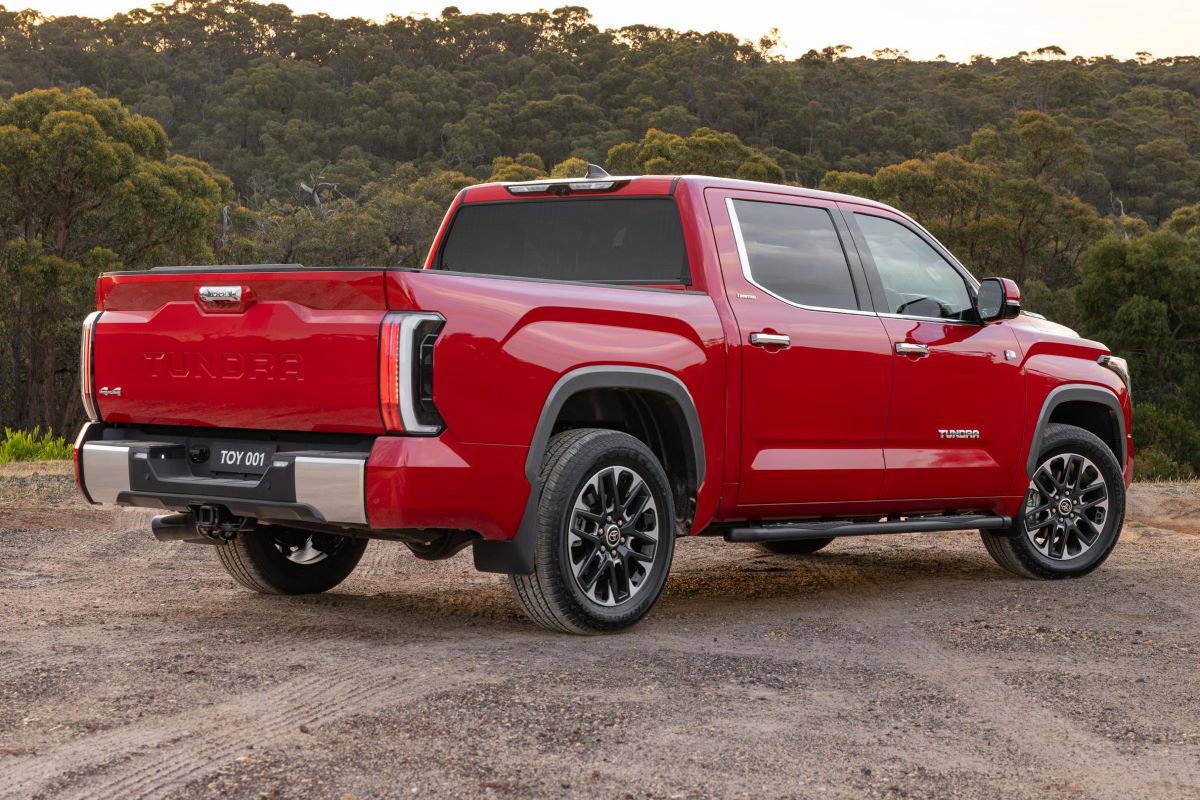
The Toyota Tundra is already one of the most durable trucks on the market, but even the strongest machine requires consistent care.
By sticking to these ten smart habits ranging from oil changes and brake checks to rust prevention and responsible driving you can dramatically extend the life of your Tundra.
Many owners who follow these practices report decades of reliable performance, making the truck not just a vehicle but a long-term investment.
For American truck owners who rely on their Tundra for work, family, and adventure, these habits are more than just good advice they’re the key to keeping your truck running strong forever.
