
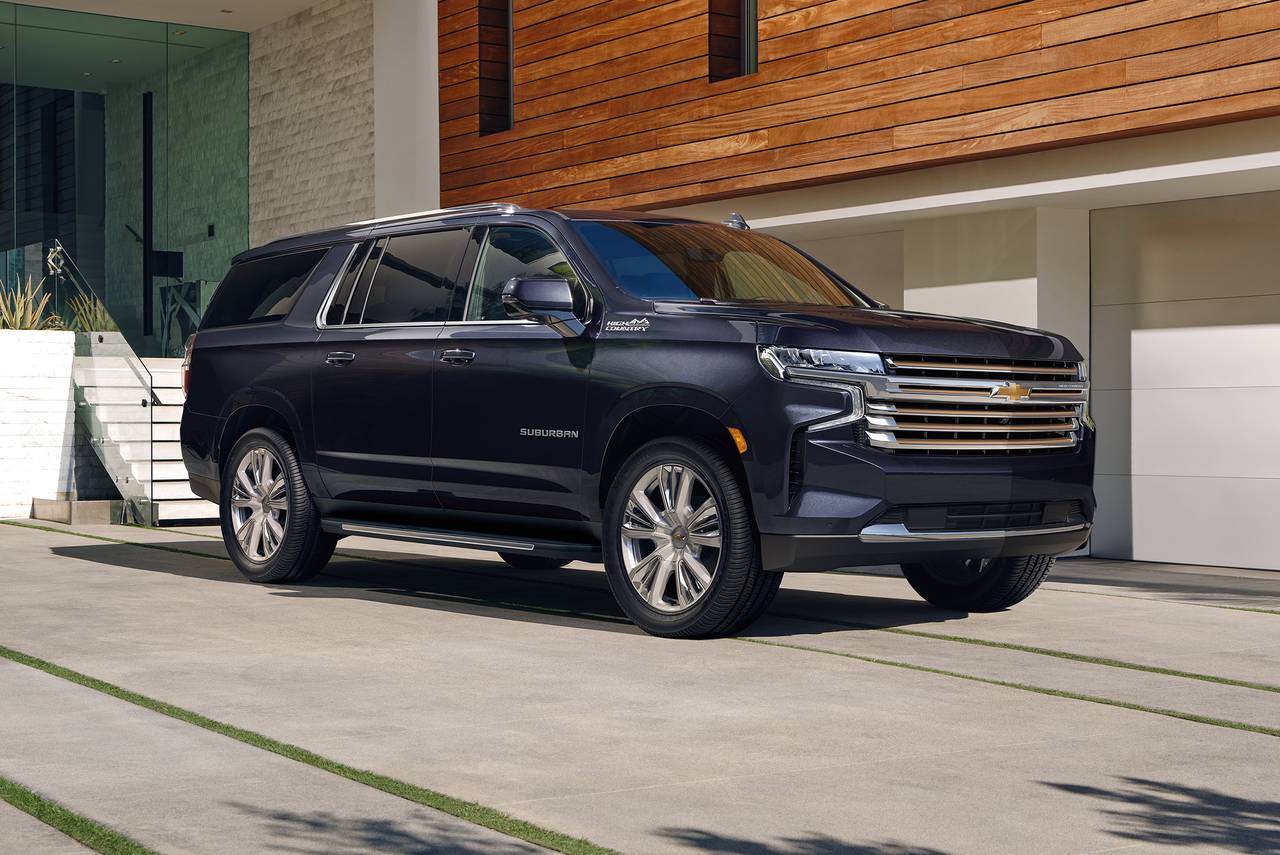
When it comes to family travel, few vehicles are as trusted as the Chevy Suburban.
Known for its roomy interior, towing ability, and road-trip-friendly design, the Suburban has long been a favorite for parents who need a reliable ride for vacations, soccer tournaments, or cross-country adventures.
But while the Suburban is built for endurance, safety should always be the top priority especially when kids, pets, and luggage are involved.
Keeping this large SUV safe on the road isn’t just about regular oil changes and gas fill-ups. It’s about making sure the vehicle is in peak condition before it ever leaves the driveway.
From brakes to backup cameras, certain fixes and upgrades go a long way toward preventing accidents, breakdowns, and unnecessary stress during a trip. Below are 10 essential fixes every Chevy Suburban owner should consider to keep the family safe on road trips.
1. Inspect and Replace Brake Pads Regularly
A fully loaded Suburban is a heavy machine, often carrying seven or eight passengers plus luggage. That extra weight puts significant strain on the braking system, and worn-out pads can reduce stopping power, increasing the risk of accidents.
Before any long trip, check the brake pads and rotors for wear. If they’re less than 3–4 mm thick, it’s time for replacement. Even if you don’t hear the telltale squeal, pads can quietly wear down.
Fresh brakes ensure you’ll have the stopping power needed when traffic suddenly slows or a deer darts across the highway.
2. Rotate and Replace Tires for Even Grip
Good tires are the foundation of safe travel, especially for a large SUV like the Suburban. Uneven tread can cause poor handling, hydroplaning, or even blowouts at high speeds.
Rotating the tires every 6,000–8,000 miles helps distribute wear evenly, while replacing them once tread depth drops below 4/32 of an inch is critical.
All-season tires may be fine for most US climates, but if you’re traveling through snowy states, consider investing in winter tires for extra grip. A set of reliable tires not only improves safety but also gives you peace of mind when the whole family is onboard.
Your vehicle’s tires are the only direct contact between your car and the road, which makes their care essential for safety, performance, and fuel efficiency.
Neglecting tire maintenance can lead to uneven tread wear, reduced traction, and even dangerous blowouts. By understanding the basics of tire rotation, alignment, and replacement, you can extend the life of your tires while ensuring a smoother, safer drive.
Tire rotation is one of the simplest and most effective ways to keep your tires in good condition. It involves changing the position of each tire on your vehicle to promote even tread wear.
Since front tires typically wear faster because of steering and braking forces, regular rotation ensures that all four tires wear at a similar rate. This not only extends tire life but also improves fuel economy, handling, and traction.
Keep in mind that directional tires and staggered wheel setups have their own unique rotation requirements. Directional tires, for example, feature an arrow-shaped tread designed to channel water in one direction.
If installed backward, they can’t do their job effectively, which could increase the risk of hydroplaning. Always check the sidewall for an arrow or “Rotation” marking and ensure it points forward when mounted.
Wheel alignment is another crucial part of tire care. Alignment involves adjusting the angles of your wheels so they meet the manufacturer’s specifications. When properly aligned, your vehicle tracks straight and tires wear evenly, helping to reduce strain on suspension components and improve fuel efficiency.
Misalignment, on the other hand, can cause uneven tread wear, poor handling, reduced gas mileage, and even premature damage to suspension parts.
Warning signs that your vehicle may need an alignment include pulling to one side, a steering wheel that sits off-center while driving straight, uneven or rapid tread wear, or steering wheel vibration.
It’s wise to check your alignment at least once a year or whenever you notice these signs. Hitting a pothole, curb, or any other significant impact is also a good reason to schedule an alignment check.
Even with proper care, there comes a time when tires need to be replaced. Replacement is necessary when tread depth falls too low, when tires have aged past six years, or when visible damage is present.
For a more accurate measurement, inexpensive manual or digital tread depth gauges can give you precise readings. Aside from tread wear, keep an eye out for cracks, bulges, or punctures that can’t be safely repaired.
3. Fix Suspension and Steering Issues Early
Family trips often mean long stretches of highway driving, and a worn suspension or loose steering components can make handling unpredictable.
Symptoms like clunking noises, uneven tire wear, or excessive bouncing over bumps shouldn’t be ignored. Fixing worn shocks, ball joints, or tie rods before a road trip makes the Suburban easier to control and reduces driver fatigue.
Smooth steering and suspension ensure you’re not fighting the wheel when keeping the SUV steady at highway speeds.
Also Read: 9 Best-Selling Cars That Actually Deserve the Hype
4. Replace Worn Wiper Blades and Top Off Washer Fluid
Visibility is one of the most underrated safety aspects of driving, yet it becomes critical during a sudden downpour or snowstorm.
Wiper blades tend to wear out every six months to a year, leaving streaks that can blur your vision. Before hitting the road, replace them with fresh blades and check that the washer fluid reservoir is full.
For winter trips, use fluid designed to resist freezing. A clear windshield ensures you’ll have a full view of traffic and road hazards, keeping your family safer.
A streaky windshield isn’t just annoying, it’s dangerous. If your wipers are smearing water instead of clearing it, or your washer jets have stopped spraying, don’t wait until you’re caught in a downpour to deal with it.
With a few simple tools and some routine maintenance, you can restore clear visibility and make sure your wipers are ready for any weather.
Wiper blades often get ignored until the moment you really need them. Over time, dirt and road grime build up on the rubber, causing streaks even if the windshield itself is clean.
Before rushing to replace them, try cleaning the blades. Moisten a soft cloth with rubbing alcohol or glass cleaner, then wipe down the length of each blade.
To remove the old blade, you’ll usually press a small tab or button to release it from the arm. Pay attention to how the old blade was attached; it’ll make the new one much easier to install.
While most people replace the entire blade, some vehicles allow for just the rubber refill to be swapped in. Refills are cheaper but trickier to install, and they’re usually only available for factory wipers or specific aftermarket models.
As for styles, you’ll find two main types: traditional bracket blades and modern beam blades. Beam blades are sleeker, more aerodynamic, and resist wind drag and noise, they’re quickly becoming the standard.
Winter blades are also available for harsh climates, built with sturdier frames and synthetic rubber that stays flexible in freezing temperatures. Whichever you choose, always replace blades in pairs, and don’t forget the rear wiper if your vehicle has one.
Don’t slap on new blades without first cleaning your windshield. Built-up debris can damage fresh rubber almost immediately.
For stubborn residue, use a razor blade at about a 30-degree angle, like shaving the glass. Done correctly, this won’t scratch the surface and will leave you with a perfectly smooth windshield.
A healthy wiper system isn’t just about the blades, washer fluid matters too. Avoid plain water in your reservoir, especially in colder regions where it can freeze and crack the lines. Use an all-weather mix year-round, and switch to a de-icing formula when winter rolls in.
If your washer jets are clogged or spraying crooked, grab a pin or paperclip to gently clean or redirect them. Pro tip: before waxing your car, cover the jets with tape to prevent wax buildup that can block the nozzles.
Driving in heavy rain or snow is the worst time to discover your wipers don’t work. By cleaning blades regularly, replacing them twice a year, and keeping your washer system in top shape, you’ll always have a clear view of the road, no matter the season.
5. Service the Cooling System to Prevent Overheating
Long road trips during the summer can push the Suburban’s cooling system to its limits. An overheated engine in the middle of nowhere not only disrupts the vacation but can also put your family in an unsafe situation.
Have the radiator, hoses, and coolant levels checked before you set off. Flushing the system every 50,000 miles and replacing weak hoses helps avoid breakdowns. A properly serviced cooling system ensures the Suburban runs smoothly even when hauling heavy loads in hot weather.
6. Upgrade or Repair the Headlights and Taillights
Burned-out bulbs are more than just an inconvenience they’re a safety hazard. Dim headlights reduce visibility at night, while broken taillights make it harder for other drivers to see you.
Many Suburban owners don’t realize their lights have gone out until someone honks or they get pulled over. Before a trip, inspect all exterior lights, including brake lights, turn signals, and reverse lights.
Upgrading to LED headlights can also improve nighttime visibility, ensuring you’re prepared for rural highways or poorly lit backroads.
Upgrading your vehicle’s headlights and taillights is one of the simplest ways to boost both style and safety. Swapping out stock lights for aftermarket units can give your car a more modern look while also improving visibility on the road.
Before you start, make sure the aftermarket lights you’ve chosen are compatible with your vehicle’s make, model, and year. Compatibility ensures a proper fit, smooth installation, and reliable function. You’ll typically need a screwdriver set, pliers, and a socket wrench to complete the job.
Also Read: Top 5 Engines That Stay Tight and 5 That Shake Apart
Park your car on a flat surface, engage the parking brake, and pop the hood or trunk, depending on which lights you’re working on. For headlights, start by disconnecting the electrical connector at the back of the assembly.
This cuts off power so you can work safely. Remove any screws or clips securing the headlight, then carefully slide the unit out. Watch for additional wiring harnesses and disconnect them as needed.
Once the old assembly is out, align your new headlight with the mounting points and secure it using the hardware you removed earlier.
Reconnect the wiring harness and electrical connector, making sure everything snaps into place. Repeat the process for the other headlight, then turn them on to confirm they’re both working correctly.
The taillight installation is nearly identical. Access the assemblies from the trunk or hatch area, remove the screws or clips, and disconnect the electrical connector.
Swap in the new taillights, align them with the mounting points, secure them, and reconnect the wiring. Finally, test the brake lights, turn signals, and reverse lights to verify proper function.
When you’re done, step back and admire the results. Not only do upgraded headlights and taillights give your car a sharper, more customized appearance, but they also make nighttime driving safer.
Just remember: always check that your new lights are properly aimed and aligned, and make sure they comply with local laws and regulations.
7. Check and Replace the Battery if Needed
A dead battery can leave your family stranded in a rest stop parking lot or a remote camping site. Car batteries typically last three to five years, but extreme weather can shorten their life span.
Before a long journey, test the battery’s voltage and inspect for corrosion on the terminals. If it’s weak or older than four years, replacing it preemptively is a smart move. Pairing it with a portable jump starter in the glove box adds another layer of security for emergencies.
8. Repair or Maintain the Air Conditioning System
Traveling with kids in a hot, stuffy cabin is not only uncomfortable but potentially unsafe. A failed A/C system can cause dehydration or heat stress on long summer drives.
Check refrigerant levels, inspect the compressor, and make sure vents are blowing cold air before setting out. For winter trips, also confirm the heater and defroster are working properly.
A comfortable cabin temperature keeps everyone relaxed and alert, preventing distractions for the driver.
A car battery is the lifeline of your vehicle, powering everything from the ignition system to the electronics you rely on daily. Like all components, batteries wear out over time and eventually need replacing.
But before you rush to swap yours out, it’s important to know whether your battery is truly failing or still in good condition. Below, we’ll walk you through six simple steps to check your car battery like a pro, and what to do if replacement is necessary.
Before you begin, it helps to understand the fundamentals. Car batteries are usually located under the hood and supply the electrical energy needed to start the engine and run your car’s systems. There are different types of batteries, lead-acid, AGM, and lithium-ion, each with unique features.
Two critical ratings to note are cold-cranking amps (CCA), which measure the battery’s ability to start your car in cold weather, and reserve capacity (RC), which tells you how long the battery can power your vehicle if the alternator fails.
Start by checking the cables and connectors attached to your battery. They should be clean, tight, and free of corrosion or damage.
Corrosion on the terminals can lead to poor connections, which makes it harder for your car to start. If you see buildup, clean it carefully with a wire brush and make this check part of your regular maintenance routine.
Next, use a multimeter to measure your battery’s voltage. Connect the red lead to the positive terminal and the black lead to the negative terminal. A healthy battery should read between 12.4 and 12.7 volts. Anything lower suggests the battery is weak, needs charging, or may soon require replacement.
The battery case itself is just as important to inspect. Look for cracks, bulges, or any signs of leaking fluid, all of which are serious safety hazards. If you notice damage or leakage, replace the battery immediately.
If your tests reveal low voltage, visible damage, or your battery is simply old and unreliable, it’s time for a replacement.
Choose a battery that matches your vehicle’s specifications, and before installing it, make sure the terminals and connectors are cleaned for a solid connection. If you’re not comfortable handling this yourself, an auto repair shop can perform the replacement for you.
To help your battery last, keep it clean, avoid leaving electronics running when the engine is off, and try parking in shaded areas to protect it from heat. With proper care, a car battery can often last up to six years or longer. Regularly checking your car battery is a simple but vital step in keeping your vehicle running smoothly.
By inspecting cables, testing voltage, and keeping an eye out for leaks or damage, you can stay ahead of problems before they leave you stranded. And when it’s time for a replacement, don’t cut corners, the right battery ensures both reliability and safety.
Our technicians will inspect your battery, check connections, run a multimeter test, and identify any leaks or damage before recommending a replacement. We’ll also share practical tips for maintaining your new battery so it performs at its best for years to come.
9. Update the Infotainment and Navigation Systems
Modern Chevy Suburbans come equipped with infotainment and driver-assist technology designed to improve safety. However, outdated software or broken systems can leave you without critical tools like GPS, Bluetooth hands-free calling, or backup cameras.
Updating the system’s firmware ensures that navigation maps are current and features like lane assist or blind-spot monitoring work properly.
If you drive an older Suburban without modern safety tech, consider aftermarket upgrades such as backup cameras or parking sensors, which can significantly reduce blind spots in a large SUV.
10. Carry Out a Full Fluid Check and Change
Beyond oil changes, other fluids are vital to keeping your Suburban running safely. Transmission fluid, brake fluid, and power steering fluid all degrade over time.
Low or dirty fluids can cause mechanical failure at the worst possible moment. A quick inspection and top-off before a trip can prevent expensive repairs and dangerous breakdowns.
For extra security, carry a small supply of coolant, oil, and washer fluid in the cargo area you never know when you might need it on a cross-country stretch.
Regular fluid checks are one of the simplest yet most important habits for keeping your vehicle running safely and efficiently. These fluids act as lifelines, ensuring that everything from your engine to your brakes functions properly.
Neglecting them can lead to overheating, poor performance, and even catastrophic breakdowns. Each plays a unique role in keeping your car road-ready, and with a little know-how, you can check them yourself and avoid expensive repair bills.
Engine Oil is the backbone of your car’s health. It lubricates moving parts, reduces friction, and helps regulate temperature. To check it, park on a flat surface, let the engine cool, and pull out the dipstick.
Wipe it clean, reinsert it, and then check the level, it should be between the “MIN” and “MAX” markers. If low, top it up gradually with the correct oil type. Checking at least once a month or every 1,000 miles can prevent serious engine damage.
Coolant (antifreeze) keeps your engine from overheating in summer and freezing in winter. Always check levels when the engine is cold, using the translucent reservoir under the hood.
The fluid should be between the “MIN” and “MAX” lines. If it’s low, refill with the recommended coolant mixture. Signs of trouble include overheating, leaks, or erratic temperature gauge readings. Check every 3–6 months to avoid costly overheating issues.
Brake fluid is critical for safe braking. It transfers pressure from your foot to the brake components. Dark or dirty fluid signals contamination. Spongy brakes, warning lights, or leaks are red flags. Inspect it every six months and replace it every 2–3 years for reliable stopping power.
Transmission fluid ensures smooth gear shifts. For automatics, warm up the engine, locate the dipstick, and check that the fluid is between the proper marks.
Healthy transmission fluid should look red or pink. Dark, cloudy, or burnt-smelling fluid means it’s time for a change. Most vehicles need fluid replacement every 30,000 to 60,000 miles, depending on driving conditions.
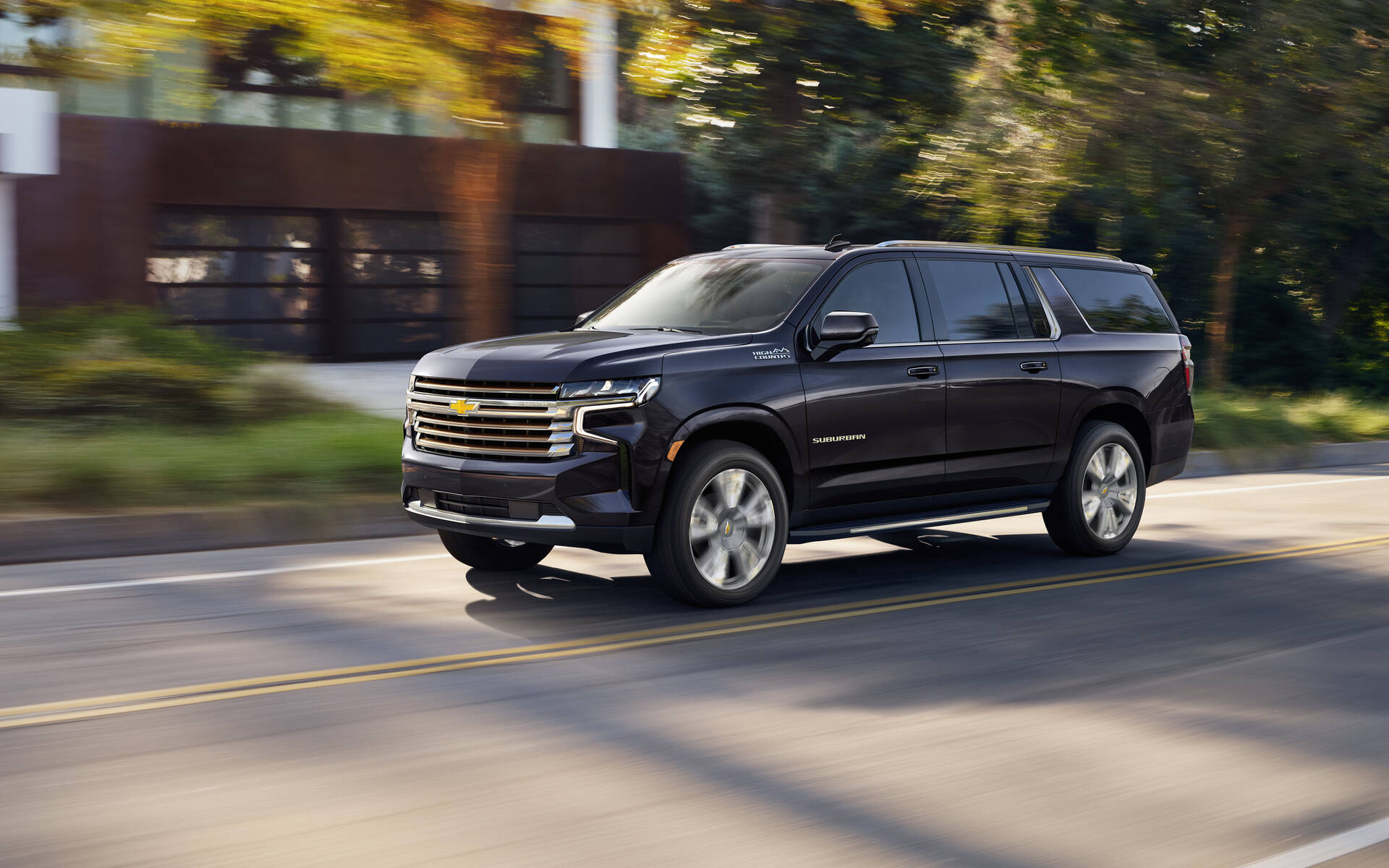
Family road trips should be about making memories, not dealing with breakdowns or dangerous situations. The Chevy Suburban is designed to be a dependable family hauler, but like any vehicle, it requires consistent care to stay safe and reliable.
By handling these 10 essential fixes from brakes to technology updates you’re not just maintaining a vehicle, you’re protecting your loved ones.
A little preparation goes a long way toward ensuring that your Suburban is road-trip ready, giving you the peace of mind to enjoy the journey ahead.
