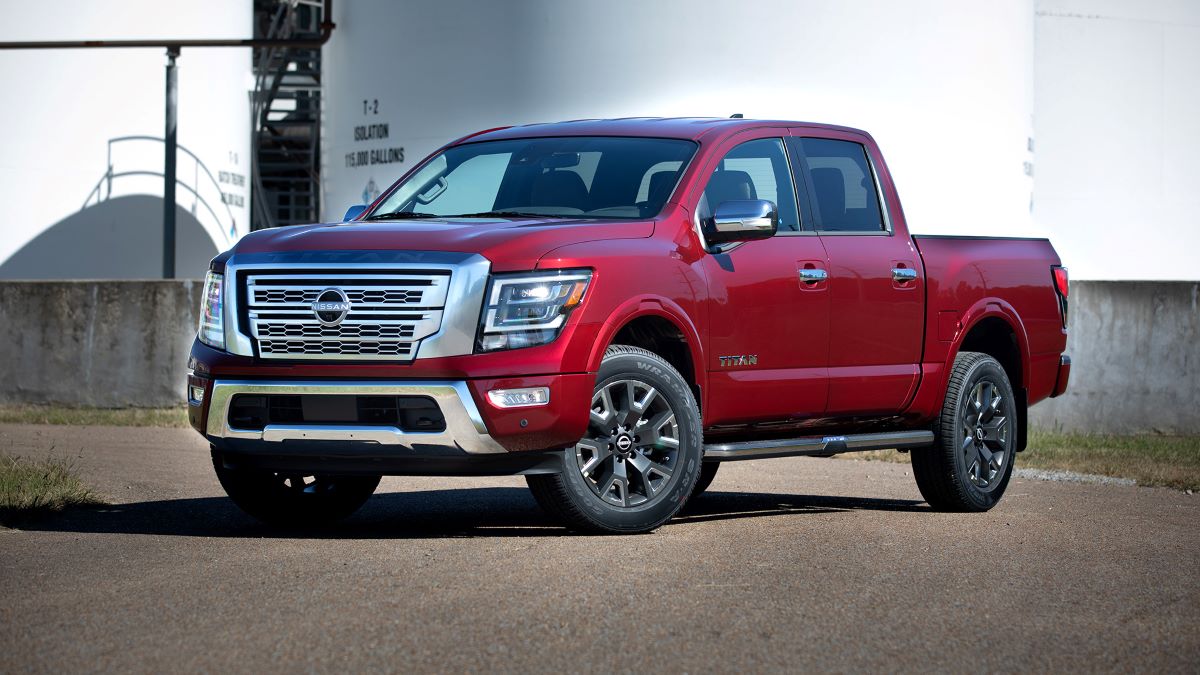
For truck enthusiasts in the United States, the Nissan Titan has carved out a solid reputation as a reliable, full-size pickup capable of handling tough towing jobs.
Known for its sturdy frame, strong V8 engine, and comfortable cabin, the Titan is a go-to choice for hauling boats, trailers, or even heavier loads for work or recreation.
But as with any truck, years of towing and heavy use can take a toll on performance. Reaching the 200,000-mile mark is a significant milestone for any truck, and ensuring your Titan continues to tow reliably beyond that requires proactive care and smart habits.
Here’s a comprehensive guide on ten critical moves that will keep your Nissan Titan towing strong well past the 200k mark.
1. Regular Transmission Maintenance
The transmission is the heart of your truck’s towing capability. With a Titan, especially when equipped with a V8 engine, the transmission endures significant stress when towing heavy loads.
One of the most important moves you can make is to follow a strict transmission fluid change schedule. Nissan recommends changing transmission fluid at regular intervals, but if you frequently tow heavy loads, consider shortening this interval.
Using high-quality transmission fluid suited for towing can prevent overheating and premature wear, keeping gear shifts smooth and consistent even after hundreds of thousands of miles.
2. Monitor and Maintain the Cooling System
Towing generates additional heat, which can overwork the engine and transmission. Maintaining your Titan’s cooling system is essential.
Regularly check coolant levels, inspect hoses for cracks, and ensure the radiator is free from debris. Many long-term owners also recommend upgrading to a high-capacity radiator or using supplemental transmission coolers if you tow regularly.
Overheating is one of the most common causes of long-term engine and transmission damage in trucks, so keeping temperatures in check is crucial for longevity.
Keeping your cooling system well-maintained is one of the best ways to ensure both its performance and its longevity.
A neglected system doesn’t just lose efficiency, it also drives up energy costs and sets you up for expensive repairs down the road. Fortunately, with a few simple habits and regular care, you can keep your system running smoothly for years to come.
Start with regular inspections and cleaning. Over time, dust, dirt, and debris naturally build up on coils, filters, and fans, making your system work harder than it should.
By checking the components regularly and cleaning away buildup, you’ll help your unit run more efficiently and avoid unnecessary strain.
It’s also important to keep an eye out for leaks. Puddles of water or oily spots around your system can be early warning signs of refrigerant loss or other issues. Catching and addressing leaks promptly prevents further damage and helps keep your system performing at its best.
Air filters are another critical piece of the puzzle. They don’t just keep the air in your home cleaner, they also protect the system itself by ensuring proper airflow.
A dirty or clogged filter forces your unit to work overtime, driving up energy use and wearing down components. Following the manufacturer’s recommendation for replacement (often every 1–3 months) is one of the easiest ways to boost efficiency and extend system life.
Airflow matters beyond the filters, too. Blocked vents and registers can severely restrict circulation, so make sure they’re free from obstructions like furniture, curtains, or clutter.
Unrestricted airflow allows your cooling system to distribute conditioned air evenly, reducing strain and keeping your home more comfortable.
Don’t forget about thermostat settings. Optimizing them can save both energy and money. A programmable or smart thermostat makes it easy to set your system to run less when you’re away or asleep, automatically adjusting to your lifestyle.
Small changes, like setting the thermostat a few degrees higher when you’re out, can translate into noticeable energy savings. While DIY maintenance goes a long way, professional checkups are essential.
Scheduling a yearly service call with an HVAC technician ensures your system gets a full tune-up. A pro can spot hidden problems, make necessary adjustments, and confirm that everything is running at peak efficiency before a small issue turns into a costly breakdown.
Finally, pay attention to your system’s performance. Unusual noises, strange odors, or inconsistent temperatures often signal that something isn’t right. Catching these changes early and calling in a professional can save you money and prevent downtime during the hottest months of the year.
Also Read: 5 Convertibles with Leak-Free Rollover Protection vs 5 with Top Failures
3. Keep the Brakes in Top Shape
Braking while towing heavy loads requires more than the standard brake system. Inspecting and maintaining brake pads, rotors, and calipers is non-negotiable.
After 200k miles, brake components may be more prone to wear, so consider high-performance or heavy-duty pads designed for towing.
Additionally, checking and flushing brake fluid ensures optimal braking performance. Remember, your Titan’s ability to stop safely with a trailer attached is just as important as its ability to pull.
4. Inspect and Service Suspension Components
A truck’s suspension absorbs the impact of heavy towing and rough terrain. Over time, shocks, struts, bushings, and control arms can wear out, leading to poor handling, increased sway, or even uneven tire wear.
Regularly inspecting these components and replacing them as needed keeps your Titan stable when towing.
Many Titan owners also recommend upgrading to heavy-duty or load-rated suspension parts if you frequently tow near your truck’s maximum capacity, as these components are built to withstand additional stress.
5. Maintain Tire Health and Alignment
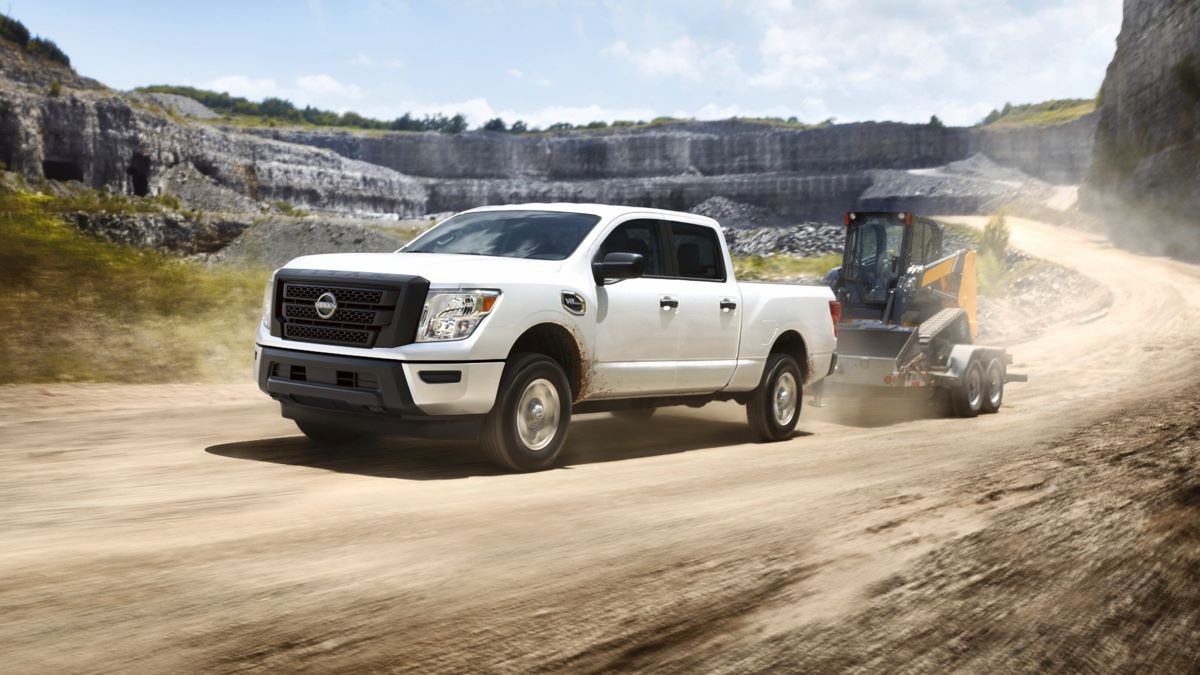
Tires play a vital role in towing safely and efficiently. Properly inflated, high-quality tires not only improve fuel efficiency but also reduce stress on the drivetrain and suspension.
Regularly rotate tires, check for signs of uneven wear, and replace them before they become dangerously worn. Equally important is ensuring the alignment is correct.
Misaligned wheels can increase tire wear and reduce stability, which is especially risky when towing large loads. High-mileage Titans benefit from periodic alignment checks to maintain optimal handling.
Also Read: 10 Cheap Cars That Are Gaining Popularity as Collector’s Items
6. Monitor Driveline and U-Joints
The driveshaft and U-joints transfer power from the transmission to the rear axle, and towing significantly increases their workload. Over time, worn U-joints can lead to vibrations, clunking noises, and even drivetrain failure.
Regular inspection and lubrication of these components are essential, and replacing worn U-joints promptly can prevent expensive repairs. For Titans with four-wheel drive, don’t forget to maintain the front driveline components as well.
Your driveline is the unsung hero of your vehicle’s power delivery system. It transfers torque from the engine to the wheels, ensuring smooth acceleration, control, and overall drivability. Yet, like any other critical system, it requires proper maintenance to perform reliably.
Without it, components such as driveshafts, U-joints, differentials, and axles can wear prematurely, leading to breakdowns, costly repairs, and extended downtime.
Staying on top of driveline maintenance not only prevents failures but also extends the lifespan of these vital components and keeps your vehicle running at peak efficiency.
At its core, the driveline is a network of interconnected parts designed to move power from the transmission to the wheels. Depending on whether your vehicle is rear-wheel drive, front-wheel drive, all-wheel drive, or four-wheel drive, the layout may vary, but the key players remain the same.
The driveshaft transmits torque, U-joints provide flexibility as the suspension moves, center support bearings add stability on longer shafts, the differential distributes power while allowing wheels to turn at different speeds, and axle shafts deliver torque directly to the wheels.
Each piece has its role, and each demands periodic inspection, lubrication, and servicing to avoid vibration, poor handling, or total failure.
Routine driveline maintenance starts with the U-joints. These small but critical couplings allow the driveshaft to flex, but they are prone to wear from dirt, moisture, and heavy loads. Clunking noises when shifting, rust, or noticeable play in the driveshaft are all red flags.
Greaseable U-joints should be lubricated every 5,000 to 10,000 miles, especially if the vehicle is used for towing or off-road driving, and sealed joints should be replaced at the first sign of wear.
The differential is another area where neglect can be expensive. It manages torque distribution, but without the right lubrication, gears wear quickly. Whining or howling while driving, fluid leaks near the axle seals, or clunking noises during turns are all signs of trouble.
Using the manufacturer-recommended gear oil and replacing differential fluid every 30,000 to 50,000 miles is essential to keep it in top shape.
Likewise, axle seals and bearings must be monitored closely. Leaks, grinding noises, or excessive wheel play suggest worn seals or failing bearings, which should be replaced immediately to avoid catastrophic failures like wheel lockups.
For vehicles with CV joints, common in front-wheel-drive and all-wheel-drive setups, the protective rubber boots deserve regular checks.
A torn or cracked boot allows grease to escape and debris to enter, leading to joint failure. Grease leaks or clicking noises when turning are often early signs of CV issues. Replacing a boot promptly is far cheaper than replacing the entire CV joint.
Many driveline problems share common warning signs. Vibrations often point to worn U-joints, unbalanced driveshafts, or failing carrier bearings. Whining noises usually signal issues with the differential, often due to contaminated or low fluid.
Clunking during gear shifts can come from worn U-joints or excessive backlash in the differential. And leaks at the axle or differential seals usually indicate wear or overfilled fluid. Addressing these early prevents small issues from turning into major repairs.
To maximize driveline life, it’s best to stick to the manufacturer’s maintenance schedule, use only high-quality lubricants, and avoid aggressive driving habits like hard launches or towing excessive loads.
Regular visual inspections are invaluable for catching issues early, and even something as simple as rotating your tires can reduce unnecessary strain on the driveline by promoting even wear.
In the end, protecting your truck’s driveline comes down to consistency. By inspecting, lubricating, and servicing U-joints, driveshafts, differentials, and axles on schedule, you can prevent unexpected breakdowns and save yourself from costly repairs.
A well-maintained driveline is the foundation of a smooth, safe, and efficient ride, and giving it the care it deserves will keep your vehicle performing reliably for years to come.
7. Regularly Check the Differential and Axles
Your Titan’s differential takes a heavy load when towing, especially on steep grades or when carrying maximum payloads.
Changing differential fluid at recommended intervals keeps gears lubricated and prevents excessive wear.
Inspecting axle seals for leaks and monitoring for unusual noises can also save you from major repair bills down the road. High-mileage trucks that tow regularly may benefit from synthetic differential fluid, which can better withstand heat and stress.
Diagnosing and fixing problems in your car’s differential is crucial to maintaining both performance and safety. The differential is what allows your wheels to spin at different speeds when turning, and when it fails, the entire driveline suffers.
Catching issues early not only saves money but also prevents dangerous situations on the road. By paying attention to symptoms, keeping fluid fresh, and addressing wear before it becomes catastrophic, you can extend the life of this critical system and keep your vehicle running smoothly.
One of the most common warning signs of a failing differential is noise. Whining or whirring sounds while accelerating, decelerating, or turning often point to worn bearings or issues with the pinion gear.
A howling or humming sound can also indicate internal wear, particularly if it changes pitch with speed. Vibrations are another red flag, suggesting possible bearing failure, imbalance, or driveline misalignment. Any of these symptoms should be taken seriously and diagnosed before the damage spreads.
Differential fluid maintenance is one of the simplest and most effective ways to avoid trouble. The fluid lubricates the gears and bearings, keeping everything running smoothly under load. Over time, it breaks down and loses its protective qualities.
Most manufacturers recommend changing it every 20,000 to 60,000 miles, but usage plays a big role, heavy towing or off-road driving may require more frequent service. Checking fluid involves removing the fill plug and ensuring the level sits just below the hole.
If it’s low, topping it off with the manufacturer-recommended gear oil helps restore protection. Replacing the fluid completely requires draining the old oil, reinstalling the drain plug, and filling the differential with fresh fluid until it reaches the correct level.
Using the right gear oil is non-negotiable. The wrong viscosity or formulation can lead to overheating, poor lubrication, and premature wear of gears and bearings.
Always check your owner’s manual before buying fluid. Similarly, additives or specialized lubricants designed for your specific differential type, limited-slip versus open, can further improve performance and longevity.
Bearings are another common failure point within the differential. They support the rotating components and prevent excessive play, but once they start to wear, the cost of ignoring them escalates quickly.
Symptoms of worn bearings include clunking noises, grinding, or uneven tire wear caused by improper alignment of the gears. Replacing bearings is complex and often requires a full teardown of the differential, including removal of the pinion gear and side components.
While experienced DIYers with the right tools may attempt it, this is typically a job best left to professionals, as incorrect installation or torque can cause further damage.
Vibrations also deserve special attention. Excessive driveline vibration may not always stem directly from the differential, but it can signal related issues, such as failing carrier bearings, worn U-joints, or imbalance in the driveshaft.
Pinpointing the source requires careful inspection, and in some cases, diagnostic tools like code readers can help identify electronic inputs that point to mechanical issues.
When it comes to repairing versus replacing a differential, the decision largely depends on the extent of the damage. Minor issues such as fluid leaks or early bearing wear can often be repaired cost-effectively.
However, if the gears themselves are damaged or the housing is compromised, replacement may be the safer and more economical option in the long run. In either case, consulting a professional mechanic is highly recommended to ensure safety and reliability.
Maintaining your differential is all about consistency. Regular fluid changes, annual inspections of the drivetrain, and monitoring for unusual noises or leaks will go a long way in preventing failures.
Avoiding overloading your vehicle also helps reduce strain on the differential and axles. For added protection, using high-quality differential oils, additives, and diagnostic tools designed for your vehicle can extend component life significantly.
While differential failures are relatively rare, they usually don’t happen overnight. Instead, issues build gradually, noises grow louder, vibrations get worse, and fluid leaks become harder to ignore. Recognizing the early symptoms and acting quickly ensures your vehicle remains safe, efficient, and reliable.
Proper maintenance not only saves money on repairs but also guarantees that your differential continues doing its job quietly in the background, keeping your wheels moving in harmony.
8. Keep the Hitch and Towing Accessories in Top Condition
It’s easy to focus on the truck itself and overlook the towing hardware. Regularly inspect the hitch, ball mount, safety chains, and wiring harnesses for corrosion, cracks, or loose connections.
A solid, well-maintained hitch setup ensures that your Titan can safely handle trailers without putting undue stress on the truck’s frame or suspension. Many owners also recommend greasing moving parts like hitch pins and checking trailer connectors before every trip.
A trailer hitch is the backbone of safe towing. Whether you’re hauling a camper, boat, or utility trailer, keeping your hitch in peak condition ensures a secure connection between your vehicle and your load.
Maintaining your trailer hitch is about more than just appearances; it’s about safety, reliability, and efficiency. Neglecting it can lead to corrosion, weakened parts, or even dangerous failures while towing.
In climates where rust develops quickly, proactive care can mean the difference between years of dependable use and costly repairs. The first step to proper hitch maintenance is routine inspection. Before every trip, take a moment to check for rust, cracks, or loose hardware.
Cleaning is equally important. After each trip, especially in wet or snowy conditions, wash your hitch with warm water and mild soap to remove dirt, salt, and grime. Be sure to dry it completely to prevent moisture from lingering and causing rust.
Another key element of hitch care is lubrication. Friction wears down moving parts like the ball mount and coupler, so applying a high-quality lubricant keeps everything moving smoothly and prevents premature wear.
In dry or dusty environments, lubrication is even more critical, since grit can grind into the metal and cause damage over time. Protecting against rust and corrosion should also be part of your regular routine.
Applying a rust-resistant spray or coating after cleaning, using a hitch cover to block out rain and snow, and storing your hitch in a dry place when not in use are all simple steps that make a big difference.
Connections and hardware should never be overlooked. Over time, vibrations and rough roads can gradually loosen bolts, nuts, and fasteners, so it’s important to tighten everything down before long trips.
A secure hitch connection is non-negotiable when towing heavy loads. Along with this, you should always check your trailer’s safety chains and wiring. Chains should be inspected for cracks or stretching and replaced if they show signs of wear.
9. Maintain Engine Health with Regular Oil Changes
Engine longevity is critical for towing success. Regular oil changes using the recommended grade and high-quality oil ensure that internal components remain lubricated and free from excessive wear.
Consider using synthetic oil if you frequently tow, as it offers better protection under high temperatures and stress. Beyond oil changes, maintaining filters, belts, and hoses keeps your Titan running efficiently and prevents small issues from turning into major engine problems.
10. Adopt Smart Towing Practices
Even the best-maintained truck can struggle if towing habits are poor. Avoid sudden acceleration and hard braking, and maintain moderate speeds when towing.
Distribute weight evenly in the trailer to prevent excessive strain on the rear axle. Use engine braking and downshifting when descending long grades, and give your Titan time to cool down after towing heavy loads.
Consistent, careful driving habits extend the life of virtually every component mentioned above and are just as important as mechanical maintenance.
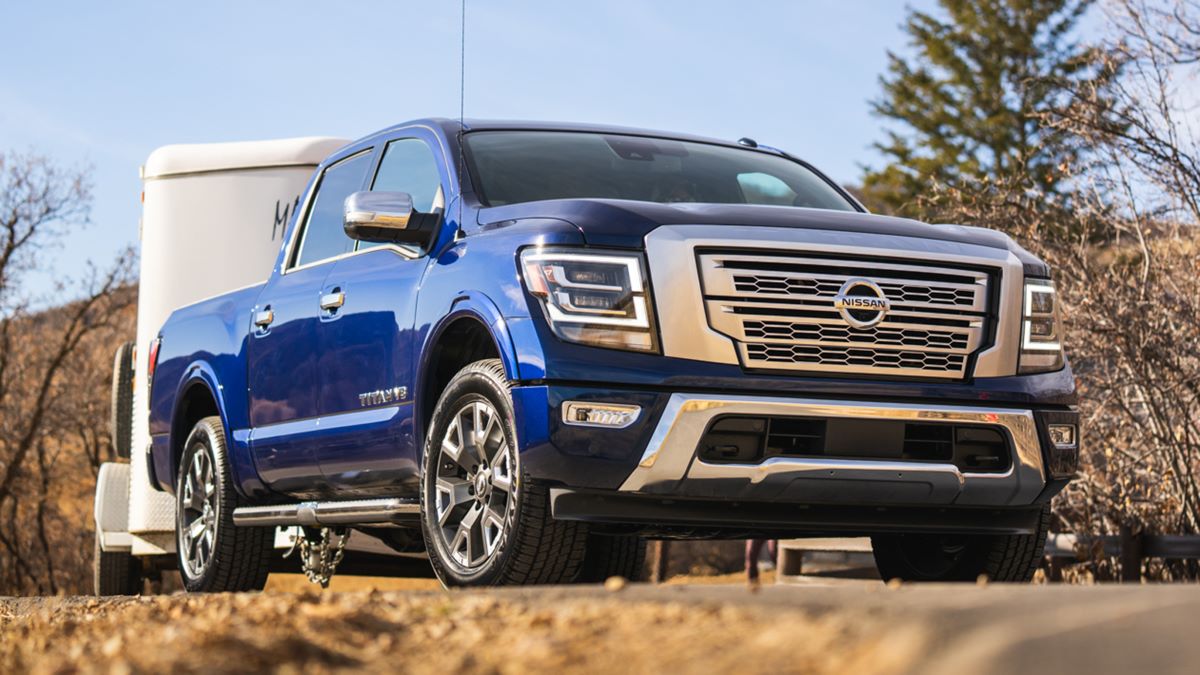
Reaching 200,000 miles with a Nissan Titan is no small feat, especially for owners who regularly tow heavy loads. While these trucks are built to be durable, proactive maintenance and smart towing habits are what ultimately determine longevity.
By following these ten moves from transmission care and cooling system upkeep to suspension, driveline, and tire maintenance you can ensure that your Titan remains a capable and reliable towing partner well beyond 200k miles.
For American truck owners who rely on their vehicles for work, recreation, or family adventures, investing time and attention into these practices pays off in safety, performance, and peace of mind for years to come.