

The Ford Flex stands as one of America’s most distinctive crossover vehicles, boasting a boxy design that turns heads wherever it goes. This three-row SUV has earned a reputation for reliability and practicality, but like any vehicle, it requires proper care and attention to maintain its performance over the years.
Understanding how to keep your Ford Flex running smoothly can save you thousands of dollars in repair costs while ensuring your family’s safety on the road. Many Ford Flex owners discover that preventive maintenance proves far more cost-effective than waiting for problems to develop.
The vehicle’s unique design and engineering require specific attention to certain components that tend to wear out faster than others. By following proven maintenance strategies, you can extend your Flex’s lifespan well beyond the average vehicle’s expected service life.
Regular maintenance schedules become crucial for any vehicle, but the Ford Flex benefits particularly from consistent care due to its specific engineering characteristics. The crossover’s turbocharged engine options, all-wheel-drive system, and sophisticated electronics need regular attention to function at their best.
Neglecting these systems often leads to expensive repairs that could have been prevented with simple maintenance routines. Smart Ford Flex owners recognize that small investments in maintenance today prevent major expenses tomorrow.
The vehicle’s design allows for relatively easy access to most maintenance points, making many tasks manageable for DIY enthusiasts. However, certain procedures require professional expertise to ensure proper completion and warranty compliance.
Temperature extremes, driving conditions, and usage patterns all affect how quickly your Ford Flex’s components wear out. City driving creates different stresses than highway cruising, while towing heavy loads places additional demands on the engine, transmission, and cooling systems.
Understanding these factors helps you adjust your maintenance schedule accordingly, ensuring your vehicle receives appropriate care based on how you actually use it.

1. Maintain Your Engine Oil Like Your Life Depends On It
Engine oil serves as the lifeblood of your Ford Flex’s powerplant, and treating it with respect determines whether your vehicle lasts 100,000 miles or 300,000 miles.
The Ford Flex’s engines, particularly the turbocharged variants, operate under high stress and temperature conditions that break down oil faster than naturally aspirated engines.
Fresh oil lubricates moving parts, removes heat from critical components, and carries away contaminants that could damage internal engine surfaces.
Change your oil every 5,000 miles regardless of what the maintenance schedule suggests. While Ford recommends longer intervals, real-world driving conditions rarely match laboratory testing environments.
Stop-and-go traffic, short trips, extreme temperatures, and dusty conditions all accelerate oil degradation. The few extra dollars spent on more frequent oil changes pale in comparison to the cost of rebuilding or replacing an engine that seized due to inadequate lubrication.
Choose high-quality oil that meets Ford’s specifications for your particular engine. Synthetic oil costs more upfront but provides superior protection under extreme conditions and maintains its viscosity longer than conventional oil.
The Ford Flex’s turbocharged engines benefit especially from synthetic oil’s ability to handle high temperatures without breaking down. Check your oil level monthly using the dipstick, and add oil if the level drops below the minimum mark.
Pay attention to oil color and consistency when checking levels. Fresh oil appears amber or black and flows smoothly off the dipstick. Oil that looks thick, gritty, or contains metal particles indicates internal engine problems that require immediate professional attention.
Similarly, oil that appears milky or contains water suggests coolant contamination, often indicating a blown head gasket or cracked engine block.
Keep records of every oil change, including date, mileage, and type of oil used. This documentation helps identify patterns in oil consumption and provides valuable information if warranty claims become necessary. Many Ford dealers require proof of regular oil changes to honor warranty repairs, making detailed records essential for protecting your investment.
2. Replace Your Air Filter Before It Chokes Your Engine
Your Ford Flex’s air filter protects the engine from dust, debris, and contaminants that could cause serious internal damage. A clean air filter ensures proper air flow to the engine, maintaining the correct fuel-to-air ratio needed for efficient combustion.
When the filter becomes clogged, your engine works harder to draw air, reducing power output and increasing fuel consumption while potentially causing long-term damage to expensive components. Check your air filter every 12,000 miles or sooner if you drive in dusty conditions.
The Ford Flex’s air filter housing is easily accessible under the hood, making inspection a simple five-minute task that requires no tools.
Remove the filter and hold it up to bright light to check for dirt accumulation. If you cannot see light through the filter material, replacement is necessary. Dark, oily, or damaged filters need immediate replacement regardless of mileage.
Driving conditions determine how quickly your air filter becomes dirty. Desert areas, construction zones, and rural roads with loose dirt accelerate filter contamination.
If you frequently drive in these conditions, inspect your filter more often and replace it when necessary. A dirty filter can reduce engine power by up to 10 percent while increasing fuel consumption by a similar amount.
Quality matters when selecting replacement air filters. Cheap filters may cost less initially, but often provide inadequate filtration or restrict airflow excessively. Original equipment manufacturer filters or high-quality aftermarket alternatives designed specifically for your Ford Flex ensure proper fit and filtration efficiency.
Avoid oiled performance filters unless you understand their maintenance requirements and potential warranty implications. Some Ford Flex owners attempt to clean paper air filters, but this practice often damages the filter material and reduces filtration effectiveness.
Paper filters are designed for single use and should always be replaced when dirty. Washable performance filters require specific cleaning procedures and complete drying before reinstallation, making them impractical for most drivers.
Also Read: 5 Ford Focus Years Worth Keeping vs 5 To Skip
3. Keep Your Transmission Fluid Fresh and Full
The Ford Flex’s transmission represents one of the most expensive components to repair or replace, making proper fluid maintenance absolutely critical for long-term reliability. Transmission fluid lubricates internal components, provides hydraulic pressure for gear changes, and removes heat generated during operation.
Old or contaminated fluid cannot perform these functions effectively, leading to premature wear and eventual transmission failure. Check your transmission fluid monthly when the engine is warm and running. Park on level ground, engage the parking brake, and cycle through all gear positions before checking the fluid level.
The dipstick should show fluid between the minimum and maximum marks. Low fluid levels can cause harsh shifting, delayed engagement, or complete transmission failure. Never overfill the transmission, as excess fluid can cause foaming and erratic operation.
Fresh transmission fluid appears bright red and has a slightly sweet smell. Fluid that appears brown, black, or contains metal particles indicates internal transmission damage requiring immediate professional attention.
Burnt-smelling fluid suggests overheating, often caused by heavy towing, aggressive driving, or cooling system problems. These conditions accelerate fluid degradation and internal component wear.
Replace your transmission fluid every 60,000 miles regardless of manufacturer recommendations. While Ford suggests longer intervals, frequent fluid changes extend transmission life. The replacement process requires specific procedures and tools, making professional service advisable for most owners.
Ensure the service technician uses Ford-approved transmission fluid, as incorrect fluid types can damage internal seals and components. Towing heavy loads or driving in mountainous terrain places additional stress on your transmission, requiring more frequent fluid changes.
These conditions generate extra heat that breaks down transmission fluid faster than normal driving. Consider installing an auxiliary transmission cooler if you regularly tow heavy trailers or drive in demanding conditions.
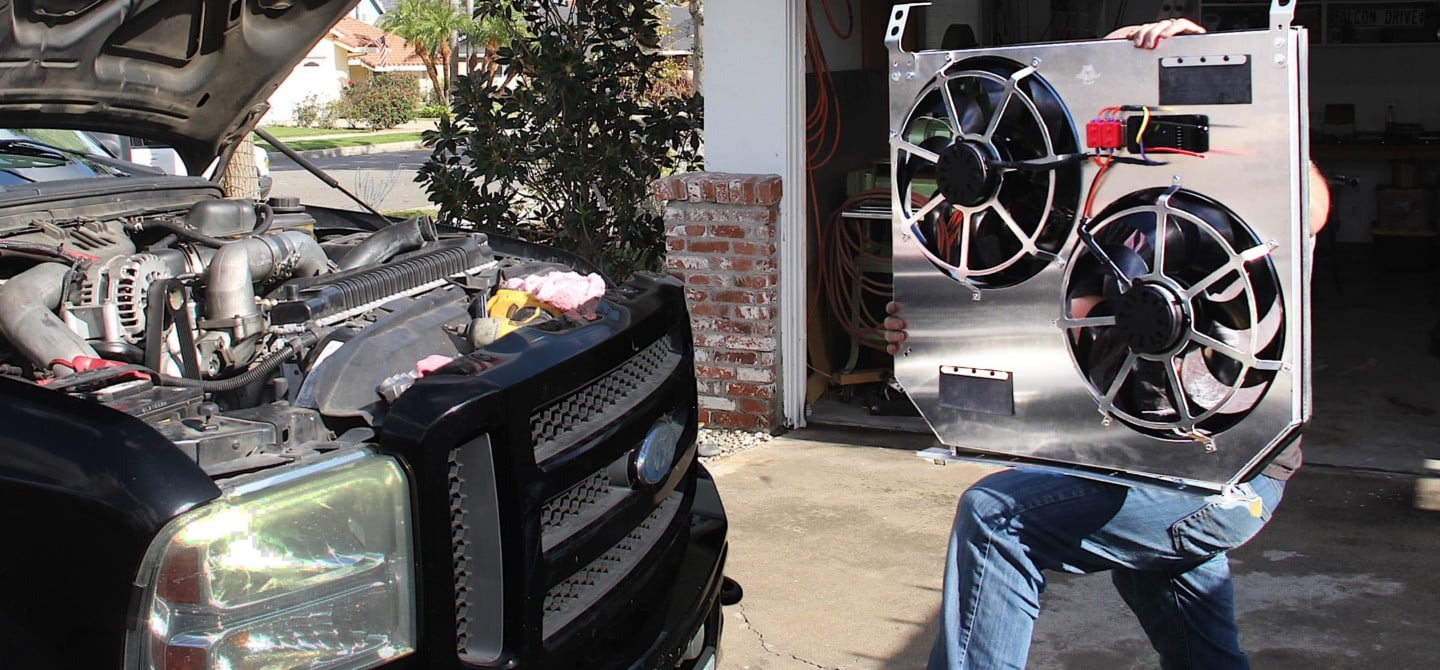
4. Don’t Ignore Your Cooling System
Your Ford Flex’s cooling system prevents engine damage by maintaining proper operating temperatures under all driving conditions.
The system includes the radiator, water pump, thermostat, hoses, and coolant reservoir working together to remove excess heat from the engine. Failure of any component can lead to overheating and catastrophic engine damage, costing thousands of dollars to repair.
Inspect cooling system components during every oil change. Look for signs of coolant leaks under the vehicle or around hose connections. Check radiator and heater hoses for cracks, bulges, or soft spots that indicate impending failure.
Replace any questionable hoses before they fail and leave you stranded. The Ford Flex’s transverse engine layout makes some hoses difficult to access, but early replacement prevents roadside emergencies. Monitor your coolant level regularly and maintain it between the minimum and maximum marks on the reservoir.
Never remove the radiator cap when the engine is hot, as pressurized coolant can cause severe burns. If coolant levels drop frequently, identify and repair the leak source immediately. Small leaks often indicate larger problems developing within the cooling system.
Flush and replace your coolant every 100,000 miles or as recommended in your owner’s manual. Old coolant loses its ability to prevent corrosion and may become acidic, damaging aluminum components common in modern engines.
Use only Ford-approved coolant meeting the proper specifications for your vehicle. Mixing different coolant types can cause chemical reactions that clog passages and damage seals.
Pay attention to your temperature gauge during daily driving. The needle should remain in the normal range under all conditions.
If temperatures rise above normal, pull over immediately and shut off the engine to prevent damage. Overheating can warp cylinder heads, blow head gaskets, or crack engine blocks, requiring complete engine replacement in severe cases.
5. Replace Your Spark Plugs Before They Fail
Spark plugs ignite the fuel-air mixture in your Ford Flex’s combustion chambers, making them essential for proper engine operation. Worn or fouled plugs cause misfires, reduced power output, poor fuel economy, and potential damage to expensive catalytic converters.
Regular spark plug replacement maintains engine performance and prevents costly repairs to emission control components.
Replace spark plugs according to your maintenance schedule, typically every 100,000 miles for platinum or iridium plugs. However, driving conditions may require more frequent replacement.
Frequent short trips, stop-and-go traffic, and extreme temperatures accelerate plug wear. If you notice rough idling, hesitation during acceleration, or decreased fuel economy, inspect your spark plugs even if they haven’t reached the replacement interval.
Use only spark plugs meeting Ford’s exact specifications for your engine. The wrong heat range, reach, or electrode material can cause engine damage or poor performance. Platinum and iridium plugs cost more than copper plugs but last longer and provide better performance throughout their service life.
Avoid cheap spark plugs, as their inferior construction often leads to premature failure and potential engine damage. Proper installation requires careful attention to torque specifications and gap settings.
Over-tightening can strip aluminum cylinder head threads, while under-tightening allows combustion gases to escape. Use a torque wrench and follow the manufacturer’s specifications exactly. Check plug gaps with a feeler gauge before installation, as shipped gaps may not match your engine’s requirements.
Inspect removed spark plugs for signs of engine problems. Normal plugs show light brown or tan deposits on the electrodes. Black, oily deposits indicate a rich fuel mixture or oil consumption problems. White or blistered electrodes suggest a lean mixture or overheating. These conditions require professional diagnosis to prevent engine damage.
6. Monitor Your Brake System Religiously
Your Ford Flex’s brake system protects your family’s safety and requires regular maintenance to function properly.
The system includes brake pads, rotors, brake fluid, and hydraulic components working together to stop your vehicle safely under all conditions. Neglecting brake maintenance compromises stopping ability and puts occupants at risk during emergencies.
Inspect brake pads every 20,000 miles or whenever you rotate tires. Most Ford Flex models have visual inspection windows in the brake calipers, allowing pad thickness checks without removing wheels.
Replace pads when the thickness reaches 3mm or when wear indicators begin making noise. Waiting too long damages rotors and increases repair costs.
Check brake fluid level monthly and maintain it between the minimum and maximum marks on the reservoir. Brake fluid absorbs moisture as time goes on, reducing its boiling point and potentially causing brake fade during heavy use.
Replace brake fluid every three years regardless of appearance or mileage. Use only DOT 3 brake fluid meeting Ford specifications for your vehicle.
Pay attention to brake pedal feel and stopping performance during daily driving. The pedal should feel firm and respond consistently each time you apply the brakes.
A spongy pedal indicates air in the hydraulic system or worn brake components. Vibration during braking suggests warped rotors requiring professional attention. Address brake problems immediately, as they affect your ability to stop safely.
Listen for unusual noises when braking. Squealing often indicates worn brake pads, while grinding suggests metal-to-metal contact that damages rotors.
Clicking or rattling sounds may indicate loose brake hardware requiring adjustment or replacement. Never ignore brake noise, as these sounds warn of problems that affect stopping ability.
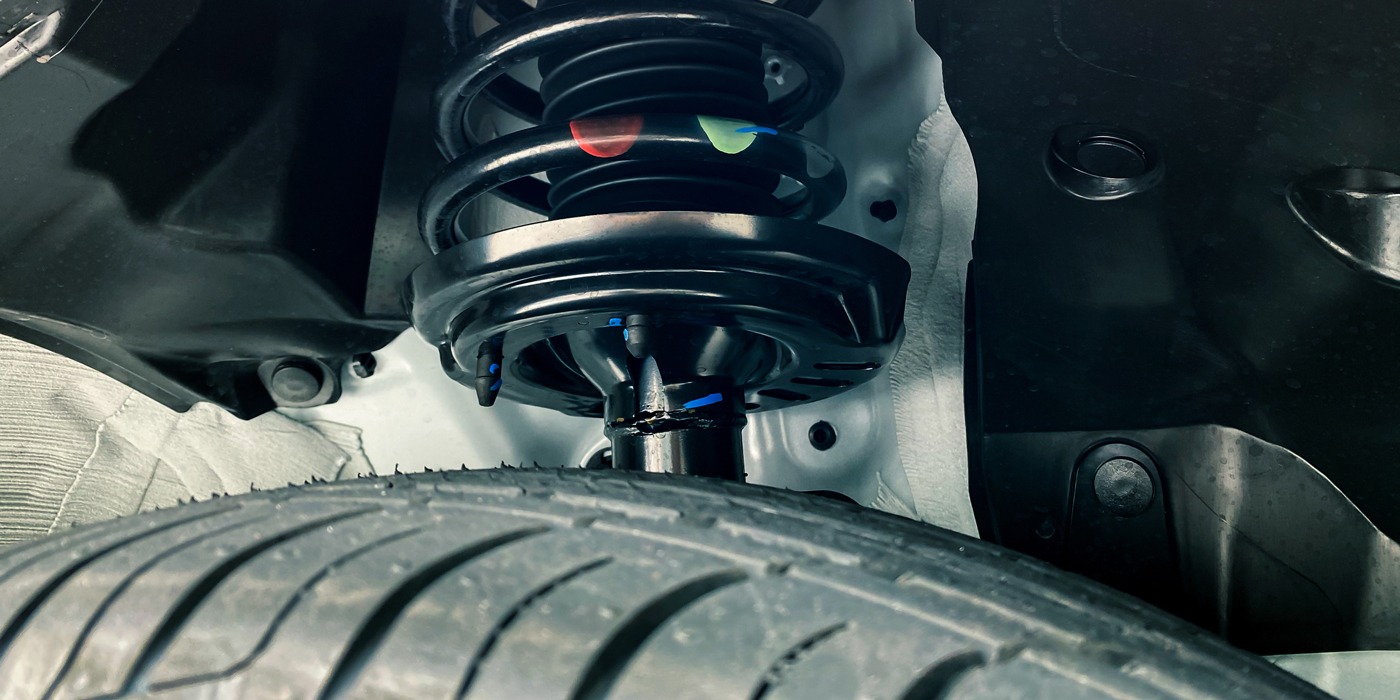
7. Keep Your Tires Properly Inflated and Rotated
Proper tire maintenance extends tire life, improves fuel economy, and enhances your Ford Flex’s handling characteristics. Under-inflated tires wear unevenly, increase fuel consumption, and generate excessive heat that can lead to blowouts. Over-inflated tires provide a harsh ride and wear prematurely in the center of the tread.
Check tire pressure monthly using an accurate gauge when tires are cold. The correct pressure specification appears on a sticker inside the driver’s door frame, not on the tire sidewall.
Tire pressure changes with temperature, dropping approximately one pound per square inch for every 10-degree temperature decrease. Adjust pressure seasonally to maintain proper inflation levels.
Rotate tires every 7,500 miles to ensure even wear patterns. The Ford Flex’s weight distribution and suspension geometry cause different wear rates between front and rear tires.
Regular rotation equalizes wear and maximizes tire life. Follow the rotation pattern specified in your owner’s manual, as different tire types require specific rotation procedures.
Inspect tires regularly for signs of damage or uneven wear. Cracks in the sidewall, bulges, or exposed cord indicate tire failure requiring immediate replacement.
Uneven wear patterns suggest alignment problems, suspension damage, or improper inflation pressure. Address these issues promptly to prevent premature tire replacement and potential safety hazards.
Replace tires when tread depth reaches 4/32 inch for all-season tires or 2/32 inch for summer tires. Use the penny test or a tread depth gauge to measure remaining tread.
Worn tires compromise traction, especially in wet conditions, and increase stopping distances. Replace tires in sets or pairs to maintain balanced handling characteristics.
8. Service Your Battery and Electrical System
Your Ford Flex’s battery and charging system power all electrical components and ensure reliable starting under all conditions.
Modern vehicles place heavy demands on electrical systems, making proper maintenance essential for dependable operation. Battery failure often occurs without warning, leaving you stranded at the worst possible moment.
Test your battery annually after three years of service. Most automotive parts stores provide free battery testing using computerized analyzers that measure actual capacity versus rated capacity.
Replace batteries showing reduced capacity before they fail. Cold weather reduces battery capacity, making marginal batteries prone to failure during the winter months.
Clean battery terminals and cable connections every six months to prevent corrosion buildup. White or green deposits around terminals indicate corrosion that reduces electrical conductivity.
Remove cables and clean terminals with a wire brush and baking soda solution. Apply terminal protector spray to prevent future corrosion. Ensure cable connections are tight and secure.
Inspect the serpentine belt driving your alternator during every oil change. A broken belt stops the alternator from charging the battery, eventually leading to electrical system failure.
Replace belts showing cracks, fraying, or glazing on contact surfaces. Proper belt tension is critical for alternator operation, so have tension checked whenever the belt is replaced.
Avoid leaving electrical accessories running when the engine is off, as this drains the battery unnecessarily. Heated seats, interior lights, and audio systems can discharge a battery surprisingly quickly. If your Flex sits unused for extended periods, consider using a battery tender to maintain proper charge levels and extend battery life.
Also Read: 7 Oversights That Kill a Ford Mustang Boss 302 Too Early

9. Perform Regular Multi-Point Inspections
Regular inspections identify potential problems before they cause breakdowns or expensive repairs. A systematic approach ensures you check all critical systems and components that affect your Ford Flex’s reliability and safety. Monthly inspections take less than 30 minutes but can save thousands of dollars in repair costs.
Walk around your vehicle monthly and look for signs of damage or wear. Check for fluid leaks under the vehicle, damaged body panels, or cracked glass.
Inspect lights to ensure all bulbs function properly. Test windshield wipers and washer fluid system operation. These simple checks identify problems before they compromise safety or lead to traffic citations.
Listen to your engine during startup and while driving. Unusual noises often indicate developing problems that require professional attention.
Squealing belts, grinding brakes, or rattling exhaust components warn of impending failures. Address unusual noises promptly, as they usually worsen as time goes on and become more expensive to repair.
Check all fluid levels monthly, including engine oil, transmission fluid, brake fluid, power steering fluid, and windshield washer fluid.
Low fluid levels often indicate leaks or consumption problems requiring immediate attention. Maintain all fluids at proper levels and replace them according to manufacturer schedules.
Keep detailed maintenance records documenting all services performed on your Ford Flex. Include dates, mileage, parts used, and service facility information.
These records help identify patterns in component failures and provide valuable information for warranty claims. Comprehensive maintenance records also increase resale value when you decide to sell or trade your vehicle.
Maintaining your Ford Flex requires dedication, but the rewards justify every effort you invest. These nine maintenance strategies form the foundation of a comprehensive care program that can extend your vehicle’s service life well beyond 200,000 miles. Each strategy addresses critical systems that directly impact reliability, safety, and long-term ownership costs.
Consistent maintenance prevents the cascade effect where one failed component damages others, multiplying repair expenses exponentially.
Your Ford Flex represents a substantial investment that deserves protection through proper care and attention. The time and money you spend on preventive maintenance today saves exponentially more in avoided repairs and premature replacement costs.
Remember that your driving habits and local conditions influence maintenance requirements. Harsh weather, heavy towing, and aggressive driving accelerate component wear, requiring more frequent service intervals. Adapt these recommendations to match your specific usage patterns and environmental conditions.
Professional service relationships prove invaluable for difficult repairs and diagnostics beyond DIY capabilities. Find qualified technicians familiar with Ford vehicles and establish ongoing service relationships. Their expertise becomes crucial when problems exceed basic maintenance procedures.
Your Ford Flex can provide years of reliable family transportation when properly maintained. These strategies create a roadmap for keeping your investment running smoothly while protecting your family’s safety and financial security through responsible vehicle ownership practices.
