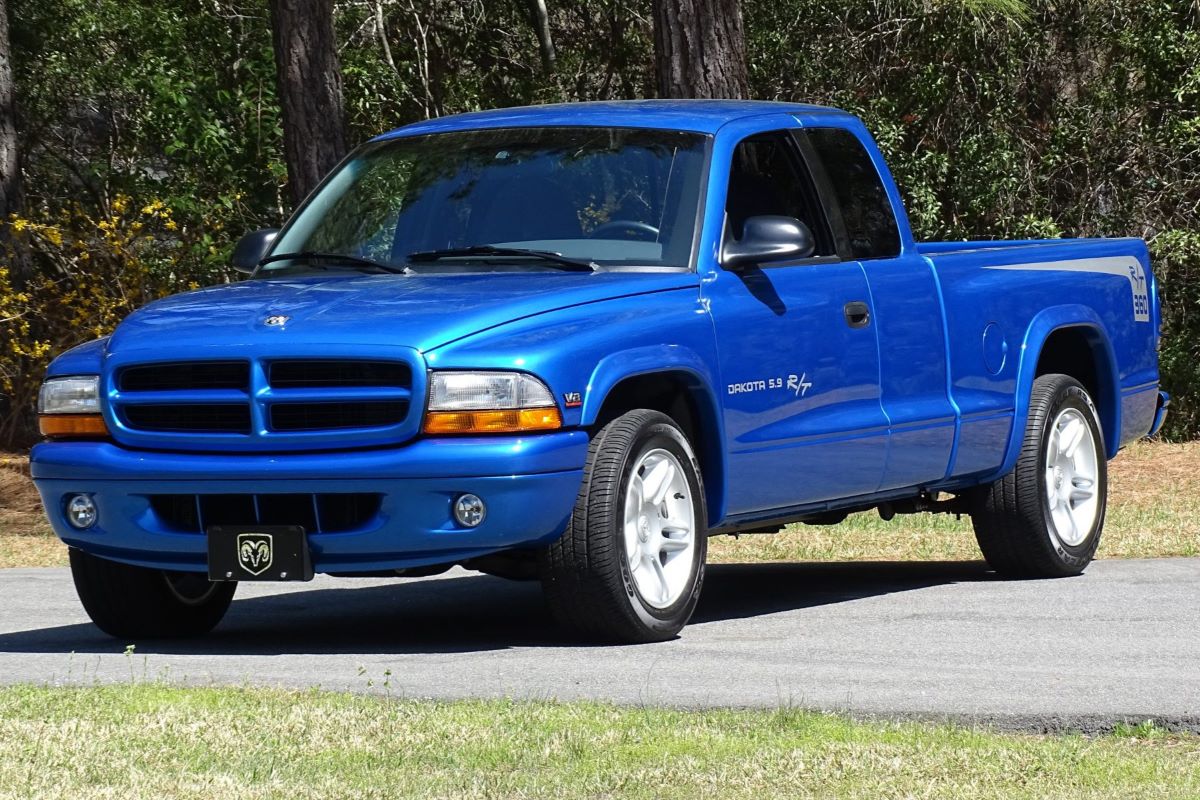
The Dodge Dakota has long been a favorite among midsize pickup enthusiasts in the United States.
Lauded for its combination of rugged performance, reasonable towing capacity, and manageable size, the Dakota strikes a balance between workhorse durability and everyday usability.
However, like any vehicle, maintaining its reliability requires consistent care and smart driving habits. Many Dakota owners unintentionally make mistakes that can drastically shorten the truck’s lifespan, leading to costly repairs and frustrating downtime.
In this article, we’ll explore seven common mistakes that drain a Dodge Dakota’s reliability prematurely and explain how to avoid them.
1. Neglecting Regular Oil Changes
One of the most critical elements in preserving any vehicle’s longevity is proper engine lubrication, and the Dodge Dakota is no exception.
Many owners make the mistake of stretching oil change intervals or using the wrong type of oil. Over time, dirty or insufficient oil can cause excessive engine wear, leading to decreased performance and even catastrophic engine failure.
The Dakota’s V6 and V8 engines, particularly in older models, are sensitive to oil quality and interval maintenance. The manufacturer typically recommends oil changes every 5,000 to 7,500 miles, depending on driving conditions.
Skipping or delaying these changes not only accelerates internal wear but can also affect fuel efficiency and lead to sludge buildup, which is difficult and costly to fix.
Always follow Dodge’s recommended oil change intervals and use high-quality synthetic oil if possible. Regularly check oil levels between changes to ensure proper lubrication.
Skipping an oil change might seem harmless at first, but it’s actually one of the most common and costly mistakes drivers make when it comes to car maintenance.
Fresh oil keeps your engine clean, cool, and properly protected,something worn-out oil simply can’t do. If you’re asking yourself what happens when you put it off, the reality is simple: you’ll end up facing higher repair bills, reduced performance, and a shorter engine lifespan.
The problem is, oil doesn’t last forever. Heat, friction, and contaminants gradually break it down. It thickens, loses the additives that keep it effective, and stops protecting your engine the way it should. Regular oil changes reset that protection, keeping your car running smoothly and extending its life.
Choosing to ignore oil changes opens the door to excessive wear, overheating, sludge buildup, reduced fuel economy, and eventually, major mechanical failure.
Staying on schedule is straightforward, inexpensive, and one of the best ways to safeguard your car’s value. Here’s what happens when you let it slide:
Clean oil reduces friction by keeping parts moving smoothly. Once oil degrades and collects dirt, it loses that ability.
Neglecting oil changes means more friction, more wear, and eventually, the possibility of irreversible engine damage. What could have been solved with a routine service may spiral into needing a full engine replacement.
Old oil turns into thick sludge that gums up the engine’s internal passages. This sticky buildup blocks oil from reaching vital areas like the pistons, crankshaft, and camshaft.
Over time, the restricted oil flow robs the engine of efficiency, raises operating temperatures, and in extreme cases, causes total engine failure.
Oil isn’t just a lubricant, it’s also part of your engine’s cooling system. Once it breaks down, it loses the ability to transfer heat effectively. That forces your cooling system to work harder and increases the likelihood of overheating, which can lead to cracked gaskets, warped cylinder heads, or worse.
Engines running on dirty oil encounter more resistance and stress, which means they burn more fuel to get the same job done. You’re stopping for gas more often and spending extra money you wouldn’t have with regular oil changes.
Skipping an oil change may feel like saving money, but it’s a false economy. The longer you wait, the more damage accumulates, and that can lead to repairs costing thousands of dollars, from gasket replacements to full engine rebuilds.
An oil change is one of the cheapest services you can do for your car, but ignoring it ranks among the costliest mistakes a driver can make.
Also Read: 7 Bad Habits That Ruin a Jeep Patriot Transmission
2. Ignoring Transmission Maintenance
The Dodge Dakota is offered with both manual and automatic transmissions, and each requires consistent attention to avoid early failure.
Automatic transmission fluid (ATF) is the lifeblood of the transmission, ensuring smooth gear shifts and preventing overheating. Unfortunately, many owners neglect this maintenance, assuming the transmission is “sealed for life.”
Ignoring transmission fluid changes can lead to burnt fluid, gear slippage, and ultimately, a complete transmission rebuild a costly repair that can easily exceed the truck’s market value.
Additionally, towing heavy loads or frequent stop-and-go driving without proper fluid maintenance exacerbates wear.
Check the owner’s manual for recommended ATF change intervals, typically around every 30,000 to 60,000 miles. Don’t wait until symptoms appear; preventive maintenance is far less expensive than emergency repairs.
3. Overloading and Improper Towing
The Dodge Dakota is a capable midsize truck, but exceeding its payload or towing capacity is a surefire way to undermine its reliability. Overloading stresses the suspension, brakes, engine, and drivetrain.
Even if the truck survives the abuse initially, repeated overloading accelerates wear and may lead to costly failures like blown head gaskets, transmission issues, or warped brake rotors.
Many Dakota owners underestimate the weight of cargo or trailers, thinking the truck can handle more than its official rating. Towing without proper equipment, such as weight-distribution hitches or trailer brakes, can further compound the stress on the vehicle.
Always know your Dakota’s payload and towing limits. Invest in proper towing equipment and distribute weight evenly to minimize stress on the truck’s components.
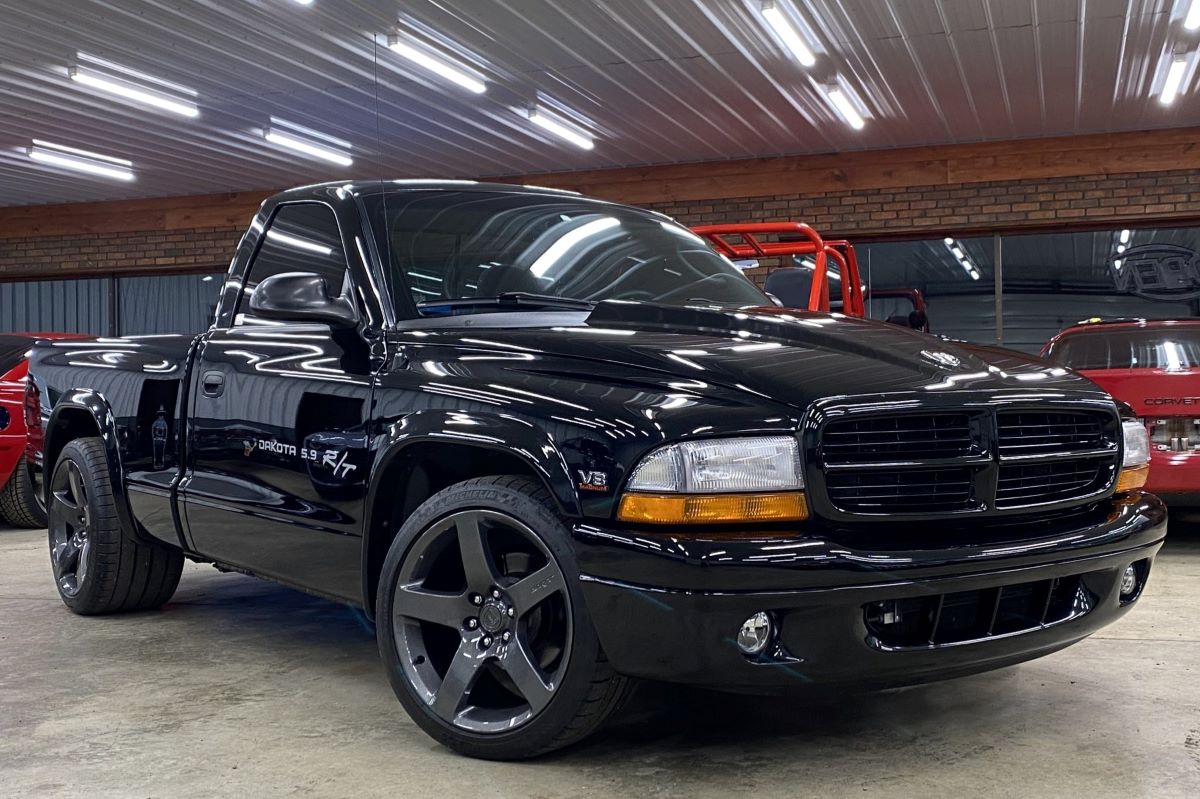
4. Skipping Suspension and Steering Inspections
The Dakota’s suspension and steering components are critical for both safety and reliability. Over time, bushings, ball joints, tie rods, and shocks wear out. Ignoring these issues leads to uneven tire wear, poor handling, and excessive strain on other mechanical parts.
A common mistake is assuming that suspension issues are minor, especially if the truck “still drives fine.” In reality, failing suspension can cause vibrations, misalignment, and even failure of other components such as wheel bearings or axles, which may result in more extensive repairs.
Schedule routine inspections, ideally every 12,000 to 15,000 miles. Replace worn components promptly and maintain proper alignment to extend tire and suspension life.
A vehicle safety system inspection is a comprehensive review of all the critical components that ensure your car is safe to drive. This includes the brakes and brake fluid, tires and tread depth, steering and suspension systems, lights such as headlights, brake lights, and turn signals, as well as seat belts, airbags, windshield wipers, washer fluid, mirrors, and even the horn.
These aren’t just mechanical parts that make your car “work”, they are the systems that keep you, your passengers, and other drivers protected every time you’re on the road.
The problem with this mindset is that not every issue reveals itself right away. For example, worn brake pads may still function but compromise stopping power. A faulty airbag sensor might remain undetected until it fails in an actual crash.
Even minor suspension wear could eventually turn into a serious steering problem at highway speeds. By avoiding an inspection, drivers gamble not only with their safety but also with the likelihood of facing more expensive repairs down the road, or worse, an accident.
The hidden dangers of skipping inspections can be severe. Brake components wear down gradually, and most drivers don’t notice a decline in performance until it’s too late.
A professional inspection identifies issues with pads, rotors, calipers, and brake fluid before they reach a dangerous point. Tires are another example, uneven wear, punctures, or low tread depth can lead to sudden blowouts, especially at higher speeds, putting you and others in serious danger.
Airbags are equally critical. Modern vehicles rely on complex sensors to deploy airbags properly during a collision, but if even one of those sensors fails, your airbags might not deploy at all. Regular inspections can catch such problems before they become catastrophic.
Other risks are often overlooked, such as visibility issues. Cracked windshields, worn wipers, and dim or burnt-out lights may not seem urgent but can dramatically impair your visibility, especially in bad weather or at night. Steering and suspension problems are also easy to ignore until the symptoms are obvious.
If your car starts pulling to one side or feels unstable, it may already be too late to avoid costly repairs or even complete component failure. Routine inspections catch these issues in their early stages, giving you time to address them before they escalate.
On top of that, their team delivers quick turnaround times, honest pricing, and has earned hundreds of five-star reviews from local drivers who prioritize safety and reliability.
5. Using Low-Quality or Wrong Fuel
The Dodge Dakota, particularly the models with V8 engines, benefits from higher-octane fuel for optimal performance. Using low-quality gasoline or fuel with contaminants can lead to engine knocking, reduced efficiency, and accelerated carbon buildup in the intake and combustion chambers.
Many Dakota owners overlook fuel quality, focusing solely on cost rather than performance and long-term reliability. Over time, this negligence can damage pistons, valves, and fuel injectors, which may require expensive repairs.
Always use the recommended octane rating, typically 87 or higher depending on the engine. Opt for reputable fuel brands and consider fuel system cleaners periodically to keep injectors and intake valves clean.
While electric vehicles are steadily gaining popularity, the vast majority of drivers still rely on petrol or diesel to power their cars.
Some motorists pay close attention to the quality of fuel they use, while others simply fill up without much thought. Yet understanding what makes fuel poor quality is essential for maintaining engine performance and extending the life of a vehicle.
For many people, octane level is the main measure of fuel quality, and it’s often the only factor they consider. While octane rating does matter, it isn’t the whole story.
Additives, detergents, and even the condition of the fueling system or storage tanks at a gas station can have just as much impact on overall fuel quality. Having a basic understanding of these factors is key to protecting your engine.
Because fuel quality tends to be overlooked, a lot of drivers may experience performance issues without realizing the fuel itself could be the culprit.
To shed light on this, we’ve done in-depth research on the topic and will break down how fuel quality is determined and the effect it can have on your vehicle.
Fuel quality depends on a number of different factors, and understanding them will give you a clearer picture of what you’re putting into your tank. Several issues can reduce fuel quality, and many of them come down to the condition of the gas station and its equipment.
Gas station and pump conditions play a huge role. Storage tanks and pumps must be properly maintained to prevent water from seeping in and causing corrosion. If corrosion develops inside tanks, it can make its way into your vehicle, affecting performance and longevity.
Additives and detergents are another critical element. The U.S. Environmental Protection Agency requires that all fuels, regardless of octane level, contain a certain amount of detergents and additives.
These chemicals prevent carbon buildup and deposits that can damage your engine over time. To improve on this baseline, automakers helped establish the “Top Tier” fuel program, which provides a proprietary blend of additives designed for optimal engine protection.
Participating gas stations display the Top Tier logo, making it easy for drivers to identify higher-quality fuel. Tank maintenance also cannot be ignored.
The condition of storage tanks directly affects fuel quality. Reputable gas stations schedule regular inspections to ensure their tanks remain in good condition and their fuel stays clean.
Drivers can even request inspection reports from stations to confirm maintenance is being carried out as required.
In some regions, particularly the UK, supermarket chains have been selling fuel since the 1970s, offering a cheaper alternative to traditional branded stations. With rising global fuel prices, many people question whether supermarket fuel is essentially the same as what’s sold at premium stations.
In most cases, both supermarket and branded fuel originate from the same refineries, meaning the chemical makeup is largely the same.
The difference lies in the additives. Large fuel companies like Shell and BP use their own proprietary blends designed to boost efficiency, improve performance, or offer additional engine protection.
This naturally raises the question: is branded fuel really better than supermarket fuel? The short answer is that you generally get what you pay for, giving branded fuel an edge thanks to its enhanced additive packages.
However, studies comparing efficiency, economy, and performance across fuel types have produced mixed and often inconclusive results. In the end, it may come down to personal preference and budget, with drivers making their own judgments about whether the extra cost of branded fuel is worth it.
6. Neglecting Cooling System Maintenance
The Dodge Dakota’s engine relies on a healthy cooling system to prevent overheating. Failing to maintain coolant levels, flush the radiator, or replace old hoses can result in catastrophic engine damage. Overheating can warp cylinder heads, blow head gaskets, or damage the radiator and water pump.
Many Dakota owners assume the cooling system is “set it and forget it,” especially in trucks with long service lives. However, corrosion, scale buildup, and leaks are gradual but serious threats to engine health.
Check coolant levels regularly, flush the system as recommended (typically every 50,000 miles), and inspect hoses, clamps, and the radiator for signs of wear or leaks.
Your car’s cooling system is one of the most important safeguards for your engine, regulating temperature and preventing overheating. Without proper care, this system can fail, leading to expensive repairs or even complete engine breakdown.
By understanding how the cooling system works, learning to recognize the warning signs of trouble, and following essential maintenance practices, you can keep it operating efficiently for years to come.
The cooling system relies on several components working together to keep your engine at a safe operating temperature.
The radiator plays a central role, dispersing heat as coolant passes through its fins while air flows across them. The coolant itself, commonly referred to as antifreeze, absorbs heat from the engine and protects against freezing in cold weather or boiling in extreme heat.
The water pump ensures coolant circulates evenly throughout the system, while the thermostat acts as a valve, regulating coolant flow so the engine warms up quickly but never overheats.
Finally, a network of hoses connects the radiator, engine, and water pump, allowing coolant to move between each component.
Recognizing potential cooling system problems early can save you from major headaches later. An overheating engine, reflected by a rising temperature gauge or visible heat issues, is an obvious red flag.
Coolant leaks are another common sign, green, orange, or yellow puddles under your car may indicate a leaking radiator or failing hoses. If you find yourself constantly topping off coolant, it could point to a hidden leak or another system malfunction.
Steam coming from under the hood while driving is a serious indicator that your engine is dangerously hot and the cooling system isn’t doing its job. Even the condition of the coolant itself matters; rusty, discolored, or dirty coolant reduces efficiency and can clog the system.
The good news is that with consistent maintenance, many cooling system issues can be avoided altogether. Start by checking coolant levels regularly and topping off the reservoir when necessary, always using the correct coolant type recommended for your vehicle.
Over time, coolant degrades, so flushing the system every 30,000 to 50,000 miles, or according to your owner’s manual, is crucial for preventing buildup and maintaining effectiveness.
Hoses and belts should be inspected often for cracks, swelling, leaks, or fraying, and replaced before they cause more serious problems. The thermostat should also be tested during routine service since a faulty one can result in overheating or underheating.
Keeping an eye on the radiator and water pump is equally important. Any signs of corrosion, leaks, or unusual noises should be addressed immediately to prevent component failure.
Finally, scheduling routine maintenance with a professional technician ensures that every part of the system, from the radiator to the hoses, is checked thoroughly. A complete inspection typically includes flushing old coolant, replacing it with fresh fluid, and verifying that all components are functioning properly.
By staying proactive with these steps, you not only protect your cooling system but also preserve the overall performance and longevity of your engine.
Also Read: 8 Best-Selling Cars by State and What They Say About Local Drivers
7. Ignoring Electrical System Issues
Modern Dodge Dakotas come equipped with increasingly complex electrical systems. Problems with the battery, alternator, or wiring can trigger a cascade of failures.
Owners often ignore warning signs such as dimming lights, intermittent power issues, or malfunctioning sensors, thinking they are minor annoyances.
Neglecting electrical issues can result in more serious problems, including starter failure, sensor errors that affect engine performance, and even unintended stalling. Early intervention can prevent minor electrical glitches from turning into major repairs.
Have a certified technician check the electrical system if you notice unusual behavior. Regular battery maintenance, cleaning terminals, and ensuring a secure alternator can prevent premature failures.
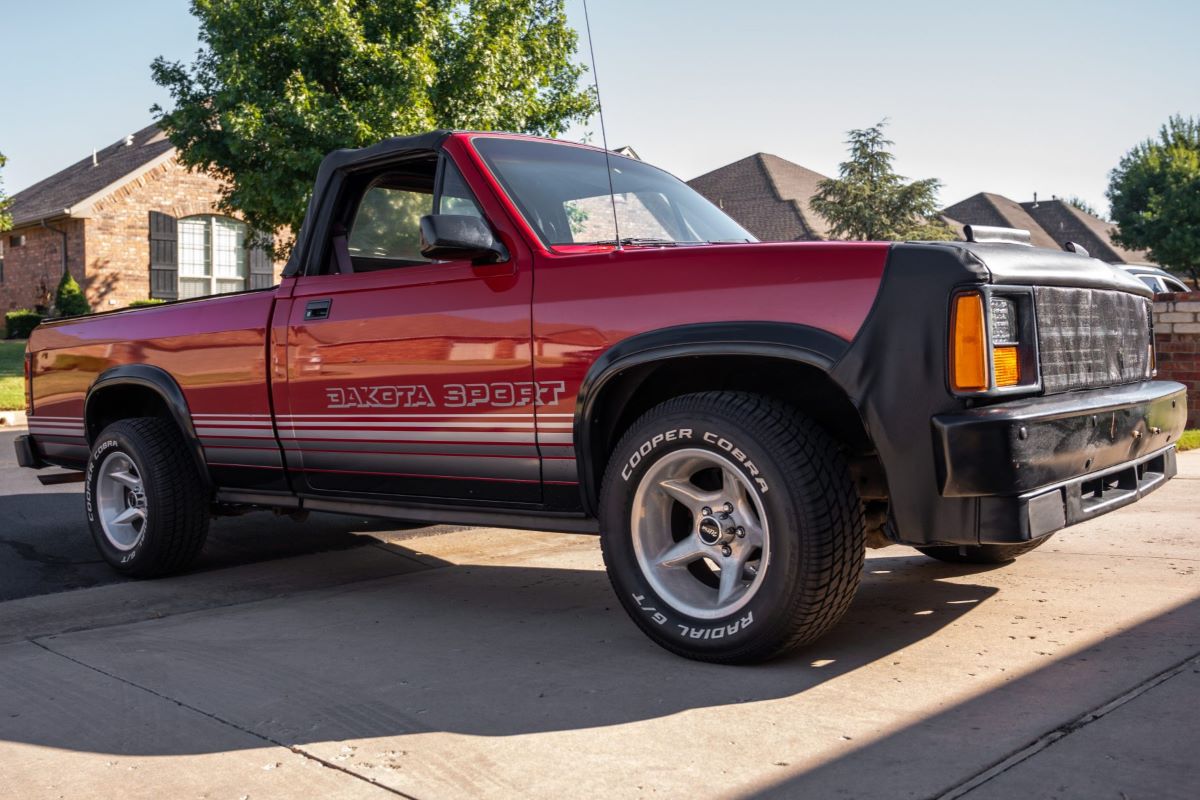
The Dodge Dakota is a capable and reliable midsize pickup when properly maintained, but early neglect or common mistakes can quickly drain its reliability.
From simple issues like skipping oil changes to more critical mistakes such as overloading or ignoring transmission maintenance, these errors compound over time and can lead to expensive repairs.
Owners who stay proactive with routine maintenance, respect the truck’s mechanical limits, and pay attention to warning signs can enjoy years of dependable performance.
By avoiding the seven mistakes outlined above, Dodge Dakota drivers can protect their investment, maintain strong reliability, and continue to enjoy the versatility and rugged appeal of this iconic midsize pickup.