

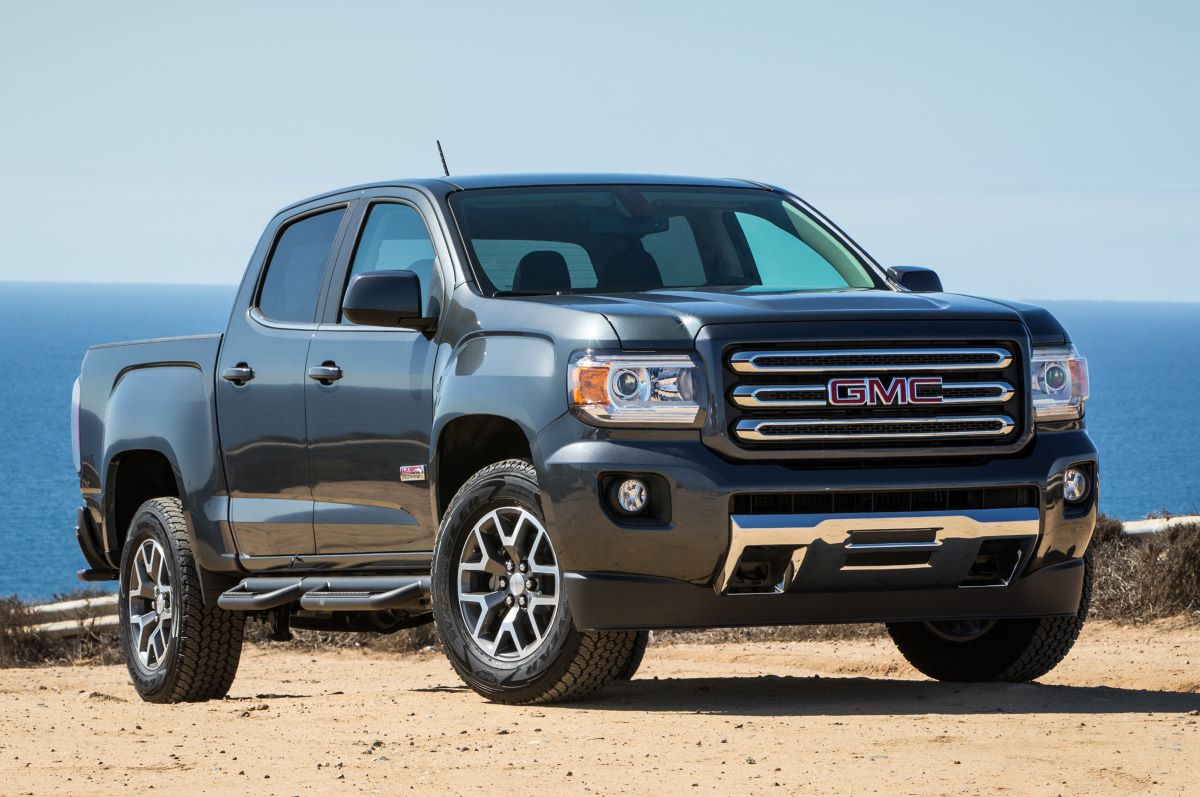
When it comes to mid-size trucks, the GMC Canyon stands out for its balance of durability, capability, and comfort. However, like any vehicle, longevity doesn’t come automatically.
With proper care, attention, and smart habits, a GMC Canyon can serve its owner faithfully for 20 years or more. Achieving this milestone isn’t just about avoiding accidents it requires consistent maintenance, thoughtful driving, and proactive preventive measures.
For American drivers who rely on their Canyon for commuting, weekend adventures, or towing, understanding these steps can make a significant difference in preserving both performance and resale value. Here are ten essential steps to ensure your GMC Canyon can survive and thrive for two decades.
1. Stick to a Rigorous Maintenance Schedule
One of the most important factors in vehicle longevity is adhering strictly to the manufacturer’s maintenance schedule. This means timely oil changes, fluid checks, tire rotations, and brake inspections.
The GMC Canyon’s engine, transmission, and drivetrain are designed for durability, but neglecting basic maintenance accelerates wear and tear.
For example, skipping oil changes can lead to sludge buildup, which drastically reduces engine life. Routine maintenance also allows mechanics to spot small problems before they become expensive repairs, keeping your truck on the road longer.
2. Use High-Quality Fluids and Parts
While regular maintenance is crucial, what you use during service matters equally. Using high-quality engine oil, transmission fluid, and brake fluid ensures that your truck’s components remain lubricated and protected.
Additionally, replacing worn-out parts with OEM (Original Equipment Manufacturer) components rather than cheaper aftermarket alternatives can prevent premature failures.
Over a 20-year lifespan, these small decisions compound to significantly extend the life of your Canyon’s mechanical systems.
Your car depends on a team of unseen but essential fluids to stay reliable on the road. From lubrication to temperature regulation, these substances work together behind the scenes to protect the engine, transmission, and other vital systems.
If they’re ignored, the result can be sluggish performance, overheating, or even sudden breakdowns, problems that show up most often in heavy traffic or extreme weather.
Warning signs of fluid trouble usually appear before failure occurs. Dashboard alerts, strange noises, or visible leaks are all signals that it’s time for professional attention.
Following each manufacturer’s service schedule, we provide oil changes, coolant flushes, brake fluid service, and more, ensuring every system is maintained at the right interval. This precision keeps vehicles running smoothly and efficiently for years.
The takeaway is simple: proper fluid care prevents breakdowns, extends the life of your car, and avoids expensive repairs. Brake fluid, coolant, and transmission fluid all require regular monitoring, while oil must be replaced on time to preserve engine health.
Your car’s fluids act like a finely tuned pit crew, working together to protect moving parts, transfer power, and regulate temperatures. When these fluids degrade, the results can range from shuddering during acceleration to overheating or reduced stopping power.
We make it our mission to educate drivers on how caring for these fluids translates into better performance and fewer unpleasant surprises on the road.
Each fluid serves a specific purpose. Engine oil reduces friction between metal parts, while coolant absorbs heat and prevents overheating. Brake fluid amplifies pedal pressure for safe, reliable stops.
When ignored, sludgy oil can wear down bearings, contaminated brake fluid can corrode master cylinders, and neglected transmission fluid can force a rebuild costing thousands of dollars. We’ve helped customers avoid repairs of $1,200 or more simply by replacing fluids before damage spread.
Our technicians use factory-recommended schedules and industry-leading equipment to keep systems operating at their best.
Clean, properly maintained fluids translate to improved gas mileage, cooler engine temperatures, and more confidence behind the wheel. Every service visit is an opportunity to protect your investment and extend the life of costly components like pistons, pumps, and gears.
Modern vehicles require advanced care, and we deliver it with tools like infrared spectrometers that detect microscopic contaminants traditional tests often miss. We also follow strict disposal standards and always adhere to manufacturer guidelines for replacements and flushes.
Transparency is part of our process, you’ll receive clear explanations about the condition of your fluids and what that means for long-term performance. This approach builds trust while reducing the risk of unexpected repair bills.
Every type of fluid plays a distinct role in your car’s operation. Engine oil coats pistons and bearings to prevent metal-on-metal grinding that leads to premature wear.
Transmission fluid keeps gears protected and ensures smooth shifting; our team regularly checks viscosity and contamination levels to avoid failures that could cost $3,000 or more to repair. B
rake fluid enables hydraulic pressure for safe stops, and we’ve seen how routine flushes prevent master cylinder corrosion. Power steering fluid, meanwhile, keeps turning effortless while extending the life of pumps and racks, regular inspections here can increase component longevity by up to 40 percent.
Because each fluid has unique requirements depending on your car and driving habits, we create personalized care plans for every customer. Whether it’s a routine oil change or a full transmission fluid analysis, our goal is always the same: to keep your vehicle performing at its best while preventing costly surprises.
3. Pay Attention to the Cooling System
The engine’s cooling system is often overlooked, yet it is critical for long-term reliability. A failing radiator, water pump, or thermostat can lead to overheating, which can irreparably damage the engine.
Regularly flushing the coolant and checking hoses for cracks or leaks keeps the engine running at optimal temperatures.
In the U.S., where drivers encounter both scorching summer heat and freezing winter temperatures, a properly maintained cooling system is essential for avoiding catastrophic engine failures.
4. Protect the Exterior and Undercarriage
Rust and corrosion are silent killers for any truck. In areas where salt is used on roads during winter, the Canyon’s undercarriage is especially vulnerable.
Regular washing, particularly under the vehicle, removes salt and grime that accelerate rusting. Applying rust-proofing treatments or protective coatings further shields critical areas such as the frame and wheel wells.
Maintaining the exterior not only preserves aesthetics but also ensures structural integrity over decades of use. The undercarriage of a car may not be the most visible part of the vehicle, but its importance is undeniable.
Beneath the surface lies a network of vital components such as the exhaust system, suspension, brake lines, and even parts of the transmission, all of which play a crucial role in your car’s safety, performance, and longevity.
However, because the undercarriage is constantly exposed to potholes, road debris, salt, and other harsh elements, it is one of the most vulnerable areas of a vehicle. Damage and wear here often go unnoticed until they turn into costly repairs or safety hazards.
The undercarriage itself refers to the bottom portion of the car, and though it isn’t something drivers typically pay much attention to, it contains systems that are just as essential as the engine or the exterior body.
For example, the exhaust system, which includes the muffler, catalytic converter, and exhaust pipe, is responsible for redirecting harmful gases and reducing emissions. Signs of trouble in this system may include unusual noises, visible smoke, or a noticeable decrease in fuel efficiency.
Similarly, the suspension system, made up of springs, shocks, and struts, ensures a smooth and controlled ride by absorbing bumps and reducing the impact of road irregularities. When these parts wear down, you may notice excessive bouncing or difficulty steering.
Other critical components housed in the undercarriage include the brake lines, which carry brake fluid to keep your braking system responsive.
Corrosion or leaks in this area can be dangerous and compromise your safety. The transmission and oil pan also sit beneath the car, playing key roles in power transfer and lubrication.
Leaks or shifting issues often point to damage in these areas. Steering elements, like the steering rack, and even the condition of tires and wheels are also closely tied to the undercarriage.
Alignment problems or steering difficulties often originate here, particularly after pothole impacts or collisions. Together, these components highlight why the undercarriage should never be overlooked.
Keeping this part of your car clean and well-maintained is essential for preserving both safety and performance. One of the biggest threats is rust and corrosion, especially in regions where roads are treated with salt during the winter.
Road grime and moisture that build up over time can weaken metal and compromise structural integrity. Regular cleaning prevents this damage and helps extend the life of your vehicle.
A clean undercarriage also keeps critical parts like the suspension, drivetrain, and exhaust working efficiently, ensuring your car runs smoothly. Beyond performance, maintaining cleanliness also prolongs your vehicle’s overall lifespan by minimizing wear and protecting vital systems.
There are financial and environmental benefits as well. Excess dirt and debris underneath the car add unnecessary weight and interfere with aerodynamics, leading to reduced fuel efficiency. By keeping the undercarriage clear, your car operates more efficiently and saves money on gas in the long run.
Safety is another important factor, since the undercarriage houses key components like fuel lines, brake lines, and suspension parts, buildup or unnoticed damage in this area can create serious risks, such as brake failure or poor handling.
Cleaning and inspecting the undercarriage regularly not only improves safety but also allows you to catch potential problems early. Spotting leaks, cracks, or worn components before they escalate helps prevent unexpected breakdowns and expensive repairs.
While it may seem like a small task, caring for your car’s undercarriage delivers significant long-term benefits. It’s an investment in performance, safety, and reliability that pays off over time. By keeping this overlooked area clean and protected, you ensure smoother rides, better efficiency, and greater peace of mind every time you’re on the road.
5. Mind the Transmission
Whether your GMC Canyon is equipped with an automatic or manual transmission, caring for it is crucial for longevity. Transmission fluid degrades over time and with use, so regular fluid changes are necessary to prevent slipping, overheating, or total failure.
Avoid aggressive driving habits such as rapid acceleration or towing beyond recommended limits, as these stress the transmission and can significantly shorten its lifespan. For trucks intended to last 20 years, gentle operation combined with routine servicing is key.
The transmission is one of the most vital components of any vehicle, serving as the link that transfers power from the engine to the wheels. Its role in ensuring smooth, efficient driving cannot be overstated.
However, just like any other mechanical system, the transmission requires consistent upkeep to function at its best. Failing to maintain it properly can result in sluggish performance, expensive repairs, or even complete transmission failure.
In this article, we’ll go over six essential maintenance tips designed to help you keep your transmission healthy, extend its lifespan, and ensure reliable performance.
One of the most important steps in transmission care is to regularly check and change the transmission fluid. Often referred to as the lifeblood of the system, transmission fluid lubricates moving parts, helps regulate temperature, and allows for seamless gear shifting.
Over time, however, the fluid can degrade or become contaminated, which reduces its effectiveness. Low or dirty transmission fluid is one of the most common causes of transmission trouble.
To stay ahead, make it a habit to check fluid levels every few months or according to your vehicle’s owner’s manual. Place your car on level ground with the engine warm, and use the dipstick to inspect both the level and condition of the fluid. It should be clean, reddish in color, and free of a burnt smell.
If it appears dark or smells off, replacement is necessary. Depending on your make and model, a fluid change is typically needed every 30,000 to 60,000 miles, though manufacturer recommendations may vary.
In some cases, a professional fluid flush is also a smart choice, as it clears out old fluid and contaminants thoroughly. While checking fluid levels can be challenging for some drivers, and performing a DIY change is often messy, a professional service ensures accuracy and peace of mind.
Another tip is to warm up your vehicle before driving, particularly during cold winter months. Low temperatures cause the transmission fluid to thicken, reducing its ability to properly lubricate moving parts. This can increase wear and tear if you drive off immediately.
To avoid this, let your car idle for a few minutes on cold mornings so the fluid can warm up and flow effectively through the system. In addition, avoid hard acceleration or high RPMs during the first few minutes of driving.
While time constraints can make warming up feel inconvenient, building the habit into your morning routine will protect your transmission in the long run. Just keep in mind that idling too long can drain the battery in icy conditions, so a few minutes is usually enough.
Overloading your vehicle is another major cause of transmission strain. Every vehicle is built to handle a specific weight capacity, and exceeding that limit places additional stress on the transmission, often leading to overheating and premature wear.
This is particularly important for those who tow heavy loads or carry large amounts of cargo. To prevent damage, always check the maximum load capacity listed in your owner’s manual. When carrying heavy cargo, distribute the weight evenly to avoid putting extra pressure on the transmission.
If towing is part of your regular driving routine, installing an auxiliary transmission cooler can provide added protection against overheating, especially on long trips or during hot weather. Ignoring these guidelines can result in costly damage, so staying mindful of load limits is key.
6. Drive Thoughtfully and Avoid Hard Impacts
Driving habits have a profound effect on a vehicle’s lifespan. Smooth acceleration, gradual braking, and avoiding potholes or rough terrain reduce strain on suspension components, steering, and tires.
Over time, harsh driving increases wear on parts like ball joints, control arms, and shock absorbers, leading to expensive replacements. By treating your Canyon with care, you can extend the life of these components, improving both safety and long-term value.
7. Pay Attention to the Braking System
The braking system is not just a safety feature it is also integral to your truck’s longevity. Worn pads, damaged rotors, or leaking brake lines can cause uneven wear or even damage to other drivetrain components.
Regular inspections and timely replacements ensure the braking system remains reliable. High-quality brake pads and fluid contribute to consistent stopping power and prevent issues that could escalate into costly repairs over time.
8. Take Care of the Tires and Alignment
Tires are the only part of your truck that touches the road, making their care essential for both safety and longevity. Maintaining proper tire pressure, rotating tires regularly, and ensuring alignment prevents uneven wear that can impact handling and suspension components.
High-quality tires may come with a higher initial cost, but over 20 years, they reduce the risk of blowouts and improve fuel efficiency, helping your GMC Canyon run efficiently and safely.
Also Read: 8 Checks That Stop a Chevy Colorado From Breaking Down Early
9. Store and Park Strategically
How and where you store your truck plays a significant role in its long-term survival. Whenever possible, park in a garage or shaded area to minimize sun damage and prevent exterior fading or interior cracking.
In areas with harsh winters, covered storage protects your Canyon from snow and ice, which can accelerate rust formation. Even simple habits like using a quality car cover can reduce exposure to environmental elements that compromise longevity.
Leaving your car idle for an extended period can create unexpected mechanical issues and lead to expensive repairs. Whether you’re planning a long vacation or simply won’t be driving for some time, taking the right precautions will ensure your vehicle stays in great condition and is ready to go the moment you return.
Following proper storage practices is essential to protecting both the interior and mechanical components of your car. The first step is choosing the right storage location.
Ideally, your car should be kept in a covered, climate-controlled garage where it’s protected from UV rays, extreme temperatures, and the elements. If you don’t have access to indoor storage, investing in a high-quality, weatherproof car cover will provide necessary protection.
Before putting your car away, it’s important to clean and prepare it thoroughly. Washing and waxing the exterior not only gives your vehicle a fresh look but also helps shield the paint from dirt, dust, and moisture.
Pay particular attention to the undercarriage, as debris buildup here can lead to rust. Inside the cabin, vacuum the floors and seats to eliminate crumbs or debris that might attract pests.
Adding a fabric freshener can help keep the interior smelling clean throughout the storage period. To avoid damage to your windshield wipers, either lift them away from the glass or cover them with plastic wrap so they don’t stick.
Mechanical maintenance is another crucial step in preparing your car for storage. Begin by checking and topping off all essential fluids, including engine oil, coolant, brake fluid, and windshield washer fluid.
Fresh oil is especially important, as old oil can contain contaminants that may harm the engine if left sitting too long. Tires also require attention, inflate them to the manufacturer’s recommended pressure to prevent flat spots from forming during inactivity. If possible, place the car on jack stands to reduce the load on the tires altogether.
Battery care should never be overlooked. Car batteries gradually lose their charge when unused, and a dead battery is one of the most common issues owners face after long storage periods.
To prevent this, either disconnect the battery or connect it to a trickle charger, which maintains a steady charge without risk of overcharging. This inexpensive device can save you the frustration of needing a jump-start when it’s time to drive again.
Finally, consider the fuel system. Gasoline naturally degrades over time, which can cause buildup of gum or varnish in the engine.
To protect your car, add a fuel stabilizer to the tank before storage and run the engine briefly so the additive circulates throughout the system. This simple step helps prevent fuel-related damage and keeps your gas fresh until you’re ready to hit the road again.
10. Address Issues Early and Avoid Deferred Repairs
Perhaps the most important principle for long-term truck ownership is addressing problems promptly. Ignoring small warning signs like unusual noises, leaks, or dashboard alerts can lead to major mechanical failures.
A proactive approach includes regular inspections by a trusted mechanic and not delaying repairs. Over a 20-year period, early intervention prevents minor issues from becoming costly breakdowns, helping your GMC Canyon maintain both performance and reliability.

In conclusion, a GMC Canyon is capable of serving drivers for 20 years or more, but it requires a commitment to careful maintenance, thoughtful driving, and proactive care.
From regular fluid changes and rust prevention to attentive driving and timely repairs, each step contributes to the longevity of your truck.
For American drivers who depend on their Canyon for work, recreation, and daily life, following these ten steps ensures that this mid-size pickup remains a dependable partner for decades.
With consistent effort, your GMC Canyon won’t just survive it will thrive, preserving performance, safety, and value for years to come.
