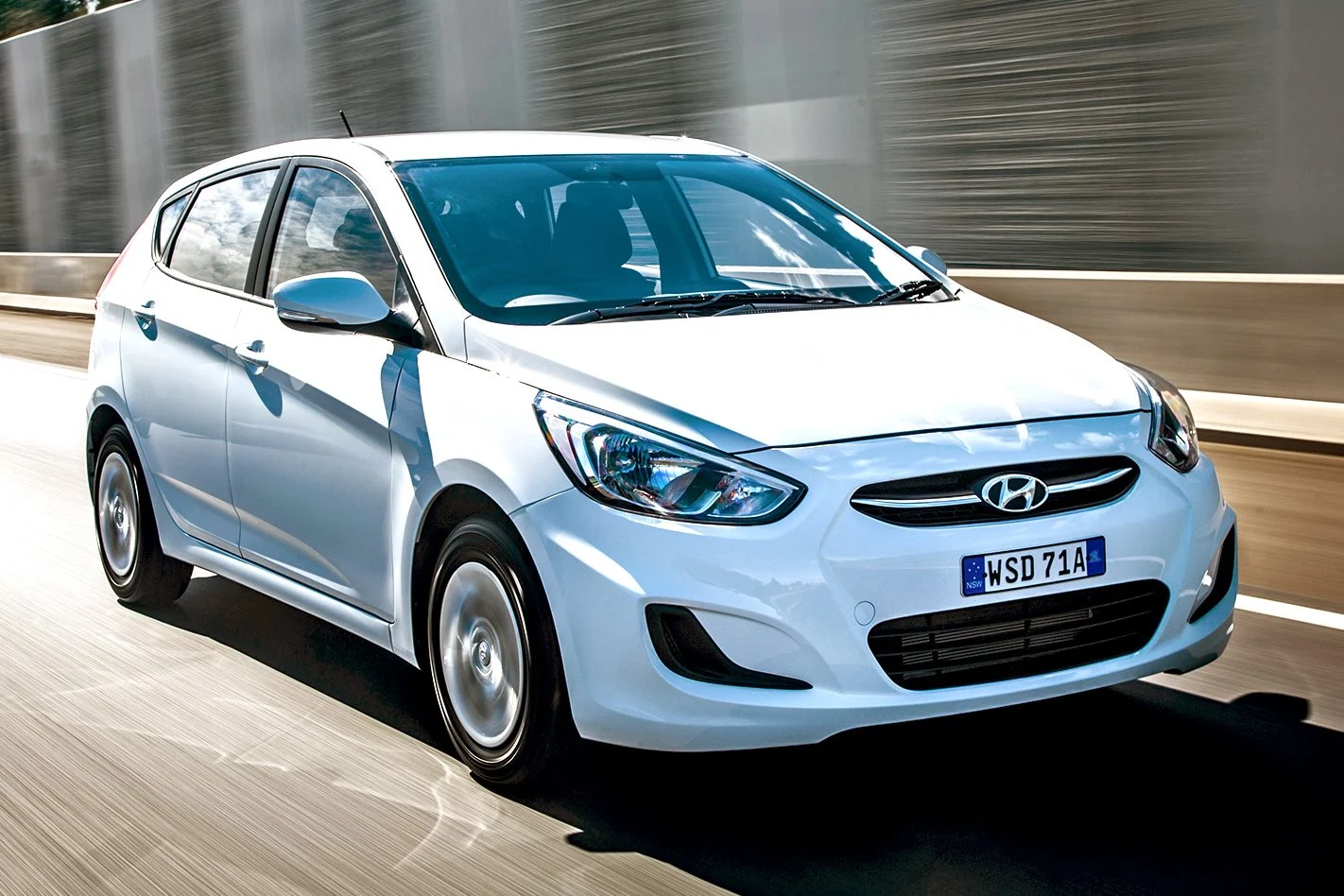
The Hyundai Accent has long been one of the most popular subcompact cars on the market, thanks to its affordability, efficiency, and reputation for being a practical daily driver.
Over the years, Hyundai has refined the Accent to appeal to a wide range of buyers, offering a balance between budget-friendly pricing and features that rival more expensive competitors. However, like any long-running model, not all years have been created equal.
Some model years stand out for their reliability, comfort, and efficiency, while others suffer from costly mechanical failures and serious safety concerns. Knowing which years to buy and which to avoid can make all the difference for shoppers looking to get the best value from this small sedan or hatchback.
This guide highlights five of the best Hyundai Accent years worth owning, along with five years to steer clear of, giving buyers a clearer path toward a smart purchase.
5 Hyundai Accent Years Worth Owning
1. 2015 Hyundai Accent
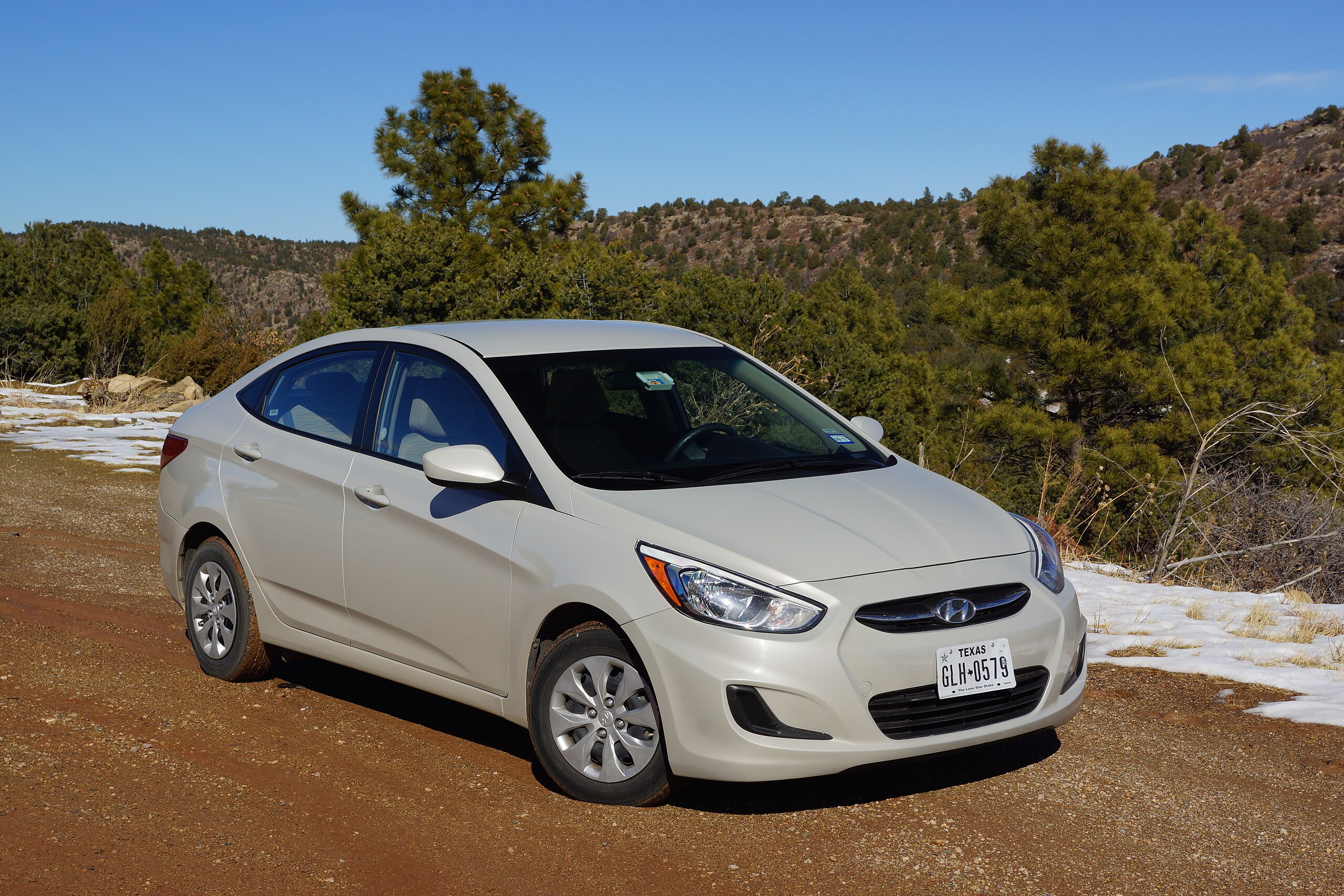
The 2015 Hyundai Accent arrives with refreshed styling, including a redesigned grille, headlights, and taillights, as well as minor updates to its trims and equipment. Available as both a sedan and hatchback, the Accent stands out in the subcompact segment with its sleek looks, strong build quality, and surprising refinement for an entry-level car.
While compact cars continue to grow larger and pricier, the Accent appeals to budget-minded buyers who want an affordable, fuel-efficient, and practical vehicle without constantly being reminded of its economy-car roots. Its polished cabin materials and attractive design lend it an upscale feel that separates it from more bare-bones rivals in the category.
Performance is another area where the Accent makes its mark. Equipped with a 1.6-liter four-cylinder engine producing 137 horsepower, the car delivers lively acceleration that outpaces the average subcompact, making highway merges and city driving feel more confident.
Both the six-speed manual and six-speed automatic transmissions complement the engine well, with the automatic providing smooth and responsive shifts. While its EPA fuel economy ratings of around 30–31 mpg combined are competitive, real-world driving often yields slightly less than advertised.
Still, the Accent impresses with a quiet, composed ride, balanced handling, and an engine that feels more energetic than its modest output suggests, even if it can grow noisy under heavy acceleration.
Inside, the Accent feels more spacious than most subcompacts, offering interior dimensions that classify it closer to a compact car. The rear seats provide ample space for adult passengers, while the front seats are comfortable and supportive for longer drives.
Hyundai’s attention to detail is evident in the quality of the materials, the stylish dashboard, and the cabin design, giving the Accent a premium edge for its class.
Cargo capacity is another strong point, with the sedan delivering 13.7 cubic feet of trunk space and the hatchback offering 21.2 cubic feet with seats up and an impressive 47.5 cubic feet when folded down, making it one of the most versatile choices in the segment. Passengers also benefit from a smooth and quiet ride that feels composed on both city streets and highways.
Safety is an area of mixed results. Standard features include stability control, antilock brakes, active head restraints, and multiple airbags. In government crash tests, the Accent earned four out of five stars, receiving strong ratings for frontal and side impacts, though there were noted concerns about spinal injury risk in side crashes.
The Insurance Institute for Highway Safety rated it “Good” in moderate frontal offset and roof strength tests, “Acceptable” in side impact, but “Poor” in the small overlap frontal crash test.
While safety tech like a rearview camera or advanced driver aids is missing, braking performance is average for the class, with optional rear disc brakes providing solid stopping distances.
Despite these limitations, the Accent’s affordability, style, space, and well-rounded performance make it a smart contender in the subcompact class, even as rivals like the Honda Fit, Ford Fiesta, and Chevrolet Sonic offer their own compelling advantages.
2. 2018 Hyundai Accent
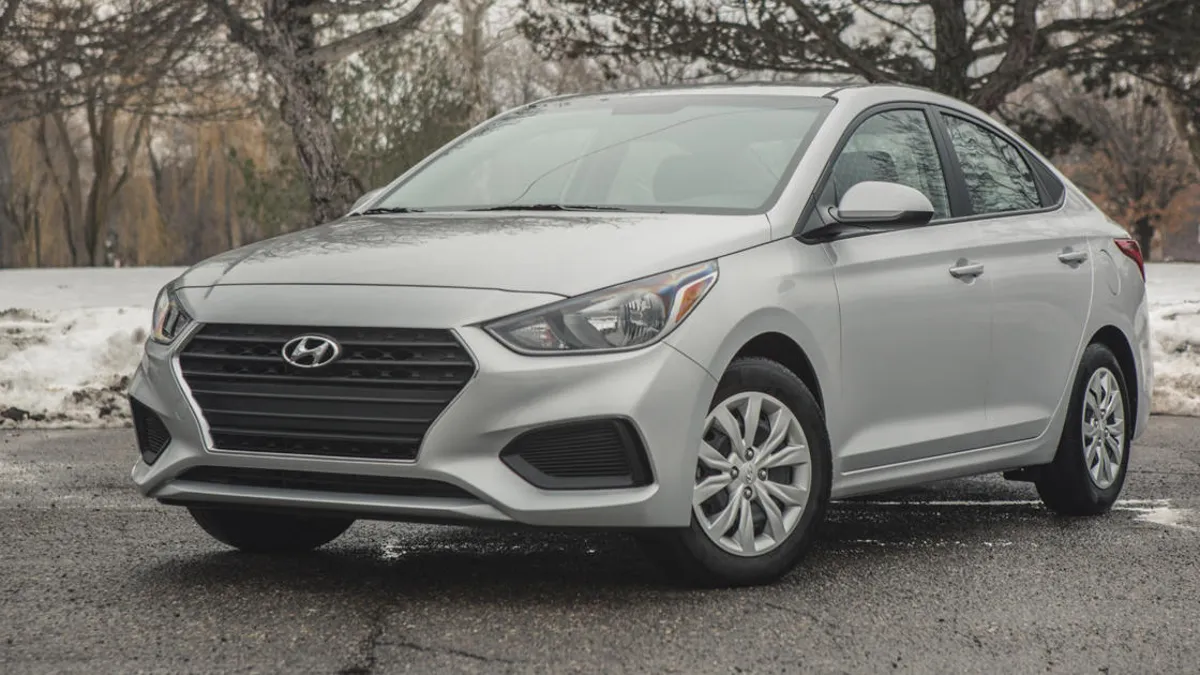
The 2018 Hyundai Accent enters the market as a fully redesigned model, riding on a slightly longer and wider chassis that improves passenger comfort and stability. Hyundai also increased the use of high-strength steel, enhancing crash protection and handling responsiveness.
Exterior styling follows the brand’s sleeker design language, while the cabin benefits from extra space, particularly for those seated up front.
However, this redesign also marks the end of the hatchback body style in the U.S., leaving buyers with only the sedan. Even so, the Accent’s balance of style, practicality, and affordability makes it an attractive option in the subcompact category.
Performance in the 2018 Hyundai Accent is modest but satisfying for daily commuting. Its 1.6-liter four-cylinder engine, paired with either a six-speed manual or automatic transmission, provides 130 horsepower, enough for smooth city driving and occasional highway passing.
In testing, it reached 60 mph in 8.5 seconds, which is competitive for its class. While the steering lacks precision and feels light at higher speeds, the Accent remains composed, with predictable handling and confident braking.
Fuel economy is a highlight, delivering up to 32 mpg combined with the automatic transmission, which adds to its value as a commuter-friendly vehicle.
Inside, the 2018 Hyundai Accent prioritizes comfort and practicality over luxury. The ride is generally smooth, absorbing most road imperfections, though some road and wind noise are noticeable at highway speeds.
The seats are lightly padded and supportive enough for shorter trips, though they may not be ideal for long drives. Cabin space is generous up front, while rear passengers may feel confined by the sloping roofline.
Cargo capacity is solid for a subcompact sedan, with 13.7 cubic feet of trunk space and the flexibility of 60/40 split-folding rear seats. Materials are durable and well-assembled, giving the Accent a higher-quality feel than its price tag suggests.
The 2018 Hyundai Accent offers a straightforward tech package that meets most basic needs. The base SE trim comes with Bluetooth, a USB port, a rearview camera, and a four-speaker audio system. Smartphone integration is included but hampered by a weak USB output, which struggles to charge devices efficiently.
Higher trims improve convenience with more advanced infotainment and additional features, but even the entry-level model is easy to use and functional. Value remains the Accent’s strongest attribute: it combines stylish design, efficient performance, and a roomy cabin in a budget-friendly package.
While it lacks the premium technology and sporty edge of some rivals, the Accent stands out as a reliable, efficient, and sensible choice for budget-conscious buyers.
3. 2019 Hyundai Accent
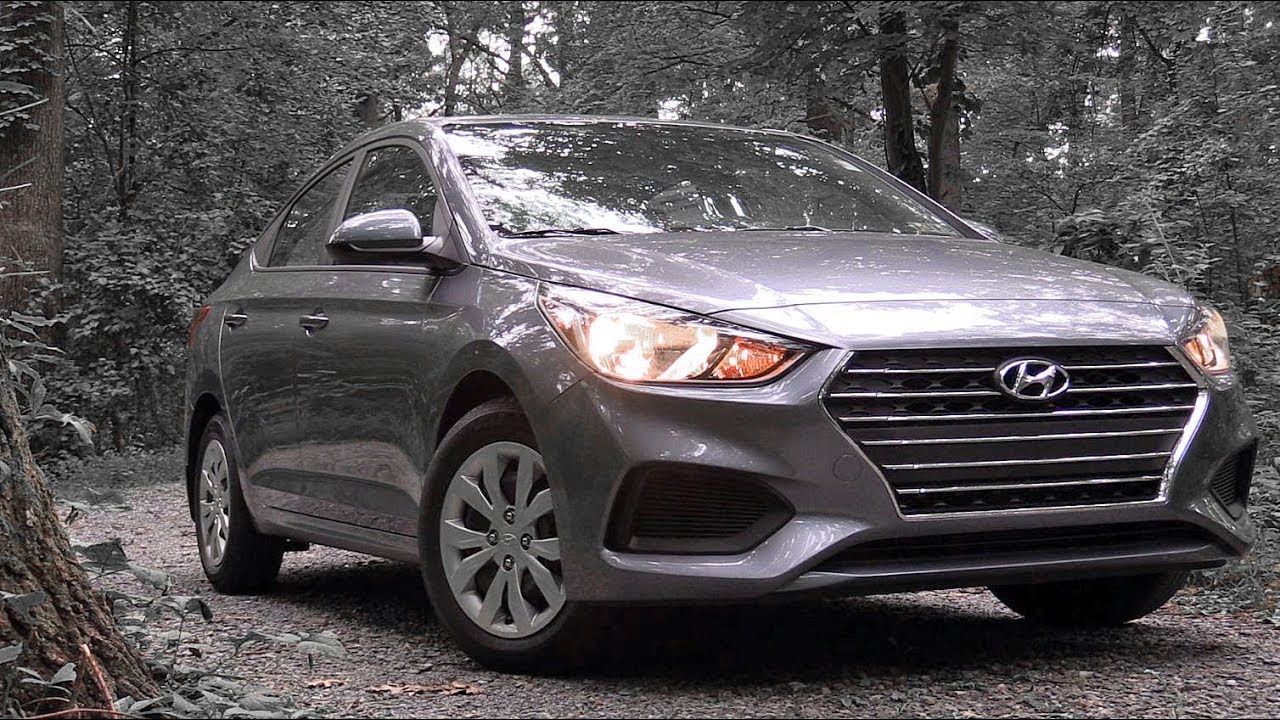
The 2019 Hyundai Accent arrives with only minor changes after a major redesign the previous year. Built on the fifth generation introduced in 2018, it offers a longer and wider body that translates to improved passenger space and competitive cargo capacity.
New touches for 2019 include a chrome grille on Limited trims and foglights with chrome accents for the SEL. Despite a small reduction in maximum horsepower compared to earlier models, the Accent gains more low-end torque, enhancing its responsiveness in city driving.
With an automatic transmission, it achieves an impressive 32 mpg combined, making it one of the most fuel-efficient options in its segment. The design focuses on simplicity, reliability, and ease of use, reflecting the priorities of budget-conscious buyers.
Behind the wheel, the Accent demonstrates agility uncommon for an economy car. Its suspension feels nimble and stable, with turn-in that is sharp and confidence-inspiring.
While the engine is not especially powerful, its 0–60 mph time of 8.5 seconds is fair for the class, and its linear throttle response and easy-to-use manual shifter add to the driving experience. Braking is predictable with firm pedal feedback, though emergency stopping distances are slightly longer than average.
Steering remains the Accent’s weak point, as it lacks strong on-center feel and can feel overly stiff. Nevertheless, handling stability, especially over bumpy roads, and respectable grip levels highlight its balanced driving dynamics.
Passenger comfort is an area of mixed results. The cabin is surprisingly quiet at idle and comfortable on most road surfaces, though noise becomes noticeable at higher speeds. Ride quality strikes a balance between firm and forgiving, absorbing bumps without excessive body movement.
Seating, however, is the Accent’s biggest drawback. The flat, cloth seats lack bolstering, support, and ventilation, which makes long drives less comfortable. While front passengers benefit from generous legroom and headroom, taller rear occupants may feel restricted by the sloping roofline.
Despite the budget-friendly materials, build quality is strong, with well-fitted panels and a durable feel. Visibility is excellent from the driver’s seat, aided by a low hood design and standard rearview camera, adding to its practicality.
The Accent offers solid utility for a compact sedan, with 13.7 cubic feet of trunk space that ranks average on paper but is more useful thanks to a wide opening and low loading height. The 60/40-split folding seats add flexibility, though they do not fold completely flat.
Interior storage is adequate but modest, with small cupholders and door pockets. Installing child seats is possible, though rear-facing ones may require front passengers to adjust forward.
Technology reflects the car’s budget positioning, with the base SE trim providing limited features such as a four-speaker stereo, Bluetooth, USB, and auxiliary inputs.
Audio quality is lackluster, and the single USB port struggles to charge modern smartphones. Higher trims improve tech offerings slightly, but buyers focused on affordability will find the essentials covered.
4. 2020 Hyundai Accent
The 2020 Hyundai Accent receives meaningful updates with a new four-cylinder engine paired with a continuously variable automatic transmission (CVT). This change boosts its fuel economy, allowing the Accent to achieve an EPA-estimated 36 mpg combined with the CVT, while the manual version is rated at 33 mpg.
In real-world testing, the car often exceeded these numbers, confirming its efficiency. The trade-off, however, is reduced power, as the engine produces only 120 horsepower. This makes the Accent slower in high-rpm conditions, requiring extra planning for passing or merging.
Still, with a 0–60 mph time of 8.5 seconds, it holds its own against other subcompact rivals. Despite vague steering, the Accent handles with agility, remains stable on bumpy surfaces, and delivers a nimble driving feel that makes it more engaging than its economy-car image suggests.
Comfort in the 2020 Accent is adequate but not standout. The front cloth seats are flat, offer minimal bolstering, and tend to trap heat, which can be uncomfortable during long drives. Taller passengers may find the rear headroom restrictive due to the sloping roofline, though the wide front and rear door openings help with access.
On the road, the Accent balances firmness with compliance, soaking up potholes and rough pavement better than many competitors. Noise insulation is modest, keeping the cabin quiet at idle and only allowing moderate road and tire noise at higher speeds.
While long-haul comfort is limited, the suspension tuning and smooth ride make it a pleasant commuter for daily driving.
Inside, the 2020 Accent offers a cabin that prioritizes space and function over luxury. The dash slopes forward to create a roomy feel, and front headroom is excellent. Visibility is another strength, with a low hood and dashboard that give a clear view of the road, along with a reasonable rear view thanks to the compact trunk height.
Storage utility is solid, with a 13.7-cubic-foot trunk that benefits from a wide opening and low loading height. The rear seats fold in a 60/40 split, though not completely flat, which limits some versatility.
Cabin storage solutions are average, but installing child seats is straightforward thanks to accessible anchors and tethers, even if rear-facing seats require moving the front seats forward.
Technology in the 2020 Accent is minimal, particularly in the SE trim, which provides only a basic AM/FM radio, USB, auxiliary input, and Bluetooth. The sound quality is unimpressive, and the single USB port struggles to charge modern devices while in use.
Still, for buyers seeking affordability, the Accent compensates with excellent value. Hyundai’s strong warranty coverage surpasses many rivals, and the Accent’s build quality feels tight and durable, rivaling pricier vehicles.
The car’s blend of low running costs, high fuel efficiency, roomy cabin, and everyday practicality make it one of the strongest options in the subcompact segment. For shoppers who prioritize affordability and reliability without giving up style, the 2020 Hyundai Accent remains a sensible and rewarding choice.
5. 2021 Hyundai Accent
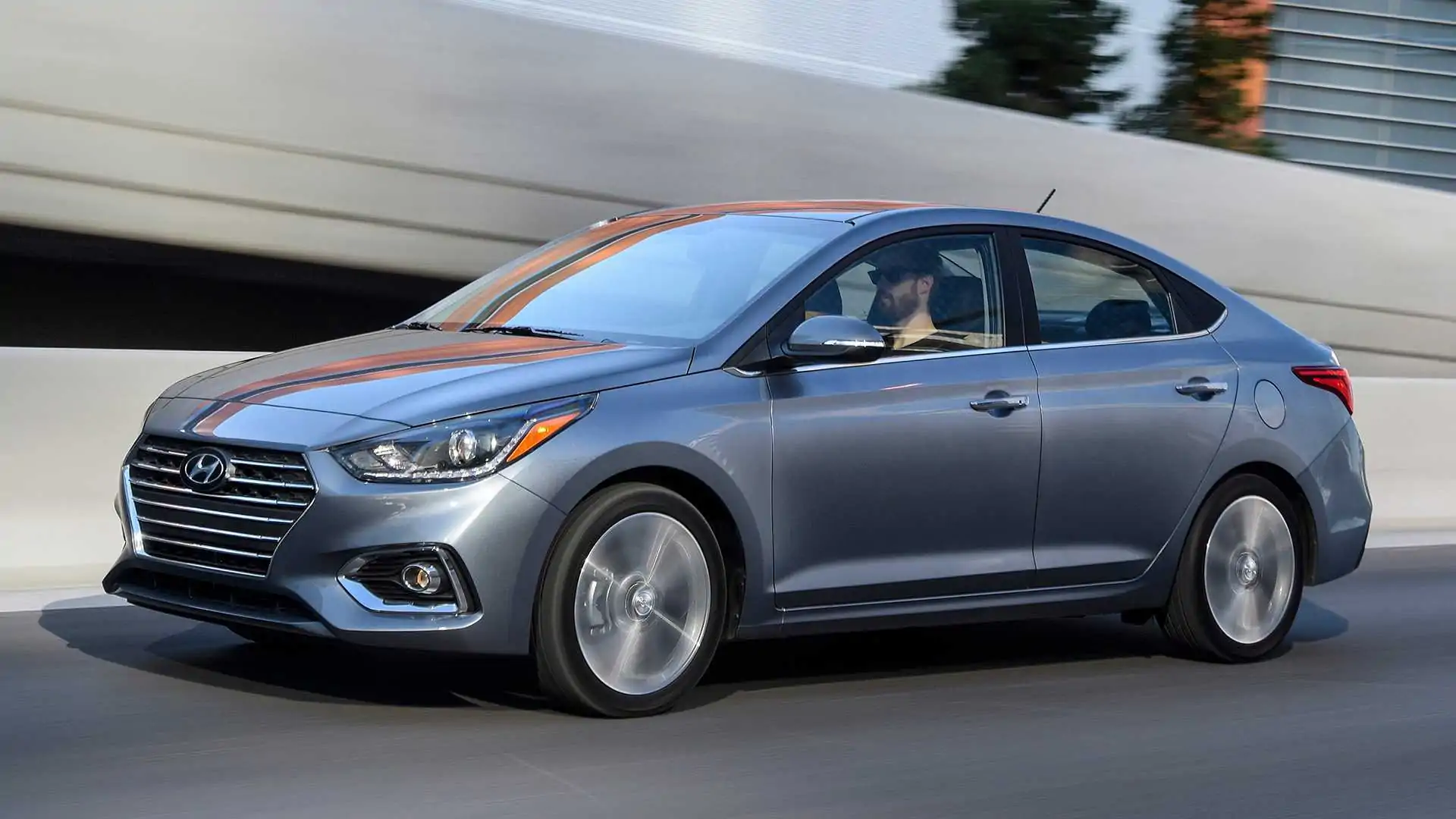
The 2021 Hyundai Accent continues as one of the last few extra-small sedans on the market, maintaining its place as a practical and budget-friendly choice.
While many automakers have shifted their focus toward crossovers, Hyundai remains committed to producing an efficient, compact sedan that balances affordability with a decent set of features. Redesigned in 2018, the Accent carries forward into 2021 with no major changes.
This consistency works in its favor, as it retains its impressive fuel economy, roomy interior, and straightforward driving dynamics. Competing models like the Toyota Yaris, Nissan Versa, and Kia Rio provide alternatives, but the Accent’s reliability and affordability keep it competitive.
On the road, the 2021 Accent is agile for its class, with handling that feels composed even on bumpy surfaces. The suspension tuning is a highlight, absorbing most road imperfections while keeping the car stable in corners. Acceleration is modest, with a 0-60 mph time of 8.5 seconds, making it average for the economy segment.
Drivers will need to plan carefully for highway merges or overtakes since the engine struggles at higher speeds. Comfort is basic, with flat cloth seats that offer minimal support, though the cabin remains relatively quiet, making it suitable for daily commuting and city driving.
Inside, the Accent emphasizes practicality over luxury. The cabin feels more spacious than its size suggests, helped by a sloping dash and wide door openings for easy access. Front headroom is excellent, though the sloping roofline slightly reduces rear passenger comfort.
Visibility is strong thanks to a low hood and uncluttered dashboard, while the trunk provides useful space at 13.7 cubic feet with a low load height. Split-folding rear seats add versatility, though they do not fold completely flat.
Technology is limited, with even higher trims offering only basic multimedia functions. The entry-level SE trim provides AM/FM radio, Bluetooth, and USB connectivity, but the sound system is lackluster and charging ports struggle to keep up with modern smartphones.
Where the Accent truly shines is in efficiency and value. The automatic version achieves an EPA-estimated 36 mpg combined, with real-world results often surpassing this figure. Combined with Hyundai’s strong warranty coverage and solid build quality, the Accent delivers reliability at a budget-friendly price.
While it lacks advanced tech and upscale comforts, its fuel economy, roomy interior, and sturdy construction make it an appealing choice for drivers who want a dependable commuter without breaking the bank. The 2021 Hyundai Accent may not be flashy, but it remains one of the most sensible subcompact sedans available.
Also Read: 5 Cars with Climate Control That Works vs 5 That’s Just for Show
5 Hyundai Accent Years To Avoid
1. 2002 Hyundai Accent
The 2002 Hyundai Accent is one of the most problematic years in the model’s history. According to Car Complaints, 13 owners reported serious engine-related issues, with stalling being the most severe. This single problem received a 10 out of 10 severity rating, making it one of the worst possible outcomes for drivers.
Repairs often cost around $3,500, a heavy burden for a budget-friendly subcompact. Other engine complaints included excessive oil consumption, failure to turn over, and misfiring on all four cylinders, each carrying high severity ratings.
The National Highway Traffic Safety Administration (NHTSA) also received 143 complaints for this model year, with the most troubling problems tied to the powertrain, followed by fuel system failures and airbag malfunctions.
The 2002 Accent had one recall focused on the A-pillars, where occupants could be injured in a crash due to inadequate protection. Altogether, this year established a reputation for unreliability.
2. 2004 Hyundai Accent
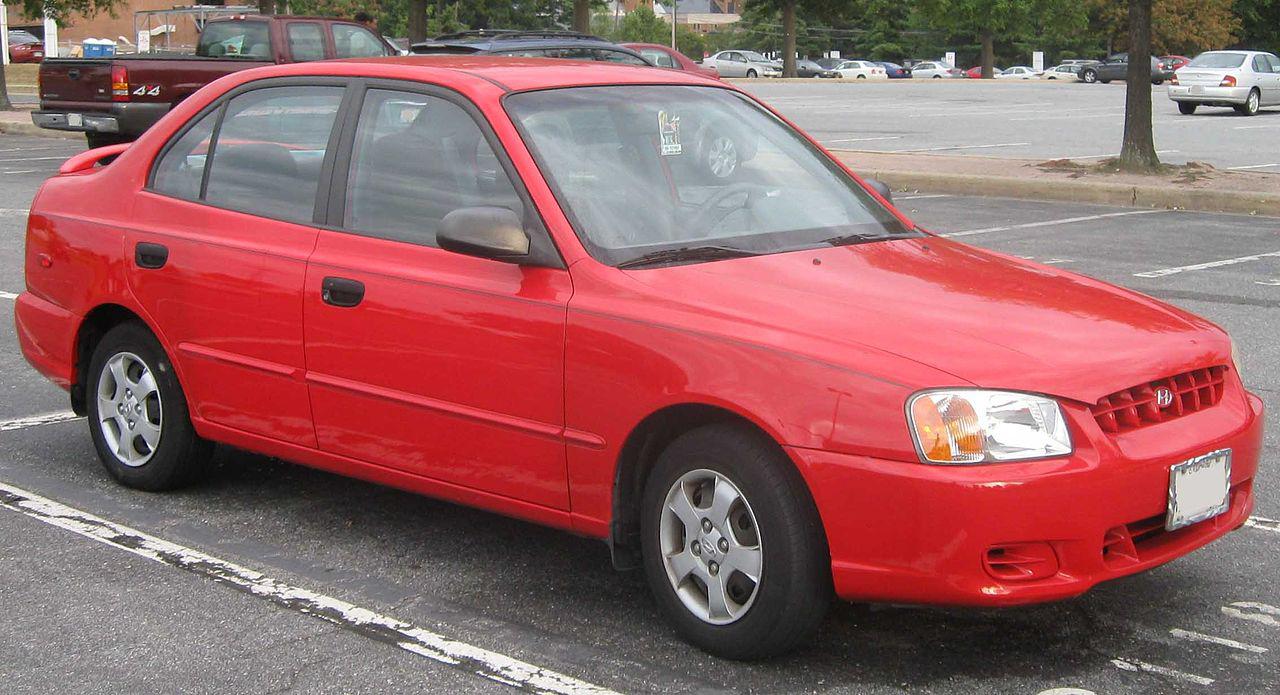
The 2004 Hyundai Accent continued the trend of concerning reliability, with transmission failures being the biggest complaint. Car Complaints recorded 14 reports, with eight of those centered on the transmission. Owners frequently had to replace the transmission altogether, at an average cost of $2,250.
This problem earned a severity rating of 7.3 out of 10, considered “Pretty bad.” Beyond the transmission, other mechanical concerns were raised regarding the engine, brakes, and fuel system, all of which impacted the vehicle’s performance and reliability.
The NHTSA collected 32 complaints from owners, which highlighted safety concerns beyond mechanical failures. Airbags were the most common complaint, with 10 reports detailing failures that put passengers at risk.
Powertrain issues ranked second, with steering problems coming in third. Combined, these issues made the 2004 Accent an unreliable option compared to competitors in its class, with high repair costs and safety concerns being major drawbacks.
3. 2012 Hyundai Accent
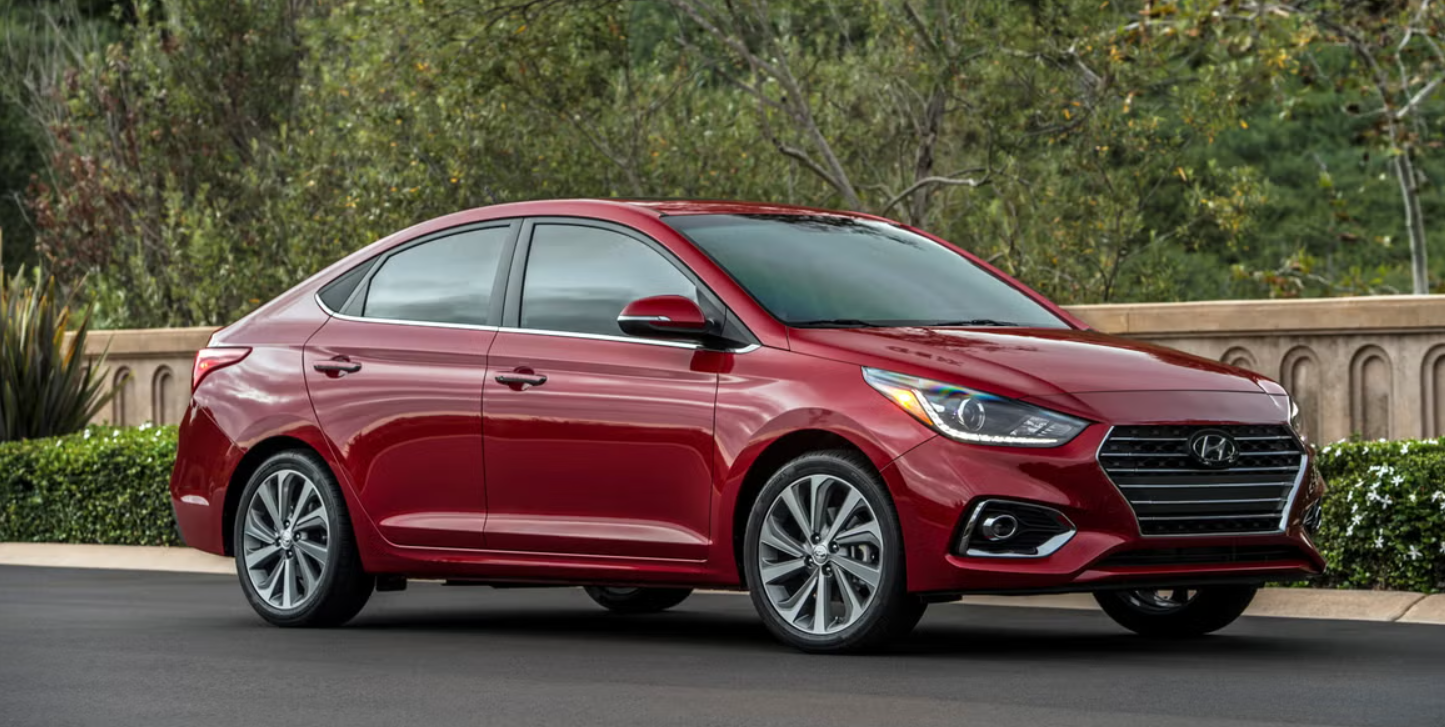
By 2012, Hyundai had modernized the Accent with a more stylish design and improved efficiency, but major complaints still plagued this model year. Car Complaints reported 11 cases of engine problems, the majority involving excessive fuel consumption.
Owners described burning oil at an alarming rate, often without solutions from Hyundai. While some drivers attempted temporary fixes such as restarting the engine, others were forced to replace the entire engine.
This issue earned a severity rating of 6.0, making it fairly significant. The NHTSA flagged the 2012 Accent for a safety concern, noting that rear passengers faced elevated abdominal rib deflection in crash tests, raising the risk of spinal injuries.
Additionally, a recall was issued for the 12V accessory socket outlet, which could overheat and potentially cause fires. In total, the NHTSA received 116 complaints, with the engine, airbags, and speed control problems ranking as the most reported.
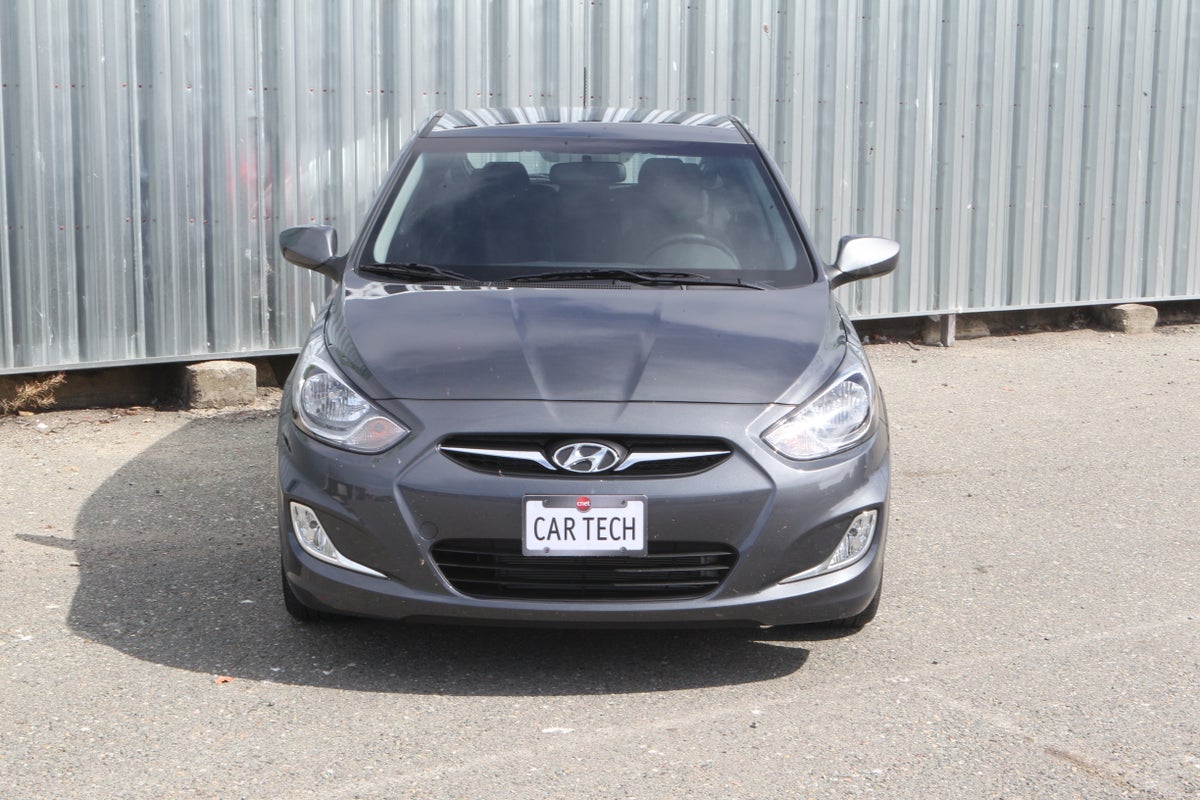
4. 2001 Hyundai Accent
The 2001 Hyundai Accent suffered from one of the most concerning issues a vehicle can have: widespread airbag failures. Owners reported that airbags often failed to deploy during accidents, regardless of speed or point of collision.
This alarming defect resulted in numerous complaints and eventually led to safety recalls. For a vehicle meant to provide affordable and safe transportation, this was a serious setback.
Beyond airbags, the 2001 Accent also struggled with engine and transmission issues, leaving many drivers frustrated with costly repairs and reliability concerns. Airbag failures, however, dominated reports because they directly impacted passenger safety in critical situations.
For many owners, the inability to rely on such an essential safety system overshadowed any positives the vehicle may have had. As a result, the 2001 Accent became known as one of the least trustworthy model years in terms of safety, severely damaging confidence in the car.

5. 1996 Hyundai Accent
The 1996 Hyundai Accent marked the debut of the model in the U.S. market, but it was far from flawless. Many owners quickly discovered serious suspension issues, particularly with the front suspension lower control arm.
This component was prone to failure, sometimes snapping while driving and causing drivers to lose control of the vehicle. Such failures often required roadside assistance and expensive repairs, and in many cases, issues only became apparent after an accident or sudden breakdown.
The NHTSA received reports of suspension, airbag, and seat belt problems, all of which diminished confidence in the first-generation Accent. Airbag reliability was also questioned, while seat belt malfunctions raised additional concerns.
For a new entry in the U.S. market, the combination of structural and safety issues gave the Accent a rocky start. Although it provided affordable transportation, its safety record and mechanical weaknesses prevented it from being a strong competitor.

The Hyundai Accent remains a smart, budget-friendly choice in the subcompact category, offering strong value when buyers select the right model. Well-regarded versions combine fuel efficiency, comfort, and a modern design, backed by Hyundai’s competitive warranty, making them especially appealing to cost-conscious drivers.
However, some versions of the Accent have been associated with recurring mechanical issues and safety concerns, including transmission troubles and airbag malfunctions. These problem areas highlight the importance of research before making a purchase, as repair costs can quickly outweigh the car’s affordability.
For shoppers who take the time to identify reliable model years, the Accent rewards them with practicality, efficiency, and long-term dependability. By focusing on the stronger editions and avoiding those known for flaws, buyers can fully enjoy the Accent’s strengths without facing the drawbacks tied to its less reliable iterations.
Also Read: 10 Cars With Tricky Seatbelt Buckles for Elderly Passengers