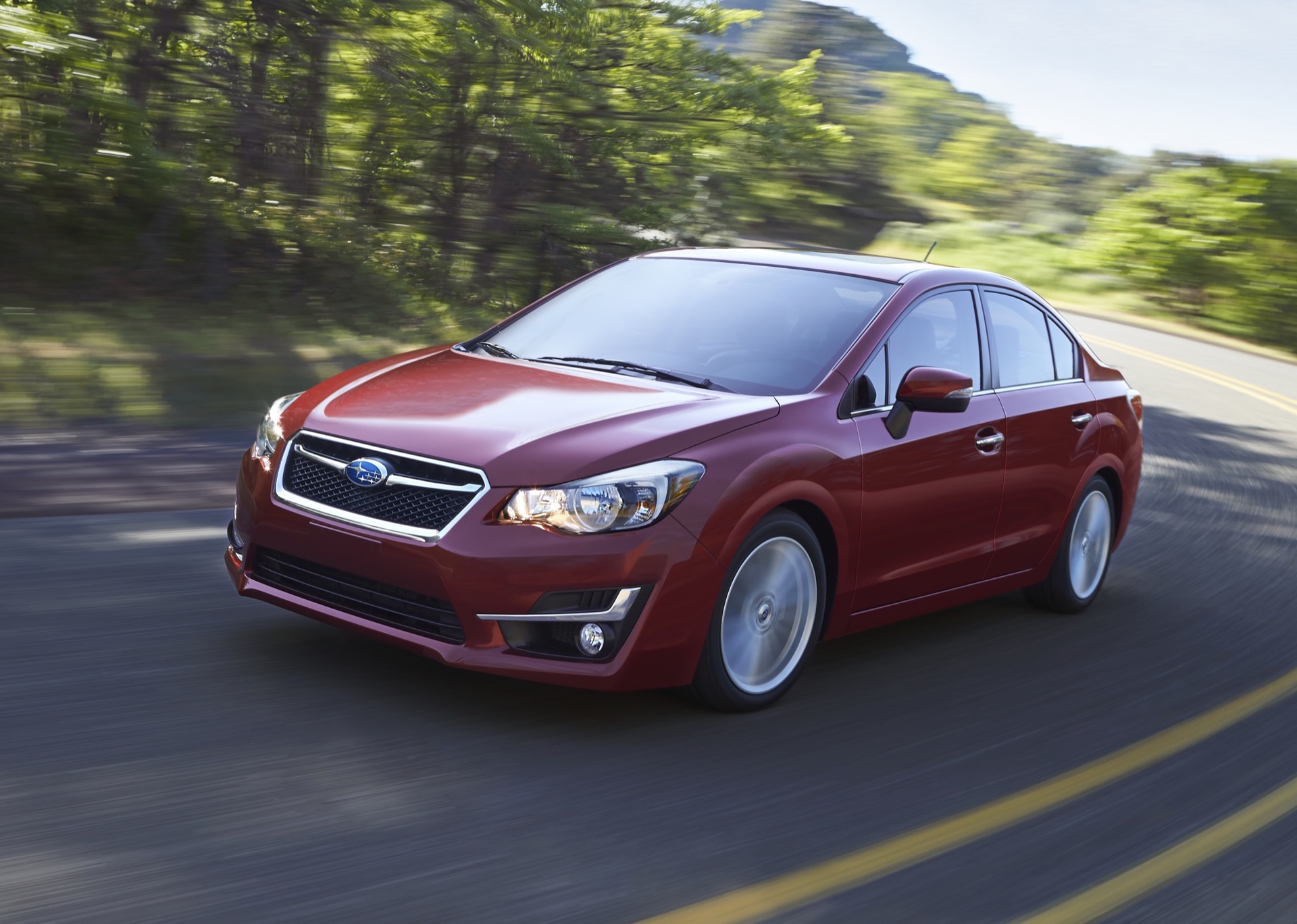
The Subaru Impreza has long been a favorite among compact car buyers, praised for its standard all-wheel drive, practical design, and solid handling in all weather conditions. Over the years, it has built a reputation as a reliable choice for commuters, families, and enthusiasts alike, especially with performance-oriented trims like the WRX and STI.
However, not every model year has lived up to Subaru’s reputation for durability. Some Imprezas have been plagued by recurring mechanical issues, costly repairs, and significant safety concerns that make them years to avoid for used car shoppers.
From transmission failures and leaky head gaskets to faulty airbags and sudden acceleration problems, certain Impreza models stand out for all the wrong reasons. Identifying these troubled years can save buyers from expensive headaches and long-term frustrations.
In this guide, we’ll explore five Subaru Impreza model years with bad reliability, highlighting their most common problems, repair costs, and the reasons they fall short of Subaru’s otherwise strong track record.
5 Subaru Impreza Years Bad Reliability
1. 2011 Subaru Impreza
The 2011 Subaru Impreza stands out as a versatile compact car that blends everyday usability with impressive performance options. Standard all-wheel drive across the lineup makes it especially appealing for those living in regions with heavy rain or snow, a trait that sets it apart from rivals like the Honda Civic, Hyundai Elantra, Mazda3, and Volkswagen Golf.
Subaru offers a wide range of trims, from the practical 2.5i base sedan and hatchback to the adventurous Outback Sport, and up to the high-performance WRX and WRX STI models.
The 2011 refresh introduced upgraded audio systems with Bluetooth and iPod integration, STI-inspired styling for the WRX, and the option of a sedan body style for the STI.
While its fuel economy lags behind some competitors, the Impreza makes up for it with confident handling, a quiet ride, and configurations that cater to both budget-conscious buyers and performance enthusiasts.
Performance is one of the 2011 Impreza’s strongest attributes, with a wide spectrum of engines to match its diverse trims. The 2.5i and Outback Sport models use a 2.5-liter four-cylinder boxer engine producing 170 horsepower and 170 lb-ft of torque, paired with either a five-speed manual or four-speed automatic transmission.
Acceleration is respectable at 0–60 mph in 8.2 seconds, though fuel economy 20 mpg city/27 mpg highway with the manual remains below average for the segment. The WRX ramps things up with a turbocharged version of the same engine, boasting 265 hp and a quick 5.3-second 0–60 time.
At the top of the range, the WRX STI delivers a thrilling 305 hp, a standard six-speed manual transmission, and a blistering 4.5-second sprint to 60 mph. With sharper handling, limited-slip differentials, and Brembo brakes, the STI appeals to drivers seeking rally-inspired performance.
Safety is another strength of the 2011 Subaru Impreza. Standard features include antilock brakes, stability control, front-seat side airbags, side curtain airbags, and active head restraints.
In government crash testing, the Impreza earned five stars in frontal protection and high marks from the IIHS in key categories. Braking performance is strong across trims, with the STI stopping from 60 mph in just 106 feet.
On the road, the base models provide a smooth and stable ride with predictable handling, especially in poor weather, thanks to all-wheel drive. The WRX and STI models, however, transform the Impreza into a true performance machine, offering sharp cornering ability, strong acceleration, and enhanced suspension setups.
While these models sacrifice some ride comfort and generate more cabin noise, they deliver an engaging driving experience that rivals competitors like the Mazdaspeed 3, Mitsubishi Lancer Ralliart, and Volkswagen GTI.
Inside, the 2011 Subaru Impreza offers a spacious cabin with generous headroom and legroom in both sedan and hatchback body styles. The hatchback adds versatility with up to 44 cubic feet of cargo space, making it a practical choice for active lifestyles.
While seat comfort in the 2.5i trims is average and the lack of a telescoping steering wheel limits adjustability, performance-oriented models feature better seats with improved support. Interior design is straightforward and functional, though material quality feels subpar compared to rivals, especially at the higher price points of the STI.
The infotainment setup is simple, though even the upgraded audio system lacks strong sound quality. Buyers seeking navigation can opt for a factory system or a dealer-installed removable TomTom unit.
Despite these shortcomings, the Impreza remains a well-rounded compact car, excelling in variety, safety, and driving confidence while offering options for nearly every type of driver.
2. 2017 Subaru Impreza
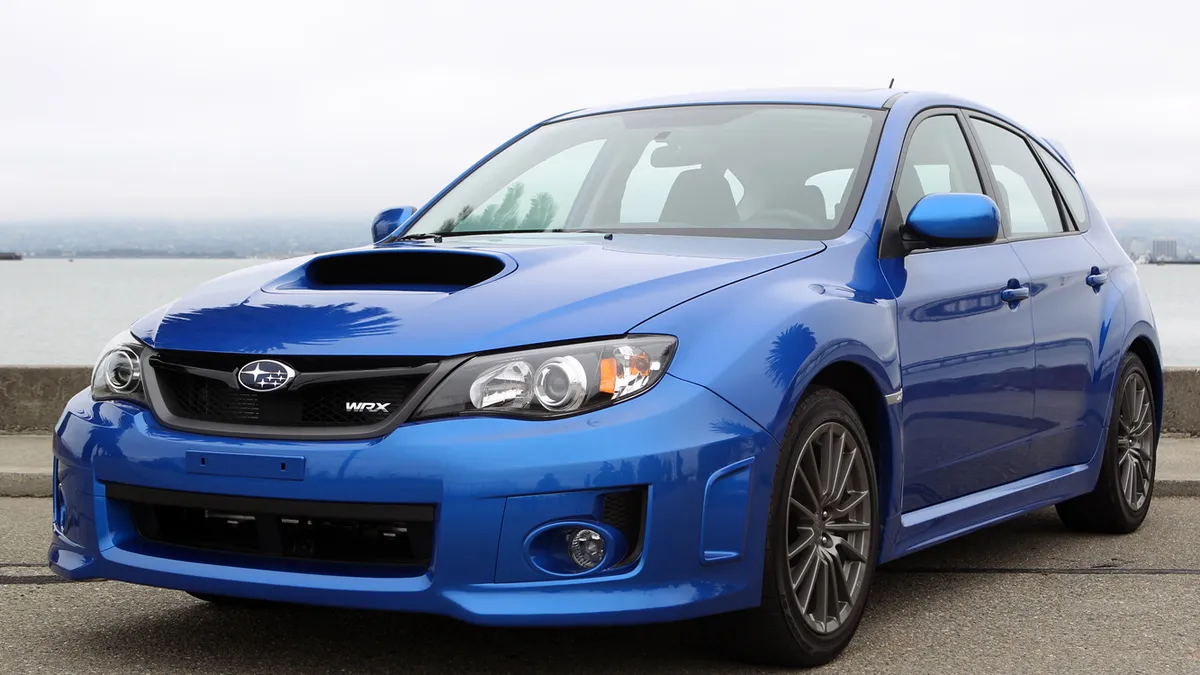
The 2017 Subaru Impreza arrives as a completely redesigned model built on an all-new platform that improves comfort, safety, and handling. Wider, longer, and lower than its predecessor, it boasts a sleeker exterior and a more refined interior, making it one of the most competitive compact sedans and hatchbacks in its class.
Subaru’s hallmark all-wheel drive comes standard, giving it a strong edge over rivals like the Honda Civic, Mazda3, and Nissan Sentra in terms of all-weather capability. With a combined fuel economy of 32 mpg, it is also a solid choice for daily commuting.
The redesigned model includes Apple CarPlay and Android Auto integration as standard, along with a suite of safety upgrades. Used models typically range between $17,000 and $25,500, positioning the 2017 Impreza as a strong value for buyers seeking practicality and long-term dependability.
On the road, the 2017 Impreza offers confident handling, strong braking, and quick steering, but its powertrain remains one of its weakest aspects. The 2.0-liter four-cylinder engine gains a modest 4 horsepower over the previous generation, but it still feels underpowered during acceleration.
The optional continuously variable transmission (CVT) is smooth for casual driving but can be noisy and sluggish when pushed hard, further limiting the car’s performance appeal.
Despite these shortcomings, handling is flat and composed even in the base Premium trim, with responsive brakes that inspire confidence in city driving and back-road conditions. Standard all-wheel drive also adds light off-road capability, giving the Impreza an advantage over most compact rivals.
While not quick or sporty compared to turbocharged competitors, it provides a secure, well-balanced drive that will satisfy most commuters.
Comfort and interior design take a major step forward in the 2017 redesign. The cabin is roomier than before, offering impressive headroom and legroom for both front and rear passengers.
Visibility is excellent thanks to thin windshield pillars and a large rear window, while access is made easier by higher-mounted seats and wide door openings. Ride comfort is smooth, particularly on the Premium trim’s 16-inch wheels, and the cabin remains relatively quiet at highway speeds.
The seats are supportive but a bit firm on longer trips, and interior materials, while improved, still fall short of class leaders like the Honda Civic and Mazda3. Climate controls are straightforward, and the upgraded infotainment system is easy to use, though minor issues with Apple CarPlay have been reported.
Cargo space is average in the sedan, but the hatchback version offers far greater utility, making it the better option for families or active lifestyles.
Safety and practicality remain standout strengths for the 2017 Impreza. Subaru equipped the model with advanced safety features, including a reinforced platform, multiple airbags, and available driver-assistance technologies, helping it earn strong crash-test ratings.
The car’s child seat accommodations are excellent, with easily accessible anchors and ample rear space for larger seats. Technology has also been upgraded, with a new touchscreen interface that responds quickly and integrates seamlessly with smartphones.
Small-item storage remains somewhat limited compared to rivals, but the wide trunk openings and flexible hatchback option improve usability.
While not the most exciting car to drive, the 2017 Impreza strikes a balance between value, safety, comfort, and all-weather capability, making it a smart buy for drivers seeking reliability and everyday practicality in a compact package.
3. 2007 Subaru Impreza
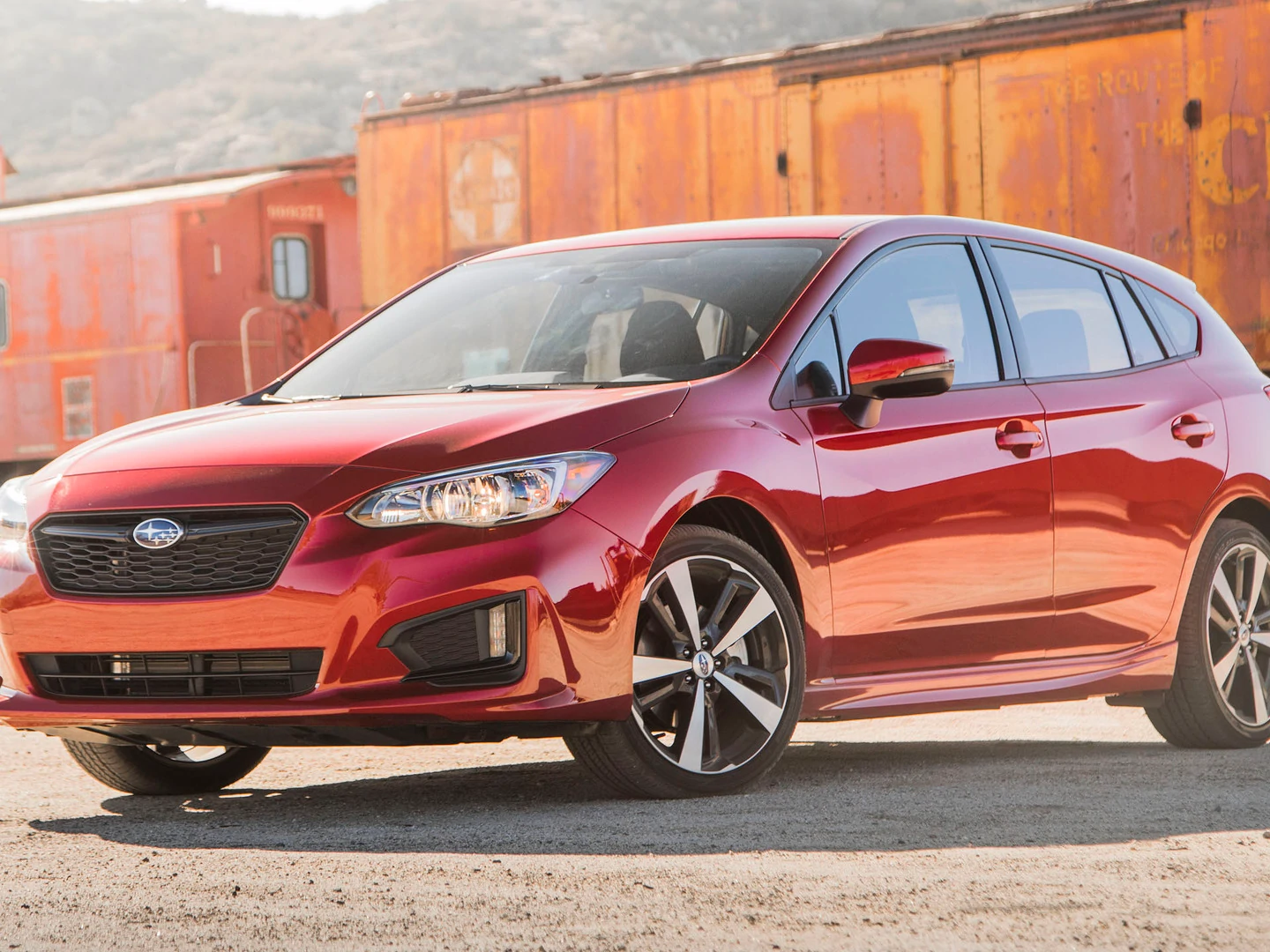
The 2007 Subaru Impreza represents the final year of the second generation, commonly known as the “hawk-eye” design, and is widely regarded as one of the more dependable Impreza years.
It earned an 81/100 J.D. Power Quality and Reliability score, a 3.5 out of 5 RepairPal rating, and a projected $6,129 in 10-year maintenance costs according to CarEdge.
While some owners report issues like oil burning or head gasket failures, often due to hard driving or inconsistent maintenance, these are not widespread enough to overshadow the model’s strong reliability.
Subaru introduced minor updates for 2007, including revised trim packages, improved audio systems, and the STI Limited trim, which offered a more subdued appearance for older drivers seeking performance without flashy styling.
Performance is a standout feature across the 2007 Impreza lineup, thanks to standard all-wheel drive on every model. Base 2.5i and Outback Sport trims feature a 2.5-liter flat-four producing 173 horsepower, with a choice of five-speed manual or four-speed automatic transmissions.
The WRX turbocharged variant delivers 224 horsepower and 226 lb-ft of torque, though automatic transmissions are limited to the WRX Limited trim. At the top, the WRX STI offers 293 horsepower, a six-speed manual, and rally-inspired technology, including a driver-controlled center differential.
Acceleration is impressive, with the STI reaching 0–60 mph in 5.4 seconds, while braking performance is exceptional across the range. Even the non-turbo models handle confidently on twisty roads, though the automatic option is noticeably slower than the manual.
The interior of the 2007 Impreza emphasizes practicality and durability rather than luxury. Rear legroom is limited compared with competitors such as the Honda Civic or Mazda3, but the wagon variant provides up to 62 cubic feet of cargo space with the seats folded.
The WRX STI adds sportier touches, including heavily bolstered two-tone seats, aluminum pedals, and dedicated performance controls. Build quality is solid, while visibility is excellent, and seating is supportive.
Updated audio systems, MP3/WMA capability, and optional satellite radio gave the 2007 Impreza a modern edge, even if interior refinement was modest relative to the segment’s leaders.
Safety features were strong, with four-wheel antilock disc brakes and side airbags standard across all trims. Crash testing earned the Impreza high marks, including top “Good” ratings from the IIHS in frontal-offset and side-impact tests.
Combined with standard all-wheel drive, the car offers confidence in various road conditions. The 2007 lineup includes the practical 2.5i, the rugged Outback Sport, and performance-focused WRX and STI models, catering to both economy-minded drivers and enthusiasts.
While competitors like the Honda Civic and Mazda3 offer fresher designs and more refined interiors, the Impreza’s versatility, performance, and rally heritage make it a compelling choice for those seeking a compact car capable of handling both daily commutes and spirited driving.
4. 2016 Subaru Impreza
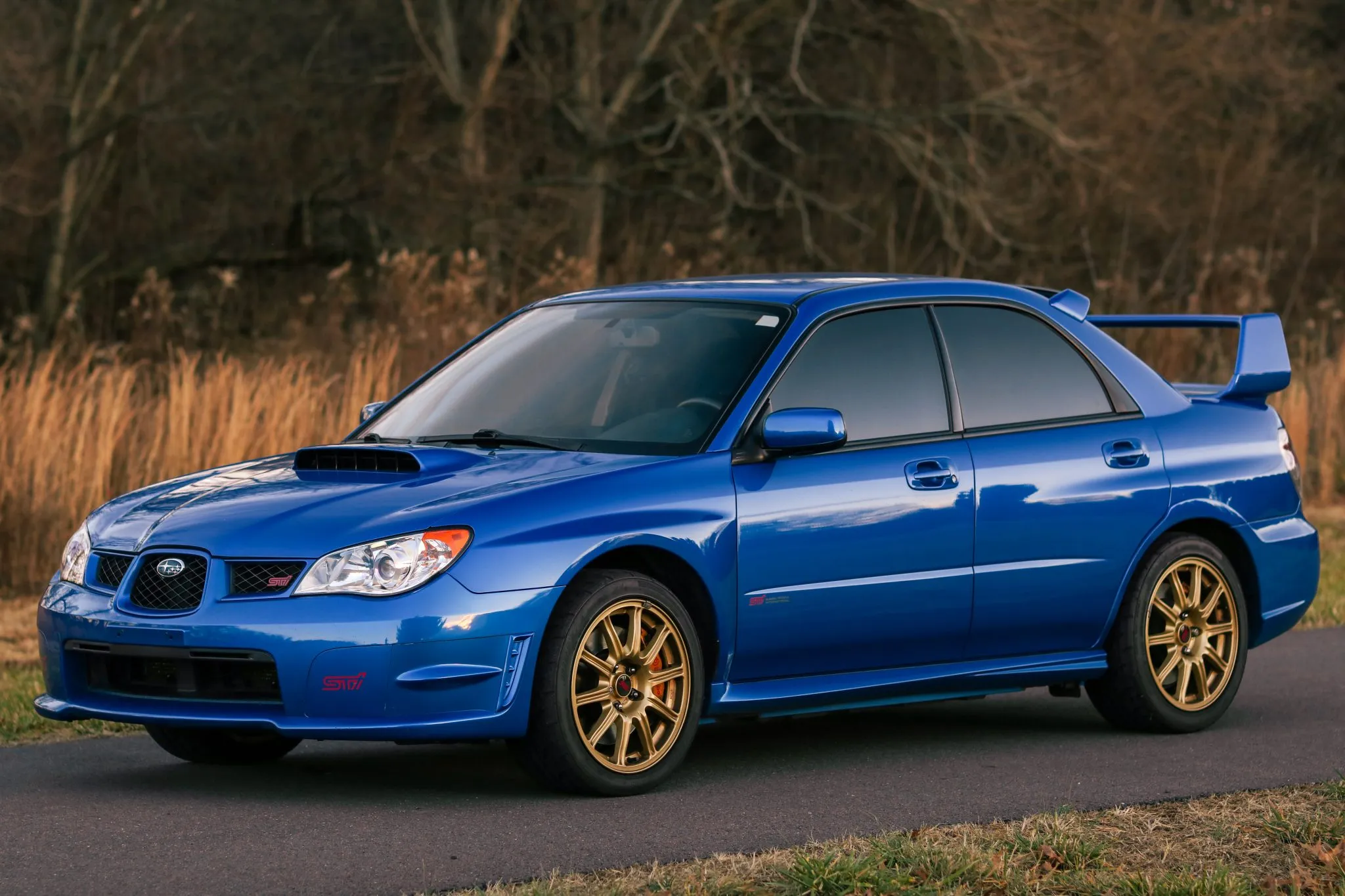
The 2016 Subaru Impreza, part of the fourth generation, earned strong marks for quality and reliability, receiving an 80/100 from J.D. Power and a 3.5 out of 5 rating from RepairPal. CarEdge estimates 10-year maintenance and repair costs at $6,129.
This model year is notable for having fewer complaints online than its predecessor, with only ten recorded issues, none concentrated on a single major fault. The NHTSA lists a single recall for faulty brake lights, which is easily remedied by replacing the brake light switch at a dealership.
These factors make the 2016 Impreza a dependable choice in the compact sedan and hatchback segment, offering peace of mind to buyers seeking an all-wheel-drive vehicle.
The 2016 Impreza comes with a 2.0-liter horizontally opposed “boxer” four-cylinder engine producing 148 horsepower and 145 lb-ft of torque. Manual transmissions are paired with a full-time 50/50 all-wheel-drive system, while CVT-equipped models allocate power primarily to the front wheels but send it rearward as needed.
Fuel economy is impressive for an AWD compact, with CVT models achieving 31 mpg combined. Performance testing shows the CVT sedan reaching 0–60 mph in 9.6 seconds, while the hatchback takes 9.7 seconds.
While acceleration is modest and CVT engine noise can be intrusive under hard throttle, the Impreza benefits from confident handling, precise steering, and secure braking, especially with 17-inch wheels.
The interior of the 2016 Impreza is conservative yet functional, with soft-touch materials and solid build quality. The cabin is roomy, particularly in the rear, making it suitable for small families.
Cargo space is generous, with 12 cubic feet in the sedan, 22.5 in the hatchback, and up to 52.4 cubic feet with the hatchback’s rear seats folded. Front seats are comfortable for long drives, although lateral support is minimal, and audio quality is underwhelming for the segment.
A touchscreen interface is standard on all trims, enhancing usability despite the modest interior design. The Impreza prioritizes practicality and durability over flair.
Safety features are comprehensive, including stability and traction control, antilock brakes, front and side airbags, curtain airbags, driver knee airbags, and whiplash-reducing head restraints.
Rearview cameras are standard, while adaptive cruise control, lane departure warning, and forward collision mitigation are optional. Crash test ratings are strong, with five stars for side-impact and rollover protection and “Good” ratings from the IIHS in all major tests.
Combined with standard all-wheel drive, these features give the Impreza excellent composure in adverse conditions.
While rivals like the Mazda3, Ford Focus, and Honda Civic offer quicker acceleration and more upscale interiors, the 2016 Subaru Impreza excels as a reliable, family-friendly compact car with superior handling in inclement weather.
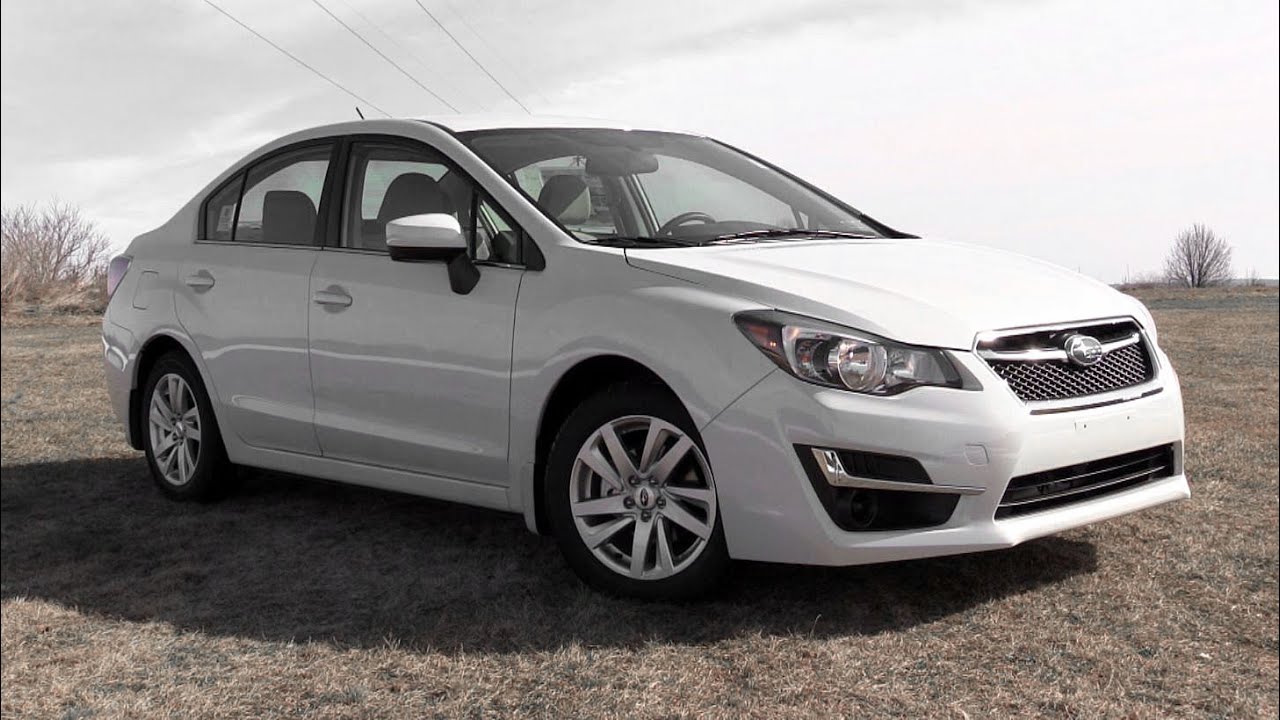
5. 2021 Subaru Impreza
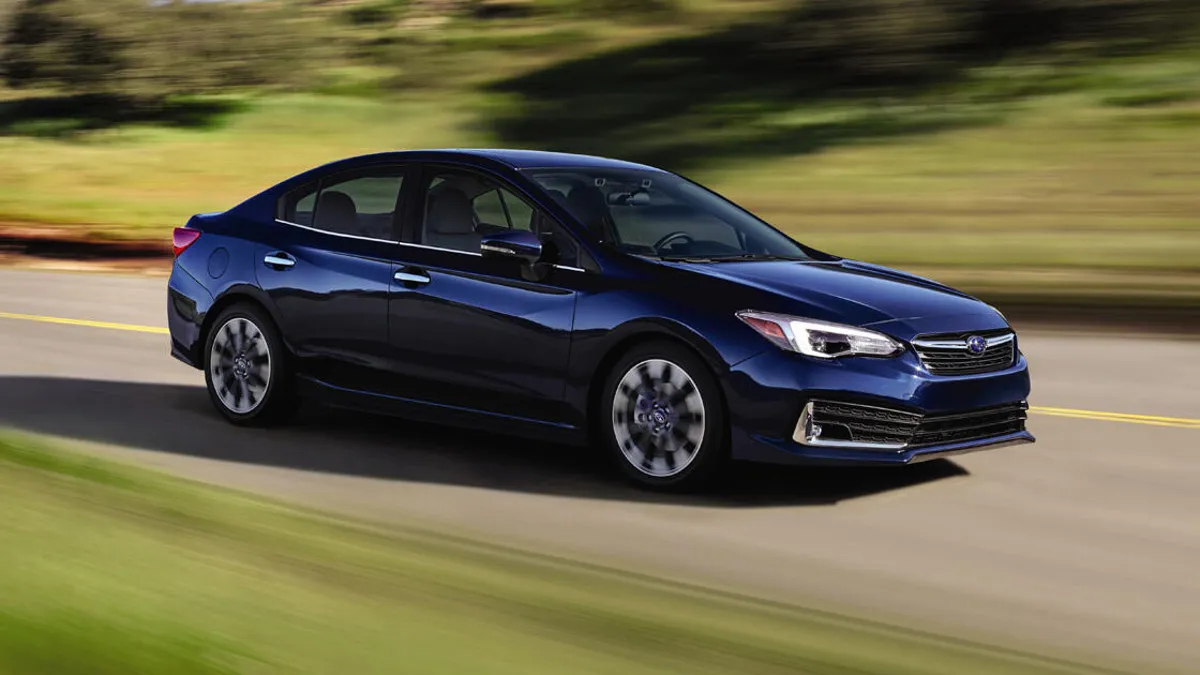
The 2021 Subaru Impreza, part of the fifth-generation lineup introduced in 2017, represents one of the most reliable model years for the compact car. J.D. Power awarded it a 79/100 rating for quality and reliability, while RepairPal gave it a 3.5 out of 5 score. CarEdge estimates 10-year maintenance and repair costs at $6,129.
This model year has just two recalls, one of which, related to a potential weld failure on a lower control arm, comes with a “Do Not Drive” warning from the NHTSA. Fortunately, this recall affects only 802 units and can be remedied free of charge, leaving the 2021 Impreza a strong option for reliability-minded buyers.
The 2021 Impreza is offered in both sedan and hatchback body styles, with standard all-wheel drive across the lineup. The availability of a manual transmission adds to its appeal for enthusiasts who enjoy a more engaging driving experience, a rarity in today’s compact car segment.
The Premium trim also introduces Subaru’s SI-Drive engine management system, which enhances throttle response and driving dynamics, giving the Impreza a small performance boost compared with earlier trims.
While it doesn’t compete with sportier compact models, it provides confident handling and steady traction in adverse weather conditions.
Inside, the 2021 Impreza is functional but relatively unremarkable. The cabin is well-built and practical, but rivals like the Honda Civic, Mazda 3, Hyundai Elantra, and Kia Forte offer more refined interiors and superior material quality.
Seating is comfortable for daily driving, and the hatchback variant provides useful cargo space for a compact car. While not luxurious, the interior meets the needs of buyers seeking practicality, reliability, and user-friendly technology.
The 2021 Subaru Impreza excels in reliability, all-weather capability, and practical usability. Its AWD system, available manual transmission, and solid safety features make it ideal for buyers in colder climates or those who prioritize traction and control.
However, it lags behind competitors in interior refinement and engine options. For those focused on dependable performance and everyday functionality, the 2021 Impreza remains a compelling choice in the compact car segment.
Also Read: 5 Cars with Backup Cameras You Can Trust vs 5 That Are Blurry and Useless
5 Subaru Impreza Years With Bad Reliability
1. 2006 Subaru Impreza: Transmission Troubles and Early Head Gasket Failures
The 2006 Subaru Impreza had a challenging year in reliability, with 80 complaints and ten recalls recorded on Car Complaints. One of the most significant issues reported by owners is the transmission system. Many drivers claimed that the transmission would fail entirely, making gear shifts cumbersome, jerky, and in some cases unsafe.
These failures often left owners stranded and frustrated, especially when Subaru dealers refused to repair the problem under warranty, citing “abuse” as the cause. Beyond transmission problems, the 2006 Impreza also suffers from leaky head gaskets.
Numerous owners reported oil leaks occurring at relatively low mileage, around 71,550 miles, requiring expensive repairs. This combination of transmission and engine issues has made the 2006 Impreza a cautionary choice for prospective buyers seeking reliability in older Subarus.
Despite these flaws, the model retains some appeal for its standard all-wheel drive and compact versatility, though maintenance costs may outweigh the benefits for some consumers.
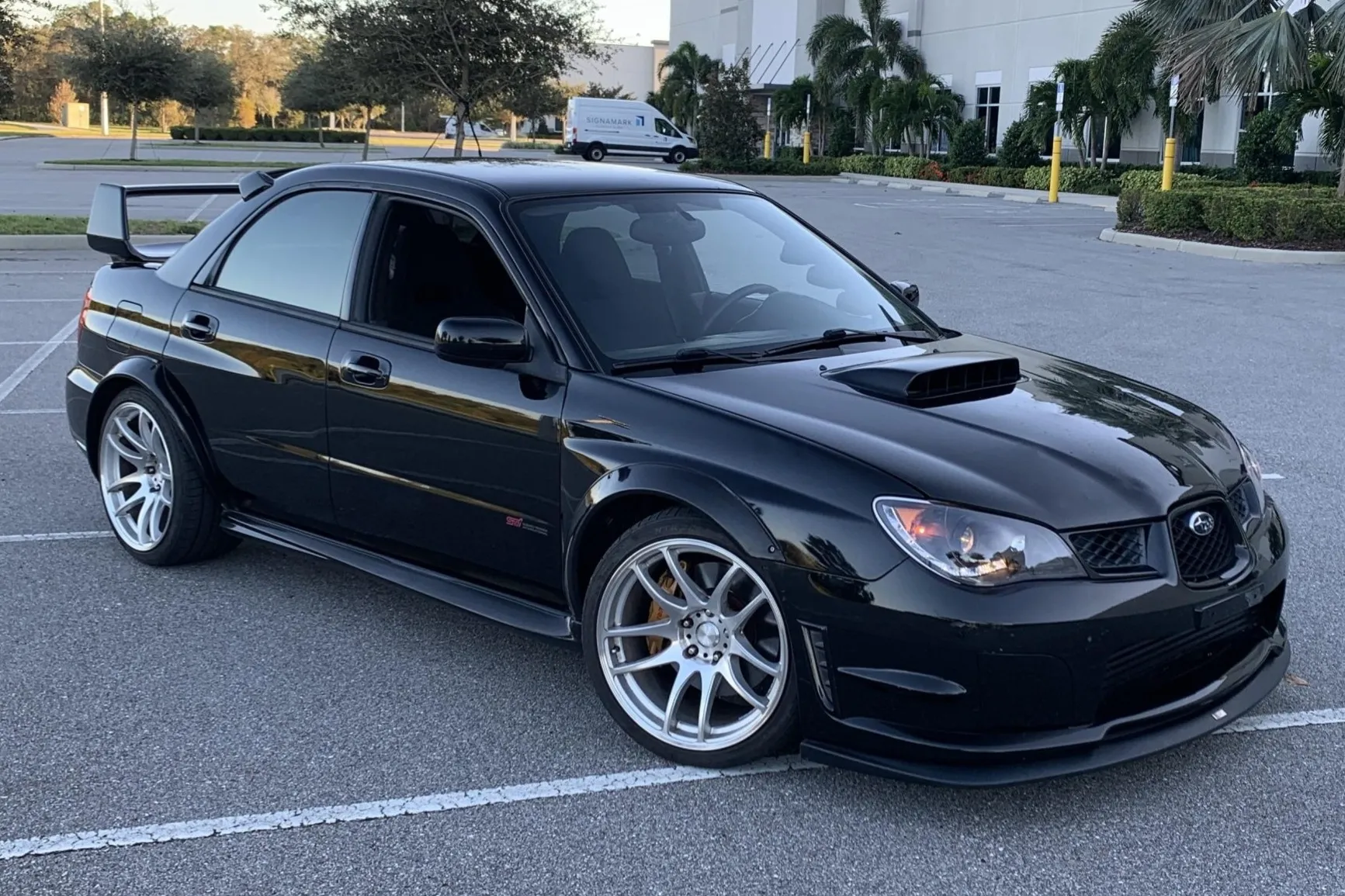
2. 2008 Subaru Impreza: Visibility and Oil Leak Concerns
The 2008 Subaru Impreza ranks among the most problematic years, with 297 NHTSA complaints and 15 recalls, making it a model to avoid for reliability-minded buyers. A major issue involves the car’s windshields and windows developing a film that obstructs vision.
Drivers reported that this reflective film, noticeable as early as 2,900 miles, caused nighttime glare and compromised road visibility, creating a safety concern for both drivers and passengers. Like the 2006 model, the 2008 Impreza also suffers from leaky head gaskets, which can result in oil loss and require replacement around 82,600 miles.
These recurring engine problems, coupled with visibility concerns, make the 2008 Impreza one of the more costly and frustrating choices in the lineup.
While the vehicle still offers standard Subaru advantages, such as all-wheel drive and compact utility, potential buyers should weigh the safety risks and repair expenses before considering this model year.
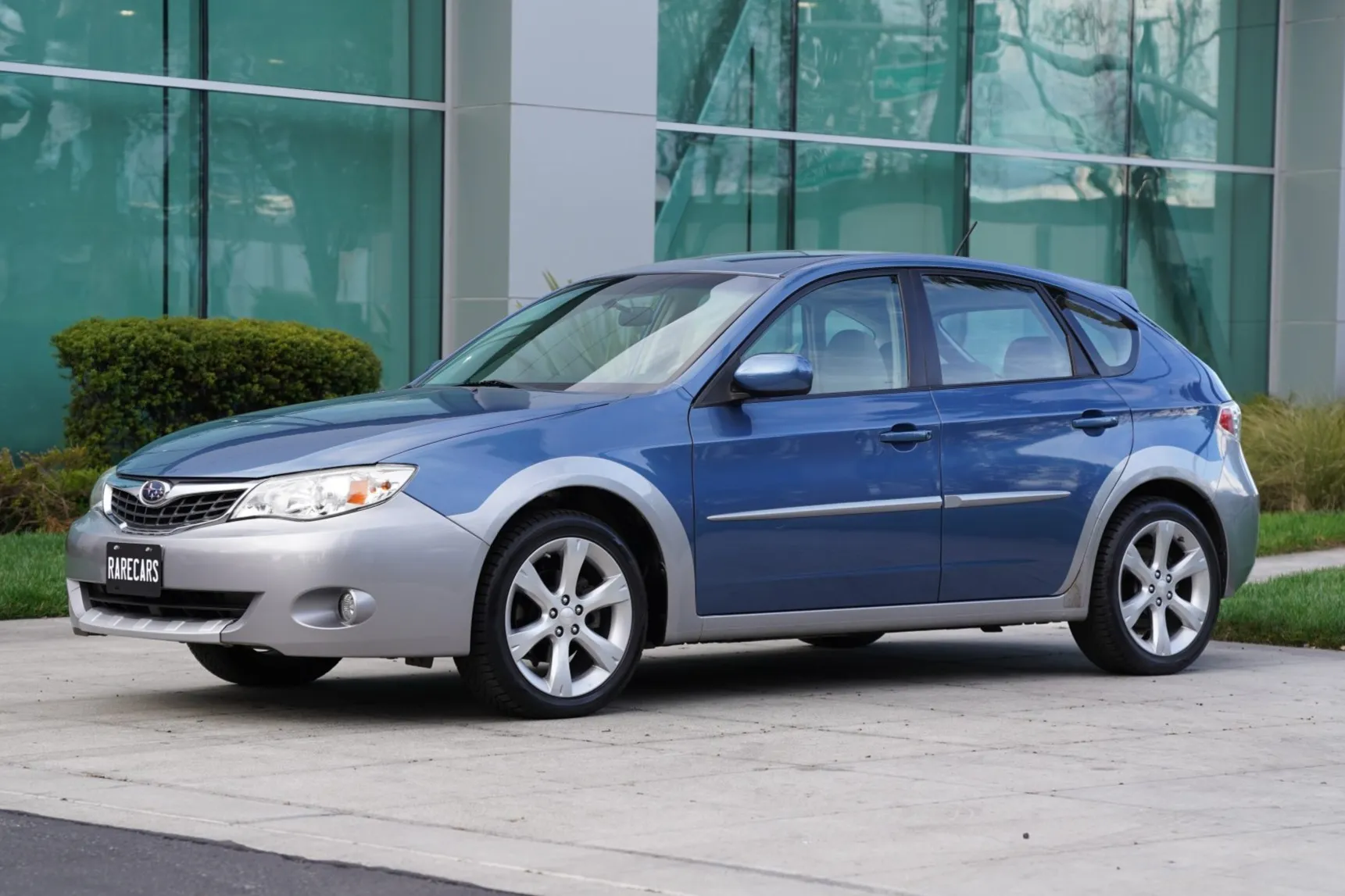
3. 2010 Subaru Impreza: Electronics and Takata Airbag Issues
The 2010 Subaru Impreza continues the pattern of reliability concerns, receiving a 1 out of 5 rating from Consumer Reports and accumulating 15 recalls. Most complaints relate to electronics, including tire pressure monitoring systems, instrument gauges, warning lights, and USB ports, which are expensive to repair or replace.
Additionally, the 2010 model is affected by the infamous Takata airbag recall, where inflators can degrade after prolonged exposure to extreme temperatures. This defect poses a serious safety hazard as airbags may deploy improperly or explode in a collision, endangering occupants.
Despite these issues, the 2010 Impreza retains some appeal for its standard all-wheel-drive system, practical cabin space, and competent handling. Buyers need to factor in potential repair costs and safety risks when evaluating this model.
Compared with earlier models, the 2010 Impreza highlights Subaru’s ongoing struggle with electronics and recalls, showing that even moderately priced compact cars can incur significant maintenance challenges over time.
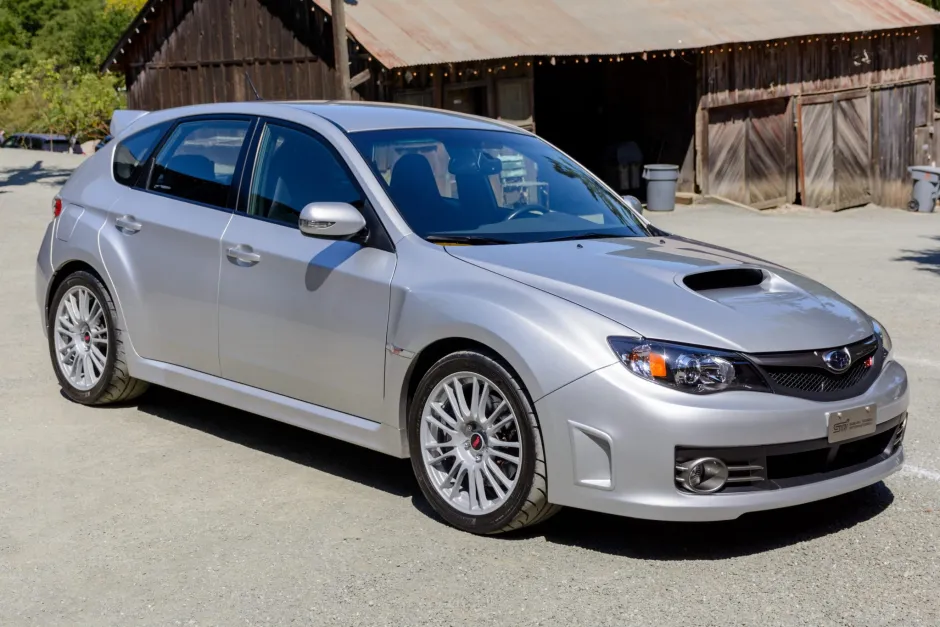
4. 2012 Subaru Impreza: Acceleration and Transmission Hazards
The 2012 Subaru Impreza is one of the worst model years, recording 332 NHTSA complaints and six recalls. Its primary issues involve sudden and unintended acceleration, which can occur at low speeds or even when idling, posing a significant safety hazard.
Drivers reported loud engine revving and sudden surges around 40,000 miles, sometimes requiring repairs costing up to $4,000. Transmission failures compound the problem, with owners experiencing gear misalignment, random acceleration in reverse, and total transmission breakdowns.
Repair costs for these failures can exceed $7,500. While the 2012 Impreza offers solid handling and a responsive chassis, these serious mechanical and safety issues overshadow its driving performance.
Prospective buyers must exercise caution, as the risk of sudden acceleration and costly transmission repairs makes this model year a poor choice for reliability-focused buyers.
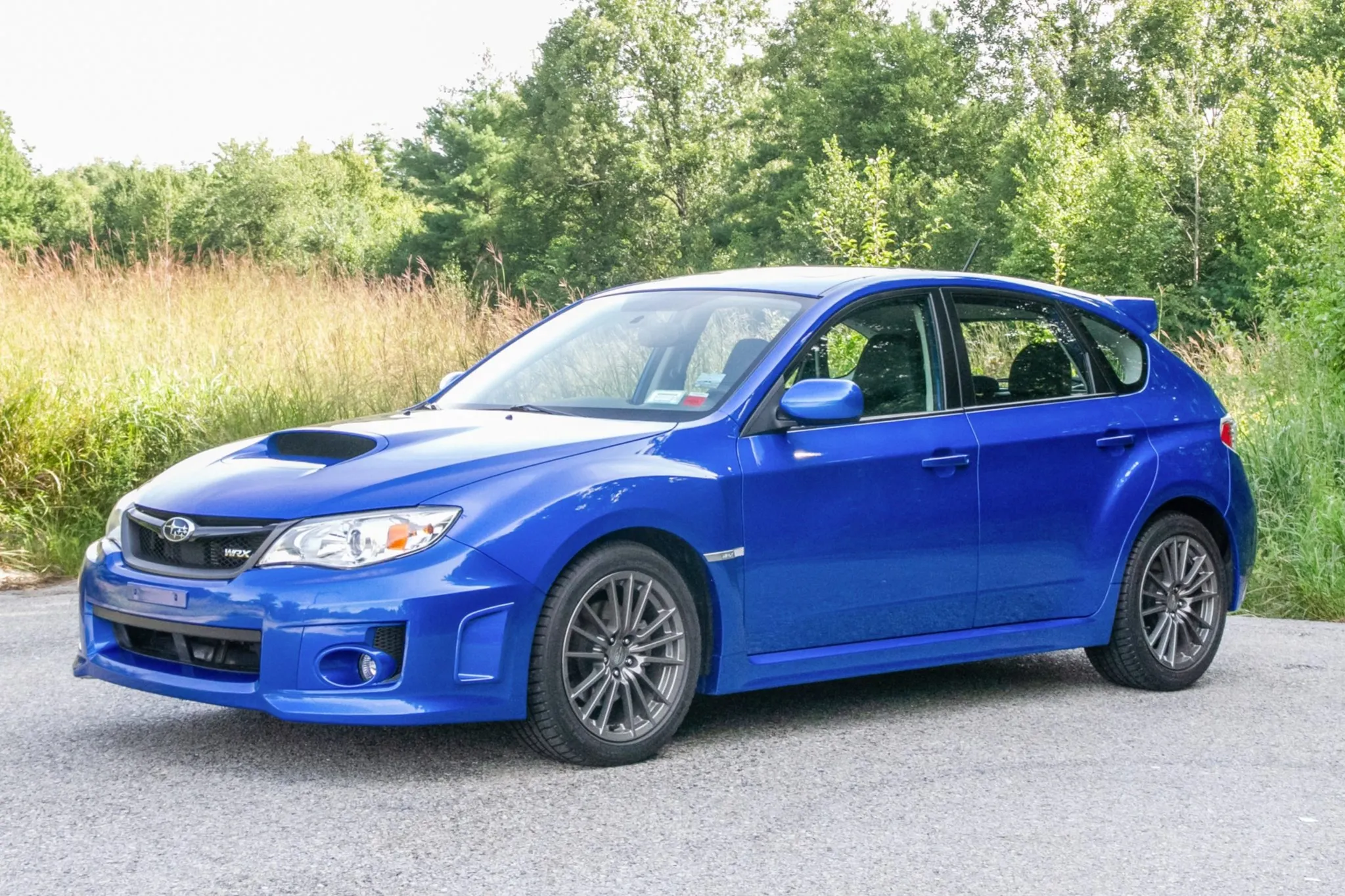
5. 2013 Subaru Impreza: CVT and Engine Reliability Issues
The 2013 Subaru Impreza shows a continuation of previous problems, with 320 NHTSA complaints and four recalls. The model is particularly affected by transmission issues, especially in vehicles equipped with the CVT. Owners reported slipping, difficulty shifting, and in some cases, complete transmission failure.
Due to the complexity of CVTs, repairs are expensive and not all shops can handle them, forcing many drivers to seek costly replacements. The 2013 model also suffers from high oil consumption, which may indicate engine problems requiring the replacement of rod bearings or piston rings.
In severe cases, complete engine rebuilds were necessary, adding to ownership costs. While the Impreza retains advantages like all-wheel drive and compact practicality, these recurring drivetrain and engine issues highlight the importance of careful consideration before purchasing a 2013 model.
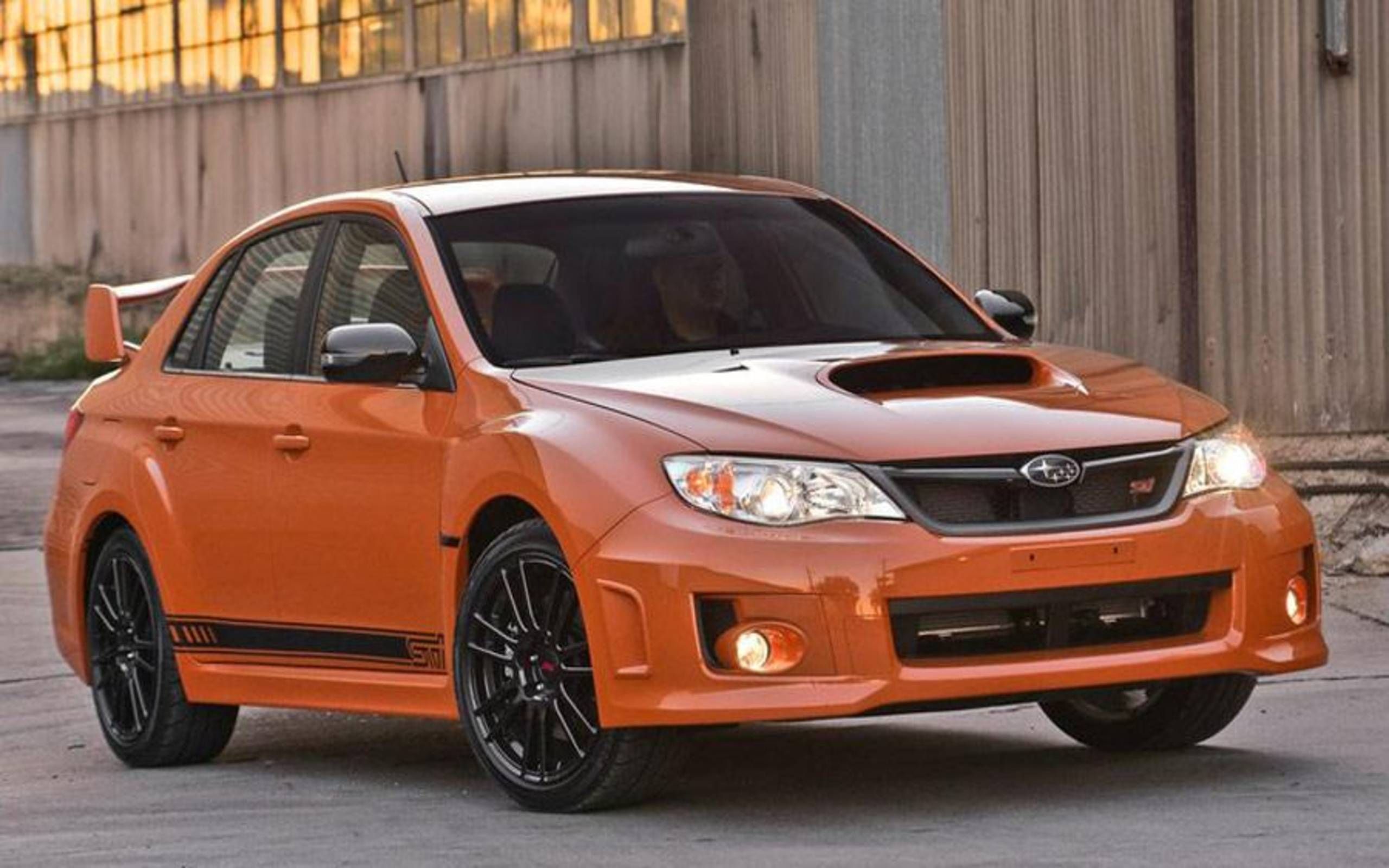
The Subaru Impreza remains a versatile and capable compact car, known for its practicality, safety features, and all-weather confidence thanks to standard all-wheel drive. However, not every version has lived up to the brand’s reputation for durability.
Certain model years stand out for recurring issues such as fragile transmissions, leaky head gaskets, or costly safety recalls. These problems can diminish long-term ownership satisfaction and lead to expensive repairs that outweigh the car’s everyday benefits.
For shoppers in the used market, taking time to research reliability records before buying an Impreza is an important step. While some model years have been problematic, others deliver the strong dependability and value Subaru is known for.
More recent versions tend to show better reliability ratings, modernized safety features, and improved build quality, making them far more appealing choices for drivers seeking peace of mind.
By being selective, buyers can enjoy everything the Impreza does well, its confident traction, compact versatility, and practical design, without falling into the pitfalls of the models that proved less dependable. Careful research and attention to model history go a long way toward ensuring a more rewarding ownership experience.
Also Read: 10 Cars With the Lowest Insurance Rates for U.S. Drivers