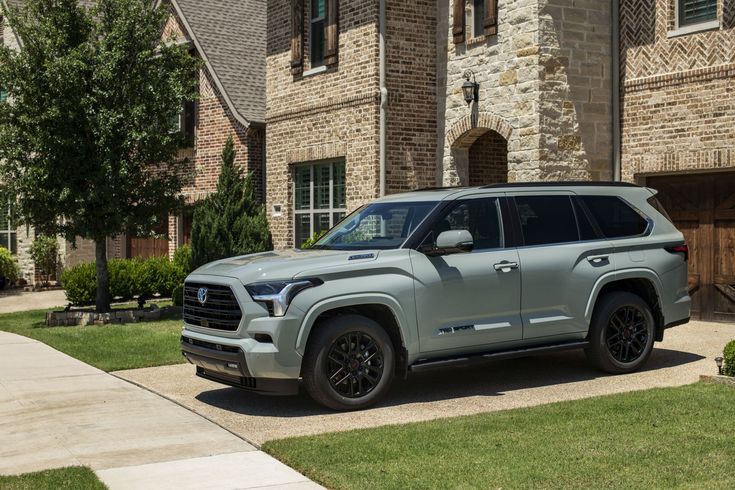
The Toyota Sequoia has long been celebrated as one of the most rugged, dependable, and capable full-size SUVs in the market. With its beefy frame, powerful V8 engine, and reputation for longevity, the Sequoia has become a family hauler, road trip companion, and towing machine for countless drivers.
Many owners buy it with the expectation that it will last well over 200,000 miles with minimal fuss, and the truth is it often can. However, despite its bulletproof image, the Sequoia is not invincible.
Like any other vehicle, it requires consistent maintenance, attention to detail, and careful usage to preserve its reliability. Neglect in certain areas can accelerate wear and tear, leading to costly repairs or even complete failure long before its time.
What often surprises Sequoia owners is that it isn’t usually one catastrophic flaw that takes these vehicles down, but rather a series of overlooked mistakes. Things like ignoring transmission fluid, overloading the suspension, or neglecting the cooling system can slowly but surely shorten the lifespan of this otherwise durable SUV.
When owners assume that the Sequoia can handle “anything” because of its legendary toughness, that’s when mistakes happen mistakes that can cost thousands of dollars to fix.
This article explores seven of the most common mistakes that can ruin a Toyota Sequoia faster than most people expect. We’ll break down exactly what goes wrong when these issues are ignored, why they matter more in a vehicle as heavy and powerful as the Sequoia, and how you can avoid them.
Whether you’re a longtime Sequoia owner or someone considering one for your next SUV, understanding these pitfalls is essential. After all, buying a Toyota means buying into reliability, but it’s up to you as an owner to make sure it lives up to that promise.
7 Mistakes That Destroy a Toyota Sequoia in No Time
Every Toyota Sequoia owner should understand one simple truth: maintenance is not optional if you want the SUV to last. While its V8 engine and body-on-frame design can endure abuse, common oversights lead to preventable breakdowns.
One mistake that’s easy to overlook is failing to maintain the transmission. Many Sequoia owners tow heavy loads but don’t change transmission fluid or service the cooling lines. That neglect often results in overheating, slipping gears, or complete transmission failure.
Another harmful habit is ignoring rust prevention. Despite Toyota’s durable engineering, the Sequoia’s frame and underbody are vulnerable to corrosion, especially in snowy regions where salt is used on roads. Left unchecked, rust can eat through structural components, compromising safety.
The SUV’s braking system also suffers when neglected. Given the Sequoia’s mass, brakes wear down faster than on smaller vehicles. Skipping inspections or driving with thin pads can cause rotor warping and dangerously reduced stopping power.
Additionally, skipping oil changes may seem like a minor delay, but the 5.7L engine relies heavily on lubrication to offset its heavy workload. Old oil breaks down under stress, increasing internal friction and damaging bearings.
Lastly, overconfidence in the Sequoia’s towing capacity is a major error. Exceeding its rated limits strains the engine, transmission, and suspension, dramatically shortening their lifespan.
In the end, the Sequoia’s reputation for toughness is deserved, but only if owners avoid these common pitfalls. With proper care, it remains one of the longest-lasting SUVs on the market.
ALSO READ: 7 Worst Mistakes To Avoid When Owning a Ford Explorer Sport Trac
Mistake 1: Ignoring Transmission Maintenance
The transmission in the Toyota Sequoia is one of the hardest-working components in the entire vehicle. Designed to manage the power from the 5.7L V8 while towing loads up to 7,000–7,400 pounds, it operates under intense stress.
Yet many owners make the mistake of assuming it doesn’t require frequent service. Unlike engine oil, which most drivers know to change regularly, transmission fluid is often neglected. Unfortunately, old fluid loses its ability to lubricate and cool the system. As a result, friction builds up, seals harden, and internal gears wear prematurely.
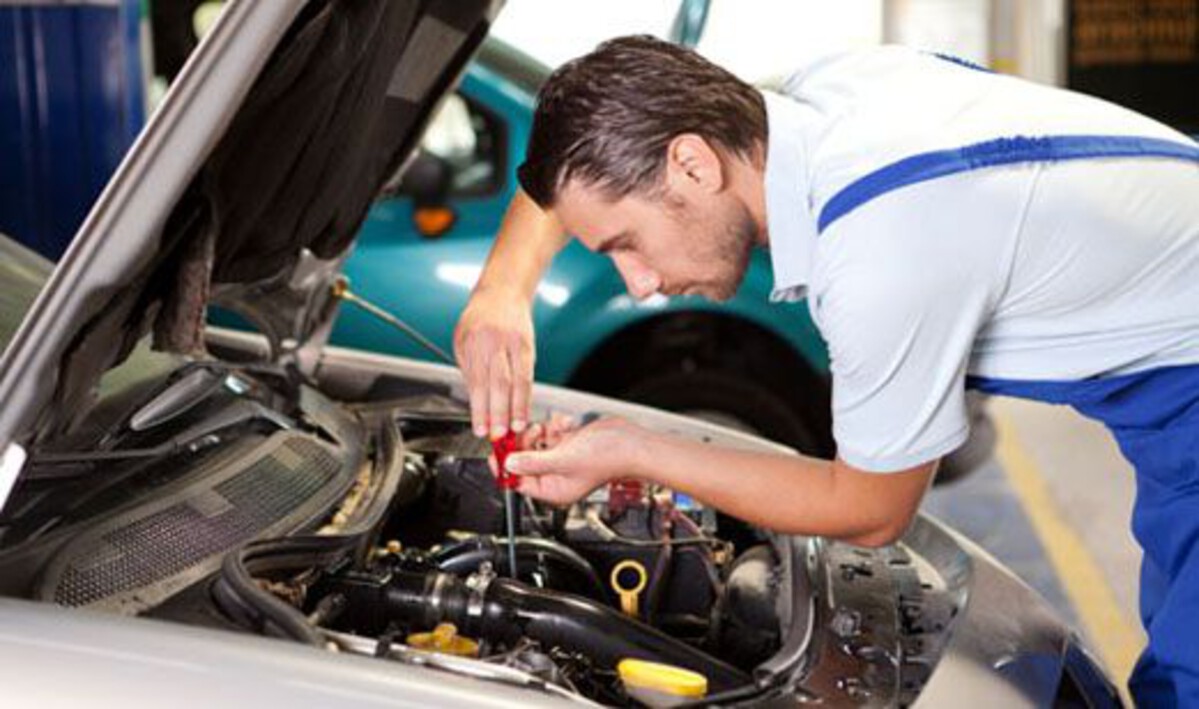
When towing, hauling, or driving in mountainous areas, the transmission endures even greater strain. Without clean fluid and a properly functioning cooling system, the risk of overheating skyrockets. Overheated transmissions often exhibit rough shifts, slipping, or delayed engagement. If left unchecked, these symptoms quickly escalate into complete failure a repair that can cost anywhere from $4,000 to $7,000.
Another overlooked aspect is servicing the transmission cooler lines and pan. These can develop leaks, starving the system of fluid. Many Sequoia owners discover this only after significant damage has already been done. Adding insult to injury, the Sequoia’s size means that transmission failure often leaves drivers stranded, requiring expensive towing services.
The solution is straightforward: follow Toyota’s recommended service intervals, typically every 60,000 miles for fluid changes, and sooner if the SUV tows frequently. Upgrading to synthetic transmission fluid and installing an auxiliary cooler (for those who tow often) can further extend its life. Simply put, the transmission is the lifeline of the Sequoia’s powertrain. Ignore it, and you risk destroying an otherwise dependable SUV.
Mistake 2: Overloading the Suspension
One of the most common ways Toyota Sequoia owners unintentionally shorten the life of their SUV is by overloading its suspension. The Sequoia is a full-size, body-on-frame SUV designed to carry a lot of weight, but that doesn’t mean it’s limitless. Many owners treat its massive size as a green light to load everything from heavy camping gear to oversized trailers without considering the stress placed on its suspension system.
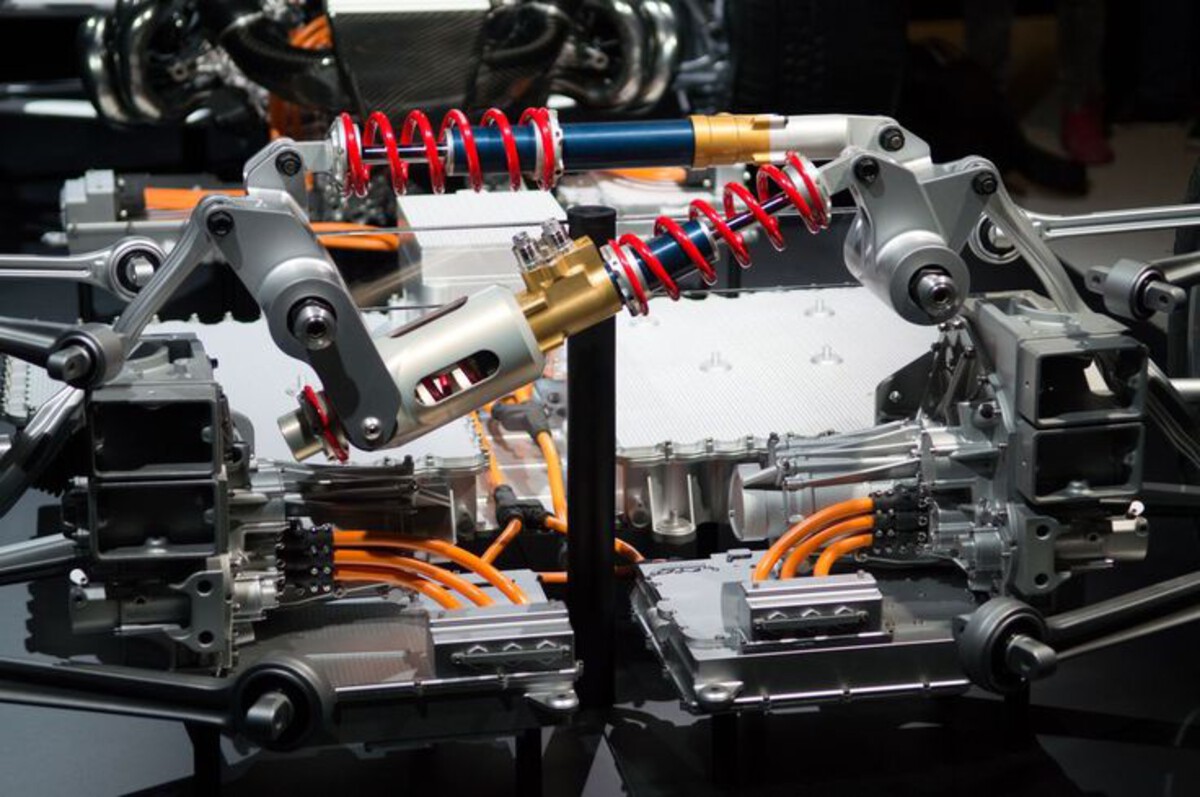
The suspension is engineered to balance comfort, stability, and durability. Overloading pushes it beyond these limits, wearing out shocks, struts, and bushings at a much faster rate.
In trims equipped with Toyota’s optional rear air suspension, the consequences are even worse; constant overloading can burn out the compressor or cause leaks in the air springs. Repairs for these systems aren’t cheap and can easily climb into the thousands.
But the damage doesn’t stop at parts. An overloaded Sequoia handles poorly, increasing body roll, reducing braking performance, and putting extra strain on tires. These side effects not only degrade the ride but also compromise safety. Long-term overloading can even stress the frame, leading to alignment problems and uneven tire wear.
Preventing this mistake starts with respecting the SUV’s payload and towing limits. Toyota provides clear specifications for maximum cargo and towing weight in the owner’s manual.
Using weight distribution hitches when towing and resisting the urge to treat the Sequoia like a moving truck can make all the difference. If used properly, the suspension system will remain durable for hundreds of thousands of miles. But push it too hard, and you’ll be facing sagging rides, expensive repairs, and a drastically shortened lifespan.
Mistake 3: Neglecting the Cooling System
The Sequoia’s 5.7L i-Force V8 is a powerhouse known for its endurance, but it generates a tremendous amount of heat. That’s why the cooling system is one of the most vital elements of this SUV’s reliability. Sadly, many owners underestimate the importance of maintaining it, which leads to one of the most destructive mistakes possible.
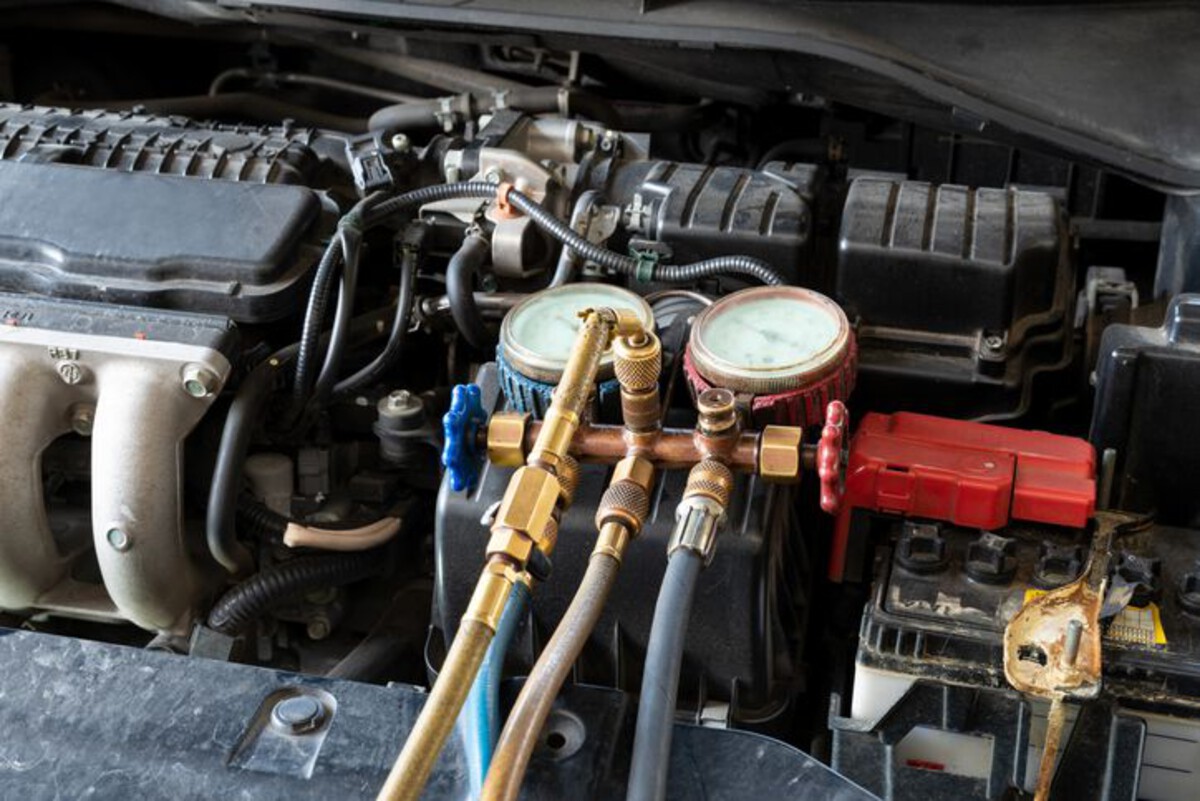
The cooling system relies on a radiator, water pump, thermostat, hoses, and coolant fluid to keep engine temperatures stable. Over time, coolant loses its effectiveness and becomes corrosive, attacking internal components.
If not replaced at regular intervals, deposits form inside the radiator, reducing its ability to dissipate heat. A failing thermostat or a worn water pump compounds the issue, leaving the engine vulnerable to overheating.
Overheating is catastrophic in a Sequoia. It can warp cylinder heads, blow head gaskets, and even crack the block repairs that cost thousands. The Sequoia’s heavy use in towing and off-roading makes it especially susceptible if the system isn’t functioning perfectly. Even a minor coolant leak can spiral into disaster when the SUV is under load in hot conditions.
The fix is simple: regular inspections and timely replacements. Toyota recommends flushing coolant around every 100,000 miles, but owners who tow or live in hot climates should consider shorter intervals. Inspecting hoses for cracks, replacing the water pump before failure, and cleaning the radiator fins ensure the system stays efficient.
Ignoring the cooling system doesn’t just shorten the engine’s life, it can kill it completely. For a Sequoia expected to last decades, keeping this system in top condition is absolutely non-negotiable.
Mistake 4: Skipping Regular Oil Changes
If there is one maintenance routine that owners know but often delay, it’s the oil change. In a Toyota Sequoia, skipping this step can destroy the engine far sooner than expected. The 5.7L V8 relies heavily on fresh oil to reduce friction, cool internal parts, and prevent sludge buildup. Old oil breaks down under the strain of heavy use, leaving bearings, pistons, and camshafts vulnerable to damage.
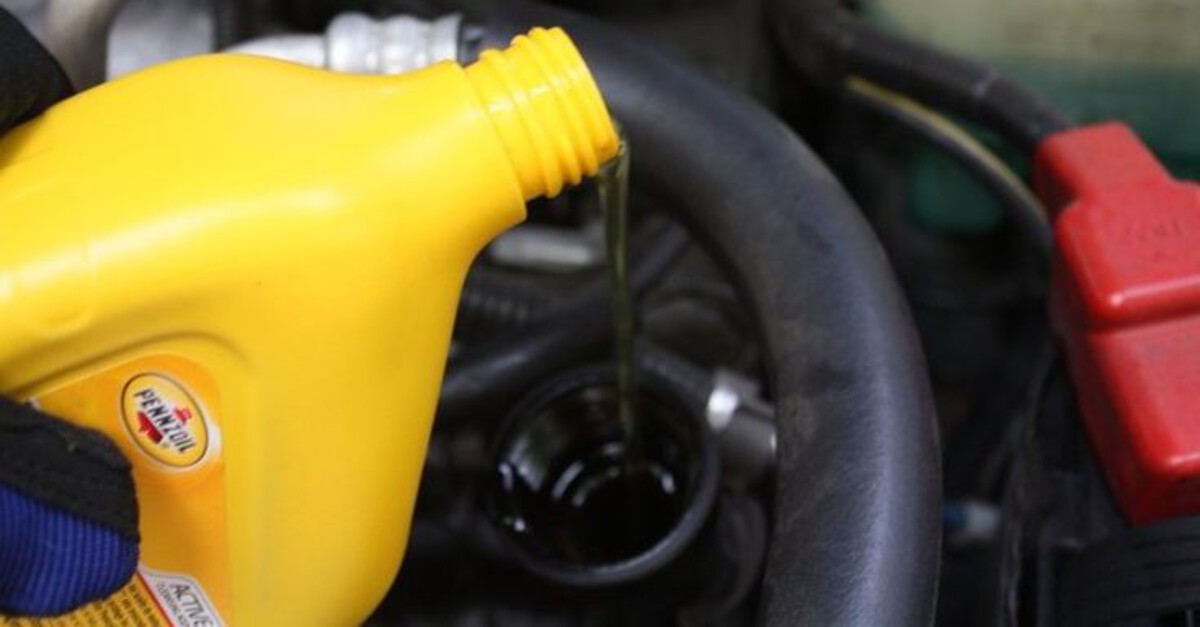
When oil changes are delayed, sludge begins forming inside the engine. This thick, tar-like residue blocks oil passages, starving critical components of lubrication. The Sequoia’s engine is robust, but it isn’t immune to this problem. Owners who push past recommended intervals, especially those who tow or frequently idle in traffic, risk accelerated wear.
Low oil levels compound the issue. Because of the engine’s size, it consumes more oil under stress. Neglecting to check and top off oil between changes can lead to running dangerously low, which in turn causes overheating and accelerated bearing wear. In worst-case scenarios, the engine seizes, requiring a complete replacement.
The solution is straightforward but requires discipline. Toyota recommends oil changes every 5,000 miles when using conventional oil and up to 10,000 miles with synthetic, though many enthusiasts prefer shorter intervals for added protection. Checking levels regularly and using the correct grade of oil are equally critical.
Skipping oil changes is a mistake that doesn’t always show immediate consequences. But behind the scenes, the damage builds quietly until one day, the engine fails. Considering how costly engine replacements are, this is one corner no Sequoia owner should ever cut.
Mistake 5: Ignoring Rust Prevention
Toyota trucks and SUVs, including the Sequoia, are known for being mechanically bulletproof, but one weakness that has haunted many owners is rust. The Sequoia’s large frame and undercarriage are particularly vulnerable, especially in areas where roads are salted during winter. Ignoring rust prevention is one of the most destructive mistakes an owner can make.
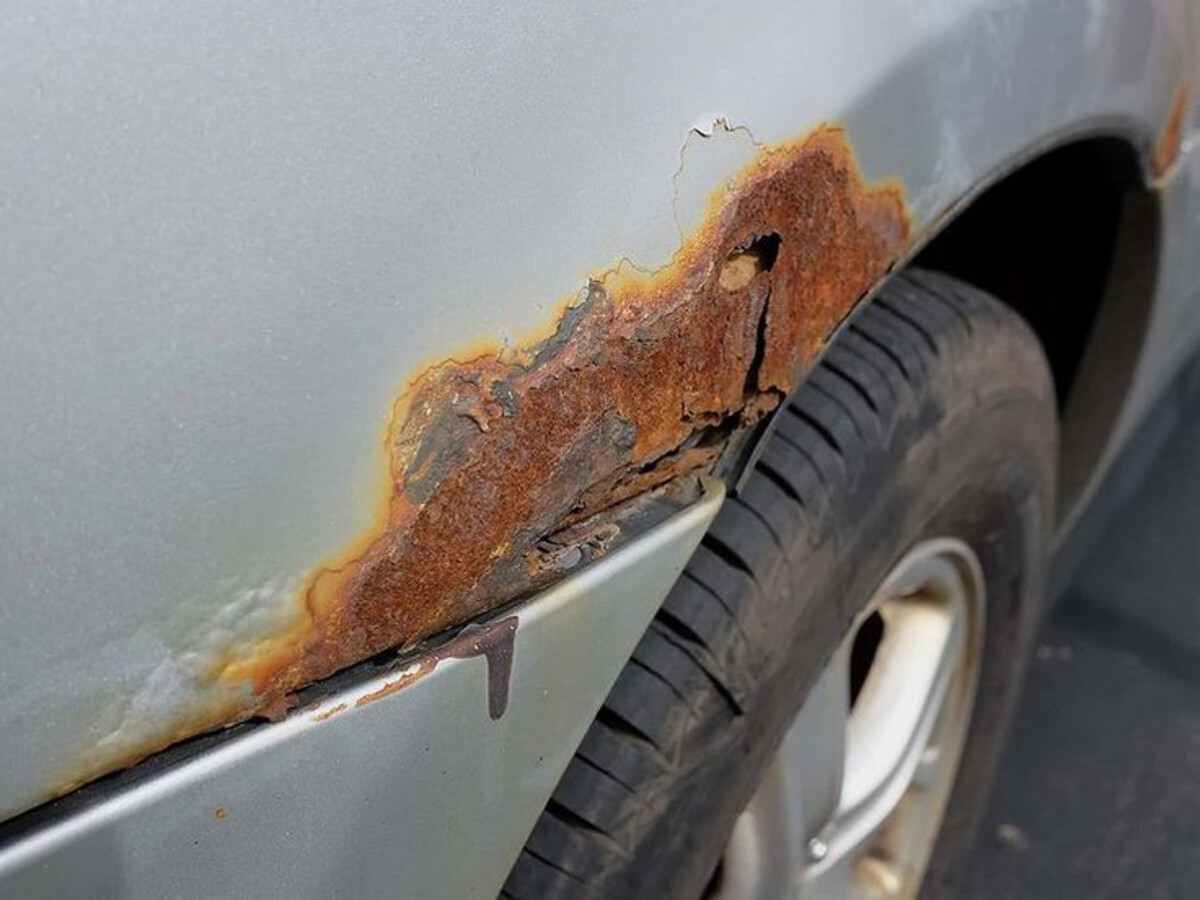
Rust often starts small chips in paint, moisture buildup in wheel wells, or corrosion on the undercarriage. Left unchecked, it spreads and eats away at the frame, brake lines, and suspension mounts.
Frame rust is especially dangerous; in extreme cases, it can compromise structural integrity, making the vehicle unsafe to drive. Toyota has even faced lawsuits and recalls in the past over frame rust issues in trucks and SUVs, underscoring how serious this problem can become.
Once rust takes hold, repairs are expensive and often ineffective unless the affected metal is completely cut out and replaced. Preventative maintenance is far cheaper and easier.
Regular undercarriage washes, particularly after driving on salted roads, can prevent buildup. Applying rustproofing treatments or undercoating adds another layer of protection. Inspecting vulnerable areas like the rear frame, rocker panels, and wheel arches ensures that small spots don’t grow into major issues.
Rust doesn’t just ruin appearance; it undermines safety. Suspension mounting points, brake components, and even fuel lines can fail due to corrosion. For a vehicle like the Sequoia, designed to last decades, rust is often the one thing that cuts its life short.
Taking rust prevention seriously is the difference between enjoying 300,000 miles of service and facing an early retirement of an otherwise dependable SUV.
ALSO READ: 5 Audi Q7 Years Worth Buying vs 5 To Skip
Mistake 6: Neglecting Brake Maintenance
The Toyota Sequoia is a massive SUV weighing over 6,000 pounds. With that much weight to control, the braking system is absolutely critical. Unfortunately, many owners push their brake systems past safe limits, either by delaying inspections or ignoring early warning signs like squeaking and vibrations. This mistake doesn’t just wear out parts prematurely; it can be downright dangerous.
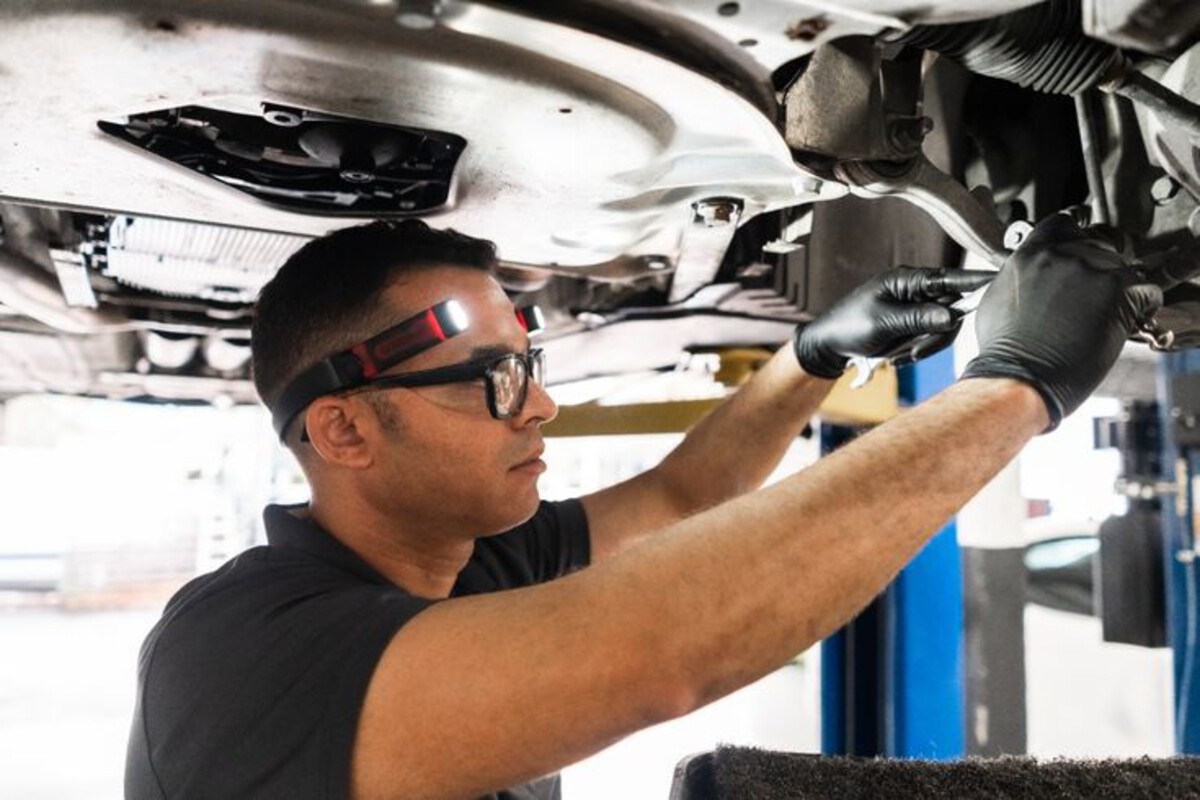
The Sequoia’s brake pads and rotors work harder than those of smaller vehicles. Hauling passengers, towing trailers, and driving downhill puts tremendous strain on the system. Thin pads lead to metal-on-metal contact, which chews through rotors quickly and reduces stopping power. Warped rotors create pulsations in the pedal, making it harder to control the SUV under emergency braking.
Another commonly ignored area is brake fluid. Over time, brake fluid absorbs moisture, reducing its effectiveness and leading to spongy pedal feel. If neglected long enough, moisture can corrode internal brake components, eventually causing leaks and system failure.
Owners who tow frequently or live in mountainous regions put even more stress on their brakes. Without proactive maintenance, they risk total brake fade when descending long grades a terrifying scenario in a vehicle this size.
Toyota recommends regular inspections and replacing pads before they wear too thin. Flushing brake fluid every 30,000 miles ensures consistent performance. Upgrading to higher-performance pads and rotors is also wise for owners who tow heavy loads.
Ignoring brake maintenance isn’t just a costly mistake it’s a safety hazard. Properly maintained brakes keep the Sequoia’s massive weight in check, protect passengers, and preserve one of the most important systems in the vehicle.
Mistake 7: Exceeding Towing Limits
The Sequoia was built with towing in mind, but one of the biggest mistakes owners make is assuming it can handle anything they hook up to it. While its maximum tow rating of around 7,000–7,400 pounds is impressive, exceeding those limits dramatically shortens the lifespan of critical components.
Over-towing places extreme stress on the engine, transmission, cooling system, and suspension.
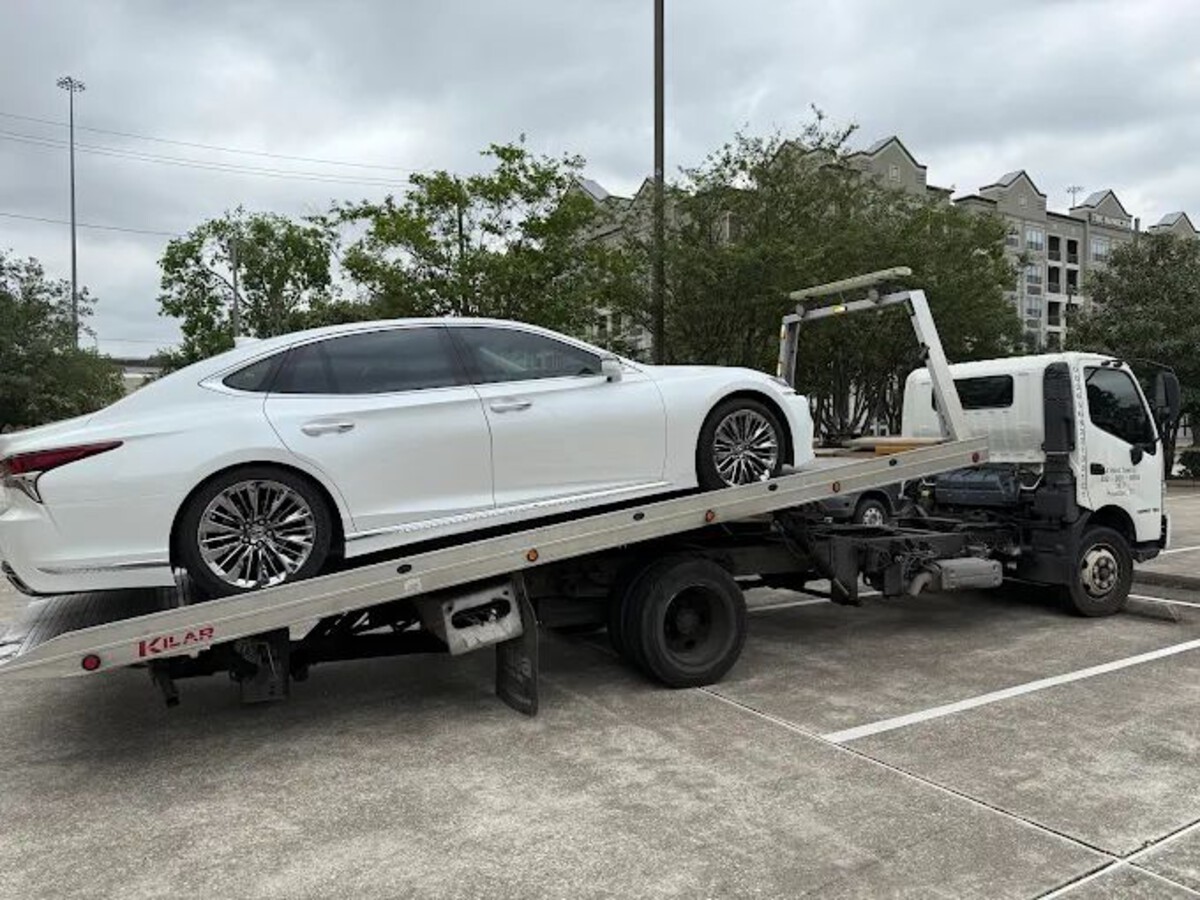
The 5.7L V8 may have plenty of power, but constantly dragging loads above its rated capacity overheats the engine and transmission. Overheating leads to fluid breakdown, warped components, and eventual failure. Transmission rebuilds and engine repairs from such abuse cost thousands.
The suspension and braking system also suffer under excessive loads. Sagging rear suspension, worn shocks, and warped rotors are all common results. Handling deteriorates as the SUV becomes harder to control, particularly at highway speeds or when maneuvering downhill. Safety risks skyrocket in these scenarios, endangering not just the driver but everyone on the road.
Even within towing limits, improper techniques contribute to damage. Failing to use a weight distribution hitch or neglecting trailer brakes increases strain. Owners who tow frequently without added cooling systems also accelerate wear.
Avoiding this mistake means respecting the numbers. Know the Sequoia’s Gross Vehicle Weight Rating (GVWR) and Gross Combined Weight Rating (GCWR), and never exceed them. Use proper towing equipment, distribute weight evenly, and service the SUV more frequently if towing often.
The Toyota Sequoia is more than capable of towing boats, campers, and trailers when used responsibly. But push it beyond its engineered limits, and you’ll turn one of Toyota’s toughest SUVs into a ticking time bomb of mechanical failure.
A Final Word on Protecting Your Sequoia
The Toyota Sequoia has earned its reputation as one of the toughest full-size SUVs available, but toughness should never be mistaken for invincibility. As we’ve seen, the seven most common mistakes that ruin a Sequoia have little to do with design flaws and everything to do with how owners treat the vehicle.
Neglecting transmission maintenance, overloading the suspension, ignoring the cooling system, skipping oil changes, failing to protect against rust, overlooking brake care, and exceeding towing limits all share one thing in common they are preventable.
The beauty of owning a Sequoia lies in its ability to deliver years of reliable service when cared for correctly. Many examples on the road today have passed the 250,000-mile mark with their original engines and transmissions still intact. But those success stories belong to owners who understand that proper maintenance is a commitment, not an option.
Protecting your Sequoia comes down to consistency. Fluids must be changed on schedule. Inspections shouldn’t be delayed. Rust prevention should be part of routine upkeep, especially for drivers in harsh climates. Above all, respecting the SUV’s physical limits ensures it continues performing as Toyota intended.
For families, adventurers, and towing enthusiasts, the Sequoia is more than just transportation it’s a trusted companion. But trust is a two-way street. When you invest time, care, and responsibility into maintaining your SUV, it rewards you with unmatched reliability and longevity.
If you avoid these seven mistakes, the Sequoia won’t just last it will thrive. Decades from now, while other SUVs fade into obscurity, your well-kept Sequoia could still be running strong, carrying the same spirit of durability that made you choose it in the first place. The power to preserve it rests entirely in your hands.