The Mercedes-Benz C-Class has long been a benchmark for luxury compact cars, seamlessly blending performance, elegance, and advanced technology. From sporty coupes and convertibles to refined sedans, each model year brings thoughtful updates that enhance driving dynamics, comfort, and safety.
Whether you’re drawn to the turbocharged efficiency of the C300, the hybrid innovation of the C350e, or the heart-racing performance of the AMG variants, the C-Class continues to redefine what it means to drive a luxury vehicle that balances sophistication with versatility.
In this guide, we’ll explore standout C-Class models from recent years, highlighting their features, upgrades, and what makes them compelling choices for modern drivers.
5 Mercedes-Benz C-Class Years That Last
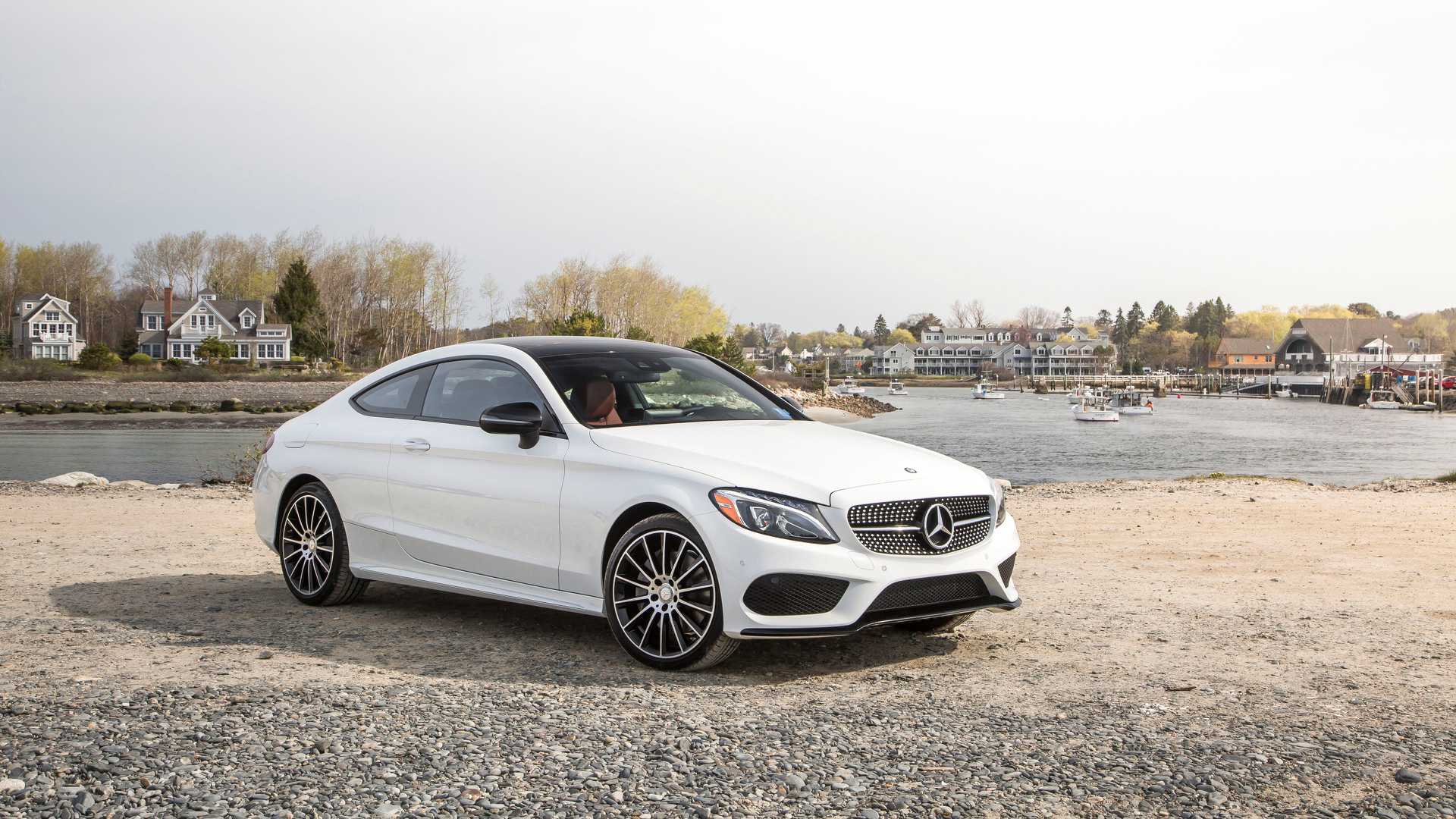
1. 2017 Mercedes-Benz C-Class
The 2017 Mercedes-Benz C-Class earned an impressive 80/100 from J.D. Power, garnering praise for its combination of luxury, performance, and craftsmanship. Mercedes expanded the lineup this year by introducing fully redesigned coupe and convertible models to join the already well-received sedan.
The AMG C450 was rebranded as the AMG C43 and fitted with a nine-speed automatic transmission for improved performance. A rearview camera became standard on the sedan, though it remained optional for the two-door versions. Together, these updates reinforced the C-Class’ reputation as one of the most versatile and desirable entry-level luxury cars.
Design and aesthetics play a key role in the C-Class’ appeal. The coupe and convertible boast sleeker lines than the sedan, shedding two doors to emphasize a sportier profile.
A bold front grille, wide air inlets, and wraparound headlights draw inspiration from the AMG GT supercar, while the pillarless side windows and sloping roofline create a striking silhouette.
The convertible offers an extra layer of allure with its ability to go roofless. Though rivals like the BMW 4 Series, Audi A4, Jaguar XE, Cadillac ATS, and Lexus IS present worthy competition, the C-Class manages to stand out with its craftsmanship, elegance, and variety of high-tech features.
Safety is another strong point of the 2017 C-Class, particularly the C300 sedan, which earned top ratings from the Insurance Institute for Highway Safety, including a “Good” score in all crash-test categories and a “Superior” rating for its frontal crash mitigation system.
Standard safety features include multiple airbags, stability and traction control, and a driver drowsiness monitor, while advanced options such as blind-spot monitoring, lane-keeping assist, adaptive headlights, and automatic emergency braking further enhance driver confidence. With these systems, the C-Class balances its luxury focus with a reassuring degree of security and protection.
On the road, the C-Class offers a wide range of driving experiences depending on the trim. The base C300’s 2.0-liter turbocharged four-cylinder provides more than adequate power, with sporty noises piped in through the speakers during hard acceleration.
Handling is confident, particularly with the optional air suspension that softens the coupe and convertible’s otherwise harsh ride. The AMG C43 adds a stronger punch with a refined exhaust note, while the V8-powered AMG models deliver thrilling acceleration.
Inside, the cabin reflects Mercedes’ attention to detail with a harmonious blend of modern technology and classic luxury. High-quality materials, supportive seating, and intuitive infotainment make for an inviting interior, although the rear seats in the two-door variants are notably cramped.
The 2017 C-Class delivers a well-rounded luxury experience, combining design, performance, safety, and comfort in a way few rivals can match.
2. 2018 Mercedes-Benz C-Class
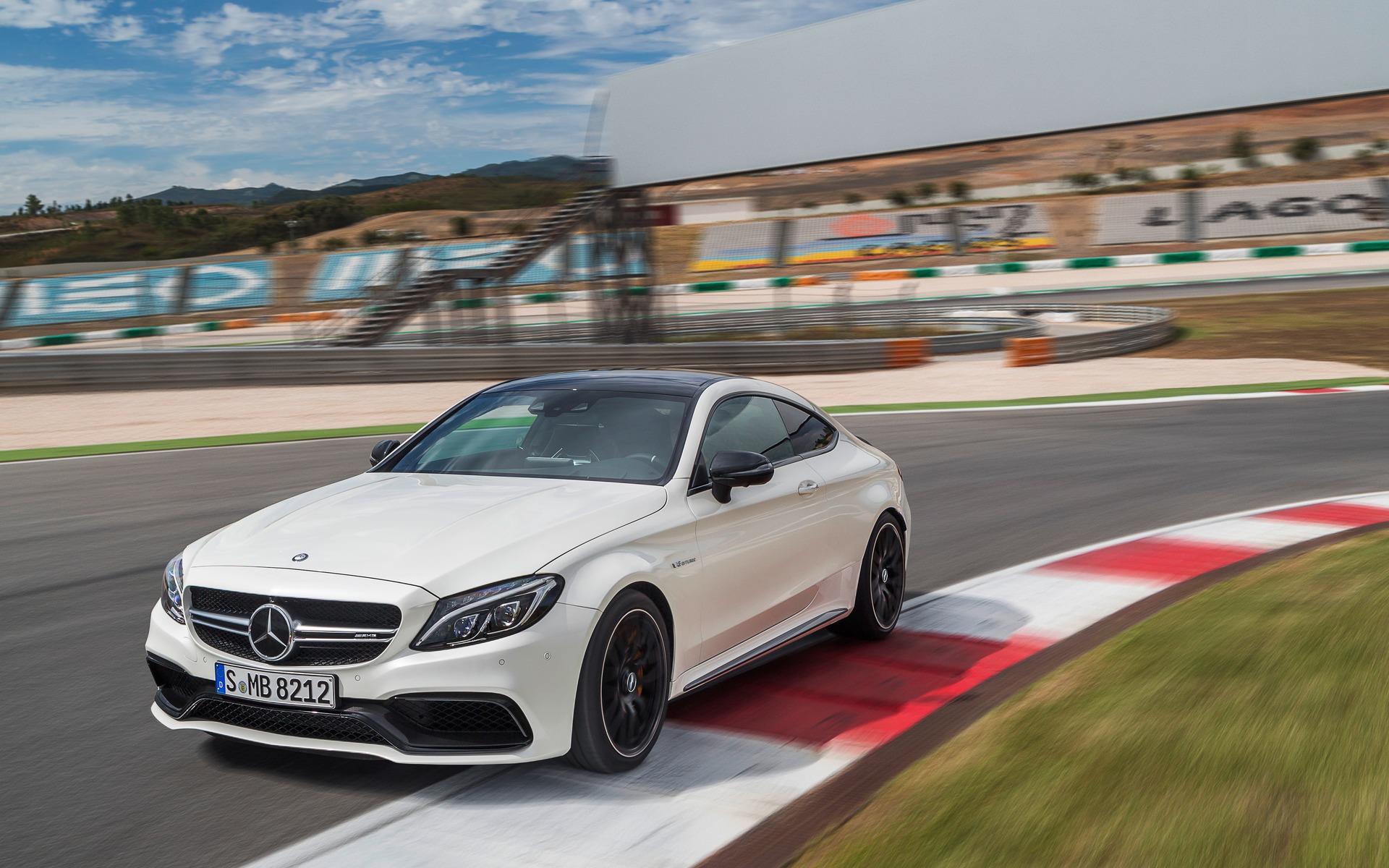
The 2018 Mercedes-Benz C-Class builds on the success of its predecessor, earning an improved score of 82/100 from J.D. Power. Praised for its comfortable second-row seating, generous storage capacity, and refined engine note, the C-Class continues to strengthen its position as one of the most well-rounded luxury vehicles in its segment.
For 2018, Mercedes updated the model with expanded standard and optional features, simplified package offerings, and the addition of smartphone integration through Apple CarPlay and Android Auto.
The C300 now comes equipped with a smoother nine-speed automatic transmission, while the C350e plug-in hybrid officially joins the lineup after its late-2017 debut. These updates help ensure the C-Class remains competitive in a segment where expectations for luxury, performance, and technology run high.
Once considered Mercedes-Benz’s entry-level luxury vehicle, the C-Class has outgrown that designation. With the CLA-Class now filling that role, the C-Class stands apart with a more sophisticated interior, higher-grade materials, and a wealth of customization options.
Buyers can tailor their C-Class with various trims, packages, and finishes, making it feel as premium as models from higher tiers in Mercedes’ lineup. From sleek exterior styling to meticulous cabin craftsmanship, the 2018 C-Class presents itself as a refined yet accessible luxury car that can easily rival offerings from BMW, Audi, and Lexus.
The 2018 C-Class also caters to a wide range of driving preferences with multiple engine options. The standard C300’s turbocharged four-cylinder delivers smooth, capable performance, while the C350e plug-in hybrid offers improved fuel efficiency, increased power, and a limited all-electric driving range for eco-conscious drivers.
For those seeking greater performance, the AMG C43 features a robust turbocharged V6, while the AMG C63 turns up the excitement with a thunderous turbocharged V8 that produces 503 horsepower in the C63 S.
While the latter’s price tag is nearly double that of the C300, it remains a true sport sedan for enthusiasts. This breadth of choices allows the C-Class to appeal equally to luxury seekers, efficiency-minded buyers, and performance enthusiasts.
Whether in sedan, coupe, or convertible form, the 2018 Mercedes-Benz C-Class continues to stand as a benchmark in the luxury compact segment. It combines striking design with advanced technology and a versatile range of trims that suit different lifestyles and budgets.
While competitors like the Audi A4, BMW 3 Series, and Lexus IS offer strong alternatives, the C-Class distinguishes itself with its refined ride, polished interior, and balance of comfort and performance.
From the well-equipped and reasonably priced C300 to the exhilarating AMG variants, the 2018 C-Class proves that Mercedes-Benz has created a model that transcends the “entry-level” label, offering a premium experience that few rivals can match.
3. 2019 Mercedes-Benz C-Class
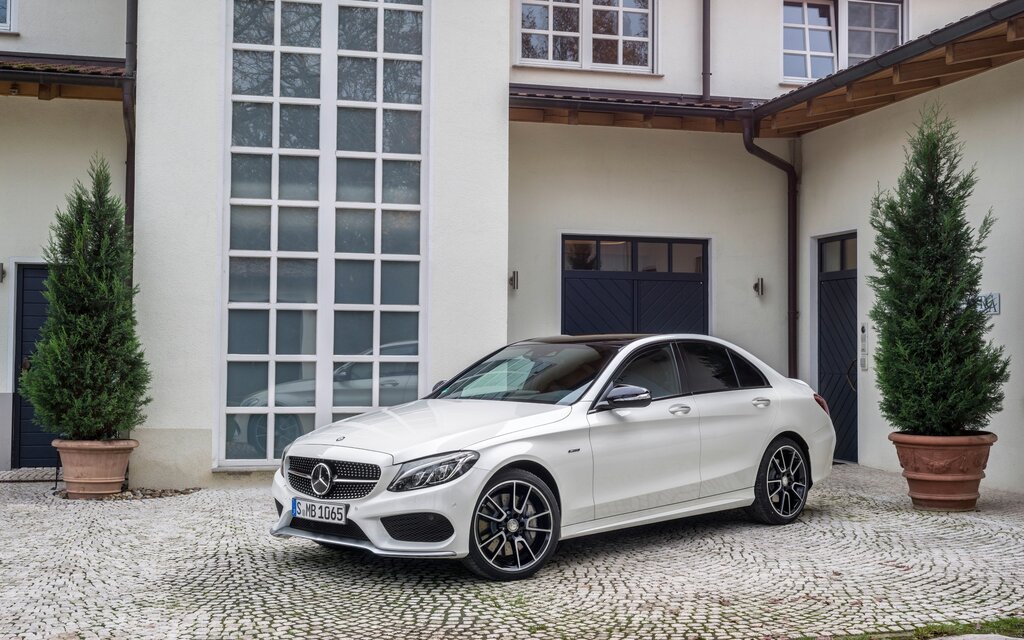
The 2019 Mercedes-Benz C-Class maintains its strong presence in the luxury compact segment, earning an 80/100 from J.D. Power. While not dramatically overhauled, this year’s model gains several enhancements to keep it competitive, including more power for the C 300 and C 43 trims, updated headlights and taillights, and standard Apple CarPlay and Android Auto.
The plug-in hybrid C 350e is discontinued, narrowing the range but sharpening focus on traditional and AMG-tuned models. Despite being four years removed from its last redesign, the C-Class continues to impress with its impeccable interior design and a well-rounded package of luxury, performance, and technology.
On the road, the C 300 offers sufficient power for most drivers, with acceleration that feels strong even if it trails rivals like the Audi A4 and BMW 330i in 0–60 mph times. The nine-speed automatic transmission is smooth, though slightly hesitant in Comfort mode, while Sport mode sharpens responsiveness sometimes too aggressively.
Handling is commendable, especially with the AMG sport suspension, offering confidence through corners and reliable braking. However, this performance comes at a cost to comfort.
With the optional AMG suspension and 19-inch wheels, the ride feels overly firm, producing a constant vibration that detracts from the otherwise luxurious experience. The engine, too, lacks refinement at higher revs, with a buzzy note uncharacteristic of Mercedes-Benz.
Inside, the C-Class retains its classy appeal with an elegant, minimalist center stack and excellent material quality. The design emphasizes simplicity, though it comes at the cost of physical buttons for some functions, requiring drivers to rely on infotainment menus.
Space in the front seats is generous, with wide-ranging adjustments ensuring comfort for drivers of all sizes. Entry and exit are easy thanks to wide doors and an accessible ride height, though rear passengers may find legroom tight compared to competitors.
Trunk space is another weakness, offering just 12.6 cubic feet small for the class, though the low lift-over height and wide opening make it practical for loading. Rear-facing child seats can be installed, but the limited legroom may complicate placement depending on front-seat positioning.
Technology continues to be a highlight of the 2019 C-Class. The available 10.25-inch display impresses with sharp graphics, and the variety of input methods, including steering wheel touch controls, a rotary dial, and a trackpad, ensures flexibility for different driver preferences.
Optional features such as the Burmester premium sound system and the digital gauge cluster enhance the luxury experience, providing both immersive audio and customizable displays. While advanced driver-assistance systems perform well, they are bundled as costly add-ons.
Altogether, the 2019 Mercedes-Benz C-Class may not be the freshest in its segment, but with its timeless interior, improved technology, and versatile driving character, it remains a compelling option for buyers seeking a blend of traditional luxury and modern sophistication.
4. 2016 Mercedes-Benz C-Class
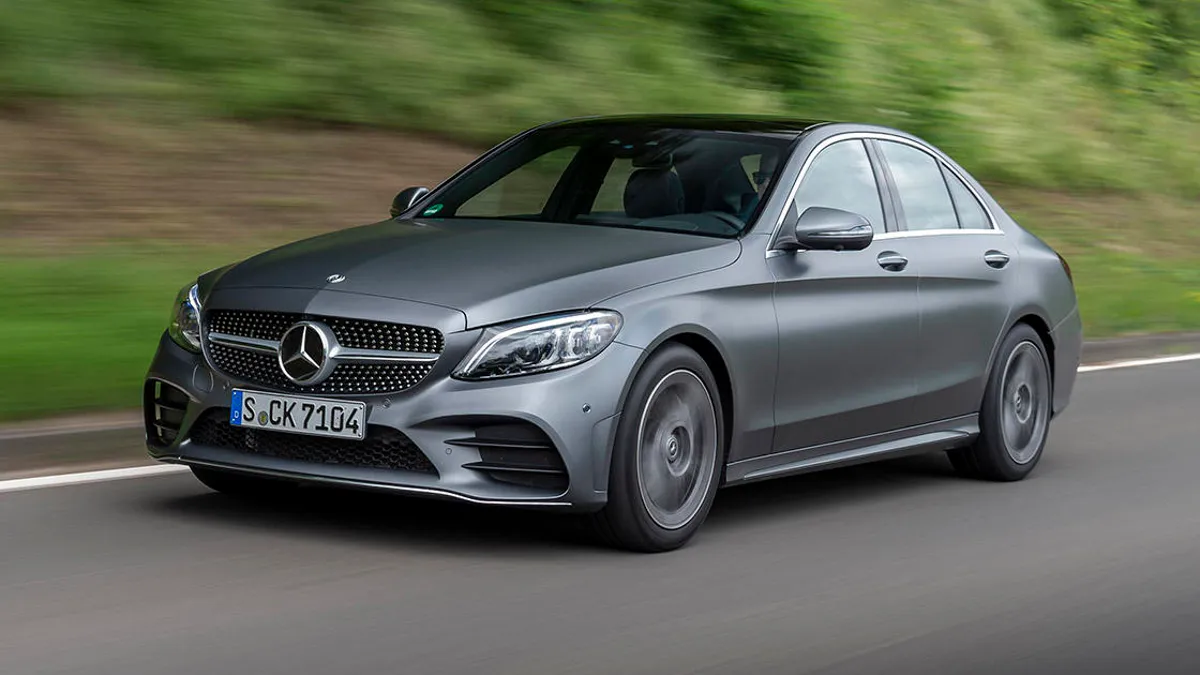
The 2016 Mercedes-Benz C-Class builds upon the successful redesign of 2015 with a broader range of models, advanced technology, and a cabin that blends contemporary design with traditional luxury.
This year introduces two new variants: the C300d diesel, which emphasizes efficiency and torque, and the plug-in hybrid C350e, offering limited all-electric range before switching to gasoline power.
Performance enthusiasts aren’t left out, as the C400 is replaced by the new C450 AMG, fitted with a more powerful turbocharged V6 and performance hardware inspired by the AMG C63 S.
Other updates include the addition of a heated steering wheel, the optional Night package with sportier styling details, and refinements to option packages for greater customization.
These changes, combined with the inherent strengths of last year’s redesign, make the 2016 C-Class one of the most versatile and appealing luxury sedans in its class.
Performance remains a hallmark of the C-Class lineup, with engines tailored to a wide variety of buyers. The C300’s 2.0-liter turbocharged four-cylinder delivers 241 horsepower, pairing brisk acceleration with fuel economy rated up to 28 mpg combined.
The C300d diesel offers 190 horsepower and a remarkable 369 lb-ft of torque, likely achieving close to 35 mpg combined, making it ideal for long-distance drivers. The C350e hybrid combines a turbo four-cylinder and electric motor for 275 horsepower and 443 lb-ft of torque, along with an estimated 18.6 miles of electric-only driving.
The C450 AMG pushes performance further with a 362-horsepower twin-turbo V6 and sport-tuned transmission, while the AMG C63 and C63 S deliver staggering output from a 4.0-liter twin-turbo V8, sprinting from 0 to 60 mph in as little as 4.1 seconds.
Across the lineup, a seven-speed automatic transmission is standard, with AMG models receiving specialized versions for sharper performance. With optional Airmatic air suspension, even the base trims strike an impressive balance between comfort and handling.
Safety and driver assistance remain cornerstones of the 2016 C-Class, reflecting Mercedes’ focus on innovation. Standard features include multiple airbags, stability and traction control, a driver drowsiness monitor, and Collision Prevention Assist Plus, which can autonomously apply partial braking.
Buyers can further enhance safety with the Driver Assistance package, which adds pedestrian detection, blind-spot monitoring, lane-keeping assist, semi-autonomous steering, and rear cross-traffic alert.
In crash testing, the C-Class earned five stars from the NHTSA and top “Good” ratings from the IIHS, along with a “Superior” rating for crash prevention when equipped with the Driver Assistance package.
Braking performance is equally competitive, with the C63 S stopping from 60 mph in just 103 feet during testing. Altogether, these features establish the 2016 C-Class as one of the safest luxury sedans in its category.
Inside, the 2016 C-Class offers a thoroughly modern cabin that departs from the conservative designs of its predecessor. Curved trim panels, high-quality materials, and the choice between MB-Tex synthetic or genuine leather create a premium feel, complemented by wood and metallic accents.
Rear passengers benefit from improved space, with 35.2 inches of legroom, while trunk capacity is average at 12.6 cubic feet. Standard front seats provide all-day comfort, and even sport seats are supportive without sacrificing long-distance usability.
Technology is anchored by a 7-inch or optional 8.4-inch display with crisp graphics, controlled via Mercedes’ COMAND interface. While the touchpad controller supports smartphone-like gestures, the traditional dial remains the quicker and more intuitive option.
The 2016 Mercedes-Benz C-Class delivers a compelling mix of style, performance, safety, and innovation, making it one of the strongest contenders in the luxury sedan market of its time.
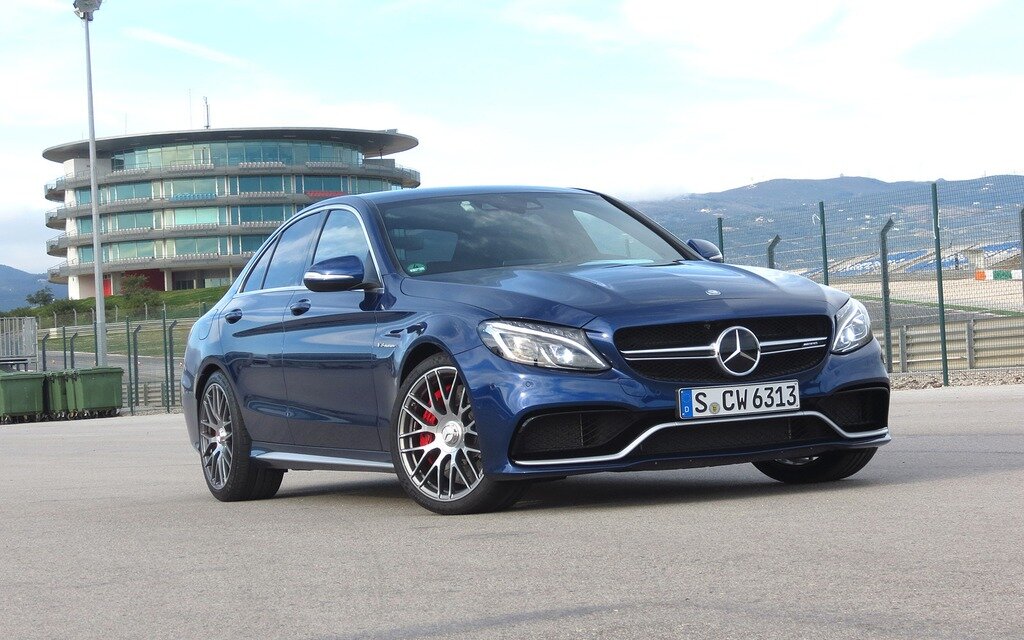
5. 2021 Mercedes-Benz C-Class
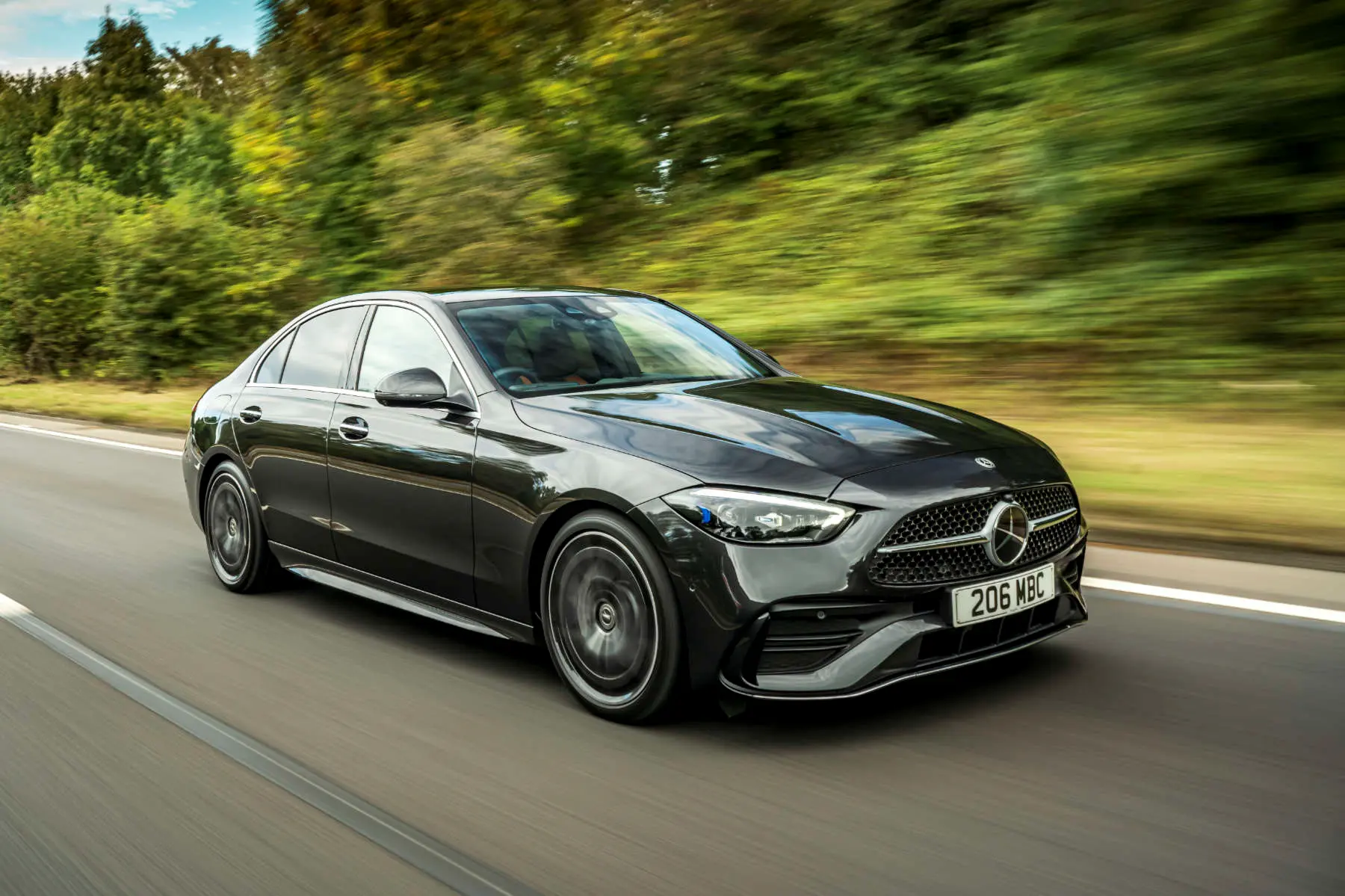
The 2021 Mercedes-Benz C-Class continues to carry the torch for the brand’s compact luxury lineup, though it is beginning to show its age compared to fresher rivals.
Now in its seventh model year since its 2015 redesign, the C-Class benefits from some notable updates, including a standard 12.3-inch digital driver display, heated front seats, and the addition of a new Night Edition package with blacked-out exterior accents.
Available as a sedan, coupe, or convertible, the C-Class provides buyers with versatility while retaining Mercedes’ reputation for build quality and craftsmanship.
Still, with newer infotainment systems in the smaller A-Class and larger E-Class, the C-Class feels slightly behind in terms of cutting-edge technology, even as it maintains its appeal as a traditional, well-rounded luxury car.
Performance in the 2021 C-Class, particularly the C 300, is both capable and refined. Its turbocharged four-cylinder engine delivers sufficient power, achieving 0–60 mph in 6.1 seconds, although it lags slightly behind competitors like the Audi A4 and BMW 330i.
The nine-speed automatic transmission shifts smoothly but hesitates in Comfort mode, while Sport mode sharpens response sometimes too much. Handling is excellent with the optional AMG sport suspension, giving the C-Class agility and confidence on curvy roads.
However, comfort suffers with this setup, especially when paired with 19-inch wheels. Ride quality feels overly firm, and the engine note becomes buzzy under acceleration, detracting from the otherwise luxurious driving experience. Still, for buyers prioritizing responsive handling over ultimate comfort, the C-Class delivers a satisfying balance.
Inside, the 2021 C-Class maintains the elegant and minimalist interior design that has defined the model. The center stack is clean and uncluttered, though the lack of physical buttons for certain features can be frustrating, as many functions are only accessible through the infotainment menus.
Up front, wide door openings and generous seat adjustments ensure comfort for drivers of all sizes, while entry and exit are easy thanks to the seating height. Rear passengers, however, will find less legroom and footroom than in some rivals.
Trunk capacity is modest at 12.6 cubic feet, making it smaller than competitors in its segment, though the low bumper height and wide opening improve usability. For families, child-seat installation is straightforward, though bulky rear-facing seats may prove difficult due to limited rear space.
Technology remains a strong point for the 2021 C-Class, with a 10.25-inch infotainment display offering crisp graphics and multiple control options, from steering wheel touchpads to a rotary dial and button setup.
The optional Burmester sound system provides excellent audio quality, while the available digital gauge cluster enhances usability by placing essential functions like navigation and media in direct view. Advanced driver-assistance features are available, though bundled as pricey extras.
Fuel economy for the C 300 with all-wheel drive is EPA-rated at 27 mpg combined, slightly trailing competitors, with real-world tests falling a bit short at 24 mpg. Pricing starts competitively, but options can push costs well into the $60,000 range.
Still, with outstanding build quality, solid safety, and the choice of multiple body styles, the 2021 Mercedes-Benz C-Class remains a compelling option for buyers seeking a traditional yet versatile luxury car.
Also Read: 5 Cars That Rarely Need Brake Pad Replacements vs. 5 That Burn Through Them
5 Mercedes-Benz C-Class Years That Don’t Last
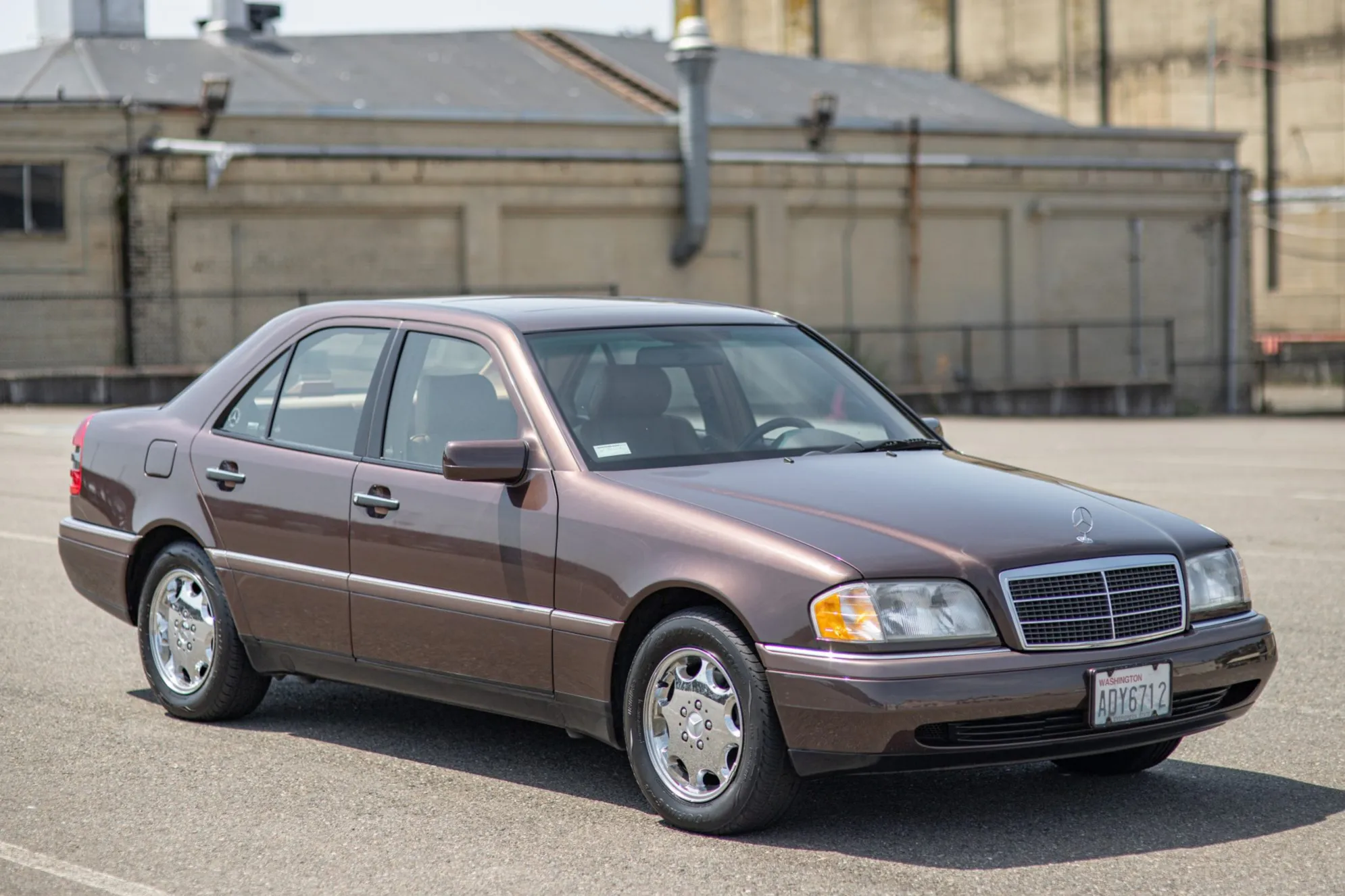
1. 1994 Mercedes-Benz C-Class: Aging Issues
The 1994 Mercedes-Benz C-Class, one of the earliest models in the lineup, shows its weaknesses primarily due to aging. Long-term sun exposure has caused cracking in the dashboard and wood trim, diminishing the car’s once luxurious appeal.
Another critical issue stems from the insulation surrounding the wiring harness, which deteriorates over time, leaving conductors exposed and potentially leading to electrical failures. Owners have also reported ignition lock and tumbler failures, often occurring in higher-mileage vehicles.
These problems require a complete replacement of the affected components, which can be costly. While the 1994 C-Class was well-regarded in its day, the model is now plagued by age-related wear and tear, making it a risky choice for buyers today.
The combination of aesthetic deterioration, electrical vulnerabilities, and mechanical failures highlights why this model year belongs among the least reliable C-Class options.
2. 2001 Mercedes-Benz C-Class: Mechanical and Electrical Failures
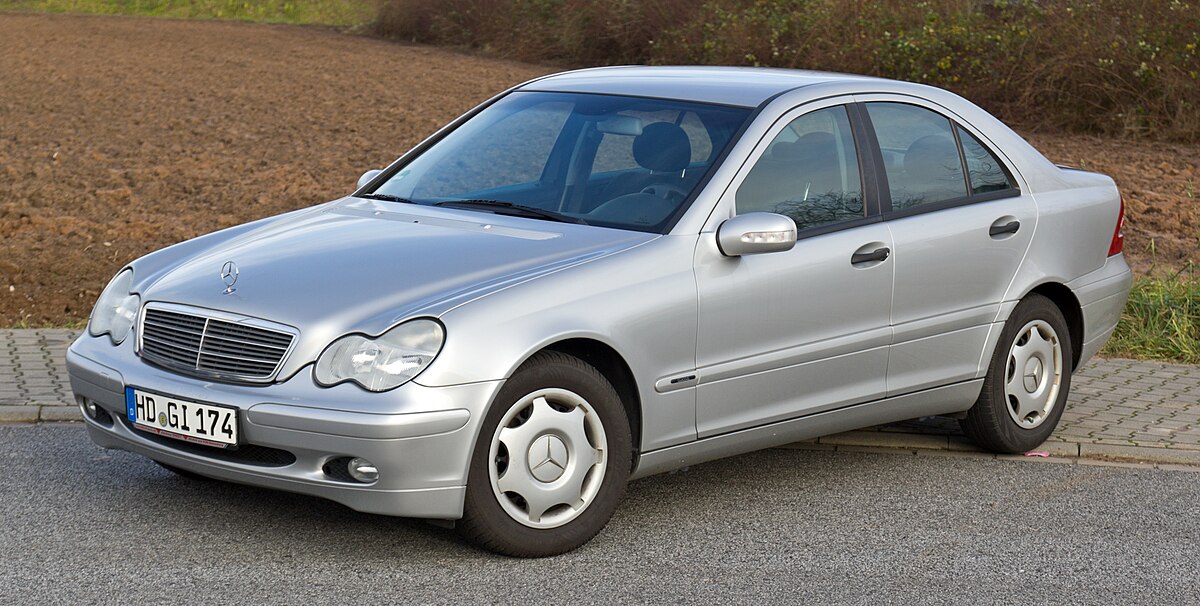
By 2001, Mercedes-Benz attempted to refine the C-Class, but this model year introduced its own set of frustrating problems. One of the most frequent complaints came from a broken stepper motor in the actuator arm, which caused a constant clicking noise from behind the dashboard.
Repairs required the disassembly of parts of the system, adding complexity and cost. Another common problem was with the seat control module, which, when damaged, could drain the car battery entirely, often triggered by something as simple as spilled liquid.
Performance issues also surfaced due to crankshaft position sensor failures, reducing engine efficiency and reliability. These failures not only impacted driving performance but also left owners facing unexpected repair bills.
The 2001 C-Class reflects a transitional stage in Mercedes engineering, where attempts at modern convenience systems brought more problems than benefits, leaving it with a reputation for unreliability in the long term.
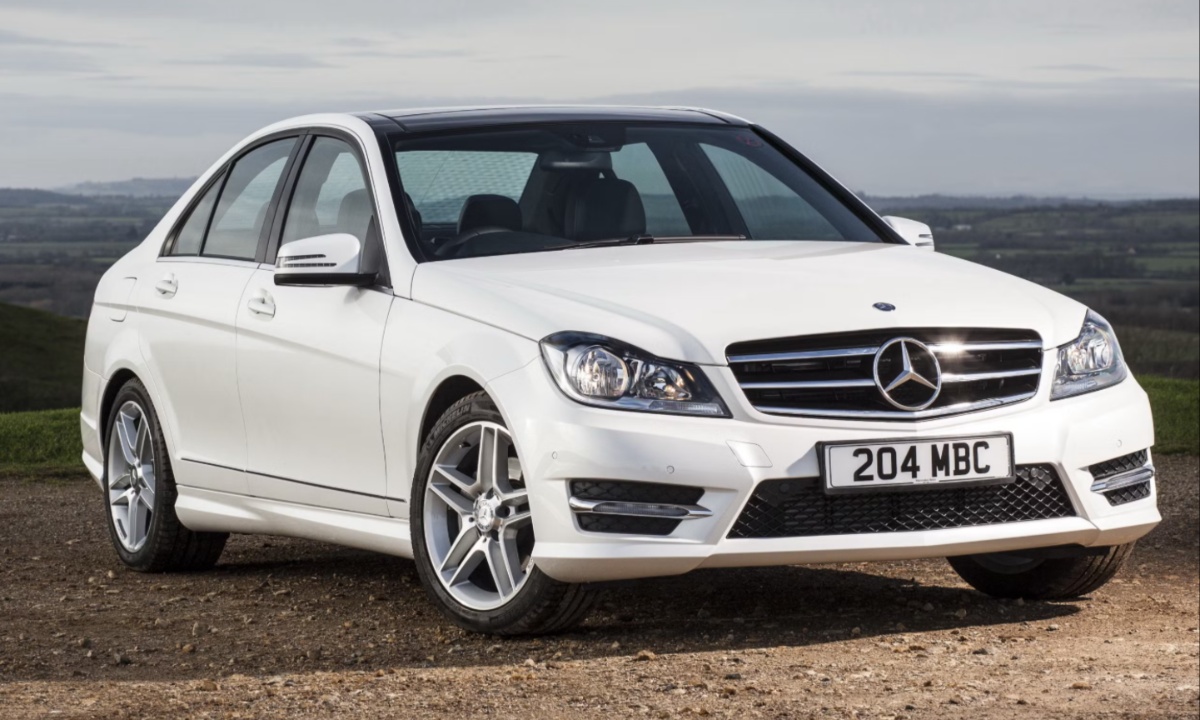
3. 2013 Mercedes-Benz C-Class: Engine and Hardware Concerns
The 2013 Mercedes-Benz C-Class marked another problematic year, with significant engine-related issues troubling many owners. Reports indicated frequent misfires caused by failing ignition coils and spark plugs, as well as complete engine shutdowns while driving, posing a serious safety risk.
Oil leaks were another major problem, leading to costly repairs and ongoing maintenance concerns. Beyond the engine, owners also faced problems with body hardware.
For example, some vehicles had doors that unexpectedly sprang open, while others experienced failures in the power driver’s seat, reducing comfort and convenience. These widespread problems highlight Mercedes’ struggles during this production year, as vehicles combined sophisticated systems with reliability shortcomings.
While the 2013 model still offered luxury and performance, its unpredictable engine behavior and hardware issues make it a year that buyers should approach with caution, especially considering the long-term repair costs associated with German engineering.
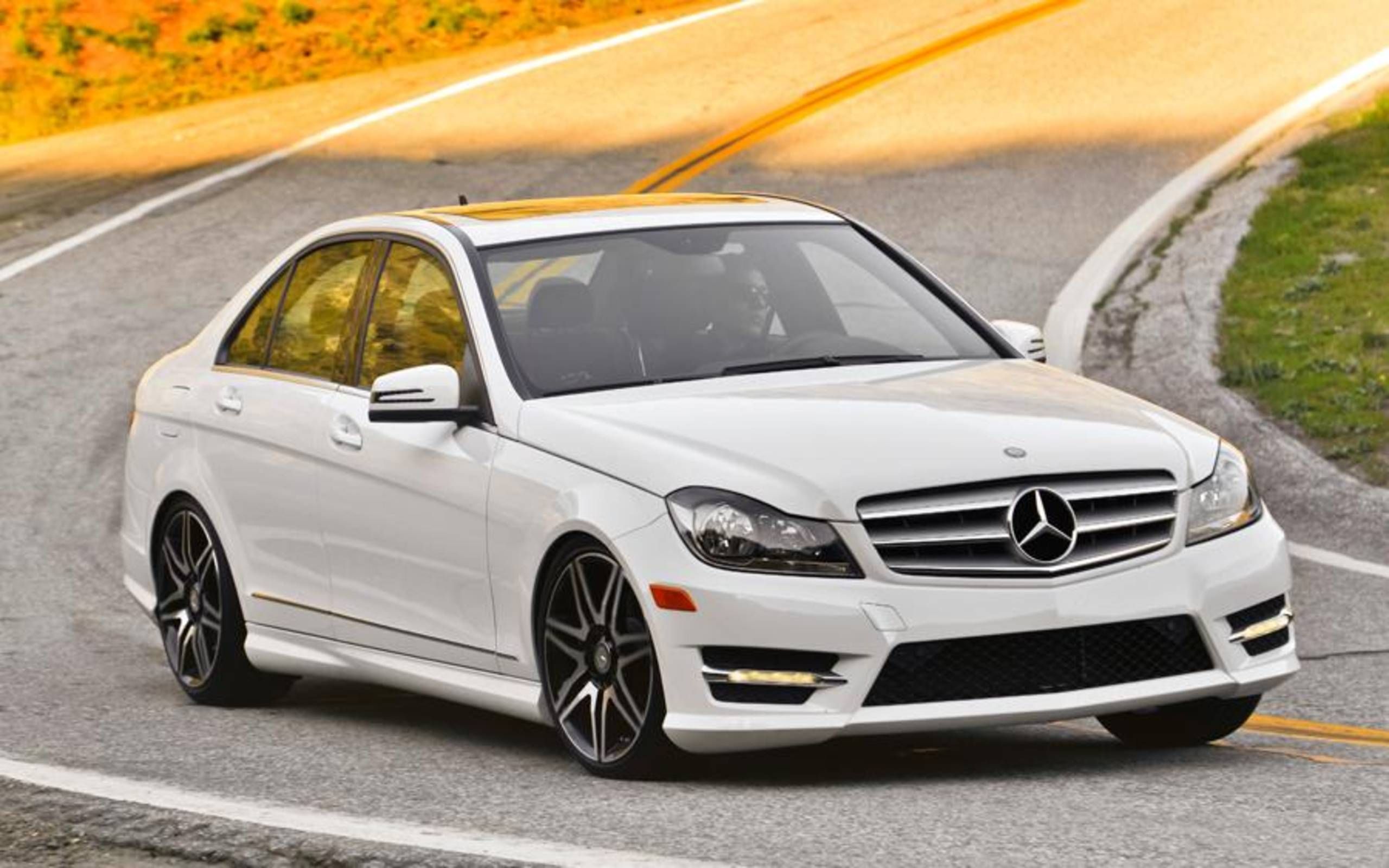
4. 2014 Mercedes-Benz C-Class: Cylinder and Climate System Problems
Although the 2014 Mercedes-Benz C-Class faced fewer issues than its predecessor, it still earned a spot among the less desirable years. The most significant problem involved cylinder head errors, which compromised engine performance and often required a complete engine refresh or costly repairs.
This kind of mechanical failure not only impacted driving reliability but also diminished owner confidence in the brand’s engineering. Another recurring issue was with the climate control system, particularly the air conditioning, which frequently failed to function properly.
Given Mercedes’ reputation for luxury and comfort, a malfunctioning climate system severely undercut the C-Class’ appeal.
While not as notoriously problematic as the 2013 version, the 2014 model year still presented enough recurring issues to make it one of the years to avoid. For buyers seeking a dependable entry into Mercedes ownership, later models with improved systems are typically a safer choice.
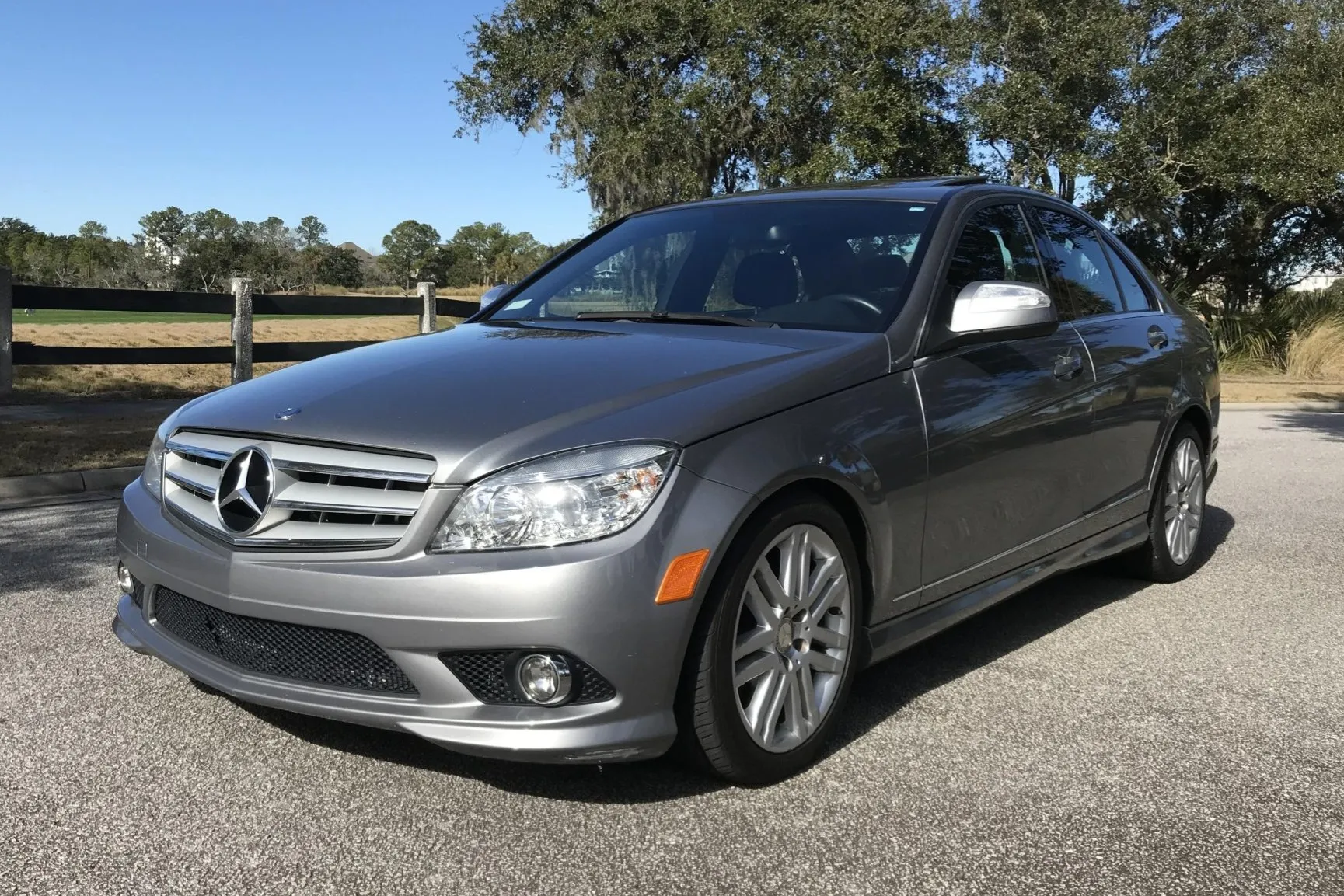
5. 2009 Mercedes-Benz C300: Steering and Structural Flaws
The 2009 Mercedes-Benz C300 serves as another cautionary tale within the C-Class lineup. Typically, a car that has been on the market for several years benefits from improved reliability, but in this case, the 2009 model actually experienced more issues than the 2008 version.
While electrical failures had largely been resolved, steering-related problems became more frequent, raising safety concerns. Even more troubling were reports of broken subframes, a structural failure that could compromise both safety and vehicle integrity.
Despite these issues, some buyers still find value in this model due to its low market price, with one example selling in 2024 for just over $8,000 on Bring a Trailer. However, the trade-off lies in balancing affordability against potential repair costs.
With eight recalls, 105 technical service bulletins, and three investigations logged, the 2009 C300 underscores why careful research is essential when considering older luxury vehicles.
Across recent model years, the Mercedes-Benz C-Class demonstrates a consistent commitment to quality, innovation, and driving enjoyment. Each iteration from the refined interiors of the 2016 and 2017 models to the tech-forward enhancements of 2018, 2019, and 2021 offers something unique for luxury enthusiasts, performance seekers, and everyday drivers alike. With a range of trims, body styles, and advanced safety features, the C-Class remains a versatile and appealing option in the competitive compact luxury segment. For those seeking a car that embodies elegance, engineering excellence, and driving pleasure, the Mercedes-Benz C-Class continues to stand as a benchmark of excellence
Also Read: 10 Cars With Tricky Seatbelt Buckles for Elderly Passengers