
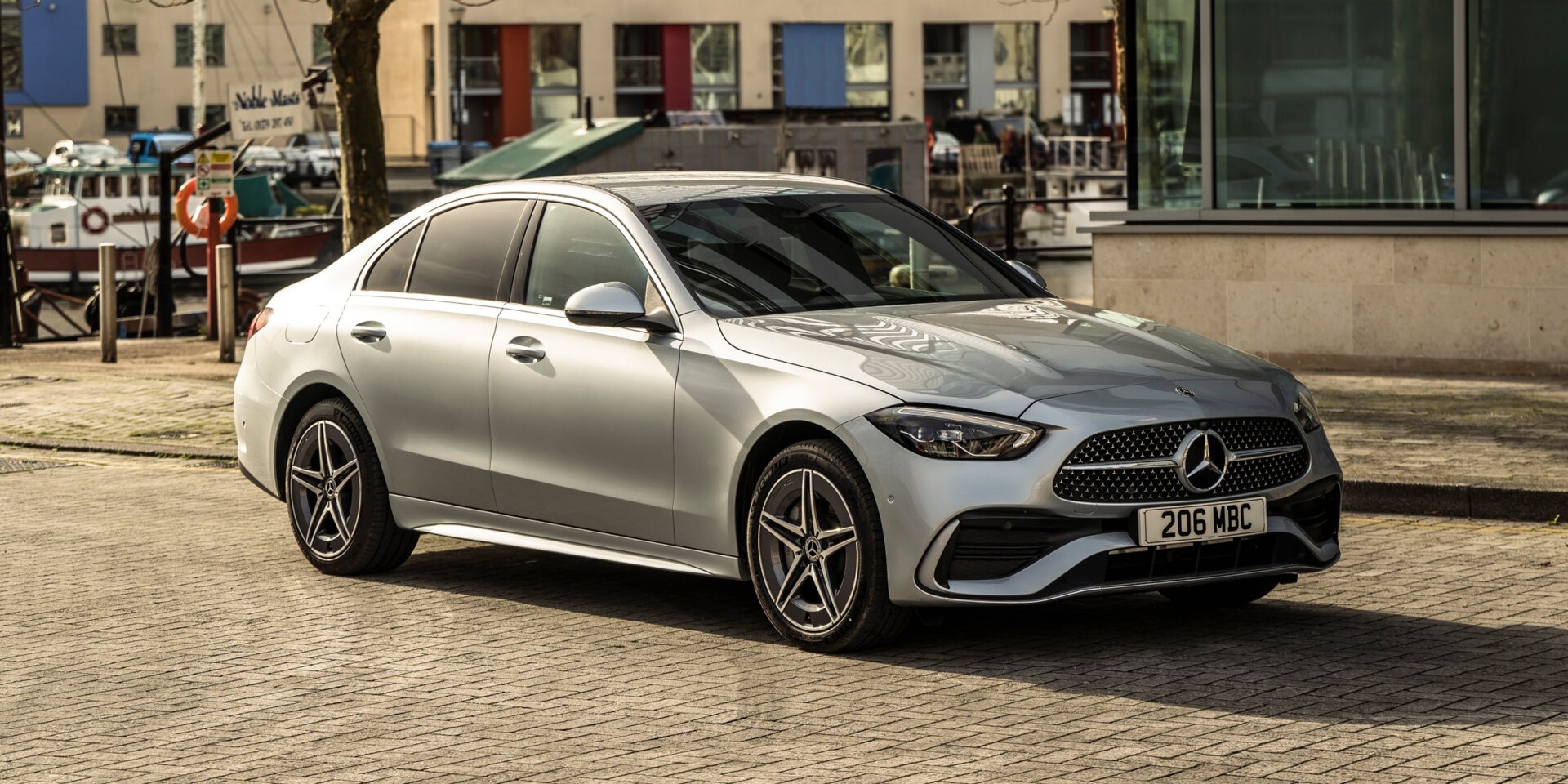
Many car enthusiasts desire their vehicles to stay useful far beyond what the average driver expects. For owners of the Mercedes C-Class, this desire is within reach because the car is built on a foundation of precision engineering, quality craftsmanship, and durable components that can continue to serve for decades if properly handled.
The truth about car longevity is that it is not only about the badge on the hood. A respected brand like Mercedes-Benz gives you a strong starting point, but the way an owner treats the car from the very first mile is what decides how long it lasts.
A C-Class that receives little care might struggle to reach 120,000 miles, while one that is given proper attention can comfortably go far beyond 200,000 miles and still deliver reliability and comfort.
Mercedes-Benz has gained recognition for combining luxury with durability. People buy these cars not just to enjoy comfort and prestige but also to hold on to an investment that can serve for many years. However, no investment maintains itself. Just as a house requires repairs and cleaning, and health requires exercise and medical care, a car demands maintenance.
It is not enough to polish the exterior or clean the leather seats; what really matters is the condition of the engine, transmission, suspension, cooling system, and electrical parts. The commitment to regular care decides if your C-Class will still drive smoothly after a decade or turn into a machine that constantly drains money on repairs.
There is also an emotional dimension to owning a car that remains dependable year after year. A well-preserved Mercedes C-Class provides peace of mind, comfort during long journeys, and confidence that the car will respond when needed.
Beyond the money saved from avoiding major repairs, there is pride in knowing that the vehicle has rewarded your discipline with lasting performance. Many drivers often develop a bond with such cars, appreciating how they age gracefully while continuing to provide value.
Right here, we will explain seven practical moves that can extend the service life of a Mercedes C-Class well beyond the 200,000-mile mark. None of these moves is are hidden secret. They are simple, proven habits that any responsible driver can adopt. What makes the difference is consistency and discipline.
By applying the following steps with patience and care, owners can keep their C-Class strong, dependable, and enjoyable to drive for many years. A Mercedes that receives proper care will not just last long but will also provide the comfort, prestige, and smooth driving experience that makes the brand respected across generations.

1. Consistent Oil Changes and Use of Proper Oil
One of the strongest foundations of a long-lasting Mercedes C-Class is making sure oil changes are done at the right time with the right oil type. The engine in this vehicle is designed with precision, and clean oil keeps it protected from friction and dirt build-up.
When oil is neglected, sludge can build up inside the engine, leading to overheating, rough performance, and even costly breakdowns. By sticking to an oil change routine, you reduce unnecessary wear and allow the car to run smoothly.
Mercedes recommends synthetic oil for its C-Class engines because it can withstand heat better than regular oil, and it flows more effectively in cold conditions. Using the correct grade of oil not only keeps the engine clean but also helps improve fuel economy.
It is also advisable to replace the oil filter during each change because a dirty filter can trap debris that would otherwise circulate back into the engine. The filter works hand in hand with the oil, so ignoring it reduces the quality of your maintenance.
Another benefit of consistent oil changes is that it allows you to spot other issues early. During an oil service, mechanics often check for leaks, unusual smells, or strange colors in the oil that could point to deeper problems. Many drivers who ignore oil maintenance later discover severe engine trouble that could have been prevented.
Some owners try to extend the time between oil changes to save money, but in the long run, it costs more because repairs for engine failure are far more expensive. Following the recommended schedule, usually every 7,500 to 10,000 miles, depending on driving conditions, makes a big difference. If you drive in heavy traffic often, or in areas with extreme weather, you may even need more frequent oil changes.
Another wise habit is to check oil levels manually between changes. Even with modern sensors, monitoring the dipstick can help you detect leaks or consumption problems early. For high-mileage Mercedes C-Class vehicles, slightly more frequent checks are useful. With this discipline, your Mercedes engine remains protected, smooth, and efficient, giving it the strength to exceed 200,000 miles.
2. Timely Replacement of Transmission Fluid and Filter
Another move that helps extend the life of a Mercedes C-Class is proper care of the transmission. The transmission is one of the most important parts of the car, and it controls how power is transferred from the engine to the wheels. If the transmission is neglected, the car may develop rough shifting, slipping, or even total failure, which is very costly to fix. To avoid these issues, the transmission fluid and filter must be replaced at the right intervals.
Transmission fluid works like the lifeblood of the system. It keeps the gears lubricated, reduces friction, and helps regulate temperature. As time goes on, the fluid can become dirty or lose its protective qualities, which increases wear.
A Mercedes C-Class usually benefits from a fluid change every 40,000 to 60,000 miles, though this can depend on the model year and driving habits. Using the right transmission fluid that Mercedes specifies is very important because using the wrong type can damage the system.
The filter inside the transmission also plays an important role. It traps small particles and keeps them from circulating inside the gearbox. If the filter becomes clogged, it restricts fluid flow and makes the transmission work harder, leading to overheating and poor performance. Changing both the fluid and filter at the same time provides the best result.
Another advantage of regular transmission service is that it can reveal problems before they become worse. A mechanic can notice if the fluid is unusually dark or smells burnt, which often signals internal wear. Fixing such issues early is far less expensive than rebuilding or replacing a transmission.
Driving style also plays a part in transmission life. Hard acceleration, towing, or frequent stop-and-go driving increases stress on the gearbox. By driving more smoothly and keeping up with maintenance, you reduce wear.
When a Mercedes C-Class owner follows these steps consistently, the transmission remains strong and reliable, even past 200,000 miles. Drivers who ignore transmission maintenance often face major repair bills that could have been avoided. Taking this preventive approach gives the car a smoother drive and extends its usable life.
Also Read: 5 Mercedes-Benz C-Class Years That Last vs 5 That Don’t
3. Cooling System Maintenance and Regular Coolant Changes
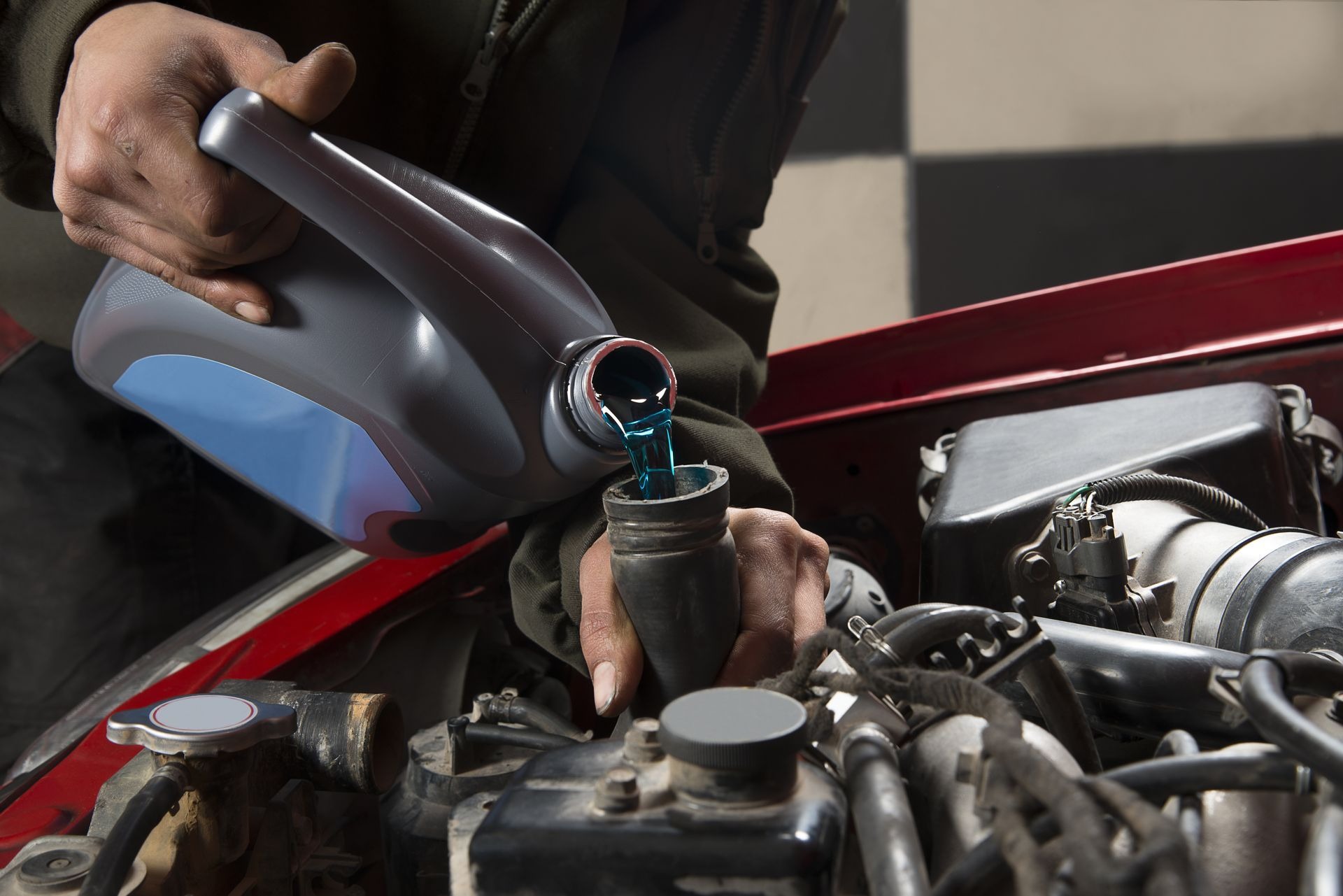
The cooling system of a Mercedes C-Class is another area that requires attention if you want the car to last beyond 200,000 miles. The engine produces a lot of heat while running, and without a working cooling system, it can quickly overheat and get damaged. The radiator, water pump, thermostat, and hoses all work together to keep the temperature stable, but coolant is the main fluid that carries away excess heat.
Coolant does more than just regulate temperature. It also prevents rust and corrosion inside the radiator and engine passages. As time goes on, coolant loses its protective strength, and if it is not replaced, it can cause blockages and leaks.
Mercedes cars generally need fresh coolant every 40,000 miles or every three years, though the exact timing may vary with driving conditions. Using the type of coolant recommended by Mercedes is very important because mixing different types can cause chemical reactions that damage the system.
Another part of cooling system maintenance is checking the radiator hoses and water pump. Hoses can weaken, swell, or crack, and a sudden leak can leave you stranded. The water pump, which circulates coolant through the system, also wears out eventually and may need replacement. Paying attention to warning signs like rising temperature gauges, coolant leaks, or strange noises can prevent major problems.
Some drivers ignore coolant service until the engine overheats, but by then the damage may already be severe. An overheated engine can lead to warped cylinder heads or blown gaskets, which are expensive to repair. Preventive care through regular coolant replacement and inspection of components makes the system last longer.
Another good habit is to flush the cooling system when replacing coolant, as this clears old deposits and improves circulation. With this care, the engine remains safe from heat damage and continues to deliver strong performance. A healthy cooling system is one of the strongest protections for reaching beyond 200,000 miles with your Mercedes C-Class.
4. Suspension and Steering Care
The suspension and steering system of a Mercedes C-Class not only provides comfort but also affects the safety and durability of the car. If these parts are ignored, the car may handle poorly and cause uneven tire wear, which shortens the lifespan of both the tires and suspension components. Keeping this system in good condition is another way to push your C-Class beyond 200,000 miles.
Suspension parts like struts, shocks, control arms, and bushings absorb road impacts and keep the car stable. When they wear out, the ride becomes rougher, and the car may bounce or lean too much during turns. Worn suspension also puts more stress on other parts of the car. Regular inspection and timely replacement of these components improve both comfort and longevity.
Steering components such as tie rods and ball joints also wear out gradually. If they fail, the car may pull to one side, develop vibrations, or lose precise handling. Catching these issues early through regular alignment checks and steering inspections prevents bigger problems. Wheel alignment is especially important because poor alignment causes uneven tire wear and reduces fuel efficiency.
Another factor is the condition of the power steering fluid in older C-Class models that use hydraulic systems. This fluid should be checked and replaced when dirty. For newer models with electronic steering, software updates and diagnostic checks help maintain accuracy.
Driving habits also influence suspension and steering life. Hitting potholes, curbs, or driving aggressively over speed bumps wears out parts faster. Being mindful of road conditions protects these systems.
A Mercedes C-Class is designed to handle smoothly, and keeping the suspension and steering system in shape preserves that luxury driving feel. When these parts are cared for, the stress on other areas of the car is reduced, making it easier for the vehicle to last past 200,000 miles.
5. Brake System Attention
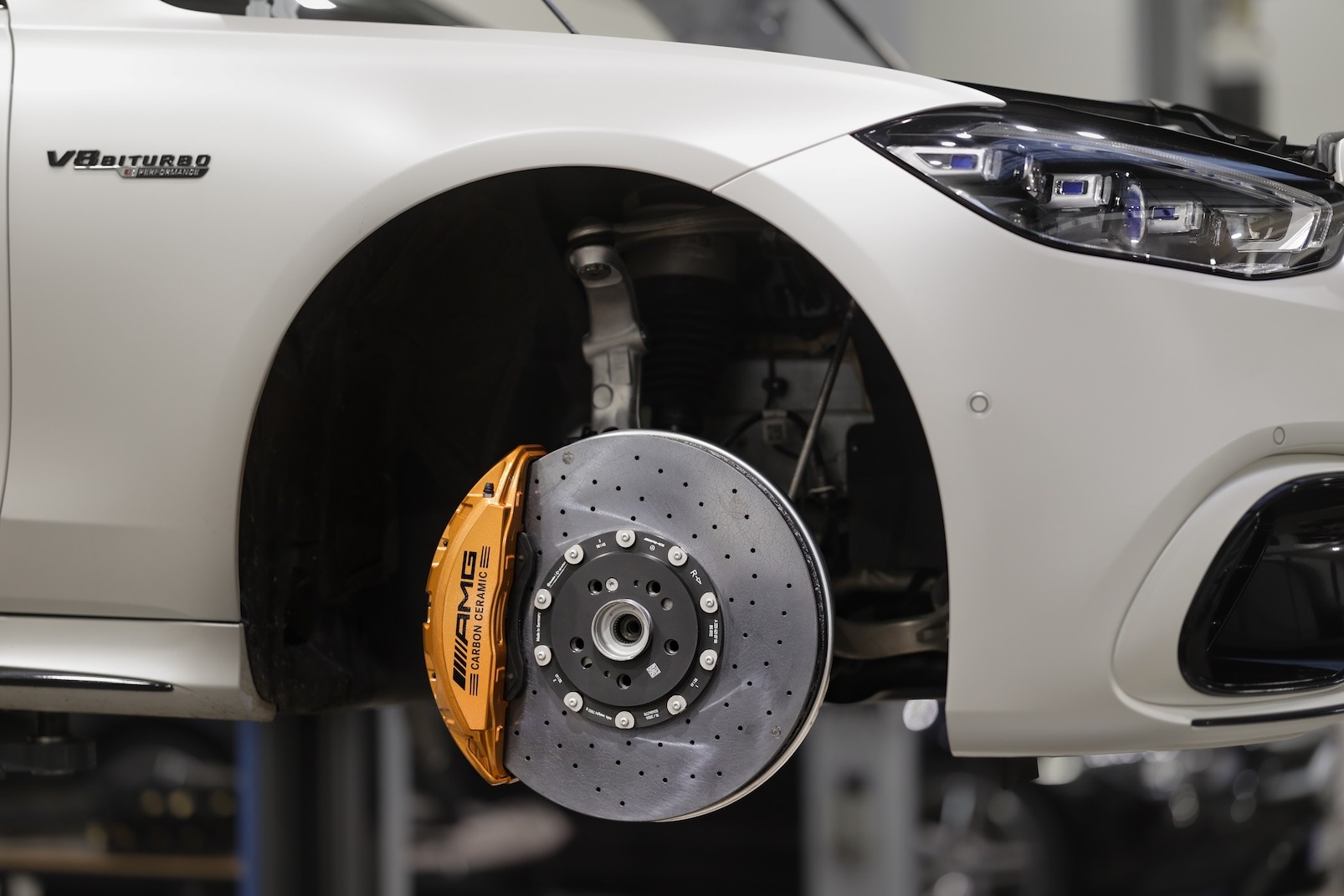
A Mercedes C-Class cannot achieve long service life or consistent performance without a strong and dependable brake system. Beyond safety, well-maintained brakes protect other parts of the car from unnecessary stress and play a major role in keeping the vehicle efficient for many years. The main parts that require attention include brake pads, rotors, brake fluid, and calipers, and each one has its own role in ensuring the system works as designed.
Brake pads are the most frequently replaced components because they wear down naturally with use. If ignored, worn pads can grind into the rotors, damaging them and creating a much more expensive repair. Replacing the pads early is always cheaper than replacing both pads and rotors later.
Mercedes models often come with sensors that alert drivers when pads are running low, but it is still important to have visual inspections during routine service. Rotors themselves do not last forever. They may need to be resurfaced to remove grooves or replaced completely if they become too thin or warped. Vibrations when pressing the brake pedal are often a sign that the rotors need attention.
Brake fluid is another part that deserves regular care. This fluid is responsible for transferring the force from the driver’s foot on the pedal to the brake calipers. As time goes on, brake fluid absorbs moisture from the air, which lowers its boiling point and reduces its strength.
Moisture also leads to corrosion inside the brake lines and calipers. Mercedes recommends replacing brake fluid every two years, and fresh fluid not only ensures stronger braking but also prevents hidden damage to the system. Calipers should not be ignored either.
Their job is to press the pads against the rotors to create the stopping force. If a caliper begins to stick or seize, it can cause uneven braking, pulling to one side, or overheating of the rotor and pad. Mechanics can detect caliper issues during regular brake inspections, and replacing a weak caliper early prevents greater damage later.
Driving habits also make a difference. Constant hard braking, riding the brakes downhill instead of using engine braking, and carrying heavy loads will wear out pads and rotors much faster. Practicing smoother, planned braking not only extends the life of the components but also provides a more comfortable driving experience.
When the braking system is kept in proper condition, drivers enjoy smoother stops, lower repair costs, and safer journeys. More importantly, reliable braking protects passengers, other road users, and the car itself. A Mercedes C-Class with a healthy brake system can maintain dependability for many years, making it easier to pass 200,000 miles without major problems.
6. Consistent Tire Care and Wheel Alignment
Tires are often overlooked when people think of car longevity, but they have a huge effect on how long a Mercedes C-Class lasts. Tires carry the entire weight of the car, and when they are in poor condition, they affect suspension, steering, fuel efficiency, and safety. Proper tire care, combined with regular wheel alignment, is a vital move for extending the lifespan of the car.
Checking tire pressure often is one of the simplest but most effective habits. Underinflated tires increase rolling resistance, which makes the engine work harder and wastes fuel. Overinflated tires wear unevenly and reduce grip on the road. By keeping tire pressure at the recommended level, you ensure better fuel economy, longer tire life, and smoother driving.
Tire rotation is another important step. By moving the tires around after every 5,000 to 7,000 miles, you prevent uneven wear. Front and rear tires carry different loads, so rotating them keeps wear balanced and helps them last longer. Balancing tires during rotation also prevents vibrations that stress suspension components.
Wheel alignment should not be ignored because misalignment causes uneven tire wear and poor handling. When a Mercedes C-Class is aligned correctly, it drives straight without pulling to one side, and the tires wear evenly. Poor alignment can reduce tire life drastically and strain the steering system.
Investing in quality tires is also wise because cheap ones wear faster and do not handle as well. Mercedes cars are designed for performance and comfort, so using good tires that match manufacturer recommendations makes a noticeable difference.
By giving consistent attention to tires and alignment, a Mercedes C-Class owner not only saves money on frequent replacements but also protects other parts of the car. These habits strongly support the goal of driving past 200,000 miles without major issues.
Also Read: 5 Mercedes With Lasting Quality vs 5 That Lose Their Shine Fast
7. Electrical System and Battery Care
The electrical system of a Mercedes C-Class is a backbone that supports both performance and comfort, and it should never be overlooked by any owner who desires long service life from the vehicle. Modern versions of the C-Class are designed with many electronic features that go far beyond basic driving.
The engine management system, safety equipment like airbags and ABS, advanced driver-assist programs, climate control, and even the infotainment unit all depend on a stable electrical system. Without proper attention, even a small fault in this area can create multiple failures that affect the entire driving experience.
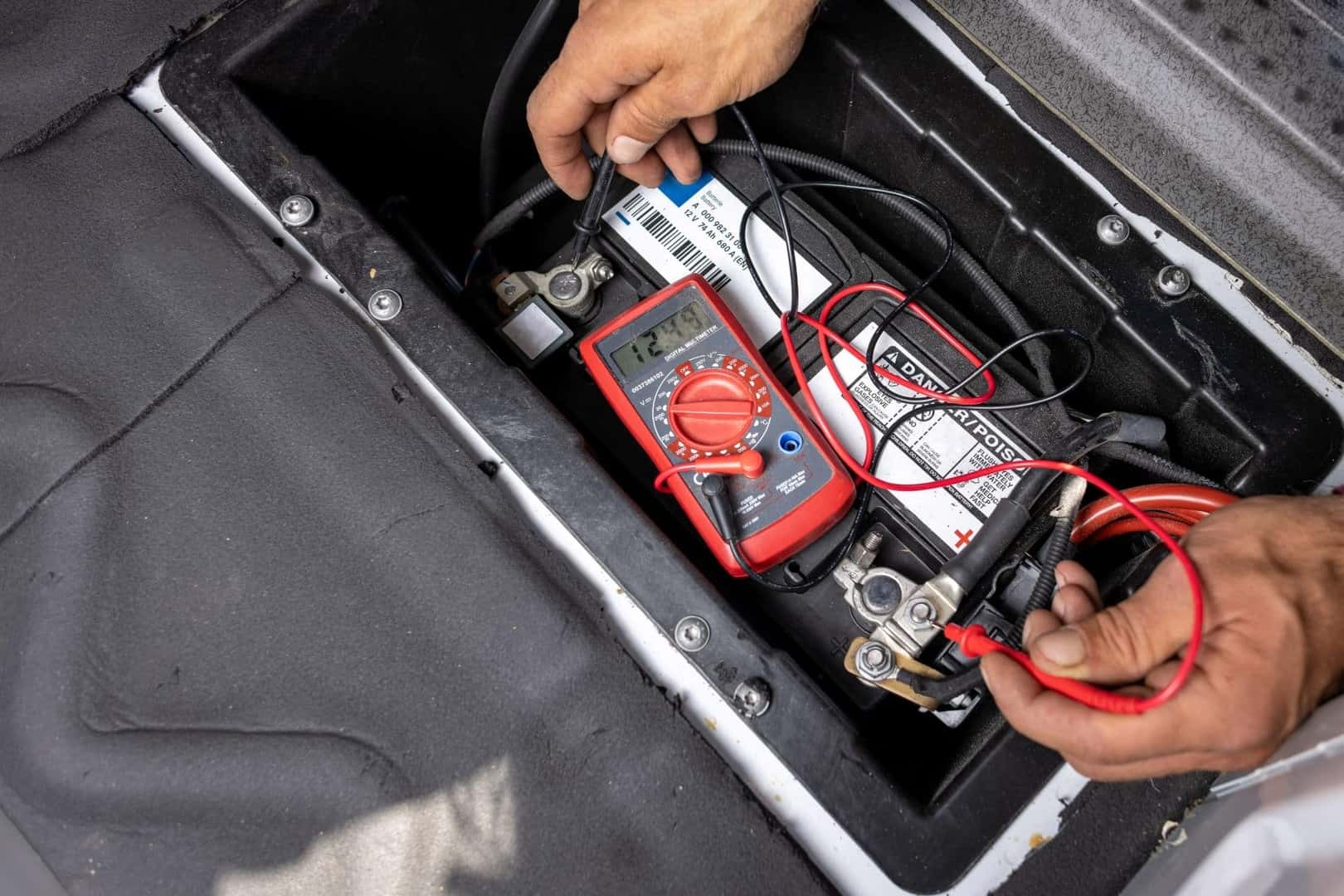
At the center of this system is the battery. Think of it as the heart that supplies the first burst of energy to start the engine and continues to support electronics when the car is not running. If the battery becomes weak, the vehicle may refuse to start, and more delicate electronics can also suffer damage from low or unstable voltage.
On average, a Mercedes battery performs well for four to six years, but conditions such as intense heat, cold, or frequent short journeys can shorten its life. To avoid surprises, it is wise to test the battery regularly, especially before long trips. Simple checks for corrosion around the terminals and ensuring tight, clean connections also prevent many common issues.
The alternator is another main component that deserves attention. It is responsible for recharging the battery while the car is running. A weak or failing alternator can slowly drain the battery and create problems with the car’s lighting, climate control, or engine management systems.
Mechanics can test alternator output during routine service, and catching weaknesses early prevents a sudden breakdown. Alongside the alternator, the condition of the wiring must be watched. Frayed wires, loose connections, or damaged insulation can interrupt signals or cause electrical shorts that are often difficult to trace. Regular inspection of wiring harnesses helps keep the system reliable.
Another layer of care involves software management. Many modern Mercedes models receive periodic software updates to enhance performance or correct glitches in electronic control units.
Owners who ignore these updates sometimes face issues that are not mechanical but electronic in nature. Visiting certified service centers for these updates ensures that all onboard systems remain aligned with factory standards.
Drivers must also take warning lights seriously. The dashboard indicators are designed to communicate problems early, whether related to battery charge, alternator output, or system errors. Some drivers dismiss these lights until the car stops working completely, but by then, the repair cost is usually higher.
Treating these warnings as early signals helps keep the C-Class in healthy condition. Caring for the electrical system is more than just convenience; it is about protecting the harmony between mechanical and electronic parts of the car.
A strong battery, efficient alternator, updated software, and clean wiring guarantee that the Mercedes C-Class will continue running smoothly long after passing 200,000 miles. This disciplined attention keeps the vehicle reliable, safe, and enjoyable for many years.
