
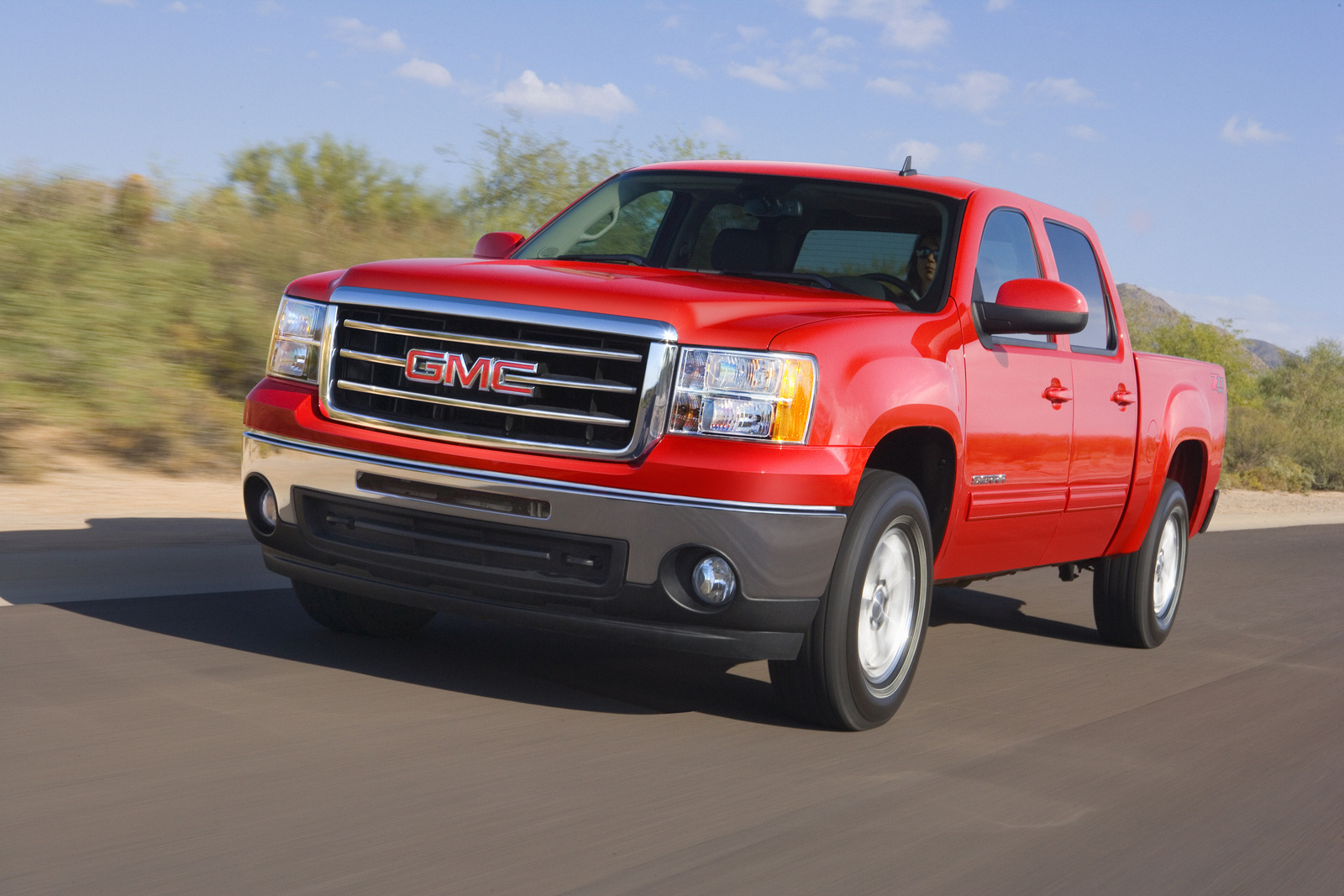
The GMC Sierra SLT has earned its reputation as one of the most dependable full-size pickups on the road. Known for strength, refined interiors, and consistent performance, it manages to strike a balance between being a workhorse and a comfortable daily driver.
Whether it’s hauling heavy loads, handling long highway trips, or managing everyday city commutes, the Sierra SLT is built to serve a variety of needs. However, like any machine with thousands of moving parts, its reliability will only last as long as it is cared for.
Owners who want to extend the vehicle’s life far beyond the average expectancy need more than just regular gas fill-ups and occasional oil changes. Long-lasting performance depends on consistent attention, proper maintenance, smart upgrades, and preventive measures.
Truck owners choose the Sierra SLT not just for its immediate power and appeal, but also for its potential to stay strong well into higher mileage numbers.
A well-maintained Sierra can surpass 200,000 miles without losing its edge, while poorly maintained ones can face costly repairs long before.
The difference lies in simple habits and fixes that seem minor in the short term but dramatically change the ownership experience in the long run.
Reliability is not a result of chance; it comes from dedicated upkeep, smart part replacements, careful inspections, and avoiding shortcuts that compromise performance.
This guide focuses on ten easy and practical fixes every Sierra SLT owner can carry out or schedule without too much technical hassle.
These fixes don’t require reinventing the way you look at truck ownership. Instead, they focus on the essentials engine health, transmission care, fluid checks, brake maintenance, tire management, electrical reliability, and prevention of corrosion.
Each adjustment contributes to keeping the Sierra SLT comfortable, safe, and durable for miles on end.
If you’re serious about getting the longest lifespan from your GMC Sierra SLT while reducing unexpected downtime and repair bills, the following ten tips are where you should start.
They combine preventive actions with smart upgrades, ensuring your truck continues to perform like the reliable machine it was designed to be.
Also Read: 10 Smart Moves That Extend a Nissan Kicks Road Life
Tip 1: Stay Consistent With Oil and Filter Changes
One of the most vital steps to keeping a GMC Sierra SLT reliable is committing to regular oil and filter changes.
The engine is the heart of your truck and the oil is its lifeblood. When the oil degrades, it loses the ability to lubricate moving parts properly, which leads to excess friction and early wear.
A modern Sierra SLT engine operates under high loads, making clean oil even more crucial. Choosing the right grade specified by GMC ensures that the lubrication system functions as designed. Skipping or delaying oil changes introduces dirt, carbon buildup, and sludge into the system, all of which shorten engine life.
Equally important is the oil filter. It traps harmful debris and prevents it from moving freely through engine channels. A neglected filter allows contaminants to circulate, damaging bearings and other sensitive components.
Replacing the filter at every oil change keeps the flow restricted only by design and never by clogging. Many owners focus on oil intervals but forget the filter, which is just as important.
The recommended interval for the Sierra SLT is generally between 5,000 and 7,500 miles, though frequent towing, heavy driving, or extreme temperatures justify shorter intervals.
For those who want maximum longevity, sticking to the shorter end of that range is wise. Synthetic oil is often the better choice since it resists breakdown under stress and keeps engine components cleaner.
Treat oil changes not just as scheduled maintenance but as a direct investment in preventing catastrophic issues like premature valve wear, lifter failure, or even total engine failure.
An affordable gallon of oil and a well-matched filter are much less costly than engine rebuilds or replacements. Owners who establish the habit of regular oil and filter maintenance give their Sierra SLT the foundation for reliability across hundreds of thousands of miles.
Tip 2: Maintain Transmission Health With Fluid Service
The transmission in your Sierra SLT is responsible for transferring engine power to the wheels smoothly. Its reliability depends heavily on fluid condition. Transmission fluid lubricates moving gears, controls temperature, and enables smooth shifting.
When the fluid becomes depleted or contaminated, the system works harder than intended, resulting in overheating, delayed shifts, or damage to internal components.
Unlike engine oil, transmission fluid is often overlooked because changes are less frequent. Ignoring it, however, is one of the surest ways to shorten the life of your truck.
A GMC Sierra SLT typically benefits from fluid checks around every 30,000 miles and full replacements at 50,000 to 60,000 miles, though conditions like towing, carrying heavy payloads, or stop-and-go city driving will make more frequent services necessary.
Old or burned fluid has a dark color and may carry a burnt odor. If inspections reveal degrading fluid, waiting longer only brings greater risk. Timely drain and refill processes restore smooth shifting and keep the transmission cooler under demanding conditions.
One step many owners neglect is replacing the transmission filter when applicable. A clogged filter strains the system and restricts flow, putting unnecessary stress on solenoids and clutches. Having both fluid and the filter serviced together extends system reliability drastically.
Owners may also consider installing a transmission cooler, especially if they tow often. Heat is the number one enemy of transmissions, and anything that helps bring down operating temperatures improves lifespan.
Checking fluid levels after long trips or workdays ensures there is no significant loss caused by leaks. Even small leaks left unresolved can lead to total system failure in a matter of weeks.
By making transmission health a priority, Sierra SLT owners reduce chances of costly rebuilds or replacements and ensure their truck remains dependable over the long haul.
Tip 3: Protect the Cooling System
The cooling system in your GMC Sierra SLT plays a vital role in keeping the engine from overheating. A well-functioning system ensures proper performance and prevents heat damage to important metal and plastic components.
Unfortunately, many owners underestimate its importance until issues like overheating, coolant leaks, or failed thermostats appear. By proactively maintaining this system, you ensure the truck handles long stretches of driving and heavy workloads without surprises.
Coolant is more than just water mixed with antifreeze; it prevents corrosion, lubricates internal seals, and regulates engine temperature. Over time, coolant becomes acidic and loses its effectiveness.
This opens the door to rust, pitted radiator surfaces, and clogged passages that block flow and cause overheating.
A complete coolant flush every 50,000 miles is one of the simplest steps to prevent bigger issues later. Always use the coolant type recommended by GMC to avoid imbalance in chemical protection.
Regular inspection of radiator hoses, clamps, and the water pump helps you catch leaks before they spiral into emergencies.
Small drips may seem harmless but lead to low coolant levels that can ruin the engine in minutes. A damaged thermostat or fan clutch also impacts consistency, so watch for surprising temperature gauge shifts.
Another reinforcement measure is cleaning the radiator and condenser periodically. Dirt, bugs, and debris clog fins and reduce airflow, raising operating temperatures. High-mileage trucks especially benefit from direct flushing of the radiator with a garden hose to restore efficiency.
By keeping the cooling system in excellent shape, your GMC Sierra SLT maintains stable performance even during towing, summer road trips, or city congestion.
Paying attention to coolant types, fluid intervals, and early leak detection ensures a long engine life and keeps costly head gasket or cylinder damage from ever surfacing.
Tip 4: Brakes Require Regular Care
The braking system directly influences safety and reliability in your GMC Sierra SLT. Whether you are hauling, commuting, or enjoying highway cruising, dependable brakes keep control predictable.
Allowing components to wear unchecked not only invites unsafe driving but also accelerates wear on rotors, calipers, and other expensive parts. A few routine practices can make brakes last significantly longer and remain effective in emergencies.
Brake pads are often the first item requiring replacement. Driving with worn pads allows metal-to-metal contact, carving grooves into rotors and making the repair bill several times higher.
Inspecting pads every 10,000 miles and replacing them before hitting the absolute wear limit prevents this. The Sierra SLT often experiences more brake wear if used for towing or in hilly areas, so shorter check intervals make sense in those cases.
Rotors also require attention. Warped or excessively thin rotors cause vibrations in the brake pedal and less effective stopping power. Resurfacing or replacement should not be delayed once symptoms appear.
Brake fluid, just like engine and transmission fluids, degrades over time. Absorbing water reduces its boiling point and leads to fading brakes during hard use. Changing the fluid every 30,000 to 40,000 miles keeps hydraulic performance consistent.
Owners should not forget about the parking brake, which can seize when unused for long periods. A light monthly application keeps cables flexible. Calipers and lines should also be inspected for leaks or corrosion during routine service appointments.
By investing in timely brake care, Sierra SLT drivers extend the effectiveness of their vehicle’s most important safety system. Reliable stopping ability not only keeps the truck in good condition, it also protects passengers and payload.
Tip 5: Electrical System Checks Secure Dependability
A modern pickup like the GMC Sierra SLT carries significant electrical responsibilities. From engine control modules to infotainment systems, dependable electricity keeps everything running smoothly.
Small problems left unchecked in the electrical system can spiral into larger reliability issues. Taking preventative steps ensures both daily performance and ease of starting the truck in any condition.
The battery is a first point of focus. Testing the charge at least once a year helps reveal a weakening unit before it fails. Corrosion on terminals reduces conductivity and can prevent the truck from starting.
Regularly cleaning and securing connections avoids unnecessary headaches. Replacing a weak battery before winter or long trips avoids breakdowns at inconvenient times.
The alternator is responsible for keeping the battery charged. If your Sierra shows dim headlights, slow accessory performance, or difficulty recharging the battery, professional inspection may be required.
Preventing alternator failure is easier than dealing with the downtime it causes. Similarly, checking fuses and relays prevents minor electrical faults from disabling major systems.
Wiring harnesses deserve attention because vibration and heat can wear or crack insulation over time.
Securing loose connections and using dielectric grease on electrical contacts keeps the flow reliable. High humidity or water exposure can cause shorts, so inspecting for moisture in sensitive areas is wise.
Routine attention to bulbs, sensors, and switches also prevents complications that affect performance or safety.
Many modern engine functions depend on accurate sensor data. Cleaning or replacing a faulty mass airflow or oxygen sensor restores efficiency and prevents rough running.
By treating the Sierra SLT’s electrical reliability as seriously as its mechanical systems, owners create a truck that is consistently ready for every assignment, from early morning commutes to intensive towing tasks.
Tip 6: Tire Care Extends Longevity and Safety
Tires are often underestimated when it comes to vehicle reliability. Yet, on a GMC Sierra SLT, they directly influence handling, braking, fuel economy, and overall ride comfort.
Worn or poorly inflated tires increase stress on suspension components and reduce driver confidence. Maintaining tire health consistently is one of the simplest ways to gain more reliability without spending much.
One key step is monitoring tire pressure. Underinflated tires build up extra heat, damaging sidewalls and increasing the risk of blowouts. Overinflation makes the ride harsh and reduces contact with the road surface, leading to uneven tread wear.
A quick monthly check with a digital gauge prevents these issues. Tire pressure should also be adjusted seasonally since air density changes in hot and cold weather.
Rotation is just as important. The Sierra SLT, being a truck that may carry uneven loads, often sees front and rear tires wearing at different rates. Rotating every 6,000 to 8,000 miles ensures even wear across all four, extending their usable life.
Balance and alignment also deserve attention. If the steering wheel vibrates or the truck drifts to one side, these issues could shorten tire life and strain steering parts. Professional balancing and alignment keep driving smooth and predictable.
Additionally, checking tread depth keeps safety uncompromised. Tires with insufficient tread struggle on wet surfaces and may hydroplane easily. A simple tread depth gauge or the penny test offers a quick solution at home.

Finally, investing in quality tires matching GMC’s recommended specifications avoids unexpected problems.
Cheaper alternatives may save money upfront but wear faster or compromise safety. Since tires are the truck’s only contact with the road, keeping them in the best condition possible is crucial for both short-term performance and long-term reliability.
Tip 7: Suspension and Steering Attention
The suspension system of a GMC Sierra SLT ensures comfort while tackling tough jobs. It absorbs road shocks, supports heavy towing, and provides stability.
However, neglecting it eventually leads to poor handling, uneven tire wear, and disconnected steering feel. Routine care of suspension and steering is a critical factor for keeping the Sierra dependable over the years.
Shocks and struts are primary components that take daily punishment. When worn, they cause excessive bouncing, reduced tire grip, and longer braking distances.
Replacing them at signs of leakage, unusual noises, or uneven ride feel keeps the truck stable. Ball joints, bushings, and control arms also need examination during routine services, since they handle constant vibration and stress.
The steering system, particularly on trucks frequently used for towing, endures additional loads. Checking tie rods and steering racks for play prevents wandering or unresponsive steering.
Replacing worn parts immediately returns precision to handling and prevents dangerous scenarios. Power steering fluid should also be inspected regularly and changed if discolored, because degraded fluid strains pumps and seals.
One often-ignored aspect is wheel alignment. When suspension parts wear or when major bumps are encountered, alignment gets disrupted.
Misalignment causes tires to scrub, reduces fuel efficiency, and increases driver fatigue. An annual professional alignment adds years to suspension life.
Lubrication of points where applicable helps prevent squeaks and wear. Keeping an ear out for clunks, rattling, or popping noises during slow turns helps spot early failures.
Regular suspension and steering checks make driving smoother, reduce wear on connected parts, and restore trust in the Sierra SLT’s ability to carry heavy workloads or navigate long road trips.
Addressing issues immediately turns what might have escalated into thousands in repair costs into manageable routine maintenance.
Tip 8: Rust Prevention Protects Body and Frame
Rust is one of the silent threats to long-term reliability for the GMC Sierra SLT. Even the most advanced mechanical care won’t matter if the frame and body panels are eaten away by corrosion.
Trucks frequently exposed to wet conditions, salted winter roads, or coastal air are especially vulnerable. Implementing consistent rust-prevention habits is key to keeping the Sierra strong for decades.
It starts with regular washes, particularly undercarriage rinsing. Road salt sticks to metal surfaces and accelerates corrosion, so spraying it off after winter drives should be routine. Hand-washing wheel wells and rocker panels can stop rust spots before they grow.
Waxing the paint twice a year adds a barrier against moisture and harmful contaminants. For hidden areas, applying rust-proofing sprays or professional undercoating treatments adds years of protection.
Many owners select drip oil spraying for inside door panels, frame rails, and underbody areas that are prone to rust traps.
Draining water from bed drains and keeping the truck bed clean also prevent accumulation that leads to corrosion. Installing bed liners or mats adds another protective layer, though they should be lifted periodically to check for trapped moisture.
Inspecting the frame regularly is critical. Surface rust can be treated with wire brushing and rust converter sprays before it escalates to structural weakening.
Catching these early saves both safety and resale value. For trucks frequently towing or hauling heavy cargo, the frame bears even more importance, since stress cracks combined with corrosion multiply risks.
Rust prevention doesn’t require complicated routines but does require discipline. With a proactive approach, the Sierra SLT can remain solid, strong, and visually appealing, avoiding the fate many trucks suffer when corrosion eats away their reliability from underneath.
Tip 9: Regular Fuel System Maintenance
The fuel system is essential for the Sierra SLT’s performance and dependability. If neglected, problems such as hard starts, poor fuel economy, and sluggish acceleration become common. Keeping this system in proper shape not only secures reliability but also ensures optimal power for towing and hauling duties.
Fuel filters are the first line of defense against impurities. Over time, dust, dirt, and particles clog filters, restricting flow and putting stress on the fuel pump.
Replacing them at regular intervals avoids pump overheating and costly breakdowns. For owners driving in dusty areas or frequently using biofuels, shorter change intervals are smart.
Fuel injectors also require attention. Deposits build up on injector nozzles, altering spray patterns and reducing combustion efficiency.
Using high-quality fuel keeps buildup minimal, but occasional fuel injector cleaner additives can help dissolve deposits. For trucks showing misfires or hesitation, professional injector cleaning may restore smoothness.
The fuel pump itself should not be ignored. Listening for unusual whining sounds can indicate it is under stress. Combined with a clogged filter, a failing pump quickly sidelines the truck. Ensuring adequate fuel levels (not habitually running near empty) extends pump life as the fuel also cools it.
Checking lines for cracks or leaks prevents both performance loss and safety risks. Fuel pressure testing during maintenance appointments ensures the system is delivering properly to the injectors.
Together, these steps guarantee the Sierra SLT consistently achieves strong power delivery, steady fuel economy, and fewer repair surprises.
Tip 10: Stick to Scheduled Maintenance and Records
The last and most comprehensive fix for keeping a GMC Sierra SLT reliable is commitment to a proper maintenance schedule.
Trucks that last well beyond 200,000 miles almost always have one thing in common: consistent upkeep according to factory recommendations and careful record-keeping.
Scheduled maintenance isn’t just about oil changes. It includes monitoring all fluids, spark plugs, belts, filters, brakes, suspension, and beyond.
GMC service intervals exist for a reason they acknowledge the wear patterns of components under normal use. When followed correctly, they prevent sudden breakdowns and extend lifespan.

Creating a personal schedule or using service reminders through the truck’s built-in systems ensures nothing slips through the cracks. Even small jobs like replacing cabin air filters contribute to overall dependability by protecting HVAC systems and ensuring passenger comfort.
Equally important is documenting everything. Retaining receipts, mileage logs, and service details helps owners know exactly what has been addressed, what is due, and what parts were used.
This record system isn’t only valuable for personal tracking; it also raises resale value when the time comes to upgrade, since potential buyers see proof of consistent care.
Owners should also establish a relationship with a trusted service center or reliable mechanic. Having professionals familiar with the Sierra SLT ensures accuracy in diagnostics and quicker resolution of problems. Preventive replacements, like belts and hoses before they fail, keep downtime to a minimum.
By treating scheduled maintenance as part of ownership rather than an inconvenience, Sierra SLT drivers secure peace of mind. It guarantees the truck remains a reliable workhorse for years to come instead of an unpredictable expense waiting to happen.
Also Read: 10 Hacks That Keep a Honda Element Reliable Forever
