
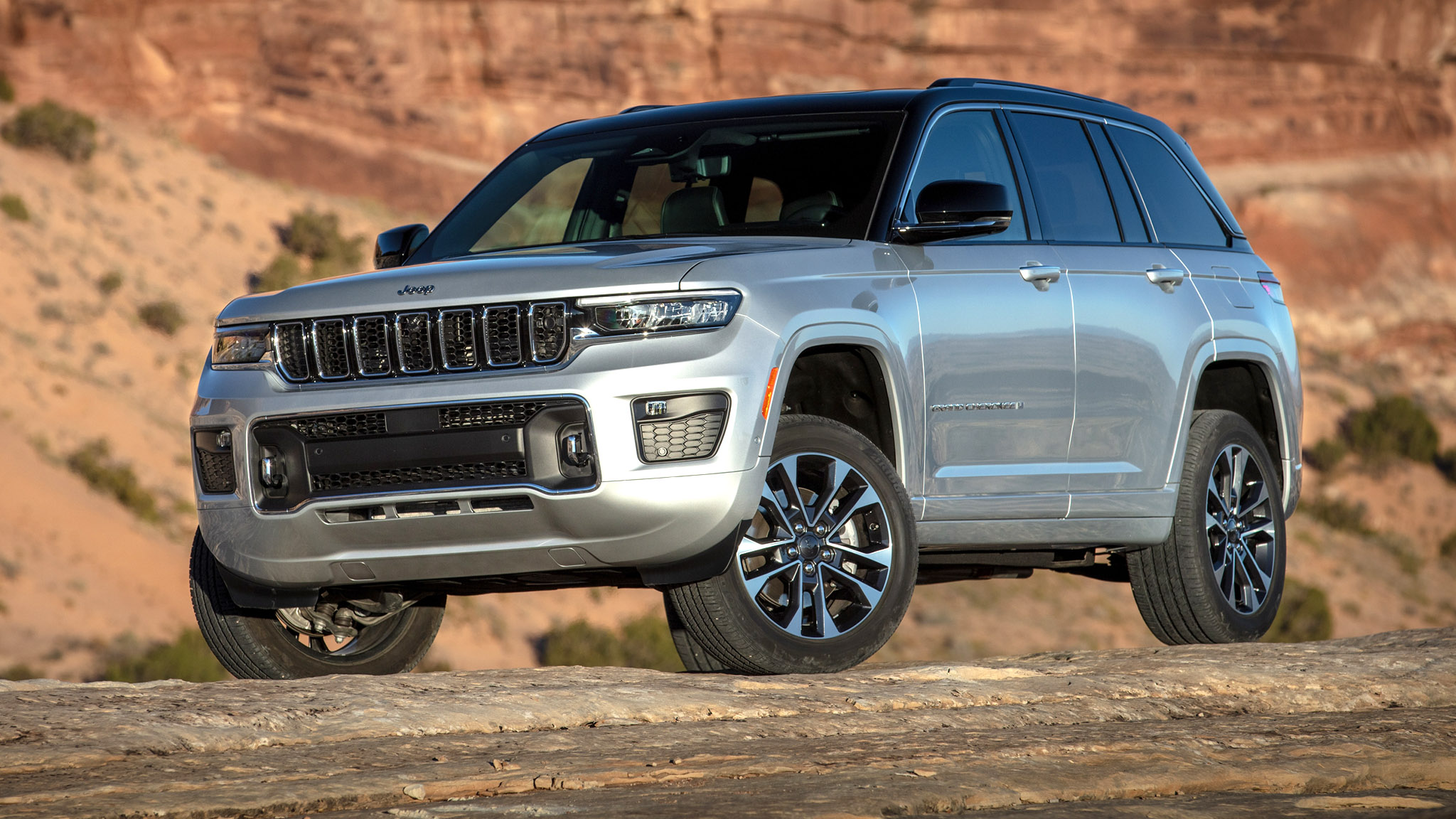
The Jeep Cherokee Overland has long been admired for its blend of rugged capability and everyday usability.
It manages to balance premium comfort features with a design that remains true to Jeep’s off-road heritage, making it appeal to those who want refinement without giving up confidence on rough terrain.
However, despite its strengths, many owners unknowingly shorten the life of their Cherokee Overland by overlooking key aspects of maintenance, care, and driving habits.
A vehicle with such diverse abilities demands more attention than a typical commuter car, and small oversights can eventually turn into costly damage that jeopardizes reliability.
Owners often focus on the stylish appearance, advanced technology, or smooth highway manners while unintentionally neglecting the unseen components that keep the vehicle running.
Transmission care, fluid health, suspension upkeep, and electrical system monitoring are all examples of areas where mistakes are commonly made. Even routine checks that seem unimportant can have lasting impacts if ignored over time.
The Overland trim of the Cherokee is a capable yet complex machine that carries more advanced systems compared to lower trims, which makes consistent attention even more necessary.
What often catches drivers by surprise is how quickly overlooked issues build up. A small coolant leak ignored for months can lead to overheating, while skipped software updates might result in unnecessary electrical problems.
Similarly, neglecting tire care or suspension components can affect both off-road confidence and on-road safety. This guide highlights nine common oversights that can dramatically shorten the life of a Jeep Cherokee Overland.
Each section takes a close look at why the mistake happens, what kind of damage it may cause, and how owners can prevent these problems with consistent maintenance and awareness behind the wheel. Proper knowledge and timely care ensure the vehicle continues to perform at its best both on the road and off it.
Also Read: 9 Steps That Drain a GMC Envoy’s Resale Value
1. Neglecting Regular Oil Changes
One of the most damaging habits an owner of a Jeep Cherokee Overland can develop is ignoring timely oil changes. The engine serves as the heart of the vehicle, and engine oil is like its lifeblood.
It keeps components lubricated, minimizes friction, reduces excess heat, and pushes away contaminants that naturally accumulate during driving. Once oil deteriorates or runs too low, those protective qualities diminish extremely fast.
As a result, the metal surfaces inside the engine begin grinding against each other, leading to long-term damage that is often irreparable without a costly rebuild or replacement.
The Cherokee Overland’s engine is tuned for smooth yet powerful performance, and that trait is achieved by finely engineered parts working together under precise conditions.
Old or insufficient oil disrupts these conditions, increasing wear on pistons, bearings, and valve components. Overheating may follow, because degraded oil no longer transfers heat efficiently.
Many owners assume that stretching oil changes by a few thousand extra miles will not cause harm, but modern vehicles, including the Overland, rely on oils engineered with specific lifespans. Waiting too long between changes can trigger sludge buildup, blocked oil passages, and in severe cases, total engine failure.
Besides protecting the mechanical parts, fresh oil improves fuel efficiency and maintains optimal performance. Skipping this simple step eventually results in expensive repair bills far exceeding the modest price of timely oil service.
Owners should check their manual for the correct oil grade and recommended change intervals, as neglecting these details will likely shorten the life of the engine.
By committing to a strict maintenance schedule and checking oil levels regularly, Cherokee Overland owners avoid one of the most preventable mistakes that can destroy an otherwise strong and reliable vehicle.
2. Ignoring Transmission Maintenance
The transmission of the Jeep Cherokee Overland is another critical piece of engineering that requires careful attention, yet many drivers overlook its upkeep.
Since modern transmissions are largely automatic and smooth in everyday driving, owners often assume they will last without much effort. This assumption can be disastrous because once transmission problems begin, they are usually difficult and expensive to fix.
The automatic transmission in the Cherokee Overland makes shifting seamless and ensures torque is delivered effectively in both on-road and off-road situations. But this system depends heavily on clean, high-quality transmission fluid.
The fluid not only lubricates the moving parts but also helps with cooling and hydraulic pressure. When fluid becomes dirty, overheated, or runs low, friction increases between gears and clutches, causing early wear. Eventually, this leads to issues such as slipping between gears, harsh shifts, or complete transmission failure.
Many drivers mistakenly believe transmission fluid lasts the lifetime of the vehicle. While some manufacturers market certain fluids as “fill for life,” the reality is that any fluid exposed to high heat, pressure, and contaminants will degrade with time.
Jeep Cherokee Overland owners who regularly tow, drive off-road, or handle stop-and-go city traffic put even more stress on their transmission, making fluid checks and scheduled service more critical.
Neglecting this system means risking astronomical repair costs, since modern automatic transmissions are complex and rarely affordable to replace.
The smart approach is preventive care where a fluid exchange or flush is performed at the recommended interval, along with filter replacement if required.
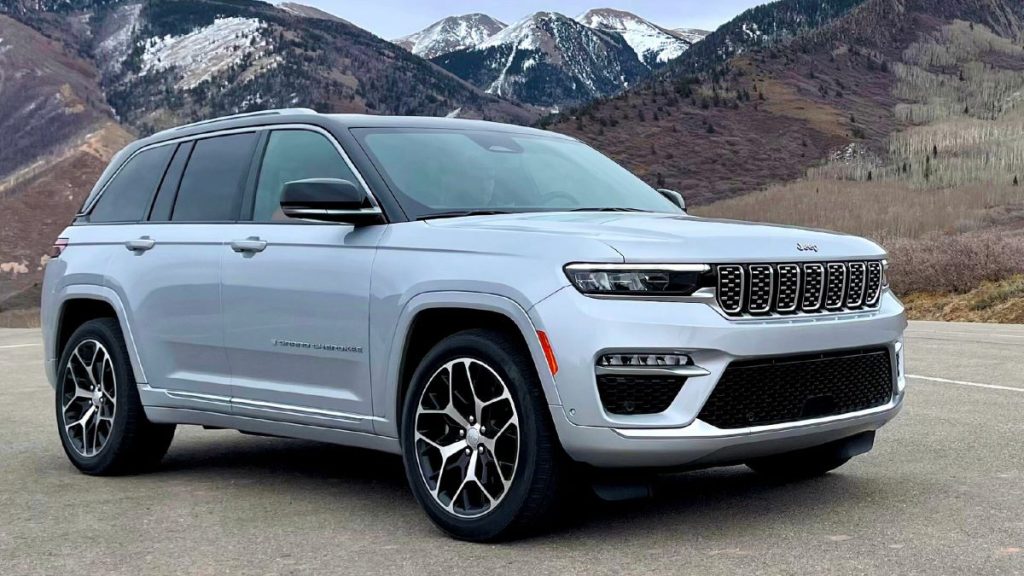
Listening for warning signs such as delayed engagement when shifting from park to drive, shuddering during acceleration, or any burning smell is also essential.
Addressing transmission care early ensures smooth operation and preserves the long-term reliability of the Cherokee Overland.
3. Overlooking Cooling System Health
A highly overlooked maintenance requirement in a Jeep Cherokee Overland is monitoring the cooling system. Engines generate extreme heat, and without an effective cooling circuit, the temperature would quickly climb beyond safe limits.
The system includes the radiator, thermostat, hoses, water pump, and coolant itself. Any weakness in this chain of components can push the engine into an overheating situation that risks permanent internal damage.
Many Cherokee Overland owners drive comfortably in highway traffic or use their SUV for adventures where steep climbs and heavy loads test the cooling system harder than city driving. These situations demand reliable temperature control.
However, drivers often fail to check coolant levels regularly, leading to low fluid or contaminated coolant circulating through the engine.
Over time, coolant degrades and loses the additives that prevent corrosion and scaling within the radiator. Ignoring flushes and fluid replacements may eventually cause clogs, leaks, or reduced heat transfer.
Some assume a quick top-up with water is an acceptable solution when coolant is low. That mistake drastically undermines the system’s efficiency, since antifreeze mixtures are specially formulated for maintaining correct boiling points, freezing resistance, and corrosion protection.
Another overlooked point is hoses and clamps, which wear down and can burst without warning. Even one burst hose can drain coolant instantly, leaving the vehicle stranded and the engine at serious risk of overheating.
When the cooling system fails, damage is not limited to the engine. The Cherokee’s heater, transmission cooler, and other systems depend on proper coolant circulation as well.
Preventing problems is straightforward: schedule periodic coolant flushes, inspect the radiator and hoses, and replace the thermostat or water pump at the intervals suggested in the service schedule.
With this consistent attention, Jeep Cherokee Overland owners can avoid one of the deadliest oversights that shorten vehicle life.
4. Skipping Tire and Alignment Checks
Tires are the only contact point between the Jeep Cherokee Overland and the surface it drives on, yet many owners underestimate the importance of monitoring them. Tires influence traction, braking capability, fuel economy, comfort, and even the lifespan of suspension parts.
With a vehicle like the Cherokee Overland, which is often expected to transition between paved highways and rough trails, tire care is absolutely crucial.
Ignoring regular rotation, alignment, or pressure checks will almost always result in uneven wear. Unevenly worn tires reduce grip, making handling unpredictable in both wet and dry conditions.
Many owners dismiss small vibrations or pulling while steering, not realizing those signs indicate improper alignment or imbalance. Driving long distances with such issues increases wear on steering and suspension components while adding stress on the tires themselves.
Eventually, this may lead to blowouts or a complete loss of control, especially at higher speeds.
Another common mistake is disregarding tire pressure. Maintaining the manufacturer-recommended pressure ensures the right contact patch with the road. Underinflated tires overheat, reduce fuel efficiency, and wear faster along the edges.
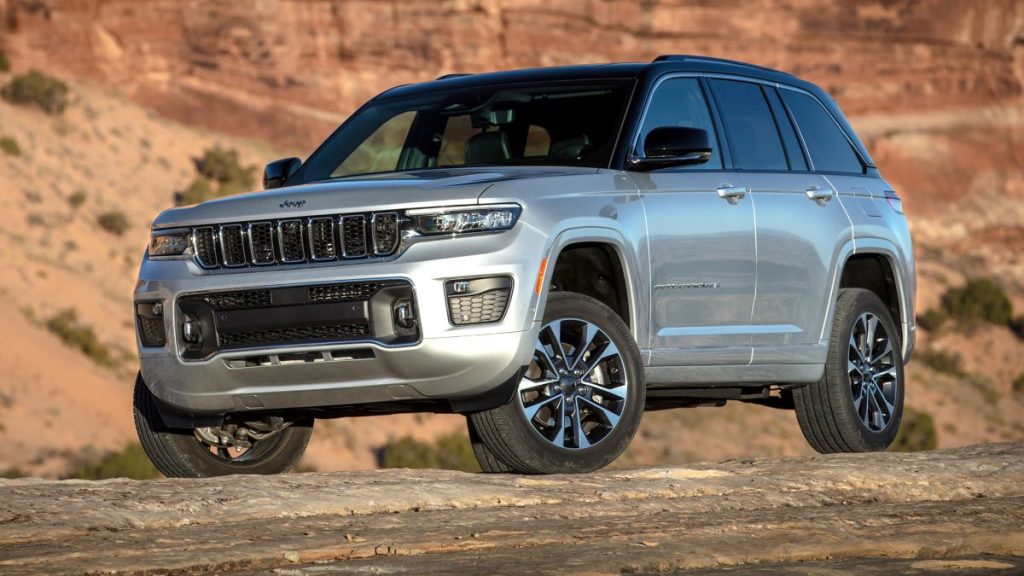
Overinflated tires, on the other hand, compromise comfort, wear unevenly in the center, and limit traction because less rubber touches the road surface. The risks multiply if the Overland is used for off-road excursions without returning the tires to correct pressure afterward.
Rotating tires at the proper mileage, maintaining balance, and checking alignment after hitting potholes or driving long off-road sessions can extend both tire life and vehicle dependability.
It also prevents steering and suspension parts from struggling unnecessarily against uneven forces. Tire attention is one of the simplest forms of preventive care, yet it carries enormous weight in preserving both safety and vehicle longevity. Neglecting it is a quick way to reduce the dependable nature of a Jeep Cherokee Overland.
5. Forgetting Suspension and Shock Maintenance
The suspension system of the Jeep Cherokee Overland is designed to do more than soften the ride. It keeps the tires firmly planted, stabilizes the vehicle through corners, and protects passengers from the jittery effects of rough terrain.
Because the Overland trim is expected to perform off-road just as confidently as it does on highways, the suspension takes significant strain throughout its life.
Owners who overlook this system during routine maintenance risk damaging comfort, safety, and the SUV’s structural health.
Suspension components such as shocks, struts, control arms, and bushings all encounter constant motion and pressure. Over time, shocks lose their ability to dampen road irregularities, resulting in bouncy rides and reduced control.
Worn bushings allow for excessive play in steering, while weak struts can make braking distances longer because tire contact is inconsistent. What many owners miss is that suspension wear develops slowly and can feel normal until the degradation becomes severe.
Some Cherokee Overland owners also focus so heavily on engine or fluid maintenance that they completely miss visible suspension issues like leaking shocks, uneven tire wear caused by weakened struts, or clunking noises from loose joints.
Ignoring these signs does more than create discomfort. It taxes other vehicle systems, including wheel bearings, tires, and steering parts.
Leaving these problems unchecked can eventually lead to failure in critical areas while driving at high speed, creating safety concerns that outweigh repair costs.
Preventive care for the suspension involves regular visual inspections, listening for abnormal noises, and scheduling professional evaluations if symptoms become noticeable. Road tests after hitting potholes, hauling heavy loads, or off-road travel are especially wise.
By maintaining suspension parts in top condition, owners ensure the Cherokee Overland continues to perform confidently both on highways and trails. Suspensions that are neglected for too long take away all the balance and luxury this trim is built to deliver.
6. Overloading the Vehicle
Another oversight that shortens the lifespan of a Jeep Cherokee Overland is consistently overloading it. As a midsize SUV, the Cherokee has a defined payload and towing capacity determined by the manufacturer.
Exceeding these figures forces the suspension, engine, transmission, brakes, and even the cooling system to work beyond their intended limits. While occasional overloading may not cause immediate breakdowns, repeated stress dramatically increases wear and tear.
Owners often underestimate how quickly weight adds up. Luggage, aftermarket accessories, roof-mounted cargo systems, and passengers all contribute to overall load. When the combined weight surpasses the rated maximum, handling suffers noticeably.
Steering becomes heavier, braking distances extend, and suspension parts are placed under severe strain. Over time, shocks, control arms, and bushings wear out prematurely, while tires wear rapidly from carrying greater loads than designed.
Towing incorrectly is another misstep. Many drivers attach trailers or boats that exceed safe towing limits. This overload puts massive strain on the transmission and engine while demanding more from the cooling system.
Hills and long-distance travel worsen the stress, often leading to early breakdowns in critical mechanical systems. The braking system also becomes less effective when pressed to stop loads heavier than intended.
One mistake made by a surprising number of Cherokee Overland owners is ignoring roof-load restrictions. While roof racks extend storage convenience, adding excessive weight above the vehicle centerline destabilizes handling and raises rollover risk during sharp turns or sudden maneuvers.
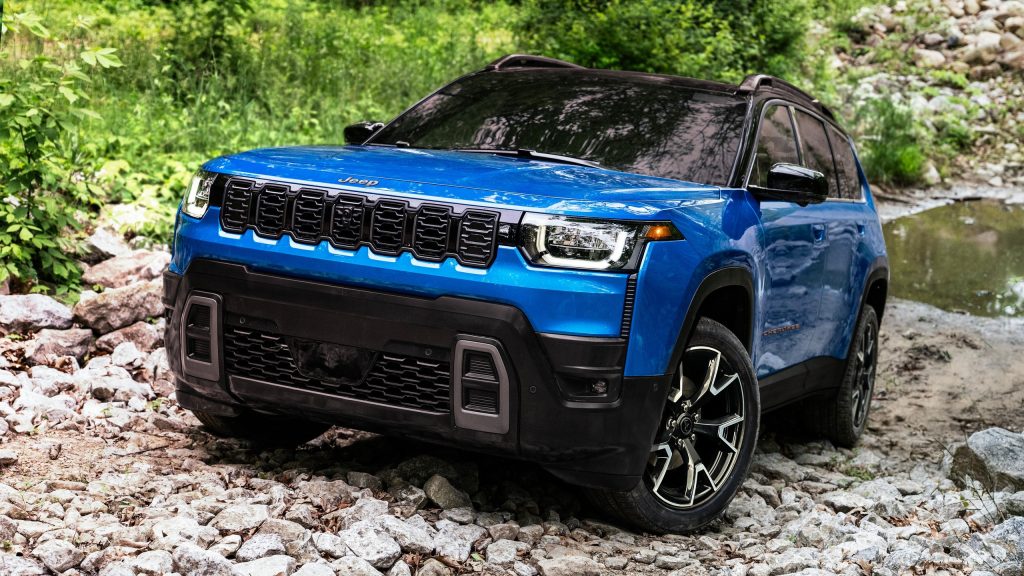
The solution lies in consistently respecting the payload guidelines in the owner’s manual. By measuring cargo realistically and re-evaluating towing demands, owners can prevent countless repair issues later.
Packing smarter, spreading weight properly, and investing in trailers rated within Jeep’s specifications ensures the Overland performs at its best while avoiding dangerous wear from excess load. Respecting limits is less about restrictions and more about keeping the vehicle reliable for years to come.
7. Disregarding Electrical System Issues
Modern vehicles such as the Jeep Cherokee Overland rely heavily on electrical systems. Engines, infotainment, safety features, and even comfort functions depend on a complex web of sensors, wiring, and computer modules.
Despite this importance, electrical issues are often dismissed by owners until they escalate into significant problems. A warning light ignored for weeks or flickering headlights assumed to be a minor annoyance can lead directly to expensive repairs.
Battery health is one of the first areas that gets neglected. The battery powers not only the starter but also dozens of electronic systems when the engine is not running.
Heat, cold, and age all weaken a battery’s reliability, yet many owners only act once the SUV refuses to start. Allowing a weak battery to linger stresses other components like the alternator, which struggles to constantly recharge it.
Another issue comes from ignoring faulty wiring or malfunctioning sensors. These small problems can create a ripple effect across interconnected modules. For example, a failed oxygen sensor may trigger fuel mixture issues, harming both performance and emissions.
Similarly, corroded connectors can damage advanced safety systems or disable off-road assist features unique to the Overland trim.
Some electrical symptoms appear harmless, such as momentary glitches in infotainment or sporadic error codes. But dismissing these as software quirks can mask larger issues. With electronic complexity rising every model year, it is vital to correct electrical weaknesses early.
Regular battery checks, prompt replacement before failure, and periodic inspections of connections and charging systems help reduce risk.
Owners should also stay current with manufacturer-released software updates because these often strengthen reliability and correct coding errors.
Electrical attention is not just about creature comforts. Ignoring small faults here risks complete operational breakdowns.
By treating electrical glitches as real problems instead of background noise, Cherokee Overland owners protect performance, safety, and vehicle longevity.
8. Postponing Brake Maintenance
The braking system forms the most direct link between driver control and safety, yet it is one of the most underrated areas of vehicle care. In the Jeep Cherokee Overland, which is heavier and often subjected to off-road or towing demands, brakes endure more stress than in smaller commuter cars.
Failing to maintain them properly not only compromises safety but also pushes the SUV toward avoidable mechanical failures that shorten its functional life span.
Brake pads and rotors gradually wear away through friction, and signs such as squealing noises, vibrations under braking, or longer stopping distances should never be dismissed.
Some owners underestimate these symptoms and continue driving until braking force becomes dangerously low. This practice risks scoring the rotors irreversibly, forcing both pads and rotors into premature replacement.
Another common oversight lies in neglecting brake fluid. Many assume this fluid never needs attention, but it absorbs moisture over time, lowering performance and encouraging corrosion within the system.
Old brake fluid can cause soft pedal feel or even partial system failure. Because the Cherokee Overland is built with advanced safety features that depend on proper braking response, overlooked fluid maintenance undermines not only mechanical dependability but also driver assistance technology.
Failing brake calipers and worn hoses also contribute to declining brake efficiency. Spotting leaks early and replacing weakened components prevents chain reactions that lead to full system failure.
Owners who tow with their Cherokee Overland add more pressure to the brakes, making routine checks even more critical.
Brake inspections should occur at least once a year, with fluid replaced at the recommended interval. Addressing wear promptly avoids sky-high costs and keeps the driving experience safe and predictable.
Allowing brake care to slide demonstrates one of the easiest yet most destructive oversights, capable of ending both safety confidence and long-term functionality of the Jeep Cherokee Overland.
9. Ignoring Software and Tech Updates
The Jeep Cherokee Overland comes equipped with advanced technology ranging from infotainment systems to driver assistance features. These are no longer isolated modules but linked electronic networks monitored and controlled by central computers.
Despite this, many owners dismiss the importance of software updates. Unlike traditional oil changes or fluid checks, updates may not seem physically necessary, yet ignoring them creates long-lasting consequences.
Updates often carry bug fixes, improved compatibility, and refinements that help systems communicate more effectively.
For instance, navigation upgrades ensure maps remain accurate for trips, while safety-related patches enhance driver-assist features like adaptive cruise or lane monitoring.
Skipping updates risks using outdated coding, which can create glitches or failures that interrupt driving comfort and safety.
Additionally, skipped software updates often affect efficiency. Engine control modules receive revisions that optimize fuel delivery, shifting logic, or cooling fan activation.
Relying on old versions might mean higher fuel use, harsher shifts, or overheating problems not caused by mechanical flaws but by outdated instructions sent by computers.
Security is another angle that owners rarely think about. As vehicles become more connected through wireless services, they also become more vulnerable to electronic interference.
Updates typically reinforce system defenses. Ignoring them leaves the Cherokee Overland at risk of exploitation, especially through infotainment units connected to smartphones and the internet.
Even minor glitches left unresolved may compound into greater costs. A flickering screen or inconsistent Bluetooth connection may appear small, yet letting the software degrade often frustrates drivers more over time. Eventually, repairing system components becomes necessary simply because small patches were skipped.
The best preventive measure is committing to regular dealer visits or checking for manufacturer alerts. Scheduling updates ensures the Cherokee Overland operates at peak software potential, enhancing both long-term reliability and daily convenience.
Ignoring this responsibility underestimates the growing role technology plays in modern vehicles and can rapidly drag down a high-performing SUV.
Also Read: 9 Common Mistakes That Kill a Chevy Avalanche Fast
