
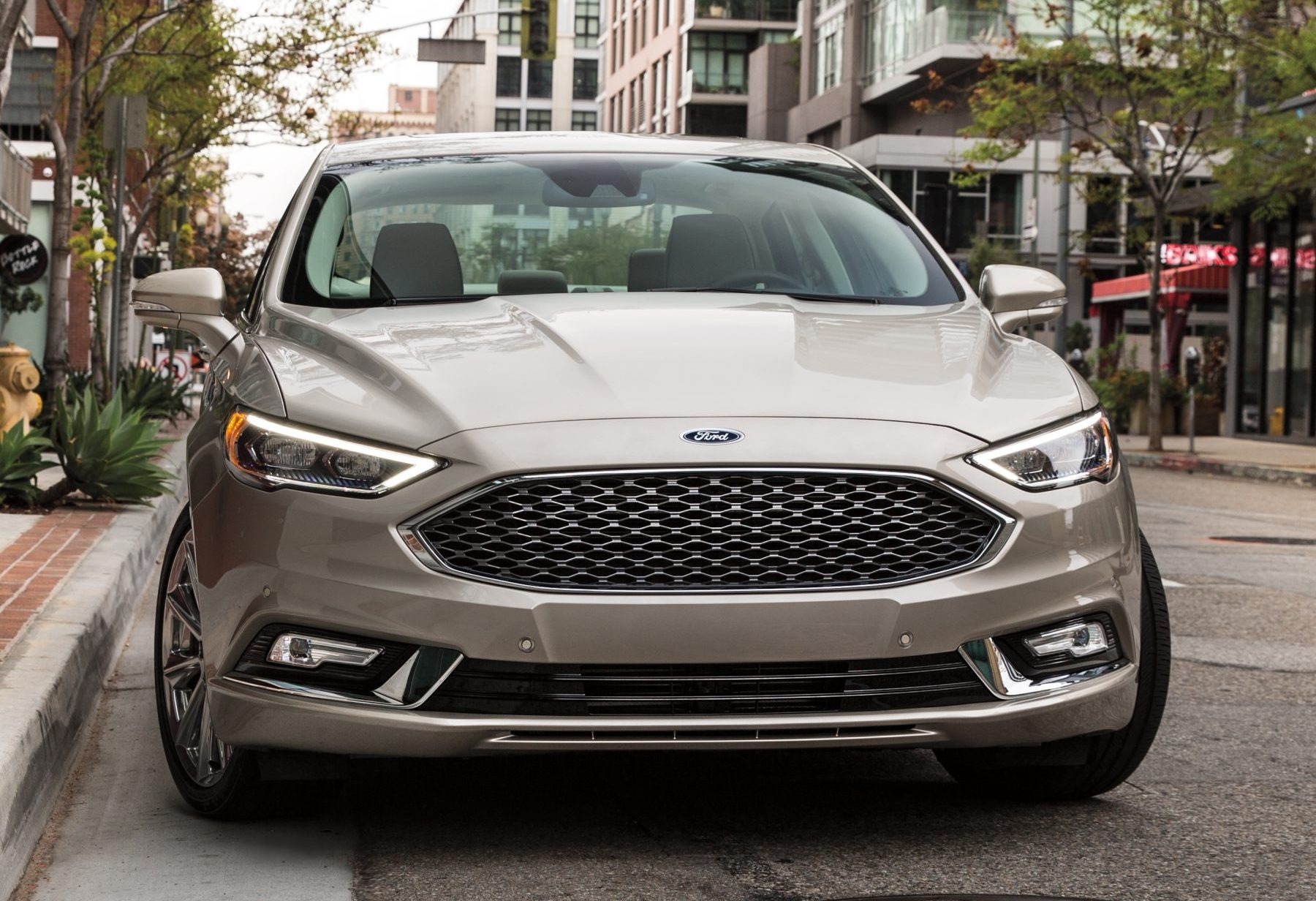
The Ford Fusion Hybrid has earned a reputation as a comfortable, efficient, and versatile sedan that blends practicality with modern hybrid technology.
Known for combining gasoline power with electric assistance, the Fusion Hybrid is both economical and forward-thinking, making it a preferred choice for drivers who want better fuel savings without sacrificing comfort.
Yet, despite its strengths, maintaining this car requires attention to detail. Improper care, repeated neglect, or simple misunderstandings about hybrid systems can shorten its life significantly.
Many owners make unintentional mistakes that quietly wear down major components or weaken the hybrid battery, leading to costly repairs that could have been avoided.
Unlike standard gasoline cars, hybrid vehicles have additional systems that need monitoring. While the Fusion Hybrid is engineered to be durable, small maintenance errors add up quickly.
Something as basic as ignoring the 12-volt battery, skipping hybrid-specific service, or over-relying on regenerative braking without proper brake care can slowly impact performance.
Mismanagement of fluids, careless driving habits, or neglecting the cooling system can also bring long-term damage. What makes this more concerning is that most of these issues don’t show immediate signs. The car may continue to run fine, yet beneath the surface parts are degrading.
For owners who want their Fusion Hybrid to serve reliably for many years, it’s vital to know which practices gradually kill the car and how to avoid them. This article outlines eight common mistakes that cut its life short.
Each mistake is explained in detail with practical reasons why it damages the car and what can be done differently.
By recognizing and addressing these errors, you can extend the durability of your Fusion Hybrid, avoid unnecessary expenses, and enjoy a smoother driving experience for years to come.
Also Read: 8 Oversights That Kill a Jeep Compass Limited Too Early
Mistake 1: Ignoring Hybrid Battery Care
One of the most expensive parts of the Ford Fusion Hybrid is its high-voltage battery, and unfortunately, many owners neglect it. While this battery is designed to last well over 100,000 miles, careless practices can cut its lifespan.
Hybrid batteries don’t fail overnight; instead, years of small oversights take their toll. Letting the car sit unused for long periods is one common problem.
Hybrids are at their healthiest when used regularly, as consistent charging and discharging help keep cells functioning properly. Leaving the vehicle parked for weeks without starting it forces the battery to slowly drain and can trigger damaging deep cycles.
Extreme heat is another silent enemy. Parking repeatedly in hot, direct sunlight without shade builds excessive heat inside the cabin and under the hood, which raises the temperature of the battery system.
Prolonged exposure to high heat accelerates degradation. Similarly, cold weather poses challenges by reducing efficiency and forcing the system to work harder. Owners who fail to use garages or temperature protection set their vehicles up for faster wear.
Another mistake is assuming the hybrid battery needs no routine attention. While it is mostly self-managed, the car has a dedicated cooling system that must stay clean and unobstructed. Dust and debris can clog battery cooling vents inside the cabin, restricting airflow.
Some drivers pile bags or clothing over these vents, suffocating the system. Over time, overheating then reduces battery life. Preventing such issues requires simple steps like keeping cooling passages clear and making sure the car is used consistently.
Basic habits like parking in the shade, driving the car at least once a week, and keeping the cooling system clean will extend battery longevity.
Replacement of this component can cost several thousand dollars, so protecting it is crucial. Neglecting these precautions is one of the fastest ways to bring an early end to the Fusion Hybrid’s efficiency and reliability.
Mistake 2: Skipping Transmission Fluid Changes
The Ford Fusion Hybrid is equipped with an electronically controlled continuously variable transmission (eCVT). Many drivers assume that this component doesn’t require fluid changes or that it will last indefinitely, but that belief is a costly mistake.
Transmission fluid in hybrids is essential for lubrication, cooling, and proper operation of the electrical elements inside the transmission. Over time, this fluid degrades, collecting heat, wear particles, and moisture that reduce its protective abilities.
When fluid changes are neglected, the transmission has to work harder than normal. Excess heat builds up, bearings start wearing down, and the system loses efficiency. Even small changes in fluid condition affect shifting quality and fuel economy.
Unlike traditional transmissions, hybrid units are sensitive to contamination because of the presence of both mechanical and electrical components. Dirt and degraded fluid can coat electrical parts, leading to poor conductivity and eventually damage.
Since Ford’s maintenance schedule may not always emphasize early fluid replacement, many owners mistakenly follow the “lifetime fluid” idea. Unfortunately, “lifetime” rarely equals the actual lifetime of the vehicle.
For hybrids, the safe practice is to change eCVT fluid approximately every 30,000 to 50,000 miles, depending on driving conditions. Drivers who operate in traffic-heavy environments or hot climates should stay closer to the lower interval.
Another overlooked habit is using the wrong type of fluid. Not all transmission fluids are compatible with hybrid systems, and using a non-recommended product can harm seals, cause slipping, and accelerate deterioration. Always verify the fluid type against Ford’s specific hybrid requirements.

Skipping transmission service is easy to overlook because problems usually appear gradually. Owners may simply notice slight performance changes, worse fuel numbers, or mild shuddering before a major breakdown occurs.
By then, the cost of repair is far greater than preventive maintenance. A fluid replacement is modestly priced compared to replacing the entire transmission, making it one of the smartest investments for keeping the Fusion Hybrid out of the repair shop. Ignoring this step guarantees reduced efficiency and a sharply shortened service life.
Mistake 3: Neglecting Brake System Maintenance
One appealing aspect of the Fusion Hybrid is regenerative braking, where the electric motor helps slow the car while recovering energy for the battery.
Many owners believe this feature reduces strain on the brakes to the point that maintenance is unnecessary. While it’s true that pads and rotors often last longer in hybrids, ignoring brake system health is a serious mistake.
Regenerative braking does not replace the hydraulic system. Under heavy braking or in emergencies, the conventional brakes still supply the stopping force. If pads and rotors are left unchecked, they may corrode from infrequent use.
This is especially true for people who drive mostly in gentle city traffic, where regeneration handles much of the stopping. When the hydraulic brakes are finally needed, they may be rusty and uneven, creating unsafe stopping distances.
Brake fluid is another overlooked element. Since hybrids often lean on regeneration, the fluid may remain in the system longer without significant use.
However, brake fluid absorbs moisture naturally over time, reducing its performance and risking corrosion inside brake lines and calipers. If neglected, components like calipers can seize, leading to expensive repairs. A recommended interval of flushing every two to three years should be followed.
Some owners also allow brake warning signs to linger. Squealing sounds, grinding noises, or spongy pedals are often ignored because the vehicle “still stops fine.” Unfortunately, this approach leads to warped rotors, leaking lines, or compromised safety.
With hybrid braking systems, waiting too long may also interfere with regeneration efficiency because sensors rely on accurate feedback from the braking system.
The solution is simple. Even if pads last longer than a traditional car, scheduled inspections are still necessary. This prevents corrosion buildup, ensures even pad wear, and keeps the hybrid system operating smoothly.
Checking rotors for rust, replacing fluid on time, and reliably exercising the hydraulic braking system extends the life of the car and maintains safety. Owners who neglect these steps may discover costly brake issues at the worst possible time.
Mistake 4: Poor Cooling System Maintenance
The Fusion Hybrid relies on two cooling systems. One keeps the gasoline engine at a safe temperature, and the other manages the hybrid battery’s thermal control. Overlooking either system can destroy core components prematurely.
For the engine, coolant is responsible for carrying heat away and preventing damaging hot spots. Unfortunately, many owners forget to flush coolant according to schedule.
Old coolant becomes acidic and loses additives that prevent corrosion inside the radiator and water pump. Left unchecked, the system corrodes, causing overheating and gasket failure.
The engine isn’t the only concern. The hybrid battery also requires temperature regulation to function properly. This happens through a dedicated cooling fan and ventilation system typically located inside the cabin.
Many drivers place bags, clothing, or small objects over the intake grille by the rear seats, blocking airflow. This suffocation leads to hot battery conditions that gradually lower its health and efficiency.
Worse still, some owners postpone cleaning the battery fan, which collects dust, hair, and debris. Once airflow is restricted, the battery experiences heat stress that accelerates degradation.
Using the wrong fluid is another frequent mistake. Only coolant specified by Ford should be used, since different formulas expand differently and may not protect aluminum components. Mixing coolant types can create sludge, leading to partial blockages inside the passages, reducing cooling performance.

The failure of the cooling systems often shows subtle signs like fluctuating temperature readings, loss of performance, and strange fan noises.
Many drivers ignore these early warnings until the car goes into limp mode or the warning lights come on. By that stage, expensive damage may already be present.
A disciplined approach of flushing coolant, cleaning the hybrid cooling fan, and keeping the battery vents clear can prevent failures.
Overheating destroys components faster than almost any other issue, so protecting both cooling systems is vital to keeping the Fusion Hybrid running smoothly over the long term.
Mistake 5: Using Cheap or Incorrect Engine Oil
Hybrid engines work differently than traditional gasoline engines. The engine in a Fusion Hybrid often cycles on and off depending on battery charge and speed. This frequent starting and stopping places higher stress loads on engine oil.
If owners cut corners and use an incorrect or cheap oil type, wear and tear accelerate quickly. Engine oil not only lubricates moving components but also provides film strength during repeated restarts.
When low-quality oil is used, viscosity may not align with Ford’s requirements. For hybrids, thin oils that flow quickly are generally needed to protect the engine during cold starts.
Using an oil that is too thick delays lubrication, inviting premature wear on bearings and valve components. On the other hand, using excessively thin or degraded oil may not protect under hot conditions. This inconsistency weakens the engine over time.
Mixing different oil types is another common mistake. Some owners simply top off the oil with whatever is available, without checking ratings. Combining different qualities may undermine thermal stability and decrease efficiency.
Additionally, waiting too long between oil changes can be damaging. Hybrid engines may accumulate contaminants differently because they often stop running for short periods, leaving condensation or unburned fuel that mixes with oil. Over time, this sludge clogs passages and reduces flow.
The result is a gradual loss of smoothness, lower fuel economy, and ultimately wear on the pistons or camshaft. These are not cheap fixes and can make the car far less reliable than intended.
The most effective way to prevent this is to adhere to proper oil intervals using the specific grade recommended by Ford. Hybrid engines demand high-quality synthetic oil that can deal with frequent start-stop cycles.
Skipping this attention, or opting for bargain products, is essentially cutting the engine’s life short. When compared to the cost of replacing major components, proper oil care is one of the cheapest and most effective forms of preventive maintenance available.
Mistake 6: Driving Habits that Stress the Hybrid System
The Fusion Hybrid adapts driving power between gasoline and electric sources, aiming for a balance of efficiency and performance. However, harsh driving habits can undermine this design.
Owners who constantly accelerate hard, brake suddenly, or push the car aggressively place unnecessary stress on both the gas engine and the hybrid battery. The system works best in smooth, consistent conditions, and each act of aggressive driving chips away at its longevity.
Rapid acceleration is one of the most damaging practices. Flooring the accelerator drains the battery quickly and forces the gas engine to jump in with full load, creating sharp surges in demand.
This constant strain increases wear on engine components and accelerates battery degradation. Over years, the hybrid system loses efficiency, and expensive parts fail early.
Similarly, sudden, aggressive braking puts pressure on both regenerative and friction braking systems. Even though regenerative braking captures energy, excessive hard stops translate into unnecessary heat on rotors and pads, while unsettling balance between hybrid control systems.
Overloading is another overlooked habit. The Fusion Hybrid was not engineered for heavy towing or constant high loads. Carrying excessive weight stresses suspension parts, overheats the engine, and diminishes battery range.
Driving uphill in this condition with aggressive throttle also shortens the lifespan of vital parts like the eCVT and the cooling system.
Frequent short trips also contribute to long-term issues. The hybrid engine needs time to warm up fully to evaporate condensation and burn away fuel contaminants.

Short distances prevent this process, causing sludge buildup and premature oil degradation. In cold climates, this can become even worse if trips last only a few minutes.
The solution is simple: adopt steady, measured driving habits. Gradual acceleration, planned braking, and avoiding unnecessary overloading ensure both engine and hybrid systems last longer.
The Fusion Hybrid rewards drivers who treat it smoothly, providing better fuel economy and fewer repair bills in return. Drivers who ignore these principles may see their fuel savings disappear and face expensive repairs far earlier than they expected.
Mistake 7: Neglecting the 12-Volt Battery
While most attention goes to the hybrid’s large high-voltage battery, many Fusion Hybrid owners forget about the smaller 12-volt battery that powers essential electronics.
This component is vital for starting up the hybrid system, powering accessories, and ensuring computers communicate properly. If ignored, it can cause numerous frustrating issues, including complete no-start conditions.
Unlike traditional cars, hybrids depend heavily on electronics. If the 12-volt battery is weak, modules may lose synchronization, error codes can appear, and even functions such as smart entry or infotainment may fail.
Many owners assume that because the high-voltage battery is present, the smaller battery is less important. This is a mistake that has left plenty of drivers stranded when the car suddenly refuses to turn on.
Short trips and long periods of inactivity are especially damaging. The smaller battery doesn’t get charged as consistently in a hybrid compared to a traditional alternator system, since the vehicle prioritizes hybrid efficiency.
Storing the car for weeks without use can drain the battery completely. Once it has been deeply discharged a few times, its internal capacity weakens permanently.
Temperature extremes also take a toll. Cold weather significantly reduces the ability of a 12-volt battery to hold charge, while hot conditions accelerate the breakdown of its internal plates. Without regular checks, owners often discover the failure only when the hybrid system refuses to activate.
The best prevention is simple upkeep. Testing the 12-volt battery during regular service visits ensures it has enough reserve. Replacing it every four to five years, or earlier if it shows weakness, will prevent surprise breakdowns.
Investing in a trickle charger if the car sits for long periods also extends the battery’s functional life.
The cost of replacement is modest compared to the inconvenience of a no-start scenario. By not ignoring this small but critical part, Fusion Hybrid owners can avoid one of the most common preventable issues.
Mistake 8: Skipping Software Updates and Hybrid-Specific Service
Modern hybrids like the Fusion rely on complex software systems that constantly adjust how the gas and electric components work together.
Unfortunately, many owners never bother to update the vehicle’s software or attend hybrid-specific service intervals. This oversight steadily harms performance and can even shorten the life of major components.
Hybrid control modules orchestrate when the engine turns on, how regenerative braking responds, and how energy is shared between systems.
When software is outdated, these decisions become less efficient. In some cases, the system may mismanage charging cycles, causing the hybrid battery to wear prematurely. In addition, outdated calibration affects shifting smoothness, fuel economy, and emissions.
Dealers and authorized service centers often release technical service updates that include important system optimizations.
These are not optional luxuries; they address issues Ford engineers identify after real-world data collection. Owners who avoid scheduled visits for years miss out on fixes that prevent problems later.

Skipping hybrid-specific service is another frequent problem. Many drivers treat the Fusion Hybrid like a regular gas car, only considering oil changes.
However, hybrids require specialized checks on the cooling fan, high-voltage wiring, regenerative braking sensors, and battery management system.
Neglecting these inspections can allow small issues to grow unchecked, such as corrosion in high-voltage connections or clogged cooling fans. These might not show symptoms until a sudden fault appears, often with high repair costs attached.
The solution is proactive care through regular software updates and hybrid-based maintenance. Ensuring your car is updated at service intervals means the control system runs with the latest efficiency improvements.
Following a hybrid-specific maintenance plan keeps smaller issues under control before they evolve into major breakdowns. Though it may require slightly more effort than a standard car, the payoff is a smoother, more reliable, and longer-lasting Fusion Hybrid.
Ignoring software updates and specialized service may quietly reduce the life of critical systems, creating costly problems down the line.
Also Read: 8 Avoidable Mistakes That Kill a Jeep Grand Cherokee Summit Quickly
