
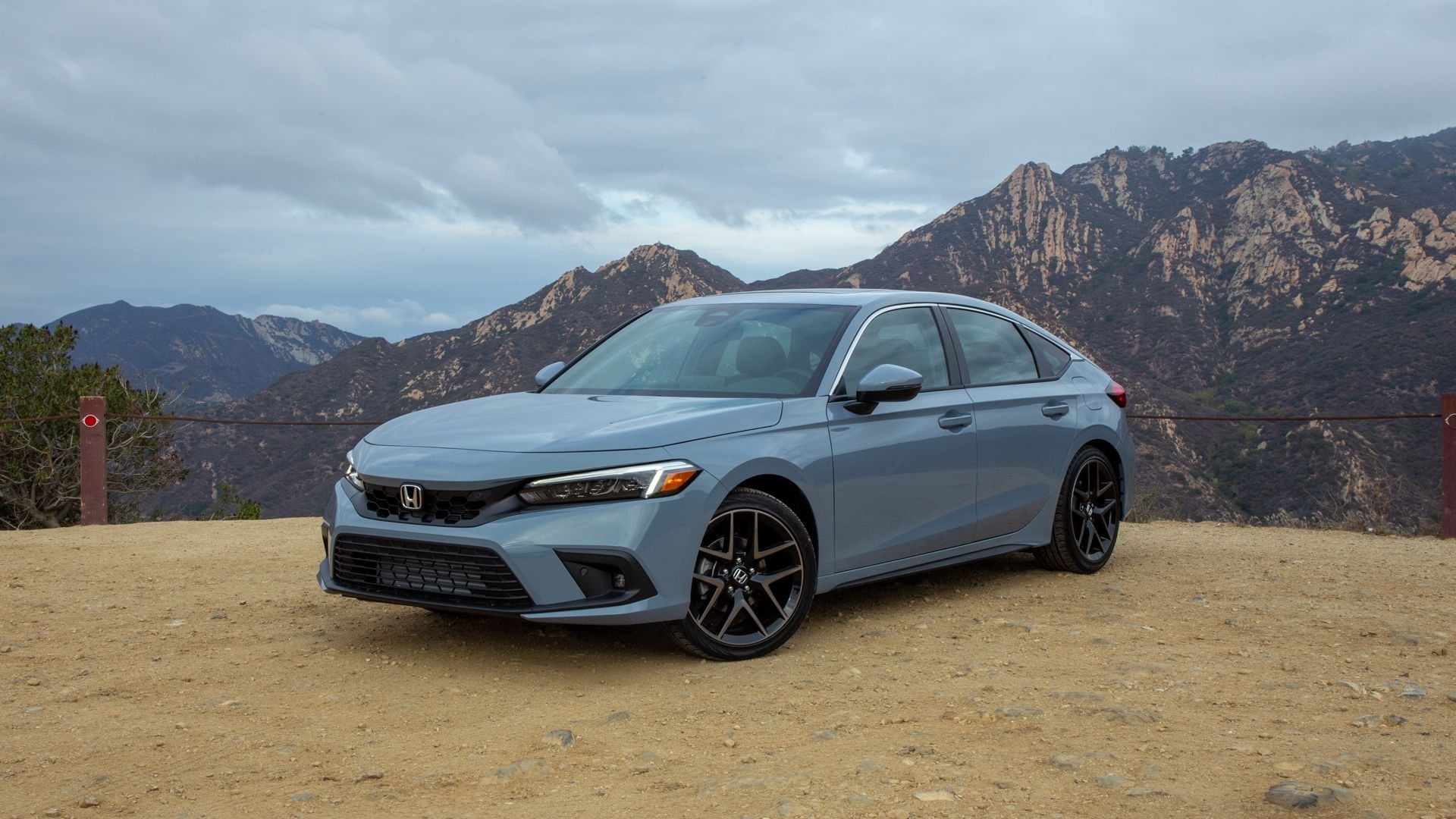
The Honda Civic EX has earned a reputation as a reliable, efficient, and practical vehicle for many drivers. Known for its strong build quality and performance, this model offers a combination of comfort, fuel economy, and longevity that makes it a popular choice across generations.
Despite its solid design, the Honda Civic EX is not immune to damage or wear caused by everyday driving and maintenance habits. Many owners take pride in their Civics, expecting them to last for hundreds of thousands of miles. However, several common habits can slowly sabotage this expectation by causing premature deterioration.
These behaviors may seem minor or harmless but can lead to serious mechanical issues, increased repair costs, and loss of vehicle value when done regularly or ignored over time.
Understanding what these habits are, why they are harmful, and how to change them is essential for any Civic EX owner who wants to keep their car running smoothly for the long haul.
From issues related to how the car is driven to choices made during maintenance, the effects can accumulate silently until major problems arise. This guide is designed to shed light on seven such habits that contribute to early wear and tear in this particular model.
Each habit addressed here is a factor that directly impacts key components like the engine, transmission, suspension, brakes, and tires.
By becoming aware of these detrimental actions, drivers can take steps to extend the life of their Civic, improve driving safety, and maintain the vehicle’s efficiency and performance.
Avoiding these behaviors not only helps prevent frequent breakdowns and costly visits to the mechanic but also maximizes resale value when it’s time to upgrade.
Moreover, staying attentive to these habits allows the Civic EX to deliver the driving experience it was designed for smooth, economical, and reliable.
The following sections will explore each of the seven habits in detail, explaining why they are harmful and offering practical advice on how to avoid or correct them.
Whether the damage is caused by neglecting engine maintenance, ignoring warning signals, or adopting aggressive driving habits, awareness is the first step toward responsible ownership.
Also Read: 7 Moves That Extend a Mercedes C-Class Past 200,000 Miles
1. Excessive Idling: Hidden Damage to the Engine and Efficiency
Many drivers underestimate the negative impact that excessive idling can have on their Honda Civic EX. Idling means running the engine while the vehicle is stationary, such as when stuck in traffic, waiting in parking lots, or warming up the engine on cold mornings.
While idling might seem harmless or even beneficial for engine warm-up, it can actually cause subtle but lasting damage.
The problem with excessive idling lies in the incomplete combustion of fuel. When the engine runs without load for extended periods, fuel does not burn as efficiently as it does during active driving.
This incomplete combustion leads to carbon deposits forming inside the engine’s combustion chambers and on critical parts like valves and spark plugs. Over time, these deposits build up and restrict airflow, reducing engine performance and fuel efficiency.
Additionally, prolonged idling causes the engine oil to degrade faster. Oil lubricates engine components and helps dissipate heat, but when the engine is idling, the oil temperature can fluctuate, reducing its protective qualities. As a result, internal engine components experience increased friction and early wear.
Contrary to popular belief, modern engines like those in the Civic EX don’t require long warm-up periods with the engine running. Instead, gentle driving after a brief start-up is the best way to bring the engine to optimal temperature.
Prolonged idling wastes fuel, increases emissions, and damages the catalytic converter over time, potentially leading to expensive emission system repairs.
Drivers can prevent this damage by turning off the engine during longer stops generally anything over 30 seconds to one minute and avoiding unnecessary idling. This practice preserves engine health and helps reduce fuel costs while supporting cleaner air quality.
Making changes to minimize idling is a simple but impactful way to protect the longevity of the Honda Civic EX.
By ensuring the engine runs efficiently during driving and not while stationary, owners can avoid premature mechanical issues and enjoy better overall performance and economy.
2. Skipping Oil Changes: A Costly Mistake in Engine Maintenance
Regular oil changes are the foundation of proper engine care, especially for a Honda Civic EX. Neglecting this essential maintenance step is one of the most damaging habits affecting engine health and overall vehicle longevity.
Engine oil lubricates internal parts, prevents metal-to-metal contact, removes heat, and cleans away contaminants. Without timely oil changes, the oil loses these vital properties.
The oil inside a Civic EX breaks down from heat cycles and picks up dirt and metal particles as the engine operates. As the oil deteriorates, it becomes sludge-like, clogging oil passages and starving moving components of lubrication.
This causes increased friction, overheating, and wear. When left unchecked, these effects can lead to piston and bearing failure, which are expensive engine repairs.
Honda recommends specific oil change intervals based on mileage and driving conditions that should be strictly followed.
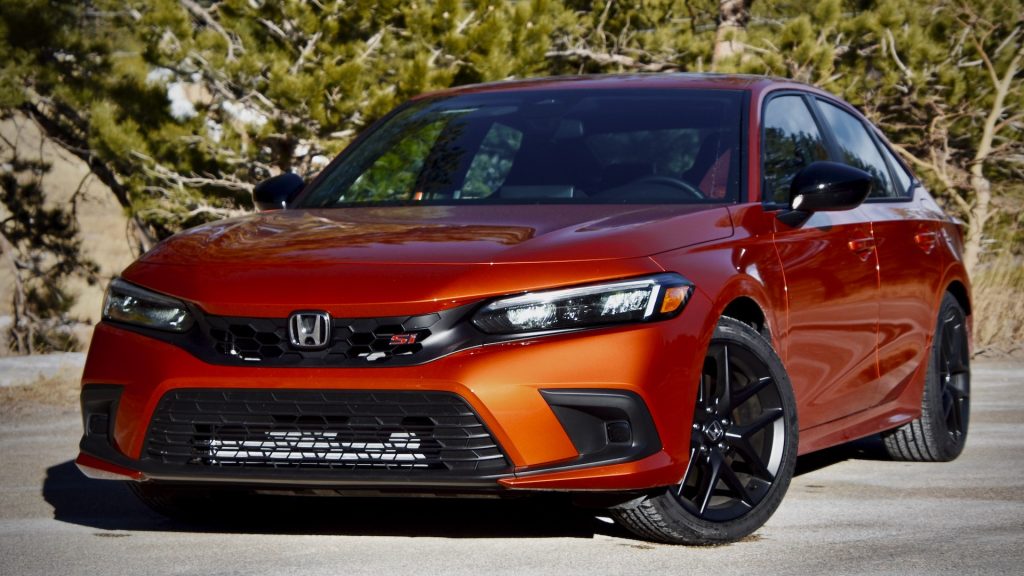
Some owners skip or delay oil changes to save money, unaware that the resulting damage costs much more in the long run. Using the correct oil grade is equally critical, as the Civic’s engine is designed to perform optimally with specific oil viscosities.
In addition to protecting the engine, fresh oil helps maintain fuel efficiency and reduces emissions. It also supports smooth transmission operation in models where engine oil lubricates transmission components. Neglecting oil changes impacts multiple vehicle systems simultaneously.
Attention to oil maintenance prevents sludge formation and keeps the engine running smoothly. Drivers should regularly check oil levels and schedule changes based on mileage or time intervals, whichever comes first.
By prioritizing regular oil changes, Civic EX owners ensure their engines continue running reliably and efficiently. This simple habit offers protection against costly engine problems and contributes to a longer vehicle life.
3. Frequent Hard Braking: Accelerated Wear on Brakes and Suspension
Hard braking is a common driving habit that damages a Honda Civic EX prematurely by causing excessive wear on the braking system and suspension components.
When a driver repeatedly slams on the brakes, it generates intense heat and friction that accelerate the deterioration of brake pads, rotors, and calipers.
Brake pads are designed to wear progressively under normal driving conditions. However, frequent hard stops wear pads much faster, leading to costly replacements well before their expected lifespan.
Similarly, brake rotors undergo thermal stress during harsh braking, resulting in warping or cracking. Warped rotors cause vibration and noise during braking and reduce effectiveness, which compromises safety.
In addition to brakes, the suspension system faces additional strain with hard braking. Sudden stops shift the vehicle’s weight forward abruptly, jolting shocks, struts, and springs. Over time, this repetitive stress damages these components, leading to a rougher ride, degraded handling, and increased repair bills.
Frequent hard braking often results from aggressive driving habits, such as tailgating or failing to anticipate traffic flow.
Maintaining a safe following distance and anticipating stops allows for smoother, gradual braking. This reduces the stress placed on braking and suspension parts while also improving fuel efficiency due to less stop-and-go driving.
For owners of the Honda Civic EX, adopting calm braking habits extends the life of brake pads and rotors, preserves suspension integrity, and enhances overall vehicle safety. The decrease in abrupt braking events also lowers the likelihood of transmission wear caused by repeated shifts between acceleration and deceleration.
Practicing smooth braking is a straightforward change that benefits vehicle longevity and driver confidence.
Simple adjustments like reducing aggressive driving and increasing awareness of traffic conditions can minimize component wear and reduce maintenance costs, keeping the Civic running well for many miles.
4. Overloading: How Excess Weight Harms Your Honda Civic EX
Overloading a vehicle by carrying more weight than it is designed to handle is another habit that leads to the early decline of a Honda Civic EX’s mechanical components.
Every car manufacturer provides a maximum load limit for their vehicles, including passenger and cargo capacity. Exceeding these limits can cause several problems affecting safety and durability.
The suspension system is particularly vulnerable to excess weight. Springs, shocks, and struts are engineered to perform within specific load parameters and support the vehicle’s mass during driving.
When overloaded regularly, these parts compress beyond their intended limits, leading to accelerated wear or permanent damage. This can result in a bouncy or harsh ride and affect the car’s stability.
Tires also suffer when carrying too much weight. Excessive weight increases tire pressure and heat generation, accelerating tread wear and raising the risk of blowouts. Handling and braking distances worsen as a heavier vehicle takes longer to slow down and responds less accurately to steering input.
Carrying extra weight affects fuel economy negatively because the engine must work harder to propel the vehicle. It also puts additional strain on the transmission and drivetrain, potentially shortening component life.
Some drivers unintentionally overload their Honda Civic by packing heavy luggage, equipment, or passengers without considering the vehicle’s limits.
One effective way to avoid damage is to consult the owner’s manual for maximum load specifications and plan trips accordingly. Weight should be distributed evenly across the vehicle to maintain better balance and avoid uneven suspension stress.
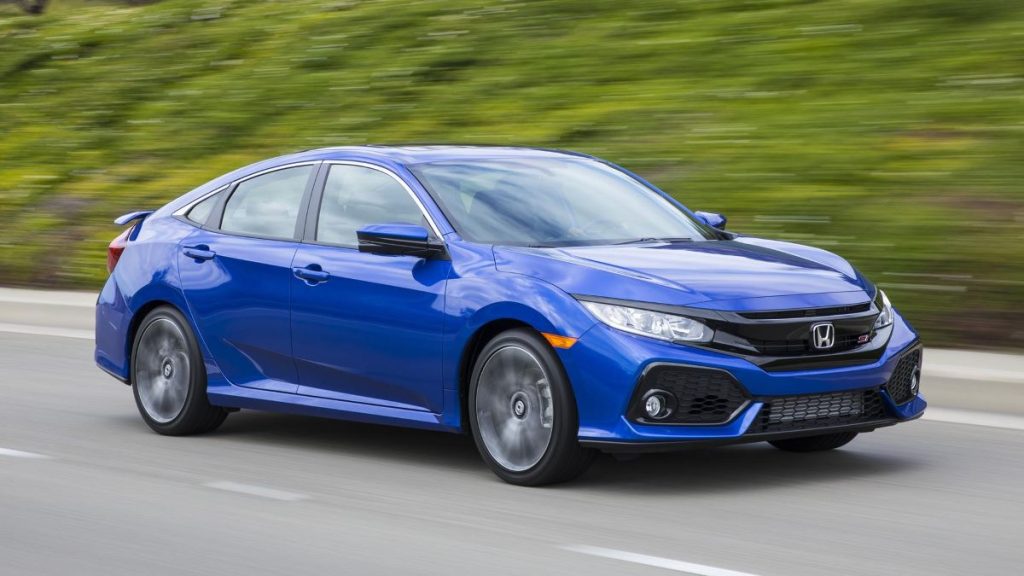
Regular tire pressure checks become even more critical when carrying heavier loads, as underinflated tires under stress can fail prematurely. By staying within the recommended load limits and practicing good cargo management, drivers protect the Civic EX’s suspension, tires, and overall handling.
In essence, respecting load capacity not only extends mechanical life but also improves safety and driving comfort.
5. Ignoring Dashboard Warning Lights: Risks and Consequences
One of the most dangerous habits for a Honda Civic EX owner is ignoring dashboard warning lights and maintenance alerts. These signals are built into the car’s system to notify drivers of potentially serious mechanical, electrical, or safety issues.
Dashboard indicators cover a range of problems, from engine diagnostics to oil pressure, braking system malfunctions, battery status, and tire pressure. When these lights illuminate, they are urgent invitations to take action, either by inspecting the vehicle or seeking professional assistance.
A flashing check engine light, for example, can indicate issues ranging from minor sensor glitches to severe engine misfires. Ignoring it risks worsening damage to the engine or emission control systems.
Similarly, low oil pressure warnings signal imminent lubrication failure which can cause catastrophic engine damage if not promptly addressed.
Many drivers attempt to clear warning lights without diagnosing the root cause, hoping the problem resolves itself. This approach often results in escalating issues and expensive repairs. Some problems affect vehicle drivability, fuel efficiency, or emissions, while others may lead to breakdowns.
Brake system warnings signal compromised safety due to worn pads or hydraulic failures. Tire pressure alerts warn of underinflated tires, which can lead to blowouts or poor handling if neglected.
Responding to dashboard warnings involves checking the owner’s manual for meaning and recommended steps, avoiding prolonged driving when indicated, and seeking timely professional diagnostics. Early intervention tends to prevent minor problems from becoming major.
Proper attention to these alerts enhances vehicle safety and preserves the Honda Civic EX’s reliability. It reduces the chance of roadside emergencies and helps maintain performance levels as intended by the manufacturer.
6. Skipping Tire Maintenance: Uneven Wear and Safety Concerns
Tire maintenance is often overlooked by drivers but is critical for the safety and longevity of a Honda Civic EX. Skipping essential tire care procedures such as rotation, balancing, and alignment negatively impacts tire wear, vehicle handling, and overall safety.
Tires wear unevenly due to variations in road contact, weight distribution, and steering forces. Front tires on a front-wheel-drive vehicle like the Civic EX tend to wear faster than rear.
Without regular tire rotation, this uneven wear leads to reduced traction, particularly in wet or slippery conditions, which compromises vehicle stability and increases the risk of accidents.
Balancing tires prevents vibration issues caused by uneven weight distribution around the tire and wheel assembly. Unbalanced tires introduce shaking that affects ride comfort and stresses suspension components. This vibration can lead to premature wear of shocks, struts, and bearings, escalating repair costs.
Wheel alignment is critical for proper steering control and to ensure that tires meet the road at the correct angles. Impacts from potholes, curbs, or rough roads can throw the alignment off, resulting in the vehicle pulling to one side, uneven tread wear, and reduced tire life.
Driving with misaligned wheels wastes fuel and increases driver fatigue due to constant correction inputs.
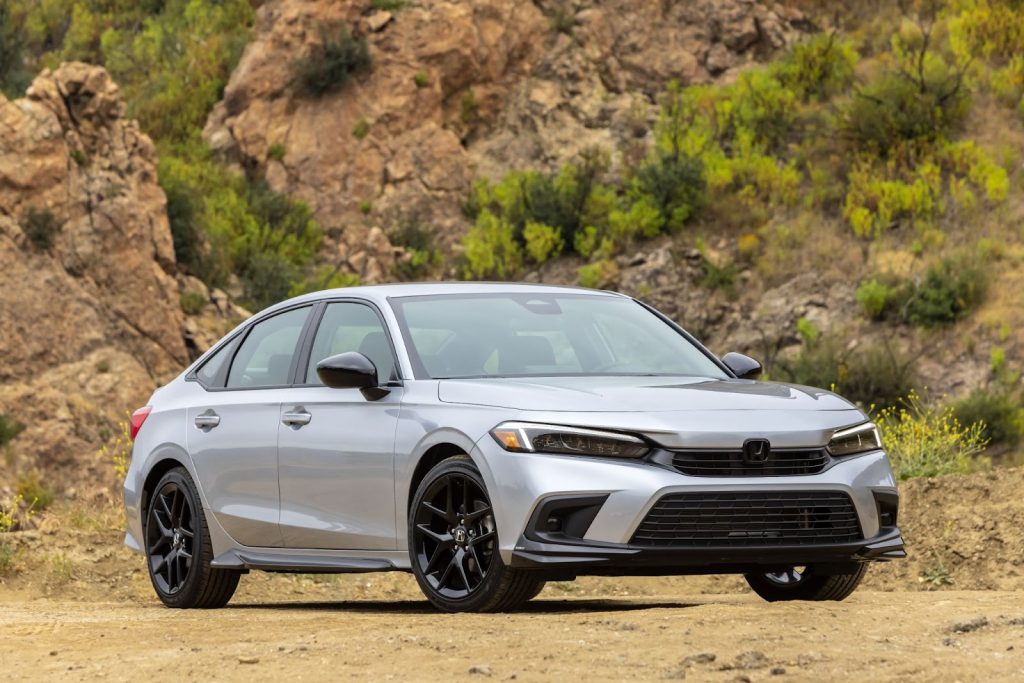
Many drivers neglect these tire maintenance tasks either due to forgetfulness or underestimating their importance. However, ignoring them leads to frequent tire replacements, unsafe drive conditions, and decreased fuel efficiency.
Honda recommends tire rotation every 5,000–7,000 miles and regular alignment and balancing checks, especially after encountering rough roads or noticeable handling changes. Monitoring tire pressure monthly is also essential because underinflated tires wear quickly and generate excessive heat, raising blowout risks.
Proper tire maintenance maximizes tire lifespan, ensures consistent handling performance, and maintains the smooth driving experience Honda Civics are known for. Civic EX owners who prioritize these practices enhance safety and prolong vehicle component life.
7. Using Low-Quality Fuel and Additives: Long-Term Engine Harm
Fuel quality significantly affects the performance and health of a Honda Civic EX’s engine. Using fuel below the manufacturer’s recommended grade or unapproved additives can cause a range of detrimental effects that reduce engine efficiency and lifespan.
The Civic EX’s engine is engineered to run optimally on a specific octane rating of gasoline, usually regular unleaded. Lower-grade fuel can cause knocking or pinging uncontrolled combustion that produces damaging pressure spikes inside the cylinders. This engine knock stresses pistons, valves, and bearings, leading to premature wear or failures.
Impurities in low-quality fuel contribute to deposits inside fuel injectors, intake valves, and combustion chambers. Such buildup interferes with precise fuel spraying and mixing, resulting in rough idling, power loss, increased emissions, and reduced fuel economy.
Fuel additives marketed to improve engine performance or clean the system should be used cautiously. Some unverified products can harm sensors, catalytic converters, or the fuel management system, causing warning lights or emission failures.
Following Honda’s recommendations regarding additives ensures compatibility and avoids unintended damage.
Refueling at trusted stations prevents contamination from poor-quality fuel. Monitoring fuel consumption and engine behavior helps detect potential fuel-related issues early, allowing timely correction before widespread damage occurs.
Adhering to the correct fuel grade and avoiding low-quality supplies helps maintain engine cleanliness, ensuring the Civic EX runs efficiently and smoothly.
This habit protects not only the engine but also exhaust and emission control components, thereby sustaining the overall health of the vehicle.
The Honda Civic EX is widely recognized for its durability, efficiency, and reliable performance. However, several common driving and maintenance habits can seriously shorten the vehicle’s lifespan if not addressed properly.
Understanding and avoiding these detrimental behaviors is key to preserving the car’s performance, safety, and value over the long term.
One major habit that harms the Civic EX is excessive idling. When the engine runs without the vehicle moving, fuel combustion becomes inefficient, causing carbon buildup in the engine and exhaust system.
Prolonged idling also degrades engine oil quality, which increases engine wear and reduces fuel efficiency.
Modern vehicles like the Civic do not require long warm-up periods, so turning off the engine during extended stops can prevent unnecessary damage while saving fuel and reducing emissions.
Neglecting regular oil changes is another critical mistake. Engine oil lubricates and cools engine components, but over time it breaks down and collects contaminants.
Skipping oil changes leads to sludge formation, clogging oil passages and starving engine parts of lubrication. This causes increased friction, overheating, and accelerated wear that often results in costly engine repairs.
Sticking to Honda’s oil change schedule and using the correct oil grade ensures smooth engine performance, improved fuel economy, and a longer engine life.
Frequent hard braking puts excessive stress on the braking and suspension systems. Aggressive stops generate heat and friction that wear down brake pads and rotors prematurely, causing vibration and noisy braking.
The suspension also suffers from abrupt weight shifts, accelerating damage to shocks, struts, and tires. These effects degrade safety and ride quality while increasing maintenance costs. Smoother braking methods, such as maintaining safe distances and anticipating stops, help preserve these components and improve fuel efficiency.
Overloading the vehicle beyond its designed capacity causes suspension and tire damage while impairing handling and safety. Excessive weight compresses springs and shocks, leading to premature failure and harsh ride quality.
Tires endure greater wear and heat risk blowouts, and braking distance grows longer with heavier loads. Following the manufacturer’s load limits and distributing cargo properly protects suspension, tires, and the overall driving experience.
Ignoring dashboard warning lights is a dangerous behavior that often leads to severe mechanical problems. Warning indicators signal a wide range of issues from engine faults to oil pressure drops and tire pressure warnings.
Many drivers dismiss these alerts or reset them without diagnosing the root causes. Prompt attention and professional diagnostics prevent minor troubles from escalating into expensive failures, keeping the car reliable and safe.
Skipping tire maintenance like rotation, balancing, and alignment causes uneven tire wear, vibrations, and poor handling.
Uneven tread wear reduces traction, particularly in adverse conditions, while misalignment causes the vehicle to pull and increases driver fatigue. Routine tire care extends tire life, maintains vehicle stability, enhances ride comfort, and improves fuel efficiency.

Finally, using low-quality fuel or unapproved additives can damage the engine and emission control systems. Poor fuel quality causes engine knocking and deposits buildup on fuel injectors and valves, resulting in reduced power and efficiency.
Fuel additives not approved by Honda may harm sensors or catalytic converters, leading to further complications. Using the recommended fuel grade and trusted fuel stations preserves engine health.
In conclusion, avoiding these seven habits, excessive idling, skipping oil changes, frequent hard braking, overloading, ignoring warning lights, neglecting tire maintenance, and using low-quality fuel can significantly extend the Honda Civic EX’s life.
Making better driving choices and committing to regular maintenance not only protects mechanical components but also enhances safety, driving comfort, and fuel economy.
These responsible practices ensure the Civic EX continues to provide dependable transportation and maintain strong resale value for years to come.
Also Read: 7 Worst Mistakes To Avoid When Owning a Ford Explorer Sport Trac
