

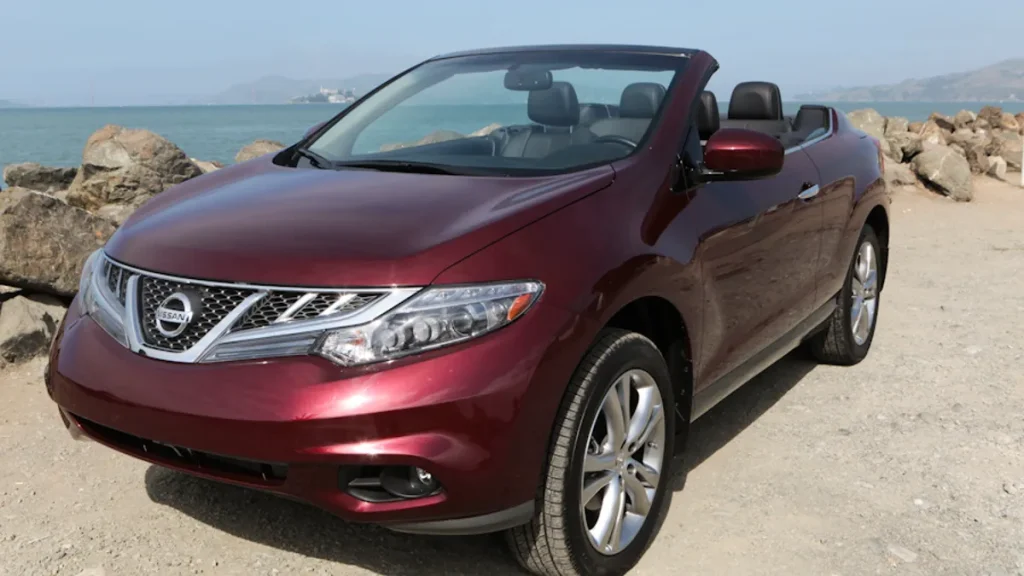
The Nissan Murano CrossCabriolet stands out as a remarkable combination of luxury and open-air driving enjoyment.
Its distinct design, merging the sporty features of an SUV with the excitement of a convertible, makes it a unique choice for drivers who want style without compromising on practicality. Keeping this vehicle in prime condition requires attention to specific details suited for its complex build and specialized components.
Owning a Murano CrossCabriolet means embracing a lifestyle that appreciates both comfort and adventure. Its retractable soft-top roof offers the advantage of fresh air and sunlight while maintaining the spaciousness typically found in an SUV.
However, this blend also introduces certain maintenance challenges that differ from those of regular SUVs or standard convertibles. As a result, owners need to adopt particular strategies to ensure the vehicle remains road-ready and continues to perform at its best.
Regular care and preventative measures are essential to protect the integrity of the roof mechanism, maintain engine efficiency, and uphold the safety features distinctive to the CrossCabriolet edition.
For drivers who want to extend the lifespan of their vehicle while enjoying the thrill of open-air motoring, there are effective practices that address both the mechanical and aesthetic aspects of this Nissan model.
This article presents ten practical tricks to keep the Nissan Murano CrossCabriolet in excellent condition. Each tip focuses on critical areas such as routine maintenance, roof care, tire management, and attention to electronic systems, all tailored to the specific needs of this car.
Following these guidelines helps preserve the vehicle’s performance, appearance, and safety, ensuring every journey is as enjoyable and smooth as the first. The insights shared here aim to support owners in protecting their investment and maximizing their driving pleasure.
Also Read: 10 Cars That Prove Simplicity Beats Complexity
1. Regular Soft-Top Roof Maintenance
One of the most defining characteristics of the Nissan Murano CrossCabriolet is its soft-top roof, which adds a unique blend of style and open-air driving pleasure.
However, this convertible roof demands careful attention to maintain its appearance and functionality over time. The fabric is exposed directly to environmental factors such as sun, rain, dust, and pollution, making it more vulnerable than traditional hardtops.
Cleaning the roof regularly is the foundation of good maintenance. Using products specifically made for convertible fabrics is essential to guard against dirt accumulation, stains, and mildew formation.
A gentle technique involving a mild detergent, soft brush, and plenty of water preserves the fabric’s texture and color.
Avoid harsh chemicals or power washers, as these can weaken the fibers or cause fading. After washing, allowing the roof to dry fully before retracting prevents moisture from being trapped inside the folding mechanism.
The mechanical components of the roof deserve equally consistent care. This includes the hinges, latches, and motors that allow the roof to open and close smoothly.
Lubricating these parts with suitable products prevents rust buildup and keeps the operation quiet and efficient. Operating the roof at least once a week, even if the weather doesn’t require it, is wise. Doing so keeps the mechanisms from stiffening or seizing due to inactivity.
Routine inspections for any signs of wear such as small tears, discoloration, or loose stitching are crucial as well.
Early repair using specialized kits designed for convertible fabric can prevent minor problems from escalating into full replacements, which tend to be costly and disruptive.
Owners should also be cautious about where they park; avoiding areas under trees or near birds reduces exposure to sap, droppings, and other contaminants that can degrade the fabric over time.
When the roof is down, maintaining a clean folding compartment prevents dirt and debris from damaging the mechanism.
Covers that are both breathable and weather-resistant are recommended for vehicle storage, especially if the Murano CrossCabriolet is parked outdoors for long periods.
Such covers protect from UV rays, rain, and airborne pollutants while allowing moisture to escape, helping to avoid mold growth.
Through these careful care habits, the roof retains its elegance and reliability, ensuring the distinctive open-air experience remains enjoyable throughout the life of the vehicle.
Proper soft-top maintenance not only preserves the vehicle’s aesthetics but also safeguards its functionality, making it a cornerstone in keeping the Nissan Murano CrossCabriolet ready for any journey.
2. Engine Care for Performance and Longevity
The engine is the heartbeat of the Nissan Murano CrossCabriolet, and maintaining it properly ensures the vehicle runs smoothly and lasts longer. Routine engine care involves more than just changing the oil; it requires attention to a variety of components that keep the engine functioning efficiently.
Regular oil changes remain one of the most critical factors in engine health. Using the synthetic oil type recommended by Nissan helps reduce friction between moving parts and minimizes wear.
Dirty or old oil loses its lubricating properties, which can accelerate engine damage and lead to costly repairs. Sticking to the manufacturer’s suggested intervals for oil and filter changes is a wise investment for the vehicle’s longevity.
Effective cooling is essential to maintain optimal engine temperature. The cooling system contains antifreeze or coolant that circulates through the engine block and radiator to disperse heat.
Checking coolant levels frequently and flushing the system as recommended by the service schedule prevents overheating and corrosion inside the engine. Periodically inspecting hoses and the radiator for leaks or damage catches small issues before they cause a breakdown on the road.

Air intake is another key aspect of engine performance. The air filter’s job is to keep dust, pollen, and other airborne contaminants from entering the combustion chamber. A clogged air filter restricts airflow, leading to reduced power and efficiency.
Assessing the filter during routine checkups and replacing it if dirty benefits fuel economy and reduces emissions.
Spark plugs ignite the fuel-air mixture inside engine cylinders, and worn plugs can cause misfires or rough idling. Regular checks and replacements ensure consistent ignition and smoother acceleration. Ignoring these could also affect the catalytic converter’s health.
Fuel quality also affects engine function; using high-grade fuel reduces buildup and keeps injectors clean. Avoiding frequent short trips helps because engines warm up fully during longer drives, burning off deposits that may accumulate otherwise.
Listening for unusual engine noises or paying attention to dashboard warning lights enables early detection of problems. Investigating changes in engine sound or performance promptly often prevents costly damage.
Overall, a commitment to thorough engine care maintains power delivery and fuel efficiency while minimizing breakdown risks, enabling the Murano CrossCabriolet to remain reliable and enjoyable to drive.
3. Tire Management for Safety and Comfort
Proper tire care is a cornerstone for safety and comfort when driving the Nissan Murano CrossCabriolet. Tires form the only contact point between the vehicle and the road, influencing everything from braking to fuel economy.
Understanding and following best practices for tire maintenance helps extend their lifespan and improves overall handling.
Checking tire pressure is crucial. Each tire should be inflated to the pressure specified on the vehicle’s placard, not according to the tire’s sidewall.
Incorrect tire pressure either too low or too high, affects traction, handling responsiveness, and braking distance. Low pressure causes excessive heat buildup, leading to premature tire wear or even blowouts, while overinflation reduces the contact area with the road, compromising grip and ride comfort.
Frequent rotation of tires, typically every 5,000 to 7,000 miles, ensures even wear over time. Uneven wear patterns may not only shorten tread life but also cause vibrations and poorer steering control.
This procedure involves moving tires from front to rear and sometimes swapping sides, depending on the tire type and drivetrain layout.
Tread depth is another critical factor for safe driving. Tires should be replaced when tread depth is below 2/32 inch, as insufficient tread affects water evacuation, increasing the risk of hydroplaning during wet conditions. Using a simple tread depth gauge or the penny test helps monitor wear easily.
Apart from these mechanical considerations, seasonal tires may be worth considering. All-season tires offer versatility but sometimes specialized summer or winter tires better suit specific climates and driving conditions, enhancing grip and safety.
When storing the Murano CrossCabriolet, tires should be shielded from direct sunlight and extreme temperatures, which contribute to rubber degradation. If left unused for long periods, inflating tires slightly above recommended pressure or using supports prevents flat spots.
Following these tire management practices provides stable handling, reduces the chance of accidents, and cushions the ride, making every trip safer and more enjoyable.
4. Protecting the Interior from Sun and Moisture
The Nissan Murano CrossCabriolet’s interior requires thoughtful care to preserve its luxurious feel and protect it from damage caused by sunlight and moisture.
Since this vehicle offers the thrill of open-air driving, its interior is exposed more frequently to environmental factors that can degrade materials quickly without proper attention.
Leather seating is a major component of the interior’s appeal, but leather can fade, crack, and dry out when exposed to prolonged direct sunlight. Applying UV protectants specifically formulated for automotive leather helps maintain suppleness and color.
These products create a barrier against harmful rays, slowing the breakdown of leather fibers. Conditioning treatments also replenish natural oils lost through sun exposure, preventing brittle textures.
The dashboard and door panels made from vinyl or plastic can suffer from similar sun damage. Using protective sprays designed for these surfaces guards against fading and keeps the finishes looking fresh.
Placing sunshades in the windshield and windows when parking prevents excessive heat buildup inside the cabin and further reduces UV penetration.
Moisture poses an equally serious threat to interior components. Rain, humidity, or accidental spills can lead to mold growth, unpleasant odors, and damage to upholstery and electronics.
After driving in wet conditions with the roof open, airing out the car promptly and wiping down damp surfaces helps prevent moisture buildup. Using moisture-absorbing products inside the cabin during humid seasons keeps the interior dry.
All-weather floor mats tailored for the Murano CrossCabriolet guard carpets from mud, dirt, and water, allowing easier cleaning and preventing stains. Routine vacuuming and spot cleaning preserve the overall cleanliness and comfort of the cabin.
By committing to routine cleaning, protection, and moisture control, owners can maintain the Nissan Murano’s interior as comfortable, stylish, and inviting as when it first left the showroom.
5. Regular Inspection of Electrical Systems
The Nissan Murano CrossCabriolet integrates advanced electrical systems that enhance convenience and safety. Keeping these systems in good working order requires periodic and comprehensive inspections supported by proactive care.
Vehicle lighting, including headlights, brake lights, indicators, and interior lamps, must be checked regularly.
Functioning lights improve visibility at night and signal intentions clearly to other drivers. Replace any burnt-out bulbs immediately, and if electrical problems persist after replacement, investigate wiring or fuse issues.
Battery performance affects starting reliability and powers all electronic accessories. Over time, exposure to heat and vibration can corrode terminals or reduce battery life.
Keeping terminals clean and tight prevents starting failures and irregular power supply to components. Regularly testing battery voltage and capacity allows for timely replacement before complete failure.
The convertible roof depends heavily on electronic motors, sensors, and switches. Malfunctions in any of these parts can cause the roof to become stuck or operate erratically.
Owners should listen for unusual noises and observe any error messages on the dashboard related to roof operation, seeking professional service if abnormalities occur.
Moreover, modern dashboards contain many sensors that monitor engine parameters, tire pressure, traction, airbags, and more. Ignoring warning lights can jeopardize safety and lead to costly damage. Using diagnostic tools during routine visits helps uncover hidden electrical issues that may not yet have manifested visibly.
By prioritizing electrical system maintenance, the Nissan Murano CrossCabriolet remains thoroughly reliable and safe, avoiding inconveniences and maintaining the overall driving experience.
6. Brake System Maintenance for Safety
The braking system of the Nissan Murano CrossCabriolet is a vital safety component that demands consistent attention to ensure reliable stopping power. Proper maintenance involves inspecting multiple brake system elements to safeguard driver and passenger safety at all times.
Brake pads and rotors experience wear and tear each time the brakes are engaged. Brake pads, made from friction material, gradually thin down. When they become too thin, the pads lose effectiveness and may damage the rotors by causing metal-on-metal contact.
A common early warning sign of worn pads is a high-pitched squeal during braking, followed by grinding noises if the issue is ignored. Visual inspections or professional checks help determine when replacement is necessary.
Brake fluid also plays an indispensable role by transmitting pressure from the pedal to the brake calipers. Over time, this fluid can absorb moisture from the air, which lowers its boiling point and can cause brake fade during hard or prolonged braking.
Moisture-contaminated fluid also encourages corrosion within brake lines and caliper components. Regularly flushing and replacing brake fluid according to Nissan’s recommended schedule ensures consistent braking performance and longevity of components.
Checking brake lines and hoses for cracks, leaks, or bulges is part of thorough maintenance. Compromised brake lines can lead to sudden brake failure. Brake calipers and wheel cylinders require attention as well, with sticking or leaking parts impairing braking balance.

When new brake pads and rotors are installed, following proper bedding-in procedures is critical. Bedding ensures the friction materials and rotor surfaces mate correctly, providing smooth stopping without vibrations or noise. This step also extends the lifespan of braking components.
Well-maintained brakes not only provide peace of mind but also contribute to the overall quality of the driving experience, particularly on wet roads or during emergency stops. Keeping the Nissan Murano CrossCabriolet’s braking system in excellent shape is a direct investment in safety and confidence.
7. Suspension and Steering Checks
The suspension and steering systems of the Nissan Murano CrossCabriolet are responsible for delivering a balanced ride, responsive handling, and driver control.
Given the unique weight distribution and design of this vehicle, regular inspection and upkeep are crucial to prevent premature wear and maintain driving pleasure.
Suspension components such as shock absorbers or struts help absorb road irregularities, providing a comfortable ride.
Over time, these parts can wear or leak fluid, reducing their ability to cushion bumps. Symptoms of worn suspension include excessive bouncing, body roll during turns, and an unsettled ride on rough surfaces.
Bushings, ball joints, and control arms connect the wheels to the frame and allow smooth movement. Wear or damage in these components can cause clunking noises, uneven tire wear, or loose steering feel. Early identification through visual inspection or professional checks helps avoid hazardous handling problems.
Steering precision depends partly on the power steering system, which frequently uses hydraulic or electric assist to reduce driver effort.
Monitoring power steering fluid levels, watching for leaks, and checking for abnormal noises or stiffness in the steering wheel are basic maintenance tasks. Sudden changes in steering performance should be investigated promptly.
Alignment plays a vital role in both suspension and steering. Improperly aligned wheels can cause pulling to one side, rapid tire wear, and compromised handling. Regular wheel alignments as recommended by Nissan maintain the vehicle’s handling characteristics and tire longevity.
By keeping suspension and steering systems in optimal condition, the Murano CrossCabriolet maintains its confident road manners, smooth ride quality, and driver control, ensuring each trip is both safe and comfortable.
8. Fluid Checks Beyond Engine Oil
While engine oil maintenance is frequently emphasized, several other fluids in the Nissan Murano CrossCabriolet are equally important for maintaining smooth and reliable vehicle operation. Regularly checking and replacing these fluids helps protect vital systems from damage.
Transmission fluid lubricates and cools transmission components, ensuring smooth gear changes whether the vehicle has an automatic or continuously variable transmission (CVT).
Dirty or low transmission fluid can cause slipping, hesitation, or overheating, potentially leading to expensive transmission repairs. Checking fluid levels and condition periodically, along with changing fluid according to the service schedule, keeps transmission performance steady.
Coolant or antifreeze, managed through the cooling system, regulates engine temperature and protects the engine block from freezing in cold climates.
Periodic flushing and refilling prevent build-up of scale and rust that could block coolant flow. Maintaining the correct coolant composition ensures effective heat transfer and prolongs engine life.
Brake fluid, a hydraulic medium, transfers pedal force to the brakes. As mentioned earlier, moisture absorption lowers its effectiveness and invites corrosion; flushing this fluid regularly is essential for brake safety.
Power steering fluid aids in effortless steering responses. Leaks or degraded fluid can cause noise and heavy steering. Checking and topping up power steering fluid prevents strain on steering components.

In all-wheel-drive versions, fluids in the differential and transfer case lubricate gears that distribute power between front and rear wheels. These fluids require periodic replacement to prevent gear wear and maintain drivetrain efficiency.
Tracking these fluids as part of a comprehensive maintenance routine prevents breakdowns and extends the lifespan of the Nissan Murano CrossCabriolet’s mechanical systems.
9. Exterior Care and Paint Protection
The exterior of the Nissan Murano CrossCabriolet is one of its most eye-catching attributes, and diligent care protects this investment by preserving both appearance and structural integrity. Regular cleaning and paint maintenance guard against environmental damage and help retain resale value.
Frequent washing removes harmful substances such as road salt, dirt, bird droppings, and industrial fallout. These contaminants, if left to accumulate, can degrade the paintwork and metal underneath.
Using car wash products designed specifically for automotive finishes reduces the risk of scratching or marring paint during cleaning. Choosing a gentle washing technique such as the two-bucket method or using foam guns adds further protection.
After washing, applying a layer of wax or paint sealant creates a protective shield that repels water, dust, and UV rays. This layer also enhances the shine and smoothness of the finish. Waxing at least two to three times a year keeps the paint vibrant and delays oxidation.
Inspecting the vehicle for minor scratches, chips, or paint imperfections is beneficial. These defects expose metal surfaces to moisture and can cause rust if untreated. Using touch-up paint or professional repair solutions promptly prevents small issues from becoming larger problems.
Protecting the soft-top fabric, glass surfaces, and plastic trim from sunlight and environmental exposure also preserves the vehicle’s overall look. Using a breathable car cover and parking in shaded or covered areas whenever possible reduces UV damage and fading.
A commitment to exterior care maintains the Nissan Murano CrossCabriolet’s striking presence and shields the body from premature wear, ensuring it always looks as impressive as it drives.
10. Scheduled Professional Servicing
Following the Nissan Murano CrossCabriolet’s recommended maintenance schedule at authorized service centers is paramount for comprehensive long-term care.
While regular owner inspections and upkeep handle many needs, professional servicing provides an expert level of attention to complex components.
Technicians have access to specialized diagnostic equipment to check engine management systems, electronics, and emissions controls. These systems are becoming more sophisticated with each model year, and timely software updates improve performance and address potential issues.

Scheduled service visits often include detailed inspections of vital systems like brakes, suspension, cooling, exhaust, and drivetrain.
Fluids are flushed and replaced, filters changed, and wear components identified before failure occurs. This approach minimizes breakdown risk and costly emergency repairs.
Professional servicing also ensures factory warranties remain valid by documenting maintenance history. This can improve vehicle resale value and give owners peace of mind that their Nissan Murano CrossCabriolet was cared for properly.
Trusting trained Nissan technicians with maintenance and repairs lets owners enjoy the vehicle’s unique features while prolonging its reliability, safety, and driving enjoyment well into the future.
Also Read: 10 Tricks That Keep a Toyota Prius C Battery Running Strong Over Decades
